2027 Best Criminal Justice Degrees for Working Adults

Co-Founder and Chief Data Scientist
Many working adults aiming to transition into law enforcement face the challenge of balancing full-time jobs with demanding degree programs. According to the Bureau of Labor Statistics, employment in protective service occupations is expected to grow 5% from 2022 to 2032, highlighting increasing job opportunities. However, traditional education paths often lack the flexibility needed by adults managing work and family responsibilities. This article explores the best criminal justice degrees designed for working professionals, focusing on flexible, accredited programs that support career advancement without sacrificing current employment obligations.
Key Things to Know About Criminal Justice Degrees for Working Adults
- Flexible scheduling and online or hybrid formats allow working adults to balance employment while pursuing a degree, with over 60% of criminal justice students opting for asynchronous classes in 2023.
- Accelerated programs can reduce time to degree completion, often enabling students to graduate within two years, meeting workforce demand in growing fields like cybersecurity and forensics.
- Employer relevance is emphasized through curricula aligned with current justice system trends, increasing professional advancement opportunities for graduates in law enforcement and public policy roles.
What Are the Best Criminal Justice Degrees for Working Adults?
The best criminal justice degree for working adults depends on factors like schedule flexibility, career alignment, and return on investment. Many prefer programs with online or hybrid formats that support part-time enrollment, allowing them to balance work and study. A notable trend is the rise of online education, which provides access to accredited programs without geographical limits, often featuring asynchronous classes tailored for busy professionals pursuing affordable accredited criminal justice programs for professionals.
Consider these degree options suited for employed students:
- Criminal Justice Administration: Emphasizes leadership and organizational skills, making it ideal for professionals targeting supervisory roles. Flexible coursework and practical content help students integrate learning with current job responsibilities.
- Forensic Science: Combines criminal justice with scientific methods. Offered often in hybrid formats, it allows working adults to apply theory directly to technical or investigative careers while accommodating part-time study.
- Cybercrime and Digital Forensics: Focuses on emerging technological threats, preparing students for cybersecurity roles. The online format ensures accessibility for professionals seeking career advancement.
- Criminology and Sociology: Explores social influences on crime, suitable for those interested in policy and analytical roles. Programs typically offer personalized pacing for working students.
- Homeland Security: Prepares learners for national security and emergency management fields through flexible scheduling and real-world applications.
For working adults exploring degree options beyond criminal justice, well-structured MBA programs may also offer valuable career flexibility and advancement opportunities.
What Are the Admission Requirements for Working Adults in Criminal Justice Degree Programs?
Admission requirements for working adults in criminal justice programs typically reflect the unique needs of individuals balancing full-time employment and other responsibilities. Nearly 40% of graduate students in the U.S. now enroll part-time, highlighting the importance of flexible and supportive admission criteria for this group. Programs designed for working professionals often adapt their standards to accommodate career changers and adult learners.
Common admission requirements for working adults pursuing criminal justice degrees include:
- Prior Work Experience: Relevant professional experience is frequently accepted in lieu of traditional academic prerequisites, recognizing the value of practical skills gained on the job.
- GPA Expectations: Minimum GPA standards may be more flexible or assessed alongside work history to provide a fair evaluation of a candidate's potential.
- Standardized Test Waivers: Many criminal justice degree admission criteria for working professionals include waivers for GRE or other standardized tests, especially for applicants with substantial experience.
- Professional Recommendations: Letters from supervisors or colleagues often carry more weight than academic references, reflecting real-world performance and professional skills.
- Flexible Enrollment Options: Online and part-time study options allow students to progress without sacrificing current employment, making advanced education more accessible.
For working adults considering further education in related fields, exploring an engineering degree online can provide similar flexibility and career advancement opportunities.

What Coursework Is Required in Criminal Justice Degree Programs for Working Adults?
Coursework in criminal justice degree programs for working adults is carefully structured to balance career relevance, practical skills, and flexible scheduling to accommodate full-time employment. Nearly 60% of students in these programs are aged 25 or older, which underscores the importance of adaptable formats that support both learning and professional responsibilities. This design reflects criminal justice degree class requirements tailored for busy adult learners.
Common coursework areas focus on foundational knowledge and applied skills that directly enhance career advancement. These typically include:
- Foundations of Criminal Justice: Introducing the main components such as law enforcement, courts, and corrections, this course helps working professionals understand system interactions vital for their roles.
- Criminal Law and Procedure: Covering legal principles and courtroom processes, this course is essential for grasping rights, responsibilities, and rules that impact law enforcement and legal support careers.
- Ethics and Professionalism in Criminal Justice: Emphasizing ethical decision-making and integrity, it prepares students to meet the high standards expected in their fields and maintain public trust.
- Criminology and Behavioral Analysis: Exploring crime theories and behavior, this coursework supports professionals in offender profiling and rehabilitation strategy development.
- Research Methods and Data Analysis: Teaching data collection and evaluation techniques, it enables students to assess policies and programs, fostering evidence-based decision-making.
Adult learners often seek flexible program options similar to those available in other fields, such as a library science degree, highlighting the growing demand for accommodating educational pathways.
Breakdown of All Fully Online Title IV Institutions

Completion times for a criminal justice degree vary widely for working adults due to balancing education with employment and personal life. According to the National Center for Education Statistics, part-time students often take around six years to finish, compared to the typical four years for full-time students.
Several factors contribute to this variation:
- Program Format: Flexible options like online or hybrid classes enable students to tailor study hours around their work schedules, which can either reduce or extend the overall time to graduate.
- Course Load: Taking fewer courses per term to accommodate job responsibilities generally lengthens the time needed to complete the degree compared to full-time enrollment.
- Prior Credits: Students with transferable credits or previous college coursework may shorten their path by bypassing introductory classes and focusing on degree-specific requirements.
- Work Schedule: Irregular or demanding job hours can limit consistent study time, potentially slowing academic progress.
- Accelerated Options: Some programs offer condensed semesters or fast-track courses, helping motivated students finish more quickly if they can manage the increased workload.
Cost is a critical factor for working adults pursuing a criminal justice degree, as many juggle full-time jobs and studies. Recent data shows part-time enrollment in criminal justice programs has grown, highlighting the demand for affordable, flexible options.
Several key factors determine the overall expense of earning a criminal justice degree for employed students:
- Tuition per credit: This typically represents the biggest cost and can vary greatly among public, private, and online schools. Rates per credit often influence total tuition more than program length.
- Program duration: Shorter, accelerated courses may have higher per-credit costs but reduce the overall expense by allowing quicker completion, benefiting busy adults.
- Additional fees: Charges for technology, registration, and lab usage can add up and differ depending on whether the program is online or in person.
- Study materials: Expenses for textbooks and supplies can be substantial, though digital books and open resources might lower costs considerably.
- Delivery format: Online programs often come with reduced tuition and no commuting costs, making them popular among working learners seeking flexibility and savings.
Employers' tuition reimbursement programs, scholarships tailored to adult learners, and accredited online options provide valuable financial support, helping working adults manage their education expenses while advancing their careers.
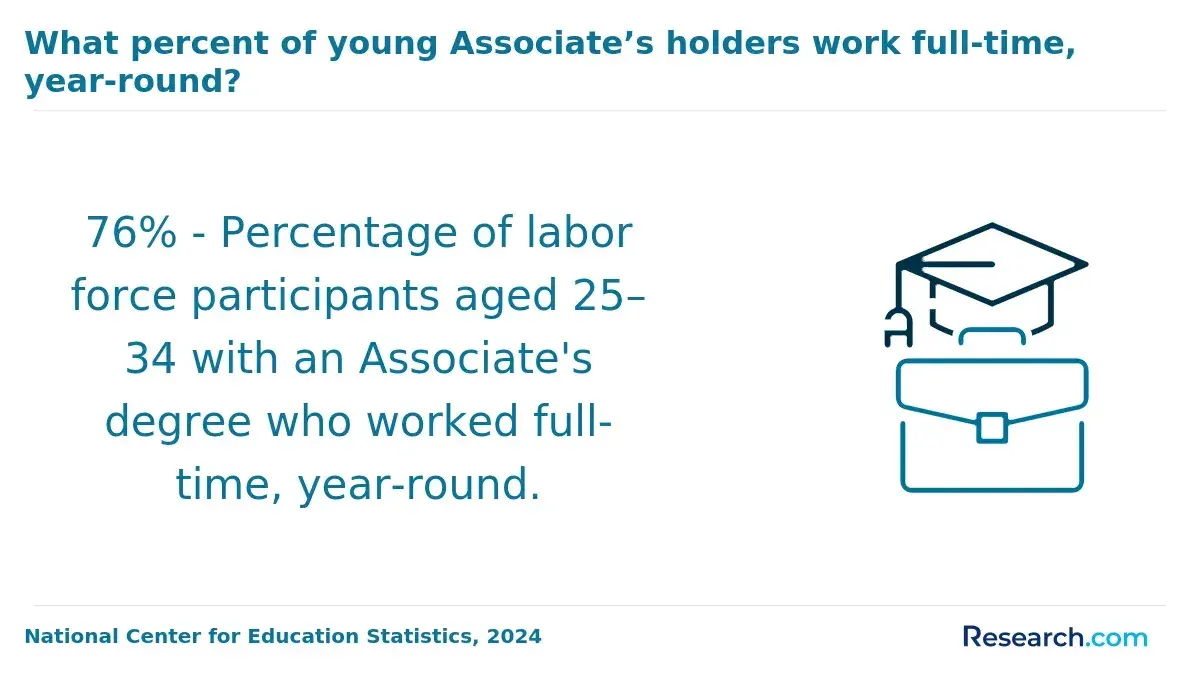
Financial aid plays a vital role for working adults juggling the demands of employment, education, and personal life while pursuing a criminal justice degree. Having access to financial support helps ease financial stress and increases the likelihood of successfully completing the program.
Several key financial aid opportunities are typically available to adult learners in criminal justice programs:
- Federal financial aid: This includes options such as Pell Grants and low-interest federal student loans, which are based on financial need and do not require repayment in the case of grants. These aid packages provide critical funding for eligible students.
- Employer tuition assistance: Many companies encourage professional growth by offering tuition reimbursement or direct assistance for employees advancing their education in fields related to their job functions, helping reduce personal expenses.
- Scholarships for adult learners: Various scholarships specifically target non-traditional students, acknowledging the unique challenges they face and often rewarding academic accomplishments or alignment with criminal justice careers.
- Grants: State agencies and private organizations sometimes provide no-repayment grants aimed at adult students or those studying criminal justice, effectively reducing the financial burden.
- Payment plans and tax benefits: Educational institutions often provide flexible payment options that spread the cost over time, while tax credits like the Lifetime Learning Credit can offer additional monetary relief for continuing education.
Working adults pursuing a criminal justice degree often face the challenge of balancing coursework with full-time employment and personal obligations. Robust institutional support is essential to help these students manage their responsibilities and maintain academic momentum.
- Flexible Scheduling: Enables learners to attend classes during evenings, weekends, or online, fitting education around busy work and family lives. This flexibility helps reduce conflict between study and other commitments.
- Academic Advising: Offers tailored guidance on course selection and degree pathways, ensuring students make steady progress toward graduation while avoiding unnecessary delays.
- Online Learning Support: Provides technical help and resources for navigating virtual platforms and submitting assignments, making remote study more accessible and less stressful.
- Tutoring and Study Resources: Delivers targeted assistance on difficult material, improving comprehension and boosting academic performance across challenging criminal justice topics.
- Career Services: Connects students with internships, job opportunities, and networking avenues to align education with professional advancement within the criminal justice field.
Accreditation for criminal justice programs signifies that an independent agency has evaluated the curriculum, faculty, and support services to ensure the education meets quality standards. For working adults, earning a degree from an accredited program is vital because it assures employers the degree holds professional value and meets industry expectations. Accredited programs also affect eligibility for federal financial aid, which is often critical for adults balancing education with work and family life. Notably, nearly 40% of graduate students are age 30 or older, underscoring the rising demand for flexible programs tailored to adult learners.
Accreditation enhances the credibility and long-term usefulness of a criminal justice degree by facilitating smoother credit transfers between institutions, an important factor for adults who may shift programs or continue their studies. It also influences whether graduates qualify for professional licensure or certification, essential steps in many criminal justice careers. Ultimately, having an accredited degree supports sustained career growth by providing recognized credentials valued by employers and professional bodies in a competitive job market.
Salary growth remains a key motivator for working professionals pursuing a criminal justice degree, with annual earnings typically ranging from $40,000 to $75,000 depending on the position, location, and experience level. For many adults, understanding how a criminal justice degree boosts career earnings can be crucial when balancing education with full-time employment.
- Industry Demand: Regions with a high need for law enforcement, legal services, or corrections often provide better salary opportunities. The demand fluctuates based on local crime rates and government funding, impacting roles' compensation.
- Role Advancement: Earning a degree frequently qualifies individuals for supervisory, specialized, or administrative positions that come with higher pay. Many working adults seek these pathways to move beyond entry-level wage brackets.
- Employer Policies: Certain organizations implement pay scales that reward educational attainment, offering clear salary increases for degree holders. Knowing these policies can help workers plan their career advancements strategically.
- Years of Experience: Combining practical experience with a criminal justice degree often results in the highest salary growth. Experience brings valuable expertise that employers reward alongside educational credentials.
- Specialization: Degrees focused on niche areas such as forensic science, cybercrime, or homeland security can command premium salaries. Professionals aiming for these sectors may benefit from targeted degree programs.
For adults seeking flexible and accredited options that accommodate full-time work, exploring the cheapest online EdD programs may provide insights into affordable pathways for advanced education. While a criminal justice degree does not guarantee an immediate salary increase, it remains an important investment for working adults aiming for long-term career growth and enhanced earning potential.
A criminal justice degree helps working adults move beyond entry-level roles by providing specialized expertise and leadership skills needed for higher-level, more specialized, or supervisory positions. This degree enables professionals to take on roles requiring strategic decision-making and advanced knowledge of legal and organizational systems.
Below are some common advanced positions often pursued by experienced professionals in criminal justice careers for working adults:
- Probation Officer: Supervises offenders, ensuring adherence to court mandates and facilitating successful reintegration into society. The role demands strong judgment and communication skills developed through criminal justice studies, marking a significant step up from frontline duties.
- Crime Analyst: Focuses on interpreting crime data to detect patterns that guide law enforcement priorities and prevention efforts. Analytical expertise gained in advanced coursework supports this strategic and higher-responsibility role.
- Corrections Supervisor: Oversees correctional facility staff and inmate activities, requiring leadership acumen and knowledge of institutional policies covered in criminal justice programs. This position represents a shift into management within corrections.
- Forensic Science Technician: Assists investigations by gathering and analyzing physical evidence. The scientific training incorporated in many criminal justice degrees provides the technical foundation for entering this specialized field.
- Law Enforcement Manager: Leads police units or departments, managing personnel, budgets, and community relations. Criminal justice education strengthens understanding of administrative processes and legal frameworks essential for this executive role.
Those exploring job opportunities with a criminal justice degree while balancing full-time work should consider flexible, accredited programs from online colleges with financial aid that support career advancement and skill development for adult learners.
What Graduates Say About Their Criminal Justice Degrees for Working Adults
- Elsin: "I decided to enroll in an online criminal justice degree program while working full-time because flexibility was crucial for me. The total cost was manageable compared to traditional programs, which made pursuing my passion more accessible. Since graduating, I've been promoted twice, and the degree really opened new doors in law enforcement."
- Kai: "Choosing a part-time route for my criminal justice studies was a thoughtful decision reflecting my need to balance family, work, and education. Although the average cost around $15,000 felt like an investment, it paid off when I transitioned into a supervisory role. Looking back, the commitment was tough but absolutely worth it. "
- Marley: "As a working professional, enrolling in an online criminal justice degree was a strategic move to advance my career without sacrificing income. The cost was reasonable, and the ability to study at my own pace allowed me to excel. Completing the program elevated my credibility and expanded my professional network significantly. "
Other Things You Should Know About Criminal Justice Degrees
Yes, many criminal justice programs designed for working adults accept transfer credits from accredited institutions. This can significantly reduce the time needed to complete the degree, especially for professionals who have completed general education or related coursework. It is important to verify with the specific school which courses are eligible for transfer and how they apply to the criminal justice curriculum.
Online learning is often the preferred format for working adults due to its flexibility. Accredited programs frequently offer fully online or hybrid options that allow students to balance studies with job and family responsibilities. These formats typically provide access to virtual resources, instructor support, and peer interaction to create a comprehensive learning experience.
Most programs require a completed application, official transcripts from every college attended, and a government-issued photo ID. Some also ask for a resume, a short personal statement, and proof of high school graduation or a prior degree. Background checks are sometimes required for internships or field placements.
- What Can You Do With a Criminal Justice Degree? https://www.rasmussen.edu/degrees/justice-studies/blog/what-can-you-do-with-a-criminal-justice-degree/
- Financial Aid And Scholarships For Criminal Justice Degrees https://www.accreditedschoolsonline.org/criminal-justice-degree/financial-aid-scholarships/
- Criminal Justice (Online) https://www.claflin.edu/academics-research/the-center-for-professional-and-continuing-studies/degrees/criminal-justice-(online)
- Criminal justice education | Research Starters | EBSCO Research https://www.ebsco.com/research-starters/education/criminal-justice-education
- 5 Things Every Graduating Criminal Justice Student Needs To Know https://www.saintleo.edu/about/stories/blog/5-things-every-graduating-criminal-justice-student-needs-to-know
- Questions About Criminal Justice Degree Requirements https://criminaljusticecareernow.com/articles/career-questions
- Online Criminal Justice Degree | Accredited Programs | SNHU https://www.snhu.edu/online-degrees/bachelors/bs-in-criminal-justice
- Criminal Justice – Finish Your Bachelor’s Degree https://www.faulkner.edu/adult/montgomery-campus/bachelor-degrees-degree-completion-programs/criminal-justice-bcj/
- Financial Aid Resources | All Criminal Justice Schools https://www.allcriminaljusticeschools.com/financial-aid/
- Adventures in Advising: Strategies, Solutions, and Situations to Student Problems in the Criminology and Criminal Justice Field https://ijpe.inased.org/makale/411