
2027 How to Become a Medical Biller & Coder in Maine

Co-Founder and Chief Data Scientist
Becoming a medical biller and coder in Maine can be a practical way to enter healthcare without pursuing a clinical license. The role sits at the center of patient records, insurance claims, reimbursement, and compliance. That makes training, accuracy, and credential choices important—especially as healthcare organizations rely more heavily on electronic health records, payer rules, and revenue cycle technology.
This guide is for Maine students, career changers, and healthcare support workers who want to understand the real path into medical billing and coding. You will learn what education is typically expected, whether certification is necessary, how to compare training options, where jobs may be found, what salaries can look like, and what mistakes to avoid before paying for a program.
Quick Answer: How Do You Become a Medical Biller and Coder in Maine?
In Maine, the usual starting point is a high school diploma or GED, followed by job-focused training in medical terminology, ICD-10, CPT, HCPCS, insurance billing, reimbursement, privacy rules, and electronic health records. Maine does not require a state license for medical billers and coders, but many employers prefer or reward national certification through organizations such as AAPC, AHIMA, or NHA. Entry-level salaries are commonly described as ranging from $35,000 to $40,000, while experienced or specialized professionals may move into roles exceeding $60,000.
Key Things to Know Before Choosing This Career in Maine
- Maine’s healthcare employers need administrative professionals who can code accurately, submit clean claims, and help prevent reimbursement delays.
- Career materials often cite several growth figures for this field, including 8% national growth from 2019 to 2029, projections exceeding 10% across Maine, and a 22% next-decade estimate. Because these numbers vary by source and timeframe, verify the latest labor market data before making an enrollment decision.
- Salary figures also vary by source and role. Maine medical billers and coders are described as earning approximately $45,000 annually in some summaries and around $47,000 per year in others.
- Programs from institutions such as the University of Maine at Augusta and Southern Maine Community College can help students build the billing, coding, and compliance foundation employers expect.
- Certification is not legally required in Maine, but it can strengthen your resume, especially for hospital, specialty practice, remote, and revenue cycle roles.
- Education requirements for medical billing and coding in Maine
- Certification requirements and employer expectations
- How to prepare for certification exams
- Financial aid and scholarship options
- Reasons to pursue this career in Maine
- Major employers and work settings
- Medical billing and coding salary in Maine
- Job outlook and demand
- Challenges to expect in the field
- Alternative career paths
- Technology trends changing the work
- Compliance and regulatory factors
- Professional growth strategies
- Networking for career advancement
- Soft skills that matter
- Interdisciplinary training and career mobility
What are the education requirements for medical billing and coding in Maine?
The baseline requirement for many medical billing and coding jobs in Maine is a high school diploma or GED. That credential shows you have the general reading, math, and communication foundation needed for healthcare administration work. Some schools, including the University of New England, may accept students who meet this basic academic threshold.
However, most applicants benefit from additional training. A certificate or associate-level program can help you learn the systems and rules that define the job: medical terminology, anatomy, diagnosis coding, procedure coding, insurance claims, reimbursement methods, patient privacy, and healthcare documentation. Southern Maine Community College is one example of an institution offering coursework that connects classroom learning with medical reimbursement and coding practice.
Maine does not impose a separate state education requirement for medical billers and coders. That makes the field accessible, but it also means students must evaluate programs carefully. A short course may be enough for some entry-level billing jobs, while a more complete program can be a better fit if you want hospital coding, certification eligibility, or advancement into health information management.
| Education Path | Best For | What to Check Before Enrolling |
| High school diploma or GED plus employer training | Applicants seeking basic front-office, claims support, or entry-level administrative roles | Whether the employer provides structured training and whether the role leads to coding responsibilities |
| Certificate program | Career changers and students who want focused billing and coding preparation | Coverage of ICD-10, CPT, HCPCS, insurance billing, compliance, and certification preparation |
| Associate degree | Students who want broader healthcare administration or health information opportunities | Transfer policies, internship or practicum options, employer connections, and total cost |
| Continuing education or exam-prep course | Working healthcare employees preparing for certification or role changes | Whether the course aligns with AAPC, AHIMA, or NHA exam requirements |
Do you need certification to work as a medical biller and coder in Maine?
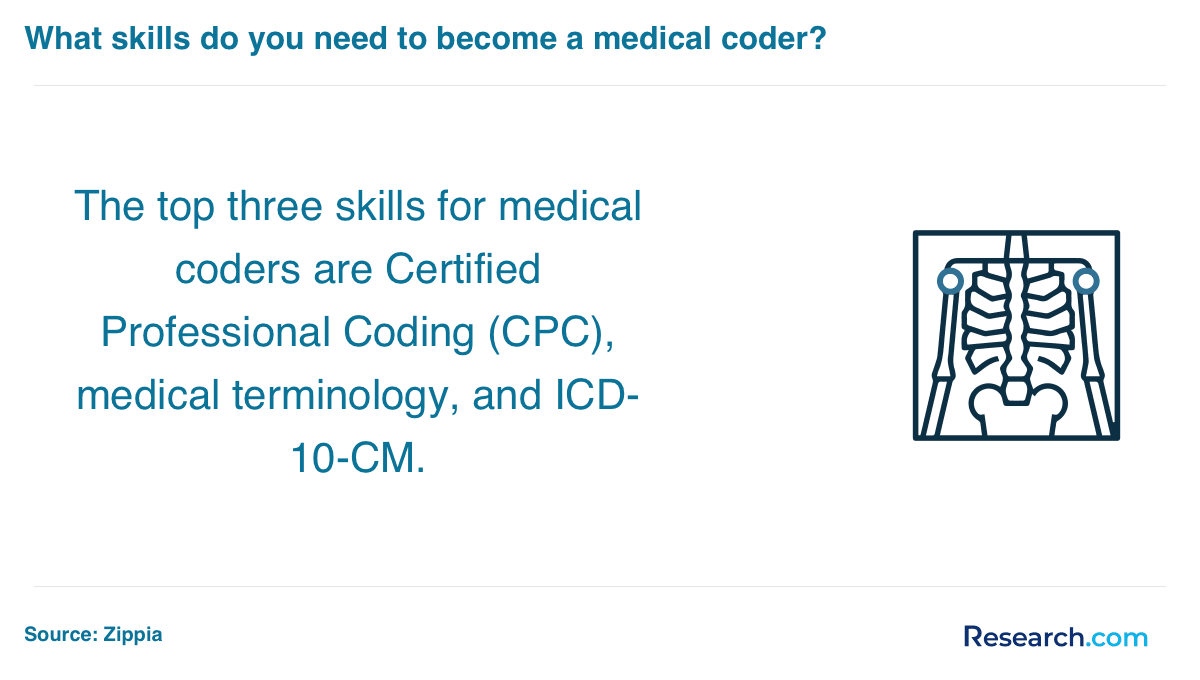
No state-issued certification or license is required to work as a medical biller and coder in Maine. Still, certification can make a meaningful difference when employers compare applicants. It gives hiring managers evidence that you understand coding systems, documentation rules, claim accuracy, and professional standards.
The strongest credential depends on the kind of work you want to do. A physician practice, hospital, outpatient clinic, insurance company, and remote coding employer may value different certifications.
| Certification | Issuing Organization | Best Fit |
| Certified Professional Coder (CPC) | American Academy of Professional Coders (AAPC) | Students and workers focused on physician office, outpatient, and professional services coding |
| Certified Coding Specialist (CCS) | American Health Information Management Association (AHIMA) | Coders who want to work with more complex inpatient and outpatient records, especially in hospital settings |
| Certified Billing and Coding Specialist (CBCS) | National Healthcareer Association (NHA) | Entry-level professionals who want a combined billing and coding credential for a range of healthcare offices |
Most certification pathways require candidates to pass a standardized exam. Preparation usually includes formal coursework, coding practice, review of official coding guidelines, and familiarity with real documentation scenarios. If your goal is remote coding, hospital coding, or advancement beyond basic billing, certification is often worth considering early.
How can aspiring medical billers and coders in Maine prepare for certification?
Certification preparation should be more than a last-minute review. Start by organizing your program materials around the major exam areas: ICD-10 diagnosis coding, CPT procedure coding, HCPCS coding, medical terminology, anatomy, reimbursement, compliance, and documentation standards. Then practice applying codes to realistic cases rather than memorizing definitions in isolation.
AAPC and AHIMA offer study materials, practice exams, and professional communities that can help candidates understand the format and expectations of their exams. Maine students may also benefit from workshops, local professional events, and study groups connected to organizations such as the Maine Health Information Management Association (MHIMA).
Before paying for an exam-prep package, compare the credential with your career target. If you are aiming for physician-office coding, CPC preparation may be a logical choice. If you are targeting hospital coding, CCS preparation may align more closely with your goals. Reviewing broader career information, including medical billing and coding salary and requirements, can also help you decide whether the exam cost fits your expected career path.
Practical certification study plan
- Choose the credential that matches your preferred work setting.
- Review the exam content outline from the issuing organization.
- Build a weekly study schedule that includes coding practice, not just reading.
- Use practice exams to identify weak areas before scheduling the real test.
- Study payer rules, documentation quality, and compliance topics because coding accuracy affects reimbursement and audits.
- Keep evidence of completed courses, practice hours, and continuing education for future employers.
Are there financial aid programs for medical billers and coders in Maine?
Yes. Students preparing for healthcare support roles in Maine may be able to reduce their out-of-pocket costs through grants, scholarships, institutional aid, or community college funding. Availability depends on the school, program eligibility, enrollment status, residency, financial need, and application deadlines.
| Financial Aid Option | Maximum Amount | Typical Recipients |
| Maine Health Care Association (MHCA) Scholarship | Up to $1,500 | Students preparing for healthcare careers, including billing and coding, who show financial need |
| Maine State Grant Program | Varies, up to $1,500 per year | Maine residents enrolled in eligible postsecondary programs, including medical billing and coding |
| Harold Alfond Foundation Scholarships | Up to $1,000 | Students entering high-demand fields such as healthcare, with attention to learners from low-income backgrounds |
| The Maine Community College System (MCCS) Scholarships | Up to $2,000 | Community college students, including those training for medical billing and coding roles, especially first-time college students |
Do not judge affordability by tuition alone. Ask about books, coding manuals, exam fees, technology requirements, graduation fees, and whether certification testing is included. If you are comparing online options, programs listed among accredited medical billing and coding schools online with financial aid may help you identify training routes that combine flexibility with financial support.
Students weighing cost against career outcomes should also review the broader discussion of the pros and cons of being a medical biller and coder before committing to a program.
Why become a medical biller and coder in Maine?
Medical billing and coding can appeal to Maine residents who want healthcare work that is detail-oriented, office-based, and connected to patient care without requiring direct clinical treatment. The role supports providers, patients, and insurers by translating services into standardized codes and helping claims move through the reimbursement process.
Maine may be a good setting for this career if you want to work in hospitals, clinics, specialty practices, insurance-related roles, or remote administrative positions tied to healthcare systems. The state’s mix of larger health networks and smaller rural providers can create different types of opportunities, from high-volume hospital coding to multi-role administrative work in smaller offices.
| Reason to Consider the Field | What It Means in Practice |
| Healthcare stability | Billing and coding support ongoing clinical operations, insurance claims, and patient records. |
| Multiple work settings | Professionals may work in hospitals, clinics, private practices, billing companies, insurance organizations, or remote teams. |
| Room for advancement | Experience can lead to specialization, auditing, revenue cycle analysis, supervision, or health information roles. |
| Non-clinical healthcare entry | The work contributes to healthcare delivery without requiring a nursing, pharmacy, or physician license. |
This path is not ideal for everyone. If you dislike detailed rules, repetitive documentation review, payer denials, or ongoing compliance updates, a different healthcare administration role may be a better fit.
What are the top employers for medical billers and coders in Maine?
Medical billers and coders in Maine may find opportunities with large health systems, community hospitals, outpatient practices, specialty clinics, billing service companies, and insurers. Large organizations may offer more specialized coding teams, while smaller practices may expect employees to handle billing, coding, patient communication, and administrative support together.
Major healthcare employers commonly associated with opportunities in Maine include:
- MaineHealth: A major health network in northern New England with hospitals, outpatient sites, and provider practices. Its size may create openings across billing, coding, revenue cycle, and health information functions.
- Northern Light Health: A system with hospitals and clinics throughout Maine. Professionals interested in ongoing training and varied healthcare settings may find relevant administrative roles here.
- Central Maine Healthcare: A provider network serving a broad patient population, with potential needs in records, coding, claims, and revenue cycle support.
- Southern Maine Health Care: Part of the MaineHealth network, with administrative and clinical operations that depend on accurate documentation and reimbursement processes.
How to evaluate an employer
- Ask whether the role is primarily billing, coding, denial management, payment posting, prior authorization, or a combination.
- Find out which electronic health record and billing systems the team uses.
- Ask whether certification is required at hire or expected after employment.
- Clarify productivity expectations, quality review processes, and training for new coders.
- For remote roles, confirm whether Maine residency is required and whether equipment is provided.
How much do medical billers and coders earn in Maine?
Salary depends on experience, certification, employer type, coding specialty, remote eligibility, and whether the role focuses on billing, coding, auditing, or revenue cycle analysis. Maine salary summaries commonly describe medical billers and coders as earning around $47,000 per year, while other overviews cite approximately $45,000 annually.
| Career Stage | Salary Figure Cited | What May Influence Pay |
| Entry level | $35,000 to $40,000 | Training quality, certification status, employer size, and whether the job includes coding or mostly billing support |
| Mid-level | $45,000 to $55,000 | Experience, specialty coding knowledge, productivity, accuracy, and payer expertise |
| Advanced, supervisory, or specialized roles | Exceeding $60,000 | Auditing, revenue cycle leadership, complex coding, compliance responsibilities, or management duties |
| Average salary summary | Around $47,000 per year | Role mix, source methodology, and local employer demand |
Training alone does not guarantee a specific salary. To improve your earning potential, choose a program that prepares you for certification, practice with real coding scenarios, and build experience in claims follow-up, denials, documentation quality, and electronic health record systems. If you are comparing online training, review accredited online medical billing and coding programs before enrolling.
What is the job outlook for medical billing and coding in Maine?
The job outlook is supported by the broader healthcare system’s need for accurate patient records, compliant coding, and efficient reimbursement. The U.S. Bureau of Labor Statistics has cited 8% national employment growth for medical records and health information technicians from 2019 to 2029. Maine-specific career summaries also cite employment growth projected to exceed 10% in the coming decade across Maine.
At the same time, job seekers should understand that “medical billing and coding” can appear under several job titles. Employers may post openings for medical records specialists, coding specialists, reimbursement specialists, revenue cycle representatives, patient account representatives, claims analysts, or health information technicians.
Factors supporting demand
- More electronic documentation: Healthcare providers need workers who can interpret records and apply coding rules correctly.
- Claims complexity: Insurance requirements, denials, and payer documentation rules create demand for trained billing staff.
- Rural and community healthcare needs: Smaller Maine providers may need flexible administrative employees who understand several parts of the revenue cycle.
- Compliance pressure: Accurate coding supports reimbursement and reduces audit risk.
Because labor market numbers can differ by source, use multiple references when deciding whether the field is worth your investment. Program pages that feature affordable medical billing and coding courses can be useful, but cost should be weighed against certification preparation, employer recognition, and completion support.
What are the challenges for medical billers and coders in Maine?
This career is accessible, but it is not easy administrative work. Accuracy, deadlines, changing rules, and payer communication can make the job demanding. In Maine, smaller healthcare markets and rural service areas may also require workers to handle broader responsibilities than they would in a highly specialized department.
| Challenge | Why It Matters | How to Prepare |
| Staffing deficits | Short-staffed teams may expect new employees to learn quickly and manage high claim volume. | Build strong fundamentals and ask employers about onboarding, mentoring, and productivity expectations. |
| Changing regulations | Coding rules, payer policies, reimbursement standards, and privacy requirements can shift. | Commit to continuing education and follow updates from certification bodies and employers. |
| Technology adoption | Billing platforms, EHR systems, and coding tools affect daily workflows. | Practice with software when available and be ready to learn new systems after hire. |
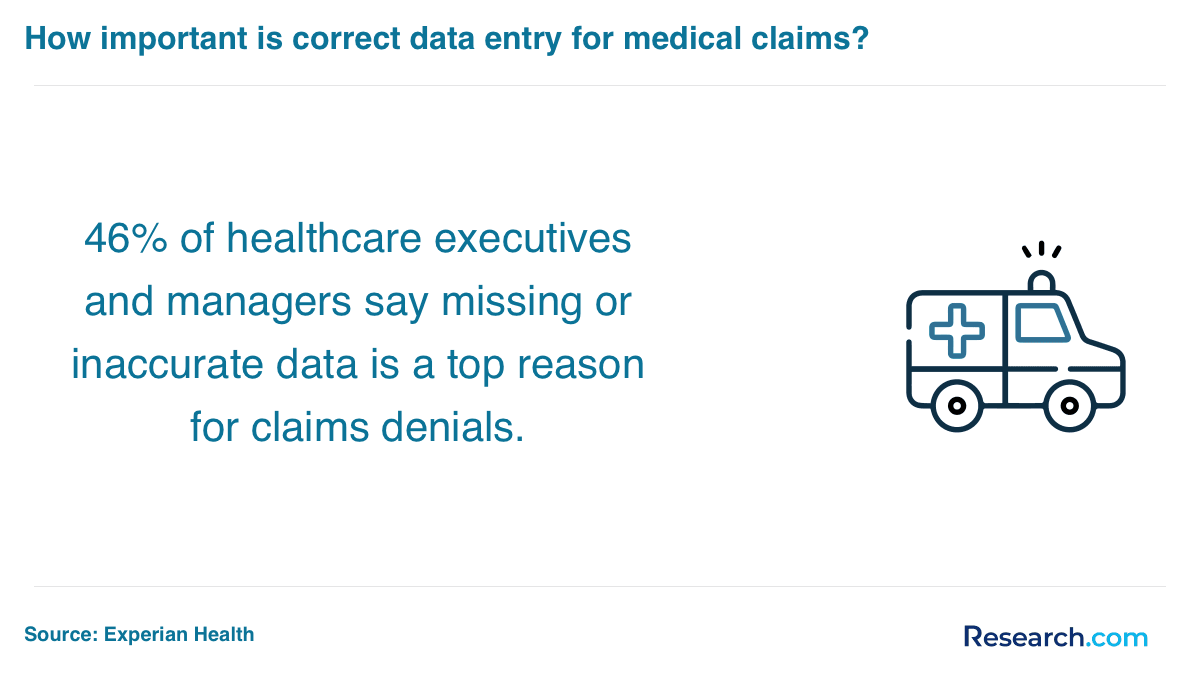
| Insurance complexity | Small errors can delay payment, trigger denials, or require appeals. | Develop careful documentation review habits and learn denial management basics. |
Common mistakes to avoid
- Choosing a program without checking whether it prepares students for recognized certification exams.
- Looking only at tuition and ignoring exam fees, textbooks, coding manuals, and technology costs.
- Assuming every online program has strong employer recognition.
- Believing certification automatically guarantees a remote job or a specific salary.
- Ignoring transfer credit policies if you may later pursue an associate or bachelor’s degree.
- Failing to ask whether the curriculum covers current ICD-10, CPT, and HCPCS practices.
What alternative career paths can medical billers and coders in Maine pursue?
Billing and coding experience can lead to several related careers, especially for professionals who build skills in documentation, compliance, data quality, payer rules, and revenue cycle operations.
| Alternative Role | How Billing and Coding Experience Helps | Maine Salary Figure Cited |
| Health Information Technician | Experience with patient records, data accuracy, privacy, and documentation supports this path. | Around $58,000 per year |
| Medical Office Manager | Billing knowledge, patient account experience, and administrative workflow skills can support leadership duties. | Approximately $73,000 annually |
| Clinical Documentation Specialist | Coding expertise helps professionals evaluate whether clinical documentation supports accurate claims and compliance. | About $68,000 per year |
| Revenue Cycle Analyst | Claims, denials, reimbursement, and billing process knowledge can translate into financial operations analysis. | Around $70,000 per year |
To move into these roles, build beyond entry-level coding. Learn denial trends, reporting, documentation improvement, compliance auditing, and workflow analysis. Some workers also compare adjacent healthcare education paths to understand how clinical and administrative teams connect.
What essential soft skills contribute to success in Maine?
Technical coding knowledge is only part of the job. Maine employers also need billers and coders who can communicate clearly, manage deadlines, handle payer questions, and work with clinical staff when documentation is incomplete or unclear.
- Attention to detail: Small coding or demographic errors can affect reimbursement.
- Communication: Coders may need to clarify documentation with providers or explain claim issues to administrative teams.
- Time management: Claims, appeals, and coding queues often come with deadlines.
- Adaptability: Rules, payer policies, and software systems change.
- Problem-solving: Denials, missing documentation, and coding conflicts require careful analysis.
- Professional judgment: Ethical coding requires accuracy rather than simply choosing codes that maximize payment.
Students comparing healthcare training options may also review related education pathways, such as nursing schools in Maine, to better understand how administrative and clinical roles differ.
How do emerging technologies reshape career opportunities for medical billers and coders in Maine?
Technology is changing the daily work of medical billing and coding, but it is not eliminating the need for skilled judgment. Electronic health records, billing platforms, coding assistance tools, and artificial intelligence can speed up workflows and flag inconsistencies. Human professionals still need to review documentation, apply rules, resolve denials, protect privacy, and understand payer requirements.
The best-prepared workers are not only code look-up specialists. They understand how data flows from patient encounter to claim submission, payment, denial, appeal, reporting, and audit. Skills in EHR navigation, data quality, cybersecurity awareness, and revenue cycle analytics can make a biller or coder more valuable.
Healthcare roles across Maine are becoming more digital, including clinical professions. For comparison, readers exploring broader healthcare advancement can review how long it takes to become a pharmacist in Maine and consider how technology affects both clinical and administrative work.
What are the key regulatory and compliance factors impacting the field in Maine?
Medical billers and coders must work within federal and state healthcare rules, payer policies, privacy requirements, and coding guidelines. Compliance is not optional. Incorrect coding can delay payment, create audit risk, or lead to inaccurate patient records.
Compliance areas to understand
- Patient privacy and secure handling of health information
- Correct use of diagnosis and procedure coding systems
- Medical necessity documentation
- Payer-specific claim submission rules
- Audit trails, corrections, and documentation standards
- Fraud, waste, and abuse prevention
Continuing education is important because rules and reimbursement practices change. Some workers broaden their healthcare administrative knowledge through related programs, including medical assistant programs in Maine, but billing and coding professionals should still choose training directly aligned with coding, claims, and compliance duties.
What are the best strategies for continuous professional growth for medical billers and coders in Maine?
Career growth usually comes from a combination of experience, certification, continuing education, and broader revenue cycle knowledge. Once you have the basics, look for ways to move from simple claim submission into higher-value work: coding accuracy reviews, denial prevention, specialty coding, auditing, documentation improvement, or team leadership.
- Earn a credential that matches your target role, such as CPC, CCS, or CBCS.
- Track coding accuracy and productivity so you can show measurable performance to employers.
- Learn the denial reasons your organization sees most often and how to prevent them.
- Ask to cross-train in payment posting, prior authorization, appeals, or documentation review.
- Attend workshops or webinars from professional associations.
- Build familiarity with EHR and billing platforms used by Maine healthcare employers.
- Consider long-term pathways in health information management, compliance, or revenue cycle leadership.
Some professionals also research clinical career ladders, such as how to become a nurse practitioner in Maine, to understand how healthcare teams are structured and where administrative expertise can support patient care operations.
How can professional networking enhance career opportunities for medical billers and coders in Maine?
Networking can help you learn which employers are hiring, what certifications are valued locally, and how different Maine healthcare organizations structure their revenue cycle teams. It can also lead to referrals, mentoring, study groups, and advice on certification exams.
Useful networking moves
- Join professional groups connected to health information management, medical coding, or revenue cycle operations.
- Attend local workshops, webinars, and employer information sessions.
- Connect with billing managers, coders, auditors, and health information professionals on professional platforms.
- Ask instructors or program advisors about employer partnerships and graduate outcomes.
- Seek informational interviews before choosing a specialty or certification.
Interdisciplinary relationships can also be useful. Understanding how dietitians, nurses, pharmacists, and medical assistants document care can improve your ability to interpret clinical records. For example, learning about how to become a registered dietician in Maine can broaden your view of documentation in patient care settings.
Can interdisciplinary training boost career growth for medical billers and coders in Maine?
Yes, but it should be chosen strategically. Interdisciplinary training is most valuable when it helps you understand clinical documentation, healthcare workflows, compliance, or patient account processes. It is less useful if it adds unrelated credentials without strengthening your target role.
For example, a biller or coder who understands clinical terminology, provider documentation habits, and the way care teams operate may communicate more effectively when records need clarification. Studying adjacent healthcare paths, such as Maine nursing license requirements, can help administrative professionals understand the clinical environment, although it is not required for billing and coding work.
Questions to ask before enrolling in a medical billing and coding program
Before choosing a school or online course, ask direct questions. A reputable program should be able to explain what it teaches, what certification it prepares you for, how much it costs, and how it supports graduates.
- Is the program aligned with CPC, CCS, CBCS, or another recognized certification?
- Does the curriculum include ICD-10, CPT, HCPCS, billing, reimbursement, compliance, and EHR basics?
- Are certification exam fees, coding manuals, books, and software included in the listed cost?
- Does the school provide job placement support, resume help, or employer connections in Maine?
- Can credits transfer into a future associate degree?
- Does the program include hands-on coding practice with realistic documentation?
- What are the completion, certification exam, and employment outcomes for recent students?
- Are online students eligible for the same financial aid and support as campus students?
How hard is it to get into medical billing and coding in Maine?
The field is relatively accessible because Maine does not require a state license and many programs begin with a high school diploma or GED. The harder part is becoming competitive for good jobs. Employers often want candidates who can demonstrate coding accuracy, understand billing workflows, use healthcare software, and communicate professionally. Certification can help, but practice and job readiness matter as much as passing an exam.
Is becoming a medical biller and coder in Maine worth it?
It can be worth it if you want a non-clinical healthcare career, are comfortable with detailed rules, and choose an affordable program that prepares you for recognized credentials. It may not be worth it if you pay too much for weak training, expect guaranteed remote work immediately, or dislike repetitive documentation and claim review. The best value usually comes from keeping education costs reasonable while building certification-ready skills.
Can medical coders in Maine work from home?
Some medical coding and billing jobs can be remote, but remote work is not automatic for beginners. Employers may require experience, certification, secure internet access, productivity tracking, and familiarity with EHR or billing systems. New coders often start in on-site or hybrid roles to build experience before qualifying for fully remote positions.
References
- American Academy of Professional Coders (2025). 2025 Medical Coding and Billing Salary Report by Credential.
- American Academy of Professional Coders (2024). Working remote as a medical records specialist.
- Data USA (2025). Medical Records Specialists.
- NORC at the University of Chicago and AHIMA (2023). Health Information Workforce: Survey Results on Workforce Challenges and the Role of Emerging Technologies.
- O*NET OnLine (2025). Medical Records Specialists.
- Salary.com (2025). Medical Biller and Coder Salary in the United States.
- U.S. Bureau of Labor Statistics (2023). Occupational Employment and Wage Statistics: Medical Records Specialists.
- World Population Review (2025). Cost of Living Index by State 2025.
- World Population Review (2025). Living Wage by State 2025.
- Zippia (2025). Medical Biller Coder Education Requirements.
- ZipRecruiter (2025). Medical Billing And Coding Salary.
- ZipRecruiter (2025). What Is the Average Medical Coder Salary by State.
Key Insights
- Maine does not require a state license for medical billing and coding, but employers may prefer national credentials such as CPC, CCS, or CBCS.
- A high school diploma or GED may be enough to begin training, but certificate and associate-level programs can improve job readiness.
- Salary figures cited for Maine include approximately $45,000 annually and around $47,000 per year, with entry-level roles often listed at $35,000 to $40,000 and advanced roles exceeding $60,000.
- Do not choose a program based only on price. Confirm certification alignment, curriculum depth, financial aid, exam costs, hands-on practice, and graduate support.
- Technology is changing the work, but human judgment remains important for documentation review, coding accuracy, compliance, and denial resolution.
- The strongest career growth usually comes from combining certification, experience, EHR skills, compliance knowledge, and revenue cycle understanding.
Other Things to Know About Being a Medical Biller & Coder in Maine
To become a medical biller and coder in Maine in 2027, the typical credentials include a high school diploma or equivalent and certification from an accredited program. Common certifications are the Certified Professional Coder (CPC) and the Certified Coding Associate (CCA), both of which require passing exams.
In 2027, aspiring medical billers and coders in Maine can pursue certificate programs, associate degrees, or online courses from accredited institutions. Programs like those offered at Southern Maine Community College or online platforms focus on coding systems such as CPT, ICD-10, and HCPCS.
Yes. AAPC-certified professionals must complete 36 continuing education units every two years to maintain certification, while AHIMA credentials require recertification through continuing education or reexamination on the cycle set by the credential. Maine employers often expect proof that certification stays current.


