2027 Energy Engineering Degree Completion Rates by Format: Online, Hybrid, and Campus Programs Compared

Co-Founder and Chief Data Scientist
A prospective student considering an energy engineering degree often faces a critical decision: whether to pursue the program entirely online, through a hybrid model, or on a traditional campus. Each option presents unique challenges, from balancing work and family commitments in online formats to the time and financial investment required by campus attendance. Understanding these distinctions is essential, as they can directly impact a student's ability to stay on track and complete the degree.
Completion rates vary significantly among delivery formats due to factors like student engagement, access to resources, and program structure. These outcomes influence not only degree attainment but also long-term career prospects within the energy sector. This article compares the completion rates of online, hybrid, and campus energy engineering programs, examines key factors affecting student success, and offers insights to help prospective students select the format best suited to their goals.
Key Things to Know About Energy Engineering Degree Completion Rates by Format
- Online energy engineering programs show a 15% lower completion rate than campus formats, largely due to reduced peer engagement and technical resource access, impacting sustained motivation and practical skill acquisition.
- Hybrid programs combine face-to-face interaction with remote flexibility, yielding a 10% higher completion rate than purely online formats by balancing hands-on learning essential for engineering competencies.
- Data from a 2024 NCES study reveals campus-based programs maintain the highest completion rates, reflecting stronger immediate academic support and immersive laboratory experiences critical for long-term career readiness.
- Key Things to Know About Energy Engineering Degree Completion Rates by Format Key Things to Know About Energy Engineering Degree Completion Rates by Format
- How Do Completion Rates Compare Across Online, Hybrid, and Campus Energy Engineering Programs? Completion Rate Comparison
- What Factors Have the Greatest Impact on Energy Engineering Degree Completion? Degree Completion Factors
- Which Energy Engineering Degree Format Is Hardest to Complete? Completion Difficulty
- How Does Each Energy Engineering Learning Format Affect Student Success? How Does Each Energy Engineering Learning Format Affect Student Success?
- How Does Enrollment Status Affect Energy Engineering Completion Rates? How Does Enrollment Status Affect Energy Engineering Completion Rates?
- Can Transfer Credits Improve Energy Engineering Degree Completion? Transfer Credits
- What Student Support Services Improve Energy Engineering Completion Rates? Student Support Services
- How Do Energy Engineering Completion Rates Affect Career Outcomes? Impact on Career Outcomes
- How Should Students Choose the Best Energy Engineering Learning Format? Choosing the Best Format
- What Are the Long-Term Pros and Cons of Each Energy Engineering Learning Format? Learning Format Pros & Cons
How Do Completion Rates Compare Across Online, Hybrid, and Campus Energy Engineering Programs?
Completion rates for energy engineering degree programs often reflect the diverse backgrounds and circumstances of enrolled students rather than serving as direct indicators of program quality. Variations across online, hybrid, and campus formats frequently illustrate differences in student engagement, time management skills, and external commitments. For example, campus-based students typically benefit from immersive environments and immediate academic support, boosting their chances of graduating within six years compared to fully online cohorts.
Factors influencing the differences in energy engineering degree completion rates by program format include work obligations, enrollment intensity, and access to resources. Hybrid programs, which blend online flexibility with face-to-face interaction, tend to balance the demands of learners juggling personal responsibilities and academic rigor, often yielding completion rates between campus and online options. Fully online students face unique challenges such as limited peer interaction and competing time priorities, yet those enrolled in institutions with strong virtual support can offset some obstacles and improve outcomes.
What Factors Have the Greatest Impact on Energy Engineering Degree Completion?
Successful completion of an energy engineering degree stems from an interplay of personal aptitude, academic readiness, and the structure of the program itself—not simply from motivation or interest. Students face diverse challenges that influence their persistence, including prior academic preparation, access to resources, and how well the program aligns with real-world career demands.
Understanding these factors can help students better navigate their chosen learning formats and increase their chances of graduation. The following points highlight key elements shaping energy engineering degree completion rates:
- Academic preparedness and foundational skills: Students with stronger backgrounds in math and science typically have higher completion rates, as mastery of core concepts is crucial for keeping pace with demanding coursework. According to a 2024 National Student Clearinghouse report, those entering with solid prior academic records and strong study skills demonstrate up to 25% greater persistence, regardless of format. Strengthening preparatory coursework or remedial support can significantly boost success.
- Institutional support and advising services: Comprehensive academic advising, tutoring, and mentoring contribute heavily to student retention. Programs that provide proactive check-ins and resource connections often see better outcomes, especially for those balancing work or caregiving. Accessing these supports early improves time management and problem-solving around academic hurdles.
- Learning format and engagement dynamics: While online programs offer flexibility, they require disciplined time management and self-directed learning skills, with completion rates averaging 15% lower than campus-based programs. Hybrid models that combine online and face-to-face interaction can mitigate isolation and improve engagement, narrowing this gap. Students must realistically assess their ability to maintain focus in less structured environments.
- Relevance of curriculum to practical industry needs: Programs embedding internships, real-world projects, and applied learning tend to foster greater motivation and persistence. A 2024 Society of Petroleum Engineers study found these experiential elements raise persistence by around 20%, reinforcing how alignment with career goals encourages sustained effort and completion.
- Socioeconomic factors and external responsibilities: Financial stress, family caregiving, and full-time employment particularly impact online students who may face competing demands. Targeted financial aid and flexible scheduling offered by institutions help mitigate these barriers, improving degree completion outcomes for vulnerable populations.
- Digital resource access and technology skills: Especially in online formats, students with reliable internet access and proficiency in educational technologies are better positioned to succeed. Gaps in digital literacy or resource availability can hinder progress, underscoring the need to develop competency early and advocate for needed support.
- Personal resilience and time management strategies: Effective balancing of study, work, and personal life directly influences persistence. Students who build routines and seek peer or faculty support tend to overcome common setbacks that derail others. Developing these soft skills increases adaptability across learning formats.
For those evaluating degree pathways, it helps to consider how these factors converge in their own circumstances rather than focusing on singular considerations such as format or motivation alone. Reflecting on these elements can sharpen decision-making and lead to more informed enrollment choices tailored to personal and professional realities.
For example, students seeking more flexibility but concerned about maintaining discipline may explore hybrid options with blended support. Investigating support services and applied learning opportunities within programs is equally crucial. In this context, prospective enrollees might also compare offerings with other fields to understand relative barriers and supports; for instance, some may find insights through outside areas like the easiest MSW program pathways, which share robust advising and flexibility traits relevant to online persistence strategies.
Which Energy Engineering Degree Format Is Hardest to Complete?
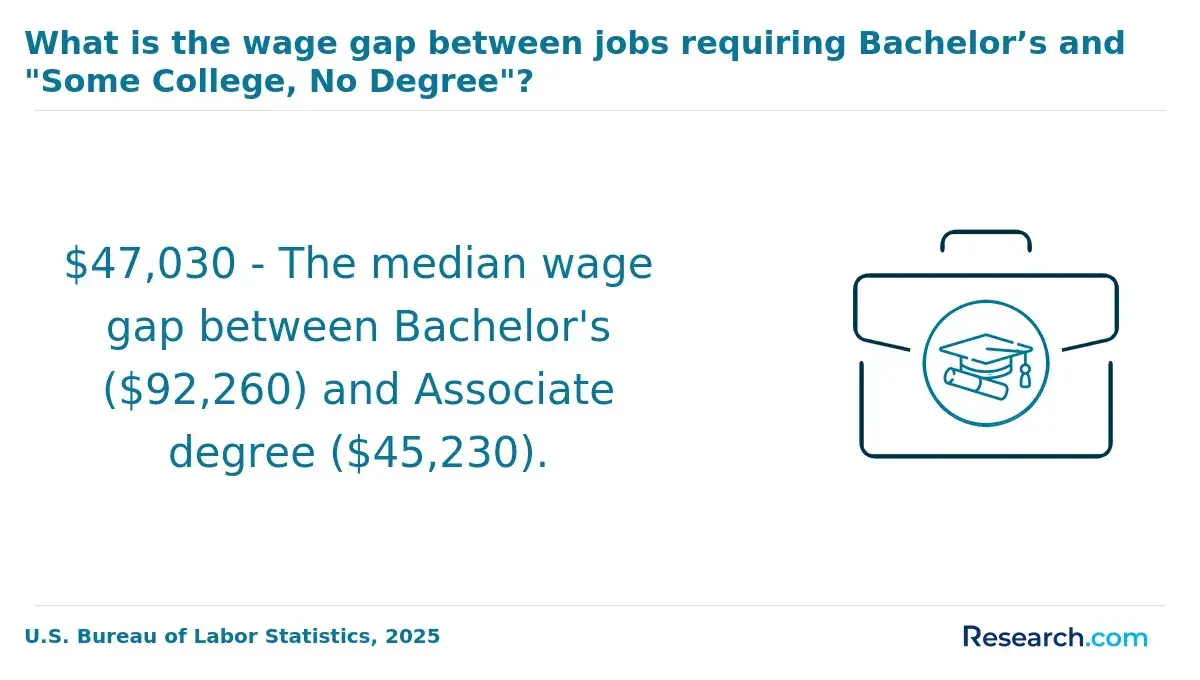
Recent data from 2024 highlights meaningful differences in completion rates among campus, hybrid, and online energy engineering degree programs. Campus-based programs typically see over 70% completion, benefiting from direct faculty support, hands-on labs, and a structured, immersive environment that fosters accountability and peer collaboration.
Hybrid programs, offering a mix of in-person and remote learning, achieve moderate completion rates of 55% to 65%, reflecting a compromise between flexibility and engagement. Fully online programs face the greatest hurdles, often recording completion rates near 45%, largely due to limited real-time interaction, reduced access to experiential learning, and reliance on students' self-management skills.
While raw figures favor campus-based routes, individual circumstances heavily influence which format presents the most challenge. For example, a working professional juggling family responsibilities and varied schedules may struggle with campus or hybrid attendance demands, making online learning essential despite its higher dropout risk.
Conversely, students who thrive on direct mentorship and hands-on activities may find online formats less supportive, potentially leading to extended time to degree or attrition. These trends suggest that success depends less on inherent program difficulty and more on how well a chosen format aligns with a student's personal context and learning preferences.
One graduate reflected on their path through a fully online energy engineering program while managing a full-time job and childcare. Despite the flexibility, they frequently felt isolated and pressured without immediate access to faculty or peers, which tested their persistence.
They recalled thinking, "If I'd had more in-person labs or regular cohort interactions, I might have stayed more motivated." Their experience underscores how lower engagement in online formats can create hidden academic and emotional barriers that are not always apparent when choosing a program solely for convenience.
How Does Each Energy Engineering Learning Format Affect Student Success?
Success in completing an energy engineering degree depends less on whether the program is online, hybrid, or campus-based and more on how well the format matches a student's learning style, available time, and outside commitments. For example, a working professional with family obligations may thrive in a hybrid setting that offers flexibility without sacrificing access to in-person resources.
Conversely, a student who benefits from immersive hands-on experiences might find campus programs more supportive despite the rigid schedule. The following points highlight key factors that shape success across these learning formats:
- Engagement and Interaction Opportunities: Campus programs often provide richer face-to-face interactions with peers and faculty, enabling immediate feedback and collaborative learning crucial for mastering complex energy engineering topics. Online learners may face reduced real-time engagement, which can hinder motivation and understanding unless supplemented by strong virtual support.
- Access to Practical Labs and Facilities: Hands-on experience is essential in energy engineering. Campus environments grant direct access to labs and equipment, aiding skill development. Hybrid models partially bridge this gap by combining remote study with scheduled lab sessions, whereas fully online formats must rely on virtual labs, which may not fully replicate the hands-on depth needed.
- Academic Support Services: Students in hybrid and campus settings typically benefit from easier access to tutoring and advising. While online programs increasingly offer targeted advisement and virtual resources, students who struggle with self-paced learning or need immediate help may find purely online formats challenging, impacting persistence and completion.
- Flexibility and Scheduling: Online and hybrid formats appeal to students balancing work or family, allowing them to learn outside traditional hours. However, this flexibility demands strong self-discipline. Campus programs require fixed schedules, which can enhance structure and time management but limit accommodation of non-academic responsibilities.
- Diverse Student Populations and Pace: Online cohorts often include a wider range of ages and life circumstances, which can enrich perspectives but also contribute to varied pacing and progress. Campus programs generally attract recent high school graduates or those able to commit full-time, which correlates with higher completion rates according to the National Student Clearinghouse Research Center's 2024 data.
- Retention and Completion Outcomes: Recent evidence shows campus programs maintain the highest degree completion rates in energy engineering, followed by hybrid models, with fully online formats lagging somewhat due to factors like engagement and hands-on opportunities. Nevertheless, improvements in virtual labs and online support are narrowing this gap, offering viable alternatives for many students.
How Does Enrollment Status Affect Energy Engineering Completion Rates?
Enrollment status is a critical factor shaping degree completion rates for energy engineering programs, yet its significance extends beyond merely the number of courses taken. Whether a student commits full or part-time influences their academic progress, but this impact depends heavily on personal circumstances such as work, family, and financial obligations.
Recognizing these nuances helps prospective students make informed decisions tailored to their lifestyle and goals. Below are key ways enrollment status affects energy engineering degree completion:
- Focused Academic Engagement: Full-time students often benefit from dedicating more consistent attention to their studies, leading to higher completion rates. According to data from the National Center for Education Statistics (2024), full-time enrollment correlates with approximately 20% higher graduation rates across online, hybrid, and campus formats. Students who can prioritize academics tend to maintain momentum and avoid extended program durations.
- Balancing External Responsibilities: Part-time students frequently juggle employment, caregiving, or other obligations alongside coursework. This balancing act elongates time-to-degree and increases dropout risks due to interruptions. Recognizing this, students with demanding outside commitments might opt for part-time enrollment to sustain progress without overwhelming their capacity.
- Access to Institutional Support: Campus-based full-time learners often benefit from immediate access to faculty, peer collaboration, and resources, enriching their learning experience and aiding retention. Hybrid programs offer part-time students occasional in-person engagement that can improve persistence by mitigating feelings of isolation common in fully online studies.
- Impact of Scheduling Flexibility: Part-time enrollment can provide essential flexibility, accommodating varying work schedules or family needs. However, this flexibility may reduce the immersive academic experience and slow progress. Students should assess their time management skills realistically to choose the pace they can sustain without risking prolonged interruption.
- Financial Considerations: While full-time status may accelerate graduation, it often requires foregoing income or increasing financial strain. Part-time paths can allow continued employment but might delay workforce re-entry or advancement. Prospective students must weigh these trade-offs in light of their personal economic situation.
- Program Format Interaction: Completion rates also vary with learning format; part-time online students face the greatest challenges completing energy engineering degrees, underscoring the importance of well-structured support. Hybrid designs offer a middle ground by combining online convenience with occasional campus presence, often benefiting part-time enrollees.
- Real-World Scenario Application: Consider a working parent who chooses part-time hybrid enrollment to balance family and study commitments. This choice may extend their time in the program but leverages built-in support and face-to-face interaction to sustain motivation. Conversely, a recent high school graduate without major obligations may excel in full-time campus study, capitalizing on focused academic immersion.
Prospective students comparing online, hybrid, and campus options should also explore related fields to understand flexible pathways. Programs such as the 2 year construction management degree online illustrate alternative accelerated routes that balance pace and life demands. In all cases, aligning enrollment status with one's capacity and support system is crucial for improving energy engineering degree completion rates by enrollment status.
Can Transfer Credits Improve Energy Engineering Degree Completion?
Transfer credits can play a pivotal role in accelerating degree progress and enhancing completion rates for students in energy engineering programs, especially when comparing online, hybrid, and campus formats. Research from the National Student Clearinghouse Research Center shows that students who receive accepted transfer credits tend to finish their degrees faster and have a higher likelihood of graduating than those who do not.
The practical advantage of transfer credits lies in their ability to eliminate redundant foundational courses, enabling learners to focus sooner on specialized, career-focused subjects. For example, a student transferring credits from previous coursework or military training might bypass general engineering prerequisites in a campus program, benefiting from structured, in-person support while shortening their overall study load.
However, the effectiveness of transfer credits depends largely on how well those credits align with specific degree requirements and institutional policies. Some schools have stringent credit evaluation processes, which can delay or limit credit acceptance, potentially complicating academic planning. This means a student holding transfer credits might not always experience a straightforward reduction in their time-to-degree.
Different program formats also influence the value of transfer credits. Hybrid students can combine focused on-campus sessions with flexible online learning, making credit transfers especially beneficial for balancing obligations outside school. Online learners, often confronting pacing challenges, may find transferred credits crucial for reducing course loads and lowering dropout risks.
For prospective students, a strategic approach involves reviewing official credit evaluations early and comparing remaining required courses against their capacity to enroll each term. This helps gauge how much transfer credit will realistically speed up graduation. While transfer credits frequently reduce tuition costs and course repetition, they constitute just one element in a complex matrix affecting degree completion alongside personal motivation, support systems, and program design.
What Student Support Services Improve Energy Engineering Completion Rates?
Student support services play a critical role in boosting completion rates for energy engineering programs, with their impact varying across online, hybrid, and campus formats. These services help mitigate unique challenges like online student isolation or campus scheduling constraints, directly influencing persistence and graduation outcomes.
According to the National Center for Education Statistics in 2024, students accessing tailored academic support are significantly more likely to complete their degrees. The following highlights key support services linked to higher completion rates:
- Personalized Academic Advising: Customized guidance that helps students navigate technical curricula and align course choices with career goals increases persistence. Advisors familiar with format-specific challenges can better support online or hybrid learners.
- Proactive Tutoring and Mentoring: Early intervention through tutoring and virtual mentoring addresses learning gaps, particularly critical in online formats where immediate feedback is limited.
- Career Counseling and Internship Facilitation: Access to career services and hands-on internships—more common in campus settings—enhances motivation by connecting studies to workforce readiness and improves post-graduation employment rates.
- Synchronous and Asynchronous Communication Tools: Online students benefit from well-integrated platforms that combine live interactions and flexible access to resources, helping reduce feelings of isolation and improving engagement.
- Physical Lab Access for Hybrid Students: Hybrid formats that incorporate in-person lab sessions develop practical skills, increase program relevance, and improve retention through hands-on experience.
- 24/7 Learning Resource Availability: Around-the-clock access to course materials and study aids supports varied schedules, especially for remote or working students managing competing responsibilities.
- Psychosocial Support Services: Programs that include counseling and peer support networks effectively address mental health and social challenges, which can otherwise undermine persistence.
One online graduate recalls the struggle of balancing full-time work with studies and initial doubts about completing the program remotely. Access to a dedicated virtual mentor who provided weekly check-ins and connected her with a peer study group proved pivotal. This combination of individualized guidance and community engagement helped her overcome isolation and manage time effectively, leading to on-time graduation despite earlier uncertainty.
How Do Energy Engineering Completion Rates Affect Career Outcomes?
Degree completion in energy engineering programs strongly shapes employability and long-term career trajectories. According to 2024 research data, bachelor's degree completion is linked to higher starting salaries and more rapid promotions compared to non-completers across all program formats—online, hybrid, and campus. This relationship reflects employer preferences for fully credentialed candidates, who demonstrate both technical expertise and perseverance. Completion also influences graduate school enrollment, further boosting career prospects, particularly in specialized energy fields.
Here are key ways completing an energy engineering program impacts career outcomes:
- Enhanced employability and access to specialized roles within energy sectors: Successfully earning a degree signals to employers a candidate's mastery of core technical skills and commitment to the field. This advantage often opens doors to positions requiring certifications or licensure that non-completers cannot obtain, benefiting those aiming for regulated roles or advanced technical jobs.
- Improved earning potential and promotion opportunities over time: Data consistently shows graduates with completed energy engineering degrees start at higher salary levels and experience faster career progression. Persistence through graduation helps mitigate earnings penalties associated with incomplete credentials, though real-world gains depend on additional factors like experience and performance.
- Greater likelihood of enrollment in graduate programs and advanced training: Degree completion increases entry points into master's or professional certification programs, which deepen expertise. Students focused on niche energy engineering disciplines or R&D often benefit most from this pathway, positioning themselves for leadership roles.
- Balancing program format with completion likelihood to maximize return on investment: Hybrid and campus programs typically have higher completion rates due to engagement and hands-on learning; however, online formats with strong support services have narrowed this gap, providing flexibility essential for working professionals. Choosing the right format can therefore affect both completion rates and career success.
Prospective students exploring energy engineering degrees should consider how completion rates across delivery modes influence real career outcomes. For example, professionals interested in integrating work and study might explore online colleges for military, where robust support increases chances of finishing the degree and leveraging that credential effectively. Understanding the nuanced impact of degree completion helps align educational choices with evolving labor market demands and personal circumstances.
How Should Students Choose the Best Energy Engineering Learning Format?
Choosing the best energy engineering program format for students requires careful consideration of personal circumstances and how they align with the unique demands of online, hybrid, and campus learning styles. Recent 2024 research indicates that students balancing work and family may lean toward formats offering flexibility but must weigh this against the challenges of self-directed study. The choice directly impacts degree completion rates and long-term employability.
The following factors offer a practical framework for choosing the right energy engineering degree delivery method:
- Self-Motivation and Discipline: Online programs demand high self-regulation since students manage deadlines without constant oversight. Those who flourish without daily structure are more likely to complete such formats, while campus settings naturally provide external accountability through scheduled classes and face-to-face interactions.
- Work and Family Commitments: Hybrid and fully online formats accommodate working professionals better by allowing asynchronous coursework. Campus programs often conflict with rigid work schedules, making them less viable for those with heavy outside responsibilities.
- Access to Faculty and Resources: Direct interaction with professors and peers is a significant advantage of campus and hybrid models, supporting deeper understanding and networking. Online students must proactively utilize virtual tutoring and advising to compensate.
- Technological Readiness: A reliable internet connection and familiarity with digital platforms are prerequisites for online and hybrid learning. Students lacking these may find campus programs more suitable despite logistical challenges.
- Learning Style Preferences: Some learners benefit from in-person engagement for complex, applied STEM subjects like energy engineering. Others prefer the flexibility of online lectures combined with occasional on-site labs in hybrid setups.
- Institutional Support Availability: Success rates correlate with access to academic support. Students should verify what tutoring, counseling, and career services are offered in each format before committing.
- Career Goals and Timing: Those targeting rapid degree completion should consider programs highlighted among the fastest MBA programs online as a proxy for efficient delivery models, recognizing that accelerated schedules often require intense discipline.
Data from major educational studies in 2024 show completion rates vary significantly by format, with campus students typically finishing at higher rates due to structured engagement, while hybrid learners achieve moderate success. Ultimately, the best energy engineering program format for students aligns realistically with their life context and sustained motivation, enabling them to navigate obstacles toward timely graduation and practical career readiness.
What Are the Long-Term Pros and Cons of Each Energy Engineering Learning Format?
Completion rates and career impacts vary sharply across online, hybrid, and campus energy engineering programs, shaping long-term outcomes differently for each learner. Recent 2024 analyses from landmark educational reports reveal distinct strengths and challenges tied to the structure and delivery of these formats. To fully assess which suits your situation, consider these key factors:
- Completion Rates and Engagement: Campus programs generally show higher completion rates due to structured schedules and in-person collaboration, benefiting those who thrive on accountability. Online formats, while flexible, often report lower persistence because of isolation and less direct support, though synchronous hybrid models help bridge this gap.
- Access and Flexibility: Online degrees offer unmatched convenience for working professionals and remote students, enabling diverse enrollment. Hybrids provide partial flexibility paired with vital hands-on learning, whereas campus formats may limit accessibility due to commuting and fixed hours.
- Hands-On Experience and Skill Mastery: Hybrid and campus pathways facilitate practical labs and real-world applications crucial for energy engineering, boosting employability. Purely online tracks may struggle to replicate these experiences, potentially affecting skill depth long-term.
- Networking and Career Opportunities: On-campus students benefit from direct faculty interaction and peer networking, which contribute to stronger professional connections. Hybrid models can partially replicate this, while online students often rely on virtual networks that vary in effectiveness.
- Time and Cost Commitment: Campus programs typically require more time and commuting expenses, influencing feasibility for non-traditional students. Online options reduce these burdens but may incur hidden costs in technology or supplementary resources.
- Job Readiness and Employer Perception: Employers generally favor graduates with demonstrated practical skills and consistent engagement, traits more commonly associated with campus and hybrid alumni. Online degrees that incorporate synchronous elements and robust support networks tend to yield better employment outcomes.
References
- Energy-Saving Technologies In Civil Engineering https://akademiata.pl/en/offer/bachelor/energy-saving-technologies-in-civil-engineering/
- Graduation calendar and deadlines | Sito Corsi | UniTrento https://corsi.unitn.it/en/energy-engineering/graduation/graduation-calendar
- What is Energy Engineering? Definition, Roles, and Future Innovations | Neural Concept https://www.neuralconcept.com/post/what-is-energy-engineering-definition-roles-and-future-innovations
- Renewable Energy Engineering Online Degree Programs - Educating Engineers https://educatingengineers.com/online-engineering-schools/renewable-energy-engineering-degrees/
- Engineering - Energy Engineering https://online.utoledo.edu/programs/energy-engineering/index.html
- Career Profile: Energy Engineering https://www.nextengineers.org/en/career-profile/energy-engineering
- Online Certificate in Renewable Energy Engineering https://studyitonline.usc.edu.au/programs/renewable-energy-engineering-graduate-certificate/
- The Best Postgraduate Schools for Renewable Energy Engineering | NEWENGINEER https://newengineer.com/advice/the-best-postgraduate-schools-for-studying-renewable-energy-engineering-1033231
- [PDF] showcasing a practice within an energy engineering module at NMITE https://library.camtree.org/bitstreams/1c8557de-0846-433d-a71b-c00c55ff51d4/download
- Solar Engineering Degree Programs | SurgePV https://www.surgepv.com/blog/solar-engineering-degree-programs
Other Things You Should Know About Energy Engineering
While online programs offer unmatched scheduling flexibility, this can be a double-edged sword for energy engineering students. The self-paced nature requires strong time management to keep up with technically demanding coursework, which can lead to delays or dropouts if students lack discipline or external support. Those prioritizing deep technical mastery should consider formats that incorporate scheduled, in-person labs or synchronous sessions to maintain accountability and engagement.
Hybrid programs uniquely blend online theory with in-person practical sessions, which benefit energy engineering students needing hands-on experience to complete complex projects. However, the split format demands effective planning to attend labs on campus while managing online coursework, potentially complicating completion timelines. Prospective students with stable local access and flexible work schedules tend to fare better in hybrids, as inconsistent attendance at practical sessions can hinder progress significantly.
Campus programs often carry stronger reputational weight in energy engineering fields where employers value demonstrated lab skills and teamwork. Although these programs typically have less flexible scheduling and higher attrition risk, the immersive environment can reinforce persistence and timely completion. Students targeting traditional engineering firms or research-heavy roles might prioritize campus programs to align with employer expectations, despite the tradeoff in convenience.
Workload in energy engineering programs is intensive regardless of format, but online students face unique hurdles in isolating complex concepts without immediate instructor access, risking slower progression or incomplete understanding. Conversely, campus programs embed structured schedules supporting steady workload pacing, which can aid completion but may not suit students juggling external responsibilities. Hybrid formats require strong self-regulation to synchronize diverse workload demands, making completion more feasible only for those comfortable with multitasking across learning modalities.