2027 Energy Engineering Degree Popularity by Gender, Region, and Degree Level

Co-Founder and Chief Data Scientist
A student considering an energy engineering degree quickly notices stark differences in enrollment figures by gender and region. For instance, 2024 data reveals women make up only about 19% of enrollees nationally, but this rate exceeds 30% in certain western states with progressive energy policies. Such disparities influence perceptions of inclusivity and peer networks, which are crucial for retention and career support. Meanwhile, degree-level trends show associate degrees shrinking in popularity compared to graduate programs, signaling shifting workforce demands and educational access challenges. Understanding these patterns is essential to assess program quality and realistic career pathways. This article examines energy engineering degree popularity by gender, region, and degree level to inform better educational and career choices.
Key Things to Know About Energy Engineering Degree Popularity by Gender, Region, and Degree Level
- Female enrollment in energy engineering remains below 25% nationally, reflecting persistent gender gaps; this limits diversity in problem-solving approaches valued by employers seeking innovation in renewable technologies.
- Regional variation shows the highest energy engineering degree uptake in the U.S. Southwest, linked to local industry demand, underscoring the need for geographic mobility when targeting employer hubs.
- Master's-level enrollments surged 15% since 2022, indicating rising specialization demands; however, increased program length and cost create tradeoffs that deter candidates balancing career entry with advanced credentials.
- Key Things to Know About Energy Engineering Degree Popularity by Gender, Region, and Degree Level Key Things to Know About Energy Engineering Degree Popularity by Gender, Region, and Degree Level
- How Does Job Market Demand Influence Energy Engineering Degree Popularity? Market Demand and Degree Popularity
- How Does Online Energy Engineering Degree Enrollment Compare to Traditional Campus Programs? Online vs. Campus Enrollment
- What Degree Level Is Most Common Among Energy Engineering Students? Most Common Degree Levels
- How Do Enrollment Trends Differ Between Associate, Bachelor's, Master's, and Doctoral Energy Engineering Degrees? Enrollment Trends by Degree Level
- How Popular Is the Energy Engineering Degree Compared to Other College Majors? Degree Popularity vs. Other Majors
- Why Is the Energy Engineering Degree More Popular in Certain States and Regions? Regional Popularity Drivers
- What Demographic Groups Are Driving Growth in Energy Engineering Degree Programs? Growth by Demographic Groups
- What Is the Future Outlook for Energy Engineering Degree Enrollment by Gender, Region, and Degree Level? What Is the Future Outlook for Energy Engineering Degree Enrollment by Gender, Region, and Degree Level?
- How Have Energy Engineering Degree Enrollment Trends Changed Over the Past Decade? How Have Energy Engineering Degree Enrollment Trends Changed Over the Past Decade?
- Where Is the Energy Engineering Degree Most Popular Across the United States? Geographic Popularity Analysis
How Does Job Market Demand Influence Energy Engineering Degree Popularity?
Job market demand shapes the popularity of energy engineering degree programs in complex ways that extend beyond simple enrollment increases. For example, regional workforce trends affecting energy engineering degree popularity show pronounced employer concentration in states like Texas and California, where renewable energy projects and infrastructure modernization are accelerating. This regional clustering creates localized boosts in graduate-level enrollments, as students target programs near strong job markets to improve practical internship access and professional networking opportunities. However, these enrollment spikes do not always correspond evenly with job openings since advanced credentials and interdisciplinary skills increasingly influence hiring decisions.
Differences in gender participation also reflect how labor market signals interact with educational choices in energy engineering. Although demand for energy engineers grows at an estimated 8% rate according to the U.S. Bureau of Labor Statistics, women remain underrepresented in the field, partly due to prevailing cultural and pipeline barriers that dampen degree popularity despite strong workforce needs. Furthermore, degree levels matter: bachelor's enrollment may rise moderately, but master's and doctoral programs show more variability because of evolving employer expectations for specialized expertise such as data analytics or environmental policy integration. Prospective students balancing these factors often consider diverse educational pathways, including certifications or combined degrees, rather than straightforward energy engineering programs alone, making alignment between academic offerings and labor market demands crucial to informed decision-making.
For those exploring long-term educational options, the interplay of job demand and program adaptability has practical implications beyond initial employment prospects. Since regional employer priorities differ, candidates evaluating energy engineering degrees should also assess program responsiveness to shifting credential standards and regional economic conditions. Insights from labor market data guide students to nuanced choices rather than generic degree pursuit, including identifying affordable PhD programs that reflect emerging occupational requirements, especially in areas with workforce shortages. This calibrated approach helps ensure the degree's relevance and value in dynamic employment landscapes where simple hiring forecasts alone do not capture the full scope of decision-relevant factors.
How Does Online Energy Engineering Degree Enrollment Compare to Traditional Campus Programs?
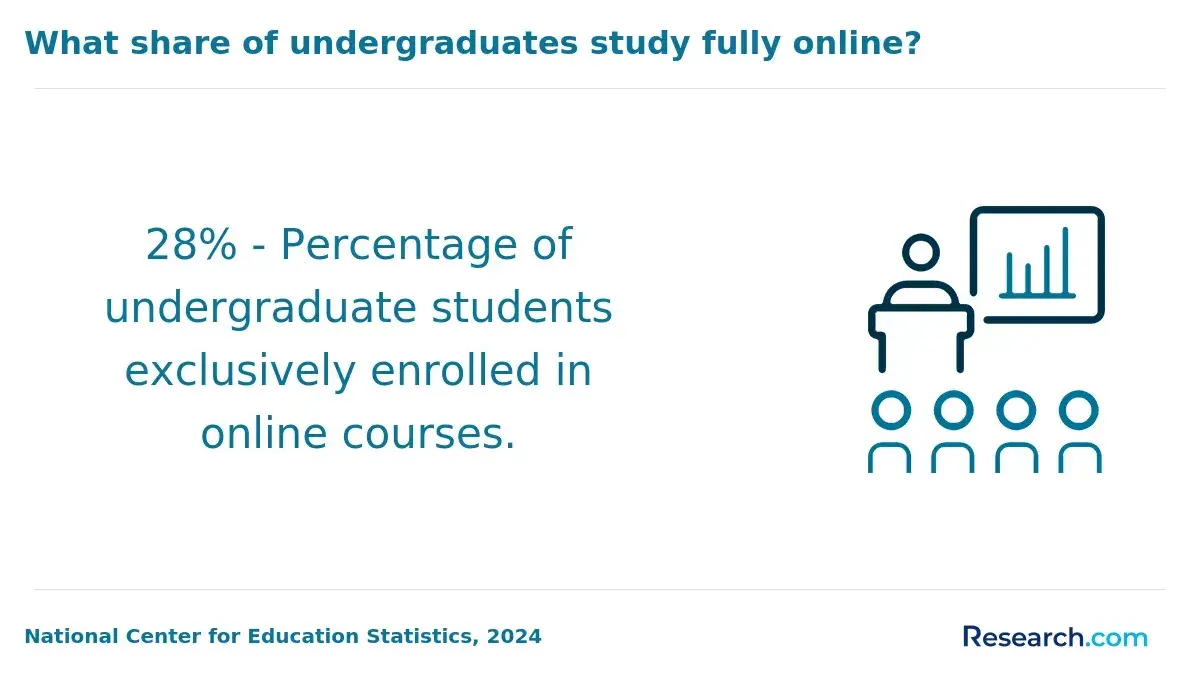
Online energy engineering programs have expanded enrollment more rapidly than traditional campus offerings, reflecting distinct shifts in student demographics and geographic reach. Recent data from the National Center for Education Statistics shows online enrollment in energy engineering has increased by about 15% over two years, significantly outpacing the 3% growth seen in on-campus programs. This growth correlates with greater participation among women and underrepresented minorities, particularly from regions like the Mountain and Pacific states, where limited local access to specialized engineering institutions makes remote learning a practical alternative. However, these gains come with tradeoffs: online students often face challenges related to reduced face-to-face mentorship and potential impacts on completion rates.
Graduate-level online energy engineering programs are experiencing even stronger growth compared to their undergraduate counterparts, driven largely by working professionals balancing job responsibilities with advanced education. While many employers equate accredited online degrees with traditional credentials, some technical roles still emphasize hands-on lab experiences that are more accessible in physical settings, influencing how students weigh program format against career preparation. For prospective students, geographic constraints, family commitments, and the need for flexible scheduling often tip the scales in favor of online options, though these benefits should be carefully balanced against the realities of student retention and the nature of practical training in the field.
One energy engineering student from a rural area in the Mountain West recounted her decision-making process when choosing between formats. She noted that the nearest campus-based program was hundreds of miles away, making daily commuting impossible. Initially skeptical about online learning's rigor, she found the program's flexibility indispensable for managing work and family obligations. Though she missed the in-person peer interactions common on campus, the ability to access coursework remotely outweighed her concerns and ultimately influenced her enrollment choice.
What Degree Level Is Most Common Among Energy Engineering Students?
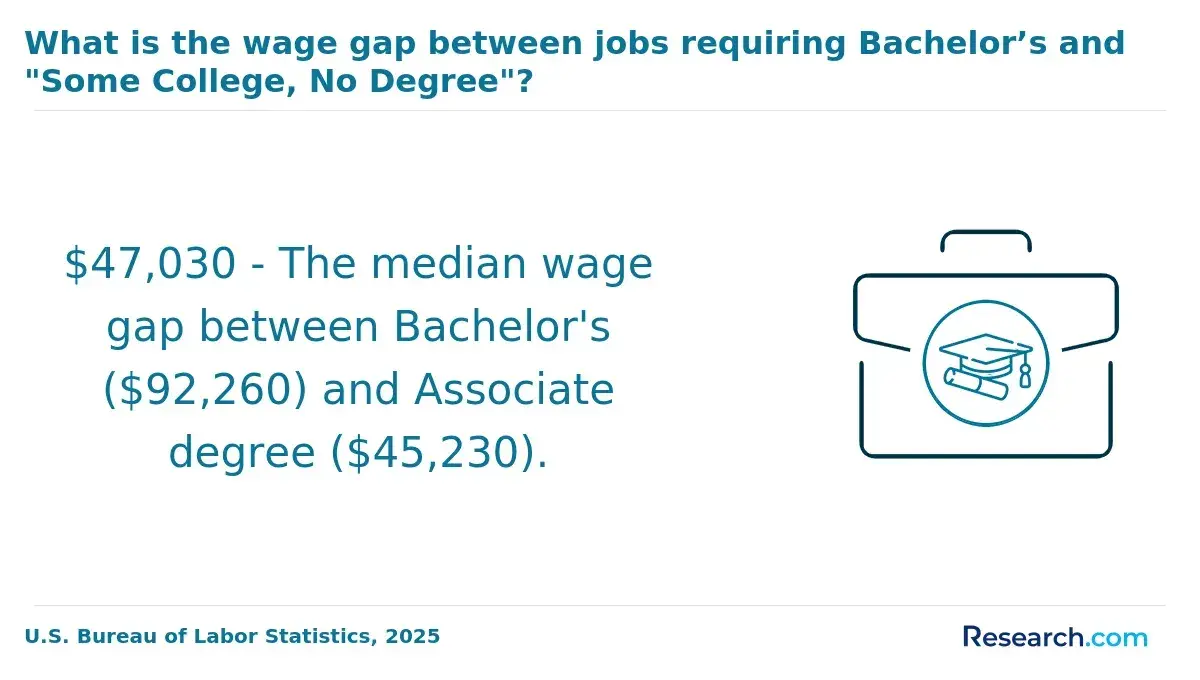
The predominance of bachelor's degrees among energy engineering students reflects both employer expectations and educational structure within the field. Approximately 70% of enrollees pursue this level, consistent with engineering's general trend toward undergraduate credentials as the baseline for entry-level roles and professional licensure. This widespread adoption indicates that bachelor's programs effectively balance technical depth with accessibility, serving as the principal gateway into energy engineering careers where practical skills and foundational knowledge align with industry demands.
Associate degrees hold a smaller niche, often functioning as transitional pathways rather than terminal qualifications, given the technical specialization required by most employers. Graduate studies, encompassing master's and doctoral programs, attract a more limited but strategically targeted population-around 20% of students-with master's degrees focusing on specialization areas like renewable systems or advanced grid technologies. Doctoral enrollment remains minimal due to its research concentration and narrower career trajectories, primarily in academia or R&D, making it less relevant for those seeking immediate workforce entry or broad applicability.
These enrollment patterns carry practical implications for students weighing educational investments against career outlooks. While bachelor's degrees offer wider geographic and institutional availability-including a growing number of online options-their dominance also reflects systematic employer preferences that may disadvantage associate holders in professional advancement. Conversely, graduate credentials can enhance expertise and open leadership roles but require careful consideration of long-term goals given the smaller scale of doctoral pathways and the narrower scope of specialized roles. Data from the 2024 National Center for Education Statistics highlights these trends, underscoring the importance of aligning degree choice with both market realities and personal career strategies.
How Do Enrollment Trends Differ Between Associate, Bachelor's, Master's, and Doctoral Energy Engineering Degrees?
Enrollment trends in energy engineering programs illustrate distinct workforce and educational dynamics across degrees. Associate degree programs typically attract students aiming for prompt technical employment, reflecting more limited growth due to narrower program availability and a labor market favoring advanced credentials. In contrast, bachelor's degree enrollments dominate, driven by broad access and alignment with entry-level engineering roles; National Center for Education Statistics data shows these completions have increased roughly 7% over five years, underscoring steady demand for foundational engineering skills within renewable and sustainable energy sectors.
The increasing popularity of master's and doctoral degrees in energy engineering education reflects deeper specialization and leadership preparation. Master's programs grow faster than bachelor's, with about a 10% rise between 2019 and 2024, typically serving candidates with prior industry experience aiming for roles requiring advanced technical or managerial capabilities. Doctoral enrollment remains smaller and more concentrated at research-focused institutions, often overlapping with policy or innovation-driven careers; notably, these programs see a higher female representation compared to bachelor's, highlighting diversity efforts. These differences influence educational planning since students pursuing mid- or senior-level positions face greater benefits from graduate study, whereas those prioritizing swift workforce entry might explore associate degrees or bachelor's tracks.
Decisions between associate versus bachelor's degree enrollment trends in energy engineering programs hinge on tradeoffs of time, specialization, and geographic access, especially as doctoral programs cluster in research hubs. Practical factors like employer expectations and regional industry strength shape these patterns. For example, the ease of accessing technical roles through associate credentials contrasts with the broader leadership opportunities afforded by graduate degrees. Prospective students weighing these paths could benefit from analyzing characteristics such as the cyber security online degree cost in related fields to anticipate educational investments aligned with long-term objectives.
How Popular Is the Energy Engineering Degree Compared to Other College Majors?
The relatively low enrollment in energy engineering compared to traditional fields like mechanical or electrical engineering signals both the niche status of this specialty and the limited exposure students typically have to it. According to 2024 data from the National Center for Education Statistics, energy engineering accounts for less than 1% of all bachelor's engineering degrees awarded, contrasting sharply with mechanical engineering's roughly 20% share. This gap reflects not only industry demand and program availability but also student perceptions about career stability, salary competitiveness, and program scale-factors that can restrict the growth of energy engineering despite rising interest in renewable energy sectors.
Growth in energy engineering degrees is evident but gradual, with Integrated Postsecondary Education Data System indicating a steady increase over five years, driven mostly by regional policy support for sustainable energy initiatives. However, this slow expansion contributes to challenges such as fewer peer networks, limited advanced specializations, and uneven gender representation-men still predominate except in some strong clean energy states. For students weighing energy engineering against other STEM options, these enrollment and demographic realities shape practical considerations around mentorship, job market alignment, and networking opportunities, which are often more robust in larger, established disciplines.
One energy engineering graduate recalls initially choosing the field because of genuine interest in sustainability but found the smaller class sizes surprising compared to her friends in electrical engineering. Academic advisors openly discussed the lower program enrollment and emphasized niche career paths in research and industry. Though the graduate appreciated the focused curriculum, she noted that the less common degree made it harder to find peers sharing her interests, confirming that energy engineering's limited popularity can lead to both unique opportunities and tangible academic and social tradeoffs.
Why Is the Energy Engineering Degree More Popular in Certain States and Regions?
The regional growth trends for energy engineering graduates reflect more than just student preference; they reveal how local industry ecosystems and policy environments drive educational demand. States like Texas, California, and Colorado illustrate this dynamic, where abundant natural resources and robust energy sectors create tangible workforce needs that in turn influence enrollment. These states benefit from established pipelines linking universities' specialized programs to employer demand, offering students stronger opportunities for internships, networking, and job placement tied to regional energy initiatives. This concentration also shapes perceptions of degree value, as graduates in these regions often enjoy greater visibility within active energy markets.
Conversely, variations in demographics, educational access, and online learning adoption create disparities in energy engineering degree demand in the United States. Rural areas with limited higher education infrastructure or STEM programming may see reduced enrollment, restricting local talent pipelines and reinforcing geographic inequalities. State policies promoting renewable energy further skew these patterns, as aggressive green energy goals in regions like California direct student interest and institutional investment toward sustainable energy disciplines. Such trends influence pragmatic choices for students weighing program selection against local employment prospects and long-term career outcomes. Prospective students must also consider alternatives, including accelerated or specialized degrees-such as exploring pathways comparable to an accelerated finance degree-to align with evolving industry demands and educational accessibility.
What Demographic Groups Are Driving Growth in Energy Engineering Degree Programs?
Growth in energy engineering degree programs increasingly hinges on demographic shifts driven by evolving workforce demands and educational delivery models. Notably, women now comprise around 32% of degree recipients-a marked increase over the past decade-reflecting targeted efforts to reduce gender disparities in technical fields alongside employer needs for diverse problem-solving teams. Despite this progress, male students still dominate enrollment, which influences classroom dynamics and networking opportunities, potentially affecting peer collaboration and mentorship experiences.
Geographic concentration of enrollment growth reveals that states with expanding clean energy industries, such as Texas, California, and New York, attract larger numbers of graduate students, underscoring the link between regional economic priorities and program offerings. This uneven distribution implies that graduates from these hubs may benefit from stronger local industry connections but also face more competitive admission standards. Moreover, adult learners and those pursuing online or hybrid formats constitute a significant portion of master's degree candidates, highlighting a trend toward flexible education models that accommodate mid-career shifts and continual skill upgrading.
Rising participation among first-generation college students and certain racial and ethnic groups reflects broader efforts to diversify the energy engineering talent pool, though representation remains inconsistent across demographics and regions. Immigration and visa policy fluctuations further complicate enrollment prospects for international graduate students, affecting program diversity and global knowledge exchange. Prospective students should weigh how these factors-gender balance, geographic context, delivery mode, and demographic composition-influence both the educational environment and post-graduation employability in energy sectors prioritizing sustainability and technology expertise.
What Is the Future Outlook for Energy Engineering Degree Enrollment by Gender, Region, and Degree Level?
Energy engineering degree enrollment is poised to experience nuanced shifts driven by evolving regional economies, degree-level preferences, and gender representation efforts. Although overall growth is moderate, the expansion of master's programs outpaces undergraduate and doctoral levels largely due to mid-career professionals seeking specialization in energy management and emerging technologies. This divergence has practical implications for academic institutions, which may need to recalibrate resources and curriculum design to accommodate a greater population of part-time and non-traditional students focused on advancing technical or policy expertise rather than entry-level training.
Regional enrollment trends reflect the uneven pace of energy sector transformation, with states in the Southwest and Pacific Northwest leading due to aggressive renewable infrastructure investment and favorable policies encouraging program participation. Conversely, the Midwest and parts of the Southeast lag behind, constrained by legacy industries and slower adoption of clean energy initiatives. Simultaneously, expanding online program availability is reshaping access, enabling students from less active regions to engage with specialized curricula and indirectly contributing to geographic enrollment balancing. These patterns underscore the importance for prospective students to assess local industry dynamics and delivery formats when choosing their educational pathways.
Gender disparities, while persistent, are narrowing incrementally with female enrollment in bachelor's programs rising by approximately 15% over five years according to the Society of Women Engineers. Still, women represent under a quarter of energy engineering students nationally, signaling ongoing recruitment and support challenges that institutions and employers must address to foster truly diverse cohorts. These demographic shifts affect program marketing, scholarship allocations, and long-term planning as stakeholders weigh the operational tradeoffs of broadening participation against existing cultural and structural barriers within STEM fields related to energy technologies.
How Have Energy Engineering Degree Enrollment Trends Changed Over the Past Decade?
Enrollment trends in energy engineering degree programs over the last decade underscore a clear shift aligned with evolving industry demands and educational accessibility. The steady increase of around 35% in bachelor's completions reflects employer preference for graduates versed in renewable energy and grid modernization. These labor market drivers have encouraged not only growth in traditional on-campus offerings but also expanded online options, broadening reach beyond established engineering hubs. This expansion influences perceptions of degree relevance and informs how institutions adapt curricula to meet practical workforce needs.
Changes in gender diversity for energy engineering degrees over the last decade reveal modest progress, with female enrollment rising from roughly 15% to 22%, indicating some success of targeted recruitment and STEM inclusion efforts. Yet, male students still dominate enrollment figures, emphasizing the persistent gender gap and its implications for equitable workforce representation. Regional disparities further complicate the picture; states like Texas, California, and New York, with strong energy sectors and internship availability, experience faster enrollment growth compared to areas with limited industry presence. These geographic patterns reflect how local employment opportunities affect student demand and program viability.
Degree level enrollment patterns highlight differentiated motivations and career pathways. Bachelor's degrees continue as the first step for many entering the field, while master's programs see surging interest from professionals pursuing specialization or advancement, paralleling trends observed in masters in finance online programs in their accessibility and workforce orientation. PhD growth remains slower but steady, driven primarily by research funding and innovation in green technology. Prospective students and graduates must weigh these trends carefully-balancing educational investment with realistic expectations about employability, especially amid fast-changing energy technologies and varying regional demands.
Where Is the Energy Engineering Degree Most Popular Across the United States?
Energy engineering degree popularity in United States regions is unevenly distributed, primarily clustering where industrial energy demands and educational infrastructures intersect. States such as Texas, California, and Pennsylvania stand out not simply due to population size but because their economies are deeply intertwined with oil, gas, renewable energy, and coal sectors. This concentration enables specialized programs to thrive and creates strong employer networks that reinforce student enrollment decisions. Students choosing to study in these states often gain direct access to regional industry employers, internships, and applied research opportunities, which can significantly impact employability and the degree's perceived value.
The variation in regional enrollment also reflects practical considerations such as proximity to specialized curricula and local labor market demands. For example, Midwestern states see rising interest driven by wind and bioenergy sectors, while the Mountain West experiences lower participation despite resource availability, largely due to smaller populations and fewer focused academic programs. This geographic clustering means that prospective students must weigh local industry alignment and program availability carefully, as areas with concentrated energy sectors offer clearer transitional pathways from education to employment. The evolving U.S. Department of Energy data underscores that metropolitan hubs like Houston, Los Angeles, and Pittsburgh remain critical nodes of workforce demand for graduates, shaping the energy engineering degree popularity in United States regions.
Given the uneven distribution of programs and opportunities, integrating geographic and industrial realities into educational decisions is crucial. This helps align student location choices with career feasibility, especially as programs evolve alongside shifting energy trends. For those weighing options between programs or looking for expedited paths, understanding this regional landscape alongside other educational alternatives, such as the fastest MBA online, provides context about how degree selection fits broader career strategies.
References
- Why Careers in Renewable Energy Are in Demand https://www.nesfircroft.com/resources/blog/why-careers-in-renewable-energy-are-in-demand/
- Nuclear engineering degrees hit lowest number in decades, report finds https://www.power-eng.com/nuclear/nuclear-engineering-degrees-hit-lowest-number-in-decades-report-finds/
- Unveiling the Gender Gap in the Energy Sector: New Insights - Equality in Energy Transitions https://www.equality-energytransitions.org/unveiling-the-gender-gap-in-the-energy-sector-new-insights/
- Energy Engineering degrees & courses https://universitycompare.com/courses/degrees/energy-engineering
- Renewable Energy Engineering Online Degree Programs - Educating Engineers https://educatingengineers.com/online-engineering-schools/renewable-energy-engineering-degrees/
- Improving livelihood opportunities for women and youth in clean energy in MENA countries - Clean Energy for Development https://ce4dev.org/improving-livelihood-opportunities-for-women-and-youth-in-clean-energy-in-mena-countries/
- Types of College Degrees https://www.act.org/content/act/en/students-and-parents/high-school-success/what-to-do-after-high-school/college-degrees.html
- World's best Renewable Energy Engineering universities [Rankings] https://edurank.org/engineering/renewable-energy/
- College Numbers Down, Degrees Up: Understanding the Post-2010 Enrollment Shift — The Burning Glass Institute https://www.burningglassinstitute.org/bginsights/college-numbers-down-degrees-up-understanding-the-post-2010-enrollment-shift
- Top Energy Engineering Courses in USA from 36 Universities https://www.hotcoursesabroad.com/india/training-degrees/us-usa/energy-engineering-courses/loc/211/cgory/xk.1-4/sin/ct/programs.html
Other Things You Should Know About Energy Engineering
Gender imbalance remains prevalent in many energy engineering programs, often with male students significantly outnumbering female peers. For women considering this field, selecting institutions or regions with more balanced or supportive environments can enhance networking and mentorship opportunities, which impact retention and success. Prioritizing programs with active diversity initiatives and female faculty presence may better prepare students for employer expectations around collaboration and inclusive workplace cultures.
Regions with higher enrollment in energy engineering typically offer stronger local industry ties, internships, and job placement opportunities related to energy sectors. Conversely, students in less popular regions might face limited hands-on experiences and fewer specialized courses, which can affect workforce readiness. Choosing a program in a region with a mature energy industry may increase chances for relevant work-based learning and smoother transitions into starting roles.
Advanced degrees usually open doors to research-focused roles, leadership, and specialized areas such as renewable systems design or energy policy modeling, which bachelor's graduates may find less accessible. However, a master's or doctoral degree often entails heavier academic workloads and longer time before entering the workforce. Students should balance their long-term career ambitions with the cost and commitment of graduate study, as many industry positions remain attainable and well-funded with just a bachelor's credential.
Energy engineering programs grow more technical and research-intensive at the graduate level, demanding strong math, physics, and project management skills alongside independent study. Undergraduates experience broader, foundational curricula but must navigate balancing lab work and general education. Prospective students should assess their readiness for these challenges and seek programs offering practical project opportunities and manageable class sizes to optimize learning without burnout.