2027 Remote Work Report for Energy Engineering Graduates: Flexible Roles, Pay, and Hiring Trends

Co-Founder and Chief Data Scientist
Many Energy Engineering graduates expect easily accessible remote roles matching their technical skills. The reality is different. Remote positions often favor candidates with interdisciplinary expertise and proven digital collaboration experience. Over 40% of US companies now prefer hybrid or fully remote engineers, but only 15% of those roles specifically target early-career Energy Engineering graduates, according to a recent workforce study. This gap creates challenges for fresh graduates balancing salary expectations with limited remote openings. This article reviews the most relevant remote roles, compensation patterns, and hiring trends to help Energy Engineering graduates make informed decisions about pursuing flexible work arrangements.
Key Points About Working Remotely for Energy Engineering Graduates
- Remote roles in Energy Engineering focus on energy analysis, environmental compliance, and project coordination, limiting the need for on-site presence. Graduates should prioritize skills in data modeling and system optimization to align with these flexible job functions.
- Salary ranges for remote Energy Engineering positions typically span $65,000 to $95,000 annually, influenced by specialization and experience. This pay scale reflects the technical demands and remote collaboration competencies valued by employers.
- Hiring timelines for remote Energy Engineering jobs often extend beyond traditional on-site roles, with employers seeking candidates proficient in self-management and virtual teamwork. Graduates must prepare for lengthier vetting processes in competitive remote job markets.
- Key Points About Working Remotely for Energy Engineering Graduates Key Points About Working Remotely for Energy Engineering Graduates
- Are there remote work opportunities in the Energy Engineering industry? Remote Opportunities
- Which Energy Engineering niches offer remote roles? Which Energy Engineering niches offer remote roles?
- What entry-level Energy Engineering roles allow remote work? Entry-Level Roles
- What is the average salary of Energy Engineering graduates who are working remotely? Average Salary
- Do remote Energy Engineering jobs pay the same as on-site roles? Pay Comparison
- What benefits do remote Energy Engineering employees receive? What benefits do remote Energy Engineering employees receive?
- Where can Energy Engineering graduates look for remote jobs? Where to Find Jobs
- What do Energy Engineering employers look for in candidates? What do Energy Engineering employers look for in candidates?
- How can Energy Engineering graduates prepare for remote roles? Preparing for Remote Roles
- How can Energy Engineering graduates if remote roles are a good fit for them? How can Energy Engineering graduates if remote roles are a good fit for them?
Are there remote work opportunities in the Energy Engineering industry?
Remote and hybrid work options in the Energy Engineering industry remain limited, especially for recent graduates. Approximately 15% of entry-level roles are fully remote, with 40% offering hybrid schedules. Most positions, around 45%, require on-site presence due to necessary hands-on tasks involving physical equipment and site visits.
Regional compliance rules and company workflows significantly influence flexible work availability. For example, firms operating in states with strict safety regulations often mandate on-site work, while others with advanced IoT and cloud-based tools enable partial remote collaboration. A graduate in Texas might find more hybrid options than one in regions with rigid on-site mandates.
Industry reports indicate 58% of energy companies expect employees to spend at least three days a week in the office. This reflects an ongoing employer preference for in-person supervision and teamwork, presenting tradeoffs for graduates seeking full remote roles.
Remote work tends to concentrate in specialized roles or organizations with robust digital infrastructure. Graduates targeting flexibility should develop skills in remote monitoring and simulation software to align with these niche opportunities and improve employability prospects.
Which Energy Engineering niches offer remote roles?
Energy Engineering graduates who want remote Energy Engineering job opportunities must focus on niches structured around digital workflows and data analysis rather than physical site presence. This distinction determines which roles can realistically accommodate remote setups. For instance, an energy efficiency consultant can conduct virtual audits using digital tools, avoiding the need for frequent site visits, while roles requiring hands-on equipment maintenance typically cannot shift to remote formats. Below are key remote-friendly Energy Engineering niches with practical rationales for their remote suitability.
- Renewable Energy System Design: This niche centers on computer-aided simulations and planning of solar, wind, and other renewable projects. The digital nature of modeling and design enables effective remote collaboration across multidisciplinary teams.
- Energy Efficiency Consulting: Consultants analyze energy use data and perform virtual audits to recommend efficiency improvements. The reliance on data collection and remote client interactions makes this field adaptable to home-based work.
- Grid Modernization Analytics: Engineers interpret smart grid sensor data and optimize grid management through analytics. Because data access and software tools are digital, this area supports asynchronous and remote workflows.
- Software Development for Energy Management: Creating and maintaining software tools for energy optimization is inherently digital. Developers and engineers in this niche often work remotely with flexible hours.
- Remote Monitoring of Distributed Energy Resources: Using Internet of Things technologies, engineers track and diagnose distributed solar, storage, and microgrid systems remotely, allowing continuous oversight without physical presence.
- Environmental Impact Assessments: These roles combine desktop research and report writing with occasional field data use, supporting hybrid or mostly remote arrangements.
- Policy Advising Based on Technical Expertise: Advising on energy regulation and strategy depends on sector knowledge and communication skills, tasks well-suited to remote collaboration platforms.
Market trends show that hiring for remote roles in renewable integration and smart grid analytics has increased by about 18.7%. This growth reflects the expanding use of decentralized energy infrastructures and underscores the critical value of strong digital competencies alongside foundational engineering knowledge.
Graduates seeking flexible remote roles should weigh how their technical functions can detach from on-site demands and align with advisory or data-focused tasks. Pursuing an accelerated bachelor's degree online accredited can also provide the digital fluency increasingly required in these niches.
What entry-level Energy Engineering roles allow remote work?
Entry-level Energy Engineering roles with remote or hybrid options reflect a growing industry demand for flexible technical positions. These roles mainly involve data analysis, regulatory documentation, project support, and digital modeling, making them well-suited to remote work. Below is a list highlighting common entry-level remote roles available to Energy Engineering graduates.
- Energy Analyst: This role requires proficiency in software like MATLAB, Excel, and Python for processing and visualizing energy consumption data. Candidates should demonstrate analytical skills and knowledge of energy systems. Remote work is feasible due to the reliance on data processing and report generation rather than site visits.
- Renewable Energy Project Coordinator: Entry-level coordinators use project management tools such as MS Project or Asana and GIS software to support renewable energy initiatives. The job emphasizes scheduling, resource allocation, and stakeholder communication, which can be handled effectively from remote locations.
- Environmental Compliance Assistant: This position involves working with EPA databases and reporting systems to assist in audits and regulatory filings. It is ideal for graduates familiar with compliance standards and reporting protocols, tasks that can be executed remotely through digital regulatory platforms.
- Energy Systems Modeler: Newcomers in this role must be skilled in simulation software like HOMER Pro or EnergyPlus to model and forecast energy system performance. The technical and software-based nature of the work supports remote collaboration and data sharing.
- Sustainability Data Specialist: Specialists gather and analyze sustainability metrics, preparing detailed reports for internal or client use. The job requires strong data management skills and familiarity with sustainability frameworks, enabling remote completion through cloud-based tools.
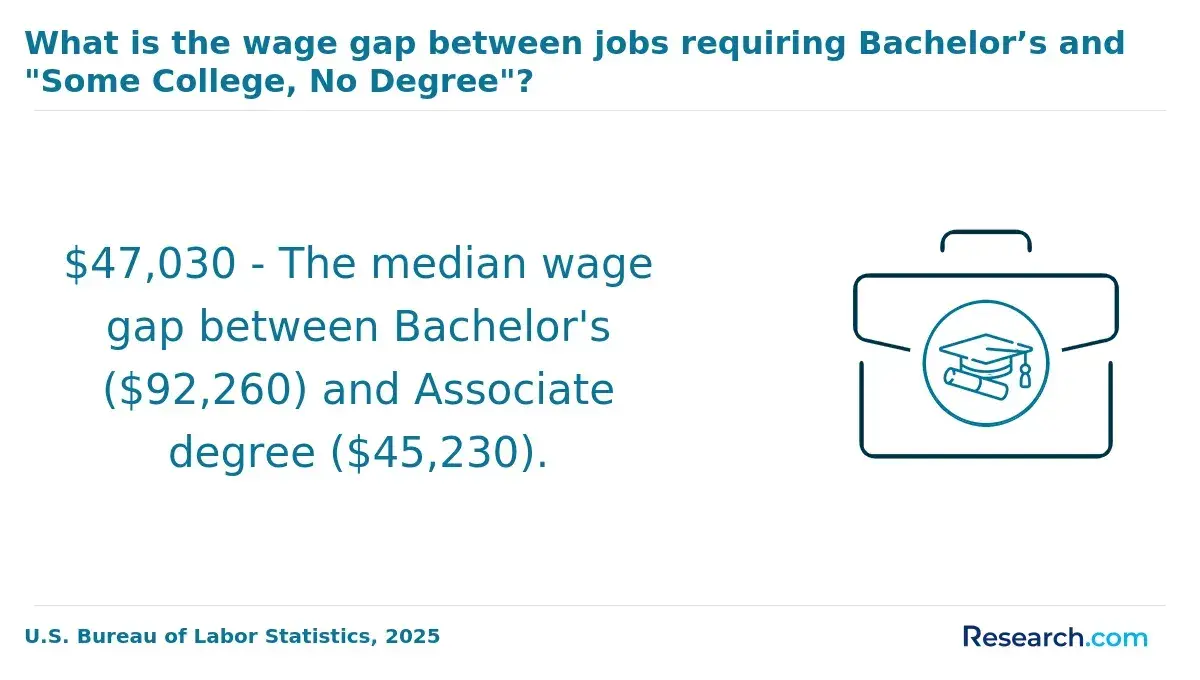
A recent labor market analysis shows a 28% increase in remote entry-level Energy Engineering job listings, with Energy Analyst roles making up 43% of these remote opportunities. This trend underscores the importance for graduates to gain certifications and develop remote collaboration skills beyond traditional engineering training. Entry-level remote Energy Engineering jobs still require hands-on software experience and digital fluency to meet employer expectations for flexible work environments. Graduates considering remote work should evaluate how their program prepares them for these demands and consider supplementing their education with targeted digital skills training, such as CACREP options where relevant.
What is the average salary of Energy Engineering graduates who are working remotely?
The average remote salary for Energy Engineering graduates typically ranges from $65,000 to $78,000 annually at entry-level, with median starting pay near $70,000. This reflects competitive compensation for professionals in fully remote or hybrid roles focusing on flexible work. Graduates should note that this pay scale is influenced by technical demands and mastery of digital collaboration tools.
The remote job pay scale for Energy Engineering professionals varies with additional certifications or specialized skills. Roles requiring proficiency in renewable energy systems or advanced simulation software often earn at the higher end of the spectrum. For instance, a graduate working remotely on smart grid projects might see offers above $75,000 but must maintain continuous learning to meet evolving technical requirements.
Compared to similar fields such as Environmental or Mechanical Engineering, entry-level remote salaries in Energy Engineering hold a slight edge. Environmental roles generally start between $60,000 and $72,000, making Energy Engineering's remote salaries more attractive by around 5%. This wage premium reflects growing demand and industry willingness to reward remote expertise amid labor market shifts.
Remote opportunities, however, may reduce hands-on training chances crucial for skill development. Graduates might balance this immediate premium against prospects for onsite experience. Those considering flexible options can also explore a sports management degree online as a comparison point for remote program offerings and their outcomes in diverse fields.
Do remote Energy Engineering jobs pay the same as on-site roles?
Remote Energy Engineering roles typically pay 5-10% less than equivalent on-site positions. This difference arises primarily because many companies link salaries to the employee's geographic location rather than using a national flat rate. Consequently, workers in lower-cost regions often receive reduced pay compared to counterparts in higher-cost areas.
Compensation packages vary considerably depending on employer policies. About 62% of companies that claim remote pay parity still apply localized pay bands to reflect cost-of-living differences. This affects starting salaries for entry-level engineers, who may face lower initial pay remotely despite the flexibility offered.
For example, a recent Energy Engineering graduate living in a smaller city might accept a remote job with a 7% salary drop compared to an on-site role in a metropolitan area. However, savings from commuting costs and more flexible hours can partially offset this gap, influencing the overall financial decision with practical tradeoffs in work-life balance.
Employers sometimes compensate by reducing travel stipends but increasing home-office support through equipment budgets. This structural shift in compensation highlights that pay is only part of the equation when evaluating remote Energy Engineering opportunities.
What benefits do remote Energy Engineering employees receive?
Remote Energy Engineering roles deliver targeted benefits that address both practical challenges and engagement needs inherent to distributed work. For example, a mid-career engineer working from a rural location may rely heavily on employer support for home office expenses and telehealth services to maintain efficiency and well-being. Around 60% of Energy Engineering firms now allocate specific budgets for continuous education, underscoring a strategic focus on remote skill development and job satisfaction. The following list outlines key benefit categories that sustain productivity and professional growth for remote Energy Engineering employees.
- Home Office Stipends: Monthly allowances typically between $75 and $150 help offset costs for equipment, internet, and utilities. This support recognizes that remote setups require reliable infrastructure, directly influencing daily work quality.
- Enhanced Telehealth Access: Remote roles often include expanded telehealth services beyond standard healthcare coverage. This reduces geographic barriers to medical consultations, which is critical for maintaining consistent health management off-site.
- Flexible Paid Time Off Policies: Flexible PTO accommodates diverse schedules common in decentralized teams, helping employees balance project demands with personal needs without compromising workflow continuity.
- 401(k) Retirement Plans with Matching: Employer contributions to retirement savings demonstrate long-term investment in remote staff, aligning incentives for retention despite physical distance from company offices.
- Continuous Education Budgets: Firms providing dedicated funds for certifications and training enable employees to update technical skills remotely. This targeted learning support increases job fulfillment and adaptability in a rapidly evolving sector.
One Energy Engineering professional shared that initially, the home office stipend felt insufficient to cover all setup expenses, leading to some hesitation about the remote transition. However, the company's flexibility in adjusting the allowance after employee feedback helped alleviate financial stress. Additionally, consistent access to telehealth eased concerns about managing health conditions without frequent travel. The combined benefits created a more sustainable remote work experience, enabling focused contributions without the typical distractions of an ill-equipped workspace.
Where can Energy Engineering graduates look for remote jobs?
Energy Engineering graduates benefit most from targeting a mix of broad job boards and specialized platforms that cater to engineering and technical roles. For instance, a recent graduate applying through niche-specific online communities is 42.3% more likely to discover remote positions than by relying solely on general boards. This highlights how diversifying searches can improve outcomes. The following list outlines key online resources where remote energy engineering roles frequently appear and explains their value in navigating authentic job opportunities.
- Indeed and LinkedIn: These large-scale job boards aggregate thousands of remote listings across various industries, including entry-level energy engineering roles. Their sophisticated filtering systems for experience, location, and remote flexibility efficiently match candidates to available positions, although competition is high due to their generalist nature.
- Glassdoor and AngelList: These platforms specialize in startup and tech-driven companies, often featuring energy tech opportunities with flexible remote work policies. Their focus on employer reviews and startup ecosystems helps candidates gauge company culture and role viability before applying.
- Society of Petroleum Engineers and American Society of Mechanical Engineers: These professional associations circulate remote contract and project-based roles not always listed publicly. Member-exclusive forums and newsletters provide direct access to niche industry hiring channels, connecting candidates to employers prioritizing specialized expertise.
- LinkedIn Groups in Energy and Sustainability: Active participation in sector-focused groups amplifies visibility to recruiters hunting for remote talent. These informal networks enable real-time sharing of remote openings and facilitate direct outreach, which recruitment agencies cite as yielding 38.7% of hires in technical remote roles.
What do Energy Engineering employers look for in candidates?
Energy Engineering employers hiring remotely prioritize candidates who combine technical expertise with adaptability to autonomous work environments. The ability to independently manage complex projects often determines success in distributed roles, where oversight is minimal. A practical example involves a candidate remotely optimizing grid integration through energy modeling software, delivering measurable energy efficiency gains without on-site supervision. Employers value this blend of skills and outcomes when evaluating Energy Engineering remote job requirements. The following core qualifications highlight what recruiters seek:
- Energy Modeling Software Proficiency: Familiarity with tools like RETScreen or HOMER is essential. Candidates must demonstrate competence in simulating and analyzing renewable energy systems to support decision-making. This skill ensures effective remote analysis and system design, critical for virtual collaboration.
- Data Analytics and Programming: Handling large datasets with Python or R is increasingly assessed. Employers test applicants' ability to interpret consumption patterns and optimize energy use remotely, verifying analytical rigor and problem-solving under virtual conditions.
- Certifications in Industry Software: Credentials in AutoCAD or MATLAB signal readiness to design and simulate technical solutions. These certifications validate practical skills required to translate theoretical knowledge into actionable remote work outputs.
- Regulatory Compliance and Sustainability Knowledge: Understanding environmental and legal frameworks helps align projects with corporate responsibility goals. Candidates showing experience in these areas anticipate regulatory shifts and manage remote compliance risks effectively.
- Project Outcome Documentation: Portfolios evidencing energy efficiency improvements or cost reductions distinguish applicants. Proven results indicate capability to deliver tangible benefits in remote pilot programs without direct supervision.
A notable recent trend shows that 63% of Energy Engineering employers have intensified digital skill scrutiny, with 54% including live virtual assessments focused on software mastery and real-time data manipulation. This reflects the increasing importance of immediate, demonstrable remote competency. Graduates assessing if a remote career fits their path should also weigh how flexible program schedules, transfer credits, and prior experience can accelerate degree completion. For those exploring educational pathways, reviewing options such as affordable online masters counseling programs may provide strategic insights into flexible learning aligned with workforce demands.
How can Energy Engineering graduates prepare for remote roles?
Success in remote roles for Energy Engineering graduates requires technical agility beyond core engineering knowledge. Employers now expect candidates to manage digital workflows and deliver complex projects independently. A practical example includes designing energy-efficient systems remotely using open-source tools, which sharpens remote collaboration and problem-solving skills in a realistic setting. Below are key strategies graduates should adopt to align with current employer demands and thrive off-site.
- Master digital collaboration platforms: Fluency in tools like Microsoft Teams, Slack, Asana, and Jira is critical. These platforms support communication and project tracking in distributed teams. Graduates must practice setting up projects, managing tasks, and maintaining clear digital communication to ensure seamless remote coordination.
- Earn targeted certifications: Complement engineering degrees with certificates in data analytics, cloud computing, or sustainable energy software. These credentials bridge gaps between traditional coursework and remote job requirements. Completing industry-recognized bootcamps focused on energy modeling software further enhances practical job readiness.
- Build a secure remote workspace: Invest in high-speed internet, dual monitors, and reliable VPNs to ensure data security and uninterrupted productivity. This setup replicates corporate environments off-site and meets baseline employer expectations for remote work infrastructure.
- Develop project portfolios with real-world scenarios: Engaging in independent projects such as virtual energy audits or energy-efficient system simulations demonstrates technical competence and initiative. These portfolios make graduates competitive by showcasing their ability to deliver results remotely.
- Leverage remote-readiness training programs: Data shows graduates undertaking specific remote-work training during their studies experience a 27% higher job placement rate in flexible roles. Integrating such programs enhances adaptability and signals to employers preparedness for remote Energy Engineering roles.
Energy Engineering graduates remote job preparation demands a strategic combination of digital skills, certification enhancement, infrastructure investment, and portfolio development. This approach optimizes employer appeal in a labor market with increasing preference for remote-capable talent. Exploring a fastest online project management degree can also complement engineering skills with critical remote leadership capabilities.
How can Energy Engineering graduates if remote roles are a good fit for them?
Energy Engineering graduates need to assess key personal and professional factors before committing to remote work roles, as remote employment presents distinct challenges and tradeoffs beyond location flexibility. For example, an engineer specializing in grid optimization might thrive working remotely due to data-driven tasks and collaboration with dispersed software teams. However, someone focused on site inspection or field diagnostics may find remote work incompatible with job demands. Graduates can evaluate their fit using these criteria to ensure both productivity and long-term career satisfaction. Below are critical factors to consider:
- Self-Motivation and Discipline:Remote Energy Engineering roles require independent time management without direct oversight. Graduates should honestly assess if they maintain focus and meet deadlines consistently when unsupervised, as poor discipline often leads to diminished performance and frustration.
- Technical Task Compatibility:Some roles demand frequent hands-on work with physical equipment or site visits. Candidates should evaluate whether their core responsibilities allow for remote execution or require on-site presence, as this directly influences job feasibility and effectiveness.
- Proficiency with Digital Tools:Remote engineering workflows depend heavily on virtual communication platforms and collaborative software. Graduates must be comfortable mastering these technologies since poor digital fluency hinders integration with multidisciplinary teams.
- Adaptability to Asynchronous Communication:Remote teams often span multiple time zones, necessitating flexibility in work hours and communication patterns. Graduates should reflect on their ability to handle delayed feedback and asynchronous collaboration without losing momentum.
- Employer Remote Work Culture:Not all Energy Engineering employers support flexible work models equally. Candidates need to research company policies and sector trends, especially since software-driven subsectors tend to be more remote-friendly than traditional field engineering segments.
- Professional Isolation Resilience:Remote roles reduce spontaneous networking and mentoring, which impact skill growth. Graduates must judge whether they can proactively seek relationships and learning opportunities to offset limited in-person contact.
- Long-Term Career Impact Awareness:Remote positions offer work-life balance benefits but may slow skill development due to less hands-on experience. Graduates should weigh these tradeoffs against career goals to avoid stagnation or missed advancement chances.
A recent survey found that 38% of distributed Energy Engineers believe remote roles improve work-life balance, yet 22% report slower career progression due to fewer mentoring opportunities. This signals that graduates prioritizing flexibility and strong digital collaboration skills stand to benefit, while those seeking immersive, technical growth will face challenges.
One graduate who completed an online Energy Engineering program shared the difficulty of deciding on remote work. "I initially hesitated because my passion was field diagnostics, but after a short contract requiring site visits, I realized the repetitiveness and travel strain meant I'd drain quickly. Switching to a remote position focused on simulation modeling allowed me to stay in my specialty without burnout. It took careful reflection on what parts of my skills needed hands-on presence versus what could be done independently. The flexibility now lets me balance family and work, but I remain mindful to pursue mentoring virtually so I don't fall behind." This example underscores the importance of aligning remote roles with one's technical focus and personal work style to ensure sustainable satisfaction.
References
- Admission criteria and procedure https://corsi.unige.it/en/corsi/11917/prospective-students-admission-criteria-procedure
- International Energy Engineering https://www.oth-aw.de/en/studies/study-offers/study-programmes/master/international-energy-engineering/
- Environmental, Process & Energy Engineering Bachelor https://www.mci.edu/en/study/bachelor/environmental-process-energy-engineering
- Is Energy Engineering a Good Career Choice? | NEWENGINEER https://newengineer.com/advice/is-energy-engineering-a-good-career-choice-1298239
- How to Address the Competitiveness of Energy Intensive Industries in the EU? - European Lime Association https://eula.eu/2025/03/27/how-to-address-the-competitiveness-of-energy-intensive-industries-in-the-eu/
- Grid engineering program https://www.siemens-energy.com/global/en/home/careers/grid-engineering-program.html
- Bachelor's - Energy Engineering https://www.bircham.edu/bachelor-s-degree-energy-engineering.html
- Master Programme in Energy Engineering, Energy Online 60 hp https://www.hig.se/engelska/university-of-gavle/study/intresseomraden-och-program/technology-and-spatial-management/master-programme-in-energy-engineering-energy-online-60-hp
- EnergyDegrees.org: The Energy Education Website https://www.energydegrees.org/
- Essential Engineering Resources for Students and Teachers in Higher Education andMaster’s Programs https://vias3dacademia.com/essential-engineering-resources-for-students-and-teachers-in-higher-education-andmasters-programs/
Other Things You Should Know About Energy Engineering
Remote roles often reduce opportunities for hands-on training and informal mentorship, which are critical in Energy Engineering fields. Graduates should prioritize employers who offer structured virtual training programs or hybrid options to maintain skill acquisition momentum. Without these supports, career growth may slow, particularly in mastering complex practical competencies that remote formats struggle to convey effectively.
Remote roles can blur the line between professional and personal time, with employers sometimes expecting extended availability. Graduates need to assess company culture carefully, favoring organizations that explicitly manage workload expectations and respect boundaries. Prioritizing roles with clear communication protocols and documented performance metrics helps prevent burnout and ensures manageable work hours.
Energy Engineering projects often require close interdisciplinary collaboration, which can be challenging when team members are remote. Graduates should look for roles where employers invest in high-quality digital collaboration tools and foster proactive communication norms. Without effective remote teamwork frameworks, projects risk delays or misunderstandings, potentially impacting both performance evaluations and long-term job satisfaction.
Remote work limits casual networking and spontaneous interactions that are vital for career advancement in Energy Engineering. Graduates should actively seek out virtual industry events, professional groups, and mentor relationships to compensate. Prioritizing environments that support network building through formal channels can significantly influence future job opportunities and access to industry knowledge.