2027 Energy Engineering Degree Enrollment Trends by Age Group: Traditional Students vs Adult Learners

Co-Founder and Chief Data Scientist
Energy engineering programs face unique enrollment dynamics shaped by stringent technical credentialing and evolving workforce demands. Traditional students, typically aged 18-24, often enroll earlier to navigate licensing requirements and structured practicum components integral to the profession. In contrast, adult learners frequently pursue these degrees amid career transitions driven by economic shifts or the sector's 8% projected employment growth through 2032.
This bifurcation reflects differing employer expectations: early-career candidates must demonstrate foundational theory and internships, while adult learners leverage experiential knowledge but may encounter scheduling and curriculum flexibility barriers. The age-based enrollment divide signals shifting professional pathways amid industry modernization and workforce diversification.
Key Things to Know About Energy Engineering Degree Enrollment Trends by Age Group
- Graduate enrollment among students aged 25+ in energy engineering rose 18% from 2023 to 2024, reflecting delayed career pivots but increasing tuition costs and time commitments compared to traditional routes.
- Employers often prioritize younger graduates for entry-level roles due to perceived longer career trajectories, creating a workforce integration challenge for older enrollees despite their relevant experience.
- Part-time options dominate older student enrollment, indicating access gains but also extending degree completion timeframes, which can affect momentum in fast-evolving energy sectors requiring up-to-date skills.
- Key Things to Know About Energy Engineering Degree Enrollment Trends by Age Group Key Things to Know About Energy Engineering Degree Enrollment Trends by Age Group
- Which Age Groups Represent the Largest Share of Energy Engineering Students? Students by Age Group
- Why Do Traditional Students Choose Energy Engineering Degree Programs? Traditional Students
- Why Do Adult Learners Return to School for a Energy Engineering Degree? Adult Learners
- How Do Academic Goals Vary Between Younger and Older Energy Engineering Students? Academic Goals by Age Group
- How Do Financial Concerns Differ Between Traditional Students and Adult Learners? Financial Concerns by Age Group
- What Challenges Do Adult Learners and Traditional Students Face While Earning a Energy Engineering Degree? Student Challenges by Age Group
- How Does Age Affect Energy Engineering Degree Student Retention? Age and Student Retention
- Which Energy Engineering Specializations Are Most Popular Among Adult Learners? Top Specializations for Adult Learners
- How Does Age Affect Job Opportunities for Energy Engineering Graduates? Impact of Age in Job Opportunities
- What Do Current Energy Engineering Enrollment Trends Reveal About Future Demand? What Do Current Energy Engineering Enrollment Trends Reveal About Future Demand?
Which Age Groups Represent the Largest Share of Energy Engineering Students?
Energy engineering degree enrollment by age group reflects broader workforce trends rather than mere academic preference. While students of various life stages enter these programs, enrollment is heavily concentrated among age groups aligned with traditional career entry points, financial readiness, and educational pathways. These patterns are shaped by the timing of workforce participation, institutional support favoring younger students, and the challenges adult learners face in balancing education with professional and personal commitments.
- Ages 18-24: This cohort dominates energy engineering enrollment, as most students enter directly after high school into undergraduate programs. The structured nature of secondary education funnels many into energy engineering studies early, supported by financial aid frameworks and employer hiring preferences that value recent, full-time academic engagement. This age group benefits from well-established pathways that match industry demand for fresh technical skills.
- Ages 25-34: Representing a smaller but growing segment, many in this group pursue energy engineering degrees during career transitions or to upskill within evolving energy sectors. Their enrollment often requires balancing work and family responsibilities, leading to preference for part-time, evening, or online options. Despite increasing interest, this group contends with opportunity costs and fewer financial aid incentives compared to younger peers.
- Ages 35 and older: Enrollment rates drop significantly for this segment due to cumulative professional commitments and the high costs of reentry into formal education. Adult learners pursuing energy engineering face logistical hurdles that limit full-time study, often confining them to flexible but longer educational paths. Their engagement reflects targeted upskilling rather than initial workforce entry, with programs needing to address these unique constraints.
The dominance of traditional-age students stems from educational policies and employer hiring patterns favoring fresh technical competence alongside systemic barriers impacting adult learners. For prospective students who do not fit the standard college-age profile, options like an accelerated bachelor's degree online accredited may offer more accessible pathways, though these require careful consideration of tradeoffs between program intensity and life demands. Recognizing how age-specific enrollment trends intersect with workforce timing and financial realities is essential for making informed decisions about pursuing energy engineering degrees.
Why Do Traditional Students Choose Energy Engineering Degree Programs?
Traditional students pursuing energy engineering careers often prioritize the academic benefits of energy engineering for college students that combine practical engineering disciplines such as mechanical, electrical, and environmental fields. This interdisciplinary foundation not only aligns with their intellectual curiosity but also signals clear career pathways in industries experiencing rapid technological change. Early enrollment decisions frequently reflect a strategic understanding of degree value, where securing specialized engineering credentials is seen as critical for competitive labor market entry. According to a 2024 report by the National Center for Education Statistics, about 65% of new enrollees cite strong job prospects and the rising importance of clean energy technology as primary motivators.
Deeper influences shaping enrollment include targeted university recruitment efforts and high school guidance counseling that emphasize energy engineering as a pathway to stable and evolving careers in energy transition sectors. Exposure to foundational subjects and introductory coursework, such as courses one may find in an environmental engineering degree, before college also plays a critical role. These educational pipelines are enhanced in regions with established industry presence, reinforcing aligned program offerings and practical co-op opportunities tailored to employer needs. This alignment promotes purposeful program selection, helping traditional students map their academic pursuits onto clearer employment and specialization trajectories while reinforcing the dynamic appeal of energy engineering.
Why Do Adult Learners Return to School for a Energy Engineering Degree?
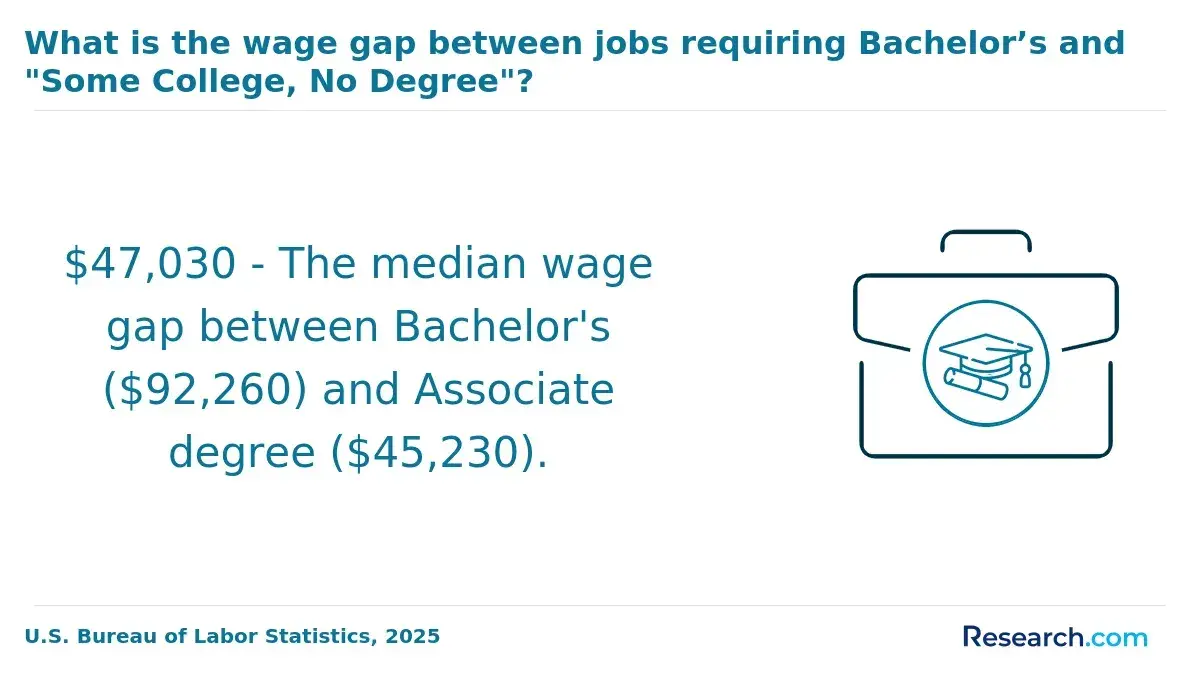
Adult learners returning to pursue an energy engineering degree typically do so with clear, outcome-driven objectives centered on enhancing career mobility, increasing earning potential, or transitioning into a growing sector. Many are established professionals who seek to update credentials or pivot into energy-focused roles that align with industry shifts toward sustainability and technological innovation. According to the National Center for Education Statistics, roughly 45% of non-traditional students enroll to improve job prospects, underscoring the practical connection between returning to education and measurable workforce advancement. This demographic often prioritizes degrees that directly address wage progression or open doors to leadership and specialized project opportunities in evolving energy systems.
Additional forces driving this education re-entry include employer-sponsored tuition benefits and the expansion of flexible delivery methods like online and part-time programs, which accommodate adult learners balancing employment and family responsibilities. The rapid pace of change in energy technologies and regulatory environments means that outdated skills risk obsolescence, pushing professionals to refresh both their technical expertise and professional qualifications. The ongoing credential inflation across engineering disciplines also motivates learners to obtain advanced or specialized degrees to maintain competitiveness, while the accessibility of energy engineering programs tailored to adults facilitates sustained participation despite competing demands.
How Do Academic Goals Vary Between Younger and Older Energy Engineering Students?
Traditional energy engineering students, typically aged 18 to 24, often approach their studies with the intent of exploring broad foundational concepts and developing a versatile skill set. Their academic trajectory is designed to support entry into early-career engineering positions or to prepare for advanced graduate education, emphasizing both theoretical understanding and hands-on research. These students usually engage deeply in laboratory courses and internships, aiming to establish a robust base that can adapt to diverse engineering roles. A 2024 National Center for Education Statistics report highlights that this group prioritizes foundational knowledge to navigate the early stages of technical career development effectively.
In contrast, adult learners enrolling in energy engineering programs prioritize pragmatic and targeted learning that aligns with immediate workplace demands or career transitions. Often balancing full-time employment and family obligations, this demographic tends to favor flexible scheduling and modular coursework aimed at specific credentials or emerging industry sectors such as renewable energy management. According to the same 2024 NCES findings, 62% of adult learners cite direct professional application and skill specialization as their primary motivation, reflecting a more outcome-oriented academic focus that supports upward mobility or role shifts within their existing career paths.
One adult learner shared how returning to school for an energy engineering degree involved careful timing and strategic preparation amid uncertainty triggered by rolling admissions. Initially hesitant to apply due to work commitments and incomplete prerequisite courses, they delayed submission until a clearer window opened in their schedule. This decision, though stressful, allowed the learner to approach coursework with greater focus and less risk of burnout, illustrating a common adult student challenge of balancing external pressures with academic readiness while navigating non-traditional enrollment timelines.
How Do Financial Concerns Differ Between Traditional Students and Adult Learners?
Traditional students in energy engineering programs, generally aged 18 to 24, often rely heavily on family support, federal financial aid, scholarships, and student loans to manage tuition payments. According to the National Center for Education Statistics, nearly 70% of traditional undergraduates receive some form of federal aid, yet their financial concerns extend beyond immediate costs to long-term debt management and credit implications. This cohort's primary trade-off involves incurring debt while deferring full-time employment, betting on future wage growth to justify current financial sacrifices. Such dynamics characterize the financial challenges faced by traditional energy engineering students, as they must navigate both accumulating educational expenses and future debt repayment burdens in the absence of steady income during their studies.
Adult learners pursuing energy engineering degrees encounter markedly different financial pressures shaped by existing family, housing, and healthcare obligations. Many balance tuition with ongoing household costs and weigh lost wages due to reduced work hours or career interruptions. A significant share finance their education through personal savings or employer tuition assistance, which is often contingent on job retention or performance benchmarks. These tuition payment options for adult learners in energy engineering programs influence program choices, encouraging degrees with flexible scheduling or accelerated completion timelines to mitigate opportunity costs. The Council for Adult and Experiential Learning notes that over 60% of adult learners use such employer support, highlighting a pragmatic investment outlook focused on near-term returns and career stabilization.
These financial distinctions shape enrollment patterns and program accessibility within energy engineering. While younger students may favor on-campus programs relying on traditional aid mechanisms, adult learners often prioritize online or hybrid formats aligned with work commitments. This pragmatic orientation reflects deeper considerations about the long-term return on investment, balancing immediate financial obligations against credential value and job market mobility. Prospective students would benefit from assessing educational pathways within this nuanced financial context, such as examining fields like the MBA in entrepreneurship, which may share financing strategies or career outcomes relevant to adult learners navigating similar trade-offs.
What Challenges Do Adult Learners and Traditional Students Face While Earning a Energy Engineering Degree?
Traditional students pursuing an energy engineering degree typically encounter challenges rooted in their stage of academic and personal development. Many are transitioning directly from high school, requiring adaptation to the discipline and rigor of STEM coursework alongside structured campus environments. Managing new workloads while balancing social and extracurricular demands tests their time-management skills, often without the benefit of prior professional or familial responsibilities. Although they benefit from recent academic preparation, the need to develop practical problem-solving abilities within evolving energy technologies can create a steep learning curve, compounded by pressures to maintain steady academic progress.
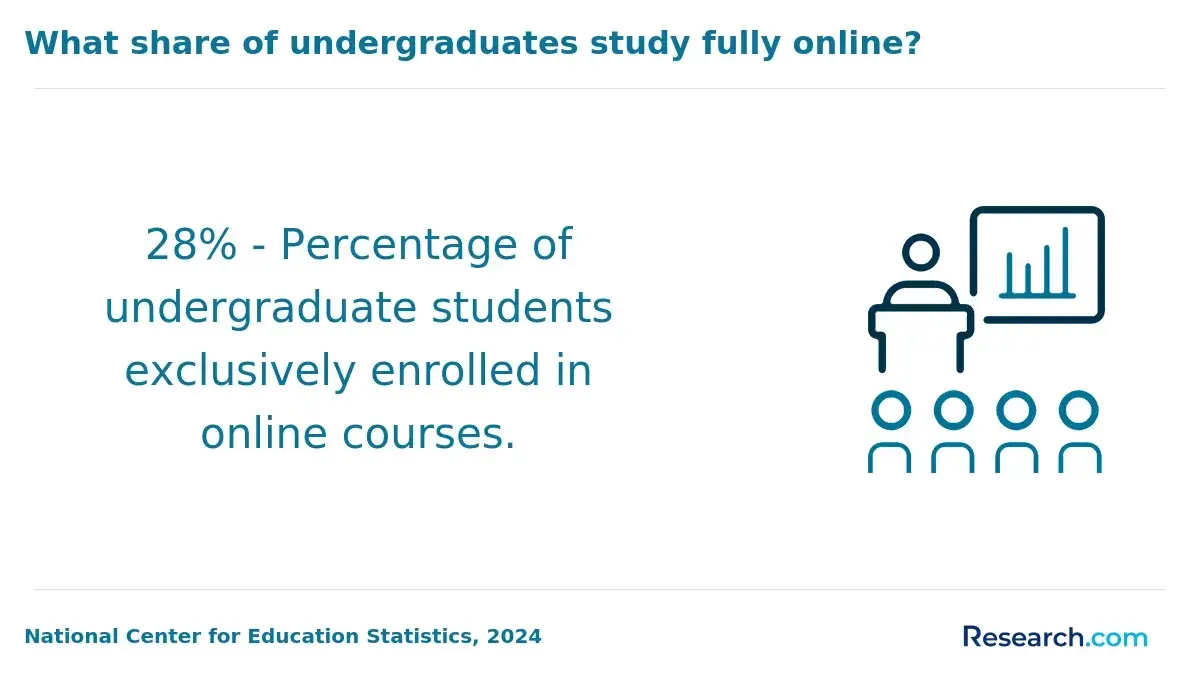
In contrast, adult learners face a distinct set of obstacles shaped by competing priorities outside the classroom. Nearly 45% cite balancing work and family duties as their main barrier to completing energy engineering programs, according to a 2024 National Center for Education Statistics report. These students must reconcile demanding professional schedules with coursework while often lacking continuous academic engagement for years, which can contribute to feelings of underpreparedness and decreased confidence in technical subjects. Financial responsibilities, including tuition without consistent employer tuition support, amplify stress and complicate time allocation, forcing many to carefully weigh immediate income needs against long-term career development.
Higher education institutions adapting to these differing realities increasingly offer flexible learning formats, targeted advising, and support mechanisms designed to address each group's challenges. For traditional students, reinforcing foundational STEM skills and time-management strategies remains critical, while adult learners benefit from programs that accommodate nontraditional schedules and provide resources for re-entry academic support. Understanding these lifecycle-driven challenges is essential for both students and educators to improve retention and successful degree completion in energy engineering fields where workforce demands continue to grow.
Employer Confidence in Online vs. In-Person Degree Skills, Global 2024

How Does Age Affect Energy Engineering Degree Student Retention?
Younger students in energy engineering programs often confront retention hurdles closely tied to the shift from high school to rigorous college demands. Early academic challenges, unclear career focus, and the need to balance social adaptation with coursework can undermine their persistence, especially within the initial semesters. These students frequently lack the contextual experience to fully appreciate program relevance, which can lead to wavering motivation when faced with demanding STEM content. According to data from the National Center for Education Statistics in 2024, retention rates among traditional students aged 18-24 lag roughly 12% behind those of adult learners, reflecting these adjustment difficulties.
In contrast, older energy engineering students typically exhibit clearer professional objectives and sustained commitment, bolstered by prior work and life experience. However, their retention can be compromised by competing responsibilities such as employment and family care, which demand flexible scheduling and robust institutional support to maintain enrollment momentum. These constraints often extend time to degree completion despite higher persistence rates overall. Programs accommodating nontraditional learners with online courses and targeted resources tend to see improved outcomes, reinforcing that adult learner retention hinges on balancing ambition with practical life demands.
One recent graduate recalled applying during a rolling admission cycle while juggling a full-time job and family obligations. Initially hesitant to commit without full clarity on financial aid and course scheduling, they delayed submitting paperwork, fearing they'd lose flexibility. However, once institutional advisors offered tailored guidance and flexible start dates, the graduate was able to synchronize enrollment with personal schedules. This timing nuance in admissions, especially for older students balancing multiple priorities, proved critical in converting cautious interest into sustained program commitment.
Which Energy Engineering Specializations Are Most Popular Among Adult Learners?
Adult learners pursuing an energy engineering degree often favor specializations that provide tangible skills directly applicable to evolving industry needs and offer clear pathways for salary advancement or career transitions. Unlike traditional college-age students, these mature students typically bring years of work experience and seek to enhance their expertise in areas that align with immediate employment demands or upward mobility within their current sectors. This focus drives a distinctive enrollment pattern favoring applied and management-oriented specializations over purely theoretical or design-heavy tracks.
- Renewable energy systems: Adult learners gravitate toward this specialization due to the rapid expansion of solar, wind, and bioenergy sectors. Its practical skill set supports mid-career professionals looking to reskill or pivot into fast-growing green industries, often with a focus on upskilling for emerging technologies that command premium salaries.
- Energy management: This area appeals to those targeting efficiency improvements and leadership roles within industrial or commercial operations. It leverages prior operational experience and supports advancement into oversight or sustainability-focused positions, reflecting a demand for strategic management expertise in energy use.
- Power systems: Covering grid infrastructure and smart grid technologies, this specialization suits professionals adapting to modernization of electrical networks. Adult learners with backgrounds in utilities or engineering find this specialization aligns with workforce needs in grid integration and distributed energy resources.
- Energy systems integration: Increasingly relevant, this specialization attracts learners aiming to understand and manage the interface of multiple energy sources and technologies. It supports career reinvention by emphasizing systems-level thinking crucial for modern energy solutions.
- Energy policy and economics: Some adult students focus here to translate technical knowledge into roles influencing regulations or business decisions. This pathway aligns well with those shifting toward consultancy or strategic advisory positions where prior industry insight adds value.
According to the U.S. Department of Energy's 2024 workforce study, approximately 62% of adult enrollees in energy engineering programs select specializations linked to renewables and management rather than more theoretical disciplines preferred by younger students. This highlights how practical career mobility and workforce reskilling shape specialization preferences. For mature learners assessing program options, it is critical to match their experiences and goals with fields offering measurable employment benefits and relevance in a transitioning energy landscape.
Those interested in accelerating their education in these areas may also consider one year degrees for seniors as a focused option to quickly capitalize on labor market opportunities.
How Does Age Affect Job Opportunities for Energy Engineering Graduates?
Younger energy engineering graduates, generally aged 18 to 24, benefit from employer perceptions that emphasize adaptability and a longer potential career horizon, which influences hiring behavior toward entry-level roles and structured internship or co-op programs. These graduates typically gain quicker access to established internship pipelines and entry-level opportunities that help build foundational experience, despite often lacking extensive practical work background. According to a 2024 report from the U.S. Bureau of Labor Statistics, younger engineering graduates experience faster initial hiring outcomes, underscoring the labor market's preference for early career talent that can be molded over time. This dynamic shapes how age affects energy engineering graduate job prospects by age group, with younger candidates positioned advantageously for early-stage employment but needing to quickly develop applied skills to advance.
Older energy engineering graduates, including adult learners and mid-career entrants, face a different employment landscape shaped by their prior work experience and career transition objectives. Many bring transferable skills and workplace maturity, which some employers recognize by assigning mid-level roles immediately after graduation; however, concerns regarding long-term tenure and adaptability to new technologies may temper hiring enthusiasm. A 2024 National Science Foundation analysis found that 38% of adult energy engineering graduates secured mid-level positions shortly after graduation, illustrating both the value and constraints tied to age in hiring trends. For this group, navigating employer expectations requires balancing demonstrated experience with ongoing skill development, while understanding how these factors influence their distinct career entry timing and professional networking opportunities. Prospective students seeking detailed insights might compare options by exploring how to become a criminal profiler, a field with similarly complex hiring dynamics.
What Do Current Energy Engineering Enrollment Trends Reveal About Future Demand?
Current enrollment patterns in energy engineering degree programs reveal shifting perceptions of career value and educational accessibility among distinct student groups. The steady representation of traditional students indicates ongoing interest in foundational engineering roles, while a 15% increase in adult learner enrollment since 2021, as reported by the U.S. Department of Energy's STEM workforce initiative, reflects growing recognition of energy engineering's relevance beyond initial career stages. This demographic shift signals that many learners are pursuing flexible or specialized credentials, responding to evolving industry demands and the desire for practical skill application amid a complex energy transition landscape.
These enrollment dynamics align with broader labor market signals where employer demand increasingly favors professionals who combine theoretical expertise with adaptable problem-solving skills. The growth of adult learners often corresponds to workforce reskilling initiatives related to renewable technologies and infrastructure modernization. Consequently, academic programs may expand specialized tracks and hybrid delivery formats to accommodate this diverse demand profile, anticipating a labor market that rewards depth in emerging competencies and practical agility. This trajectory suggests a sustained elevation in both the scale and scope of energy engineering education linked to workforce shortages and technological advances documented in recent energy sector analyses.
References
- Everything you need to know about the renewable energy engineering profession: studies, salary... - ECE https://www.ece.fr/en/everything-you-need-to-know-about-the-renewable-energy-engineering-profession-studies-salary/
- How Higher Education Institutions Can Address the Needs of Adult Learners https://www.higheredtoday.org/2022/04/18/how-higher-education-institutions-can-address-the-needs-of-adult-learners/
- What are the Top Energy Engineering Trends for 2026? https://www.valdezelectricltd.com/blog/top-energy-engineering-trends-2026/
- Adult Postsecondary Learners: Reviewing the Data and Evidence https://www.jff.org/idea/adult-learners/
- Working at Siemens Energy: Careers & Job Opportunities https://www.siemens-energy.com/global/en/home/careers/working-with-us.html
- A Peek at Recent Enrollment Trends in Engineering and the Humanities , Wisconsin Engineer Magazine https://wisconsinengineer.com/2023/12/14/a-peek-at-recent-enrollment-trends-in-engineering-and-the-humanities/
- Top 8 engineering courses to consider for your future https://www.ljmuisc.com/blog/top-8-engineering-courses-to-consider-for-your-future
- What are the current trends in renewable energy? - REN21 https://www.ren21.net/what-are-the-current-trends-in-renewable-energy/
- Scope and Future of Alternative Energy in the Engineering Industry https://mvjce.edu.in/blog/scope-and-future-of-alternative-energy-in-the-engineering-industry/
- 5 Reasons to Return to Education as an Adult https://ucr.rotherham.ac.uk/blog/5-reasons-to-return-to-education-as-an-adult/
Other Things You Should Know About Energy Engineering
Prospective students should consider career goals, time commitments, and learning preferences. Flexible programs might suit those with work obligations, while traditional programs may offer deeper academic engagement for those available full-time.
Employers increasingly recognize the value of energy engineering degrees earned by adult learners, especially when paired with relevant industry experience. Nonetheless, some sectors or roles may still favor traditional candidates due to perceptions about recency of technical training or engagement in cutting-edge research. Adult learners should highlight practical expertise gained alongside degree completion to mitigate skepticism and align their resumes with employer expectations.
Traditional students often complete energy engineering degrees more quickly, immersed in an intensive schedule, which can facilitate faster entry into the workforce but may risk burnout. Adult learners tend to progress at a slower pace, balancing multiple life demands; this can extend time to completion but supports sustained learning and application to current jobs. Choosing a pace that aligns with personal capacity and career timing is critical to avoid disengagement or delayed professional benefits.
Traditional students can benefit greatly from programs with strong industry ties, as internships and co-ops often serve as gateways to first jobs in energy engineering. Adult learners, however, may already have workplace connections or experience, making industry partnerships less crucial but still valuable for accessing emerging technologies or shifting specialties. Thus, younger students should generally prioritize such programs, while adult learners should assess how industry engagement complements their existing career trajectory.