2027 Child Psychology Tuition Inflation Report: How Fast Are Program Costs Rising?

Co-Founder and Chief Data Scientist
Child psychology programs face unique cost drivers that distinguish their tuition trajectories from other disciplines. The integration of specialized clinical practicums, extensive supervision by licensed professionals, and investments in secure, child-friendly assessment environments require significant institutional funding. Additionally, rising accreditation standards demand updated training protocols and compliance monitoring, intensifying resource allocations.
Workforce demand shifts, such as increased requirements for licensed child mental health specialists, prompt programs to emphasize advanced coursework and diverse practicum settings. Data from the U.S. Bureau of Labor Statistics in 2024 highlights a 12% growth in child psychologist roles, reinforcing pressures on program capacity and operational costs.
Notably, the student age distribution in child psychology programs, skewing toward mid-career professionals, signals evolving educational accessibility and workforce adaptation. This report examines tuition inflation within these structural and operational contexts to reveal how cost increases correspond with sector-specific educational and professional developments.
Key Things to Know About Child Psychology Tuition Inflation
- Tuition for child psychology programs rose 6.8% nationally in 2024, outpacing inflation and reducing access for low-income students, which may shift demand toward part-time or online modalities with differing outcomes.
- Employers increasingly expect advanced certifications beyond degrees, pressuring students to invest more time and money post-graduation, affecting long-term workforce entry and credential stacking strategies.
- Rising costs extend program completion timelines due to financial constraints, potentially delaying licensure and dampening early-career earning potential, altering students' cost-benefit calculations and career planning.
- Key Things to Know About Child Psychology Tuition Inflation Key Things to Know
- How Much Has Child Psychology Tuition Increased Over the Past Decade? Tuition Increase
- How Does Child Psychology Tuition Inflation Compare to Overall Inflation? Tuition Inflation
- Which Types of Schools Have Experienced the Fastest Child Psychology Tuition Growth? Tuition Growth by School Type
- What Factors Are Driving Rising Costs in Child Psychology Degree Programs? Tuition Cost Drivers
- How Does Child Psychology Tuition Growth Vary by State and Region? Tuition Growth by State
- Are Online Child Psychology Programs Becoming More Affordable Than Campus-Based Programs? Online Program Affordability
- How Have Financial Aid and Scholarships Changed as Child Psychology Tuition Has Increased? Impact on Financial Aid and Scholarships
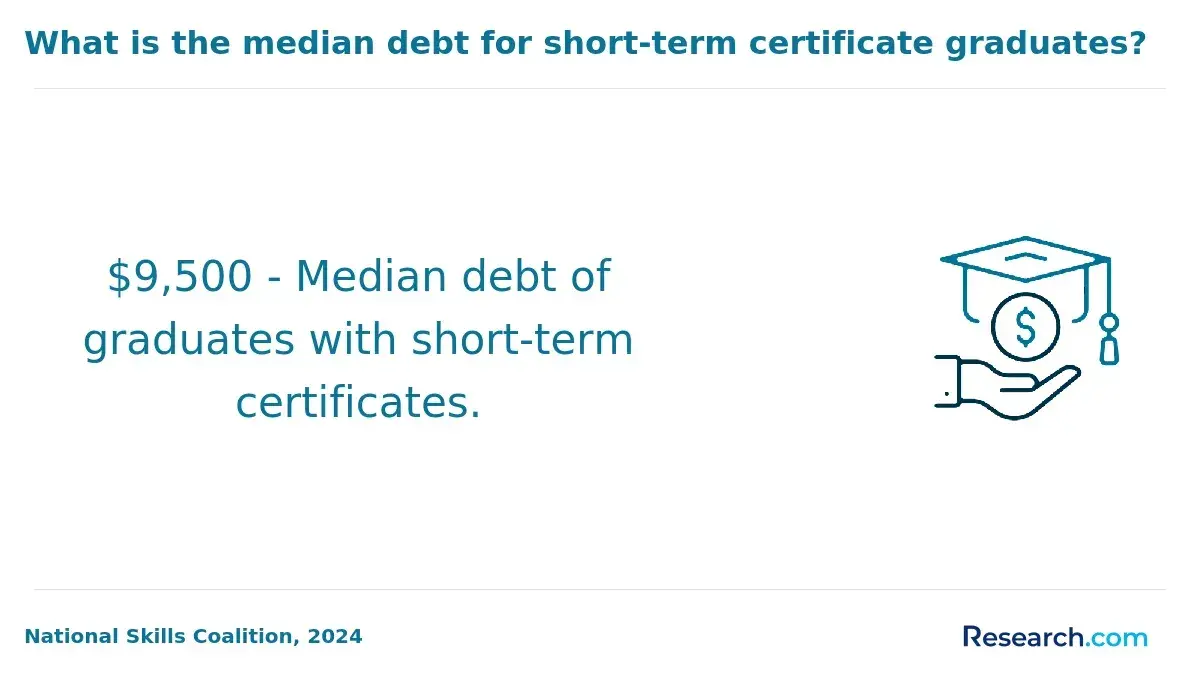
- How Does Rising Child Psychology Tuition Affect Student Debt After Graduation? Impact on Student Debt
- Do Higher-Cost Child Psychology Programs Deliver Better Career Outcomes or Earnings? Impact on Career Outcomes
- What Do Current Tuition Trends Suggest About the Future Cost of a Child Psychology Degree? Tuition Trends
How Much Has Child Psychology Tuition Increased Over the Past Decade?
Tuition for child psychology programs has risen sharply over the past decade, with average annual costs increasing by roughly 40% to 50%, according to recent figures from the National Center for Education Statistics and the U.S. Department of Education College Scorecard.
In-state public institutions now often charge over $17,000 per year compared to about $12,000 in 2014, while private universities have seen even steeper hikes, frequently exceeding $40,000 annually. This regional increase in child psychology program costs over 10 years surpasses general inflation rates and many other academic disciplines, reflecting intensified financial pressures within these specialized fields.
Several factors underpin this tuition escalation, including cuts in state and federal funding that have shifted the financial burden to students. Institutional spending priorities like expanding technology infrastructure, meeting accreditation standards, and accommodating rigorous practicum and certification requirements in clinical and counseling tracks also contribute to rising program costs.
Additionally, enrollment trends and growing demand across healthcare systems increasingly prioritize behavioral and mental health expertise but have not been matched by proportional investment, forcing programs to raise tuition to sustain quality training environments.
These cost increases have notable consequences for program affordability and student debt, shaping decisions about pursuing child psychology credentials amid a competitive job market with modest salary growth relative to borrowing. Prospective students should weigh return-on-investment carefully, accounting for not only sticker prices but also program outcomes like licensure success and employment rates.
For those seeking alternatives, exploring nursing programs easy to get into or related fields may also warrant consideration given the evolving landscape of healthcare education financing and career viability.
How Does Child Psychology Tuition Inflation Compare to Overall Inflation?
Tuition inflation in child psychology programs consistently outpaces general consumer price inflation, reflecting a divergence that complicates affordability assessments. Recent data from the U.S. Bureau of Labor Statistics shows the Consumer Price Index rising around 3.4% annually, while figures from the National Center for Education Statistics and the College Board confirm tuition increases in specialized graduate programs frequently exceed this by 4 to 6 percentage points.
This sustained premium over overall inflation underscores distinct cost dynamics within graduate education as opposed to broader economic trends. Analysis of child psychology tuition inflation rates versus national inflation trends reveals that the unique pressures on these programs amplify cost growth beyond what typical consumer expenses experience.
The gap between child psychology program costs and higher education inflation in the US stems in large part from institutional fiscal pressures and evolving operational demands. Declining public subsidies have compelled many programs to shift expenses to tuition revenue, while administrative and compliance costs grow as programs adapt to accreditation requirements and expanded clinical training mandates.
Investments in technology, enhanced student services, and facility upgrades further escalate operational budgets, contributing to above-average tuition inflation. Together, these factors drive a structural cost trajectory distinct from general inflation, complicating efforts to control education expenses without eroding academic quality or clinical preparation essential for credentialing.
For prospective and current students, this divergence signals increasing financial strain that affects borrowing patterns and program selection, with affordability concerns shaping decisions as much as academic outcomes. The premium associated with child psychology training influences both perceived value and access, as steady tuition rises challenge long-term cost-benefit calculations.
Navigating these pressures often requires strategic financial planning and consideration of alternative pathways, including evaluating a broader range of institutions, such as colleges with no application fee, to mitigate upfront costs without compromising essential clinical and research competencies.
Which Types of Schools Have Experienced the Fastest Child Psychology Tuition Growth?
Tuition increases for child psychology programs vary notably based on institutional type, funding mechanisms, and program delivery formats. Recognizing these distinctions is crucial for assessing cost trends and the true value offered by different educational providers.
Factors such as enrollment pressures, reliance on public funding, and resource allocation profoundly shape how tuition escalates within various school categories.
- Public Universities: These institutions generally show more moderate tuition growth, often around 3-4% annually, due to substantial state funding that helps offset costs. Their slower increases reflect budget constraints imposed by government appropriations and political oversight, which encourage more stable and predictable pricing despite rising program demands.
- Private Nonprofit Universities: These universities face growing operational expenses and competition for students, leading to steady but less volatile tuition hikes. While they lack direct public subsidies, their focus on donor funding and endowments helps soften extreme increases, balancing program quality investments with market-based tuition adjustments.
- For-Profit Institutions: For-profit schools exhibit some of the fastest tuition growth, often exceeding 6% annually. Their business-driven model prioritizes aggressive enrollment strategies and rapid program expansion, especially in online and flexible formats, which supports significant price inflation but may not always correspond to enhanced employer recognition.
- Research-Intensive Universities: These schools incur higher costs related to specialized faculty, clinical placements, and advanced research infrastructure for child psychology programs. Consequently, tuition tends to rise more steeply to support these resource demands, though funding diversification through grants and contracts can partially mitigate cost pressures.
- Regional Colleges: Serving primarily local populations, regional colleges usually maintain modest tuition growth due to limited investment capacity and less emphasis on expanding specialized child psychology tracks. Their affordability often benefits adult learners seeking cost-effective program options without extensive research components.
- Online Universities: The increasing popularity of online child psychology degrees drives distinct tuition trends influenced by technology infrastructure costs and scalability. While some online providers leverage economies of scale to limit price increases, others raise tuition aggressively to fund platform development and student support services tailored to adult learners.
What Factors Are Driving Rising Costs in Child Psychology Degree Programs?
Rising costs in child psychology degree programs stem from a complex web of institutional and economic pressures rather than a single causative factor. These tuition increases reflect structural shifts within higher education financing, where declining public support intersects with intensified demand for specialized training and resources.
The nature of child psychology as a discipline necessitates ongoing investment in clinical practice settings, research labs, and faculty expertise, which raises program expenses beyond basic instructional costs. As institutions grapple with balancing operational budgets, tuition becomes the primary lever to offset financial gaps, contributing to a persistent upward trend in pricing despite broader economic fluctuations.
A major element in this dynamic is the consistent reduction in state funding for public universities, which, according to the American Association of State Colleges and Universities, fell by approximately 6% per student in 2023. This compels schools to rely more heavily on tuition revenue, increasing financial pressure on students.
Moreover, attracting and retaining qualified child psychology faculty involves enhanced compensation packages, reflecting labor market competition for experts capable of delivering both academic and clinical training. Administrative expenditures have expanded to accommodate compliance with accreditation standards, student support, and mental health services, adding layers of overhead.
Concurrently, investments in digital technology and experiential learning infrastructure are essential to meet evolving educational demands, further elevating costs across a range of program types and institutional settings.
A recent graduate shared how the timing of admissions decisions influenced their ability to navigate these cost dynamics. Facing rolling admissions at several programs, they delayed committing while assessing financial aid offers and waiting for final tuition disclosures, which created a tense period of uncertainty.
The delays complicated budgeting and scholarship planning, underscoring how rising and unpredictable expenses in child psychology education require early, strategic decision-making to manage affordability effectively. This experience highlights the practical challenges applicants face as institutional cost structures grow more complex and less transparent during the enrollment process.
How Does Child Psychology Tuition Growth Vary by State and Region?
Tuition growth for child psychology programs demonstrates considerable variation across U.S. states and regions, driven by fundamental differences in state funding priorities, institutional characteristics, and regional economic conditions. Public universities with steady state appropriations generally experience slower tuition inflation, whereas private institutions and research-intensive universities located in high-cost urban centers typically increase tuition at faster rates.
These disparities reflect how varying institutional dependency on tuition revenue, combined with local cost-of-living pressures, shapes overall tuition trajectories, making it essential to analyze beyond geographic labels to understand true affordability trends.
Key drivers of these regional differences include state appropriations to public higher education, which have tightened in many states, compelling public universities to raise tuition to fill funding gaps. Regions such as the Northeast and West Coast, home to numerous prestigious private universities and research organizations, see annual tuition increases exceeding 5%, fueled by higher operating costs and competitive demand for specialized child psychology training.
These increases often surpass wage growth, impacting the affordability landscape for many families. In contrast, Midwestern and Southern states with more stable public funding and lower costs of living typically register more moderate tuition growth of 2% to 3% annually. Moreover, the concentration of research universities and the dominance of private institutions in certain regions accentuate tuition inflation, reflecting broader labor market demand for clinically trained graduates in mental health.
This uneven tuition growth has broader implications for student mobility, program selection, and long-term educational investment decisions. Regions with higher tuition inflation tend to expect graduates to possess advanced clinical experience or certifications, raising total workforce entry costs beyond tuition alone.
Meanwhile, students in states with slower tuition growth may find fewer specialized academic tracks, which could influence employability in competitive mental health sectors. Understanding regional differences in child psychology program costs and the structural factors at play can help prospective students and families weigh upfront expenses against anticipated career outcomes and geographic job prospects more effectively.
Those seeking accelerated program completion pathways might consider exploration of accelerated PMHNP programs as a complementary option to manage timing alongside cost efficiency.
Are Online Child Psychology Programs Becoming More Affordable Than Campus-Based Programs?
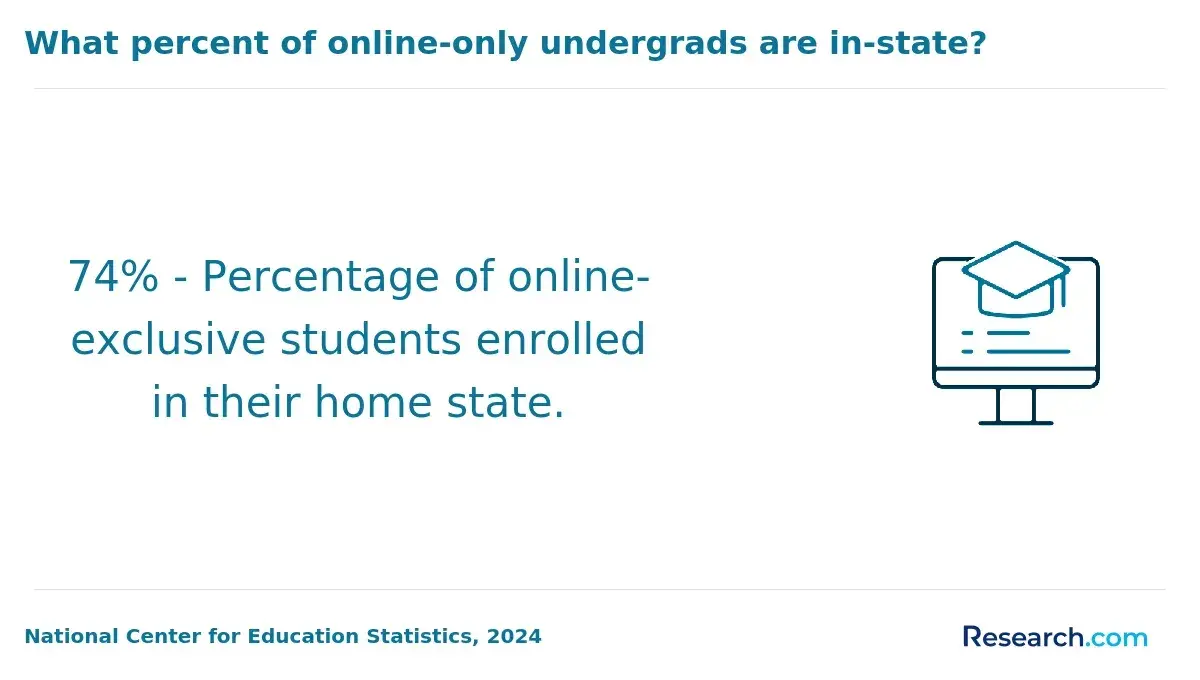
Tuition trends reveal that online child psychology programs are generally increasing in cost at a slower rate than campus-based counterparts, reflecting differing pricing strategies tied to delivery formats.
According to the National Center for Education Statistics 2024 report, tuition inflation for campus programs has averaged around 4.7% annually over recent years, while online program costs have risen about 2.3% per year. This deceleration in online tuition growth points to inherent structural differences in the economic models of online versus traditional programs rather than uniformly lower sticker prices.
Campus-based degrees often incorporate variable costs linked to physical infrastructure and on-site services that scale differently than digital platforms, resulting in diverging pricing trajectories over time.
The affordability gap is shaped by several institutional cost dynamics. Campus programs incur significant expenses for maintaining classrooms, housing, and on-campus student amenities, costs which are often factored into tuition. Conversely, online programs reduce reliance on physical infrastructure but require sustained investments in digital learning technologies, sophisticated instructional design, and remote student services such as virtual advising and proctoring.
Faculty compensation models may also differ, with online programs sometimes employing adjunct or part-time instructors to balance scalability with quality. These factors combine to create a complex, institution-specific balance that influences whether online programs can deliver cost savings over time or simply shift expenses into different categories that impact both price and perceived value.
One graduate recalls that during her application process for an online child psychology degree, timing and financial preparation were pivotal concerns. With rolling admissions, she hesitated to commit until she understood potential changes in tuition and availability of remote learning scholarships.
The uncertainty of when offers would arrive delayed her decision, illustrating how prospective students must navigate not only pricing but also admissions logistics and funding cycles to make truly informed budgetary choices aligned with their educational and career goals.
How Have Financial Aid and Scholarships Changed as Child Psychology Tuition Has Increased?
Financial aid and scholarship frameworks have shifted in response to escalating child psychology tuition, yet not always in ways that fully offset rising expenses. Institutions have increasingly deployed layered funding models combining traditional need-based assistance with merit-driven awards, aiming to attract academically competitive applicants while addressing financial barriers.
Despite expansions in Pell Grants and institutional grants, these increases frequently lag behind tuition growth, pushing students toward greater reliance on loans. Flexible mechanisms such as multi-year awards and staggered disbursements have emerged to improve persistence, but the overall net price often still rises, especially for middle-income students who fall between typical need thresholds.
Key factors driving these adaptations include heightened competition among programs for qualified enrollees and evolving federal and state aid policies responding to national funding constraints. Many institutions have adopted tuition discounting to maintain enrollment, selectively amplifying merit scholarships tied to academic or research distinctions rather than broad-based aid.
This shift reflects a strategic prioritization of perceived program value and student potential, aligning with employer preferences for candidates demonstrating specialized skills in developmental or clinical child psychology. At the same time, static or limited growth in need-based grants relative to tuition inflation means that financial pressures persist, particularly as funds rarely cover the full gap between sticker price and student capacity to pay.
These dynamics influence long-term affordability and career-entry conditions. Although some students benefit from targeted scholarships, the average net price for many remains elevated, increasing debt burdens with implications for workforce entry timing and financial stability. The trend toward merit-based rather than purely need-based support reinforces disparities in accessibility, as students lacking competitive academic profiles face greater financial obstacles despite growing demand for practitioners.
Consequently, prospective child psychology students must carefully assess aid packages in conjunction with realistic earning projections, balancing immediate costs with expected labor market outcomes and career sustainability.
How Does Rising Child Psychology Tuition Affect Student Debt After Graduation?
Rising tuition costs for child psychology programs significantly increase student borrowing levels, compelling many students to rely heavily on federal and private loans. As tuition outpaces available financial aid, students are forced to cover larger expense gaps, driving average debt burdens higher upon degree completion. The increased borrowing is compounded by longer program durations and often limited income growth during study, which together elevate the total loan principal accrued.
Critical factors influencing the average student debt after child psychology degree completion in the US include disparities in pricing between public and private institutions, where private schools often charge substantially more, pushing students toward higher loan amounts. Interest accumulates during extended study periods, raising repayment totals even before graduates enter the workforce.
Additionally, starting salaries in child psychology tend to grow modestly compared to tuition inflation, intensifying the debt-to-earnings imbalance and stressing repayment sustainability.
These financial pressures contribute to extended repayment timelines, increased default risk, and heightened dependence on income-driven repayment plans or loan forgiveness programs, which remain inconsistent in availability. Rising debt levels influence how prospective students evaluate program choices, weighing tuition cost against long-term return on investment and career prospects.
Adult learners, in particular, face added challenges balancing debt with broader financial responsibilities. Given these dynamics, understanding the interplay of tuition inflation, borrowing behavior, and repayment structures is vital to making informed decisions about child psychology education pathways and their long-term economic impact.
For comparative compensation insight in related fields, examining the functional medicine NP salary can provide context on income potential relative to educational investment.
Do Higher-Cost Child Psychology Programs Deliver Better Career Outcomes or Earnings?
Higher-cost child psychology programs do not reliably guarantee stronger career outcomes or significantly higher earnings. While graduates from more expensive programs may see starting salaries approximately 8% above those from lower-cost institutions, this difference diminishes over a 10-year span once geographic factors, specialization, and workplace settings are considered.
Tuition alone is a limited predictor of long-term success, as practical skills and credential relevance weigh more heavily in employment decisions. Recent data from the U.S. Department of Education's College Scorecard underscores that higher tuition is not a consistent indicator of career advancement or enhanced earning potential in child psychology.
Beyond cost, factors such as institutional reputation, depth of specialization, quality of internships, and employer networks play a critical role in shaping employment prospects. Programs that incorporate extensive supervised clinical hours and cultivate strong industry partnerships provide students with tangible advantages, often surpassing the value added by simply attending a higher-priced school.
For example, graduates from moderately priced child psychology programs can achieve licensure pass rates comparable to those from costly institutions. Geographic location and alumni connections further influence job market access and specialization opportunities, reflecting the nuanced relationship between program cost and professional outcomes. Those evaluating the higher cost child psychology programs career earnings trade-off should consider these operational dimensions rather than rely solely on tuition price points.
Decision-making around program selection should balance financial investment against realistic career outcomes, assessing return on investment through the lens of employability, debt burden, and long-term professional growth. Emphasizing continuing education and targeted professional development often yields greater career advancement than initial program prestige.
Prospective students may also benefit from exploring related pathways, such as a speech pathology degree online for veterans, which can complement or expand career options in allied health fields. Ultimately, precise evaluation of program resources, practical training, and regional labor markets is essential to making informed choices within the child psychology degree value by institution type spectrum.
What Do Current Tuition Trends Suggest About the Future Cost of a Child Psychology Degree?
Recent tuition trends indicate that the cost of earning a Child Psychology degree will likely continue increasing faster than general inflation. Over the past five years, tuition and fees for psychology-related programs have risen by about 5.1% annually, outpacing the 3.2% inflation rate reported by the National Center for Education Statistics in 2024.
This persistent inflation-adjusted growth reflects larger patterns in higher education financing, where rising operational expenses and demand for specialized training encourage institutions to escalate prices. Such increases suggest that without significant structural changes, future Child Psychology degree costs will maintain an upward trajectory beyond typical consumer price growth.
Several drivers shape this trajectory. Public and private institutions face tightening funding models, prompting greater reliance on tuition revenue to support expanding technology investments and enhanced student services. Meanwhile, rising demand for Child Psychology professionals with both credentials and practical skills sustains enrollment pressure.
The growth of online education platforms offers some cost containment potential but often involves upfront investments that can translate into steady or increased tuition. Together, these dynamics create a pricing environment where institutional priorities, market demand, and educational delivery methods interconnect to influence future cost levels.
This persistent tuition inflation raises affordability challenges that prospective students must weigh carefully. Increasing costs often push more individuals toward higher student borrowing, potentially shaping long-term financial wellbeing. Additionally, anticipated tuition hikes could drive a shift in program selection, favoring options that balance cost with credential recognition and experiential learning.
Evaluating tuition trends alongside institutional transparency and workforce alignment is essential for students seeking sustainable, value-driven Child Psychology educational pathways.
References
- Online BA in Psychology Child & Adolescent Psychology | TUW https://www.tuw.edu/academics/psychology/online-ba-psychology-child-adolescent/
- Why is the cost of college rising so fast? https://ssti.org/blog/why-cost-college-rising-so-fast
- Top 10 Best Online Child Psychology Degree Programs https://www.bestpsychologydegrees.com/top/online-child-psychology-degree-programs/
- College Cost Projector https://www.mefa.org/article/college-cost-projector/
- Yes, Aid Fuels Tuition Inflation | Cato at Liberty Blog https://www.cato.org/blog/yes-aid-fuels-tuition-inflation
- Most Affordable Online Psychology Degrees https://careerkarma.com/blog/cheapest-online-psychology-degree/
- Most Affordable Master's In Child Psychology | Grad School Hub https://www.gradschoolhub.com/affordable/online/masters/child-adolescent-psychology/
- Inflation Has Yet to Affect Tuition, but Students Still Feel the Rising Costs | Insight Into Academia https://insightintoacademia.com/inflation-has-yet-to-affect-tuition-but-students-still-feel-the-pain-of-rising-costs/
Other Things You Should Know About Child Psychology
As tuition inflates, students must consider how program length and workload impact their total investment. Child psychology degrees often require extensive supervised practicum hours and research projects, which extend time to completion and increase living costs beyond tuition. Prioritizing programs that balance rigorous hands-on experience with efficient timelines can help minimize financial strain while maintaining the quality needed for competent practice.
Certain niches like pediatric neuropsychology or early childhood intervention training often command higher tuition due to specialized faculty and resources. Students should carefully evaluate whether the premium aligns with their career goals and job market demand in that niche. When cost differentials are steep, choosing a broader clinical child psychology track with reputable elective options may offer more practical value without sacrificing employability.
Rising tuition disproportionately affects underrepresented and lower-income students, potentially narrowing the pool of candidates who can afford advanced child psychology training. This can reduce diversity in the profession, which is critical for culturally competent care. Programs and policymakers should emphasize cost-control measures, increased support for part-time or modular study options, and affordable practicum placements to preserve access and inclusivity.
With tuition rising faster than some salary benchmarks, students need to prioritize programs with strong licensure pass rates and employer recognition within child psychology. Investing more in a program that enhances clinical credentials and networking opportunities can be justified, whereas expensive programs lacking these outcomes may undermine return on investment. Prospective students should research how effectively a program translates into career advancement relative to its cost trajectory.