2027 Child Psychology Degree Oversupply or Undersupply? Student Volume vs Employer Demand

Co-Founder and Chief Data Scientist
Facing the decision to pursue a child psychology degree requires careful analysis of whether the number of graduates meets actual employer demand. In 2024, U.S. education institutions produced approximately 6,500 child psychology graduates, yet Bureau of Labor Statistics data projects only 3% growth in related job openings through 2030. This gap suggests localized oversupply in urban areas versus shortages in rural regions. Additionally, evolving employer expectations emphasize specialized skills beyond general child psychology knowledge, intensifying competition and the risk of underemployment. Navigating these disparities affects long-term career planning and degree value.
This article compares child psychology student volume with employer demand, job growth, industry needs, regional conditions, and skill gaps to clarify whether the field offers sustainable opportunities or rising competition.
Key Things to Know About Child Psychology Graduate Supply and Employer Demand
- Despite growing enrollments in child psychology programs, a 2024 labor report shows entry-level job openings rising only 3%, indicating a tradeoff between graduate volume and practical employment opportunities.
- Employers emphasize specialized experience in neurodevelopmental disorders, revealing a skills mismatch that limits many graduates' employability despite degree completion.
- Geographic demand is uneven; urban centers offer most roles, forcing students outside those hubs to face higher relocation costs and delayed career starts.
- Key Things to Know About Child Psychology Graduate Supply and Employer Demand Key Things to Know About Child Psychology Graduate Supply and Employer Demand
- Is There an Oversupply or Undersupply of Child Psychology Graduates? Graduate Oversupply or Shortage
- How is Child Psychology Degree Enrollment Changing? Degree Enrollment Trends
- How Many Child Psychology Graduates Enter the Workforce Each Year? Annual Graduate Workforce Entry
- Does Job Growth Support the Rising Supply of Child Psychology Graduates? Job Growth Versus Supply
- How Competitive is the Entry-Level Market for Child Psychology Graduates? Entry-Level Market Competition
- Which Industries Have the Greatest Demand for Child Psychology Graduates? Top Hiring Industries
- Where are Child Psychology Graduates Most in Demand? Top Geographic Demand
- Which Child Psychology Specializations and Degree Levels Face the Strongest Demand? Which Child Psychology Specializations and Degree Levels Face the Strongest Demand?
- Are Employer Skill Gaps Affecting Demand for Child Psychology Graduates? Are Employer Skill Gaps Affecting Demand for Child Psychology Graduates?
- What is the Future Supply-and-Demand Outlook for Child Psychology Graduates? Future Supply-Demand Outlook
Is There an Oversupply or Undersupply of Child Psychology Graduates?
The supply of child psychology graduates nationally roughly matches broad employer demand, though this balance conceals important nuances by degree level and region. Doctoral-level graduates continue to be in relatively high demand within clinical and research settings where specialized skills are critical, while those with bachelor's or master's degrees often face intense competition for entry-level roles. This results in credential mismatch and experience expectations that distort simple graduate-to-job comparisons, as many employers seek licensure or additional certifications that exceed basic degree attainment. Job seekers who overlook these requirements risk prolonged job searches despite steady employment openings across healthcare and educational sectors.
Regional trends in child psychology degree employment further complicate the picture, with states like California and Massachusetts exhibiting stronger demand and less saturation compared to rural or economically challenged areas where oversupply is more common. In these latter areas, limited job growth contributes to concentrated competition in generalist positions, emphasizing the value of geographic flexibility for recent graduates.
Additionally, sector-specific shortages, such as the persistent need in school psychology driven by rising mental health challenges, illustrate how supply-demand alignment varies within the broader field. Prospective students should weigh these realities alongside practical considerations like program duration and certification pathways, especially since some may opt for alternatives like short medical assistant programs when immediate employment is a priority.
How is Child Psychology Degree Enrollment Changing?
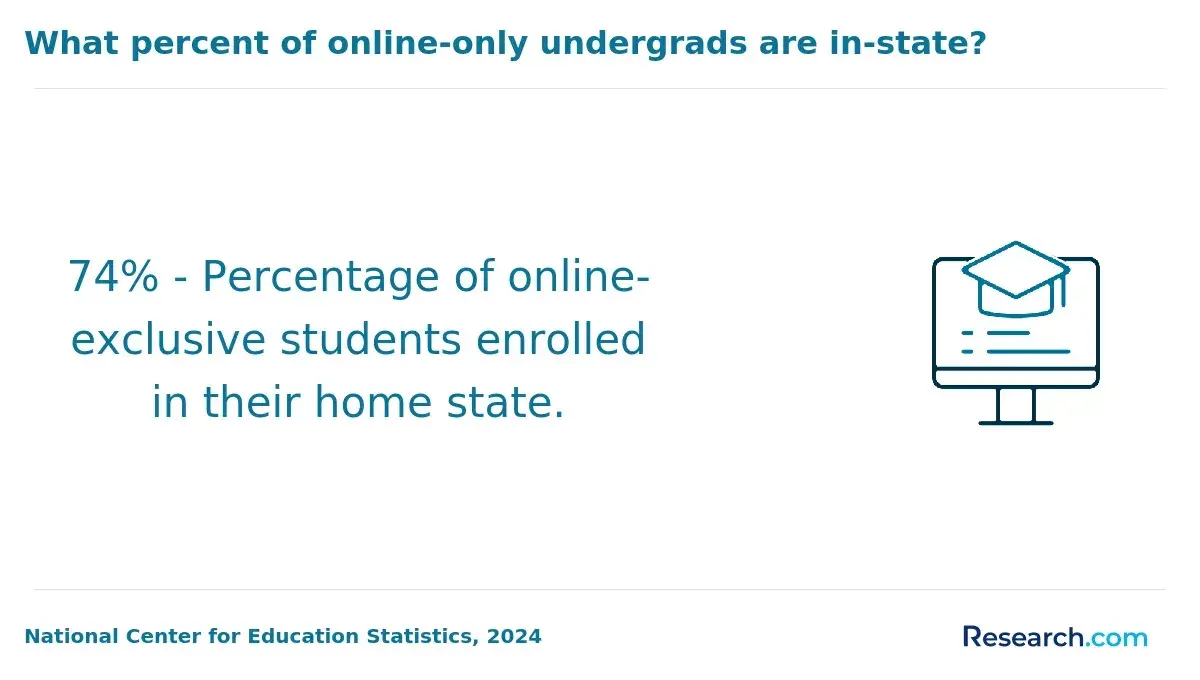
Recent enrollment patterns in child psychology degree programs reveal a nuanced landscape where modest growth at the bachelor's level contrasts with stagnant or declining master's and doctoral enrollments. This redistribution suggests that while entry-level supply is increasing, the pipeline for highly credentialed specialists remains constrained, potentially widening the gap between employer demand for advanced qualifications and available graduates. The rapid expansion of online program participation—now nearly 25% of new enrollments, according to U.S. Department of Education data—adds complexity, as graduates from these formats may vary in practical readiness, affecting regional hiring and specialization dynamics. Misinterpreting rising undergraduate numbers as an easing of workforce shortages risks overlooking bottlenecks in advanced credential attainment crucial for licensure and clinical roles.
Economic pressures, shifting career preferences away from traditional graduate psychology pathways toward fields like counseling or social work, and demographic shifts influence enrollment trends, with continued female predominance and a modest rise in minority representation. These factors shape regional labor market reliance on bachelor's-level workers, often increasing competition for entry-level positions and licensure-track roles. Consequently, using national totals to assess job prospects can be misleading, as localized oversupply in certain credential brackets and undersupply in others persist. Hiring entities must weigh not just graduate volume but the practical competencies tied to varying program delivery formats and credential levels to forecast workforce alignment accurately.
One former child psychology graduate recounted that while their undergraduate cohort had grown noticeably over a few years—fueled in part by more accessible online courses—the master's program enrollment in their region remained relatively small and competitive. They observed classmates expressing uncertainty about whether the increased bachelor's-level interest meant stronger job prospects or merely fiercer competition for specialized positions requiring advanced degrees. This reality underscored for them the importance of credential level and program quality in navigating hiring outcomes amid evolving supply patterns.
How Many Child Psychology Graduates Enter the Workforce Each Year?
Annual numbers of child psychology graduates reported by sources like the National Center for Education Statistics and Integrated Postsecondary Education Data System do not fully reflect those entering the child psychology workforce. While roughly 3,500 to 4,000 degrees are awarded yearly across bachelor's, master's, and doctoral levels, many graduates delay workforce entry due to additional licensure requirements, clinical internships, or advanced training, narrowing the pool of immediate job candidates to about 2,000 to 2,500. This distinction matters for workforce planning, as institutions may overestimate labor supply if they equate degree completion directly with qualified professionals ready to fill child psychology roles.
Hiring patterns further complicate interpretation since employers in many states prefer doctoral credentials, and openings are often concentrated in urban areas with funded clinical positions. Graduates frequently seek roles in related fields such as counseling or educational services when specialized positions are scarce, indicating the supply of child psychology specialists competes with adjacent disciplines. For example, a cluster of graduates in a region with limited licensed practitioner roles may face underemployment despite national numbers suggesting sufficient overall supply. Understanding these employment contingencies helps prevent misreading graduate volume as job market saturation and emphasizes the importance of credentialing, geographic mobility, and timing in workforce entry.
Data from government labor reports confirm that child psychology-specific employment growth is moderate, with some replacement demand but limited expansion, requiring prospective students and workforce analysts to weigh educational investments realistically. The pipeline's throughput is constrained by certification hurdles and market conditions; thus, a nuanced view recognizes that reported graduations represent potential, not direct matches to available specialist roles. This gap between academic output and workforce absorption underscores the need for careful alignment of degree programs with actual employer qualifications and local hiring landscapes.
Does Job Growth Support the Rising Supply of Child Psychology Graduates?
Although employment for psychologists is projected to grow about 6% through 2032 according to the U.S. Bureau of Labor Statistics, this rate does not necessarily translate to sufficient openings for the increasing number of child psychology graduates entering the labor market. Many employers emphasize advanced credentials, specialized licensure, and relevant clinical experience, creating a bottleneck for entry-level candidates without doctoral degrees or targeted certifications. For example, a recent graduate with a master's degree may face intense competition in regions where supply outpaces demand, potentially leading to underemployment or the need to relocate to metropolitan areas with stronger demand.
Regional disparities further complicate the relationship between employer demand and child psychology graduate supply. Areas with robust school and healthcare infrastructures sometimes exhibit sustained need for child-focused mental health professionals, while others face saturation, especially in states reporting higher graduate output relative to local job creation. The National Center for Education Statistics data confirm a steady rise in psychology-related degrees, yet replacement demand and new job growth combined often fail to fully absorb this volume. Strategic career planning should thus consider geographic flexibility, licensure requirements, and the value of supervised internships in navigating these nuances.
Prospective students and current degree holders evaluating child psychology job growth trends in the US should weigh these workforce realities against graduate volume carefully. Those seeking quicker pathways into healthcare roles might explore options such as a list of 6-month LPN programs as alternatives where demand conditions differ. Ultimately, understanding specific employer expectations and regional labor market fluctuations is crucial to aligning educational investment with realistic employment outcomes.
How Competitive is the Entry-Level Market for Child Psychology Graduates?
Entry-level opportunities for child psychology graduates in 2024 reveal a market shaped by multiple nuances. While overall psychologist roles are expected to grow by about 8% through 2032, according to the U.S. Bureau of Labor Statistics, this growth masks a more complex reality: many positions require advanced credentials and supervised experience, restricting openings genuinely accessible to recent graduates.
Job postings targeting entry-level candidates often prefer or mandate internship experience, intensifying competition where applicants can outnumber openings by as much as five to one in major urban centers. Graduates also face choices between clinical tracks and alternative roles such as behavioral specialists or research assistants, which offer more immediate accessibility but may limit long-term clinical advancement.
The following factors critically influence how competitive this market is:
- Graduate Volume Relative to Openings: The supply of child psychology graduates often exceeds the availability of full-licensure positions, creating bottlenecks, especially for new entrants without specialized experience or credentials.
- Experience Expectations: Employers prioritize relevant supervised hours and practical training, turning internships and practicum completion into essential gatekeeping criteria rather than optional extras.
- Regional Demand Variability: Urban areas provide more entry points but feature higher applicant density, leading many to consider less saturated suburban or rural markets despite fewer roles.
- Specialization and Role Flexibility: Graduates opting for non-clinical or support functions encounter larger candidate pools but gain quicker access to employment, balancing short-term job attainment against long-term professional stature.
- Licensure and Credentialing Barriers: The time and cost involved in obtaining full clinical licensure shape the effective size of the job market available to true entry-level practitioners.
- Interdisciplinary Competition: Rising demand for behavioral specialists and assistants attracts candidates from overlapping fields, intensifying competition beyond traditional child psychology graduates alone.
- Employer Hiring Practices: Some agencies emphasize demonstrated competencies and fit within multidisciplinary teams, compelling applicants to strategically highlight relevant skills and adaptable experience.
A recent graduate shared that after completing an accredited program, she faced five interview rounds for a community mental health role, only to be edged out by candidates with longer supervised practicum hours. She observed that metropolitan job markets felt oversaturated despite numerous postings, prompting her to broaden her search to smaller districts with fewer positions but less competition. This approach offered some relief but also questioned how well standard credential pathways prepare graduates for immediate employment pressures, encouraging her to pursue additional certifications and volunteer roles to strengthen her candidacy.
Which Industries Have the Greatest Demand for Child Psychology Graduates?
Demand for child psychology graduates remains concentrated in specific sectors where structural funding, regulatory mandates, and service complexity shape hiring patterns. While healthcare, educational services, and social assistance generate the strongest employer interest, each sector imposes distinct expectations around credentials, experience, and specialization that affect both job volume and competition levels. For instance, graduates may find a high number of school district roles but face variability in stability tied to budget cycles and regional policy.
Meanwhile, healthcare roles might require clinical licensure but offer pathways to advanced therapeutic positions. Understanding these tradeoffs is key to aligning training with realistic labor-market opportunities and long-term career trajectories.
Several industries generate notably higher demand for child psychology graduates. These sectors differ not only in hiring volume but also in skill requirements and advancement potential:
- Healthcare Settings: Hospitals and outpatient centers hire child psychologists for diagnostic, therapeutic, and developmental roles. These positions often require clinical certification and provide career ladders into specialized mental health services and multidisciplinary teams.
- Educational Services: Public and private K-12 schools employ child psychologists to address learning difficulties and behavioral challenges. Demand mirrors school budgets and mandates for mental health supports, making regional funding and policy factors crucial.
- Social Assistance Agencies: Nonprofits and child welfare organizations seek specialists for abuse prevention, foster care support, and family counseling. These roles may require additional credentials but focus on high-impact, direct service delivery for vulnerable populations.
- Private Practice and Community Centers: The market here is competitive, especially in urban areas where supply exceeds employer demand. Success depends on networking, advanced credentials, and niche expertise.
- Emerging Telehealth Services: Although still developing, telehealth offers expanding roles that combine clinical and technological skills, but hiring volume remains limited compared to traditional settings.
Prospective students and professionals evaluating industries hiring child psychology graduates in 2024 must weigh localized conditions and credential demands carefully. For those comparing occupational volumes or competition, sectors like educational services offer quantity but fluctuating job security, while healthcare roles typically require licensure yet feature structured progression. Aligning specialization and realistic employment outlooks often improves long-term outcomes more than simply pursuing degree volume.
For students considering broader healthcare-related opportunities, exploring dietitian graduate programs is also advisable, as interdisciplinary approaches increasingly integrate nutrition with psychological well-being in pediatric care.
Where are Child Psychology Graduates Most in Demand?
National demand figures for child psychology graduates mask significant regional disparities shaped by local healthcare networks, education systems, and policy environments. For instance, metropolitan hubs like Washington, D.C. and Seattle shows sustained employer needs fueled by dense hospital systems and school districts seeking specialized clinical skills, whereas states with numerous degree programs but fewer concentrated employers may present oversaturated markets. Graduates who enter these high-supply regions without advanced certifications or clinical experience often face intense competition and limited job openings, prompting many to consider relocation despite higher living costs or reduced remote work options.
Areas with vibrant healthcare sectors and nonprofit child welfare organizations tend to offer stronger practical opportunities, yet these roles often require niche expertise in early intervention or trauma-informed care, underscoring the importance of targeted specialization. Conversely, child psychology graduates in states with considerable public school employment may find more positions but at comparatively lower compensation, reflecting budgetary constraints rather than weak demand. For those weighing relocation, the tradeoff frequently involves balancing job volume against cost of living and credential expectations, as some high-demand states impose stricter licensure requirements or favor trainees with particular experience, influencing long-term career trajectories and employability.
Recognizing this variability is crucial for aligning educational and geographic choices. While states like California and New York advertise high aggregate job counts, the real metric for a graduate is often found in local clusters where employer networks actively seek specific skill sets. According to recent labor analyses, demand in certain metropolitan areas grows above the national average, signaling viable entry points—but only for candidates who strategically match their qualifications to evolving market needs and regional employer expectations.
Which Child Psychology Specializations and Degree Levels Face the Strongest Demand?
The supply of child psychology graduates does not align uniformly with employer demand. Demand concentrates sharply around particular specializations and advanced credential levels rather than spreading evenly across all subfields or degree types. For instance, a master's-level graduate specializing in clinical assessment of developmental disorders will typically encounter stronger job prospects and less competition than a bachelor's holder focused on general child psychology theory. Data from the U.S. Bureau of Labor Statistics indicates about 70% of job postings explicitly require at least a master's degree, highlighting how degree level critically shapes employability. The following bulleted list identifies those specialization and credential combinations with the clearest hiring advantages and explains the practical reasons behind them.
- Clinical Assessment Specialist: Positions demand licensed clinicians with advanced degrees (Ed.S., Psy.D.) experienced in diagnosing autism spectrum disorders and trauma-related conditions, primarily in school and pediatric healthcare settings with stringent credential and background requirements.
- Developmental Disorders Expert: Specialists with deep expertise in neurodevelopmental conditions and child neuropsychology are sought after in multidisciplinary clinics and telehealth platforms, driven by expanding pediatric care integration.
- School-Based Intervention Professional: Master's degree holders qualified for school psychologist certification fill roles responding to increased mental health staffing in K-12 systems, where state licensure and practical experience in behavioral therapies carry high weight.
- Behavioral Therapy Clinician: Applicants with clinical psychology doctorates or specialized certificates in evidence-based behavioral interventions have stronger placement rates in both public and private sector pediatric mental health services.
- Telehealth Child Psychologist: Growing demand for remote care delivery favors practitioners who combine telehealth competency with advanced clinical credentials, reflecting shifting care models and reimbursement policies.
This stratification means prospective candidates must align their credentials with market niches that exhibit measurable demand, rather than assuming a general child psychology degree suffices for robust employment outcomes.
Are Employer Skill Gaps Affecting Demand for Child Psychology Graduates?
The demand challenge for child psychology graduates stems less from an absolute shortage of candidates and more from a deficit in specialized competencies that employers require. Many positions remain unfilled because graduates often lack applied experience with diverse child populations, proficiency in telepsychology, or the interdisciplinary skills blending psychology with data or educational methods.
For example, a clinical practice may pass over multiple applicants holding theoretical degrees in favor of fewer candidates with verified licensure, digital health tool proficiency, and demonstrated work with neurodevelopmental assessments. This dynamic illustrates how misreading the labor market as simply oversupplied can lead to missed opportunities and prolonged vacancies in roles demanding nuanced expertise.
Additionally, the child psychology graduate skill mismatch in the United States complicates how hiring competition unfolds geographically and by specialization. Regions or niches emphasizing licensure or advanced certifications remain relatively undersupplied, while entry-level areas saturated with graduates lacking practical training face intense competition.
Consequently, prospective students and degree holders must critically assess program curricula, prioritizing internships and projects that bolster applied competencies aligned with employer expectations. Educational pathways that integrate multidisciplinary approaches and industry-relevant skills—similar to how some explore expedited healthcare pathways such as accelerated FNP programs—tend to better prepare graduates for evolving workforce demands, reducing skill gaps and improving employment prospects.
What is the Future Supply-and-Demand Outlook for Child Psychology Graduates?
Targeted job searches consistently yield better outcomes for child psychology graduates than high-volume, unfocused applications because employers increasingly prioritize candidates whose qualifications closely match specific role requirements. For example, a recent graduate focusing on entry-level titles such as behavioral health technician or pediatric mental health counselor in underserved rural areas—where employer demand tends to outpace graduate supply—will likely see stronger interview rates than peers applying indiscriminately in saturated urban markets. Tailoring resumes to mirror employer language and highlighting relevant experience with trauma-informed care or telehealth demonstrates applied skills that many hiring managers now expect beyond academic credentials.
Graduates who engage in thorough regional demand research and time their applications strategically to coincide with hiring cycles can improve their conversion rates, though no single approach guarantees immediate employment. Many employers prefer evidence of job readiness through completed practicums or internships that showcase culturally responsive practices, which can offset licensure delays common in this field. Incorporating these practical considerations aligns closely with observed future job market trends for child psychology graduates, emphasizing quality over quantity in job search efforts. To address skill gaps or broaden eligibility, some consider additional credentials, similar to how nontraditional students pursue online ADN programs for non nurses, enhancing their professional versatility.
Understanding the regional demand forecast for child psychology careers further guides applicants in prioritizing opportunities. Graduates concentrating on states with known shortages or those adapting to shifts in healthcare funding position themselves more competitively, since economic and policy factors directly influence job availability. Hence, informed, selective applications that reflect employer priorities and market dynamics outperform generic approaches in this occupation's evolving landscape.
References
- Careers in Psychology: Navigating Child Psychology Paths https://www.baypath.edu/academics/undergraduate-programs/undergraduate-online-programs/careers-in-psychology-navigating-child-psychology-paths/
- How To Become A Child Psychologist: Step-by-Step Guide https://www.psychology.org/careers/child-psychologist/
- Child Psychologist Career Path in California - Psychology California https://psychologyca.org/careers-in-psychology/child-psychologist/
- Major Proposed Changes to Psychology Education and Training https://www.aapi.org.au/Web/Web/About-AAPi/News/Articles/2026/April/Major-Proposed-Changes-to-Psychology-Education-and-Training.aspx
- Home https://www.husson.edu/online/blog/2025/10/types-of-child-psychology-careers
- Examining the Important Role of a Child Psychologist https://www.umassglobal.edu/blog-news/child-psychologist
- Child Psychology Degree | Psychology Degree Guide https://psychologydegreeguide.org/specialty/child-psychology/
- The State of Psychology Education https://www.parinc.com/learning-center/par-blog/detail/blog/2024/07/09/the-state-of-psychology-education
- Child Psychology Degree and Career Guide https://www.psychologydegree411.com/degrees/child-psychology/
- Psychology study bottleneck restricts flow of graduates into in-demand profession https://www.abc.net.au/news/2023-11-10/student-psychologist-issues-course-shortages/103084102
Other Things You Should Know About Child Psychology
Highly selective child psychology programs may offer prestige but not necessarily the strongest practical training or internship access essential for employability. Students should prioritize programs with robust clinical placement options and applied skill development, even if those programs are less selective. Practical experience often outweighs brand recognition in hiring decisions for child psychology roles, as employers seek demonstrable competence with children, families, and behavioral interventions.
While specialized child psychology tracks-such as neurodevelopmental disorders or trauma-informed care-can differentiate graduates, they also require extra coursework and supervised hours that extend time-to-degree. Students must consider whether these specializations align with their career goals and employer demand in their intended region. For many, gaining broad competencies and licensure eligibility faster may offer better initial employment prospects than extended training in niche areas without strong local demand.
Faculty expertise and active mentorship play a critical role in shaping students' readiness for demanding child psychology roles and licensure. Programs with faculty who maintain clinical practices and research in applied child psychology facilitate networking, updated curricula, and guidance on employment pathways. Lack of mentorship can leave graduates unprepared for the workload and complexity of real-world cases, negatively affecting job performance and retention in early career stages. Prospective students should assess faculty profiles and mentorship structures alongside program curriculum.
Part-time study allows employed students to maintain income, but extending program duration may delay licensure and full entry into specialized roles offering higher pay. Conversely, full-time study accelerates qualification but can create financial strain and reduce internship availability if students cannot balance coursework with practical hours. Choosing between these paths requires careful evaluation of personal circumstances versus the urgency of entering the workforce with competitive credentials in child psychology.