2027 Child Psychology Degree Growth by State: Where Interest Is Rising the Fastest

Co-Founder and Chief Data Scientist
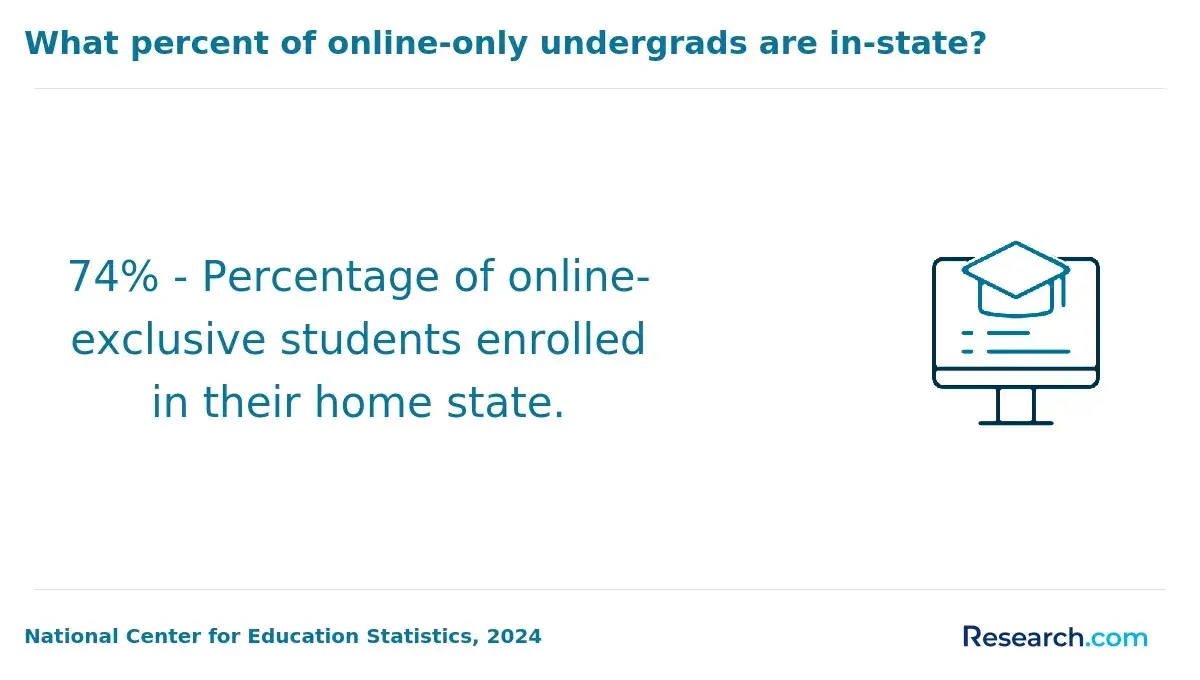
In states where population growth intersects with expanding mental health initiatives, interest in child psychology degrees is surging, reflecting localized workforce demands and evolving educational access. For instance, regions with rising numbers of young families and expanding healthcare infrastructure reveal sharp enrollment increases, shaped by state licensure requirements and funding for behavioral health services. According to recent data from the National Center for Education Statistics, flexible program formats such as online and hybrid models have fueled enrollment among working adults, highlighting a shift toward accessible education that aligns with career mobility. Understanding these patterns helps prospective students target programs in states where economic and regulatory climates support both training and employment opportunities.
Key Things to Know About the State Where Child Psychology Degree Interest Is Rising the Fastest
- Florida's rising enrollment reflects a regulatory tradeoff: expedited licensing pathways accelerate workforce entry but limit clinical supervision variations, affecting the scope of practice and long-term mobility options within pediatric mental health roles.
- Texas growth aligns with a demographic surge of adult learners balancing employment, compelling institutions to expand part-time and hybrid child psychology programs, which shifts employer expectations toward adaptable but potentially less intensive skill acquisition.
- Washington's expansion benefits from state-funded online education initiatives increasing higher education access; however, this timing advantage also amplifies competition among graduates for limited specialized child psychology roles, intensifying early career pressures.
- Which States Are Seeing the Fastest Growth in Child Psychology Degree Enrollment? States Seeing the Fastest Growth in Enrollment
- What Does Enrollment Growth in Child Psychology Programs Actually Tell Prospective Students? Interpreting Enrollment Growth
- How Do Regional Job Market Conditions Drive Child Psychology Degree Demand by State? Role of Regional Job Market Conditions
- Which States Have Added the Most New Child Psychology Degree Programs in the Last Five Years? States That Have Added the Most Programs
- How Has the Rise of Online Education Changed Which States Lead in Child Psychology Program Interest? Role of Online Education in Increased Program Interest
- What Demographic Trends Are Fueling Child Psychology Degree Growth in Specific States? Demographic Trends Fueling Growth
- How Do State Funding Levels for Child Psychology Services Influence Degree Program Growth? Role of State Funding Levels
- Which States Are Emerging as Unexpected Leaders in Child Psychology Degree Interest? States Emerging as Unexpected Leaders in Growth
- How Does State Population Size Affect the Interpretation of Child Psychology Degree Growth Data? Role of State Population Size
- What Role Do State Licensing Requirements Play in Driving or Suppressing Child Psychology Enrollment? Role of State Licensing Requirements
Which States Are Seeing the Fastest Growth in Child Psychology Degree Enrollment?
Enrollment trends in child psychology degree programs mirror shifting workforce demands and the uneven pace of institutional capacity expansion nationwide. States exhibiting the fastest growing child psychology degree programs by state often share characteristics such as targeted public investment, demographic youth surges, or active mental health policy reforms, which directly influence both program offerings and graduate employability. Prospective students evaluating these markets must weigh not only rising enrollment numbers but also how such growth impacts classroom dynamics, field placement availability, and licensure support, especially crucial considerations for geographically mobile students or career changers seeking strong regional job markets.
- Washington: This state leads enrollment growth with robust expansions at public universities driven by strategic increases in graduate program slots, responding to urban and suburban demand for child mental health professionals. For candidates, this means enhanced program variety but also heightened competition for practicum placements critical for licensure.
- Florida: Marked by rapid youth population growth and launched initiatives to build mental health workforce pipelines, Florida's surge reflects an environment where community colleges and universities alike are scaling access while navigating variability in program rigor-a tradeoff impacting employer perceptions.
- Colorado: Colorado benefits from a supportive licensure context and grassroots advocacy, attracting a diverse student body including nontraditional learners. However, rapid expansion here poses challenges around program standardization and the integration of evolving clinical competencies expected by employers.
- Georgia: Coordinated state efforts streamline pathways from undergraduate to advanced degrees, meeting demand for youth behavioral specialists in metropolitan zones. The resulting enrollment boost signals growing career opportunities but also requires scrutiny over the quality and accreditation alignment of rapidly offered new programs.
- Oregon: Policy pushes centering on early childhood behavioral health foster innovation in program design, yet the focus on integrated care models means graduates must be prepared for interdisciplinary collaboration-a significant factor influencing employability and on-the-job readiness.
Although the West and Southeast show clustered growth, states in the Mid-Atlantic and Mountain West evidence more distributed enrollment increases, underscoring the importance of localized policy and demographic factors beyond mere regional generalizations. Subsequent sections will analyze how economic trends, regulatory frameworks, and institutional priorities underpin this enrollment momentum, and why discerning prospective students should consider these dynamics carefully when weighing program options. Such context becomes particularly relevant when comparing programs like specialized online or hybrid formats, which may also be highlighted in resources for affordable online nursing programs, reflecting broader considerations in allied health education pathways.
What Does Enrollment Growth in Child Psychology Programs Actually Tell Prospective Students?
Enrollment growth in child psychology programs can indicate rising interest but does not necessarily equate to program quality or positive graduate outcomes. For example, a program expanding quickly due to lowered admission standards might produce graduates less prepared for licensure exams, resulting in challenges securing employment in competitive, regulated markets.
Raw enrollment numbers provide a starting point, yet they require deeper context for evaluating a program's real value. Metrics such as retention and graduation rates, job placement outcomes, and licensure pass rates offer insight into whether growth reflects strong academic rigor and alignment with workforce needs or merely aggressive recruitment tactics. Programs growing in response to genuine regional demand, supported by state demographic trends and mental health funding, tend to yield better employment prospects than those expanding for marketing purposes.
- Retention And Graduation Rates: High enrollment paired with low retention may flag inadequate academic support or mismatched expectations, while strong graduation statistics often correlate with effective teaching and student engagement.
- Job Placement Outcomes: A critical workforce implication is whether graduates transition effectively into child psychology roles, especially in states with robust employer networks and credentialing requirements.
- Licensure Pass Rates: Pass rates reflect training quality and readiness for clinical practice, providing a more telling metric than enrollment alone.
- Drivers Of Growth: Genuine growth stems from program reputation and labor market demand; growth driven by lowered standards can depreciate graduate marketability.
- Critical Evaluation: Enrollment figures should be weighed alongside alumni feedback and direct conversations with current students to understand program culture and real-world applicability.
- Regional Economic Context: State-specific child population trends, funding priorities, and regulatory environments critically shape both program demand and graduate career paths.
How Do Regional Job Market Conditions Drive Child Psychology Degree Demand by State?
Regional job market variations critically shape demand for child psychology degree programs, directly influencing both employment possibilities and training resources. States with expanding healthcare frameworks and targeted mental health policies tend to foster greater demand for licensed child psychology professionals, which in turn drives steady enrollment growth in graduate programs. This relationship underscores an important tradeoff: selecting a program in a region without corresponding workforce opportunities may limit access to essential practicum placements and reduce employment prospects after graduation.
- California: Rapid growth in healthcare infrastructure and strong state mandates on school mental health services have led to a surge in child psychology job openings, especially within densely populated urban and suburban school districts.
- Texas: Population expansion combined with investments in community mental health and public health systems create a fertile environment for increased demand, reflected in rising graduate enrollment aligned with workforce needs.
- Florida: State initiatives focusing on childhood trauma and behavioral health services have bolstered job growth prospects in healthcare and educational sectors, attracting more candidates into child psychology programs.
- New York: A large public school system paired with rising public health budgets offers extensive hands-on practicum opportunities and competitive salaries that motivate student interest and market entry.
- Washington: Incentives targeting mental health practitioner growth and community behavioral program expansion have caused projected job openings to increase significantly, encouraging pursuit of specialized child psychology credentials.
Prospective students should carefully evaluate labor market and occupational outlook reports specific to their desired state to align educational pathways with realistic career accessibility. A strong regional job market not only improves practicum placement availability-a critical component for licensure readiness-but also enhances negotiating power for entry-level salaries. Conversely, enrolling without considering these regional workforce trends can restrict career flexibility and future earning potential. For those balancing return-to-school decisions or geographic mobility, analyzing such workforce dynamics is essential for informed, strategic program selection in child psychology fields. Additionally, learners exploring flexible study options might review resources like the best self paced online college offerings to optimize education aligned with these labor market factors.
Which States Have Added the Most New Child Psychology Degree Programs in the Last Five Years?
States leading the expansion of accredited child psychology degree programs reflect targeted responses to workforce needs, regulatory environments, and institutional strategies rather than mere educational growth. This nuanced development influences access to specialized training, shapes tuition competition, and alters financial aid landscapes, which all factor heavily into program selection and career planning.
- California: Growth here is driven largely by established universities creating online tracks, leveraging the state's diverse population and sustained demand for pediatric mental health professionals. State grants aimed at addressing mental health workforce gaps further encourage institutions to expand offerings.
- Texas: The state's increase stems from both new degree launches and scaled-up enrollment in existing programs. Acknowledged shortages in pediatric mental health services and institutional competition motivate this push, impacting both program availability and intensity of admissions.
- Florida: Expansion features a strong online component, improving access for students dispersed geographically. State incentives tied to accreditation support underpin program establishment, facilitating flexible pathways aligned with regional workforce needs.
- Pennsylvania: Both traditional and hybrid child psychology programs have grown in response to its robust higher education infrastructure and documented shortages in child mental health care, reflecting a balanced approach between in-person and remote modalities.
- Washington: New launches and enrollment expansions are influenced by state licensure reforms and investment in behavioral health education, creating opportunities but also demands for graduates aligned with updated regulatory requirements.
- Accreditation Incentives: Universities often prioritize states where clear accreditation pathways and licensing board collaborations add value to credentials, directly affecting graduate employability.
- Workforce Shortages: Regions formally recognized for pediatric mental health shortages attract program growth aimed at filling these gaps, molding supply to meet employer demand.
- Competitive Pressure: Academic institutions frequently escalate program offerings and capacities to maintain market relevance amid peer expansion, influencing program availability and specialization diversity.
- Student Implications: Greater program numbers within a state can translate into broader specialization choices and heightened competition for tuition pricing and scholarships, requiring students to exercise careful comparative analysis.
- Advisory Considerations: Prospective students should focus on curricular depth, modality (online, hybrid, or traditional), financial aid, and licensure preparation rather than the sheer number of programs when selecting within states offering multiple options.
One graduate recalls the challenge of navigating program applications during this period of rapid growth. They experienced a drawn-out admissions cycle marked by late-announced online tracks and shifting entry requirements across a few states they targeted. This caused hesitation and repeated adjustments to their application strategy, balancing timing against the risk of missing preferred start dates. Their eventual acceptance into a hybrid program underscored the importance of flexible planning and continuous monitoring of program updates, especially in states where rapid program proliferation created uncertainty around deadlines and curriculum changes.
How Has the Rise of Online Education Changed Which States Lead in Child Psychology Program Interest?
The expansion of fully online child psychology programs has fundamentally shifted the geography of graduate enrollment in this field. Students no longer need to relocate or commute, allowing them to choose programs based on quality, cost, and licensure alignment rather than proximity. This development has propelled certain states with strong online offerings into national prominence as educational hubs, attracting large numbers of out-of-state learners who previously would have been excluded by geographic constraints.
- Geographic Decoupling: Online accessibility breaks the historical link between enrollment patterns and institutional location, redistributing demand toward states hosting reputable online programs regardless of local population or traditional academic standing.
- Program Reputation: States with well-accredited programs boasting experienced faculty and favorable graduate outcomes draw more remote students seeking credential value that aligns with employer expectations and licensure success.
- Tuition and Affordability: Online programs offering competitive tuition, combined with savings from eliminating relocation and commuting, provide a compelling financial rationale that transcends state borders.
- Licensure Complexities: Despite wider program access, prospective students must verify compliance with varying state licensure requirements to ensure their degree supports intended professional practice jurisdictions.
- Program and Student Impacts: Online-driven enrollment diversification demands enhanced remote support structures from institutions, while students benefit from broader choices but face additional planning around licensure and practical training locations.
What Demographic Trends Are Fueling Child Psychology Degree Growth in Specific States?
Demand for child psychology degree programs is closely tied to distinctive demographic shifts at the state level, influencing local workforce needs and educational pipelines more than broad national trends often reveal. Candidates should recognize that job market stability and licensure competition hinge less on overall enrollment growth and more on dynamic, place-specific factors that shape sustainable demand for child psychology services.
- Population Aging: States with slower aging populations or growing families, like Texas and Florida, exhibit increased K-12 enrollments, creating a stronger demand for psychological services targeting youth. This demographic fuels program interest and reflects a longer-term need for practitioners in educational and community settings.
- Immigration Patterns: Regions with high young immigrant populations-including California, New York, and Illinois-face unique cultural and linguistic challenges among children and adolescents, which intensify demand for providers skilled in culturally responsive care. Consequently, child psychology degree enrollment aligns with these local workforce requirements.
- Urbanization: Urban states such as Georgia and Colorado experience concentrated socio-economic diversity and mental health challenges, resulting in greater service complexity and clinic caseloads. This creates accelerated enrollment growth in programs designed to prepare clinicians for urban-specific issues.
- K-12 Enrollment Growth: States like Nevada and Arizona surpass national averages in student population growth, directly driving the expansion of child psychology-focused services in schools. This trend increases program funding and job openings, appealing to students targeting these labor markets.
- Mental Health Diagnosis Rates: Increased youth mental health diagnoses in states with robust public health initiatives, such as Massachusetts and Washington, create continuous demand for licensed clinicians. This demand underpins steady enrollment and workforce growth in child psychology fields linked to healthcare systems and school partnerships.
These patterns highlight the importance of examining state-specific population trends-rather than relying on aggregate national data-when considering child psychology degree enrollment growth by state demographics. Prospective students, career changers, and geographically mobile learners should prioritize states where demographic trajectories suggest sustained rather than cyclical demand for child psychology professionals, ensuring stronger long-term career prospects.
For professionals balancing the decision to return to graduate education, comparison with related programs like PharmD online programs reveals how demographic and workforce factors guide program structures and hiring realities differently across fields, underscoring the need for data-informed choice in education planning.
How Do State Funding Levels for Child Psychology Services Influence Degree Program Growth?
State-level public investment critically shapes the expansion of child psychology degree programs by directly influencing local job availability and program demand. Areas with substantial funding through Medicaid reimbursements, targeted block grants, school mental health initiatives, and support for community health centers tend to develop resilient employment pathways. This environment encourages academic institutions to grow or establish programs aligned with expected job openings. In contrast, states with persistent funding shortfalls often see stagnant degree offerings and graduate migration toward better-resourced regions, creating a cycle that limits in-state professional opportunities and deters program development.
- Funding Stability: Reliable and predictable funding sources reassure educational programs of consistent graduate absorption into the workforce, reducing institutional risk when expanding programs or admitting more students.
- Employment Pipelines: Public sector support fosters partnerships between schools, clinics, and community centers that serve as essential practicum and employment sites, increasing program relevance and appeal.
- Graduate Retention: Insufficient funding narrows local job markets, prompting many graduates to relocate for positions elsewhere, which diminishes incentives for universities to invest in program growth.
- Legislative Climate: Recent increases or cuts in child psychology funding offer important signals about the career landscape graduates will face, influencing both applicant decisions and institutional planning.
- Program Transparency: Prospective students should request data on the percentage of alumni employed within the state five years after graduation to gauge the effectiveness of local workforce integration.
A graduate recalled initially targeting a midwestern state perceived to have expanding child psychology funding and program opportunities. However, during a rolling admissions cycle, delays in applications and unclear updates on funding changes forced a strategic pivot. The candidate eventually accepted admission in a better-funded neighboring state where employment prospects were more transparent, reflecting the pragmatic need to align application timing and location choices with real-time policy and fiscal conditions rather than projected growth alone.
Which States Are Emerging as Unexpected Leaders in Child Psychology Degree Interest?
States traditionally outside the main hubs for child psychology programs are now driving significant enrollment growth, reshaping the educational landscape and influencing workforce supply. This shift is not merely a response to demand but reflects substantive changes in state-level policy, accreditation expansions, and targeted workforce development that collectively reduce barriers and create localized incentives. For prospective students evaluating where to pursue a child psychology degree, understanding these emerging enrollment patterns is crucial, especially as not all gains reflect sustainable long-term trends.
- Indiana: Despite previously being overshadowed by larger regional university systems, Indiana has made deliberate advances by instituting specialized child psychology tracks and joining interstate licensure compacts to facilitate cross-state practice. These efforts, supported by state grants, lower systemic friction for graduates entering the workforce, although part of recent enrollment growth is linked to temporary pandemic-related funding. Ongoing commitment to behavioral health workforce development suggests a cautiously optimistic outlook for sustained interest.
- Arkansas: Arkansas has aggressively targeted rural mental health workforce shortages by launching satellite campuses and hybrid programs at reduced tuition costs, offering a less competitive admissions environment compared to traditional coastal centers. Nonetheless, the state's considerable reliance on finite federal grant funding introduces risk that enrollment growth may plateau if these sources diminish.
- New Mexico: New Mexico's rise in child psychology degree enrollment is closely tied to initiatives promoting indigenous and minority representation. Programs emphasizing culturally informed practices tailored to local populations create distinct niche opportunities that align well with regional employer demands. This targeted approach, combined with growth incentives from healthcare employers, enhances potential longevity beyond transient funding boosts.
- West Virginia: Expanding graduate training pathways aimed at addressing opioid-related youth mental health crises has positioned West Virginia as an unexpected leader. New certificates and degrees aligned with hiring incentives provide immediate employability benefits. Still, prospective students should monitor program accreditation status and funding continuity to assess the robustness of these emerging options.
These states exemplify how child psychology degree enrollment growth by state is increasingly influenced by regulatory and economic conditions rather than historical program prestige alone. Emerging markets can make graduate education more accessible and better aligned with local workforce needs, but the tradeoff often involves higher exposure to funding volatility and variable program maturity. For those weighing a return to graduate study or career changes in mental health, assessing both the immediate educational offerings and the broader employability context is essential.
Recent labor market evidence indicates that a growing share of programs with specialized tracks report accelerated admissions cycles, responding to employers' urgent demand for child psychology expertise. Geographically flexible students benefit from considering locations like these, where lower tuition and strong hiring incentives exist alongside potential risks. Exploring options in child psychology should also include reviewing career outcomes and employment pathways, similar to how one might investigate what can you do with a bioinformatics degree, ensuring alignment between educational investment and realistic job prospects.
How Does State Population Size Affect the Interpretation of Child Psychology Degree Growth Data?
Interpreting child psychology enrollment growth by state population size demands more than simply tallying new graduates. Raw numbers can obscure real market dynamics, misleading prospective students and professionals about where opportunities genuinely exist. For example, a large state producing 2,000 new child psychology graduates annually may appear robust, but when spread over a population of tens of millions, workforce impact is diluted. In contrast, a smaller state adding 300 graduates with a population one-tenth as large could indicate a stronger per-capita expansion, suggesting more meaningful demand and potentially less competition for entry-level roles.
The critical distinction between absolute growth and per-capita growth guides better workforce decisions. Absolute growth counts completions without adjusting for population or current professional density, whereas per-capita metrics normalize data to reveal true market pressure points. Evaluating these ratios alongside state-specific demographic factors is essential, especially when considering the impact of state demographic factors on child psychology degree interest. States with lower practitioner-to-youth ratios often offer underexplored early-career employment and licensing pathways.
For career changers, working professionals, and geographically mobile students, this means carefully weighing licensure complexity and workforce saturation alongside growth statistics. Markets with lower professional density can provide more accessible routes into practice, even if their absolute graduate numbers are smaller. This aligns with observed demand trends in states with rapid population growth and multiple graduate programs.
- Licensure Complexity: States like California and New York have rigorous, multi-step licensure processes potentially limiting the speed at which new graduates enter the workforce.
- Workforce Saturation: Regions such as Massachusetts demonstrate high professional density, which may limit rapid job growth despite high degree completions.
- Population Growth Rates: States experiencing rapid population increases, like Texas and Florida, often see proportional rises in demand for child psychology services.
- Institutional Presence: States with multiple established graduate programs tend to report higher absolute growth but must be assessed alongside per-capita metrics to gauge genuine expansion.
- Early-Career Opportunity: Underserved states with lower practitioner-to-population ratios can provide more accessible paths to licensure and employment for new graduates.
Those investigating program options should consider practical outcomes as well, comparing factors such as clinical placement success to optimize their return on investment. Resources like the best psychiatric mental health nurse practitioner programs online can offer insights into programs with strong clinical placement rates, a critical component for graduates entering this competitive field.
What Role Do State Licensing Requirements Play in Driving or Suppressing Child Psychology Enrollment?
State licensing requirements exert a decisive influence on where prospective students choose to pursue graduate study in child psychology, with tangible consequences for their career trajectory and employability. States that maintain transparent, accessible, and well-structured licensure pathways tend to draw higher enrollment because candidates can clearly chart the process toward practice eligibility. For example, a student comparing options might weigh a state requiring 2,000 supervised hours and a national exam against another with ambiguous renewal criteria and shifting regulations; the former is more likely to attract applicants aiming to minimize post-degree uncertainty and delays. This clarity translates into employer confidence-hiring managers in states with established licensure standards typically prefer or mandate licensed practitioners, often associating licensure with minimum competence and eligibility for salaries ranging broadly but commonly exceeding $70,000 annually in clinical roles, according to recent labor data. This employer-driven demand creates a reinforcing feedback loop where robust licensure frameworks support program growth, which in turn empowers practitioners and advocates to promote continued policy refinement.
Prospective students must therefore assess not just academic requirements but the entirety of their target state's licensure pathway, including supervised experience, examination rigor, renewal processes, and associated costs. These factors collectively affect the time and financial investment needed post-graduation to enter the workforce fully licensed.
- Transparency: Clear and consistent licensing criteria reduce uncertainty, encouraging enrollment growth.
- Stringency: Overly complex or rigorous requirements may deter applicants by increasing time and resource burdens.
- Employer Influence: Licensing expectations shape hiring preferences, reinforcing licensure value in local job markets.
- Regulatory Stability: Frequent policy changes or opaque rules heighten perceived risk, suppressing growth.
- Advocacy Cycle: Expanding enrolled cohorts bolster professional advocacy, facilitating ongoing licensure improvements.
References
- Best Online Child Psychology Bachelor's Degrees 2025 https://www.psychology.org/degrees/child-psychology/bachelors/
- Understanding Behavioral Health Licensure Compacts: Insights for Governors and Other State Leaders https://www.nga.org/publications/understanding-behavioral-health-compacts/
- The Deceptive Graduate Enrollment Growth Story https://encoura.org/resources/wake-up-call/the-deceptive-graduate-enrollment-growth-story
- Naturalistico https://naturalistico.com/en/learn/blog/7-child-psychology-career-path-pivots-to-consider-in-2026
- Graduate Programs in Developmental Psychology https://www.apadivisions.org/division-7/students-careers/graduate-programs
- Impact of Transition from Onsite to Online Education on Students Learning and Psychological Well-being: A Cross-sectional Study of King Faisal University, KSA https://openpsychologyjournal.com/VOLUME/16/ELOCATOR/e187435012303310/FULLTEXT/
- Examining the Important Role of a Child Psychologist https://www.umassglobal.edu/blog-news/child-psychologist
- Understanding the Effects of School Funding - Public Policy Institute of California https://www.ppic.org/publication/understanding-the-effects-of-school-funding/
- Enrollment Marketing Strategy: How to Attract Students and Align Programs https://changinghighered.com/enrollment-marketing-strategy-how-to-attract-students-and-align-programs/
- The economic value of policies and programs to support children's mental health | Brookings https://www.brookings.edu/articles/the-economic-value-of-policies-and-programs-to-support-childrens-mental-health/
Other Things You Should Know About Child Psychology
Employers in states with rising interest in child psychology degrees increasingly seek candidates with both clinical competence and adaptability to diverse settings, including schools, healthcare facilities, and community programs. This shift means graduates must expect intensive practical training and interdisciplinary collaboration during their programs. For students, prioritizing degrees with strong field placement opportunities and specialized tracks aligned with state workforce needs enhances job prospects significantly, as employers favor graduates familiar with local regulatory environments and population challenges.
State enrollment growth data offers valuable insight into emerging job markets but should not be the sole decision metric. Rapid program expansion may indicate increasing demand but can also result in more competition among graduates. Students should evaluate the quality and accreditation of programs, local licensure pathways, and employer connections. Prioritizing programs with established clinical networks and state-specific licensure support is essential for navigating practical barriers and maximizing employment potential within growing states.
Rural and underserved states are responding to workforce gaps by expanding local degree offerings and increasing online program availability to reduce barriers for residents. However, these programs often face challenges in providing sufficient hands-on clinical experience due to limited local facilities. Students considering these areas must assess how programs integrate supervised practice, particularly in underserved communities, since quality clinical exposure is crucial for licensure and employment. Choosing programs that partner with regional healthcare providers can improve readiness and placement outcomes in these high-need areas.