2027 Child Psychology Degree Completion Time Report: How Long Students Actually Take to Graduate

Co-Founder and Chief Data Scientist
Delays in degree completion often stem from complex interactions between coursework demands, field experience requirements, and students' external responsibilities. In child psychology, practicum hours and research involvement frequently extend timelines beyond standard program durations. According to the National Center for Education Statistics (2024), nontraditional students, who represent a growing share in behavioral sciences, tend to have longer enrollment periods due to work and family obligations.
Transfer credits also vary widely in acceptance, impacting progression speed. This analysis explores these practical factors and emerging enrollment patterns to clarify how long students actually take to earn a child psychology degree, offering insight into realistic educational planning.
Key Things You Should Know About Child Psychology Degree Completion Time
- Most child psychology degree programs take four to six years to complete at the bachelor's level, while graduate programs typically require an additional two to seven years. Part-time enrollment, research requirements, and supervised fieldwork can further extend these timelines.
- Graduation speed depends on both program structure and personal circumstances. Enrollment status, transfer credits, internships or practicums, thesis or dissertation requirements, course sequencing, and online versus campus-based study all influence how quickly students complete their degree.
- Graduating faster isn't always the best path to career success. Although accelerated and online programs may shorten completion time, employers generally place greater value on supervised clinical experience, research involvement, and professional competencies than on how quickly a degree was earned.
- What Is the Average Graduation Time for Child Psychology Students? Average Graduation Timeline
- What Factors Have the Biggest Impact on Graduation Speed? Graduation Timeline Factors
- How Does Full-Time Versus Part-Time Enrollment Affect Graduation Timelines? Full-Time vs. Part-Time Graduation Timeline
- Do Online Child Psychology Students Graduate Faster Than Campus-Based Students? Do Online Child Psychology Students Graduate Faster Than Campus-Based Students?
- How Many Months or Years Can Transfer Credits Save? How Many Months or Years Can Transfer Credits Save?
- Do Accelerated Child Psychology Programs Significantly Reduce Completion Time? Accelerated Program Timeline
- Which Child Psychology Program Requirements Most Often Extend Graduation Timelines? Factors Extending Graduation Timeline
- Does Taking Longer to Graduate Increase the Cost of a Child Psychology Degree? Impact on Program Cost
- Does Graduating Faster Improve Career Prospects? Impact on Career Prospects
- Which Scheduling Mistakes Commonly Delay Graduation? Mistakes to Avoid
What Is the Average Graduation Time for Child Psychology Students?
Students pursuing a child psychology degree typically complete their undergraduate studies in about four years when enrolled full-time, though this average can extend to between four and six years depending on individual circumstances. Graduate studies, including master's and doctoral programs, usually require an additional two to seven years, shaped by the specialization level and research intensity. The average degree completion time for child psychology students is also influenced by the balance between coursework and practical experience, with many programs mandating internships or clinical hours that can extend academic timelines. Part-time enrollment, which is common among working adults and transfer students, often results in lengthier graduation periods due to reduced credit loads each semester.
Variation in graduation timelines arises mainly from structural program differences and student enrollment patterns. For instance, the integration of practicum requirements, thesis projects, and supervised internships plays a significant role in extending degree duration, especially in research-focused universities. Transfer credits and course availability also affect how swiftly students progress, as gaps in required classes can delay advancement. Many employers in child psychology now prioritize hands-on experience, prompting students to allocate more time to extended assistantships or internships. Additionally, the decision to attend part-time or online programs impacts completion time, with accelerated options like a medical assistant certification accelerated program illustrating how alternative pacing can reduce overall duration, though such models are less common in child psychology due to its experiential demands.
These dynamics have practical implications for academic planning and career timing. Extended graduation timelines often mean increased financial commitments and delayed entry into the workforce, which can affect lifetime earnings and professional experience accumulation. Recognizing that the typical graduation timeline for child psychology programs is shaped by enrollment choices, institutional design, and experiential requirements helps prospective students make informed decisions about pacing their education versus entering the field sooner. A nuanced understanding of these factors is essential to aligning educational pathways with both personal circumstances and employer expectations within this demanding specialty.
What Factors Have the Biggest Impact on Graduation Speed?
Graduation speed in child psychology degree programs hinges on a multifaceted interplay of academic planning, enrollment choices, program design, and personal circumstances. No single variable solely dictates how quickly a student completes their degree; rather, the combined effect of these elements shapes diverse timelines. Understanding these influences allows students to strategically approach course load, enrollment status, and program format, which are critical given the complex demands of child psychology coursework and practical requirements.
- Enrollment Status and Course Load: Full-time students generally progress faster, often completing their degree within 4 to 5 years, while part-time enrollment frequently extends graduation to 6 or more years due to fewer courses per term. Part-time status often correlates with external obligations like work or family, which forces students to distribute their academic workload over additional semesters, slowing progression within child psychology degree completion time factors.
- Program Curriculum Structure: Child psychology degrees typically incorporate fieldwork, research, and comprehensive examinations beyond standard coursework. Programs with rigid requirements or limited scheduling flexibility tend to prolong graduation, while those offering online courses or accelerated paths can facilitate faster completion, albeit sometimes at the expense of in-depth experiential learning.
- Financial Constraints and Practical Experience: Balancing tuition and living costs often necessitates slower enrollment pacing, especially since internships or practicum placements in child psychology are frequently unpaid. This economic reality compels many students to maintain part-time status or extend their studies to manage expenses, a factor that interacts heavily with enrollment strategy and workload capacity.
- Transfer Credits and Institutional Policies: Students who efficiently leverage transfer credits from community colleges or related fields can reduce time to degree; however, inconsistencies in credit acceptance and articulation agreements between institutions may cause delays. Navigating these policies requires proactive academic advising to minimize unexpected course requirements that extend graduation timelines.
- Academic Performance and Support Services: Remediation through retaking courses or managing rigorous academic demands can slow student progress. Data from the Council for Higher Education Accreditation highlights that strong advising and support systems are crucial in helping students maintain steady advancement and avoid attrition in applied psychology areas, directly impacting how quickly degrees are completed.
These factors collectively underscore why an informed enrollment strategy aligned with realistic assessments of workload, external obligations, and institutional structures is imperative for students aiming to navigate child psychology degree completion time factors effectively. For those considering cross-disciplinary shifts or supplemental credentials, exploring parallel pathways such as a healthcare administration masters may offer complementary skills and career flexibility without significantly disrupting original degree timelines.
How Does Full-Time Versus Part-Time Enrollment Affect Graduation Timelines?
Students enrolled full-time in child psychology programs typically complete their degrees within four to five years, reflecting a concentrated academic schedule that supports steady progress through required coursework and practical experiences. In contrast, part-time students often extend their completion timelines beyond six years, as indicated by recent Integrated Postsecondary Education Data System findings showing part-time enrollment can prolong graduation by about 50%. This divergence in duration emerges from fundamental differences in credit loads, with full-time students taking 12 to 18 credits per semester, enabling continuous engagement with course sequences vital to child psychology training.
The variation in graduation timelines also depends heavily on structural and personal factors such as program scheduling, course availability, and external obligations. Many child psychology curricula demand sequential prerequisite courses and practica that are less flexible for part-time learners, causing periodic interruptions and slowed momentum. Additionally, part-time students frequently balance employment, family, or other commitments, limiting their term credit loads and sometimes necessitating gaps between semesters. While some institutions offer hybrid or evening formats to accommodate these constraints, such adaptations often cannot fully compensate for the extended path toward degree completion inherent in part-time enrollment.
Enrollment decisions in child psychology influence more than just timing; they shape financial responsibilities, academic intensity, and workforce entry speed. Full-time pathways, though demanding, generally allow earlier credentialing and access to relevant internships, enhancing employment readiness amid growing demand in clinical and educational settings. Conversely, part-time routes may increase overall tuition costs and delay licensure eligibility, potentially affecting earning capacity and professional advancement. Strategic planning must therefore weigh the tradeoffs between accelerated completion and personal circumstance accommodation within the rigorous demands of child psychology education.
Do Online Child Psychology Students Graduate Faster Than Campus-Based Students?
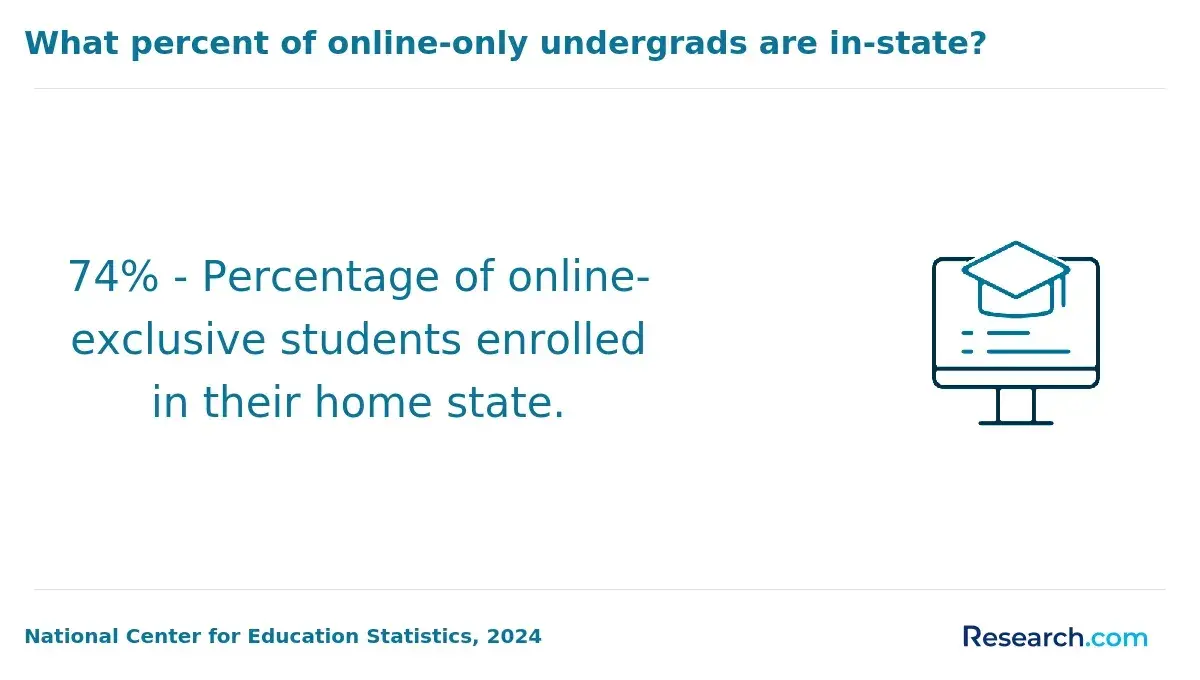
The perception that online child psychology students graduate faster than their campus-based peers holds true in many cases but is far from universal. Data from the National Center for Education Statistics in 2024 shows online learners often complete their degrees within 3.5 to 4 years, compared to 4 to 4.5 years for traditional students. However, completion times vary widely depending on institutional policies and individual student circumstances. The flexibility associated with online programs can accelerate graduation, but it also requires strong self-regulation, which some students may struggle to maintain, resulting in extended timelines.
Graduation speed hinges on several critical factors beyond delivery format. Online programs typically offer asynchronous course scheduling, accelerated terms, and year-round enrollment options that enable students to fit classes around work and family commitments. Campus programs may have more rigid semester calendars and mandatory on-site internships that extend time to degree. Additionally, part-time enrollment is more common online, often chosen by working adults balancing other responsibilities, which can lengthen completion times despite flexible pacing. Student discipline in managing workload and sequencing courses contributes heavily to whether one finishes earlier or later regardless of format.
Choice of modality also influences the demands on students' time management and academic discipline, directly affecting how quickly they enter the workforce. Online learners must navigate less structured environments, fostering independence but risking procrastination. Traditional campus students benefit from direct faculty interaction and cohort support, which can improve retention but may limit scheduling flexibility. Given the increasing demand for qualified child psychology professionals, understanding these structural and behavioral dynamics can help prospective students set realistic expectations about the timing and commitment needed to graduate.
One graduate recalled weighing offers from multiple programs amid rolling admissions, hesitating because she wasn't sure if she could start immediately or needed to delay until the next term to arrange childcare. The uncertainty of waiting for a response while managing personal responsibilities made her question if online study would allow a faster start. Ultimately, her decision to enroll in an online child psychology program hinged on the ability to begin promptly and progress at her own pace, underscoring how admission timing and life logistics can shape graduation outcomes as much as program format.
How Many Months or Years Can Transfer Credits Save?
Transfer credits can reduce the time needed to complete a child psychology degree, but the extent of these savings varies from a few months to over a year based on the volume and relevance of accepted credits. Recent analyses, including national accreditation data from 2024, show that students who transfer a significant portion of general education and foundational coursework may shorten degree completion by 6 to 18 months. However, the actual timeline depends heavily on how well prior coursework aligns with the receiving program's curriculum and requirements, making transfer credit impact on child psychology degree completion time highly situational rather than uniform.
Key factors shaping the average time savings from transfer credits in child psychology programs include accreditation compatibility, course equivalency assessments, and specific institutional policies on maximum transferable credits. Many programs require a minimum residency period or core course completion within their own curriculum, limiting how much time can be waived through credit transfer. Older or less related coursework may not fulfill core requirements, forcing students to retake essential classes that extend the timeline. Institutional evaluation processes are rigorous to ensure academic quality and professional preparedness, which means that even sizable transfer credit portfolios don't always translate into proportional reductions in study duration.
These dynamics influence academic planning and financial costs, as students must strategically sequence remaining coursework to satisfy both credit and competency standards. For working adult learners balancing career demands, even modest time savings through transfer credits can facilitate quicker re-entry into the workforce or advancement opportunities, emphasizing that efficient degree completion planning carries real-world value. For those weighing specialized paths like a 1 year post master's FNP online, understanding transfer policies and realistic timeline adjustments is critical. This nuanced approach helps students avoid pitfalls that could undermine academic integrity or employability despite seemingly accelerated schedules.
Do Accelerated Child Psychology Programs Significantly Reduce Completion Time?
Accelerated child psychology programs aim to condense the traditional graduate degree timeline, often cutting the expected two-to-four-year duration down to one or two years. These formats primarily achieve this by increasing course density and requiring students to take more credits per term. While the prospect of quicker completion is appealing, the design inherently intensifies the pace, demanding careful consideration of how curriculum compression interacts with practical training components such as internships and research prerequisites.
The actual time saved in accelerated child psychology programs depends heavily on several institutional and student-centered variables. High credit loads per term can overwhelm students who balance work or family, sometimes forcing part-time enrollment that negates the speed advantage. Additionally, prerequisites and the availability of practicum placements often remain fixed, limiting how much a program can genuinely shorten the timeline without sacrificing essential experiential learning. Furthermore, accelerated formats rarely reduce hands-on requirements, meaning the compressed coursework must be tightly scheduled without room for delays, which is not feasible for all students.
The trade-offs involved in accelerated pacing can impact not only the duration but also the quality of the educational experience. Increased workload intensity may strain students' ability to engage deeply with material or build sustained professional relationships. Scheduling rigidity can reduce flexibility for those needing to juggle commitments outside school, potentially extending time to graduation despite the accelerated label. Employers' expectations for clinical competence and comprehensive training in child psychology make these considerations crucial when evaluating whether an accelerated track will effectively meet both timeline and learning objectives.
One accelerated child psychology graduate recalled navigating rolling admissions with uncertainty, waiting weeks for a decision that affected when they could begin prerequisite courses. The compressed timeline intensified pressure to plan perfectly, but delays in acceptance forced a last-minute adjustment to their start date. This experience highlighted how external factors like admission timing and prerequisite sequencing can erode the theoretical time savings of accelerated programs, turning what seemed like a straightforward fast-tracked path into a more complex logistical challenge.
Which Child Psychology Program Requirements Most Often Extend Graduation Timelines?
Graduation timelines in child psychology degree programs commonly extend due to specific embedded requirements rather than the total number of credits alone. These elements are integral to ensuring graduates possess the professional competencies and applied experience expected by employers and licensing boards. However, they also introduce pacing constraints and administrative sequencing challenges that can delay student progress. Recognizing these factors is critical for realistic academic planning.
- Practicum and Internship Obligations: These hands-on placements are crucial for developing clinical skills but often demand significant weekly hours over multiple semesters. Balancing these with coursework frequently leads to reduced credit loads per term, slowing overall completion. According to a 2024 labor market study by Lightcast, mandatory internships routinely extend program duration by six to twelve months.
- Thesis or Capstone Projects: Rigorous research projects serve as a key indicator of mastery and independent analytical ability. The iterative nature of designing, obtaining approvals, conducting research, and revising findings introduces unpredictable delays; institutional review boards and participant recruitment can further lengthen timelines. Such projects require concentrated effort, often disrupting standard semester planning.
- Advanced Research Methodology Courses: These classes, critical for evidence-based practice, usually involve complex quantitative training. Students needing to retake courses or progress more slowly to fully grasp statistical concepts may face cumulative delays. This challenge is compounded for those balancing employment or caregiving responsibilities.
- Sequence-Dependent Course Structures: Many programs enforce strict prerequisites and term-by-term sequencing, which limits scheduling flexibility. Missing or failing a foundational course can postpone enrollment in advanced classes by an entire semester or more, extending the overall timeline.
- Transfer Credit Restrictions: Limitations on accepting external coursework often require repeating foundational subjects, increasing total time to degree. These policies vary widely but can disproportionately affect transfer students transitioning from unrelated fields or institutions.
- Part-Time Enrollment Due to External Constraints: Financial, personal, or professional obligations frequently necessitate part-time study, elongating degree completion. While common, this status interacts with other requirements, intensifying cumulative timeline extensions.
Does Taking Longer to Graduate Increase the Cost of a Child Psychology Degree?
Taking longer to graduate from a child psychology degree program generally increases total tuition and related expenses, especially when institutions charge students by the semester or credit hour. Extended timelines often mean paying for additional semesters beyond the standard program length, which can result in higher cumulative tuition, fees, and costs related to textbooks, campus resources, and other academic necessities. Moreover, prolonged enrollment can lead to loss of eligibility for certain financial aid packages or tuition caps designed for on-time completion, pushing up out-of-pocket costs. This dynamic amplifies the financial impact of longer child psychology degree completion because delayed graduation also postpones entry into mental health and related professions where wage growth may be substantial, according to labor market data highlighting strong demand and competitive salaries for qualified practitioners.
However, longer timelines do not always translate directly into proportionally higher total costs. Some programs use flat-rate tuition models that allow students to take courses at a flexible pace without extra financial penalties, or offer part-time pricing structures that reduce term costs even if the program extends. Employer tuition assistance and scholarships may offset continuing expenses under certain conditions, altering the financial equation. Students balancing work and study might incur indirect costs due to slower course completion, but also maintain income streams that ease cash flow constraints. Careful academic and financial planning can mitigate costs associated with extended duration, especially when enrollment behaviors and course load adjustments optimize credit accumulation without triggering additional fees. Those researching financing options might also consider reviewing the cheapest psychiatric nurse practitioner programs as a comparative reference for cost-effective pathways in related mental health fields.
Does Graduating Faster Improve Career Prospects?
Graduating faster from a child psychology degree program can enable earlier entry into the workforce, potentially shortening the period of underemployment or unpaid internships common in this field. While accelerated completion influences the timing of initial job searches, employers typically do not assess graduation speed in isolation. Instead, hiring decisions focus on the demonstration of competencies, relevant experience, and credentialing prerequisites that align with professional standards in child psychology careers.
The extent to which faster degree completion improves career prospects depends heavily on factors such as internship engagement, supervised practicum hours, and development of a robust professional portfolio. Employers prioritize candidates who show mastery of applied skills and a record of practical experience, which often require time-intensive commitments beyond academic coursework. Networking opportunities, research involvement, and alignment with current labor market demands within the child psychology profession further influence employability and eventual career trajectory. The real impact of speed on hiring competitiveness must be weighed against these qualitative criteria rather than viewed as a standalone advantage.
Trade-offs inherent in accelerating graduation include potential gaps in experiential depth, mentorship, and exposure to elective courses that enhance specialization and readiness for graduate credentials. Strategic pacing that balances efficient completion with comprehensive skill-building is critical for sustaining long-term career development and certification eligibility. Students and education planners should consider these nuanced factors alongside financial and timing benefits when evaluating graduation speed's influence on child psychology job opportunities in the United States. For those exploring advanced options, programs such as marriage and family therapy masters programs online complement foundational preparation by emphasizing applied competencies valued in the broader mental health field.
Which Scheduling Mistakes Commonly Delay Graduation?
Delays in completing child psychology degrees often stem not from academic difficulty but from avoidable scheduling and enrollment mistakes that disrupt orderly progression. These challenges affect students across program levels and formats, from full-time undergraduates to working adults balancing multiple responsibilities. Recognizing common pitfalls in course sequencing, registration timing, and credit load management is essential to maintaining steady advancement and avoiding extended timelines.
- Improper Prerequisite Sequencing: Many students fail to plan courses in the correct order, resulting in missed prerequisites that block enrollment in critical advanced classes. Given child psychology's structured curriculum, this misalignment often forces repeating courses or waiting for the next offering, delaying progression substantially.
- Inconsistent Course Loads: Fluctuating between part-time and full-time enrollment can prolong degree completion by stretching out credit requirements. This is especially prevalent among working adults who must balance external commitments, leading to inability to meet program momentum expectations.
- Missed Registration Deadlines: Late or inconsistent registration frequently causes students to lose spots in required classes. This forces taking less relevant electives or postponing essential fieldwork and internships, disrupting the curriculum flow and extending time to graduate.
- Underplanning Required Fieldwork: Child psychology programs commonly mandate internships or practicum experiences. Failure to schedule these requirements early impedes timely completion, as these placements often have limited availability and strict timing constraints under institutional policies.
- Neglecting Institutional Scheduling Patterns: Child psychology degree programs often have fixed course rotations and limited summer offerings. Without aligning personal schedules to these institutional patterns, students face gaps in course availability that extend their academic timeline.
According to a 2024 National Student Clearinghouse Research Center report, approximately 40% of bachelor's degree students exceed six years to graduate due to enrollment missteps, illustrating the widespread impact of these planning errors beyond child psychology specifically.
Other Things You Should Know About Child Psychology
Research and practicum requirements in 2027 can extend the time to complete a Child Psychology degree by up to a year. This is due to extensive project commitments and the need to fulfill specific hands-on experience hours, which vary by institution.
Merging employment or internships with demanding child psychology studies often forces students to stretch their degree completion time. Since practical experience is highly valued by employers, skipping or shortening internships can hurt job prospects, but juggling both can slow progress through academic requirements. Students need to weigh the benefits of gaining relevant experience against the risk of delayed graduation, and should consider prioritizing internships that closely relate to their career goals to maximize both learning and employability without unnecessary extensions to their timeline.
Many employers in child psychology fields prioritize a solid grasp of evidence-based practices over how quickly a degree was completed. Rushing through a program might compromise depth of learning or reduce opportunities for specialization, which can negatively affect job readiness. Students should consider taking the time needed to develop competencies that align with employer demands rather than focusing solely on speed, as a well-rounded skill set and practical experience typically carry more weight in hiring decisions than graduation time.
Transfer students often face uncertainties from credit acceptance, curricular mismatches, and differing practicum requirements that can extend degree duration unexpectedly. Institutions may reject certain courses or require additional classes to meet their standards, making prior progress less transferable than assumed. It is advisable for transfer students to thoroughly verify credit evaluations and program compatibility early on, prioritizing schools with transparent transfer policies to minimize surprises and ensure a realistic estimate of time-to-degree.