2027 Addiction Counseling Tuition Inflation Report: How Fast Are Program Costs Rising?

Co-Founder and Chief Data Scientist
Tuition inflation within addiction counseling programs reflects unique operational and educational demands distinct from other disciplines. Increased workforce shortages have prompted programs to expand clinical placements and specialized faculty hires, driving costs upward.
Accreditation bodies also require intensified supervision hours and evolving competency frameworks, necessitating investments in technology and field-based training infrastructure. According to the Substance Abuse and Mental Health Services Administration (SAMHSA, 2024), enrollment in addiction counseling programs grew by 7% amid rising workforce needs, pressuring institutions to scale resources.
Notably, the rising number of non-traditional, older students indicates shifting accessibility and professional development patterns in the field. These structural factors intertwine with regulatory updates and labor market dynamics, shaping tuition trends.
Key Things to Know About Addiction Counseling Tuition Inflation
- Tuition for addiction counseling programs rose over 6% annually since 2021, outpacing general inflation, limiting timely program completion due to increased financial strain on students balancing work and studies.
- Rising costs pressure graduates to seek employers offering tuition reimbursement or loan assistance, shaping workforce entry by privileging candidates from well-funded institutions over equally skilled peers without such support.
- Extended enrollment periods caused by tuition inflation heighten opportunity costs, delaying credentialing and licensure acquisition, which can reduce lifetime career earnings and influence decisions to pursue alternative certifications.
- Key Things to Know About Addiction Counseling Tuition Inflation Key Things to Know About Addiction Counseling Tuition Inflation
- How Much Has Addiction Counseling Tuition Increased Over the Past Decade? How Much Has Addiction Counseling Tuition Increased Over the Past Decade?
- How Does Addiction Counseling Tuition Inflation Compare to Overall Inflation? How Does Addiction Counseling Tuition Inflation Compare to Overall Inflation?
- Which Types of Schools Have Experienced the Fastest Addiction Counseling Tuition Growth? Tuition Growth by School Type
- What Factors Are Driving Rising Costs in Addiction Counseling Degree Programs? Tuition Cost Drivers
- How Does Addiction Counseling Tuition Growth Vary by State and Region? Tuition Growth by State
- Are Online Addiction Counseling Programs Becoming More Affordable Than Campus-Based Programs? Online Program Affordability
- How Have Financial Aid and Scholarships Changed as Addiction Counseling Tuition Has Increased? Impact on Financial Aid and Scholarships
- How Does Rising Addiction Counseling Tuition Affect Student Debt After Graduation? Impact on Student Debt
- Do Higher-Cost Addiction Counseling Programs Deliver Better Career Outcomes or Earnings? Impact on Career Outcomes
- What Do Current Tuition Trends Suggest About the Future Cost of a Addiction Counseling Degree? What Do Current Tuition Trends Suggest About the Future Cost of a Addiction Counseling Degree?
How Much Has Addiction Counseling Tuition Increased Over the Past Decade?
Tuition for addiction counseling degree programs has risen sharply over the past ten years, with increases ranging from roughly 35% to 50% between 2014 and 2024, according to data from the National Center for Education Statistics and the U.S. Department of Education College Scorecard. Public community colleges offering associate-level credentials have seen smaller hikes near 30%, while four-year universities and private institutions often experienced growth closer to 50%.
These figures outpace general higher education inflation, illustrating that addiction counseling tuition, in particular, is becoming relatively costlier within the broader spectrum of academic disciplines. Understanding these trends is essential for prospective students assessing the long-term financial commitment of such programs.
Several key factors drive the rising costs. Reduced state funding has shifted more financial pressure onto students, while institutions have increased spending on faculty salaries to secure specialized expertise and upgraded clinical training facilities required for compliance with evolving credentialing standards.
The growing expectation from employers for graduates to possess advanced skills forces programs to expand curriculum and support services, adding to operational costs. These dynamics reflect broader inflation but also signal a structural shift in how addiction counseling education is delivered and valued within higher education environments.
Rising tuition carries significant implications for affordability and student borrowing, particularly as many students evaluate the return on investment against potential earnings and job availability. Increased costs could deter lower-income and nontraditional learners, potentially narrowing workforce diversity in a field that serves vulnerable populations.
Prospective students must weigh these financial challenges against the quality and outcomes of programs, considering options such as the cheapest online NP programs as benchmarks for affordable healthcare-related education pathways. These realities underscore the importance of strategic decision-making when pursuing addiction counseling degrees amid evolving economic pressures.
How Does Addiction Counseling Tuition Inflation Compare to Overall Inflation?
Tuition inflation for addiction counseling programs has consistently surpassed the general rate of consumer price inflation, reflecting a distinct divergence in cost pressures. While the Consumer Price Index (CPI) rose by about 3.4% from 2022 to 2023, data from the National Center for Education Statistics and the College Board indicate tuition inflation for these specialized programs increased by roughly 4% to 6% annually over the past decade.
This gap underscores how addiction counseling tuition inflation compared to overall inflation rates is shaped by sector-specific dynamics rather than broad economic trends, intensifying financial challenges for students relative to other living expenses.
The structural reasons behind this growing tuition-cost gap stem largely from shifting institutional funding models and higher education cost structures. Declines in public subsidies have forced many programs to offset reduced state funding with higher tuition fees.
Simultaneously, rising administrative costs, expanded student support services, and required investments in technology and infrastructure to meet accreditation standards particularly affect addiction counseling programs, which often demand smaller cohorts and specialized faculty. These factors combined illustrate why rising costs in addiction counseling programs exceed general inflation and reflect deeper operational and governance shifts within the education sector.
This inflation gap carries significant implications for students navigating affordability and value assessments in addiction counseling education. Rising tuition often drives greater reliance on borrowing, increasing long-term financial burdens and complicating return-on-investment calculations.
Consequently, prospective students weigh these pressures alongside evolving employer expectations within healthcare systems, which increasingly favor credentials in fields akin to healthcare administration master's. Understanding this complex cost trajectory helps learners and researchers better grasp affordability challenges and informs strategic decision-making about program selection and financing.
Which Types of Schools Have Experienced the Fastest Addiction Counseling Tuition Growth?
Tuition increases for addiction counseling programs show notable variation based on institutional type, funding arrangements, and delivery models. Recognizing these differences is critical for assessing how cost trends impact the affordability and perceived value of such degrees. Financial pressures, program design, and enrollment shifts shape these divergent pricing trajectories in meaningful ways.
- Private For-Profit Institutions: These schools have seen the most rapid tuition growth, often surpassing 6% annually. They rely heavily on tuition revenue due to limited state support and frequently expand program offerings aggressively to capture market demand. Operational costs, marketing overhead, and tailored online program investments also contribute to steeper price escalations.
- Public Community Colleges and State Universities: Typically exhibiting more moderate increases around 3% to 4%, these institutions benefit from government funding that helps cushion operational costs. However, budget constraints and enrollment fluctuations can still drive tuition upward, especially as these programs incorporate more online options and specialized training to meet workforce needs.
- Private Nonprofit Universities: Tuition trends here are mixed, influenced by endowment strength and institutional prestige. Some universities maintain slower growth through diversified revenue streams, while others with expanding addiction counseling departments invest heavily in faculty expertise and clinical partnerships, justifying gradual cost hikes.
- Research-Intensive Universities: These universities often have complex funding sources including grants and public funds, somewhat insulating tuition from rapid increases. Nonetheless, the cost of maintaining advanced facilities and integrating research into curriculum may lead to moderate tuition pressures, especially in specialized counseling tracks.
- Regional Colleges and Smaller Institutions: Facing tighter budgets and competition for adult learners, these schools sometimes raise tuition to sustain program quality amid fluctuating demand. Their limited scale can amplify per-student costs, influencing faster tuition growth in select cases.
- Online Universities and Hybrid Program Providers: Growing demand for flexible learning drives expansion in these models, but investments in technology platforms and accreditation standards can push tuition upward. While scalable, programs balancing affordability and quality must carefully manage pricing to attract cost-conscious adult learners.
What Factors Are Driving Rising Costs in Addiction Counseling Degree Programs?
Rising costs in addiction counseling degree programs stem from a complex interplay of institutional and economic factors rather than a singular cause. These programs must balance expanding professional standards, increasing operational demands, and evolving market expectations, all of which elevate expenses beyond basic tuition adjustments.
Rather than simply reflecting inflation, program cost growth results from strategic decisions by colleges and universities responding to changing regulatory frameworks, workforce needs, and student service expectations within a specialized health education space. This multifaceted cost environment means that tuition rates increasingly reflect broader shifts in higher education financing and sector-specific resource allocation, rather than isolated institutional inefficiencies.
Key drivers of these cost increases include declining public funding for many educational institutions, which forces greater dependence on tuition revenue to sustain operations and program quality. Rising faculty salaries-especially in addiction counseling where clinical expertise is necessary-add pressure, as do the administrative expansions required to maintain compliance with accreditation and licensure mandates.
Technological investments in hybrid and online learning platforms further strain budgets, reflecting both student demand and necessary data security improvements. According to a 2024 analysis by the National Center for Education Statistics, tuition inflation for health-related counseling programs surpasses general college tuition growth by about 1.5% annually, underscoring how these structural and economic forces collectively drive sustained cost escalation in this field.
One addiction counseling graduate recalled the uncertainty and deliberation involved in their admissions timing amid rising costs. Although accepted early in a rolling admission cycle, they hesitated to commit immediately due to concerns about escalating tuition and additional fees announced after initial acceptance. Balancing financial planning with application deadlines became a strategic challenge, as delays risked losing their spot but rushing could lock in higher expenses.
Ultimately, the decision to enroll was made only after securing clearer information on financial aid options, highlighting how cost volatility and institutional communication intricacies can shape student experiences long before coursework begins.
How Does Addiction Counseling Tuition Growth Vary by State and Region?
Tuition growth rates for addiction counseling programs vary considerably across U.S. states and regions due to fundamental differences in state funding priorities, the structure of public university systems, and regional economic conditions. This uneven trajectory reflects how institutions balance limited appropriations with operational costs, often resulting in divergent pricing strategies.
For example, states with robust public funding typically experience slower tuition increases, whereas those with constrained budgets compensate by raising tuition at a faster pace. Understanding the addiction counseling tuition increase by state therefore requires a closer look beyond surface geography to include policy and institutional nuances shaping these trends.
Key drivers of these tuition disparities include state appropriations and public university funding gaps, which disproportionately affect program affordability. Regions with higher living costs, such as the Northeast and West, often see steeper tuition growth as universities face rising expenses for faculty salaries, clinical training infrastructure, and student support services.
Additionally, the presence of research-intensive universities and private institutions intensifies competition for resources and justifies premium pricing models. Conversely, states with greater workforce demand for addiction counseling professionals may expand program capacities, influencing tuition trajectories through increased operational costs shifted to students.
This complex interplay results in regional differences in addiction counseling program costs that cannot be fully understood without accounting for these financing and market factors.
These regional tuition variations carry broader implications for student mobility, educational access, and long-term financial outcomes. Students in high-cost states may confront affordability challenges that increase reliance on debt and influence program selection, while those in lower-growth regions might face limited experiential opportunities critical for employability.
Prospective learners must weigh how local market dynamics and tuition inflation impact return on investment when choosing programs. For individuals evaluating related fields, resources like the online ultrasound tech school data reinforce the importance of analyzing cost trends relative to workforce demand and geographic cost differences when planning education pathways.
Are Online Addiction Counseling Programs Becoming More Affordable Than Campus-Based Programs?
Tuition trends increasingly suggest that online addiction counseling programs are achieving greater cost efficiency compared to traditional campus-based degrees, though this shift is nuanced rather than uniform. Data from the National Center for Education Statistics in early 2024 highlights that tuition inflation for campus programs exceeds online components by roughly 3.5% annually, reflecting the sustained financial demands of physical campuses.
Campus options continue to require funding for buildings, maintenance, in-person faculty, and student amenities, whereas online formats benefit from scalability and diminished reliance on physical infrastructure. Still, affordability in online programs must be assessed in the context of added costs such as technology fees and clinical placements, which complicate direct cost comparisons.
The cost differential stems largely from institutional expenditure patterns and digital versus on-site delivery models. While online programs save on facilities, these savings are partially offset by investments in sophisticated learning management systems, multimedia instructional design, and specialized faculty training to maintain educational quality remotely.
Online courses also shift staffing toward more flexible models often involving adjuncts or synchronous/asynchronous mixes but require robust student support services to address retention and accreditation demands.
Meanwhile, campus-based institutions continue bearing fixed, often rising operational expenses tied to space and staffing, which places upward pressure on tuition. This structural divergence in cost drivers means online affordability is not purely a factor of lower sticker prices but reflects strategic tradeoffs in how programs allocate resources and balance pedagogical rigor with access.
A graduate of an online addiction counseling program recounts navigating the admissions timeline amid these economic considerations. Waiting on decisions from multiple institutions with rolling admissions prompted a careful weighing of preparation and financial planning; the admitted candidate delayed enrollment at one more affordable program due to lingering uncertainty about securing clinical placement support.
This hesitant timing was compounded by sudden changes in tuition fees announced late in the cycle, reminding the student that cost-effectiveness of online options often hinges on the interplay between application timing, program readiness, and transparent communication around supplementary expenses rather than sticker price alone.
How Have Financial Aid and Scholarships Changed as Addiction Counseling Tuition Has Increased?
While tuition costs for addiction counseling programs have risen significantly in recent years, financial aid and scholarship offerings have not consistently matched this pace. Institutional aid has shifted, with many programs expanding merit-based scholarships and work-study opportunities rather than substantially increasing need-based grants.
Federal Pell Grants and some state-funded aid have seen modest nominal increases, yet these adjustments frequently fall short of covering real tuition growth, leaving students with higher net costs. Scholarship availability targeting addiction counseling remains limited relative to demand, and awards often fail to offset tuition hikes proportionally, especially given competitive application processes and budget caps.
These dynamics are driven by rising competition among institutions to attract qualified applicants while balancing limited funding pools and changing federal and state aid frameworks. Institutions increasingly rely on tuition discounting strategies that favor academically strong candidates through merit aid, sidelining students with greater financial need who may not meet stringent criteria.
The slow expansion of need-based support contrasts with the accelerating upward pressure on tuition, reflecting broader fiscal constraints and policy limits within public aid programs. This shift has resulted in a more segmented aid landscape, where eligibility for financial support is tightly linked to academic or employment-related benchmarks.
The practical consequence is that many students face growing out-of-pocket expenses and may resort to heavier borrowing, which can lengthen time to program completion or delay workforce entry.
Despite nominal increases in financial aid budgets, net price stability remains elusive for addiction counseling students, as rising tuition outstrips available support. This financial bottleneck influences both accessibility and program choice, disproportionately affecting individuals from lower socioeconomic backgrounds and thereby shaping the demographic and socioeconomic profile of the addiction counseling workforce emerging from today's education system.
How Does Rising Addiction Counseling Tuition Affect Student Debt After Graduation?
Rising tuition for addiction counseling programs directly elevates student borrowing levels, as many prospective students find that increased costs outpace accessible financial resources. The growing tuition inflation forces a heavier reliance on loans, particularly where grant aid fails to keep pace, making borrowing nearly unavoidable for maintain enrollment and completion.
This higher upfront borrowing translates into larger loan balances at graduation, which can extend repayment timelines and amplify interest costs due to compounding during the study period. Consequently, addiction counseling tuition impact on student loan debt remains a critical consideration for those analyzing the economic feasibility of entering the field.
Key drivers of these elevated debt burdens include widening gaps between tuition escalation and stagnant institutional aid, especially in private institutions where fees generally rise faster than at public colleges.
Additionally, adult learners who balance education with other responsibilities may incur higher overall costs by stretching programs part-time, which accumulates interest longer before repayment, unlike traditional-aged students who might access more parental or institutional support. Since post-graduation salaries in many addiction counseling roles tend to be moderate, loan repayment demands can disproportionately affect financial stability.
The nuanced interplay of tuition growth, financial aid gaps, and income realities shapes complex debt profiles across student types and institution sectors.
Higher debt loads increase repayment stress, steering some graduates toward income-driven repayment plans or public service loan forgiveness programs, yet these options often delay debt freedom. Rising debt also influences decision-making for prospective students, prompting some to pursue less expensive programs or certification pathways that might better balance cost and credential value.
Understanding these dynamics is crucial when assessing student debt trends after addiction counseling degree completion. For those comparing professional pathways, resources such as Capella university vs WGU RN to BSN offer detailed cost and financing analyses relevant across allied health sectors.
Do Higher-Cost Addiction Counseling Programs Deliver Better Career Outcomes or Earnings?
Higher-cost addiction counseling programs do not reliably guarantee better career outcomes or increased earnings. Analysis from the National Center for Education Statistics in 2024 found that despite some correlation between price and graduation rates, tuition costs alone do not predict starting salaries or long-term income in this field.
This unresolved relationship highlights the importance of considering factors beyond expense, since many students assume higher-cost programs offer superior pathways to employment or financial reward. The regional addiction counseling program earnings comparison further illustrates that median salaries vary more by location and employer type than by program cost.
Critical influences on career success include institutional reputation, quality and availability of internships or practicum sites, depth of specialization, and employer network strength. Programs with strong partnerships in local health systems or those that align carefully with state licensure requirements often produce graduates who achieve better job placements regardless of tuition.
Alumni outcomes and established pipelines to high-demand markets may outweigh sticker price in determining employment prospects. Geography plays a key role as well; for example, affordable public addiction counseling programs in states with growing behavioral health sectors often match or surpass outcomes associated with expensive private institutions.
Prospective students should adopt a nuanced approach when evaluating addiction counseling education ROI, factoring in practical training opportunities and employer expectations alongside cost. Rigid assumptions that higher tuition equates to superior returns can mislead applicants and skew decision-making.
Understanding these dynamics, many learners also explore related social science degrees, such as a sociology bachelor degree online, which may complement or diversify career trajectories in behavioral health. Careful assessment of program alignment with one's career goals and the regional labor market is essential for optimizing investment relative to outcomes.
What Do Current Tuition Trends Suggest About the Future Cost of a Addiction Counseling Degree?
Recent tuition trends highlight a persistent rise in the cost of Addiction Counseling degree programs, reflecting the broader increases seen across higher education. Data from the National Center for Education Statistics in 2024 shows public four-year institutions raised tuition and fees by about 3.5% annually, with private nonprofit institutions experiencing even larger hikes near 4.2%.
When adjusted for inflation, these rates still indicate steady growth, suggesting that Addiction Counseling programs will continue to become more expensive over time rather than stabilize or decline.
The factors driving this upward cost trajectory include fluctuating institutional budgets influenced by state funding variability, which often limits public college revenue streams.
Simultaneously, growing demand for mental health and specialized addiction counseling professionals pushes programs to expand capacity and invest in online and hybrid delivery models. These innovations require ongoing technology expenditures and enhanced student support services, both of which contribute to tuition increases despite potential operational efficiencies.
As tuition inflation persists, affordability challenges intensify, particularly for traditional college-age students who often face tighter financial constraints and rising debt burdens. Adult learners frequently seek flexibility and lower-cost credentials, driving some toward shorter certificate options that may not fully meet employer expectations for comprehensive credentials combined with supervised clinical experience.
For prospective students, careful scrutiny of tuition trends and program value is essential to balance educational investment against realistic career opportunities and long-term income prospects.
References
- Urban Recovery https://www.urbanrecovery.com/blog/how-much-does-an-addiction-counselor-make
- Addiction Counseling Cost, Tuition & Financial Aid https://www.addiction-counselors.com/addiction-counseling-cost-and-aid/
- Cancelling Student Debt Would Add to Inflation | Committee for a Responsible Federal Budget https://www.crfb.org/blogs/cancelling-student-debt-would-add-inflation
- Regional CTE - Browse - Addiction Counseling Studies Bachelor of Science Degree https://regionalcte.org/browse/3zXwx
- Economic Factors on Drug Use in Adolescence https://www.societyforpsychotherapy.org/economic-factors-on-drug-use-in-adolescence/
- Making College Affordable: Providing Low-Income Students with the Knowledge and Resources Needed to Pay for College - Jack Kent Cooke Foundation https://www.jkcf.org/research/making-college-affordable-providing-low-income-students-with-the-knowledge-and-resources-needed-to-pay-for-college/
- The Hidden Cost of Student Debt: How Universities Can Help Break the Cycle - iGrad Financial Wellness | Enrich https://enrich.org/insights/2050/the-hidden-cost-of-student-debt-how-universities-can-help-break-the-cycle
- The Impact of Inflation & Economic Stress on Substance Use Rates | More Than Rehab https://morethanrehab.com/2025/08/07/the-impact-of-inflation-economic-stress-on-substance-use-rates/
- Publication Trends of Addiction Counseling: A Content Analysis of the Rate and Frequency of Addiction-Focused Articles in Counseling Journals - The Professional Counselor https://tpcjournal.nbcc.org/publication-trends-of-addiction-counseling-a-content-analysis-of-the-rate-and-frequency-of-addiction-focused-articles-in-counseling-journals/
- The Link Between Addictions and Student Loan Debt https://tslhg.com/12004/the-link-between-addictions-and-student-loan-debt/
Other Things You Should Know About Addiction Counseling
As tuition inflates, shorter or less intensive addiction counseling programs may seem financially appealing but could limit hands-on clinical experience that employers increasingly expect. Students should weigh whether cost savings justify potentially reduced practical training, which can affect job readiness and certification eligibility. Prioritizing programs with a balance of thorough clinical hours and manageable tuition can better support employability despite higher sticker prices.
Stable tuition reduces financial uncertainty and can help control long-term debt, which is critical in addiction counseling fields that often yield moderate incomes. While prestigious programs may offer brand value, the real ROI depends on licensure rates and employer recognition rather than rankings alone. Prioritizing programs with consistent tuition and proven workforce outcomes can be a more pragmatic approach for career-focused students.
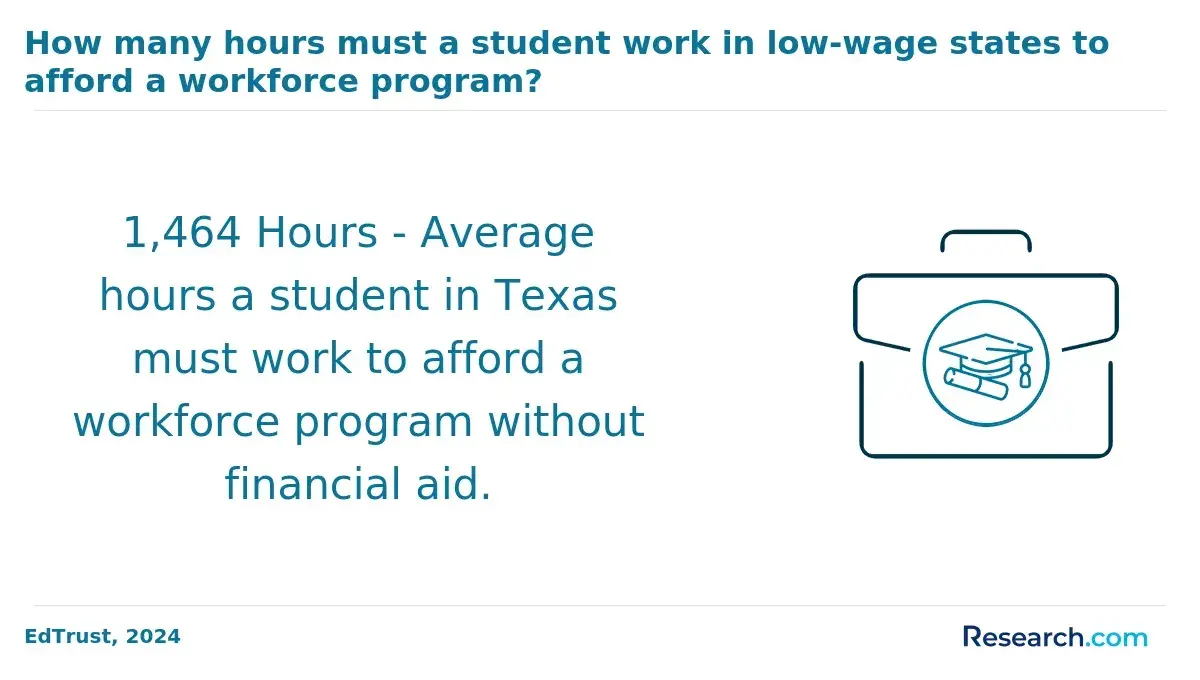
Rising tuition often pressures students to work more hours, which can conflict with the demanding practicum and coursework addiction counseling requires. Increased financial burden may reduce study time, affecting learning quality and professional preparedness. Students should realistically assess whether they can maintain academic rigor alongside work commitments to avoid prolonging graduation or compromising clinical competencies.
Employers increasingly seek candidates with extensive supervised experience and licensure, which may drive students toward longer or additional certifications amid rising costs. Lower tuition programs with fewer practical requirements might reduce immediate expenses but can limit eligibility for certain roles or salary levels.
Decision-makers should consider whether investing in tuition inflation now secures credentials that align with market demands, maximizing long-term employability despite higher upfront costs.