2027 Addiction Counseling Salary Trends Report: Are Wages Keeping Up With Tuition and Inflation?

Co-Founder and Chief Data Scientist
A prospective addiction counseling student weighs the rising costs of tuition against the salary prospects in the field. With inflation steadily chipping away at purchasing power, the question arises: does earning a degree in addiction counseling provide sufficient financial return to justify the investment? Tuition fees have climbed sharply in recent years, but salaries may not always keep pace, creating uncertainty for those considering this career path.
Comparing graduate salaries with education costs requires looking beyond headline figures. Salary growth, tuition inflation, and cost-of-living increases rarely match step for step, so focusing solely on starting wages can mislead. This article examines addiction counseling salary trends alongside tuition rates, inflation, and overall affordability to assess the degree's long-term financial value and return on investment.
Key Things to Know About Addiction Counseling Salary Trends
- Graduate wages in addiction counseling have grown only 2% annually since 2022, lagging inflation of 3.5%, suggesting degree cost inflation increasingly outpaces early-career salary gains.
- Programs with clinical practicum components correlate with 15% higher wages at mid-career, indicating practical experience is a significant driver of long-term income potential in addiction counseling.
- Regional demand variability creates wage dispersion up to 25%, meaning graduates must weigh geographic mobility and local funding trends when assessing financial return on an addiction counseling degree.
- Key Things to Know About Addiction Counseling Salary Trends Key Things to Know About Addiction Counseling Salary Trends
- What Is the Current Salary Outlook for Addiction Counseling Graduates? Salary Outlook
- Are Addiction Counseling Salaries Keeping Up With Inflation? Inflation Impact
- How Do Tuition Costs Compare With Addiction Counseling Salary Growth? Tuition vs Salary
- Does a Addiction Counseling Degree Deliver a Positive Return on Investment? Degree ROI
- Which Industries Offer the Highest Salaries for Addiction Counseling Graduates? Which Industries Offer the Highest Salaries for Addiction Counseling Graduates?
- Which States and Cities Offer the Highest Pay for Addiction Counseling Professionals? Which States and Cities Offer the Highest Pay for Addiction Counseling Professionals?
- How Do Addiction Counseling Salaries Grow Throughout a Career? Career Growth
- How Do Addiction Counseling Salaries Compare With Similar Degrees? Salary Comparison
- How Is Employer Demand Affecting Addiction Counseling Salary Trends? Employer Demand
- How Can Students Maximize Their Lifetime Earnings With a Addiction Counseling Degree? Maximizing Earnings
What Is the Current Salary Outlook for Addiction Counseling Graduates?
The current salary outlook for addiction counseling graduates reflects notable variation shaped by multiple factors including geographic location, employer type, and credentialing. According to the U.S. Bureau of Labor Statistics in 2024, substance abuse and mental health counselors earn a median annual wage around $47,630, with entry-level positions starting closer to $35,000 to $40,000.
For instance, two recent graduates with identical addiction counseling degrees may experience vastly different outcomes: one working in a nonprofit agency in a rural area may earn near the lower end of this range, while another obtaining advanced certification like Licensed Clinical Addiction Specialist (LCAS) and securing a position in a metropolitan private healthcare setting could surpass $55,000 annually.
These differences underscore how early salary snapshots should be understood within broader employment contexts rather than as fixed markers of value.
Interpreting addiction counseling graduate salary trends also requires consideration of long-term career trajectories and market demand. Counselors often see wage growth as they accumulate clinical experience and specialize, especially within states facing workforce shortages or higher living costs.
Although inflation and rising educational expenses strain immediate financial returns, the field's steady job availability due to ongoing public health needs indicates continuing opportunities for upward mobility.
For those weighing the financial tradeoffs of further education, exploring advanced degrees or certifications, supported by options like MSN to DNP online programs, can enhance earning potential. In this complex landscape, assessing starting salaries alongside future development prospects offers a more nuanced, realistic perspective on current earnings for addiction counselors.
Are Addiction Counseling Salaries Keeping Up With Inflation?
The modest increase of approximately 3.2% in addiction counseling salary trends contrasts with a 4.7% inflation rate, revealing a troubling erosion in real earnings. While nominal wages rise, the actual purchasing power of counselors is declining, meaning the money earned today buys less than before.
For a recent graduate working entry-level in a public health agency, this gap might translate into stagnant standards of living despite increased workload or responsibilities. In practical terms, everyday expenses like housing, transportation, and groceries could outpace salary growth, undermining financial stability after graduation.
This disparity becomes even more pronounced when comparing addiction counselor wages with tuition costs, which have surged by around 5.8% annually for graduate programs. Aspiring counselors face the dual challenge of managing educational debt alongside salaries that do not fully keep pace with inflation.
Factors shaping this dynamic include limited public sector budgets restricting pay increases, regional cost-of-living differences, and the premium often required for specialized roles that demand costly certifications. Prospective students might consider exploring accelerated options at fast track schools to potentially reduce time and expense before entering the workforce.
How Do Tuition Costs Compare With Addiction Counseling Salary Growth?
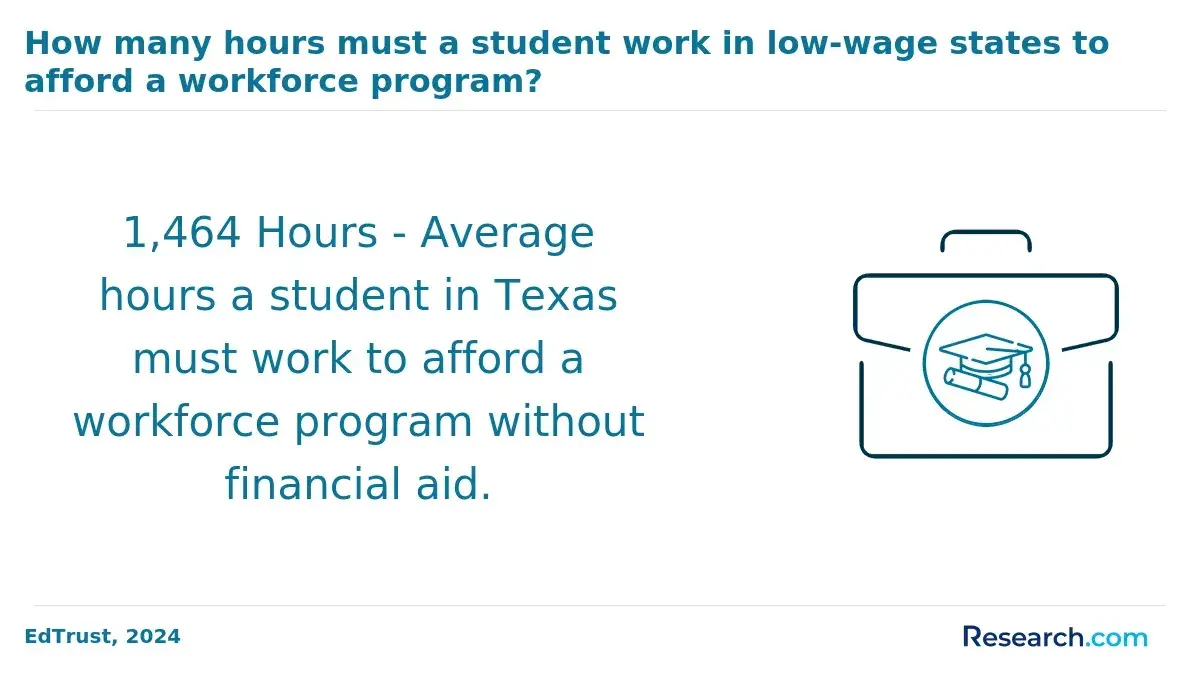
Examining tuition costs alongside salary growth offers a clearer understanding of the financial viability of pursuing an addiction counseling degree than considering either factor alone. While public institutions charge between $10,000 and $15,000 per year on average, private colleges often surpass $20,000 annually, according to 2024 data from the National Center for Education Statistics.
Meanwhile, early-career addiction counselors typically earn between $35,000 and $40,000 annually, with mid-career salaries ranging from $45,000 to $52,000 as noted by the U.S. Bureau of Labor Statistics. The fact that tuition inflation has outpaced wage increases suggests many students face a longer timeline to recoup their educational investment, especially when factoring in student loans and living expenses. This dynamic highlights the importance of evaluating long-term returns rather than focusing solely on starting salaries or tuition costs in isolation.
Consider two prospective students: one attending a public university with lower tuition and another opting for a private institution with higher fees but more extensive clinical placement opportunities. Although the private college may offer advantages, higher upfront costs combined with modest salary growth could delay financial stability for the second student.
Regional wage differences, specialization, and career progression opportunities further complicate this outlook, affecting how quickly graduates can offset their educational expenses. Additionally, factors such as scholarships, loan forgiveness, and local job markets play pivotal roles in shaping the true economic impact of an addiction counseling degree over time.
One recent graduate recalled debating whether to pursue a private college program near home with a $22,000 annual tuition or a more affordable public option several states away. The significantly higher cost pressed urgency on securing scholarships and part-time work, creating added stress during studies.
After graduation, initial earnings barely covered loan payments and living costs, resulting in doubts about the timing of financial recovery. This experience underscored the intricate balance between educational quality, cost, and wage potential, revealing how tuition-salary disparities can profoundly affect both immediate finances and longer-term peace of mind.
Does a Addiction Counseling Degree Deliver a Positive Return on Investment?
Return on investment (ROI) for an addiction counseling degree should be viewed as a balance between educational expenses and the long-term professional benefits, rather than solely initial salaries. While median annual wages hover around $50,000 according to the U.S. Bureau of Labor Statistics (2024), assessing ROI involves factoring in the steady demand for qualified counselors, a growth rate projected at 23% through 2032, which contributes to job stability and gradual income increases over time.
For example, a graduate entering the field with manageable debt might experience modest earnings initially but could achieve financial stability within five to seven years, especially when pursuing licensure and certifications that unlock higher-paying roles.
Key variables influencing whether an addiction counseling degree yields positive ROI include rising tuition costs, increasing faster than inflation as noted by the National Center for Education Statistics (2024), and the potential for debt accumulation. These costs can delay the financial break-even point for many students.
However, benefits like loan forgiveness programs in public health agencies and the opportunity for wage growth through advanced degrees or specialized credentials can significantly improve this outlook. Ultimately, ROI varies widely based on individual circumstances, program costs, geographic location, and the ability to capitalize on professional advancement opportunities within behavioral health fields.
Which Industries Offer the Highest Salaries for Addiction Counseling Graduates?
Identifying which industries offer the highest salaries for addiction counseling graduates requires analyzing both compensation trends and the unique demands of each sector. Salary levels often correlate with the complexity of required certifications, the client population served, and the financial health of the employer. According to recent data from governmental labor statistics and industry analyses, healthcare, private practice, and federal government roles consistently lead in rewarding this profession.
Here is a breakdown of the top-paying industries for addiction counseling professionals and the factors influencing their earning potential:
- Healthcare Industry: This sector-including hospitals, specialized addiction treatment centers, and mental health clinics-commands some of the highest salaries due to the acute medical and psychological needs addressed. Roles often require advanced certifications such as licensed clinical addiction counselor credentials, and employers typically offer benefits that complement the wage, helping to offset education costs.
- Private Practice: Counselors running private practices can significantly increase income by setting fees and managing caseloads with entrepreneurial skill. However, success depends on developing a steady client base and handling administrative duties, which means solid business acumen alongside clinical expertise is necessary for top earners.
- Federal Government: Positions in agencies like the Department of Veterans Affairs or SAMHSA offer competitive salaries plus extensive job security and benefits. The scope of work often involves treating specialized populations such as veterans or inmates, requiring familiarity with federal policies and evidence-based treatment approaches.
- Correctional Facilities: Within federal or state prisons, addiction counselors earn higher wages due to the challenging environment and security requirements. Opportunities here demand resilience and specialized skills in managing dual diagnoses and behavioral issues.
- Educational Institutions: Universities and colleges employing addiction counselors may offer lower starting salaries but provide growth prospects through research grants and tenure-track options. Roles here often blend counseling with academic responsibilities.
- Nonprofit Organizations: While nonprofit roles generally have modest pay, they provide meaningful experience in advocacy and community outreach, which can lead to advancing into higher-paying leadership positions within the sector.
- Insurance Companies: Some counselors find higher salaries working in managed care, performing utilization reviews and case management. This path values both clinical knowledge and analytical skills to control costs and ensure treatment efficacy.
Recent workforce data confirms these industries dominate the highest paying addiction counseling graduate salary by industry in the US, with healthcare and federal roles often outpacing others by 15-20%.
For prospective students balancing rising tuition and living expenses, understanding these sectors' demands can shape strategic career choices. Exploring options like online accelerated nursing programs for non nurses may also provide alternative pathways into healthcare fields with strong income potential and growth opportunities.
Which States and Cities Offer the Highest Pay for Addiction Counseling Professionals?
Geographic location plays a critical role in shaping the earning potential for addiction counseling professionals in 2024. Wage differences across states and metro areas are influenced not only by demand for services but also by local economic conditions and industry presence. Candidates must carefully weigh higher nominal salaries against factors such as living costs and available resources for addiction treatment.
The following highlights some of the top-paying states and cities, illustrating key elements that affect compensation and career feasibility:
- Massachusetts: Offering mean annual wages surpassing $60,000, Massachusetts' strong healthcare infrastructure and extensive behavioral health programs create robust opportunities for addiction counselors. The Boston-Cambridge-Newton metropolitan area particularly leads in competitive salaries, yet high housing costs may offset income gains for newcomers.
- California: Known for its vast healthcare sector and progressive public health initiatives, California, especially the San Francisco-Oakland-Hayward metro area, rewards addiction counselors with top-tier pay. However, candidates should consider whether elevated living expenses diminish the net financial benefit of these wages.
- Alaska: Alaska's remote communities rely heavily on addiction services, which drives up demand and associated salaries above the national average. The higher cost of living and geographic isolation present unique challenges that must be balanced against increased compensation.
- Washington: The Seattle-Tacoma-Bellevue metro area offers attractive wages supported by advanced public health programs and a strong economy. While salaries are elevated, the region's cost of living and housing market should factor into career decisions.
- Texas: With moderately competitive wages and a lower cost of living compared to coastal states, Texas presents a case for solid financial stability despite less impressive nominal salaries. This tradeoff is attractive for graduates aiming for long-term economic steadiness over immediate earnings.
- Missouri: Exhibiting similar trends to Texas, Missouri offers addiction counseling salaries below top states but paired with affordable living costs. For some, this yields a more manageable balance between educational debt and everyday expenses after graduation.
How Do Addiction Counseling Salaries Grow Throughout a Career?
Initial earnings for addiction counselors typically fall between $40,000 and $45,000 annually, reflecting median wages for entry-level roles within substance abuse and behavioral health counseling. Over the first five to ten years, salary growth hinges substantially on acquiring specialized credentials and expanding clinical expertise, often lifting median annual pay to the $55,000 to $65,000 range.
Beyond this stage, advancement into supervisory, management, or specialized clinical roles can push earnings further, sometimes reaching $70,000 to $90,000 or more in urban or high-demand settings, according to the latest data from the U.S. Bureau of Labor Statistics and NAADAC. However, salary increases tend to be more modest relative to rising tuition costs and inflation, so the return on investment varies widely depending on ongoing professional development and geographic factors.
Consider two graduates who both complete addiction counseling degrees simultaneously. One pursues certification and takes on leadership roles within community treatment centers, steadily building experience and networks; this path leads to a salary close to $80,000 after a decade. The other remains in direct client services without additional credentials or management duties, resulting in a slower salary progression that plateaus closer to $55,000.
This divergence highlights how credentials like Certified Addiction Counselor and higher degrees translate into tangible income benefits. Location, employer type, and willingness to develop specialized skills significantly influence long-term earnings, underscoring the importance of deliberate career planning amid evolving sector demands.
An addiction counseling graduate remembers feeling uncertain when deciding whether to invest time and money pursuing a Licensed Clinical Addiction Specialist certification after five years in a regional clinic. Although hesitant due to costs and added responsibilities, they saw a noticeable salary increase and broader job opportunities within two years, alleviating earlier doubts.
This experience reinforced that proactive professional growth can meaningfully affect salary trajectory, but also requires thoughtful balancing of short-term sacrifice against long-term financial outcomes.
How Do Addiction Counseling Salaries Compare With Similar Degrees?
Addiction counseling graduates face a salary landscape that is modest relative to similar disciplines but offers crucial roles within behavioral health services. When assessing addiction counseling salary compared to social work degrees and others, it is clear that earnings often fall behind by about 10% to 20%.
For example, a new graduate in addiction counseling might earn a median annual wage near $47,000, while a peer with a social work degree could expect closer to $60,000. This gap reflects differences in scope of practice, credentialing, and clinical settings. The financial outlook for addiction counseling versus psychology graduates also highlights these discrepancies, especially as psychology roles tend to command higher wages due to advanced clinical or research qualifications.
Consider a recent graduate weighing tuition costs against potential earnings: investing in an addiction counseling degree means accepting a slower wage growth trajectory amidst rising educational expenses. Below are key comparisons that illustrate these earning differentials and contextual factors:
- Social Work Degrees: Median salaries around $60,000 reflect broader career opportunities in clinical social work and administration. Increased specialization and licensing can significantly raise wages, offering a stronger return on educational investment compared to addiction counseling.
- Psychology Graduates: Psychology and counseling psychology roles typically yield median earnings between $53,000 and $65,000. These fields benefit from higher demand in clinical, research, and academic jobs, which demand advanced degrees and offer larger salary scales.
- Mental Health Counselors: With median wages from $48,000 to $55,000, these professionals often carry broader responsibilities and certifications, leading to somewhat higher pay than addiction counselors but within the same general service framework.
- Marriage and Family Therapists: Salaries range from $50,000 to $55,000, reflecting specialized credentials and client niches. These therapists often enjoy better compensation tied to licensure and private practice potential.
Those evaluating their options may also explore specialized programs, such as accelerated routes like accelerated PharmD pathways, which underscore the importance of understanding how program type and duration intersect with economic outcomes.
How Is Employer Demand Affecting Addiction Counseling Salary Trends?
Employer demand impact on addiction counseling salaries is evident in how hiring organizations compete for qualified candidates and shape compensation strategies. The U.S. Bureau of Labor Statistics projects an 11% growth in employment for substance abuse and mental health counselors from 2022 to 2032, signaling strong demand driven by increased awareness of mental health and the opioid crisis.
However, this demand does not automatically translate into rapid salary growth. For example, a recent graduate entering a public health agency may face modest wages due to budget constraints and reliance on grant funding, despite the need for counselors outpacing supply in some regions.
Factors such as experience level, specialization, and overall economic conditions also influence salary trends alongside employer demand. Private sector roles can offer higher pay, but these opportunities are less common, with many employers in healthcare and community organizations limited by fixed budgets.
While strong employer demand is a prerequisite for faster wage growth, gains are often gradual and may lag behind rising tuition and inflation costs. Prospective students should carefully evaluate whether the current job market and wage trajectory justify the investment in addiction counseling education.
In this context, individuals seeking an easy to get counseling degree might consider program choices alongside labor market realities. Addiction counseling salary trends and job market outlook highlight the importance of balancing educational expense against realistic earnings potential, especially amid shifting public health priorities. Understanding these dynamics helps manage expectations about long-term financial outcomes within this growing but complex field.
How Can Students Maximize Their Lifetime Earnings With a Addiction Counseling Degree?
Maximizing lifetime earnings with an addiction counseling degree requires intentional choices beyond completing coursework. Real-world data from the U.S. Bureau of Labor Statistics 2024 highlights that placement in healthcare settings and specialization substantially influence income, while geography and ongoing education play pivotal roles.
For example, a graduate working as a Licensed Chemical Dependency Counselor in a California hospital may outpace peers employed in community centers in lower-funded regions. Below are practical strategies that align educational and career decisions with these high-return factors to enhance long-term financial outcomes:
- Specialized Certification: Pursue credentials like Licensed Chemical Dependency Counselor or Certified Addiction Counselor to qualify for higher-paying supervisory and clinical roles, which typically offer greater salary growth over time.
- Healthcare Sector Focus: Target employment in hospitals or specialized rehabilitation centers, as these environments generally provide higher wages compared to government or community programs.
- Geographic Targeting: Seek positions in metropolitan areas or states with robust mental health funding such as California, New York, and Massachusetts where salaries are consistently above average.
- Advanced Education: Invest in graduate degrees or specialized training in areas like trauma-informed care or dual diagnosis, enabling access to leadership roles associated with higher earnings.
- Industry Adaptation: Gain experience in emerging fields such as telehealth and integrated behavioral health services that show rapid growth and increased demand, ensuring job stability and wage advancement.
- Interdisciplinary Skills: Develop competencies across allied disciplines to enhance versatility and open doors to diverse opportunities with competitive compensation.
- Continuous Professional Development: Engage in lifelong learning to stay current with best practices and increase qualification for premium roles and promotions over the career span.
References
- Addiction Counselors | Mental Health Counselors |Substance Abuse Counselors - Industry Growth https://www.addictionacademy.com/careers-addiction/addiction-counselor-job-growth/
- How Much Can You Make as an Addiction Counselor? https://www.hazeldenbettyford.org/graduate-school-addiction-studies/drug-alcohol-counselor-salary
- Addiction Counselor Salary & Job Facts https://sobercollege.com/addiction-blog/addiction-counselor-salary-job-facts/
- Substance Abuse Counselor Salary and Potential Careers | Bradley University Online https://onlinedegrees.bradley.edu/blog/substance-abuse-counselor-salary-potential-careers
- How to become an addiction counselor - edX.org https://www.edx.org/become/how-to-become-an-addictions-counselor
- - Urban Recovery https://www.urbanrecovery.com/blog/how-much-does-an-addiction-counselor-make
- Mental Health Counselors career outlook - CLI College of Business Health and Technology https://www.clicollege.ca/mental-health-counselors-career-outlook/
- The Best (& Worst) States to be a Drug and Alcohol Counselor https://www.berxi.com/resources/articles/states-drug-and-alcohol-counselors/
- How to Find Careers in Substance Abuse Treatment & Recovery https://www.addictions.com/find-careers-in-substance-abuse/
- How to Become an Addiction Counselor [A Complete Guide] https://beal.edu/how-to-become-an-addiction-counselor/
Other Things You Should Know About Addiction Counseling
Not all addiction counseling programs provide equivalent clinical hours, networking opportunities, or specialized training, which can significantly influence starting salaries. Graduates from programs with strong employer partnerships and robust practicum experiences tend to secure higher-paying roles sooner. Prioritizing programs with accreditation and demonstrated connections to local treatment providers can be more impactful than program cost or prestige alone when weighing potential salary outcomes.
Certifications beyond state licensure, such as Certified Addiction Counselor (CAC) credentials, often translate into better pay and greater job stability. While additional certification requires investment in time and sometimes fees, it typically leads to access to supervisory roles and specialized clinical positions with higher wages. For most professionals, prioritizing certification soon after licensure is advisable to enhance long-term earning potential in a competitive job market.
Many addiction counseling roles involve high caseloads and emotional labor, which are not always matched by proportional salary increases. Salaries in this field can remain stagnant despite increased job complexity, inviting burnout and turnover. Candidates should weigh compensation offers in the context of workload and support structures; accepting lower pay in poorly resourced settings often leads to faster professional fatigue and stalled career growth.
Larger institutions may offer more structured pathways for salary increments but often come with rigid hierarchies and less flexibility. Specialized clinics might pay more initially, especially if focused on niche populations, but may lack formal advancement ladders. For long-term salary growth, assessing workplace culture and opportunities for continuing education should guide decisions rather than chasing immediate pay alone.