2027 Addiction Counseling Degree Enrollment Trends by Age Group: Traditional Students vs Adult Learners

Co-Founder and Chief Data Scientist
The demand for addiction counseling professionals increasingly shapes enrollment dynamics between younger and older students. While traditional students often face structured timelines dictated by prerequisite coursework and practicum hours, adult learners typically balance career shifts or concurrent employment with licensing requirements. Recent Bureau of Labor Statistics data project a 15% growth in substance abuse, behavioral disorder, and mental health counselor roles through 2032, intensifying workforce pressures that favor experienced adult entrants.
The age-related enrollment disparity reflects not only program accessibility challenges but also divergent responses to credential inflation and employer preferences, suggesting a sector adapting to shifting labor market realities and evolving clinical competencies needed across age cohorts.
Key Things to Know About Addiction Counseling Degree Enrollment Trends by Age Group
- Adults over 30 comprise nearly 40% of addiction counseling degree enrollees in 2024, reflecting a shift toward career changers balancing work with education but facing longer completion times.
- Employers increasingly prefer candidates with both traditional credentials and practical experience; younger enrollees may lack field exposure, prompting consideration of internships for workforce readiness.
- Traditional college-age students benefit from lower immediate educational costs and faster paths, yet often encounter limited flexible scheduling, constraining access compared to adult learners managing family and job commitments.
- Key Things to Know About Addiction Counseling Degree Enrollment Trends by Age Group Key Things to Know About Addiction Counseling Degree Enrollment Trends by Age Group
- Which Age Groups Represent the Largest Share of Addiction Counseling Students? Students by Age Group
- Why Do Traditional Students Choose Addiction Counseling Degree Programs? Traditional Students
- Why Do Adult Learners Return to School for a Addiction Counseling Degree? Adult Learners
- How Do Academic Goals Vary Between Younger and Older Addiction Counseling Students? Academic Goals by Age Group
- How Do Financial Concerns Differ Between Traditional Students and Adult Learners? Financial Concerns by Age Group
- What Challenges Do Adult Learners and Traditional Students Face While Earning a Addiction Counseling Degree? Student Challenges by Age Group
- How Does Age Affect Addiction Counseling Degree Student Retention? Age and Student Retention
- Which Addiction Counseling Specializations Are Most Popular Among Adult Learners? Top Specializations for Adult Learners
- How Does Age Affect Job Opportunities for Addiction Counseling Graduates? Impact of Age in Job Opportunities
- What Do Current Addiction Counseling Enrollment Trends Reveal About Future Demand? What Do Current Addiction Counseling Enrollment Trends Reveal About Future Demand?
Which Age Groups Represent the Largest Share of Addiction Counseling Students?
Addiction counseling programs enroll students spanning various life stages, yet enrollment tends to cluster in distinct age groups shaped by career timing, financial capacity, and educational access. These age distributions do not merely reflect academic preference but mirror broader workforce trends and structural features of higher education. Understanding which demographics dominate offers insight into how professional pathways and life circumstances affect participation.
- Ages 25 and older: This adult learner segment comprises the largest share in addiction counseling enrollment. Many individuals enter this field mid-career, pursuing formal credentials to enhance roles in social services or healthcare. Flexible scheduling, including part-time and online options, caters to those balancing work, family, and study commitments, making this group the primary driver of enrollment growth.
- Ages 18-24: Traditional college-age students still represent a significant portion of addiction counseling programs, benefiting from a more straightforward transition from high school to higher education. Their participation is often motivated by clear vocational goals and the prospect of entry-level positions, though they may face more limited life experience compared to older peers.
- Ages 35 and above: Though overlapping with the broader adult learner category, students in this older subset typically engage in addiction counseling as part of a conscious career pivot. Their enrollment often reflects strategic efforts to leverage accumulated interpersonal and professional skills within behavioral health frameworks, despite potentially greater time constraints.
- Ages under 18: Minimal enrollment comes from this group due to regulatory and developmental factors, as addiction counseling requires specialized training and licensure typically inaccessible to high school-aged individuals.
Data from the National Center for Education Statistics confirm that adult learners dominate addiction counseling degree programs in the United States, driven by workforce demands and diverse student needs. Employers increasingly favor candidates whose education is supplemented by practical experience, which adult learners are more likely to possess. However, younger students often have greater opportunities for extensive internships and clinical placements essential for licensure.
Prospective students should weigh these enrollment dynamics alongside their own career timelines. The accessibility of addiction counseling programs for adult learners encourages transitions or advancement, while traditional students benefit from immersive, full-time study options. Those evaluating program choices might also explore financial considerations and program types, including options highlighted among the cheapest MSN to DNP programs, which exemplify affordability trends in allied health education.
Why Do Traditional Students Choose Addiction Counseling Degree Programs?
Traditional students pursuing addiction counseling degrees often approach their academic journey with clear early career planning, recognizing the degree's practical orientation toward in-demand healthcare roles. Their academic interests tend to align with social service and behavioral health topics, which offer tangible outcomes and defined skill applications. This degree signals both commitment to a stable, service-based profession and readiness for direct clinical engagement, appealing to students seeking a measured path from study to employment. According to a 2024 survey by the National Center for Education Statistics, nearly half of students enrolling in behavioral health-related programs emphasize job security alongside community impact, reflecting how the career goals of addiction counseling students reinforce these enrollment patterns.
Deeper influences include university recruitment strategies and secondary education exposure, where guidance counselors and early coursework introduce addiction counseling concepts that refine student focus. Many institutions emphasize clinical practicum components, which traditional students perceive as enhancing employability and real-world readiness, strengthening the education-to-career pipeline. Hiring preferences for candidates with specialized, hands-on experience further motivate students to commit early, often affected by insights gained through institutional and peer networks. Awareness of broader credential options, like the certified professional coder pathway, also informs some decisions by highlighting adjacent career potentials within healthcare settings.
Why Do Adult Learners Return to School for a Addiction Counseling Degree?
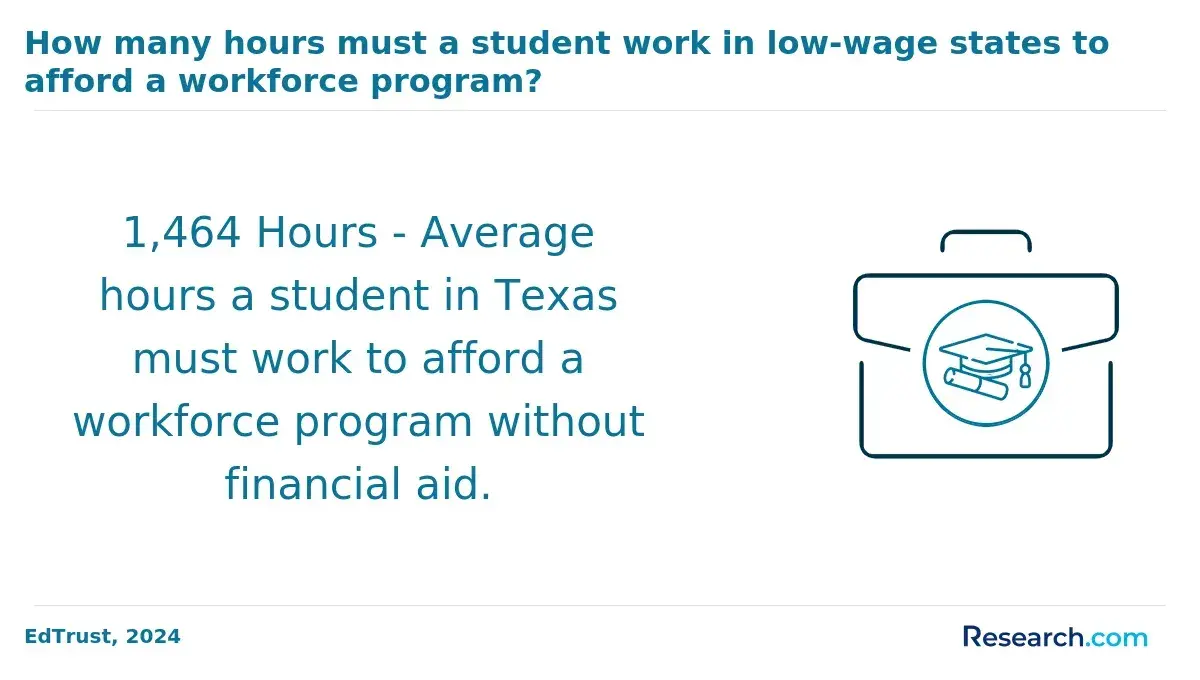
Adult learners pursuing an addiction counseling degree often do so to navigate complex career shifts such as moving into healthcare or human services roles that demand specific credentials. These students typically aim to improve salary prospects or secure roles with greater responsibility in industries experiencing credential inflation. Data from the 2024 National Center for Education Statistics indicates that nearly half of students aged 25 and older choose degree programs for career mobility or job transformation, reflecting a pragmatic focus on outcomes rather than traditional academic progression.
Additional factors shaping adult enrollment include enhanced employer tuition assistance programs and a growing availability of flexible learning formats like online or hybrid courses, which accommodate work-life balance and family obligations. The evolving regulatory environment for substance abuse counselors increasingly emphasizes licensure and updated clinical skills, prompting adults to return to education to maintain career relevance. These dynamics incentivize learners to select programs with practical curricula aligned to workforce standards, highlighting the interplay between professional demands and accessibility.
The rising presence of adult learners in addiction counseling programs also influences educational delivery, encouraging institutions to expand remote learning options and modular coursework tailored to the needs of experienced students. This demographic shift alters classroom interactions, blending diverse life experiences that enrich peer learning but also requires attention to differing support needs. Collectively, these trends underscore how adult education in addiction counseling reflects broader workforce reskilling patterns and the need for adaptable, outcome-driven pathways in contemporary higher education.
How Do Academic Goals Vary Between Younger and Older Addiction Counseling Students?
Younger students pursuing addiction counseling degrees often approach their education as a broad-based exploration aimed at building foundational knowledge and experimenting with different facets of behavioral health. Typically aged 18 to 24, these students prioritize completing undergraduate requirements efficiently while gaining exposure to various counseling techniques, which prepares them either for entry-level employment or graduate study. Their academic strategies commonly include seeking internships or practicums that offer generalist experience, aligned with evolving workforce expectations and licensing prerequisites. According to the National Center for Education Statistics 2024 report, this group tends to focus on credential attainment that opens initial career pathways rather than specialized professional advancement.
In contrast, adult learners in addiction counseling programs usually enter with specific workplace goals, often balancing education with existing job and family obligations. Their academic choices emphasize targeted skill development and would-be licensure milestones that offer practical, immediate applicability to their current roles or facilitate career shifts into supervisory or clinical positions. Flexible learning formats, such as part-time, evening, or online courses, are critical to accommodate these students' schedules. The Substance Abuse and Mental Health Services Administration (SAMHSA) 2024 study highlights that adult students prioritize evidence-based interventions and applied coursework directly relevant to ongoing professional responsibilities, reflecting their need for actionable competencies rather than exploratory education.
One adult learner shared that returning to school for an addiction counseling degree involved careful timing and strategic planning amidst a rolling admissions cycle. Initially hesitant to apply early due to work commitments, they waited until just before the deadline to submit materials, feeling unsure if they were prepared to juggle studies with their demanding job. The learner recalled, "I needed to know if I could handle the course load while working late shifts, so I delayed my application until I felt confident about negotiating schedule flexibility." This cautious approach reflects the practical considerations many older students weigh when aligning academic goals with professional and personal realities.
How Do Financial Concerns Differ Between Traditional Students and Adult Learners?
Traditional students pursuing an addiction counseling degree typically depend on a combination of family support, financial aid, and student loans to manage educational expenses. Their financial concerns often revolve around immediate tuition costs and the long-term implications of accumulating debt, with nearly 60% taking on student loans and shouldering median debt loads close to $22,000 according to the National Center for Education Statistics 2024 report. These students usually attend full-time and have fewer competing financial responsibilities, which influences their decision-making dynamics focused primarily on tuition affordability and managing living expenses. This dependency model shapes how they approach funding options and balances between upfront costs and eventual debt repayment.
In contrast, adult learners face more complex financial pressures that extend beyond tuition fees, including lost wages from reduced work hours, ongoing family obligations, and existing debt burdens. Many adult students rely on employer tuition assistance or federal grants aimed at workforce development while balancing part-time or full-time employment, as highlighted in the 2024 Lumina Foundation study where 72% of adult learners remain employed during their studies. The opportunity cost of returning to school for adults often complicates enrollment decisions, pushing them toward more flexible programs or online study formats-such as online accelerated nursing programs-that better accommodate their financial and scheduling needs. Unlike traditional students, adult learners frequently adopt a more risk-tolerant but financially nuanced approach due to competing household expenses and longer educational timelines.
These distinct financial realities influence enrollment trends and program selection across addiction counseling education pathways. Adult learners tend to prioritize programs offering flexibility and employer support to mitigate immediate financial strain, whereas traditional students focus on upfront affordability and debt considerations. The interplay of these factors also affects long-term return on investment calculations, as differing debt tolerance and income stability inform the perceived value of degrees drawn along lifecycle financial planning. Understanding these financial dynamics is crucial for prospective students evaluating tuition and funding differences for addiction counseling students and the practical tradeoffs inherent in their educational choices.
What Challenges Do Adult Learners and Traditional Students Face While Earning a Addiction Counseling Degree?
Traditional students pursuing an addiction counseling degree often confront challenges tied to adapting to structured academic environments and cultivating effective time management skills. Many are transitioning directly from high school or prior educational settings, requiring adjustments to rigorous coursework and discipline in study habits. This group frequently navigates the tension between building foundational academic competencies and maintaining social or extracurricular activities, which can influence motivation and workload balance. According to the 2024 National Center for Education Statistics, traditional students tend to have fewer external obligations such as full-time employment, yet their need to engage with campus resources and peer networks plays a significant role in their academic success.
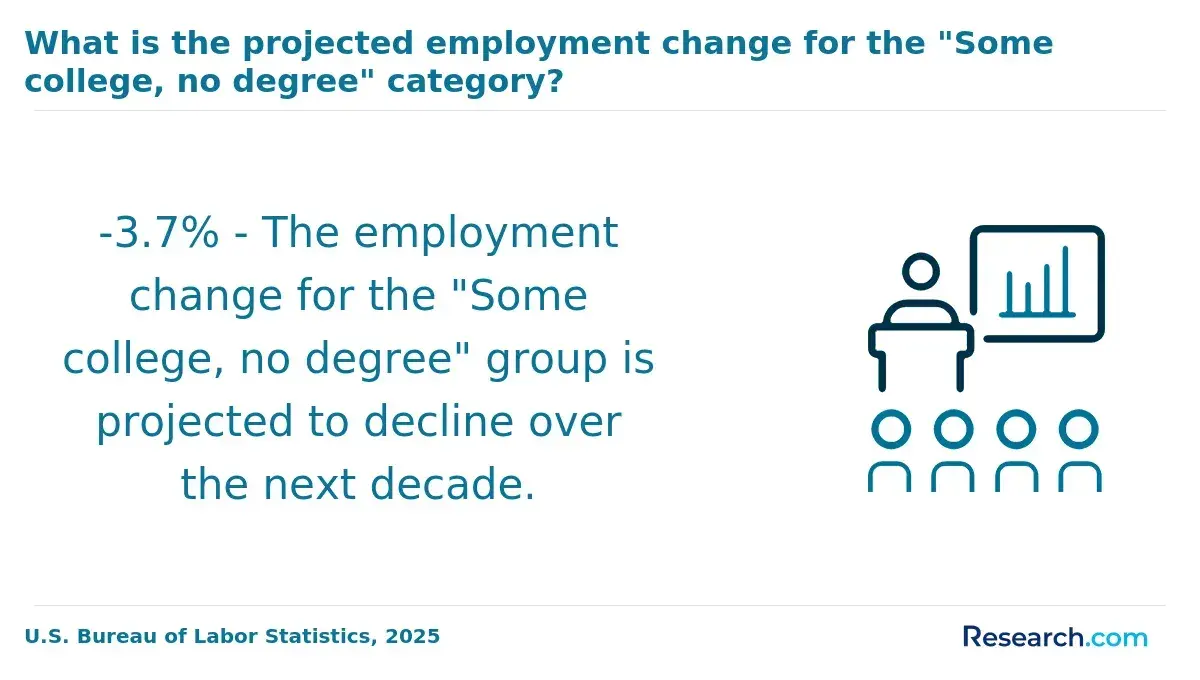
In contrast, adult learners enrolled in addiction counseling programs generally face a more complex interplay of responsibilities, balancing professional employment, family care, and academic commitments. Recent data indicates about 60% of adult learners juggle full-time jobs alongside their studies, heightening time pressures and complicating scheduling for required practical training components. Many must also reacclimate to academic environments after extended absences, contending with outdated study strategies and technology use while managing financial constraints exacerbated by limited eligibility for traditional aid. These factors collectively contribute to delayed enrollment decisions or increased debt risk, creating an educational experience shaped by external life demands and necessitating greater flexibility within program delivery.
Educational institutions have responded with various accommodations such as flexible course formats, evening or weekend classes, and enhanced advising tailored to distinct learner profiles. Balancing the divergent needs of traditional and adult students remains a crucial challenge, particularly in providing hands-on clinical opportunities essential for addiction counseling competency. Programs that effectively integrate these supports can reduce attrition and improve workforce readiness, acknowledging that the varied lifecycle stages and resource access of these populations fundamentally influence degree completion pathways and long-term professional integration.
How Does Age Affect Addiction Counseling Degree Student Retention?
Traditional-aged students in addiction counseling programs often face retention challenges rooted in the transition to rigorous academic environments and fluctuating motivation levels. Many in this age group struggle with adapting to college-level expectations, which can affect their persistence in demanding health and human services curricula. Social and developmental shifts common in late adolescence also contribute to inconsistent engagement, compounding dropout risks early in their studies. According to 2024 data from the National Center for Education Statistics, only about 56% of these younger students remain enrolled year-over-year in such fields, reflecting these adjustment hurdles.
In contrast, adult learners in addiction counseling typically demonstrate higher retention, around 68% persistence according to the same 2024 report, driven by clearer vocational objectives and practical experience. However, their continuity is frequently tested by external pressures such as work commitments, family responsibilities, and less flexible schedules, which necessitate program formats accommodating these constraints. Unlike younger peers, adult students often leverage employer tuition benefits or established time-management skills but require targeted institutional support to balance competing demands effectively. This dynamic suggests that retention improvements hinge on responsive academic policies and advising tailored to the diverse lifecycle circumstances of nontraditional students.
A graduate reflected on navigating admission decisions during rolling application periods, noting how age influenced her approach: juggling a full-time job and childcare initially delayed submitting required materials, creating a period of uncertainty. She hesitated over committing without clear timelines but ultimately prioritized completing prerequisites once the flexibility of evening courses was confirmed. This experience underscored how adults entering addiction counseling programs often must strategically time enrollment steps amid competing life demands, contrasting with younger students who typically engage earlier but may struggle more to sustain momentum once enrolled.
Which Addiction Counseling Specializations Are Most Popular Among Adult Learners?
Adult learners pursuing an addiction counseling degree often select specializations that enable immediate application of skills and support tangible career transitions. Unlike traditional students who may prioritize foundational knowledge or graduate study preparation, this group focuses on specialties that build on existing work experience, enhance employability, and address workforce demands. Their choices reflect a strategic orientation toward roles with clearer advancement potential, salary improvement, and adaptability to evolving treatment environments. Understanding these tendencies is essential to grasp enrollment dynamics and professional development trajectories among mature students.
- Dual Diagnosis Counseling: Adult learners gravitate toward this specialization because it equips them to handle co-occurring mental health and substance use disorders, a growing priority in integrated care settings. This expertise not only increases job placement rates but also aligns with many employers' demand for clinicians capable of managing complex cases.
- Trauma-Informed Addiction Counseling: This specialization appeals to working professionals seeking to expand skill sets with evidence-based, trauma-sensitive approaches widely adopted across healthcare and community programs. Its practical relevance to real-world clinical scenarios supports meaningful skill updating for those already in counseling roles.
- Family and Youth Addiction Counseling: Specializing in this area suits those aiming to work with younger populations and family systems, often in community or educational settings. Adult learners with backgrounds in social services or education recognize the value of targeted interventions that broaden employment possibilities.
- Clinical Supervision and Leadership: Experienced practitioners often select this path to transition into supervisory roles, leveraging prior clinical expertise to advance into management or training positions. The specialization addresses a workforce need for skilled leadership in addiction treatment programs.
- Pharmacological Treatment Approaches: This specialization attracts learners interested in integrating medication-assisted treatment knowledge with counseling practices, reflecting a sector trend toward combined behavioral and pharmacological interventions.
According to data from the National Center for Addiction Studies, counselors with dual diagnosis certification report a 15% higher placement rate than generalist counterparts, underscoring labor market preferences that drive specialization choices. These patterns illustrate how adult learners prioritize programs that directly impact employability and income potential, reflecting practical responses to industry demands and personal career reinvention objectives.
This focus on specialized, in-demand addiction counseling career paths for mature students often aligns with the need to balance education with ongoing employment commitments, leading to selective program enrollment that maximizes return on investment. Comparatively, traditional students frequently pursue broader or preparatory focus areas, highlighting a clear differentiation in educational strategy linked to age and professional status. Those evaluating pathways must weigh these factors alongside flexibility and credential recognition within treatment systems.
Prospective adult learners may also consider how their specialization fits within broader workforce trends and complementary fields by exploring related credentials, such as an online degree in exercise science, which some integrate for holistic treatment approaches or interdisciplinary career options.
How Does Age Affect Job Opportunities for Addiction Counseling Graduates?
Graduates in addiction counseling who are younger-often aged 18 to 24-generally find entry-level positions more accessible, benefiting from recent academic preparation and established internship pipelines that facilitate early-career employment. Their lack of extensive prior work experience is offset by employers' emphasis on foundational counseling skills, certifications, and the readiness to adapt within clinical settings. This demographic experiences quicker transitions into full-time roles, which can extend career runway and provide practical exposure that strengthens their positioning within the labor market. For those evaluating program options at this stage, understanding how traditional students navigate job prospects is crucial for aligning educational timing and career ambitions, especially when considering the easiest degree in counseling pathways.
Conversely, adult learners entering addiction counseling later in life often leverage prior professional and interpersonal experiences that enhance their qualifications for supervisory or specialized roles despite potential challenges securing entry-level jobs. Although some employers may harbor biases around career shifts, these graduates typically display emotional maturity and problem-solving abilities valued in behavioral health settings, which can offset initial salary disparities; the National Association for Alcoholism and Drug Abuse Counselors reported a median starting salary approximately 10% lower for adult graduates, a gap that tends to narrow with five years of experience. Recognizing these employment lifecycle dynamics helps adult learners navigate practical tradeoffs and capitalize on career advancement opportunities for adult addiction counseling graduates.
What Do Current Addiction Counseling Enrollment Trends Reveal About Future Demand?
Shifting enrollment patterns in addiction counseling programs reveal nuanced changes in student engagement and perceived career viability. Traditional college-age students still represent a significant segment, but the rising participation of adult learners signals widening recognition of the degree's relevance beyond entry-level preparation. This trend correlates with expanding online program availability and flexible curricula accommodating non-traditional schedules, attracting candidates balancing professional and personal commitments. Enrollment increases thus reflect not only growing academic interest but also evolving expectations around practical skill development tailored to real-world treatment environments.
These enrollment dynamics correspond with broader labor market signals indicating persistent demand for qualified addiction counselors. Employment projections foresee a 12% growth over the next decade, reflecting ongoing workforce shortages and systemic expansion in behavioral health services. Programs emphasizing culturally competent and competency-based education align with employer preferences seeking practitioners ready for diverse, complex cases. Consequently, enrollment trends not only forecast program growth but also suggest a diversification of specializations driven by technological advances and policy reforms impacting the delivery of substance use treatment.
References
- Going Back to School as an Adult: a Step-by-Step Guide https://insights.ehl.edu/going-back-to-school-as-an-adult
- Best Online Addiction Counseling Degrees 2025 https://www.affordablecollegesonline.org/degrees/counseling-programs/addiction-counseling/
- The TEDS Report: Age of Substance Use Initiation among Treatment Admissions Aged 18 to 30 https://www.samhsa.gov/data/sites/default/files/WebFiles_TEDS_SR142_AgeatInit_07-10-14/TEDS-SR142-AgeatInit-2014.htm
- Teenage Drug Use Statistics [2025]: Data & Trends on Abuse https://drugabusestatistics.org/teen-drug-use/
- Addiction specialization program equips students to make a difference in their communities | Lipscomb University https://lipscomb.edu/news/addiction-specialization-program-equips-students-make-difference-their-communities
- Mental Health and Post-traditional Learners https://www.higheredtoday.org/2019/04/22/mental-health-post-traditional-learners/
- Traditional Vs. Non-Traditional Students in Higher Education https://moderncampus.com/blog/traditional-vs-non-traditional-students-in-higher-education.html
- How Much Can You Make as an Addiction Counselor? https://www.hazeldenbettyford.org/graduate-school-addiction-studies/drug-alcohol-counselor-salary
- Accelerated Addiction Counseling Programs | Fast Track Degrees https://www.addiction-counselors.com/blog/accelerated-addiction-counseling-programs/
- Substance Abuse In College Students: Statistics & Rehab Treatment https://americanaddictioncenters.org/rehab-guide/college
Other Things You Should Know About Addiction Counseling
In 2027, flexible formats like online and hybrid courses are drawing more adult learners to addiction counseling degrees. These options cater to their need for balancing work, family, and study. Traditional students still prefer conventional on-campus experiences, though there's a growing acceptance of hybrid learning for its convenience.
While adult learner-focused programs often emphasize practical application, case management, and real-world integration, traditional students may find them less suited for immersive campus resources and peer networking. For younger students, prioritizing programs with comprehensive on-campus supports and structured internships might offer long-term advantages in building professional networks, which employers value in addiction counseling roles. Thus, traditional students often gain more by choosing programs designed around younger adult schedules and social engagement.
Employers in addiction counseling tend to value both credentials and relevant experiential hours, meaning adult learners' prior work experience can offset a longer educational timeline. Traditional students, however, may face pressure to secure internships and clinical placements early to prove readiness. Choosing a program that balances credentialing speed with hands-on experience matters greatly depending on age: adult learners can leverage professional maturity, but traditional students often must maximize educational exposure to meet entry-level employer standards.
Adult learners should prioritize programs offering modular coursework and integrated practicum options to spread clinical requirements over time, reducing burnout risk. This approach typically yields better retention and skills mastery compared to condensed full-time programs that may overwhelm those juggling external responsibilities. Adult learners benefit most from pacing their studies to maintain quality learning without sacrificing income or family obligations-making part-time, cohort-based programs a strategic choice for sustainable progress.