2027 Addiction Counseling Job Market Report: Open Roles, Salary Bands, and Hiring Momentum

Co-Founder and Chief Data Scientist
Labor market dynamics in addiction counseling reflect complex shifts beyond simple demand metrics. Open roles and salary bands serve as barometers for changing employer priorities, such as increasing credential expectations and adapting to technological tools in treatment delivery.
Recent regulatory updates around telehealth and integrated care models disrupt traditional hiring patterns, prompting organizations to seek professionals with hybrid skills. Geographic concentration of openings reveals regional disparities shaped by local policy and investment cycles.
Meanwhile, workforce demographics, particularly an aging counselor population, signal emerging challenges for pipeline sustainability. This report examines open roles, compensation ranges, and hiring momentum as indicators of evolving labor conditions and professional trajectories in addiction counseling.
Key Things to Know About Addiction Counseling Job Market
- Job openings for addiction counseling are growing steadily but clustered in public and nonprofit sectors, signaling that candidates must weigh fewer private options with potentially lower pay against public stability.
- A 2024 workforce report highlights that salary growth lags behind demand, reflecting budget constraints in many employers; understanding this tradeoff is crucial for managing long-term career expectations.
- Hiring momentum favors those with clinical experience over entry-level credentials, indicating prospective students should consider the time and cost of experience-building pathways rather than rushing credential completion.
- Key Things to Know About Addiction Counseling Job Market Key Things to Know About Addiction Counseling Job Market
- How Strong Is Demand for Addiction Counseling Graduates in Today's Job Market? Demand for Graduates
- Which Addiction Counseling Careers Have the Most Open Job Opportunities? In-Demand Careers
- What Salary Bands Are Employers Offering Across Addiction Counseling Careers? Offered Salary Bands
- Which Industries Are Hiring the Most Addiction Counseling Graduates? Top-Hiring Industries
- How Does Hiring Demand Vary by State, Region, and City? Hiring Demand by Location
- What Skills Are Employers Prioritizing in Addiction Counseling Job Postings? In-Demand Skills
- Which Certifications Increase Employability and Salary Potential? High-Value Certifications
- How Do Remote and Hybrid Opportunities Affect the Addiction Counseling Job Market? Remote and Hybrid Opportunities
- Which Addiction Counseling Careers Show the Strongest Long-Term Hiring Momentum? Strongest Careers
- How Can Students Use Job Market Data to Make Better Career Decisions? Utilizing Job Market Data
How Strong Is Demand for Addiction Counseling Graduates in Today's Job Market?
Labor market data from the U.S. Bureau of Labor Statistics (2024) confirm that demand for addiction counseling graduates is expanding at a pace exceeding average occupational growth, driven by rising public health priorities and broader access to behavioral treatment services. Recent LinkedIn Workforce Reports reveal steady openings primarily concentrated in community health centers, correctional facilities, and outpatient programs, though hiring patterns show significant regional variation influenced by state licensure laws and local healthcare infrastructure.
The availability of jobs for addiction counseling graduates aligns with growing recognition of substance use disorders but stiff competition persists in urban centers where larger graduate cohorts emerge annually, intensifying the need for specialized skills and credentials.
Key demand drivers include heightened attention to opioid misuse, expansion of mental health benefits under insurance frameworks, and integration of trauma-informed approaches within care models, each increasing employer preferences for counselors with targeted expertise.
Additionally, technology adoption in documentation and telehealth expands service delivery but requires counselors to adapt to evolving clinical workflows and regulatory standards. Regional economic shifts and funding fluctuations continue to shape salary scales and job availability, amplifying the importance for candidates to balance immediate job prospects with long-term credentials and certifications that enhance career resilience and mobility in this field of addiction counseling graduate job demand in the US.
For prospective students evaluating entry into addiction counseling, interpreting these labor market signals means weighing the variability in starting salaries and employer expectations against the complexity of licensure and supervised experience requirements.
Those prepared with bilingual abilities or competencies in co-occurring disorders often secure more competitive positions. Awareness of these factors alongside exploration of easy DNP programs for advanced healthcare roles can inform strategic educational choices, positioning graduates effectively as demand evolves within the addiction counseling sector.
Which Addiction Counseling Careers Have the Most Open Job Opportunities?
Job opportunity distribution within addiction counseling careers reflects broader labor market shifts driven by industry expansion, persistent skills shortages, and evolving employer requirements. Increasing public investment in behavioral health, along with amplified efforts to address complex substance use disorders, fuels demand for specific clinical roles with specialized credentials.
Employer needs now emphasize evidence-based intervention competencies paired with practical experience in integrated treatment settings. Moreover, geographic and demographic variables shape hiring trends, particularly in underserved and rural regions where service gaps remain substantial.
- Licensed Clinical Social Workers (LCSWs) Specializing in Addiction: These professionals dominate hiring activity due to their dual expertise in clinical social work and addiction treatment, enabling them to navigate complex psychosocial factors that influence recovery. Hospital systems, community health agencies, and government programs frequently seek LCSWs for their ability to manage co-occurring disorders and deliver trauma-informed care, aligning with modern integrated service models.
- Certified Addiction Counselors (CACs): CACs lead in outpatient care and residential facility hiring pools, reflecting ongoing expansion of treatment access amid opioid and stimulant crises. Their role requires proficiency in motivational interviewing, relapse prevention, and group facilitation, skills highly prioritized by employers targeting measurable patient engagement and retention outcomes.
- Licensed Professional Counselors (LPCs) with Addiction Credentials: LPCs focusing on addiction are increasingly sought after for individualized clinical interventions, placement in multidisciplinary teams, and regulatory compliance expertise. They provide versatility across adolescent, adult, and family counseling contexts, responding to growing demand for age-specific and culturally sensitive treatment approaches.
- Adolescent and Family Addiction Counselors: Focus on early intervention and systemic treatment positions these roles for notable job openings. Agencies and schools place high value on counselors capable of addressing complex family dynamics and developmental challenges, which facilitates prevention efforts that reduce long-term community healthcare costs.
- Behavioral Health Case Managers with Addiction Focus: These professionals ensure continuity of care across inpatient, outpatient, and community-based programs, navigating insurance, social services, and clinical providers. Their competencies in resource linkage and client advocacy respond to employer interest in reducing treatment dropout rates and improving long-term recovery trajectories.
- Substance Abuse Counselors in Correctional Facilities: Increasing recognition of incarceration as a critical intervention point fuels demand for counselors equipped to work within correctional health systems. Skills in trauma-informed care, crisis de-escalation, and reentry planning distinguish these roles from traditional outpatient settings.
- Recovery Coaches and Peer Support Specialists: While often non-licensed, these positions have grown alongside clinical roles as employers seek to enhance engagement by integrating lived experience and motivational support to complement formal counseling services.
Employment growth for substance abuse and behavioral disorder counselors is projected at 13% from 2022 to 2032 according to the BLS Occupational Outlook Handbook, a rate substantially faster than average.
Understanding this trend requires recognizing how economic, organizational, and regulatory factors shape where professionals are most needed. Those aiming to maximize opportunity should weigh the practical tradeoffs of credentialing pathways, geographic mobility, and sector-specific competencies.
For example, prospective counselors might consider programs emphasizing licensing aligned with evolving state requirements or explore hybrid roles blending counseling with case management. Importantly, continued workforce development depends not only on credential attainment but also on retention strategies responsive to burnout and secondary trauma challenges prevalent in addiction counseling careers.
For individuals researching educational pathways related to this field, exploring options like the health information management degree online can provide complementary skills valuable in managing patient data and navigating healthcare systems, further enhancing employability within addiction-related behavioral health services.
What Salary Bands Are Employers Offering Across Addiction Counseling Careers?
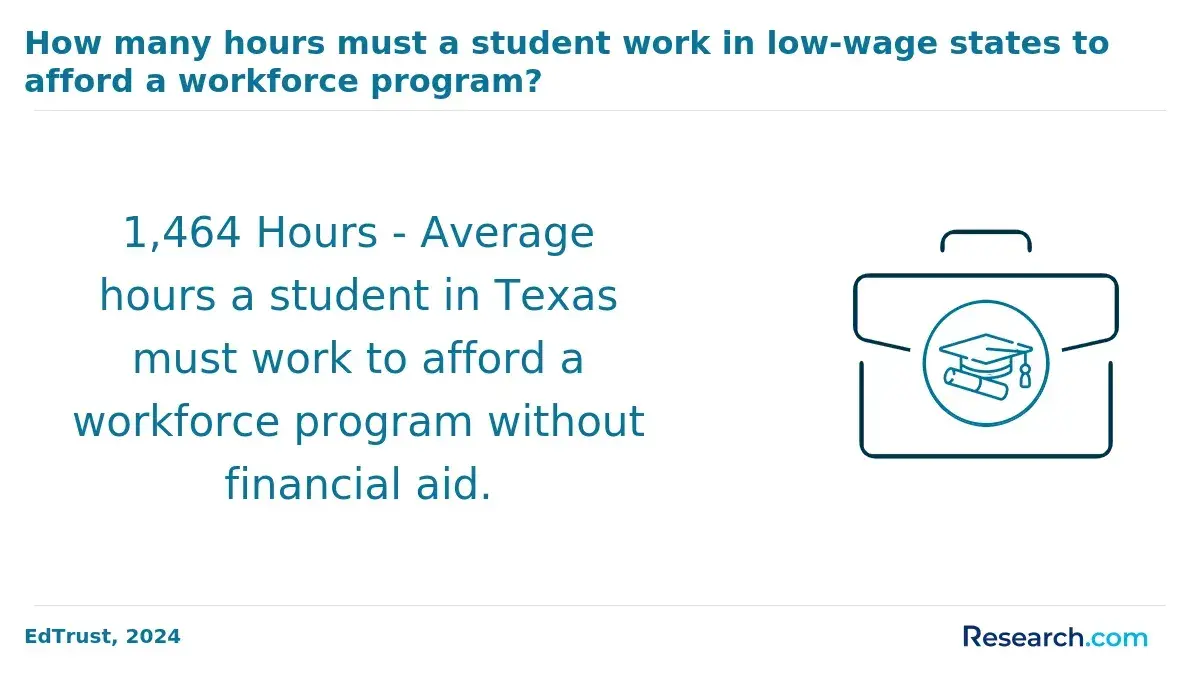
Compensation in addiction counseling careers typically progresses from entry-level salaries around $35,000 to $50,000 annually, moving through mid-tier roles offering $50,000 to $70,000, and reaching senior-level positions that often range from $70,000 to $90,000 or more, according to 2024 labor data from the U.S. Bureau of Labor Statistics and LinkedIn Salary Insights. These figures reflect broad labor market trends where educational attainment, certification, and direct client management responsibilities increasingly influence pay scales.
Entry positions usually involve supervised practice with basic treatment duties, while mid-level roles require autonomy in caseload management and specialized expertise, and senior counselors often carry leadership and program design responsibilities that justify top-tier pay. The data mirrors a typical wage trajectory aligned with increasing skill complexity, regulatory credentials, and agency size or funding scope within behavioral health settings.
Variability in these salary bands stems largely from factors such as specialization, geographic location, and employer type, which significantly shape demand and compensation structures. Counselors with certifications addressing co-occurring disorders or trauma-informed care tend to command higher wages within the same experience bracket due to skill scarcity and emerging clinical priorities.
Geographic disparities are pronounced, with urban centers and well-funded treatment facilities offering elevated salaries compared to rural or nonprofit settings, where wages may be lower but offset by job security or additional benefits. Moreover, the competitive behavioral health labor market compels providers to adjust salaries based on caseload intensity, state licensure requirements, and the availability of experienced clinicians, translating into a complex interplay of labor supply, credentialing, and organizational budget constraints.
One recent graduate recalled the uncertainty during their program application for addiction counseling, sharing that the rolling admissions process forced a strategic balancing act. They hesitated to submit their complete materials early, wary of committing before exploring other options, but felt mounting pressure as decision deadlines approached. The delay meant juggling incomplete prerequisites alongside job interviews, contributing to stress about enrollment timing and financial planning.
Ultimately, they described relief in finalizing their application just before the cutoff, emphasizing how navigating admissions timing critically affected their transition into the field and financial expectations tied to salary bands discussed.
Which Industries Are Hiring the Most Addiction Counseling Graduates?
Current hiring demand for addiction counseling graduates centers on industries experiencing significant workforce growth, digital adaptation in service delivery, and persistent skill shortages. These sectors increasingly recognize addiction as a chronic health condition requiring integrated care approaches, which elevates the need for specialized counseling competencies.
As such, recruitment reflects broader shifts in public health strategy, government funding, and educational priorities rather than isolated job openings.
- Healthcare and Social Assistance: This sector remains the largest employer due to expanding behavioral health services across hospitals, outpatient clinics, and rehabilitation centers. Increasing integration of digital health tools and coordinated care models fuels demand for addiction counseling graduates proficient in evidence-based therapeutic techniques and able to navigate interdisciplinary teams.
- Government and Public Health Agencies: Federal, state, and local governments are amplifying investments in addiction treatment through grant-funded initiatives targeting correctional facilities, veteran services, and community health programs. Candidates with skills in program implementation, policy compliance, and culturally informed counseling are prioritized to meet these complex, regulated environments.
- Educational and Academic Institutions: Schools and universities hire addiction counseling professionals to provide prevention and intervention programs addressing substance use among students and families. Employers value graduates skilled in adolescent development, educational collaboration, and prevention program coordination to effectively operate within academic settings.
Data from the National Institute on Drug Abuse indicates a 15% surge in demand for addiction counseling professionals within these industries over the last two years, underscoring a sustained market shift.
Early-career entrants who develop competencies aligned with these sector-specific needs, such as trauma-informed care in criminal justice or digital patient engagement in healthcare, are positioned for stronger employment outcomes and salary growth compared to more general counseling pathways.
How Does Hiring Demand Vary by State, Region, and City?
Hiring demand for addiction counseling positions varies significantly across states and broader regions, shaped by differences in population density, public health priorities, and funding availability. States like California, New York, and Florida, which combine larger urban populations with higher incidences of substance use disorders, consistently show stronger job openings and more active recruitment, reflecting robust healthcare infrastructure and growing outpatient treatment networks.
Conversely, the Midwest and rural areas often experience more sporadic or limited demand, constrained by smaller employer bases and narrower program budgets. These regional disparities mirror labor market dynamics detailed in workforce analytics platforms, which highlight how addiction counseling job demand by state is influenced not only by epidemiological trends but also by state-specific funding policies and the concentration of community health resources.
At the city level, metropolitan areas with integrated healthcare systems and specialized treatment programs, such as Boston, Seattle, and Los Angeles, tend to offer more intense hiring activity, higher salary ranges, and competitive employer landscapes due to denser healthcare clusters and well-developed talent pipelines. Urban centers within these hubs leverage local economies of scale and complex treatment ecosystems to sustain demand for addiction counseling roles, though cost of living adjustments often impact salary competitiveness and candidate decisions.
In contrast, smaller or economically distressed cities may present easier entry points for early-career professionals but generally lack extensive full-time opportunities and advancement pathways. For prospective students evaluating their local labor market options, understanding regional hiring trends for addiction counseling roles alongside these city-specific conditions is essential.
Those seeking to balance credential development and market access might also review pathways such as what is the easiest RN to BSN online program to inform flexible educational choices aligned with their target employment geography.
What Skills Are Employers Prioritizing in Addiction Counseling Job Postings?
Employer demands in addiction counseling are shifting in response to technological advancements, regulatory changes, and a growing emphasis on integrated, patient-centered care. These dynamics require a more nuanced skill set that blends clinical expertise with digital literacy and cultural responsiveness.
As health systems increasingly prioritize measurable outcomes and interdisciplinary coordination, candidate profiles must similarly evolve to meet complex operational and compliance-driven expectations.
- Expertise in Evidence-Based Therapies: Proficiency in Cognitive Behavioral Therapy and Motivational Interviewing remains foundational due to their proven impact on treatment success. Employers prioritize these skills as they align with a data-driven approach to recovery, ensuring counselors can implement validated methods that contribute directly to patient improvement and funding justification.
- Electronic Health Records (EHR) Competency: Familiarity with EHR systems has transitioned from a desirable to an essential qualification in roughly 68% of current job postings. Mastery of these platforms supports accurate documentation, regulatory compliance, and seamless interdisciplinary communication, positioning candidates as operationally indispensable in modern clinical environments.
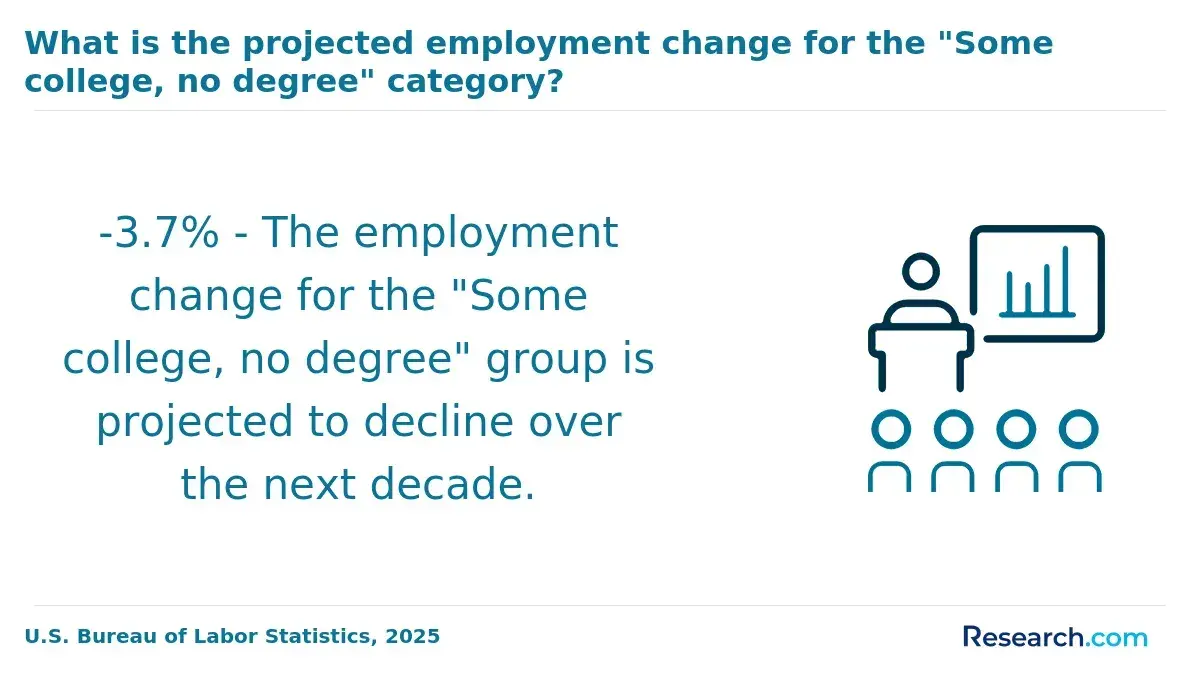
- Case Management and Regulatory Knowledge: Navigating federal and state healthcare regulations requires counselors to integrate legal and procedural rigor within their clinical practice. This competence enables programs to maintain accreditation and secure continued funding, elevating candidates who understand policy implications beyond direct patient care.
- Soft Skills and Cultural Competence: Emotional intelligence, trust-building, and sensitivity to diverse patient backgrounds are emphasized by over 80% of employers according to recent workforce studies. These interpersonal abilities reflect broader shifts toward addressing social determinants of health and improving engagement with clients from varying communities.
- Integrated Treatment and Crisis Intervention: Employers increasingly expect counselors to manage co-occurring disorders and conduct group or family therapy. Skills in crisis de-escalation further demonstrate readiness to respond effectively to acute patient needs, which is critical in high-stress environments and directly influences safety and treatment continuity.
- Certification and Credentialing: Credentials such as Licensed Alcohol and Drug Counselor signal formalized training and adherence to professional standards. These certifications often correlate with higher employability and salary prospects, underscoring the value employers place on verified competence.
- Data-Driven Outcome Measurement: Ability to collect and interpret treatment outcomes is gaining importance as programs face increasing scrutiny from funders and regulators. Counselors who contribute to outcome evaluation help organizations optimize services and justify resource allocation, enhancing their strategic role beyond traditional clinical duties.
Which Certifications Increase Employability and Salary Potential?
Certifications in the addiction counseling field function as critical markers of specialized expertise, practical skill proficiency, and industry preparedness. Rather than serving merely as formalities, these credentials signal to employers that a candidate meets specific competency thresholds aligned with evolving treatment methodologies and regulatory standards.
They complement academic training by addressing gaps in applied knowledge, helping candidates stand out in a competitive labor market increasingly focused on evidence-based interventions and credential verification.
- Certified Addiction Counselor (CAC): Widely accepted as a foundational credential, the CAC validates core counseling competencies essential for effective client engagement and treatment planning. It aligns closely with entry-level job requirements and addresses a broad industry need for practitioners grounded in established addiction treatment frameworks, often leading to a salary premium compared to non-certified peers.
- Licensed Clinical Addiction Specialist (LCAS): This advanced license represents both clinical expertise and supervisory capability, making it attractive in settings requiring oversight of treatment protocols. Employers value the LCAS for its role in filling leadership gaps and ensuring high standards of care, which translates into access to higher-paying clinical or administrative roles.
- Certified Alcohol and Drug Counselor (CADC): Especially prized in states with rigorous licensure laws, the CADC emphasizes evidence-based approaches and compliance knowledge. Its prevalence among mid-tier roles reflects employer demand for counselors who can navigate complex regulatory environments, boosting hiring competitiveness and often correlating with improved compensation.
- Specialty Certifications (e.g., Trauma-Informed Care, Medication-Assisted Treatment): These niche credentials address emerging areas within addiction services that respond to specific patient populations or treatment modalities. Their strategic value lies in differentiating candidates for specialized programs and leadership in integrated care models, with potential wage enhancements depending on regional or organizational priorities.
According to 2024 data from the U.S. Bureau of Labor Statistics and recent National Association of Addiction Treatment Providers surveys, professionals holding certifications like CAC or LCAS can expect salary increases averaging 10-15%, underscoring the economic advantage of verified expertise in this labor market segment.
One recent graduate shared that during the rolling admissions process, uncertainty about when to complete certification steps created a tension between gaining credentials quickly and taking time to find the right program fit. They hesitated initially, worried about delaying applications due to pending exam results but ultimately found that timing certification completion to coincide with application deadlines maximized both credential recognition and enrollment opportunities.
This careful sequencing not only eased financial planning but also enhanced their job market position, illustrating how managing certification timelines is as crucial as obtaining the credentials themselves.
How Do Remote and Hybrid Opportunities Affect the Addiction Counseling Job Market?
The infusion of remote and hybrid work options has materially altered hiring patterns within addiction counseling roles, reflecting broader labor market restructuring seen in 2024 workforce analytics. Employers now routinely expand their recruitment beyond traditional geographic limits, leveraging telehealth capabilities to tap into candidates from rural and underserved areas, thus broadening the addiction counseling remote work opportunities compared to pre-pandemic norms.
Salary adjustments increasingly factor in regional cost variations, but some organizations choose standardized pay to remain competitive in an intensifying talent market. Data from recent industry reports indicate that nearly 40% of addiction counseling openings now incorporate hybrid or fully remote elements, signaling a sustained shift in employer expectations and candidate adaptability requirements.
These evolving work models reshape how geographic mobility and talent competition unfold in addiction counseling fields. With salary normalization pressures mounting, candidates increasingly differentiate themselves through proficiency in digital communication platforms and telehealth service delivery, underscoring shifting employer priorities toward hybrid work models impact on addiction counseling jobs.
The pressure to master technological tools alongside clinical skills reflects in hiring criteria, while regulatory and reimbursement complexities continue to temper the full adoption of remote work. For professionals evaluating their market position, cultivating telehealth competencies alongside traditional practice foundations can enhance competitiveness. For a detailed view on remuneration trends across healthcare certifications, including overlaps in digital skill demands, research the CPC certification salary.
Which Addiction Counseling Careers Show the Strongest Long-Term Hiring Momentum?
Long-term hiring momentum in addiction counseling careers is primarily the result of structural transformations in healthcare and social support systems, rather than short-term fluctuations in job availability. This momentum reflects enduring economic shifts such as increased public health funding, regulatory changes emphasizing credentialing, and the integration of technology in service delivery.
Analyzing hiring trends through the lens of industry evolution and sustained workforce demand provides clearer insight into which roles offer lasting employment stability.
- Licensed Addiction Counselors (LAC): These roles exhibit strong long-term growth due to regulatory frameworks that require certification for reimbursement in many treatment programs. The emphasis on licensed professionals ensures ongoing demand, reinforced by expanding access to substance use disorder treatments and policy-driven funding priorities.
- Certified Alcohol and Drug Counselors (CADC): CADCs benefit from employer preferences for verified credentials that guarantee adherence to professional standards. This credential's link to higher salary bands and accelerated hiring is underpinned by a broader push for quality assurance in addiction services within outpatient and residential care settings.
- Adolescent and Family Addiction Counselors: Emerging demographic patterns and a preventive focus on youth addiction increase demand for counselors skilled in early intervention. Treatment providers and community programs increasingly prioritize family-centered approaches, shaping durable labor needs in these specialized roles.
- Telehealth-Capable Counselors: With telehealth becoming a permanent delivery model, counselors proficient in remote care technologies gain a competitive advantage. The integration of digital health initiatives sustains demand for professionals who can navigate virtual treatment environments while meeting evolving compliance and privacy regulations.
According to the U.S. Bureau of Labor Statistics (2024), substance use disorder counselors are projected to grow by 22% through 2032, far surpassing average occupational growth. This long-term job growth trend in addiction counseling roles is evident in regions with the highest sustained hiring for addiction counseling professionals, where public health initiatives and demographic changes intensify demand.
Positions such as licensed addiction counselors and certified alcohol and drug counselors show particularly robust momentum. Employers increasingly seek candidates holding these certifications because they indicate adherence to professional standards and legal requirements, which directly affect reimbursement and funding eligibility in many treatment settings.
Other career paths showing durable growth include roles focused on adolescent and family addiction counseling, where demographic shifts and recognition of early intervention's effectiveness drive hiring. Additionally, counselors with competencies in telehealth delivery are more competitive, as remote care models gain permanence in the post-pandemic landscape.
Prospective students considering entry into addiction counseling should critically evaluate program outcomes and licensure preparation, as well as the practical demands of keeping pace with evolving treatment technologies. Resources exploring related qualifications and pathways can be found by researching medical programs online.
How Can Students Use Job Market Data to Make Better Career Decisions?
Students considering addiction counseling can leverage job market data from recent labor reports, hiring platforms, and 2024 salary databases to evaluate critical factors like regional demand, compensation ranges, and field growth trajectories. This data enables targeted decisions about where opportunities are expanding geographically, highlighting metropolitan areas or states with increasing openings, and which specializations command higher wages or demonstrate stronger future demand.
Interpreting these trends also reveals employer preferences for skills such as clinical experience combined with data-driven treatment familiarity, offering practical direction for selecting internships and certifications that align with current hiring standards.
However, students must balance labor market indicators with long-term career stability and personal priorities, recognizing the limits of short-term fluctuations in hiring or salary data. Geographic flexibility can widen employment prospects, but candidates should weigh relocation feasibility alongside growth potential.
Skill alignment with emerging industry segments, like telehealth or integrated behavioral services, enhances employability but must be integrated thoughtfully with individual interests and strengths. Overreliance on brief market spikes risks pursuing transient roles; combining data analysis with defined career objectives improves decision outcomes, helping students develop adaptable, realistic pathways within addiction counseling's evolving landscape.
References
- What Do Substance Abuse & Addictions Counselors Do? https://www.psychology.org/careers/substance-abuse-addiction-counseling/
- How Much Can You Make as an Addiction Counselor? https://www.hazeldenbettyford.org/graduate-school-addiction-studies/drug-alcohol-counselor-salary
- What Professions Have the Highest Rates of Substance Abuse? - Mission Harbor Behavioral Health https://sbtreatment.com/professions-high-substance-abuse/
- How to Find Careers in Substance Abuse Treatment & Recovery https://www.addictions.com/find-careers-in-substance-abuse/
- Beyond "Getting a Job": Understanding and Addressing Employment and Career Development Issues https://www.naadac.org/beyond-getting-a-job-understanding-and-addressing-employment-and-career-development-issues
- Addiction Counselor Salary | Substance Abuse Counselor Salary https://www.addictionacademy.com/careers-addiction/addiction-counselor-salary/
- Substance Abuse Counselor Salary and Potential Careers | Bradley University Online https://onlinedegrees.bradley.edu/blog/substance-abuse-counselor-salary-potential-careers
- What Professions Have the Highest Rates of Drug Abuse? (Top 10 Industries) https://www.therecoveryvillage.com/drug-addiction/professions-highest-rate-abuse/
Other Things You Should Know About Addiction Counseling Job Market
Higher salaries in addiction counseling often correlate with positions in specialized or private sector settings, but these roles may have less job security compared to public or nonprofit organizations. Candidates need to assess whether a higher paycheck compensates for potentially greater funding volatility or shorter contract lengths. Prioritizing stability might mean accepting a lower salary but benefiting from more consistent caseloads and organizational support, which can impact long-term career resilience and professional growth.
Caseload size significantly influences job quality and burnout risk in addiction counseling. Agencies with lower average caseloads often provide more time for client engagement and professional development, yet those roles may offer slower salary growth or fewer administrative resources. It is advisable to prioritize manageable caseloads early in a counseling career to build a sustainable practice, even if that means temporarily sacrificing income or prestige.
The alignment between a program's curriculum and employer expectations can shape how readily graduates enter the job market and advance professionally. Programs emphasizing experiential learning and evidence-based practices tend to produce candidates who adapt quickly, garnering stronger hiring momentum. Prospective students should prioritize programs that incorporate current clinical methodologies and supervised practical hours to meet evolving employer demands efficiently.
Specialization in niche areas of addiction counseling can result in higher salaries but may limit geographic mobility due to varied regional demand. Conversely, generalized counseling skills increase flexibility but often come with broader but lower-paying opportunities. Early-career professionals should evaluate their willingness to relocate or focus narrowly; those aiming for specialization should be ready to target specific markets where their niche expertise is most valued to maximize both income and career advancement.