2027 Addiction Counseling ROI by Institution Type: Public vs Private vs Nonprofit Online Programs

Co-Founder and Chief Data Scientist
A prospective student compares public, private, and nonprofit online addiction counseling programs that seem equally credible but show stark differences in tuition fees, student loan default rates, and graduation efficiency. A 2024 National Student Clearinghouse report reveals that private nonprofit online graduates have a 12% higher loan default rate than public counterparts, highlighting hidden financial risks. Such disparities affect long-term earning potential and employability, especially in a profession tied to licensure and ongoing education.
Understanding how institutional type influences career trajectory and debt burden is critical for making a pragmatic choice. This article analyzes addiction counseling ROI by institution type to clarify these vital tradeoffs.
Key Things to Know About Addiction Counseling ROI by Institution Type
- Public online addiction counseling programs often have lower tuition and more robust state funding, reducing student debt but may have longer average completion times, affecting opportunity cost and delaying workforce entry.
- Private institutions typically provide stronger career services and alumni networks, enhancing employer recognition and job placement, though higher costs can narrow net ROI for cost-sensitive students.
- Nonprofit programs commonly balance affordability with flexible scheduling for working adults, but varying accreditation standards impact employer perception and long-term credential value, requiring careful evaluation.
- Key Things to Know About Addiction Counseling ROI by Institution Type Key Things to Know About Addiction Counseling ROI by Institution Type
- What Does ROI Mean for a Addiction Counseling Program and How Is It Measured? Understanding Addiction Counseling Program ROI
- How Do Public, Private, and Nonprofit Online Addiction Counseling Programs Differ in Overall Value? Value by Institution Type
- How Do Tuition Costs Affect the ROI of a Addiction Counseling Program Across Institution Types? Tuition Costs and ROI
- How Do Graduation Rates Influence Addiction Counseling Program ROI? Graduation Rates Impact ROI
- What Role Do Career Outcomes Play in the ROI of a Addiction Counseling Degree? Career Outcomes and ROI
- How Does Student Debt Impact the Long-Term ROI of a Addiction Counseling Program? Debt vs. Long-Term ROI
- How Do Flexibility and Adult Learner Support Affect Addiction Counseling Program Value? Flexibility and Program Value
- How Do Accreditation and Institutional Reputation Influence Addiction Counseling ROI? How Do Accreditation and Institutional Reputation Influence Addiction Counseling ROI?
- How Does Time-to-Degree Affect the ROI of Public, Private, and Nonprofit Addiction Counseling Programs? How Does Time-to-Degree Affect the ROI of Public, Private, and Nonprofit Addiction Counseling Programs?
- How Can You Choose the Best Addiction Counseling Program Based on Your ROI Goals? Choosing Programs by ROI
What Does ROI Mean for a Addiction Counseling Program and How Is It Measured?
Measuring the return on investment for an addiction counseling program requires more than tallying upfront tuition and expected salary outcomes; it demands a nuanced analysis of total educational costs, debt burden, and time-to-degree against tangible career benefits. For example, a student choosing between a lower-cost public program with high graduation rates and a private institution with specialized coursework and higher licensure exam pass rates must consider how these differences affect employability and long-term earnings. It is not uncommon for graduates from private programs to carry about 30% more student debt, according to a 2024 Education Data Initiative report, which can offset potential gains in specialized training when weighed against salary progression and job placement rates. Such tradeoffs influence ROI differently depending on individual circumstances, including whether the student intends to study while working or prioritize shortest time to certification.
Institutional reputation and alignment with state licensure requirements are critical variables that shape the practical value of any addiction counseling program, particularly given region-specific employer demand and credentialing rules. Nonprofit online programs often boast flexible pacing and stronger retention-factors that reduce opportunity costs by allowing students to maintain employment during their studies, a key consideration for working adults evaluating Addiction counseling program return on investment metrics. However, a lower-cost online degree may not always produce the strongest long-term value if it lacks industry connections or does not position graduates competitively for certification and advancement. Prospective students should also review graduation rates alongside career placement data to discern which institutions offer reliable pathways from enrollment to employment.
Ultimately, decision-making around addiction counseling education is shaped by personal goals and financial realities, where the cheapest option is rarely the unequivocal best. Careful comparison enables prospective learners-including career changers and transfer students-to prioritize programs aligned with their desired career trajectory and timing constraints. For those seeking actionable benchmarks and practical program comparisons, resources highlighting the easiest nursing schools to get into may illustrate similar enrollment tradeoffs that parallel the landscape of addiction counseling programs. This grounded approach empowers students to weigh financed debt and opportunity costs against institutional quality and career outcomes, ensuring more informed and strategic investment decisions.
How Do Public, Private, and Nonprofit Online Addiction Counseling Programs Differ in Overall Value?
Deciding between public, private, and nonprofit online addiction counseling programs often involves weighing immediate costs against long-term value, with no clear-cut answer on which offers the best return. Public institutions generally provide lower tuition, easing upfront financial strain and lowering average student debt by about 15%, according to 2024 Department of Education figures, but they may lack the specialized career services and smaller class sizes common at private and nonprofit programs. These latter institutions, despite higher price tags, can boast stronger employer connections and higher graduation rates-nonprofits show roughly 10% better completion rates than public counterparts-potentially enhancing employability and earnings after graduation.
Accreditation also differentiates program value, as public and nonprofit schools are more apt to hold regional accreditation favored by employers, while some private programs rely on national accreditation, which may complicate credit transfer or credential recognition. Flexibility in course delivery is generally comparable across institution types, yet specific asynchronous or accelerated options may suit working adults differently. Ultimately, learners must balance tuition affordability, anticipated debt, institutional support quality, and career preparation, recognizing that higher costs do not always yield proportional benefits, nor do lower costs guarantee successful outcomes.
A prospective student juggling work and family commitments recalled feeling conflicted when selecting an online addiction counseling program. She found public schools offered the lowest tuition but worried about larger class sizes and fewer personalized supports. Private options promised better networking and smaller cohorts, but their steep price and less-recognized accreditation gave her pause. Nonprofit programs appeared to strike a middle ground, with stronger reputations and graduation rates reported in national datasets. After careful comparison, she chose a nonprofit program whose financial aid and flexible scheduling aligned with her goal to minimize debt without sacrificing career-relevant training, reflecting a practical investment decision beyond mere sticker price.
How Do Tuition Costs Affect the ROI of a Addiction Counseling Program Across Institution Types?
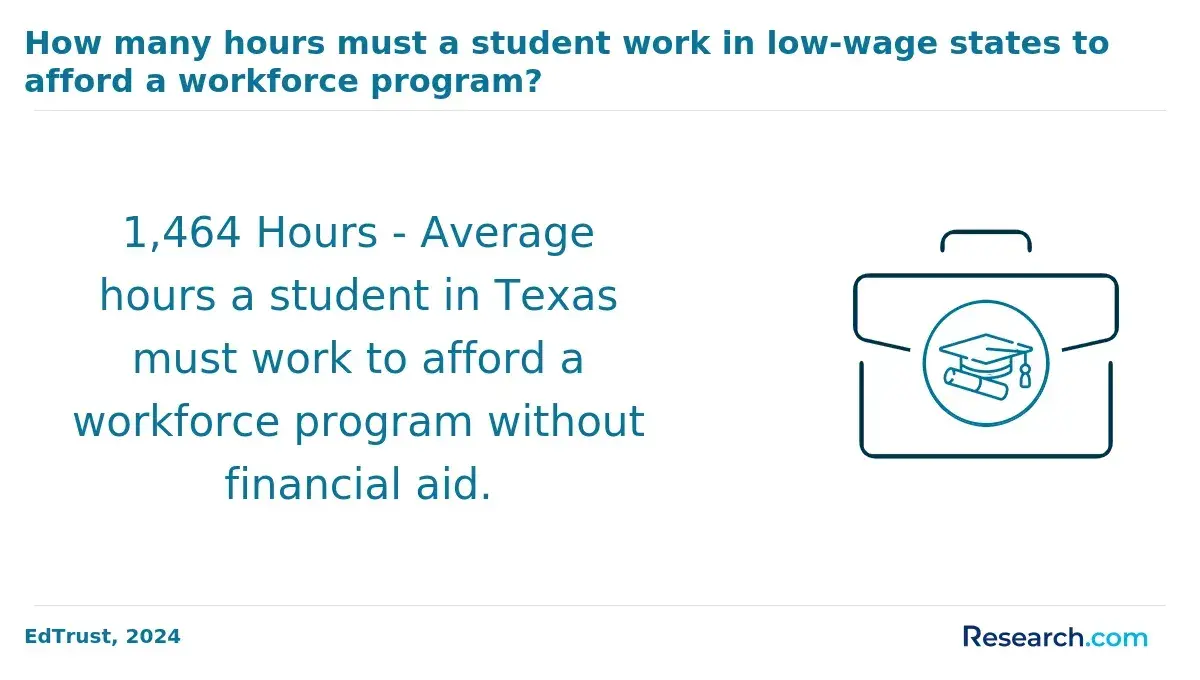
Tuition differences between public, private, and nonprofit online addiction counseling programs critically shape the financial outcomes prospects can expect after graduation. While public institutions generally charge around $6,500 annually for in-state online students, private and nonprofit programs often exceed $15,000, creating a significant upfront cost gap. However, lower tuition alone does not guarantee better long-term ROI; graduates from public programs tend to carry roughly 30% less student debt according to the National Center for Education Statistics 2024 data, which can accelerate financial recovery, but private programs may offset higher costs by offering superior graduation rates and specialized career services that boost salary potential.
For example, a working adult choosing a private online program might face higher debt but benefit from enhanced networking opportunities and stronger institutional reputation that improve job placement in competitive markets. Conversely, a cost-conscious learner reliant on grants and scholarships may find public options more viable if their primary goal is minimizing debt and entering the workforce quickly. The tradeoff hinges on balancing tuition costs against factors like program flexibility, completion rates, and debt repayment realities, as well as considering how well offerings align with individual career ambitions and local employment conditions.
Given these variables, students should assess addiction counseling programs beyond sticker price by factoring in the total net cost, availability of financial support, and post-graduation outcomes rather than assuming the lowest tuition automatically yields the best value. In many cases, the incremental benefits of a pricier private or nonprofit program may not sufficiently outweigh debt burdens unless matched by measurable improvements in employment and income growth. This nuanced approach enables informed decision-making, particularly for career changers and adult learners navigating constrained budgets and evolving healthcare workforce demands.
How Do Graduation Rates Influence Addiction Counseling Program ROI?
Graduation rates offer crucial insight into the return on investment for addiction counseling programs, but they must be viewed alongside other institutional factors. Public programs typically have graduation rates between 55-65%, reflecting diverse, often part-time students balancing work and family, which can extend time-to-degree and impact debt accumulation. In contrast, private programs may achieve 65-75% completion by leveraging stronger academic support and smaller cohorts, potentially reducing attrition and improving employment readiness. However, nonprofit online programs, with rates varying from 50-70%, often prioritize mission-driven outcomes, which can complicate traditional ROI judgments based on completion alone.
Graduation rates effect on addiction counseling program ROI becomes clearer when considering the practical needs of adult learners and employers' expectations. Many students in these programs juggle multiple responsibilities, so persistence and support services significantly influence ultimate success and financial payoff. Employers in the field tend to value certifications and hands-on experience as much as degree completion, underscoring that a straightforward graduation percentage does not fully capture a program's effectiveness or long-term benefits. Prospective students evaluating affordability, debt burden, and career impact should also compare how institutional differences affect time-to-degree and professional credentialing pathways since these factors shape employability and overall value.
For cost-conscious learners, weighing graduation outcomes against broader indicators of institutional support and flexibility is essential. Considering the increasing demand across healthcare systems and program variation, students can benefit from resources like the cheapest RN to BSN online listings to inform financial planning. The National Center for Education Statistics 2024 data highlights that programs surpassing a 60% graduation rate often provide stronger ROI by facilitating quicker workforce entry with less debt, but this must be balanced against individual circumstances and institutional mission differences to fully grasp program value.
What Role Do Career Outcomes Play in the ROI of a Addiction Counseling Degree?
Career outcomes are central to assessing the return on investment of addiction counseling degrees, particularly when weighing public, private, and nonprofit online programs. For example, public programs often deliver a 12% higher job placement rate within six months of graduation compared to private schools, according to a 2024 National Center for Education Statistics report. This advantage typically stems from stronger ties to state licensure processes and local health networks, which facilitate employment opportunities. However, private institutions may carry higher tuition costs without consistently offering better employment prospects, leaving graduates with debt burdens that can diminish long-term financial returns.
Nonprofit programs typically occupy a middle ground, balancing flexibility for working adults with variable recognition among employers and accreditation bodies. Since addiction counseling jobs emphasize applied skills such as client engagement and evidence-based therapeutic methods, programs that prepare students thoroughly for certification and practical challenges tend to enhance career mobility. Prospective students should carefully consider not only immediate job placement but also how each program supports credit transferability, licensure access, and sustainable career pathways in diverse geographic markets. Weighing these factors against debt levels and time investment is essential for an accurate ROI calculation.
One recent graduate who completed an online addiction counseling program noted that their initial hesitation focused on whether the credential would lead to meaningful advancement rather than just entry-level work. After securing a position at a community health provider, the graduate observed that the credentialed status facilitated internal promotions and increased responsibilities within two years-benefits that offset the program's cost and time commitment. This experience illustrates how career outcomes, when linked with employer recognition and applied skill development, strongly influence the practical value of addiction counseling degrees beyond simple financial measures.
How Does Student Debt Impact the Long-Term ROI of a Addiction Counseling Program?
Debt levels and borrowing strategies distinctly shape the long-term ROI of an addiction counseling program, with public, private, and nonprofit online institutions presenting varied financial profiles. For instance, private programs often involve loan balances exceeding $35,000, which can delay repayment and restrict financial flexibility despite offering specialized curricula or greater scheduling adaptability. In contrast, public programs generally carry lower debt burdens around $20,000-$25,000, enabling graduates to more quickly reduce liabilities and allocate resources towards career advancement or additional credentials, reflecting a core tradeoff between upfront cost and potential educational quality.
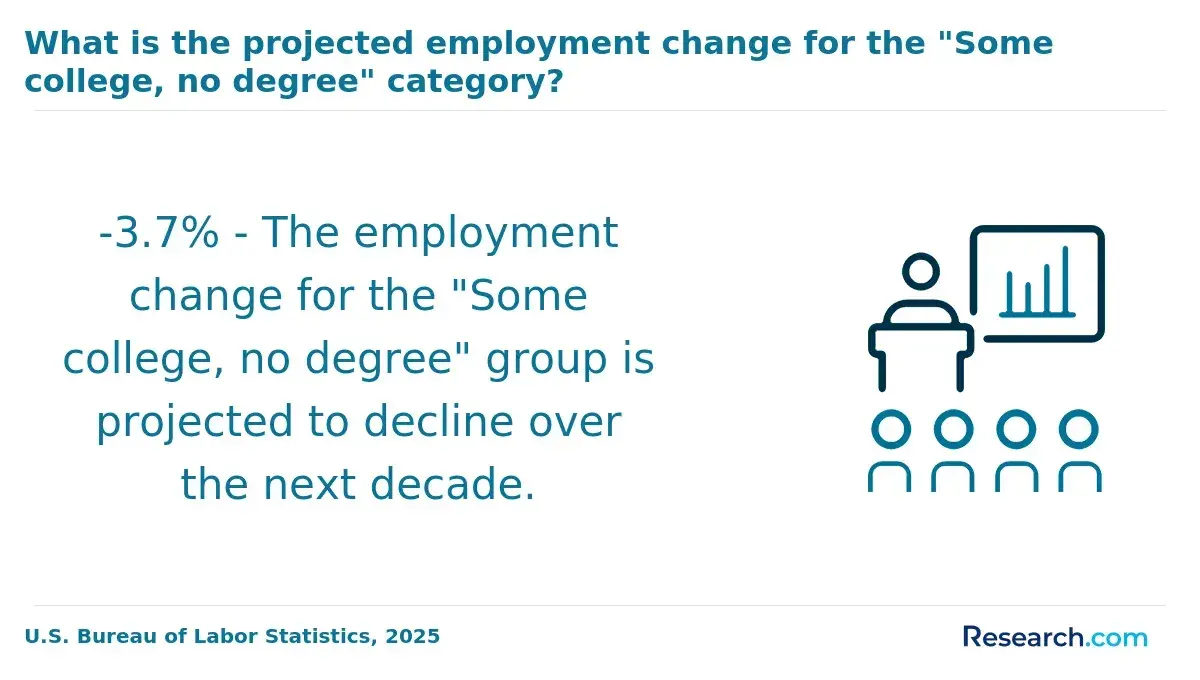
The impact of student loan balance on addiction counseling career earnings is particularly relevant given the profession's relatively standardized pay scales, which limit salary growth regardless of program type. Graduates burdened with high debt from private programs may encounter elevated default risks and financial strain, especially if graduation timelines extend or completion rates lag. Nonprofit programs often provide a middle ground with moderate costs and targeted financial aid, but students must assess how these factors align with their career goals and repayment prospects. Cost-conscious adult learners and working professionals should consider these dynamics carefully, evaluating programs' true net cost and completion likelihood rather than assuming higher debt correlates with better returns.
For those comparing options, understanding these implications extends to related fields and programs-exploring an online degree in nutrition, for example, may offer insight into affordable online pathways that balance educational value and debt. Overall, weighing the student debt effects on long-term addiction counseling ROI requires discerning the interplay between institutional costs, borrowing patterns, and realistic employment outcomes to make financially sound educational choices aligned with individual circumstances.
How Do Flexibility and Adult Learner Support Affect Addiction Counseling Program Value?
Programs that integrate flexible scheduling and comprehensive adult learner support substantially improve the practical return on investment for online addiction counseling students, particularly those balancing employment, family, or military commitments. For example, asynchronous course delivery and rolling admissions enable students to progress without sacrificing steady income, reducing opportunity costs common with rigid class schedules. However, this flexibility often correlates with higher tuition in private and nonprofit institutions, presenting a cost-benefit dilemma for learners weighing affordability against time-to-degree acceleration and reduced personal disruption.
Robust support systems-such as academic advising, career counseling, transfer-friendly policies, and faculty accessibility-directly influence persistence and graduation rates, enhancing long-term employability within an increasingly regulated healthcare sector. Recent data from the National Center for Education Statistics highlights a notable 10% rise in completion rates where such services are emphasized, especially benefiting military-affiliated students and career changers. Public universities tend to offer lower tuition yet may lack personalized supports and up-to-date technology, potentially diminishing learner engagement and increasing dropout risk, which can inflate total educational costs despite lower sticker prices.
Ultimately, prospective students must assess how institutional tradeoffs between cost, flexibility, and student services align with their career timelines and financial constraints. Investing in programs that balance adaptable course designs with tailored support can expedite credential attainment and enhance networks critical for workforce entry, but may increase debt burdens. Conversely, lower-cost public options require navigating less accommodating structures, often elongating degree completion and postponing full career benefits-an important consideration for adult learners prioritizing immediate employment stability alongside educational advancement.
How Do Accreditation and Institutional Reputation Influence Addiction Counseling ROI?
Accreditation status directly shapes the practical value and long-term return on investment of an addiction counseling program by determining eligibility for licensure and affecting credit transferability, which in turn influence time-to-degree and overall cost burden. For example, graduates from programs accredited by recognized bodies like CACREP typically find smoother pathways toward certification, which employers often require, while those from non-accredited programs may face higher barriers or delayed entry into the workforce. According to a 2024 National Student Clearinghouse report, graduates from accredited addiction counseling programs have a 15% higher chance of securing employment within six months, underscoring how accreditation materially affects employability and early career momentum.
Institutional reputation interacts with accreditation but operates differently by shaping employer perceptions and networking potential, which influence hiring decisions and starting salaries more subtly yet consistently. Large public universities frequently benefit from recognized brand equity that can translate into tangible job market advantages, whereas private and nonprofit institutions may compete through specialized curriculum or cohort support but often lack universally recognized prestige, which can affect graduate outcomes. Students weighing tuition costs and potential debt must consider how reputation and institutional support services impact graduation and licensure pass rates, making the difference between a costly credential with uncertain value and one that enhances career flexibility and financial payoff.
Transferability of credits, largely tied to regional accreditation, adds another layer of complexity, especially for adult learners or transfer students looking to minimize wasted coursework and accelerating degree completion. While accreditation ensures baseline academic quality, reputation influences network benefits and employer trust, both critical for maximizing ROI in addiction counseling fields where licensure and credential recognition are non-negotiable prerequisites across public, private, and nonprofit online programs.
How Does Time-to-Degree Affect the ROI of Public, Private, and Nonprofit Addiction Counseling Programs?
Time-to-degree differences between public, private, and nonprofit addiction counseling programs deeply affect students' financial exposure and career paths. For example, public institutions often accommodate part-time enrollment and slower pacing, extending average completion times to around 4.5 years, which can increase tuition and defer workforce entry. This flexibility supports working adults and students managing family responsibilities but also raises opportunity costs by delaying income and adding to debt accumulation. In contrast, private and nonprofit programs emphasize accelerated schedules, cohort models, and transfer credit utilization to reduce completion to 2-3 years, improving short-term returns but potentially straining those balancing external obligations and risking dropouts.
Choosing between these paths involves weighing graduation timelines against program flexibility and persistence rates, factors central to comparing public private nonprofit addiction counseling graduation timelines. Students prioritizing rapid credentialing may miss out on the stability and higher completion rates of more flexible public programs. Conversely, intensive schedules can help those needing swift workforce reentry but may sacrifice some quality-of-life adaptability. For adult learners or career changers, evaluating these tradeoffs alongside debt considerations and employer expectations for timely certification is critical. Those interested in healthcare progression might also explore related options such as ADN to NP programs online, which similarly balance time, cost, and workforce readiness in allied health fields.
How Can You Choose the Best Addiction Counseling Program Based on Your ROI Goals?
Determining the best addiction counseling program for maximum return on investment hinges on individual priorities rather than institutional type alone. While public programs often offer lower tuition and more substantial state-funded financial aid, private and nonprofit online schools may provide accelerated time-to-degree through higher graduation and retention rates, reducing overall debt burden. For example, a working adult balancing family obligations might prioritize a private program's asynchronous learning and advisor support despite higher sticker prices, aiming to enter the workforce faster and limit income disruption. This nuance reflects why addiction counseling program return on investment comparison cannot rely solely on cost but must weigh graduation timeliness, debt load, and career outcomes concurrently.
Accreditation and institutional reputation notably influence employer perceptions in clinical addiction counseling roles, often affecting credential value post-graduation. Nonprofit providers may show stronger community ties and mission-driven training, appealing for those targeting nonprofit or government sectors. Debt and median earnings data indicate tradeoffs: nonprofit graduates frequently face higher debt with correspondingly higher earnings potential, complicating straightforward ROI assessments. Students exploring options should also consider personal factors like current employment, time-to-degree expectations, and career goals, as these impact effective ROI differently across public, private, and nonprofit programs. Those unfamiliar with program accessibility may find value researching the easiest online SLP programs to get into to inform broader decision-making.
References
- Addictions Counselor - Rivier Academics https://www.rivier.edu/academics/online/resources/career-outcomes/addictions-counselor/
- Our Ranking Methodology https://addiction-counselor.org/methodology/
- Nonprofit vs. For-Profit Addiction Treatment Facilities: What's the Real Difference? • Livengrin Foundation https://livengrin.org/nonprofit-vs-for-profit-addiction-treatment-facilities-whats-the-real-difference/
- ROI of Prevention Programs: Is the Investment Worthwhile? - Samba Recovery https://sambarecovery.com/rehab-blog/are-prevention-programs-a-good-return-on-investment/
- A Guide to Professions in Addiction Studies and Recovery https://www.ucumberlands.edu/blog/guide-to-professions-in-addiction-studies-and-recovery
- Are collegiate recovery programs worth the investment? https://www.recoveryanswers.org/research-post/are-collegiate-recovery-programs-worth-the-investment/
- How to Choose the Right Rehab for Substance Abuse Treatment https://www.recoverykeys.org/addiction-rehab-blog/four-things-to-consider-when-choosing-a-rehab-center-for-substance-abuse-treatment/
- Specialized Practice Areas - CACREP https://www.cacrep.org/specialized-practice-areas/
- Recovering Addicts Make Huge Contributions as Counselors https://www.choosehelp.com/experts/social-issues/social-issues-john-oneal/recovering-addicts-make-huge-contributions-as-counselors
- Treatment Outcomes and Research https://www.naatp.org/treatment-outcomes-and-research
Other Things You Should Know About Addiction Counseling
Employers in addiction counseling often weigh practical training and clinical experience more heavily than the institution's sector. However, private programs sometimes face skepticism from certain employers due to perceived variability in program rigor. Public and nonprofit programs often have stronger local or state ties, which can favor graduates seeking work in government or community-based agencies. When prioritizing employability, students should consider programs that emphasize hands-on experience and employer partnerships over institutional type alone.
Public and nonprofit programs frequently operate on traditional academic schedules, which may extend time to completion but provide structured pacing beneficial for thorough learning. Private online programs often offer accelerated options, appealing to those seeking faster entry into the workforce but potentially at the cost of increased intensity and less depth. Students balancing work and study should weigh whether a condensed timeline justifies potential sacrifices in mastery or stress management when evaluating ROI.
Nonprofit programs often provide a middle ground, blending affordability with mission-driven student support, which can lead to less debt and sustainable career entry. Private programs sometimes carry higher tuition but may offer niche specializations or flexible scheduling that benefit working professionals. For cost-sensitive students aiming to minimize debt without compromising educational depth, nonprofits generally present a more balanced long-term ROI, unless a private program's unique offerings align closely with career goals.
Beyond immediate ROI metrics, students need to assess clinical placement availability, faculty expertise, and network opportunities, which vary widely across institution types. Public programs often have established community connections, while private and nonprofit ones may differ in scale and support. These factors influence real-world preparedness and job placement, potentially outweighing raw cost calculations. Prioritizing program quality in applied learning can optimize long-term returns over merely chasing the cheapest or quickest option.