2027 Addiction Counseling Affordability by State: Where Students Pay the Most and Least

Co-Founder and Chief Data Scientist
Choosing between two addiction counseling programs can hinge on stark tuition differences-$5,000 annually in one state versus over $20,000 in another. Yet, out-of-state fees, cost of living, and hidden expenses often shift the balance unexpectedly. According to a 2024 National Postsecondary Data Study, states with higher public tuition rates see a 15% decline in in-state enrollment, signaling that price barriers significantly influence student access and decision-making.
For addiction counseling aspirants, such disparities impact not only immediate affordability but also long-term debt and career flexibility. This article examines state-by-state addiction counseling costs to reveal where earning this degree is most and least financially feasible.
Key Things to Know About Addiction Counseling Affordability by State
- States with lower tuition often have higher living costs, reducing net affordability; for example, some Southern states' fees appear low, but regional cost-of-living inflates total education expenses, affecting budgeting precision.
- In-state versus out-of-state tuition disparities influence workforce mobility; students paying out-of-state rates may face debt barriers, limiting employer access to diverse Addiction Counseling talent across states.
- Recent 2024 data show increasing state funding cuts correlate with scholarship volatility, prompting students to prioritize program timing and financial aid availability over sticker price when selecting Addiction Counseling programs.
- Key Things to Know About Addiction Counseling Affordability by State Key Things to Know About Addiction Counseling Affordability by State
- Which States Have the Most Affordable Addiction Counseling Degree Programs? Most Affordable State Programs
- Which States Have the Highest Addiction Counseling Degree Costs? Highest State Tuition Costs
- How Much Does a Addiction Counseling Degree Cost by State? Degree Costs by State
- Why Does Addiction Counseling Affordability Vary So Much Between States? State Affordability Variations
- How Do In-State and Out-of-State Tuition Rates Affect Addiction Counseling Affordability? In-State vs. Out-of-State Rates
- How Does the Cost of Living Impact Overall Addiction Counseling Affordability by State? Living Costs and Affordability
- Which States Offer the Best Value for a Addiction Counseling Degree? Best Value State Degrees
- What Financial Aid and Scholarship Opportunities Can Reduce Addiction Counseling Costs? What Financial Aid and Scholarship Opportunities Can Reduce Addiction Counseling Costs?
- Are Online Addiction Counseling Degree Programs More Affordable Than On-Campus Options? Are Online Addiction Counseling Degree Programs More Affordable Than On-Campus Options?
- Is a Addiction Counseling Degree Worth the Cost Based on Career Outcomes and ROI? Degree ROI and Outcomes
Which States Have the Most Affordable Addiction Counseling Degree Programs?
States that consistently offer more affordable addiction counseling degree programs tend to share key structural factors, including significant public higher education funding and strong in-state tuition policies that create real cost distinctions for resident students. For budget-conscious learners, these differences often translate into savings exceeding 50% compared to out-of-state tuition, a critical consideration given the cumulative costs of living and fees beyond base tuition. For example, a student deciding between programs in Wyoming versus a high-cost state must weigh lower tuition against local economic factors, while also considering how state grants and scholarships-common in places like Mississippi-can further reduce financial barriers. Such affordability dynamics affect not only immediate enrollment decisions but also the long-term feasibility of completing a degree without excessive debt burdens.
Regional institutional competition and online program availability also play important roles in shaping accessible addiction counseling programs by state. States like New Mexico have expanded online offerings, which mitigate costs related to relocation and commuting, factors too often overlooked by prospective students calculating total expenses. However, affordability can vary sharply depending on a student's residency status and financial aid eligibility, underscoring that cost comparisons often require a nuanced approach beyond surface-level price tags. This variability means students must carefully assess how state-specific tuition structures and public investment trends align with their personal and professional circumstances to optimize both educational value and return on investment over time. Those exploring educational pathways might also investigate related fields like an online pharmacy degree for broader insight into scalable, affordable healthcare education options.
Which States Have the Highest Addiction Counseling Degree Costs?
States with the highest addiction counseling degree costs often reflect a complex mix of funding shortfalls, concentrated private institution presence, and local economic factors rather than simple tuition inflation. Public universities in places like Massachusetts and California tend to raise tuition as state budget cuts reduce subsidies, forcing students to shoulder larger portions of educational expenses. This is compounded by the presence of numerous private schools with inherently higher fees clustered in metropolitan areas, where the cost of living, including housing and transportation, sharply drives up total student costs. For a student weighing whether to enroll in a high-cost state program, the choice often hinges on the balance between access to specialized training, clinical networks, and connections against the risk of heavier debt and a narrower post-graduate flexibility due to financial constraints.
Residency policies further complicate affordability, as out-of-state students can face two to three times higher tuition than residents, distorting the true cost-effectiveness of attending out-of-state programs offering unique curriculum advantages. This creates a real tradeoff if relocating for a particular addiction counseling program, pushing some toward online options or regional alternatives despite reduced local clinical opportunities. According to 2024 data from the National Center for Education Statistics (NCES), average annual tuition in these higher-cost states can surpass $13,000 for in-state students, underscoring how relative price differences translate into significant long-term financial commitments. The cumulative effect of these pricing dynamics shapes student decisions about program accessibility, financing strategies, and ultimately the return on investment of their educational path.
One addiction counseling student shared that the choice between staying in-state or moving to a flagship university out of state became a financial puzzle: while interested in a prestigious program with reputed clinical placements, the near tripling of tuition for non-residents and the added expenses of relocating caused considerable hesitation. After extensively comparing financial aid packages, online options, and local community college pathways, the student chose an accredited in-state program with a robust practicum network, valuing manageable debt and in-person support over the prestige premium of the more expensive out-of-state alternative. This experience highlights how nuanced cost factors and residency rules directly influence practical decisions for many prospective students balancing affordability with educational quality in addiction counseling degrees.
How Much Does a Addiction Counseling Degree Cost by State?
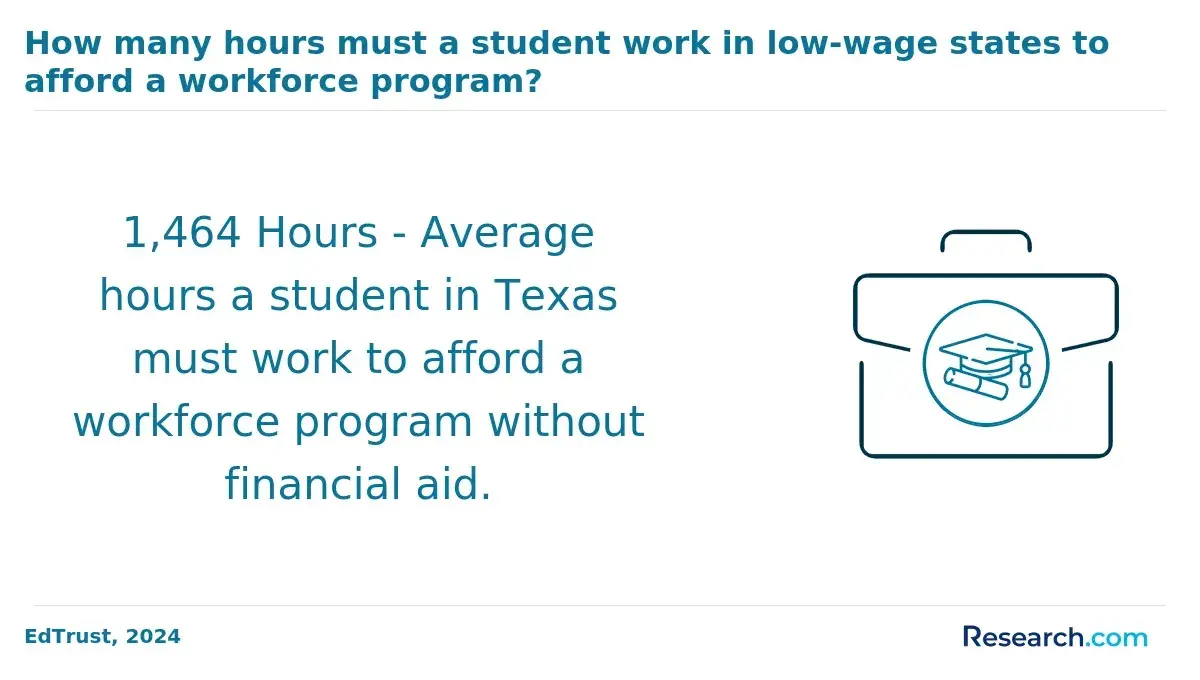
Tuition costs for addiction counseling degrees fluctuate widely across states, reflecting crucial differences in institutional types, residency policies, and regional economic factors. For example, states like California impose annual tuition and fees exceeding $15,000 for in-state students at many public and private programs, pushing total expenses higher once living costs are included. This contrasts sharply with states such as Wyoming or South Dakota, where public schools often charge under $7,000 annually, creating markedly different financial commitments that can influence whether students opt to borrow, relocate, or enroll remotely.
State-driven funding allocations and the ratio of private versus public institutions profoundly shape pricing, as private colleges typically levy substantially higher tuition. Moreover, non-resident learners frequently face two- or threefold tuition increases, highlighting how residency status can affect long-term repayment obligations and degree accessibility. In navigating these disparities, prospective students must balance affordability against program quality and regional demand for addiction counseling professionals, weighing whether higher upfront costs in high-priced states translate to stronger job placement or if more affordable locales offer better overall economic outcomes.
Financial aid availability may mitigate sticker shock but rarely equalizes costs across state lines, pushing many learners to consider comprehensive expense factors including housing and transportation. Since addiction counseling programs can vary in scope and reputation by region, the decision to pursue a degree in a costly market versus a budget-friendly state has implications for career trajectory and debt burden. Data from the National Center for Education Statistics and the Integrated Postsecondary Education Data System for 2024 emphasize these disparities, underscoring the need for students to adopt strategic, location-aware planning aligned with their financial capacity and professional goals.
Why Does Addiction Counseling Affordability Vary So Much Between States?
Differences in addiction counseling tuition cost between states often stem from varying levels of public investment in higher education. States such as California and New York, which allocate greater funding per public college student, typically offer lower tuition rates for in-state learners, reducing financial barriers. Conversely, regions with fewer state appropriations rely more heavily on tuition revenue, especially where a larger proportion of private institutions exists, increasing overall program costs. These disparities impact student decisions, pushing some to consider out-of-state or online options to manage expenses.
Cost of living and student aid further complicate affordability. Higher housing and transportation costs in certain states raise the total price of pursuing an addiction counseling degree beyond tuition alone, influencing where students choose to enroll or transfer. Additionally, states differ in financial aid availability, affecting whether programs are realistically accessible for budget-conscious learners. Demand fluctuations may also drive tuition inflation in some areas, reflecting local workforce needs. Prospective students evaluating programs should weigh these factors alongside institutional pricing patterns and residency policies to make informed long-term educational plans, particularly as enrollment pressures reshape program costs in this sector.
Those seeking more flexible or affordable routes might find value in exploring alternatives like LPN programs near me, which can offer varied pathways within healthcare support fields. Understanding these nuanced state factors influencing addiction counseling education affordability is critical for candidates balancing quality, costs, and employment prospects in a competitive labor market increasingly attentive to specialized credentials.
How Do In-State and Out-of-State Tuition Rates Affect Addiction Counseling Affordability?
Residency-based tuition differences exert a decisive influence on the true cost of an addiction counseling degree, often shaping whether a student's educational investment is financially viable. Public institutions charge substantially lower rates for in-state enrollees, with the average annual tuition at four-year public schools around $10,230 for residents versus roughly $27,560 for non-residents, according to 2024 National Center for Education Statistics data. This disparity can push students toward programs in their home states or to private colleges that offer consistent tuition regardless of residency, though these options come with tradeoffs in terms of program availability and potential quality. Additionally, participation in regional reciprocity agreements can reduce out-of-state fees in some cases, but these remain limited and uneven, requiring careful scrutiny during program selection and financial planning.
The rise of online addiction counseling programs has complicated residency cost considerations by blurring geographic boundaries; some public schools now offer uniform in-state tuition to all online students, while others maintain traditional residency-based pricing for remote learners. Since many state-funded grants and scholarships restrict aid to residents, students must weigh if the convenience of online study outweighs potential financial penalties. Long-term affordability for addiction counseling depends not only on list price differences but also on individual eligibility for residency reclassification, access to reciprocal tuition agreements, and the sufficiency of financial aid targeting residents. Strategic enrollment decisions thus hinge on understanding these layered cost dynamics to avoid unexpectedly high debt burdens.
One former addiction counseling student recalled relocating across state lines for a well-regarded program that ultimately classified them as an out-of-state tuition payer. Despite promising a path to residency status after one year, bureaucratic delays and strict requirements meant paying the higher rate for two full academic years. This unforeseen expense forced a reevaluation of living arrangements and led to additional part-time work, adding stress that affected academic focus. Reflecting later, the student acknowledged that initial cost estimates had underappreciated residency hurdles and recommended prospective enrollees thoroughly investigate state regulations and institutional policies before committing to programs outside their home state.
How Does the Cost of Living Impact Overall Addiction Counseling Affordability by State?
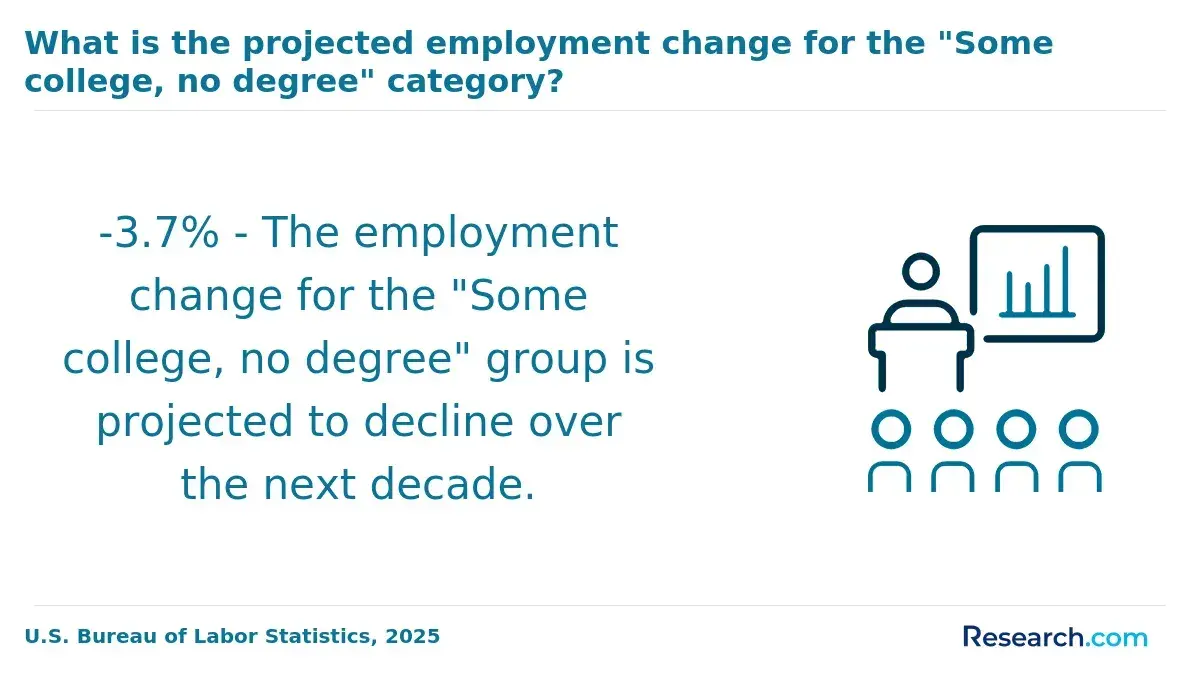
The financial reality of pursuing an addiction counseling degree varies substantially when factoring in the differing cost of living across states. In a state like California, housing costs can consume over 40% of a student's monthly budget, dramatically increasing the overall expense beyond tuition. Conversely, lower-cost states such as Mississippi or Arkansas may offer substantially reduced living expenses, allowing students to allocate funds differently and potentially minimize debt. This disparity requires students to weigh not only tuition but also the broader economic conditions typical to their location, influencing whether in-state enrollment or online alternatives make financial sense.
The interplay between urban and rural environments further complicates these choices. Metropolitan areas, with their public transportation infrastructure, might reduce commuting costs but often demand higher rent and groceries pricing. Meanwhile, rural students may face affordable housing costs yet incur elevated transportation expenses due to required car ownership and less developed transit systems. These dynamics are critical for addiction counseling students planning their budgets, as reflected in state-by-state analysis of living costs and addiction counseling program affordability. Factoring in healthcare, utilities, and food also reshapes financial aid needs and impacts long-term financial sustainability.
For those considering degree-completion strategies, options like attending an ultrasound tech school online reveal how blended or fully online formats might mitigate location-based cost variability. However, students must assess whether remote learning fits their circumstances given varied utility expenses and internet access reliability. Ultimately, understanding how cost of living variations across states affect addiction counseling tuition expenses helps students make informed decisions that balance educational quality, financial exposure, and practical career preparedness.
Which States Offer the Best Value for a Addiction Counseling Degree?
Evaluating value for an addiction counseling degree requires moving beyond sticker price to consider how in-state tuition policies and graduation outcomes shape real affordability. For example, North Carolina offers annual tuition notably below the national average, but its comparatively higher graduation rates bolster students' chances of completing their degree efficiently, improving return on investment. Conversely, states with cheaper programs but lower completion rates may expose students to extended enrollment times and increased overall costs, diluting initial savings.
Financial aid availability and targeted state initiatives also critically impact long-term affordability. Texas' combination of moderate tuition, cost-of-living advantages, and workforce demand growth creates a balanced environment where students face fewer economic barriers not only during study but also when entering a high-demand labor market. Indiana's lower average graduate debt exemplifies how debt relief efforts can mitigate financial strain after graduation, a factor often overlooked when assessing program costs. Students should therefore weigh these nuanced tradeoffs-including residency requirements and potential relocation expenses-when comparing programs, as the cheapest tuition alone rarely guarantees the strongest value in addiction counseling education.
What Financial Aid and Scholarship Opportunities Can Reduce Addiction Counseling Costs?
The landscape of financial aid for addiction counseling degrees is fragmented, with affordability heavily influenced by state policies, institutional resources, and individual eligibility criteria. Federal programs such as the Pell Grant provide critical need-based aid without repayment, benefiting a significant portion of health-related students-about 85% according to the National Center for Education Statistics (2024). However, the real cost reduction often hinges on state-specific grants and tuition reciprocity agreements, which can create wide disparities in out-of-pocket expenses depending on whether a student qualifies as in-state or out-of-state. For example, attending a public university in a state with strong higher education funding might reduce tuition significantly, while crossing state lines could negate those savings despite similar aid applications.
Institutional scholarships and merit-based awards add another layer of complexity. Many programs prioritize applicants demonstrating strong academic performance or commitments to underserved communities, aligning with addiction counseling's workforce goals; yet, such awards are rarely uniform and often vary widely by institution size and state funding. Employer-sponsored tuition benefits present a practical option for those already embedded in behavioral health settings, though these benefits frequently require ongoing employment commitments that limit post-graduation flexibility. Additionally, part-time students may receive less aid overall, forcing a tradeoff between workload management and financial assistance. Navigating renewal criteria, stacking rules, and application timing is essential to maximize aid and minimize unexpected costs during the multi-year addiction counseling training pathway.
Are Online Addiction Counseling Degree Programs More Affordable Than On-Campus Options?
Online addiction counseling degree programs can offer cost advantages, but these depend heavily on individual circumstances and state-specific pricing structures. While fully online tuition often ranges from 15% to 30% lower than on-campus rates-largely due to the absence of fees for campus facilities and activities-students must weigh these savings against factors like residency policies, technology fees, and the need for reliable hardware and internet access. For budget-conscious learners comparing online addiction counseling degree programs cost comparison across states reveals that in high-cost living areas, avoiding housing and commuting expenses can lead to significant net savings, especially for those maintaining employment while studying.
Financial aid plays a nuanced role; many state grants limit eligibility to in-person students, which can narrow aid options for remote learners depending on the location. Additionally, the opportunity to work part-time or full-time during online study-reported for nearly 60% of online addiction counseling students versus 40% on campus-can further influence affordability by reducing income loss. However, prospective students must also consider employer acceptance of online credentials in their desired roles, as regional workforce norms might impact long-term returns on investment, underscoring that affordability is inseparable from employability outcomes. For those evaluating affordable addiction counseling degrees in the United States, it is prudent to align cost considerations with practical workforce entry expectations and state-specific financial supports.
As with any health or human service degree path, weighing the tradeoffs between online flexibility and in-person engagement is critical. Timing and access constraints often dictate whether students prioritize upfront tuition savings or the broader networking and experiential benefits of campus programs. Students interested in aligning career steps with realistic cost structures can also explore related areas such as pharmacist education requirements to understand how sector-specific pathways balance education costs against licensure and employment prospects.
Is a Addiction Counseling Degree Worth the Cost Based on Career Outcomes and ROI?
The value of an addiction counseling degree varies considerably depending on the state, largely because tuition costs and wage outcomes differ widely. In states like Florida and Texas, lower tuition fees combined with higher graduation rates create more favorable financial conditions, making the degree's return on investment by state stronger early on. Conversely, in higher-cost markets such as California and New York, graduates often face a heavier debt burden-averaging around $27,000 according to recent data from the National Center for Education Statistics-while local wages can lag behind, reducing financial flexibility during the critical early career phase. Students should carefully weigh these geographic tradeoffs alongside program quality and completion rates, as additional certification and clinical hours commonly extend training time and expenses beyond the initial degree.
Career outcomes for addiction counseling graduates in the US also depend on how well the educational investment aligns with employer expectations and regional workforce demands. Employment for counseling roles is projected to grow 12% through 2032, indicating solid opportunities, but slower salary growth in some states means the debt-to-income ratio may remain challenging for several years. Students facing this reality must consider opportunity costs, including delayed workforce entry and potential geographic mobility, especially if aiming for specialized certifications. For those exploring related fields, reviewing options such as a master's in forensic psychology online can provide alternative pathways that balance cost and career prospects within behavioral health.
References
- How the cost-of-living impacts addiction | Delamere https://delamere.com/blog/how-the-cost-of-living-impacts-addiction
- How Much Can You Make as an Addiction Counselor? https://www.hazeldenbettyford.org/graduate-school-addiction-studies/drug-alcohol-counselor-salary
- Addiction Counseling Cost, Tuition & Financial Aid https://www.addiction-counselors.com/addiction-counseling-cost-and-aid/
- Scholarships And Grants To Cover Costs Of Drug Rehabilitation https://www.drugrehab.org/scholarships-and-grants-to-cover-costs-of-drug-rehabilitation/
- 2025 Most Affordable Online Master's in Substance Abuse Counseling Degrees https://www.onlineu.com/most-affordable-colleges/substance-abuse-counseling-masters-degrees
- SUD Treatment in Medicaid: Variation by Service Type, Demographics, States and Spending | KFF https://www.kff.org/mental-health/sud-treatment-in-medicaid-variation-by-service-type-demographics-states-and-spending/
- Best Online Addiction Counseling Degrees 2025 https://www.affordablecollegesonline.org/degrees/counseling-programs/addiction-counseling/
- Average Cost of Drug Rehab [2026]: by Type, State & More https://drugabusestatistics.org/cost-of-rehab/
- Masters in Addiction Counseling Online| Indiana Wesleyan University https://www.indwes.edu/program/ma-counseling/addictions-counseling/
- Addiction And Low-Income Americans https://www.addictioncenter.com/addiction/low-income-americans/
Other Things You Should Know About Addiction Counseling
Lower tuition costs in certain states may come with tradeoffs in program reputation or clinical training opportunities, which employers often scrutinize in this field. Students should prioritize programs with strong employer connections and quality practicum placements, as these factors can affect licensure readiness and job placement, even if tuition is higher. When affordability conflicts with program quality, investing in a well-established program often yields better long-term career outcomes despite initial cost differences.
Graduating from a program in a low-cost state may limit professional networking and licensure reciprocity in other regions, impacting job prospects if relocation is considered. Employers frequently value familiarity with state-specific regulations and local treatment philosophies, so students should evaluate whether the cost savings justify potential mobility constraints. Prioritizing states whose licensing requirements align with intended work locations can balance affordability with career flexibility.
Some more affordable states may offer addiction counseling degrees with accelerated timelines or larger class sizes, which can reduce tuition but increase workload intensity and limit personalized instruction. Conversely, higher-cost programs sometimes provide smaller cohorts and more comprehensive practicum supervision, enhancing learning quality. Students should assess whether savings from less expensive programs align with their preferred learning pace, clinical exposure, and career preparedness.
Employers in certain states prioritize candidates with education from programs that meet specific accreditation or clinical hour benchmarks, regardless of cost. Choosing the lowest-cost program without meeting these employer criteria may result in difficulties obtaining licensure or employment. Students should prioritize affordability only after verifying that programs align with local credentialing standards and workforce expectations to avoid costly delays or additional training.