2027 Cheapest Accredited Online Sports Science Degree Programs: Tuition, Fees, and Financial Aid

Co-Founder and Chief Data Scientist
The cheapest online sports science degree is not always the one with the lowest advertised tuition. In 2024, NCES reported that average published tuition and required fees at public four-year colleges continued to make cost comparison a major enrollment issue.
This guide is for students comparing accredited online sports science, exercise science, kinesiology, and sport-related programs. You will learn how to compare tuition, mandatory fees, total program cost, FAFSA eligibility, scholarships, transfer credits, and net price so you can identify genuinely affordable options and avoid hidden costs.
Key Things You Should Know
- Among commonly available accredited online sports science-related bachelor's programs, the lowest published tuition-and-fee options are often public online programs such as University of Florida Online for in-state students, Fort Hays State University, and Arkansas State University, with estimated tuition-based program costs ranging from about $17,573 to $33,840 before transfer credits and aid.
- Advertised per-credit tuition is only the starting point: mandatory online fees, course materials, proctoring, internship requirements, residency credit rules, and whether the rate applies to out-of-state students can change the real total cost.
- Net price matters more than sticker price because eligible online students at accredited Title IV schools may use FAFSA-based aid, including Pell Grants of up to $7,395 for the 2025-2026 award year, plus state grants, institutional scholarships, employer tuition benefits, and transfer credits.
What Are the Cheapest Accredited Online Sports Science Degree Programs?
The cheapest accredited online sports science degree programs are usually offered by public universities with online tuition rates, generous transfer-credit policies, and access to federal financial aid. Because schools use different names for this field, the best searches include sports science, exercise science, kinesiology, health and human performance, sport management, and sports and health sciences.
The table below compares affordable online programs that are institutionally accredited and relevant to sports science or closely related sport, movement, and performance fields. Tuition figures are based on recent school-published rates and should be verified before enrollment because rates, fees, and residency rules can change by academic year.
| Rank | School and online program | Accreditation type to verify | Published online tuition or tuition-and-fee rate | Estimated 120-credit tuition-based cost | Cost note |
| 1 | University of Florida Online, BS in Sport Management | Institutional accreditation through SACSCOC | About $146.44 per credit for Florida residents including tuition and required fees; about $569.88 per credit for nonresidents | About $17,573 in state; about $68,386 out of state | Very low in-state cost, but nonresident cost changes the value comparison. |
| 2 | Fort Hays State University, online health and human performance-related options | Institutional accreditation through HLC | About $257.33 per undergraduate credit for online students | About $30,880 | Strong value when the online rate applies regardless of residency; confirm program-specific fees. |
| 3 | Arkansas State University, online BS in Exercise Science | Institutional accreditation through HLC | About $282 per credit for online undergraduate coursework | About $33,840 | Often competitive because the published online rate may include required online charges; verify transfer limits. |
| 4 | American Public University, BS in Sports and Health Sciences | Institutional accreditation through HLC | About $350 per undergraduate credit | About $42,000 | May be especially cost-effective for military-affiliated students or students bringing in transfer credit. |
| 5 | Troy University, online exercise science or sport-related bachelor's options | Institutional accreditation through SACSCOC | About $424 per undergraduate credit | About $50,880 | Higher sticker cost than some public competitors, so aid and transfer credit become more important. |
| 6 | United States Sports Academy, Bachelor of Sports Science | Institutional accreditation through DEAC | About $485 per undergraduate credit | About $58,200 | Specialized sports-focused curriculum may appeal to students seeking a dedicated sport institution. |
For most students, the best value is not automatically the first-ranked tuition option. A Florida resident considering UF Online may see the lowest sticker price, while an out-of-state student may find a flat-rate public online program cheaper after fees. Students with many transfer credits may also find that a slightly higher per-credit school becomes cheaper if it accepts more previous coursework.
How Were the Cheapest Online Sports Science Degree Programs Ranked?
The ranking focuses on practical affordability rather than marketing language. A program had to be online or substantially online, relevant to sports science or a closely related field, and offered by an institution with recognized accreditation.
The main ranking factors were weighted around the costs students are most likely to pay out of pocket or finance. This method helps separate a low per-credit rate from a genuinely low total degree cost.
- Accreditation and federal aid eligibility: Institutionally accredited schools were prioritized, and students should confirm Title IV eligibility if they plan to use FAFSA-based aid.
- Published tuition and required fees: Programs with transparent online tuition or tuition-and-fee rates ranked higher than schools that require students to request pricing.
- Estimated total program cost: Costs were compared using a 120-credit bachelor's degree baseline, before transfer credits, grants, scholarships, and personal expenses.
- Residency pricing: Programs with one online rate for all students were treated differently from schools with large in-state and out-of-state gaps.
- Cost-reduction flexibility: Transfer-credit acceptance, military tuition rates, employer reimbursement compatibility, and online delivery format were considered because they can lower net price.
The ranking does not claim that the cheapest program is the best program for every career goal. Sports science students who want athletic training licensure, clinical exercise physiology, strength and conditioning, coaching, wellness management, or graduate school may need different course sequences, field experiences, or programmatic accreditation.
How Can You Verify the Accreditation of an Online Sports Science Degree Program?
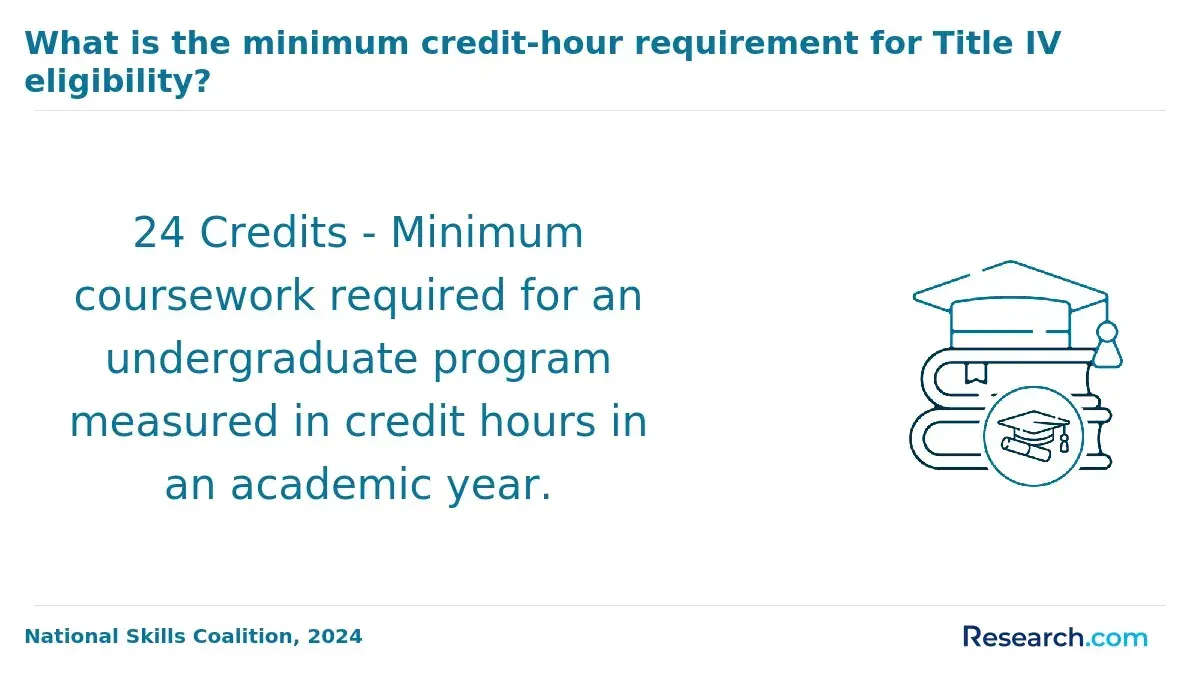
Accreditation matters because it affects credit transfer, employer recognition, graduate school eligibility, and access to federal financial aid. For online sports science degrees, students should distinguish institutional accreditation from programmatic accreditation.
Institutional accreditation applies to the college or university as a whole. Programmatic accreditation applies to a specific program, and it is most important when a field has licensure or certification requirements. In sports science, programmatic accreditation may matter for exercise science, athletic training, or clinical pathways, but not every sport management or wellness career requires it.
Use this checklist before applying or paying an enrollment deposit:
- Search the school in the U.S. Department of Education's accreditation database and confirm that the institution name, campus, and accreditor match the school's website.
- Check whether the school participates in Title IV federal student aid programs if you plan to submit the FAFSA.
- Ask whether the online version of the program is covered by the same accreditation as the campus program.
- For exercise science, clinical, or athletic training goals, ask whether programmatic accreditation is required for your intended certification, graduate program, or state credential.
- Confirm whether credits from the program are commonly accepted by graduate schools or professional programs you may apply to later.
A major red flag is a school that says it is "licensed," "approved," or "internationally recognized" without naming a recognized U.S. accreditor. Those phrases are not the same as accreditation recognized for federal aid and transfer purposes.
The real cost of an accredited online sports science degree includes more than tuition. Students should compare direct charges from the school, required academic expenses, and the net price after financial aid.
The table below separates the main cost categories so students can ask schools for a complete estimate instead of relying on a single per-credit tuition figure.
| Cost category | What it includes | Why it matters |
| Tuition | Per-credit or term-based instructional charge | This is the most visible price but may exclude required fees. |
| Mandatory fees | Online learning, technology, student services, graduation, proctoring, or course fees | These can make a low-tuition program more expensive than expected. |
| Course materials | Textbooks, ebooks, lab materials, software, or subscriptions | Sports science courses may require anatomy, physiology, statistics, or assessment tools. |
| Field or internship costs | Background checks, CPR certification, travel, liability insurance, uniforms, or site fees | Practical experiences can add costs even when coursework is online. |
| Personal technology | Computer, webcam, internet, testing setup, and software | Online programs may require reliable hardware and proctored exam capability. |
| Net price | Total cost minus grants, scholarships, tuition benefits, and other gift aid | This is the best figure for comparing affordability across schools. |
A simple comparison formula is: tuition for remaining credits + mandatory fees + required materials + field costs − grants and scholarships = estimated net price. If a school cannot provide a term-by-term cost estimate, ask the financial aid office and program department separately because each may see different parts of the cost structure.
Salary context should also be realistic. The U.S. Bureau of Labor Statistics reported 2024 median pay of about $58,000 for exercise physiologists, while many coaching, fitness, wellness, and sport operations roles vary widely by employer and location. That means students should avoid taking on debt based only on best-case salary assumptions.
Online sports science programs use several pricing models, and the cheapest model depends on how many credits you need, how quickly you can study, and whether you qualify for in-state tuition. Students comparing speed as a cost strategy may also want to understand how fast track schools structure accelerated terms and credit loads.
The table below compares common tuition models and the type of student most likely to benefit from each one.
| Tuition model | How it works | Best fit | Affordability risk |
| Per-credit tuition | Students pay for each credit attempted | Part-time students and students transferring many credits | Total cost rises if you repeat courses or need electives not shown in the program map. |
| Flat-rate full-time tuition | One tuition amount covers a credit range per term | Students who can take heavier course loads | Not ideal if work or family obligations force you to drop below full-time status. |
| In-state public tuition | Lower rate for state residents | Residents of the state where the university operates | Nonresident rates may be several times higher. |
| Online all-student rate | Same rate for online students regardless of residency | Out-of-state students seeking public-university pricing | Program-specific fees may still apply. |
| Competency-based or subscription tuition | Students pay by term and complete as many competencies as allowed | Experienced students who can move quickly | Costs increase if progress is slow or if the model is not available for the major. |
| Military or employer-discount tuition | Reduced tuition through military status, employer partnership, or tuition assistance | Military-affiliated and working adult students | Benefits may have annual caps, grade requirements, or repayment conditions. |
The most affordable model is usually the one that matches your actual pace. A student who can complete 30 credits per year may benefit from flat-rate or accelerated options, while a working adult taking two courses per term may save more with transparent per-credit tuition and no full-time enrollment requirement.
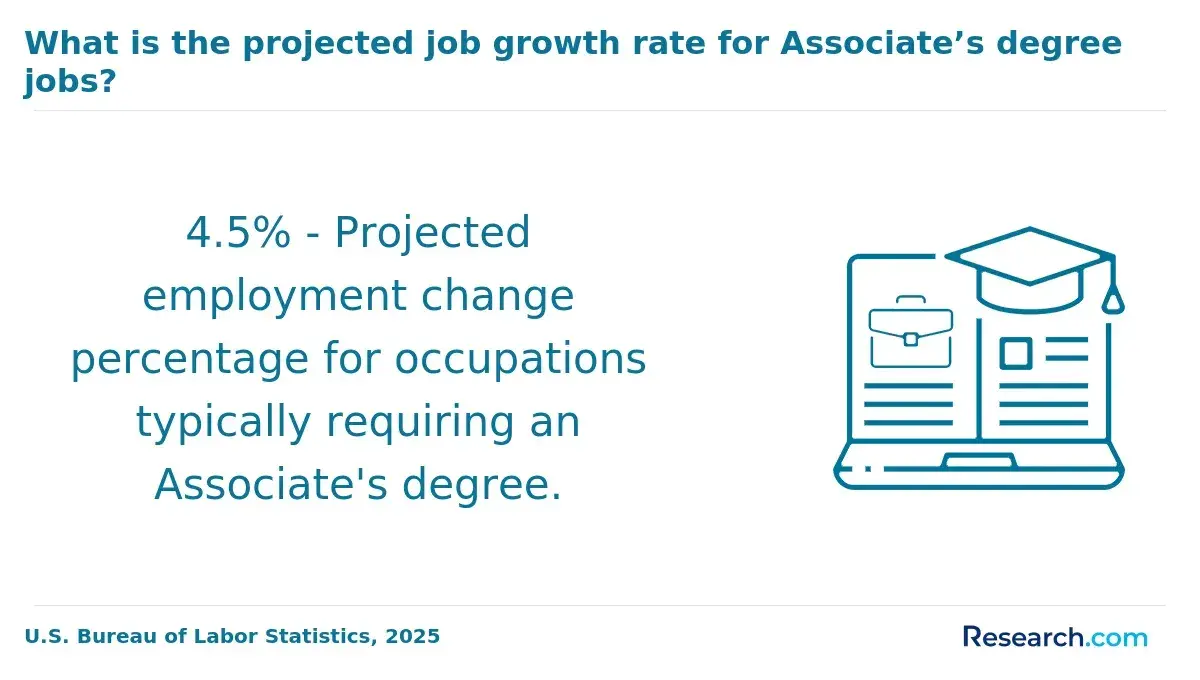
Online students can often use the same federal financial aid as campus students if the school is Title IV eligible and the student meets aid requirements. This rule applies across many accredited online fields, from sports science to advanced health programs such as easy DNP programs, but eligibility always depends on the specific school and program.
The FAFSA is used to determine eligibility for federal grants, work-study, and federal student loans. For the 2025-2026 award year, the maximum Pell Grant is $7,395, which can substantially reduce net price for eligible undergraduate students but may not cover the full cost of attendance.
Students should follow these steps to use federal aid wisely:
- Confirm that the institution participates in Title IV federal student aid and that the online sports science program is eligible.
- Submit the FAFSA as early as possible and list every school you are seriously considering.
- Compare financial aid offers by separating grants and scholarships from loans that must be repaid.
- Ask whether aid changes if you enroll part time, accelerate, stop out, or take summer courses.
- Check satisfactory academic progress rules because losing aid eligibility can increase your out-of-pocket cost.
- Borrow only after calculating expected monthly payments and comparing them with realistic entry-level earnings in your target role.
Federal loans can be useful, but they should not be treated like a discount. Grants and scholarships reduce net price; loans shift payment into the future.
Scholarships and grants are forms of gift aid, meaning they generally do not need to be repaid if students meet the terms. Students comparing affordability across health and wellness pathways may notice similar funding questions when reviewing options such as the cheapest FNP programs online, where tuition discounts, employer benefits, and renewable scholarships can change net price.
Sports science students should look beyond athletic scholarships, which are usually tied to varsity participation and may not apply to online learners. More practical funding sources include:
- Federal Pell Grants: Need-based aid for eligible undergraduate students at participating schools.
- State grants: State-funded aid that may require residency, FAFSA completion, enrollment minimums, or attendance at an approved institution.
- Institutional scholarships: School-funded awards based on need, merit, transfer status, military affiliation, adult-learner status, or academic major.
- Department scholarships: Awards from kinesiology, exercise science, health sciences, education, or sport management departments.
- Employer tuition assistance: Fitness centers, hospitals, school districts, recreation departments, and corporate wellness employers may help pay for job-related education.
- Military education benefits: Active-duty, veteran, Guard, Reserve, and dependent benefits may reduce or cover tuition depending on eligibility.
- Professional association awards: Sport, coaching, wellness, and strength-and-conditioning organizations may offer smaller scholarships or exam-fee support.
Ask whether each scholarship is renewable, whether it applies to online students, and whether it is available in summer terms. A one-time $1,000 award is helpful, but a renewable award can have a much larger effect on total net price.
Transfer credit is often the fastest way to reduce the cost of an online sports science degree because students pay only for remaining credits. The same time-and-credit logic used to evaluate a shortest online nurse practitioner program also applies here: fewer required credits usually means lower tuition, fewer fees, and a faster path to completion.
Students with community college credits, military training, professional certifications, or previous college coursework should request an official transfer evaluation before enrolling. Do not rely on an admissions estimate alone.
Use these cost-saving strategies before choosing a program:
- Ask for a preliminary degree audit showing exactly how many credits will transfer into general education, electives, and major requirements.
- Confirm the school's maximum transfer allowance and minimum residency requirement, which is the number of credits you must complete at that institution.
- Check whether certifications such as personal training, strength and conditioning, CPR, emergency response, or military training can earn prior learning credit.
- Compare community college pathway agreements if you have not completed lower-division science, math, or general education courses.
- Ask whether competency-based or accelerated terms are available for any required courses, not just electives.
- Calculate savings using remaining credits, not total degree credits, because transfer students rarely pay for all 120 credits at the new school.
The biggest transfer-credit mistake is choosing a school before seeing how credits apply. A program with $350-per-credit tuition may cost less than a $282-per-credit program if it accepts significantly more of your previous coursework toward the major.
How Should Students Compare the Net Price, Quality, and Return on Investment of Online Sports Science Degree Programs?
The best-value online sports science degree balances low net price with accreditation, curriculum fit, student support, and career relevance. A cheap program that does not align with your goal can become expensive if you later need extra prerequisites, a second degree, or a different graduate pathway.
The table below shows how to compare low-cost programs without relying on tuition alone.
| Decision factor | What to compare | Better-value signal |
| Net price | Total cost after grants, scholarships, transfer credits, and tuition benefits | The school provides a clear, personalized cost estimate before enrollment. |
| Accreditation | Institutional accreditation and any programmatic accreditation needed for your goal | The program's accreditation status is easy to verify through recognized sources. |
| Curriculum fit | Exercise science, sport management, kinesiology, wellness, coaching, or health promotion focus | Required courses match your intended career or graduate program prerequisites. |
| Field experience | Internship, practicum, local site placement, or applied project requirements | The school helps online students secure approved sites near where they live. |
| Student outcomes | Retention, graduation, debt, employment support, and graduate school preparation | The school can provide transparent outcome data or career-services support. |
| Flexibility | Part-time options, summer courses, asynchronous classes, and transfer policies | The format fits your work schedule without forcing costly stop-outs. |
Students should also consider the career path attached to the degree. Sports science graduates may pursue roles in fitness training, wellness coordination, coaching, recreation, sport operations, strength and conditioning support, or preparation for graduate study in exercise physiology, athletic training, physical therapy, occupational therapy, or public health. Some of those paths require graduate degrees, licensure, supervised experience, or professional certification.
Before committing, ask each school these questions:
- What is my estimated net price after scholarships, grants, transfer credits, and required fees?
- How many credits must I complete at your institution to graduate?
- Are online students eligible for the same scholarships and academic support as campus students?
- Does the program meet prerequisites for my intended graduate program or certification?
- Are internships required, and who helps online students find approved placements?
- What happens to tuition and aid if I attend part time or take a break?
A slightly higher-cost accredited program may be the better investment if it accepts more transfer credits, has stronger advising, includes career-relevant fieldwork, or better supports your intended next step. The goal is not simply to find the cheapest tuition; it is to graduate with a recognized degree at the lowest responsible net cost.
Other Things You Should Know About Sports Science
Not always. Sports science is a broad term that may include exercise physiology, biomechanics, coaching, performance, wellness, and sport management. Exercise science and kinesiology usually focus more on human movement, anatomy, physiology, and physical performance, while sport management focuses more on the business and operations side of sports.
Many sports science-related degrees can be completed mostly or fully online, especially sport management, wellness, and some exercise science programs. However, programs with labs, internships, practicums, or clinical preparation may require in-person experiences near your location.
They can, if the school is properly accredited and the curriculum matches the role. Employers usually care more about accreditation, relevant skills, internships, certifications, and experience than whether coursework was online, but clinical or licensed roles may have additional requirements.
The biggest red flag is a low advertised tuition rate without clear accreditation, federal aid eligibility, fee disclosure, or transfer-credit policies. Always verify accreditation independently and request a full cost estimate before enrolling.
- Top 6 Low-Cost Online Bachelor's in Physical Education https://www.greatvaluecolleges.net/rankings/online-bachelors-physical-education/
- Study Sports Science in Malaysia 2026 | Top Universities & Fees https://www.easyuni.com/malaysia-sports-science/
- Online Health Science Degrees with Financial Aid https://www.edumed.org/online-schools/health-science-degrees/financial-aid/
- Different Tuition for Different Majors https://talk.collegeconfidential.com/t/different-tuition-for-different-majors/1465000
- 2026 Best Online Exercise Science Degrees https://www.onlineu.com/degrees/exercise-science
- Financial Aid Guide for Students at Online Colleges - OnlineColleges.net https://www.onlinecolleges.net/for-students/financial-aid-online-students/
- Online Exercise Science Program https://stmary.edu/online-programs/exercise-science.html
- Student Loans for Personal Trainer Programs in 2026 - Credible https://www.credible.com/student-loans/student-loans-for-personal-trainer-certification
- Types of Financial Aid for Online Colleges https://www.umassglobal.edu/blog-news/types-financial-aid-online-colleges
- Can You Get Financial Aid for Online College? Finding Out https://beal.edu/can-you-get-financial-aid-for-online-college/