2027 Online Digital Photography Degrees With the Best FAFSA-Friendly Options

Co-Founder and Chief Data Scientist
Choosing an online digital photography degree is a financial decision as much as a creative one. Federal student aid can lower upfront costs, but only if the school is Title IV eligible and properly accredited. The maximum Federal Pell Grant is $7,395 for the 2024-25 award year, which can materially change affordability for eligible students. This guide is for aspiring photographers, working creatives, and returning students who want a credible online path. You will learn how to compare FAFSA-friendly programs, costs, timelines, skills, career outcomes, and red flags before enrolling.
Key Things You Should Know
- The best FAFSA-friendly online digital photography degrees are offered by institutionally accredited, Title IV-participating colleges; without both, students generally cannot use federal grants or federal student loans.
- Public two-year colleges remain the lowest-cost starting point for many students, with College Board reporting average published in-district tuition and fees of about $4,050 at public two-year colleges for 2024-25.
- Photography careers are portfolio-driven, so the strongest online programs combine technical camera work, lighting, editing, visual storytelling, business skills, and a capstone portfolio rather than relying on lecture-only coursework.
What are the best online digital photography degrees that qualify for FAFSA financial aid?
The best FAFSA-friendly online digital photography degrees are not simply the cheapest or the most heavily advertised. They are programs at institutionally accredited colleges that participate in federal Title IV aid, offer a real degree rather than only a short course, and require portfolio-building work that matches photography employers' expectations.
For most students, the strongest choices fall into a few practical categories. The table below compares the main FAFSA-friendly options by fit, affordability, and career purpose.
| Program option | Best fit | Typical credential | FAFSA-friendly signal to verify |
| Community college photography or digital media program | Students seeking the lowest-cost start or transfer pathway | Associate degree | Institutional accreditation and Title IV participation |
| Public university online art, digital media, or photography concentration | Students who want a bachelor's degree with broader career flexibility | Bachelor's degree | Regional institutional accreditation and federal school code |
| Private nonprofit art or design school with online photography | Students who want portfolio critique, studio culture, and creative networking | Bachelor's degree | Title IV eligibility, published net price, and clear transfer policy |
| Online visual communication or digital media degree with photography courses | Students targeting content, marketing, media, or social brand roles | Associate or bachelor's degree | Accredited degree program, not only a continuing education certificate |
If you want a dedicated photography-focused search, start with accredited online photography degrees and then confirm each school's current federal aid eligibility before applying. "FAFSA-friendly" should mean the institution appears in the federal school code system, not just that the website mentions scholarships or payment plans.
A strong program should also be honest about outcomes. Photography is a competitive field where a degree can strengthen technical skill, critique experience, and business readiness, but the portfolio, client experience, location, and niche often matter as much as the credential.
How do online digital photography degrees compare to campus-based programs in flexibility and outcomes?
Online digital photography degrees usually offer more scheduling flexibility, while campus-based programs may provide easier access to studios, lighting labs, printers, darkrooms, equipment checkout, and in-person critique. Neither format is automatically better; the right choice depends on your work schedule, learning style, equipment access, and career goal.
The comparison below shows where each format tends to be strongest. Use it to decide whether online study fits your situation or whether a campus program would better support your creative development.
| Factor | Online digital photography degree | Campus-based photography degree |
| Schedule | Often asynchronous or evening-friendly, useful for working adults | More fixed class times and studio schedules |
| Hands-on work | Completed locally using your own camera, lighting, and editing setup | Completed in school studios, labs, and supervised facilities |
| Critique | Usually delivered through discussion boards, video reviews, and uploaded portfolios | Often live, in-person, and studio-based |
| Networking | Requires more initiative through internships, local clients, online communities, and faculty outreach | May offer easier peer, alumni, gallery, and local employer interaction |
| Outcome quality | Depends heavily on portfolio rigor, faculty feedback, and student discipline | Depends heavily on studio access, faculty quality, and project depth |
Online programs can work especially well for students who already have a camera, a computer capable of editing large image files, and access to local subjects or clients. They may be less ideal for students who need close supervision, want intensive studio access, or learn best through live, physical critique.
A practical rule is to judge outcomes by the portfolio you will build, not only by delivery mode. Ask whether students complete client-style assignments, lighting projects, photo essays, image editing workflows, visual research, and a final portfolio review before graduation.
What accreditation should an online digital photography program have to be FAFSA-eligible and respected?
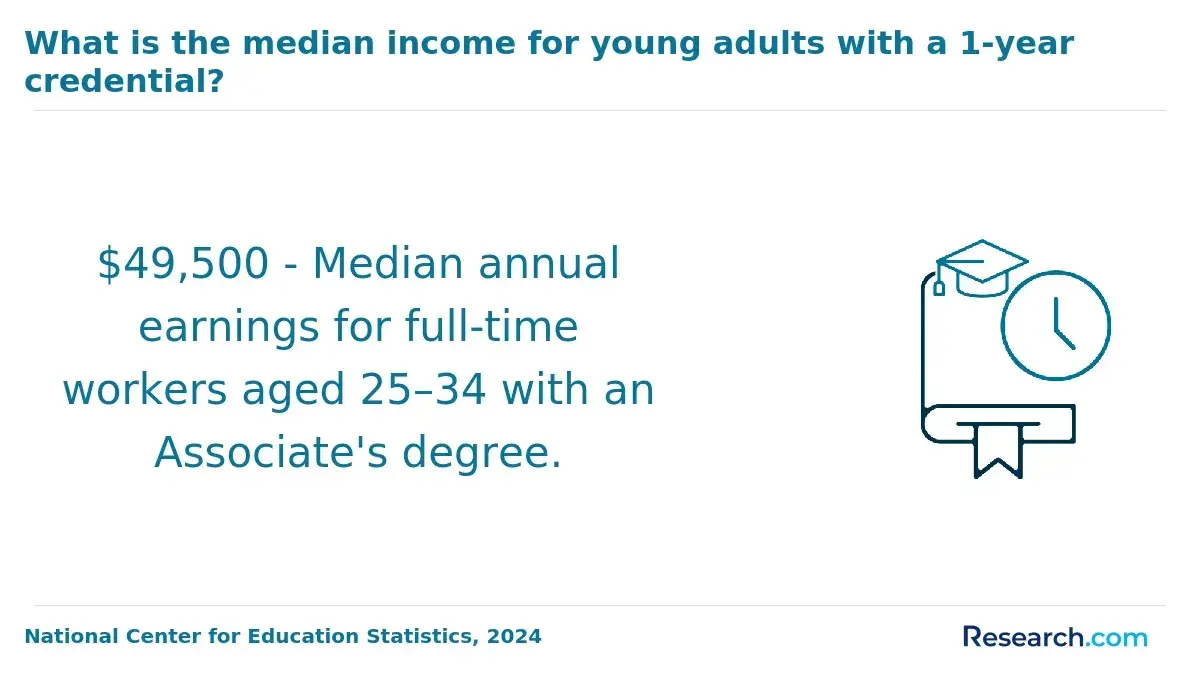
For federal financial aid, the most important requirement is that the institution participates in Title IV federal student aid programs and is accredited by an agency recognized by the U.S. Department of Education. Program-specific art accreditation can be valuable, but institutional accreditation is the core requirement for FAFSA eligibility.
Students often confuse accreditation, approval, certificates, and "industry recognition." The table below separates the terms that matter when evaluating whether a photography degree is both aid-eligible and credible.
| Quality marker | What it means | Why it matters |
| Institutional accreditation | The college or university is accredited by a recognized accreditor | Usually required for federal student aid and transfer credibility |
| Title IV participation | The school can administer federal grants and loans | Required if you plan to use FAFSA-based federal aid |
| Program or art-school accreditation | A specialized review of art, design, or discipline quality where applicable | Can add credibility, but it does not replace institutional accreditation |
| State authorization for online education | The school is authorized to enroll online students in your state | Important for distance learners, especially across state lines |
| Portfolio and faculty transparency | The program shows student work, faculty backgrounds, and curriculum details | Helps you judge creative rigor beyond compliance status |
Before enrolling, verify accreditation directly through official school materials and federal databases, not only through ads or third-party directory pages. Also ask the financial aid office whether the specific online degree, not just the institution, is eligible for federal aid.
Be cautious with non-degree bootcamps, private workshops, and short online certificates that teach useful skills but do not qualify for federal aid. They can be worthwhile for targeted upskilling, but they should not be marketed as equivalent to an accredited degree.
What types of digital photography degrees can you earn online, from associate to bachelor's?
Online digital photography education can appear under several degree names, including photography, digital photography, visual arts, digital media, graphic design, visual communication, or multimedia arts. The name matters less than the curriculum, portfolio expectations, faculty feedback, and transferability.
The main degree levels differ in cost, timeline, and career purpose. The table below summarizes which option may fit your academic and professional goals.
| Degree type | Typical length | Best for | Common trade-off |
| Associate of Arts or Associate of Applied Science | About 2 years full time | Entry-level work, portfolio foundation, or transfer to a bachelor's program | Lower cost, but fewer advanced electives and leadership-focused courses |
| Bachelor of Arts | About 4 years full time | Students who want photography plus liberal arts, communication, or media studies | Broader education, but may include fewer intensive studio hours than a BFA |
| Bachelor of Fine Arts | About 4 years full time | Students seeking deeper studio practice, critique, and portfolio development | More creative specialization, but less room for unrelated electives |
| Certificate attached to an accredited college | Usually less than 1 year to 18 months | Students who already have a degree or want targeted technical training | May or may not qualify for federal aid depending on school and program rules |
An associate degree can be the smartest first step if you need affordability or are unsure whether you want a full bachelor's degree. A bachelor's degree usually makes more sense if you want broader roles in media, communications, content production, art direction support, education-related pathways, or long-term advancement.
Students interested in image generation, automated editing, and computational creative tools may also want to compare photography with adjacent technology programs such as online AI degrees. That path is not a substitute for photography training, but it can be relevant for students drawn to visual technology, generative media, and creative automation.
What core courses and technical skills are taught in accredited online digital photography programs?
Accredited online digital photography programs should teach more than how to use a camera. A serious curriculum builds visual judgment, technical control, editing discipline, ethical awareness, and business readiness.
Most programs combine creative courses with software, production, and professional practice. The following areas are especially important because they translate directly into portfolio quality and client-ready work.
- Camera operation, exposure, focus, lenses, file formats, and digital workflow
- Lighting for portraits, products, events, interiors, and controlled studio-style scenes
- Composition, color, visual storytelling, art history, and contemporary photography practice
- Photo editing, retouching, cataloging, and nondestructive post-production workflows
- Digital asset management, backup systems, file delivery, metadata, and copyright basics
- Portfolio development, critique, artist statements, client presentation, and capstone projects
- Business skills such as pricing, contracts, licensing, marketing, invoicing, and client communication
Current trends make software fluency especially important. AI-assisted editing, automatic masking, denoising, upscaling, and generative image tools are changing production workflows, so students should look for programs that teach both technical use and ethical limits, including disclosure, copyright concerns, and authenticity standards.
Marketing skills also matter because many photographers are self-employed or freelance. If you expect to run your own studio, compare electives in branding, social media strategy, analytics, and entrepreneurship; students focused heavily on promotion may also find useful context in a cheapest online marketing degree pathway later in their education.
What are typical admission requirements for online digital photography degrees for new and returning students?
Admission requirements vary by school and degree level, but online undergraduate photography programs are often accessible to first-time students, transfer students, military-connected learners, and working adults. Selective art schools may require more portfolio evidence than broad-access public colleges.
Applicants should expect some combination of academic, identity, and creative materials. These requirements help schools place students correctly and determine financial aid eligibility.
- High school diploma, GED, or equivalent for first-time undergraduate admission
- Official transcripts from high school and any previously attended colleges
- Transfer credit evaluation for returning students or associate degree graduates
- Portfolio or sample images for selective photography, art, or BFA programs
- Personal statement, admissions interview, or creative goals statement at some schools
- FAFSA submission if the student wants federal grants, loans, or work-study consideration
- Technology readiness, including access to a camera, computer, reliable internet, and editing software
Returning students should pay special attention to transfer policies. A low tuition rate can become less affordable if the school accepts few prior credits or requires students to repeat foundational courses.
Military-connected students and veterans should also ask how federal aid interacts with VA education benefits, institutional grants, and credit for prior learning. The same comparison habits used for cybersecurity programs online for veterans apply here: verify accreditation, aid eligibility, transfer rules, student support, and career services before committing.
How long do online digital photography degrees take, and what do they usually cost?
Most online associate degrees in digital photography take about 2 years of full-time study, while bachelor's degrees usually take about 4 years. Part-time students may take longer, and transfer students may finish faster if prior credits apply to the new degree plan.
Cost depends on institution type, residency rules, transfer credits, software, equipment, and fees. College Board's 2024-25 data shows average published tuition and fees of about $4,050 for public two-year in-district students, compared with much higher average prices at four-year institutions; this makes community college a practical cost-control strategy for many students.
The table below summarizes common cost drivers. It is more useful to compare total estimated cost than tuition alone because photography students often need equipment and software in addition to courses.
| Cost factor | How it affects total cost | What to ask the school |
| Tuition and mandatory fees | The largest direct academic cost | Is tuition charged per credit, per term, or at a flat online rate? |
| Transfer credits | Can reduce time to completion and total tuition | How many credits will apply to the major, not just electives? |
| Camera and lenses | May be required if the program does not provide equipment access | What minimum camera specifications are required? |
| Computer and storage | Photo editing requires processing power and backup capacity | Are there required hardware specifications? |
| Editing software | May involve subscription or course materials costs | Does tuition include software access or discounts? |
| Printing, portfolio, and exhibition costs | Can increase during upper-level courses or capstones | Are final prints, books, or portfolio platforms required? |
To reduce cost, compare net price after grants and scholarships, not just sticker price. Also ask whether summer courses, accelerated terms, prior learning credit, or community college transfer agreements can shorten the path without weakening your portfolio.
What digital photography careers can you pursue with an online degree, and in which industries?
An online digital photography degree can support careers in commercial photography, media production, marketing, journalism, e-commerce, portraiture, events, real estate, nonprofit communications, and creative entrepreneurship. The degree is most valuable when paired with a strong portfolio and evidence that you can complete assignments on deadline.
The table below connects common career paths with the kind of work each role performs. This can help you choose electives, internships, and portfolio projects that match your target industry.
| Career path | Typical responsibilities | Industries that may hire |
| Portrait or wedding photographer | Photograph individuals, families, couples, ceremonies, and events; edit and deliver client galleries | Consumer services, events, small business, freelance studios |
| Commercial or product photographer | Create images for advertising, catalogs, websites, packaging, and brand campaigns | Retail, e-commerce, advertising, manufacturing, food, fashion |
| Photojournalist or editorial photographer | Document news, features, communities, sports, and public events | Media, publishing, nonprofits, local news organizations |
| Real estate or architectural photographer | Photograph interiors, exteriors, properties, rentals, and built environments | Real estate, construction, architecture, hospitality |
| Digital content creator | Produce still images and short-form visual assets for online platforms | Marketing, social media, education, tourism, entertainment |
| Photo editor or digital asset coordinator | Select, edit, organize, tag, archive, and prepare images for publication or brand use | Publishing, museums, agencies, corporate communications |
Students who want the broadest employment flexibility should build skills beyond still photography. Video basics, motion graphics, web publishing, social media analytics, and content strategy can make a graduate more useful in small creative teams where one person often handles multiple forms of media.
Freelance-minded students should treat business courses seriously. Pricing, contracts, usage rights, sales, taxes, and client management often determine whether strong creative work becomes sustainable income.
What is the salary outlook and job demand for digital photography and related creative roles?
Photography pay varies widely because the field includes salaried staff roles, part-time work, freelance projects, seasonal events, and self-employed businesses. According to recent U.S. Bureau of Labor Statistics data, photographers' median pay sits in the low-$40,000 range, which means students should evaluate cost carefully and avoid assuming that a degree alone will produce high earnings.
Job demand is also mixed. BLS projections for photographers show modest growth over the current 2024-34 projection period, but competition can remain strong because many people enter the field through freelance, self-taught, or part-time paths. This makes specialization and business skill important.
The table below shows how earning potential and stability can differ by direction. Use it to think about career strategy rather than as a guarantee of income.
| Path | Income pattern | Demand considerations | Best preparation |
| Freelance portrait, wedding, or event work | Project-based and seasonal | Depends on local market, referrals, pricing, and reputation | Client portfolio, contracts, sales skills, editing speed |
| Commercial and product photography | Can be project-based or agency-supported | Influenced by e-commerce, brand content, and advertising budgets | Lighting, retouching, styling, brand collaboration |
| Staff media or communications role | More stable when available | Often requires photography plus writing, video, or social media skills | Multimedia portfolio and deadline-based experience |
| Real estate and architectural photography | Often volume-based and market-sensitive | Linked to property activity and local competition | Wide-angle technique, editing consistency, fast turnaround |
| Photo editing and digital asset management | May be salaried in larger organizations | Supported by content-heavy companies and archives | Metadata, cataloging, rights management, editing judgment |
AI is changing the market, but it is not eliminating the need for original photography in many contexts. Events, portraits, journalism, legal documentation, real estate, product accuracy, and brand-specific shoots still depend on real-world image capture, while AI tools increasingly affect editing speed, concept development, and image manipulation ethics.
The strongest salary strategy is to choose a niche, build a specialized portfolio, and learn the business model behind that niche. A student aiming for wedding work needs different preparation than someone targeting e-commerce, editorial assignments, or in-house content production.
How can you compare and choose a reputable, FAFSA-friendly online digital photography program?
Choosing a reputable online digital photography program requires more than checking whether classes are online. You need to confirm aid eligibility, compare total cost, evaluate the curriculum, and judge whether the program will help you create a portfolio that fits your career goal.
Use the following steps before you submit an enrollment deposit. They are designed to reduce financial risk and help you avoid programs that look convenient but do not support your intended outcome.
- Confirm the school is institutionally accredited and participates in Title IV federal student aid.
- Ask whether the specific online photography, digital media, or visual communication degree is eligible for federal aid.
- Compare net price after grants, scholarships, transfer credits, and required equipment costs.
- Review the full curriculum for lighting, editing, critique, business practice, and portfolio development.
- Ask to see examples of student work, capstone projects, exhibitions, or portfolio outcomes.
- Check faculty experience in photography, commercial work, media, art practice, or related creative fields.
- Confirm software, camera, computer, and printing requirements before classes begin.
- Ask how online students receive critique, career support, internship guidance, and technical help.
- Review withdrawal, refund, satisfactory academic progress, and financial aid policies.
- Compare the program against your target role, not against rankings alone.
Common red flags include unclear accreditation language, pressure to enroll immediately, no published degree plan, no meaningful portfolio requirement, vague tuition estimates, and promises of job placement or earnings. A credible school should be willing to explain costs, aid eligibility, transfer rules, and student support in writing.
The best choice is usually the program that balances affordability, accreditation, portfolio quality, and career relevance. If a lower-cost program lacks critique and portfolio structure, it may not be the best value; if a higher-cost art school offers strong mentoring but creates excessive debt, it may also be a poor fit.
Other Things You Should Know About Digital Photography
Not always. Many programs require a digital camera with manual controls, but the exact specifications vary. Ask for the equipment list before enrolling so you do not buy gear that is unnecessary or incompatible with course requirements.
It can help in some beginner-friendly or broad-access programs if the images show composition, storytelling, and visual awareness. More selective programs may still prefer work made with a camera that allows manual exposure and higher technical control.
A certificate may be enough if you need targeted skills and already have a strong portfolio or business plan. A degree may be better if you want broader creative training, transfer options, federal aid eligibility, or access to roles that prefer a college credential.
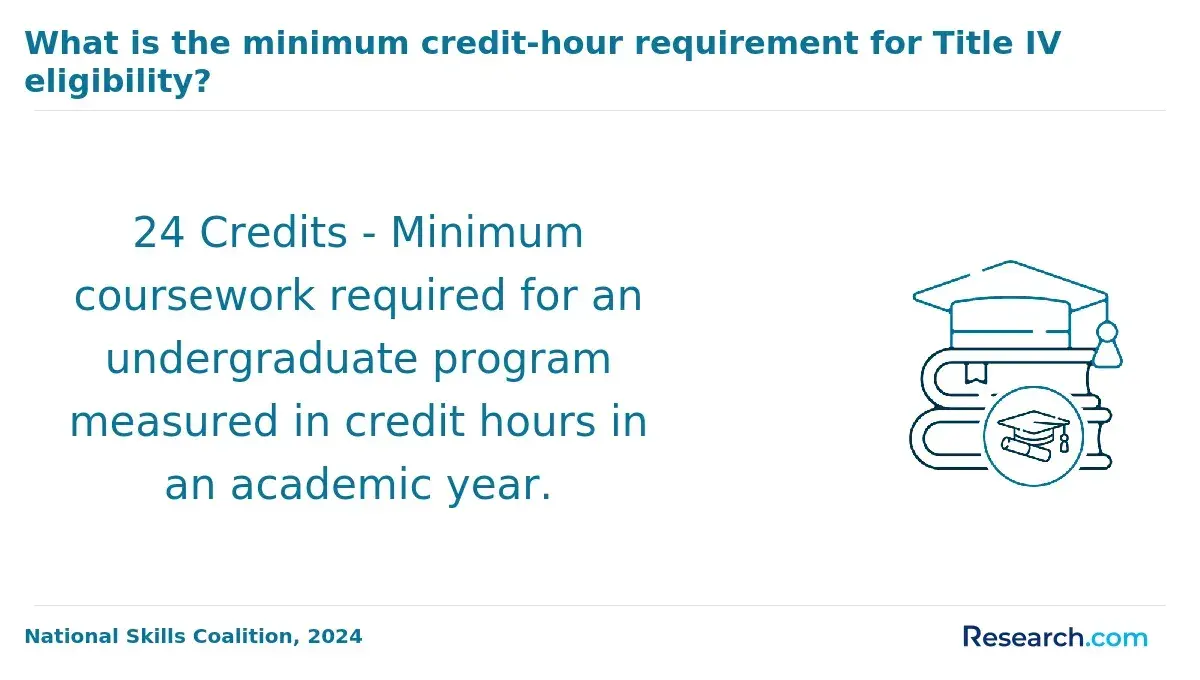
Yes, if the program measures at least 12 credit hours per term, it is usually treated as full-time for undergraduate FAFSA purposes. Schools must be Title IV eligible, and aid is awarded only to students who meet Satisfactory Academic Progress, usually a 2.0 GPA and pace requirements.
References
- What Can You Do With a Photography Degree? https://pnca.willamette.edu/academics/bfa/photography/career-options
- Online Photography Degree and Certificate Programs | Sessions College https://www.sessions.edu/digital-photography-info/
- What Can You Do With A Photography Degree? - What Career Live https://www.whatcareerlive.co.uk/what-can-you-do-with-a-photography-degree/
- What's the Outlook for Photographer Jobs? | All Art Schools https://www.allartschools.com/photography/outlook-photography-jobs/
- Computer graphic arts - digital photography https://www.starkstate.edu/academics/explore-all-programs/digital-photography-major/
- Photography BA(Hons) (Online) https://www.falmouth.ac.uk/study/online/undergraduate/photography
- Should you Study Photography at College or are There Better Options Now? https://digital-photography-school.com/should-you-study-photography-at-college-or-are-there-better-options-now/
- Professional Photography - College for Arts and Technology https://collegeforartsandtech.com/programs/professional-photography/
- How Much Does it Cost to Learn Photography? https://blog.nobledesktop.com/learn/photography/photography-cost-to-learn
- Digital Photography Program https://coned.georgebrown.ca/courses-and-programs/digital-photography-program