2027 Child Psychology Degree Popularity by Gender, Region, and Degree Level

Co-Founder and Chief Data Scientist
A student researching child psychology degrees discovers that enrollment patterns vary sharply by gender, region, and degree level, challenging assumptions about program popularity and career prospects. Recent 2024 data show women represent over 75% of enrollments nationwide, but regional disparities reveal areas where male participation is notably higher, reflecting localized workforce demands and cultural factors. These variations affect peer networks, access to specialized faculty, and alignment with regional job markets. Interpreting such trends requires understanding their roots in social, economic, and institutional conditions, rather than surface-level popularity scores alone. This article examines how gender, geography, and degree level influence child psychology degree popularity to guide educational and career choices.
Key Things to Know About Child Psychology Degree Popularity by Gender, Region, and Degree Level
- Women represent over 75% of child psychology degree enrollees in 2024, reflecting gendered occupational patterns that may limit male practitioner diversity and influence workforce dynamics in clinical settings.
- Enrollment spikes in urban Northeastern U.S. regions highlight employer demand for regional specialization but create access challenges for rural students, affecting career entry timing and geographic mobility.
- Higher degree levels correspond with longer, costlier pathways; master's holders face credential tradeoffs that impact employability compared to doctoral graduates, especially in research-intensive or clinical leadership roles.
- Key Things to Know About Child Psychology Degree Popularity by Gender, Region, and Degree Level Key Things to Know About Child Psychology Degree Popularity by Gender, Region, and Degree Level
- How Does Job Market Demand Influence Child Psychology Degree Popularity? Market Demand and Degree Popularity
- How Does Online Child Psychology Degree Enrollment Compare to Traditional Campus Programs? Online vs. Campus Enrollment
- What Degree Level Is Most Common Among Child Psychology Students? Most Common Degree Levels
- How Do Enrollment Trends Differ Between Associate, Bachelor's, Master's, and Doctoral Child Psychology Degrees? Enrollment Trends by Degree Level
- How Popular Is the Child Psychology Degree Compared to Other College Majors? Degree Popularity vs. Other Majors
- Why Is the Child Psychology Degree More Popular in Certain States and Regions? Regional Popularity Drivers
- What Demographic Groups Are Driving Growth in Child Psychology Degree Programs? Growth by Demographic Groups
- What Is the Future Outlook for Child Psychology Degree Enrollment by Gender, Region, and Degree Level? What Is the Future Outlook for Child Psychology Degree Enrollment by Gender, Region, and Degree Level?
- How Have Child Psychology Degree Enrollment Trends Changed Over the Past Decade? How Have Child Psychology Degree Enrollment Trends Changed Over the Past Decade?
- Where Is the Child Psychology Degree Most Popular Across the United States? Geographic Popularity Analysis
How Does Job Market Demand Influence Child Psychology Degree Popularity?
Employment trends for child psychology degrees frequently diverge from simple enrollment patterns, driven in part by rigorous licensure and the clinical nature of hiring demands. In regions like California and New York, where job vacancies for licensed psychologists specializing in children have expanded alongside school district growth and mental health initiatives, graduate-level programs often see more pronounced enrollment increases. These labor market signals disproportionately influence participation among prospective students who can commit to extended training and certification, which tends to skew toward female enrollment given persistent gender dynamics in counseling professions. Meanwhile, states with fewer healthcare resources or program availability may experience relatively stagnant degree uptake despite underlying workforce needs.
Degree level matters substantially in shaping both individual choices and institutional offerings within child psychology degree job market demand in the United States. Many employers mandate at least a master's degree plus supervised clinical hours, making undergraduate-only options less attractive for job readiness despite student interest. This dynamic encourages a funneling effect toward advanced graduate education, with some students deterred by the financial and time investment, leading to a complex interplay between market demand and degree popularity. Addressing these practical considerations is essential for those weighing the long-term relevance of child psychology credentials in evolving labor markets.
Beyond degree levels and certification, regional labor market trends also weigh heavily on program popularity, as these determine access and economic feasibility for students. Prospective candidates often balance decisions against geographic employment prospects, financial aid availability, and program proximity, which is why enrollment spikes in particular states don't always perfectly correlate with hiring demand. Students considering these variables might explore alternatives or bridge programs such as online nurse practitioner programs to complement their training amid fluctuating local conditions and workforce shortages.
How Does Online Child Psychology Degree Enrollment Compare to Traditional Campus Programs?
Enrollment in online child psychology degree programs has surged more rapidly than traditional campus options, growing at about 12% annually over recent years compared to roughly 3-4% for on-campus programs, according to the National Center for Education Statistics. This growth primarily reflects the appeal of online formats to working adults and those in rural or underserved areas who cannot easily relocate or commit to fixed campus schedules. Consequently, online cohorts tend to include a higher percentage of women over 30 and geographically dispersed students, diverging from the younger, local demographic that predominates in campus programs. However, this shift involves tradeoffs, as online students may face less direct academic support and community engagement, factors which can influence retention and reduce opportunities for hands-on experience often valued by employers in psychology fields.
Employers in child psychology-related careers still frequently regard campus-based degrees as offering more rigorous practical training, including face-to-face internships that online studies can struggle to replicate fully, despite growing integration of virtual practicums. For prospective students, these modality differences influence not only access and flexibility but also how their degree is perceived within professional networks. Those weighing online versus traditional paths must balance immediate needs-like geographic or scheduling constraints-against the potential long-term impact of fewer in-person experiential learning opportunities and a higher risk of attrition. Understanding these nuanced factors is crucial for aligning educational choices with career trajectories and regional workforce demands, especially as child psychology continues to evolve as a field.
A recent graduate who pursued child psychology online shared that her decision stemmed from limited local options combined with a full-time job and family obligations. Initially skeptical about whether an online program would be taken seriously or provide enough practical experience, she found herself reassured by the program's efforts to include virtual internships and live sessions, though she still missed the informal peer interactions that campus students enjoy. Despite occasional doubts about her connection to the campus community, the flexibility allowed her to persist where enrolling on-site would have been unfeasible. This practical balance between access and authenticity shaped her perspective on the value and limits of online child psychology education.
What Degree Level Is Most Common Among Child Psychology Students?
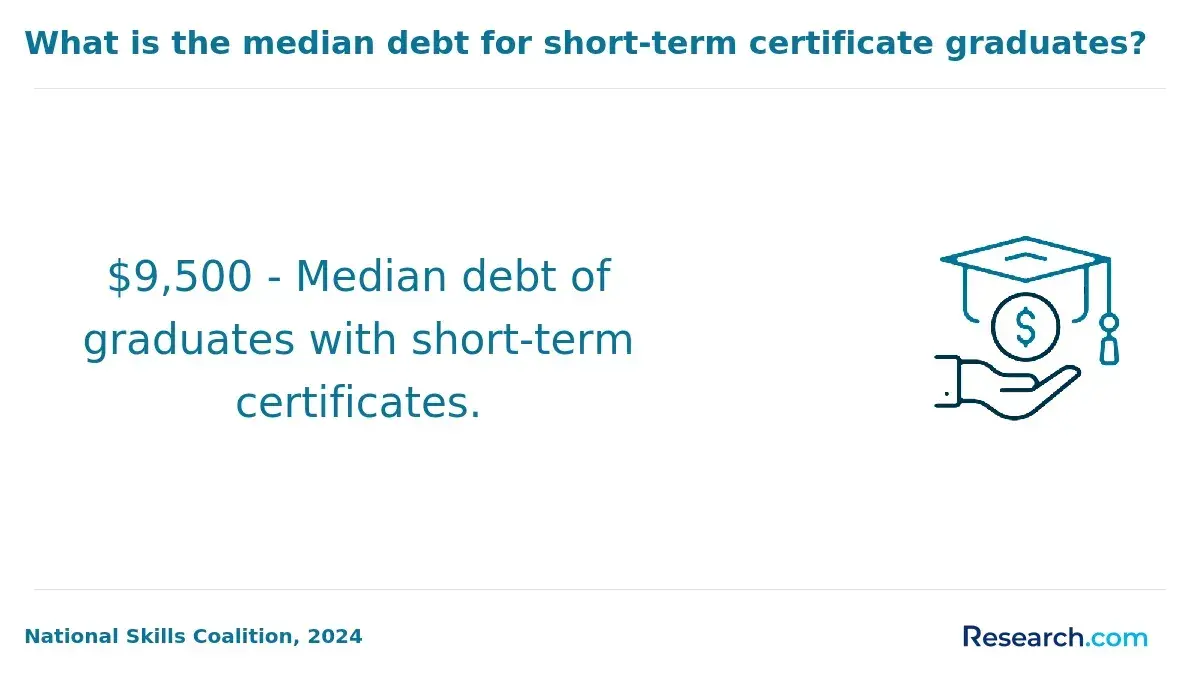
The prevalence of master's degrees among students in child psychology reflects pragmatic responses to licensure standards and workforce demands. According to 2024 data from the National Center for Education Statistics, master's programs account for approximately 55% of degree completions in child psychology and related fields, underscoring the degree's role as the preferred credential for clinical practice and counseling roles that require advanced, yet accessible, qualifications. This level balances depth of specialized training and time investment more effectively than doctoral programs, which, despite offering greater research and clinical authority, remain less common due to their longer duration, higher costs, and more competitive admissions.
Bachelor's degrees serve largely as foundational qualifications, often functioning as stepping stones toward graduate study rather than endpoints for independent practice in child psychology. These programs fulfill entry-level employment needs such as research support or case management but typically lack the clinical rigor required for licensure or autonomous roles. Meanwhile, associate degrees hold minimal influence in this field, given their limited capacity to qualify graduates for substantive child psychology positions. Regional variations in enrollment reflect the concentration of advanced training facilities, with higher participation seen in the Northeast and West Coast, aligned with robust professional ecosystems and healthcare infrastructure.
For students navigating educational pathways, this distribution highlights the necessity of aligning degree choice with career ambitions and practical realities. Pursuing a master's degree often provides a practical compromise between credentialing demands and resource constraints, enabling timely entry into licensure-driven roles. Those aiming for specialized clinical or research careers must consider doctoral training, accepting the associated extended commitment. Understanding these dynamics is crucial for strategic planning amid evolving workforce expectations and institutional offerings in child psychology education.
How Do Enrollment Trends Differ Between Associate, Bachelor's, Master's, and Doctoral Child Psychology Degrees?
Enrollment disparities across associate, bachelor's, master's, and doctoral child psychology degree programs reflect distinct workforce demands and academic barriers. Associate degrees primarily attract those targeting immediate support roles in social services with moderate growth, hindered by limited upward mobility and employer preference for higher credentials. In contrast, bachelor's degrees hold the largest share, with completions in psychology rising roughly 4% annually according to National Center for Education Statistics data, supporting a broad mix of students often with a female majority near 70%. This level remains critical for foundational knowledge but can present challenges for those targeting specialized or clinical positions without graduate training.
Master's programs, showing about 6% annual enrollment growth, fill an increasing niche for clinical licensure and counseling roles, driven by expanded online and hybrid formats that improve access, especially in regions with fewer traditional options. These programs attract a wider age range and professional backgrounds, signaling diverse career entry points beyond recent undergraduates. Doctoral enrollment remains the most selective and smallest segment, concentrated in metropolitan research hubs, where admission competitiveness and extended time-to-degree create significant tradeoffs; however, doctoral graduates often secure advanced research or policy roles. Prospective students should weigh such factors against regional program availability and workforce credentialing trends, leveraging resources like a self paced online college to align academic pathways with long-term career objectives in child psychology.
How Popular Is the Child Psychology Degree Compared to Other College Majors?
The relative modest enrollment in child psychology compared to broader psychology majors signals a specialized pathway rather than widespread appeal. According to the National Center for Education Statistics data from 2023-2024, while psychology consistently ranks among the top 10 college majors nationwide, less than 10% of awarded bachelor's degrees specifically focus on child or developmental psychology. This niche status persists at the graduate level, where specialized master's and doctoral completions grow only incrementally, reflecting both focused interest and limited program availability relative to more general clinical psychology tracks.
Such enrollment dynamics have tangible implications: smaller cohorts can restrict peer networking and reduce the range of elective specializations available in child psychology programs. Geographic factors also play a role; students in the Northeast and West Coast access more robust offerings due to regional institutional density and healthcare sector demand for pediatric expertise. Additionally, the field's gender distribution mirrors broader psychology trends, with females comprising roughly 70-75% of students, which may influence classroom and workplace culture dynamics. Workforce demand projections show steady but slow job growth for roles associated with child psychology, shaping student expectations and program expansion potentials.
A graduate recalled noticing early on that their child psychology classes were notably smaller than other psychology courses, prompting questions about long-term career prospects and industry demand. Academic advisors discussed the specialized nature of the field and its slower growth compared to more popular majors. This awareness fueled a careful weighing of passion against practical factors like program resources and future job market constraints, illustrating how enrollment size influenced both educational experience and career planning decisions.
Why Is the Child Psychology Degree More Popular in Certain States and Regions?
The regional demand for child psychology programs is strongly shaped by local labor markets and institutional capacity rather than mere student preference. States with concentrated child and family social services employment, such as Washington and Minnesota, tend to exhibit higher enrollment in these degrees due to clearer career pathways and greater job availability. This alignment influences student decisions by providing better networking environments and practical internships, which enhances program value perception and graduate employability. Conversely, more rural or aging regions often lack such infrastructure, reducing both degree popularity and workforce integration, which impacts long-term career outcomes for graduates choosing those areas.
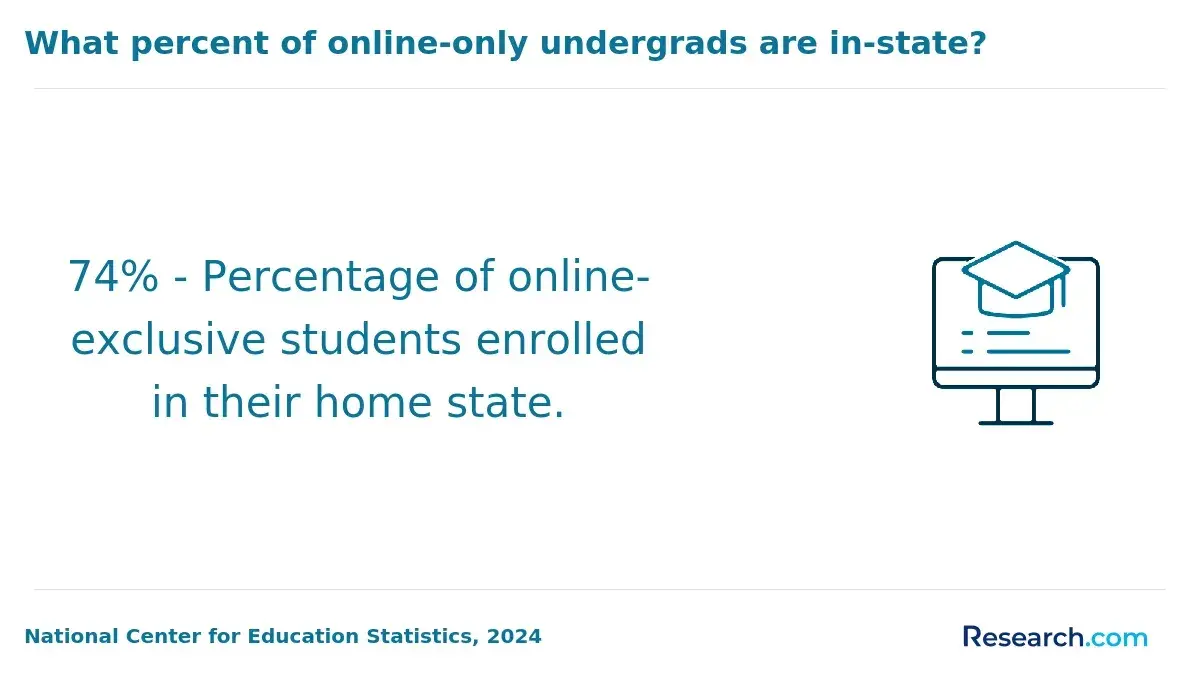
Educational access also plays a key role in variations of child psychology degree popularity by state, especially as online and hybrid programs grow in the Southeast and Midwest. These modalities widen opportunity for nontraditional students who might otherwise be geographically excluded, partially offsetting regional imbalances but not fully replicating the benefits of physical proximity to urban centers with large health and educational industries. Prospective students weighing program options need to consider how local demographic trends and institutional density affect both educational support and subsequent employment opportunities. Those exploring pathways such as an RN to BSN may similarly evaluate how regional health workforce needs and educational resources inform the practical value of their chosen degree.
States with younger populations and higher birth rates, including many Sun Belt regions, demonstrate increased child psychology degree popularity due to ongoing demand for practitioners, reinforcing a cycle of educational investment aligned with workforce needs. These demographic factors, combined with state policies supporting mental health education, create pockets where degrees hold stronger perceived value and job market relevance. Recognizing these dynamics helps current and prospective students understand how child psychology degree popularity by state connects to tangible career prospects rather than abstract program appeal alone.
What Demographic Groups Are Driving Growth in Child Psychology Degree Programs?
Shifts in Child psychology degree enrollments reveal important labor market and educational accessibility dynamics, particularly with women maintaining dominance in the field while male participation slowly rises at graduate levels. The concentration of growth in Southern and Western states reflects expanding regional infrastructure and employer demand for specialists in childhood mental health, notably in more urbanized areas where service needs are acute. This geographic trend signals where resources and program expansions may concentrate, influencing student peer environments and networking opportunities, as well as where employers are likely to recruit graduates.
Adult learners returning to school now form a significant portion of degree earners in Child psychology, highlighting the intersection of workforce upskilling and flexible learning models like online programs. This trend demonstrates a practical tradeoff for working professionals balancing multiple responsibilities but also suggests programs must adapt support services to accommodate non-traditional students. Meanwhile, moderate but uneven gains among underrepresented racial and ethnic groups signal persistent barriers that affect diversity in both enrollment and eventual workforce composition, with implications for how programs address inclusivity and cultural competence across curricula and services.
The sustained predominance of women-comprising roughly 75% of students as reported by the National Center for Education Statistics in 2024-affects classroom dynamics and professional pipelines, often reinforcing gendered expectations within child mental health roles. As first-generation college students increasingly enter these programs, their unique challenges underline the need for targeted academic and socioeconomic supports. Recognizing these demographic realities can better inform educators, policymakers, and employers striving to align Child psychology education with evolving workforce demands and equitable access.
What Is the Future Outlook for Child Psychology Degree Enrollment by Gender, Region, and Degree Level?
Child Psychology degree enrollment is poised to maintain a pronounced gender imbalance, with female students continuing to represent roughly 70% to 75% of entrants, according to recent data from the National Center for Education Statistics. This persistent disparity reflects entrenched societal norms and workplace environments often perceived as more inclusive for women, factors that significantly shape both the pipeline and professional retention. Regional enrollment is diverging, with Southern and Western states experiencing notable growth fueled by demographic expansion and increased educational infrastructure, whereas Northeastern and Midwestern regions face stagnation or declines linked to shifting population patterns and urban migration.
These geographical variations have practical consequences for program availability and student choice. The expansion of online and hybrid models is partially offsetting these regional imbalances by making programs accessible to students in underserved rural areas. Meanwhile, degree-level preferences are evolving: bachelor's degrees remain the largest enrollment segment but graduate programs are growing faster due to rising employer demand for advanced qualifications in clinical and research roles. The Bureau of Labor Statistics projects a 10% increase in psychologist-related jobs through 2030, yet the longer duration and higher cost of master's and doctoral programs pose real barriers, limiting broader participation despite increasing workforce needs.
Prospective students must weigh these dynamics-the increasing emphasis on graduate-level credentials and geographic program disparities-against their career objectives and resources. Institutional capacity constraints and financial challenges might restrict timely access to advanced training, potentially exacerbating workforce shortages in certain regions. These patterns suggest that enrollment and workforce distributions will continue to reflect deeper socio-demographic and economic factors, influencing long-term diversity, service availability, and professional trajectories within Child Psychology careers.
How Have Child Psychology Degree Enrollment Trends Changed Over the Past Decade?
Shifts in child psychology degree enrollment trends in North America over the past decade reveal deeper implications for workforce composition and educational planning. While total enrollments have grown roughly 15%, the nuanced increase in male participation-from about 15% to 18%-reflects initial progress in addressing gender imbalances traditionally seen in this field. This change, paired with the steady dominance of female students at around 80%, suggests evolving perspectives on career roles in child psychology but also highlights persistent barriers to full gender diversity in training cohorts.
Regional disparities continue to shape program access and student choices. Growth is concentrated in urban and suburban areas boasting strong healthcare and educational infrastructure, such as California, New York, and Texas, while rural regions lag behind due to limited program availability and fewer professional opportunities locally. The expansion of online formats, including NASP accredited online school psychology programs, has helped mitigate geographic constraints but has not completely equalized enrollment distribution. For prospective students and current learners, understanding these dynamics is critical when assessing degree options relative to location and available resources.
Degree level data shows pronounced demand for advanced qualifications, with master's completions rising nearly 22% and doctoral completions by 18%, compared to an 8% increase in bachelor's degrees. This pattern signals strong employer preferences for higher credentials linked to clinical licensing and specialized skills, meaning that undergraduates face limited direct employability without further graduate training. These trends underscore the importance of aligning educational investment with labor market realities and anticipated career pathways within child psychology programs.
Where Is the Child Psychology Degree Most Popular Across the United States?
Child psychology degree popularity tends to cluster regionally due to varying educational infrastructure, workforce demand, and population density rather than being evenly distributed across the United States. Concentrations of graduate-level completions are highest in the Northeast and West Coast, where urban centers provide more institutions offering specialized programs and the professional sectors demand skilled child psychology practitioners. This geographic concentration affects student access to diverse clinical training and networking opportunities, which in turn shapes perceptions of degree value within competitive academic and employment markets.
Prospective students assessing child psychology degree popularity by state should consider that Southern and some Midwestern states show lower per capita completions, reflecting fewer program options and a less dense professional community. However, these regions might offer distinct practical roles aligned with local service needs, though at the cost of limited institutional choice and often requiring relocation. Workforce data from sources like the National Center for Education Statistics highlight how economic investments in early childhood education and mental health services fuel demand, reinforcing enrollment trends aligned with regional healthcare and educational ecosystems. For a deeper comparison of degree pathways and career alignment, exploring types of therapy degrees can clarify options suited to varied professional goals.
References
- Home https://www.husson.edu/online/blog/2025/10/types-of-child-psychology-careers
- Careers in Psychology: Navigating Child Psychology Paths https://www.baypath.edu/academics/undergraduate-programs/undergraduate-online-programs/careers-in-psychology-navigating-child-psychology-paths/
- What Are the Types of Psychology Degrees? https://www.warnerpacific.edu/blog/types-of-psychology-degrees/
- How To Become A Child Psychologist | Child Psychology Degrees And Careers https://www.learnhowtobecome.org/psychologist/child-psychologist/
- The State of Psychology Education https://www.parinc.com/learning-center/par-blog/detail/blog/2024/07/09/the-state-of-psychology-education
- BSc (Hons) Psychology with Child Development | University of East London https://www.uel.ac.uk/undergraduate/courses/bsc-hons-psychology-child-development
- Social Psychology Network https://www.socialpsychology.org/ggradoth.htm
- Child Psychology Degree | Psychology Degree Guide https://psychologydegreeguide.org/specialty/child-psychology/
- Home https://www.psychologydegree411.com/
- Child Psychology degrees https://www.whatuni.com/degree-courses/search
Other Things You Should Know About Child Psychology
Programs with higher female enrollment often exhibit collaborative learning environments, but they may lack gender diversity that could enrich perspectives on child developmental issues. Male students in these cohorts might experience fewer peer role models or mentors within the program, impacting networking and career support. Prospective students should consider how gender balance aligns with their own learning preferences and professional development needs, especially since employer networks and internship opportunities often arise from cohort relationships.
Degree availability, specialization foci, and clinical placement opportunities vary widely by region, affecting practical training quality and local employment prospects. Students in regions with limited advanced degree offerings may face challenges accessing specialized faculty or comprehensive practicum experiences essential for licensure. Prioritizing programs in regions with strong healthcare infrastructure or child services sectors can enhance hands-on training and job placement, a crucial factor for those aiming to enter competitive markets after graduation.
Yes, the workload and academic rigor intensify significantly from bachelor's to doctoral levels, impacting time to degree and potential burnout. Graduate-level programs demand balancing research, clinical hours, and advanced coursework, which may limit the ability to work or manage personal commitments. Students should realistically assess their capacity and career goals before advancing, as rushing into higher degree levels without clear professional objectives can lead to attrition or underutilized credentials.
Higher degree levels typically open doors to specialized roles in research, clinical practice, or academia, but also come with heightened employer expectations regarding expertise and licensure readiness. Entry-level positions often accept bachelor's graduates for supportive roles, yet advanced degrees are increasingly required for independent practice, leadership, or policy-making roles. Prospective students should prioritize degree levels aligned with the career autonomy and responsibilities they seek, balancing time and financial investment against actual job market requirements.