2027 Child Psychology ROI by Institution Type: Public vs Private vs Nonprofit Online Programs

Co-Founder and Chief Data Scientist
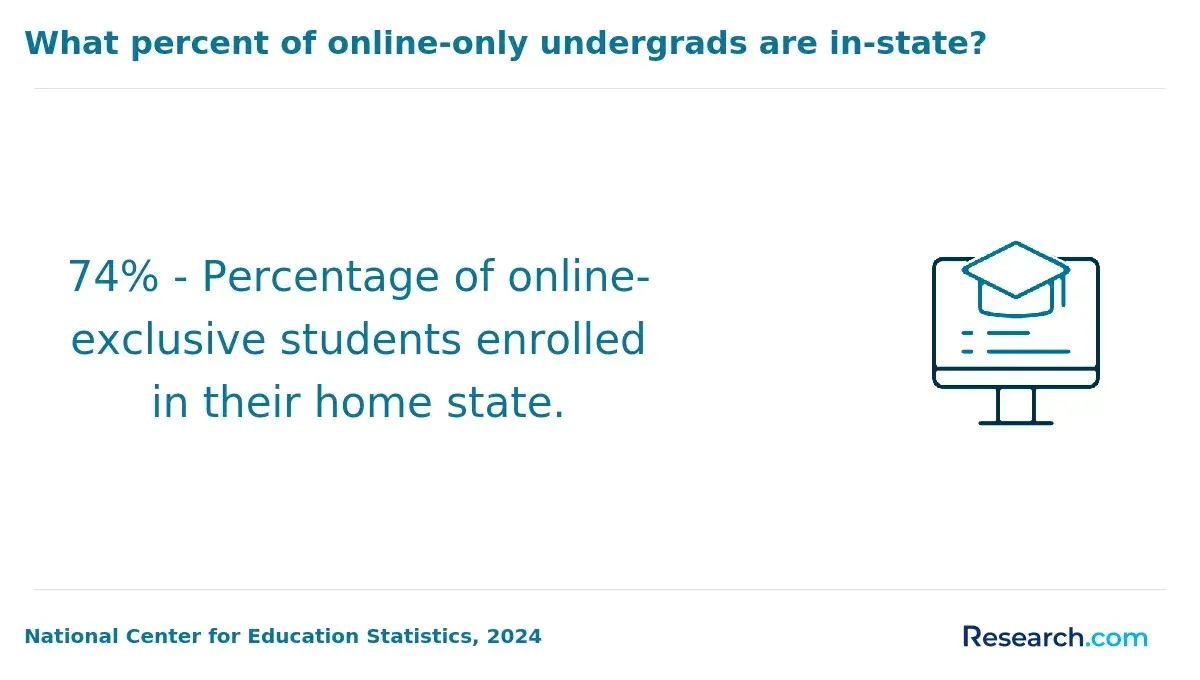
Consider a prospective student weighing three online child psychology programs that list similar curricula and faculty credentials but reveal starkly different tuition costs, graduation rates, and post-graduation debt levels. A 2024 study from the National Center for Education Statistics found that average student debt for online program graduates varies by over 30% depending on institution type, significantly influencing financial stress and career flexibility.
Higher graduation rates in some nonprofit programs, for instance, may indicate stronger institutional support but often come with higher costs. These factors go beyond surface similarities and deeply impact long-term ROI and career resilience. This article examines how public, private, and nonprofit online child psychology programs compare in tuition, debt burden, graduation success, institutional resources, and their broader influence on return on investment to guide strategic educational decisions.
Key Things to Know About Child Psychology ROI by Institution Type
- Public institutions typically offer lower tuition but longer completion times, increasing opportunity costs; this tradeoff affects overall ROI especially for working adults balancing time and finances.
- Employer preference often skews toward accredited private and nonprofit online programs with established reputations, influencing job placement and advancement despite higher debt exposure.
- Nonprofit programs generally provide enhanced learner support and flexibility, reducing dropout rates; a 2024 study links such services to 12% higher graduation rates, critical for minimizing costly debt accumulation.
- Key Things to Know About Child Psychology ROI by Institution Type Key Things to Know About Child Psychology ROI by Institution Type
- What Does ROI Mean for a Child Psychology Program and How Is It Measured? Understanding Child Psychology Program ROI
- How Do Public, Private, and Nonprofit Online Child Psychology Programs Differ in Overall Value? Value by Institution Type
- How Do Tuition Costs Affect the ROI of a Child Psychology Program Across Institution Types? Tuition Costs and ROI
- How Do Graduation Rates Influence Child Psychology Program ROI? Graduation Rates Impact ROI
- What Role Do Career Outcomes Play in the ROI of a Child Psychology Degree? Career Outcomes and ROI
- How Does Student Debt Impact the Long-Term ROI of a Child Psychology Program? Debt vs. Long-Term ROI
- How Do Flexibility and Adult Learner Support Affect Child Psychology Program Value? Flexibility and Program Value
- How Do Accreditation and Institutional Reputation Influence Child Psychology ROI? How Do Accreditation and Institutional Reputation Influence Child Psychology ROI?
- How Does Time-to-Degree Affect the ROI of Public, Private, and Nonprofit Child Psychology Programs? How Does Time-to-Degree Affect the ROI of Public, Private, and Nonprofit Child Psychology Programs?
- How Can You Choose the Best Child Psychology Program Based on Your ROI Goals? Choosing Programs by ROI
What Does ROI Mean for a Child Psychology Program and How Is It Measured?
Evaluating ROI for a child psychology program requires analyzing the full spectrum of costs, outcomes, and time commitments that impact long-term value rather than focusing narrowly on tuition alone. For instance, choosing a lower-cost public online program might reduce upfront expenses but could come with longer time-to-degree or fewer support services, which in turn affects the timing of career entry and debt accumulation.
In contrast, private or nonprofit programs usually present higher sticker prices but may offer accelerated paths or stronger clinical networks that enhance employability and professional growth. This practical tradeoff means that students must scrutinize graduation rates-according to a 2024 NCES study, these can vary from 45% at some public institutions to upwards of 65% at private nonprofits-as well as the total debt burden, which has been found to range from $20,000 to over $40,000 depending on the sector, to accurately gauge ROI.
Measuring educational ROI in child psychology online programs also depends heavily on individual student goals and circumstances, including opportunity costs like lost wages or family responsibilities during study. A working professional pursuing an online nursing degree might prioritize programs offering flexible pacing and strong career services, while a career changer without current employment might weigh cost savings more heavily.
Beyond debt and completion rates, qualitative factors such as clinical training quality and alumni network strength contribute significantly to long-term career viability but are often overlooked in simple cost-benefit calculations. Prospective students who integrate these dimensions into their assessment are better positioned to choose programs aligning with their financial realities and professional ambitions rather than defaulting to the lowest-cost or highest-ranked option on a generic list.
How Do Public, Private, and Nonprofit Online Child Psychology Programs Differ in Overall Value?
Deciding between public, private, and nonprofit online child psychology programs often comes down to navigating tradeoffs in affordability, student support, and career-readiness. Public programs typically provide significant cost savings, with tuition averaging around 40% less than private options, which can be critical for students aiming to minimize debt burdens.
However, private nonprofits frequently invest more heavily in student services such as career counseling, networking, and internship placements that directly impact degree completion and employability-factors that may justify higher tuition for some learners. The choice also involves evaluating accreditation nuances and institutional reputations; public universities often enjoy broad, regionally recognized accreditations, while some nonprofits hold specialized credentials that appeal in niche areas but may not translate equally across all job markets.
Flexibility is another dimension where public programs often offer more accessible part-time or self-paced options without cost premiums, appealing to working adults balancing professional demands. Meanwhile, nonprofit providers tend to boast stronger support for licensing exam preparation and practical placements, addressing critical milestones in child psychology careers.
Employers' perceptions reflect these distinctions, as degrees from public institutions usually hold widespread recognition, whereas nonprofit credentials might carry more weight in specialized or clinical settings. Ultimately, the best return on investment depends on a student's financial constraints, career goals, and the value they place on support services versus tuition savings.
One prospective student wrestled with whether to enroll in a lower-cost public online program or pay noticeably more for a private nonprofit option that promised enhanced career resources and smaller class sizes. Concerned about accumulating debt yet eager to join a cohort offering targeted internship access, they vetted graduation rates and examined how each program's accreditation aligned with state licensing requirements.
After carefully weighing the potential long-term benefits against upfront costs, the student chose a mid-tier public institution with solid regional accreditation and flexible pacing, finding reassurance that this option balanced manageable debt with quality education and acceptable career preparation for their circumstances.
How Do Tuition Costs Affect the ROI of a Child Psychology Program Across Institution Types?
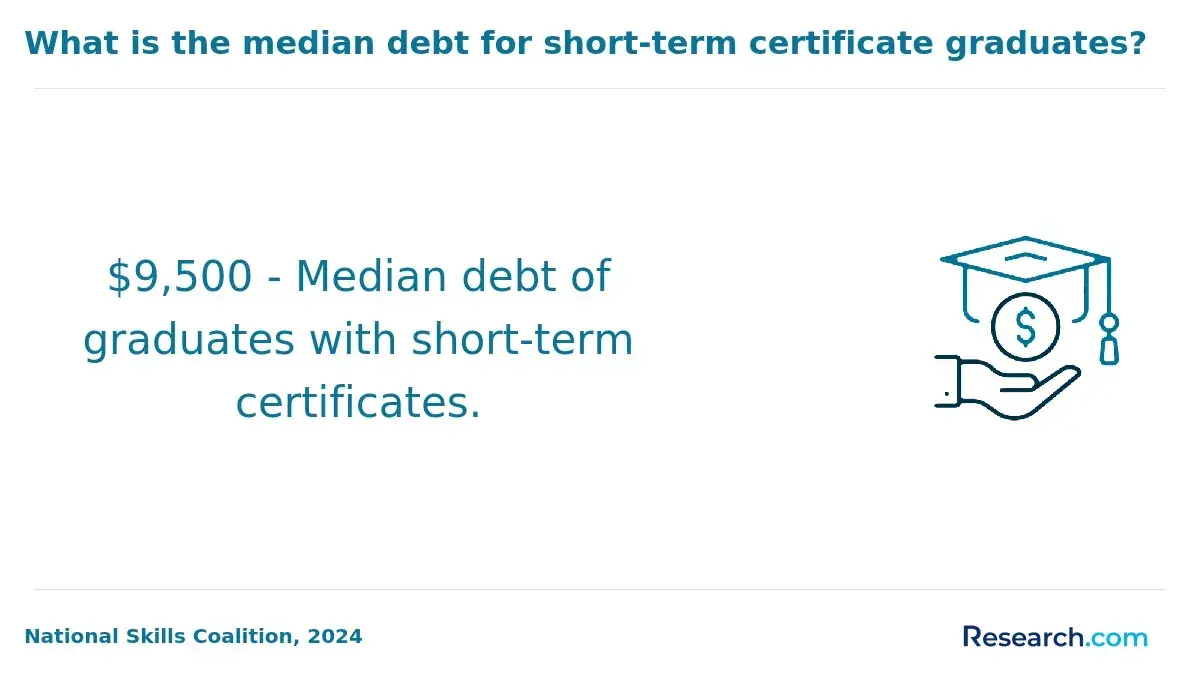
The relationship between tuition costs and ROI in child psychology programs depends heavily on how financial aid, program pacing, and support services mitigate the sticker price. Public institutions typically offer lower tuition-averaging $9,500 annually according to a 2024 National Center for Education Statistics report-which can reduce student debt but may involve longer completion timelines that delay workforce entry and earning capacity.
Conversely, private and nonprofit schools, charging upward of $16,000 to $25,000, often provide accelerated tracks and stronger academic resources, which may offset higher upfront costs if they lead to earlier graduation or improved job placement. However, lower tuition does not guarantee superior value. Many nonprofit programs use financial aid to narrow the gap, making net costs more competitive, whereas private institutions frequently leave students with higher debt burdens.
A 2024 Georgetown University analysis found private psychology graduates carry about 20% more debt than public counterparts. Return on investment also hinges on factors beyond price: employer valuation of program reputation, accreditation, and demonstrated skills often surpasses mere cost considerations. Adult learners balancing work or family may prioritize flexible, affordable options typical of public or nonprofit offerings, while others might justify pricier private programs if those provide critical networking or specialization matching their career goals.
Ultimately, decisions should weigh tuition against time-to-degree, financial aid availability, and career relevance. A working professional enrolling part-time at a nonprofit program with solid support could achieve better ROI than a full-cost private option with less flexibility. Conversely, accelerated private programs that speed credentialing might improve long-term earnings despite higher debt. Students must therefore assess their unique circumstances and career objectives to determine whether paying more upfront translates into tangible professional and financial benefits or if a lower-cost public path better serves their long-term success.
How Do Graduation Rates Influence Child Psychology Program ROI?
Graduation rates directly influence the financial and career value derived from child psychology programs, as timely completion minimizes extended tuition fees and reduces lost earning potential. Public online programs typically report graduation rates between 45-55%, while private and nonprofit counterparts range slightly higher, around 50-65%, reflecting differences in academic support and student engagement strategies.
These disparities illustrate how institutional characteristics, like advising availability and program flexibility, impact persistence, especially for adult learners balancing multiple responsibilities. For example, a working professional might find private or nonprofit programs offer more tailored resources aiding degree completion despite higher tuition, ultimately shaping the program's return on investment.
While graduation rates serve as useful proxies for institutional effectiveness, they should not be the sole measure of ROI in child psychology program graduation success and financial return. A program with moderate rates but strong career placement and employer recognition may yield better long-term outcomes than one with high completion but limited support services.
Prospective students must weigh how these metrics align with their personal context, including cost constraints, time-to-degree, and workforce reentry timelines. Considering these factors alongside reports like the 2024 National Student Clearinghouse Research Center's data helps identify programs that balance affordability and educational quality. Those seeking efficient, cost-conscious pathways might explore specialized options such as the best online school for medical billing and coding that could complement or supplement child psychology skill sets in career planning.
What Role Do Career Outcomes Play in the ROI of a Child Psychology Degree?
Career outcomes fundamentally shape the ROI of public, private, and nonprofit online child psychology programs by directly impacting how graduates leverage their degrees in the labor market. Employment rates and employer recognition often vary by institution type, with private programs generally offering stronger industry connections that can enhance job placement and salary negotiation, while public schools typically provide broader accessibility with lower tuition but potentially less personalized career support.
Given the U.S. Bureau of Labor Statistics forecast of 7% job growth in child psychology-related roles over the next decade, programs incorporating practical training like internships are shown to deliver roughly 15% higher early-career employment rates, demonstrating the tangible value of experiential learning for career sustainability. Balancing the upfront cost, time-to-degree, and long-term career mobility is critical when assessing an online program's value.
Degrees that develop adaptable skills across counseling, developmental assessment, and research are better positioned to unlock diverse roles-clinical, educational, or policy-oriented-that maintain employability amid shifting workforce demands. Conversely, programs lacking these components may limit upward mobility despite initial employment, blunting ROI and amplifying debt burdens relative to career gains. Nonprofit institutions often strike a middle ground, offering cost-effective pathways with mission-driven curriculum, though they may not always match the employer networks of private programs.
One graduate reflected on deciding between institutions, noting that while the online program chosen had a moderate tuition, uncertainty remained around whether it would translate into substantive career progress. After finishing, the graduate found most value not in immediate salary increases but in gaining internal promotions and broader responsibility at their agency, benefits linked to the program's emphasis on practical skills and recognized credentials. This experience underscored how ROI extends beyond financial metrics, hinging on meaningful career outcomes that evolve over years.
How Does Student Debt Impact the Long-Term ROI of a Child Psychology Program?
When evaluating the long-term return on investment in child psychology degrees, debt burden is a crucial factor that can significantly alter career trajectories and financial stability. Graduates from private online programs often carry significantly higher debt-frequently surpassing $40,000-compared to around $20,000 for those in public institutions, which influences not only repayment timelines but also the ability to absorb early career wage pressures.
This debt disparity highlights a tradeoff: private programs may provide networking or prestige advantages, but this must be weighed against the increased financial strain and delayed liquidity, especially given that median wages for child psychologists frequently necessitate extended repayment periods. The impact of student debt extends beyond loan balances to factors such as graduation rates, institutional accreditation, and employment outcomes, all of which shape the ROI for cost-conscious adult learners and career changers.
Public online programs typically achieve higher completion rates, reducing the effective debt-to-income ratio through faster degree attainment. Nonprofit programs often mediate costs with targeted financial aid, although their value depends on the quality and market recognition of the credential.
Prospective students should critically compare these dimensions alongside debt levels rather than assume cheaper sticker prices or institutional type alone dictate value. For those weighing professional pathways, resources like the MBA healthcare programs highlight how aligning educational expenses with practical career outcomes is essential for financial sustainability.
How Do Flexibility and Adult Learner Support Affect Child Psychology Program Value?
Programs that integrate flexible scheduling and adult learner support fundamentally affect both the time-to-degree and overall financial value for students pursuing child psychology online. For working professionals or parents balancing multiple commitments, access to asynchronous course options can increase persistence rates significantly; a 2024 study by the National Center for Education Statistics found an 18% higher graduation likelihood in such formats.
However, these benefits vary depending on how institutions align advising and career services with real-world employment demands, as insufficient academic guidance or faculty availability often leads to extended degree timelines and inflated opportunity costs. Public institutions generally offer clearer transfer credit policies and targeted accommodations for military or working adult students, enhancing affordability and reducing excess credit hours.
In contrast, private programs tend to invest more heavily in advanced technology and personalized career support, which may accelerate job placement but often come with higher tuition that can strain post-graduation finances if employment outcomes do not improve proportionally. Nonprofit programs usually aim to balance these factors but may face resource constraints that limit the scalability of advising and retention supports, impacting long-term return on investment differently than their public and private counterparts.
Adult learner services-including dedicated academic advising and career counseling-directly correlate with higher job satisfaction and faster workforce integration, according to a 2024 report from the Council for Adult and Experiential Learning. Yet, a tradeoff emerges in institutions where these resources are limited or inconsistently accessible, underscoring the importance of evaluating not just tuition but also the depth and delivery of support services when comparing online child psychology degree options. This nuanced approach helps prospective students better anticipate how program characteristics influence persistence, debt burden, and employability within an increasingly competitive mental health sector.
How Do Accreditation and Institutional Reputation Influence Child Psychology ROI?
Accreditation and institutional reputation play a decisive role in shaping the return on investment (ROI) for students pursuing child psychology online, particularly when balancing tuition costs against career prospects. Regional and programmatic accreditation often determine eligibility for licensure, transferability of credits, and acceptance into graduate programs, which are crucial for sustaining long-term career mobility.
For example, graduates from regionally accredited schools are statistically 15% more likely to find employment in their field within two years, according to a report by the Council for Higher Education Accreditation (CHEA). However, the added prestige of some private institutions may come with substantially higher tuition, which can erode potential salary gains and increase debt burden without guaranteeing better employment outcomes.
Employer evaluations frequently prioritize candidates from accredited public or nonprofit institutions, reflecting greater confidence in academic rigor and graduate preparation. Nonprofit programs also tend to provide stronger student support and exhibit higher retention rates, which can accelerate degree completion and limit debt accumulation-a critical factor for cost-conscious learners weighing their options.
While institutional reputation influences hiring decisions, it is the interaction between accreditation, realistic assessment of graduation outcomes, and local job market preferences that more accurately predicts ROI. Students should therefore evaluate how accreditation status affects not only credential validity but also practical issues like licensure readiness, employer recognition, and the overall cost-to-earnings balance in child psychology careers.
How Does Time-to-Degree Affect the ROI of Public, Private, and Nonprofit Child Psychology Programs?
Time-to-degree has a direct impact on the return on investment in public, private, and nonprofit online child psychology programs by influencing tuition exposure, opportunity costs, and the timing of career entry. Public institutions often extend part-time pathways beyond six years, leading to prolonged tuition payments and delayed workforce reentry, while private and nonprofit programs generally offer accelerated options that compress completion to three or four years.
For working adults balancing family and employment, this tradeoff between speed and flexibility can determine whether they avoid accumulating excessive educational debt or experience burnout. Additionally, transfer credit policies in public programs frequently shorten degree timelines by allowing more community college credits, a practical advantage for transfer students aiming to minimize total time-to-degree.
These variations also affect completion rates and career outcomes. Nonprofit programs, with flexible pacing and enhanced support, report roughly 10% higher graduation rates compared to public counterparts, a factor that can significantly influence long-term employability in Child Psychology fields. Enrollment intensity matters as well; full-time study accelerates graduation but is impractical for many adult learners who require part-time options.
Delays in degree completion extend opportunity costs, impacting income growth trajectories and professional advancement, a nuance especially critical when comparing these programs to other career alternatives such as a pharmaceutical rep salary. Prospective students must weigh how time-to-degree intersects with their personal responsibilities, budget, and career timeline to evaluate educational value realistically.
How Can You Choose the Best Child Psychology Program Based on Your ROI Goals?
Determining the best child psychology program for maximum ROI hinges less on institution type and more on aligning educational costs, program quality, and career outcomes with individual priorities. Public institutions generally offer lower tuition and reduced debt burdens-graduates carry 15-20% less student debt on average-making them attractive for those with immediate financial constraints.
However, private programs can offer smaller class sizes, specialized curricula, and stronger alumni networks, which sometimes translate into quicker employment and higher salaries despite higher upfront costs. These tradeoffs require weighing financial aid availability and long-term career benefits rather than relying on sticker price alone. Nonprofit online programs provide flexible scheduling and enhanced learner support, which can shorten time-to-degree and improve completion rates by about 10% compared to for-profit options, a critical factor for working adults balancing employment and family obligations.
Accreditation, institutional reputation, and career outcome data remain crucial across all settings, as many employers value these markers more than the program's delivery mode. This complexity means students must integrate their personal situations, including job commitments and time-to-completion expectations, into their ROI calculations when comparing return on investment for public vs private child psychology degrees.
For prospective students evaluating their options, exploring specialized paths like the online PhD counselor education and supervision can also influence opportunities depending on career goals and time horizons. A nuanced strategy that accounts for tuition, debt, support structures, and employability data will better inform the choice of a child psychology online program for maximum ROI than broad institutional classification alone.
References
- Raising the Bar: The Impact of Accreditation on Psychology Training | SoMAP - The Society of Modern Applied Psychology https://thesomap.org/raising-the-bar-the-impact-of-accreditation-on-psychology-training/
- What Does a Child Psychologist Do? | Rivier University https://www.rivier.edu/academics/online/resources/career-outcomes/child-psychologist/
- Examining the Important Role of a Child Psychologist https://www.umassglobal.edu/blog-news/child-psychologist
- How To Become A Child Psychologist | Child Psychology Degrees And Careers https://www.learnhowtobecome.org/psychologist/child-psychologist/
- Does College Pay Off? A Comprehensive Return On Investment Analysis - FREOPP https://freopp.org/whitepapers/does-college-pay-off-a-comprehensive-return-on-investment-analysis/
- For students — Residential Childcare Careers https://www.residentialchildcarecareers.co.uk/students
- ROI Methodology – ROI Institute https://roiinstitute.net/roi-methodology/
- K–12 ROI: Measure the Impact of Instructional Investments https://leveldata.com/k-12-roi-analytics/
- What Is Child Psychology? - SACAP https://www.sacap.edu.za/blog/applied-psychology/child-psychology/
- How To Become A Child Psychologist: Step-by-Step Guide https://www.psychology.org/careers/child-psychologist/
Other Things You Should Know About Child Psychology
Private online programs often emphasize smaller cohorts and more individualized mentorship, which can lead to more tailored clinical placements and direct faculty involvement. Public institutions may offer broader placement options through state partnerships but sometimes with less personalized oversight.
Nonprofit programs typically balance the two but may have more limited networks for clinical experience depending on their size. For students prioritizing hands-on, supervised experience critical to licensure and employment, private programs may offer an edge despite higher costs, whereas public programs might require more initiative to secure desirable practicum positions.
Employers in child psychology tend to focus on accreditation and demonstrated competencies rather than institution type alone, but subtle biases do exist. Graduates from well-established public universities often benefit from name recognition and perceived rigor, particularly in state-run healthcare systems.
Private institutions may offer innovation in curriculum but sometimes face skepticism if they are lesser-known. Nonprofit institutions, depending on their reputation, can fall anywhere on the spectrum. Thus, choosing an online program should involve evaluating employer networks and alumni outcomes rather than assuming one sector universally holds more prestige.
Private programs often compress course loads into shorter, more intensive terms, appealing to those who can handle high-paced learning but challenging for students balancing work and family. Public programs usually offer more extended pacing with part-time options, catering better to working adults needing flexibility but possibly prolonging time-to-degree.
Nonprofit institutions vary widely, so evaluating program structure and delivery is essential. Working professionals should prioritize institution types aligning with their capacity to manage workload without compromising learning quality or licensure requirements.
Public universities generally have more extensive alumni networks, state-affiliated internships, and continuing education options enhancing career mobility within public and community sectors. Private institutions may offer more specialized or emerging subfields and closer faculty connections, which benefit networking in niche areas but may limit broader outreach.
Nonprofit programs often focus on mission-driven careers and might provide strong connections in nonprofit and interdisciplinary environments. Students aiming for diverse career trajectories should weigh networking and resource availability alongside initial costs and program size.