2027 Cheapest Accredited Online Engineering Management Degree Programs: Tuition, Fees, and Financial Aid

Co-Founder and Chief Data Scientist
The cheapest online engineering management degree is not always the one with the lowest per-credit tuition. Students must compare accreditation, fees, transfer rules, financial aid, and net price before enrolling. This matters because NCES data published in 2024 shows average graduate tuition and required fees are much higher at private nonprofit institutions than at public institutions, while BLS May 2024 data reports a $171,420 median wage for architectural and engineering managers. This guide helps working engineers, STEM graduates, and career changers identify affordable accredited online options and avoid cost surprises.
Key Things You Should Know
- Among commonly cited low-cost accredited online engineering management master's options, published tuition before fees can start around $10,500 to $12,750 for 30-credit programs, but the final bill may rise once technology, graduation, course, proctoring, and transcript fees are added.
- Institutional accreditation matters first: it affects credit transfer, employer recognition, and federal financial aid eligibility; programmatic accreditation is useful where available, but it is not universally required for graduate engineering management programs.
- The best affordability comparison is net price, not sticker tuition: subtract grants, scholarships, employer tuition assistance, military benefits, and accepted transfer credits, then add required fees and any extra semesters caused by part-time pacing.
What Are the Cheapest Accredited Online Engineering Management Degree Programs?
Most online engineering management degrees at the graduate level are designed for engineers, technologists, project managers, operations professionals, and STEM graduates who want management training without leaving the technical workforce. The table below compares affordable accredited online options using published tuition information available from institutional pages and catalogs; students should request a written cost sheet because fees and residency rules can change by term.
| School and online program | Typical credits | Published tuition basis | Estimated tuition before aid | Cost note to verify |
| University of Arkansas Grantham, MS in Engineering Management Technology | 30 | About $350 per credit | About $10,500 | Confirm technology, graduation, and resource fees; military pricing may differ. |
| Arkansas State University, MS in Engineering Management | 30 | Program tuition advertised around $11,340 | About $11,340 | Ask whether the quoted online tuition includes all mandatory online course fees. |
| American Public University, MS in Engineering Management | 30 | About $425 per credit for standard graduate tuition | About $12,750 | Verify books, technology fees, and any military or veteran tuition discounts. |
| Kennesaw State University, MS in Engineering Management | 30 | Graduate e-tuition often priced by credit hour | Often in the low-to-mid $10,000 range before fees | Confirm current e-tuition, institutional fees, and whether rates differ by residency. |
| Old Dominion University, Master of Engineering Management | 31 | Online graduate tuition varies by residency and fee schedule | Often around the low $20,000 range before aid | Ask for the full online rate, including university and course fees. |
| Ohio University, online Master of Engineering Management | 30 | About $707 per credit | About $21,210 | Confirm whether online learning, program, and graduation fees are included. |
| University of Louisville, online Master of Engineering in Engineering Management | 30 | About $830 per credit | About $24,900 | Military, corporate, or partnership discounts can materially change net cost. |
For many students, the lowest-cost choice will be a 30-credit accredited master's program with a single online tuition rate, strong transfer-credit policies, and no residency surcharge. Students who are still choosing an undergraduate pathway may also want to compare engineering management preparation with other high-value options among the best bachelor's degrees before committing to a graduate program.
A lower price is not automatically a better value. If a slightly more expensive program has stronger advising, better employer partnerships, shorter completion time, or more generous employer reimbursement eligibility, it may cost less in real terms than a cheaper program that adds semesters or does not accept prior graduate credits.
How Were the Cheapest Online Engineering Management Degree Programs Ranked?
The cheapest programs should be ranked by total student cost, not by the most attractive number on a marketing page. A fair ranking starts with institutional accreditation, then compares tuition, fees, aid access, and the probability that a student can finish without paying for extra credits.
The ranking framework below explains how to compare programs when tuition pages use different formats, such as per-credit rates, total-program pricing, residency-based pricing, or military tuition rates.
| Ranking factor | Why it matters | What to check |
| Accreditation | Accreditation affects transfer, employer acceptance, and federal aid eligibility. | Confirm institutional accreditation through the U.S. Department of Education or CHEA-recognized databases. |
| Published tuition | Tuition is the largest visible cost, but it is not the only cost. | Compare the same unit, ideally total tuition for all required credits. |
| Mandatory fees | Online, technology, course, and graduation fees can change the affordability ranking. | Ask for a term-by-term estimate in writing. |
| Financial aid eligibility | Federal aid, employer benefits, and scholarships can reduce upfront cost or net price. | Confirm Title IV participation and degree-seeking enrollment rules. |
| Completion efficiency | Extra prerequisites, capstones, or repeated courses can raise the total price. | Review degree maps, course rotation, and part-time sequencing. |
| Career fit | A low-cost program should still match the student's industry and leadership goals. | Compare curriculum in project management, analytics, systems engineering, operations, finance, and leadership. |
A practical ranking method uses this order: eliminate unaccredited or unclear programs, calculate tuition for all credits, add mandatory fees, subtract aid that is actually renewable or guaranteed, then compare outcomes and flexibility. This prevents a per-credit bargain from looking cheaper than it really is.
How Can You Verify the Accreditation of an Online Engineering Management Degree Program?
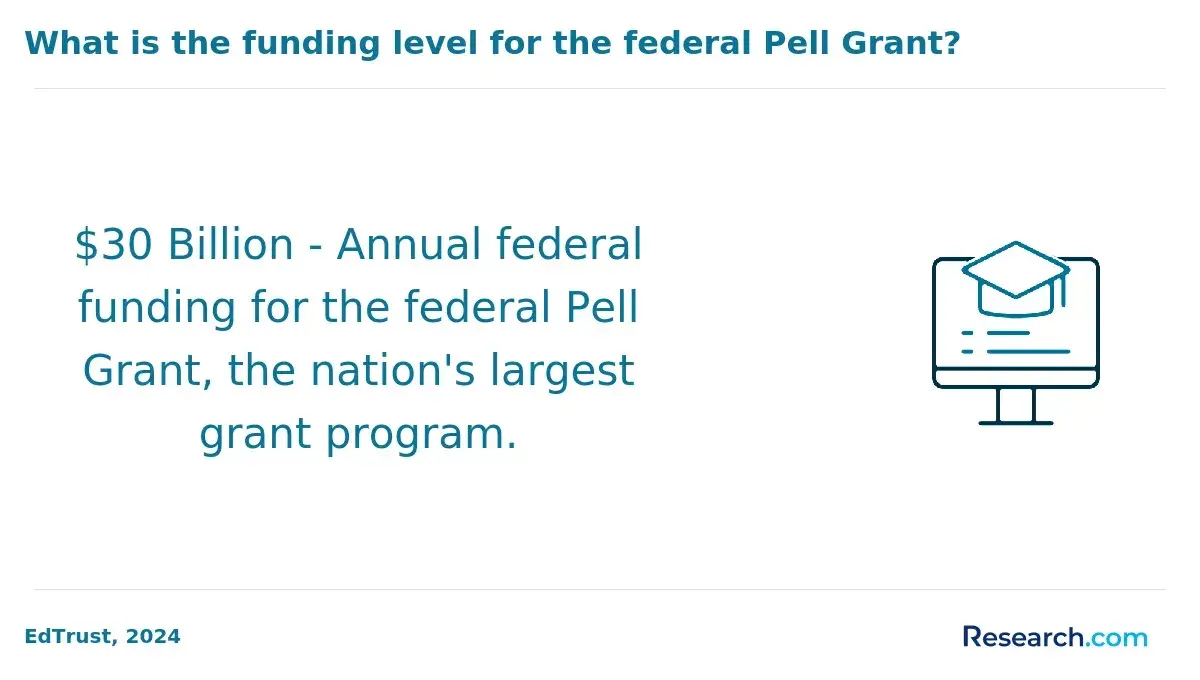
Accreditation is the first affordability filter because an inexpensive unaccredited degree can become expensive if employers reject it, credits do not transfer, or the program is not eligible for federal financial aid. For engineering management, students should distinguish institutional accreditation from programmatic accreditation.
Use this verification sequence before applying or paying an enrollment deposit:
- Search the institution in the U.S. Department of Education's Database of Accredited Postsecondary Institutions and Programs or the Council for Higher Education Accreditation database.
- Confirm that the school name, campus, and online division match the institution offering the degree.
- Check whether the institution participates in Title IV federal student aid if you plan to use FAFSA-based aid.
- Ask whether the engineering management program has any specialized recognition, such as ABET-related engineering accreditation at the undergraduate level or ASEM-aligned curriculum, while remembering that many legitimate graduate engineering management degrees rely primarily on institutional accreditation.
- Verify state authorization if you live outside the school's home state, especially if the program includes internships, practica, or proctored requirements.
A common mistake is assuming that "online" and "accredited" mean the same thing. Online delivery only describes how courses are taught; accreditation describes whether a recognized accreditor has reviewed the institution or program against academic and administrative standards.
How Much Does an Accredited Online Engineering Management Degree Really Cost?
The real cost of an online engineering management degree includes tuition, mandatory fees, books or digital materials, exam proctoring, software, travel if required, and the opportunity cost of time spent in school. Tuition is the price of instruction, mandatory fees are required charges outside tuition, total program cost is the full amount needed to finish, and net price is what remains after gift aid and discounts are applied.
The table below shows how two programs with similar tuition can produce different final costs once required fees and credits are included. The numbers are examples for comparison, not quotes from a specific school.
| Cost component | Lower-fee 30-credit program | Higher-fee 30-credit program | Why it changes affordability |
| Tuition | $12,000 | $12,000 | Same advertised tuition can hide different final bills. |
| Required online or technology fees | $300 | $1,200 | Per-course and per-credit fees add up quickly. |
| Books, software, and materials | $500 | $1,500 | Engineering software, simulations, and e-text bundles vary by program. |
| Graduation and transcript fees | $150 | $300 | Small fees still matter when comparing tight budgets. |
| Estimated total before aid | $12,950 | $15,000 | The higher-fee option costs more despite identical tuition. |
NCES data published in 2024 shows that average graduate tuition and required fees remain substantially lower at public institutions than at private nonprofit institutions. For online students, however, public universities are not automatically cheaper because some charge out-of-state students a higher online rate while others use one flat rate for all distance learners.
Before selecting a program, request a full cost-of-attendance estimate. That estimate should identify tuition, mandatory fees, expected books and supplies, loan fees if borrowing, and any campus visits or residency requirements.
Which Tuition Models Make Online Engineering Management Degree Programs More Affordable?
Tuition model matters because online engineering management students often study while working full time. A program that looks expensive per credit may become affordable if it lets students finish faster, while a cheap per-credit program can become costly if courses are offered infrequently.
These tuition models usually have the biggest effect on affordability:
- Per-credit tuition: Students pay for each credit attempted, which is easy to compare but can become costly if prerequisites or repeated courses are required.
- Flat-rate online tuition: Online students pay the same rate regardless of residency, which can be especially valuable for out-of-state learners.
- Semester block tuition: Students may pay one rate for a credit range, which benefits full-time students who can handle heavier course loads.
- Military or employer-partner tuition: Discounted pricing may lower the bill, but students should confirm eligibility, documentation, and whether discounts apply every term.
- Subscription or competency-based tuition: Students pay for a time period and progress by demonstrated mastery, which can reduce cost for highly prepared learners but requires strong self-pacing.
Some students combine a degree with shorter credentials to build workplace value while limiting borrowing; for example, a bookkeeping certification online may help a technical manager strengthen budgeting and cost-control skills without adding another full degree. The key is to avoid paying for unrelated credentials that do not support the student's engineering management goal.
Part-time enrollment can also affect cost. It may reduce the amount due each term, but it can extend access fees, delay employer reimbursement, and increase the risk that a student must retake courses after a catalog change.
What Fees and Hidden Costs Should Online Engineering Management Degree Students Expect?
Hidden costs are not always intentionally hidden; they are often scattered across tuition pages, bursar schedules, course descriptions, and program handbooks. Engineering management students should look especially closely at technology-dependent course requirements.
When comparing programs, ask admissions or the bursar to identify these costs in writing:
- Online learning, distance education, or technology fees charged per course, credit, or term.
- Engineering software, analytics tools, simulation platforms, statistical packages, or project management applications.
- Textbooks, digital access codes, and required course-material bundles that cannot be bought used.
- Proctoring, identity verification, testing-center, or webcam monitoring fees.
- Capstone, portfolio, thesis, practicum, or graduation fees.
- Residency, orientation, lab, or campus-visit costs, including travel and lodging if attendance is required.
- Transcript, transfer evaluation, late registration, payment plan, and reinstatement fees.
The most common red flag is a program that advertises only tuition per credit without showing a full fee schedule. Another warning sign is a vague statement such as "additional fees may apply" without a cost range or contact who can provide a written estimate.
Students can avoid surprises by comparing the total amount required to graduate, not the first-term invoice. A low first-term bill may not include later capstone, graduation, or software expenses.
How Does FAFSA and Federal Financial Aid Work for Online Engineering Management Degree Programs?
Online students can often use federal financial aid if they attend an eligible accredited institution, enroll in an eligible degree program, and meet federal aid requirements. The FAFSA is the application used to determine eligibility for federal loans, many state programs, and some institutional grants or scholarships.
Graduate engineering management students should understand that FAFSA access does not mean the degree will be free. Most master's students are not eligible for the Federal Pell Grant, but they may qualify for federal Direct Unsubsidized Loans, Graduate PLUS Loans, work-based aid, or school-funded scholarships.
The FAFSA process became more streamlined under recent federal simplification changes, including the Student Aid Index replacing the Expected Family Contribution for aid calculations. For students comparing online professional degrees, the same basic aid logic applies across accredited fields, whether researching engineering management or the cheapest CSWE-accredited online MSW programs.
Follow these steps before relying on federal aid for an online engineering management degree:
- Confirm that the school is institutionally accredited and participates in Title IV federal student aid.
- Verify that the specific online engineering management degree is an eligible degree program, not a nondegree certificate or continuing education offering.
- Ask the financial aid office how many credits count as half-time or full-time graduate enrollment.
- Submit the FAFSA early and list every school you are seriously considering.
- Compare award letters by net price, loan amount, interest responsibility, and renewal conditions.
- Borrow only after subtracting grants, scholarships, employer reimbursement, military benefits, and cash payments you can make without jeopardizing essential expenses.
A major mistake is treating loan eligibility as affordability. Loans can make enrollment possible, but they increase the long-term cost of the degree because interest and repayment obligations continue after graduation.
Which Scholarships, Grants, and Tuition Benefits Can Help Pay for an Online Engineering Management Degree?
Scholarships and grants are usually better than loans because they do not have to be repaid when students meet the award conditions. Employer tuition assistance can also be powerful for engineering management students because many are already working in technical or operations roles.
The table below summarizes common funding sources and what students should verify before counting the money in their budget.
| Funding source | Best fit | What to verify |
| Institutional scholarships | Students admitted to a specific university or college of engineering | Minimum GPA, enrollment load, renewal rules, and whether online students qualify. |
| Graduate assistantships | Students who can support teaching, research, analytics, or program operations | Whether remote assistantships are available and whether tuition waivers apply online. |
| Employer tuition assistance | Working professionals whose degree supports current or future job duties | Annual caps, grade requirements, approved-school lists, and repayment clauses if you leave the employer. |
| Professional association scholarships | Students in engineering, systems, project management, manufacturing, or operations fields | Membership requirements, deadlines, recommendation letters, and essay expectations. |
| Military and veteran education benefits | Eligible service members, veterans, spouses, and dependents | Benefit limits, school participation, online housing rules, and Yellow Ribbon availability where relevant. |
Students should build a funding calendar because scholarship deadlines often arrive before admission deadlines. A small renewable scholarship can be more valuable than a larger one-time award if the program takes two or three years to complete.
Before accepting an award, ask whether it reduces tuition directly, reimburses you later, or arrives as a refund after the term begins. That timing affects how much cash you need upfront.
Can Transfer Credits, Prior Learning, and Competency-Based Study Lower the Cost of an Online Engineering Management Degree?
Transfer credits can lower the total cost of an online engineering management degree, but graduate programs often limit how many credits can be transferred. Some schools accept prior graduate coursework, professional certificates, military training, or employer-sponsored learning only if it matches course outcomes and was completed within a recent time limit.
Use this checklist before assuming prior learning will reduce your tuition:
- Ask for the maximum number of transfer credits allowed toward the engineering management degree.
- Confirm the minimum grade required for transfer and whether pass/fail courses are accepted.
- Check whether transferred credits replace required courses or only count as electives.
- Ask about residency requirements, which may require you to complete a set number of credits at the degree-granting institution.
- Submit syllabi, transcripts, certificate documentation, military records, or portfolio evidence before enrolling when possible.
- Request an updated degree plan showing the exact courses and credits still required after evaluation.
Competency-based or accelerated formats may also reduce cost for students with strong professional experience, but they work best for disciplined learners who can complete assessments quickly. Students coming from quantitative fields, including those who pursued a math degree online, may be well positioned for analytics-heavy engineering management coursework, but they should still verify prerequisites in engineering economics, project management, and systems thinking.
A common mistake is enrolling before the transfer evaluation is complete. If transfer credits are denied after classes begin, the student may owe for more credits than expected.
How Should Students Compare the Net Price, Quality, and Return on Investment of Online Engineering Management Degree Programs?
The best-value online engineering management program is the one that combines verified accreditation, manageable net price, relevant curriculum, and credible career alignment. The lowest tuition may be attractive, but it should not outweigh poor advising, limited course availability, weak employer recognition, or a curriculum that does not match the student's goals.
Use the following decision steps to compare net price and return on investment:
- Calculate total tuition for the exact number of required credits.
- Add mandatory fees, software, books, proctoring, graduation costs, and any required travel.
- Subtract grants, scholarships, employer benefits, military benefits, and confirmed tuition discounts.
- Compare the remaining net price with the time to completion and your expected monthly cash flow.
- Review curriculum fit for roles in engineering project management, operations, systems, quality, product development, supply chain, analytics, or technical leadership.
- Ask about completion rates, career services for online students, alumni outcomes, employer partnerships, and whether capstone projects connect to real workplace problems.
- Compare borrowing needs against federal loan terms and avoid private loans unless you understand interest, repayment, and cosigner obligations.
BLS May 2024 data places the median annual wage for architectural and engineering managers at $171,420, but that figure reflects experienced professionals across industries and should not be treated as an entry-level promise. Use salary data as one input, along with your current experience, industry, location, and the degree's relevance to your employer or target role.
Students considering long-term leadership roles may also compare engineering management with broader organizational leadership pathways, including the cheapest online doctorate in organizational leadership. The right choice depends on whether your goal is technical management, executive leadership, academic work, consulting, or organizational change.
Final red flags include unclear accreditation, pressure to enroll immediately, missing fee schedules, scholarships that are not renewable, no written transfer evaluation, and vague job-outcome claims. A trustworthy program should be able to explain exactly what you will pay, what aid you can use, what credits will transfer, and what academic support is available online.
Other Things You Should Know About Engineering Management
It can be, especially when the school is properly accredited and the curriculum fits technical leadership roles. Employers usually care more about accreditation, reputation, skills, experience, and job relevance than whether courses were completed online.
Many programs prefer or require an engineering, technology, computer science, mathematics, or related STEM background. Some may admit applicants from business or other fields if they complete prerequisites in statistics, engineering economics, project management, or quantitative methods.
Many master's programs require about 30 credits. Full-time students may finish faster, while working professionals often take two to three years part time, depending on course availability, transfer credits, and capstone requirements.
No. An MBA is broader and usually emphasizes general business functions, while engineering management focuses on leading technical teams, projects, systems, operations, quality, analytics, and engineering-driven organizations.
References
- ASEM https://asem.org/Graduate-Program-Cert
- Accredited Masters in Engineering Management: Your Guide to Top Programs https://engineeringmanagement.org/accredited-mem-programs/
- Best Online Master’s Programs in Engineering Management https://www.onlinemastersdegrees.org/best-programs/engineering/engineering-management/
- 2025 Most Popular Online Master's Degrees in Engineering Management https://www.onlineu.com/degrees/engineering-management
- What are the most affordable colleges for a Master’s in Engineering Management in the USA? https://mentr-me.com/question/what-are-the-most-affordable-colleges-for-a-masters-in-en
- Engineering Management in the USA - AECC https://www.aeccglobal.com/advice/engineering-management-in-the-usa
- Best Accredited MBA Engineering Management Online Degrees - Maverick Business Academy London https://mbalondon.org.uk/best-accredited-mba-engineering-management-online-degrees/