2027 Online Engineering Management Degree Programs With Monthly Tuition Payment Plans

Co-Founder and Chief Data Scientist
Choosing an online Engineering Management degree often means balancing career advancement with a large tuition bill due before each term begins. Monthly tuition payment plans divide eligible term charges into scheduled installments, usually without interest but often with an enrollment fee.
For context, the National Center for Education Statistics reported average 2024-25 graduate tuition and required fees of $12,596 at public institutions and $29,931 at private nonprofit institutions. This guide helps working engineers compare payment options, total costs, financial-aid timing, and the questions to ask before enrolling.
Key Things to Know About Engineering Management Programs with Monthly Tuition Payments
- Monthly tuition plans can make an online Engineering Management degree easier to budget for, but they usually split one term's balance over a short period rather than finance the full degree.
- For 2024-25, average graduate tuition and required fees were $12,596 at public institutions and $29,931 at private nonprofit institutions, according to NCES; actual Engineering Management program prices can differ substantially by school and residency status.
- Confirm the plan's enrollment fee, required down payment, missed-payment policy, excluded charges, and financial-aid timing before accepting an offer.
Which online Engineering Management degree programs have monthly tuition payment plans?
Online Engineering Management degrees are commonly offered as Master of Engineering Management, Master of Science in Engineering Management, or closely related technology-management programs.
A school may offer a monthly payment plan to all enrolled students, including online graduate students, rather than creating a separate plan for one Engineering Management program.
Availability must be verified with the university bursar or student-accounts office because plans can vary by term, campus, academic level, state authorization status, and whether a student is receiving employer sponsorship. The table identifies the kinds of program-and-payment-plan arrangements prospective students are most likely to encounter.
| Program arrangement | How monthly payments are commonly structured | What to confirm before applying |
| Online Master of Engineering Management at a university with a campus-wide payment plan | Term tuition is divided into monthly installments after registration. | Whether fully online graduate students are eligible and whether summer terms use different dates. |
| Online MS in Engineering Management at a school using a third-party payment service | A student enrolls through the billing portal and authorizes recurring payments. | Enrollment fee, down payment, payment-method restrictions, and late-payment consequences. |
| Part-time online program billed by credit hour | Each semester's or session's charges are spread across the remaining months in that billing period. | Whether the smaller course load lowers the installment amount enough to fit monthly cash flow. |
| Employer-supported online program | The student may use a plan for the portion not covered by the employer. | Whether reimbursement arrives after grades post and whether the school will defer that amount. |
Start by searching each prospective school's Engineering Management program page, then review its student-accounts and payment-plan pages. Ask for written confirmation that the plan applies to your specific online program and upcoming start term; an admissions representative may explain tuition, while the bursar's office controls billing rules.
Program title matters less than curriculum fit. An Engineering Management degree generally combines engineering decision-making with project management, operations, finance, leadership, and systems thinking.
Applicants who are still selecting an undergraduate foundation can also compare the best bachelor's degrees to assess how an engineering, business, mathematics, or computing background may align with later management study.
How much do online Engineering Management degree programs typically cost?
There is no single national average specifically for online Engineering Management tuition. Prices depend on credit requirements, resident versus nonresident tuition rules, university type, course format, and whether the program charges a separate online fee. Use the school's published per-credit price and required-credit total to estimate tuition, then add mandatory charges that are billed separately.
As a broad graduate-school benchmark, NCES reported that average tuition and required fees for the 2024-25 academic year were $12,596 at public institutions and $29,931 at private nonprofit institutions. These figures are not Engineering Management-specific and should not be used as a program quote, but they show why comparing the full degree price, not just one monthly installment, is essential.
The following calculation shows how to turn a published program price into a budgeting estimate. It separates the educational price from the monthly payment amount, which can otherwise make an expensive program appear more affordable than it is.
| Cost component | How to calculate it | Why it matters |
| Estimated tuition | Published per-credit tuition × required credits | Provides the core academic cost before fees and possible annual price changes. |
| Required institutional charges | Technology, distance-learning, student-service, or course fees | These may not be included in a payment-plan balance. |
| Term balance | Current-term tuition and eligible fees − posted aid − payments already made | This is normally the amount the installment plan divides. |
| Approximate installment | Term balance ÷ number of scheduled payments, plus any plan fee | Shows whether the due date fits your monthly income cycle. |
A lower monthly bill can result from taking fewer credits, having more installments, or delaying part of the balance; it does not necessarily mean lower tuition. Students with strong quantitative interests may also compare a math degree online when considering alternative academic routes into analytical, operations, or technical leadership work.
How common are monthly tuition payment plans among Engineering Management programs?
Monthly payment plans are common across U.S. higher education, but their availability is usually an institutional billing policy rather than a promise made by an Engineering Management department.
Many colleges use installment plans to let students pay a semester or quarter balance in several scheduled payments. That means an online Engineering Management student may be eligible even when the degree webpage does not mention a monthly option.
The important limitation is that "monthly" often means installments within one academic term. A fall plan might begin with an initial payment at enrollment and end before the term closes; it is usually not a multi-year contract that spreads an entire master's degree across several years.
Payment-plan availability is especially worth checking when comparing accelerated programs. Short sessions can compress the billing calendar, reducing the number of installments and increasing each payment even if the per-credit tuition is competitive.
Before treating a plan as available, confirm these operational details with student accounts:
- Whether online graduate students in your program and state are eligible.
- Whether the plan covers fall, spring, summer, and accelerated sessions.
- How many payments are offered for the term and the date of the first payment.
- Whether enrollment remains open after classes begin or closes before aid is disbursed.
- Whether an unpaid installment can result in a registration hold, late fee, or course drop.
Can monthly tuition plans make paying for Engineering Management degrees more attainable?
Monthly payment plans can improve cash-flow management for working engineers who can pay tuition from recurring income but cannot comfortably make a large lump-sum payment before a term begins. They are most useful when the plan is interest-free, the payment schedule matches paydays, and the remaining balance can realistically be paid before the term ends.
They are less suitable when the monthly amount would require using high-interest credit cards, when income is unpredictable, or when the program's accelerated calendar leaves too few installments. In those cases, reducing course load, using approved employer benefits, applying for aid, or postponing enrollment may be safer than taking on a payment obligation that is difficult to meet.
This comparison clarifies the trade-off between manageable monthly cash flow and the overall source of funding.
| Option | Often makes sense when | Primary trade-off |
| Monthly tuition payment plan | You have reliable income and can clear the current term's balance on schedule. | Short repayment window; plan fees and late penalties may apply. |
| Paying tuition upfront | You have available savings and the school offers no meaningful advantage for installments. | Higher immediate cash outlay. |
| Federal student loan | You need to spread eligible education costs beyond one term and understand borrowing obligations. | Interest and repayment after enrollment can increase total cost. |
| Employer tuition assistance or reimbursement | Your employer offers an education benefit connected to your role. | Annual caps, grade requirements, service commitments, and reimbursement delays can apply. |
For professionals moving toward broader leadership roles, a degree is only one possible investment. Some may also investigate the cheapest online doctorate in organizational leadership after determining whether a master's-level technical management credential or a later doctoral credential better fits their long-term goal.
Does monthly payment plans have an effect on the overall cost of Engineering Management degrees?
A monthly payment plan usually does not change the school's published tuition rate. Its direct cost is more often a nonrefundable enrollment fee, and its indirect cost can be late charges, returned-payment fees, registration holds, or reliance on credit-card debt when an installment is due.
Unlike a student loan, an interest-free institutional installment plan generally does not charge interest on the scheduled balance. However, it can still cost more than paying upfront if the school assesses a plan fee each term or if missed payments trigger penalties. Ask whether the fee is charged per semester, per academic year, or each time you enroll.
Use this practical review before choosing an option:
- Calculate the program's estimated total tuition and required fees separately from the payment-plan fee.
- Multiply the plan enrollment fee by the number of terms you expect to use it.
- Compare the resulting cash-flow benefit with any interest and origination costs of borrowing.
- Build a small cushion for due dates, especially if your paycheck or employer reimbursement arrives later in the month.
- Keep a copy of the plan agreement showing late fees, cancellation terms, and consequences of a failed payment.
A payment plan can be the lower-cost financing choice when it prevents borrowing, but only if every installment is affordable. It is not automatically cheaper than a loan or upfront payment; the best choice depends on the plan fee, financing alternatives, and the student's ability to avoid delinquency.
Do monthly payment plans affect your financial aid eligibility for Engineering Management programs?
Enrolling in a monthly tuition plan generally does not itself determine federal financial-aid eligibility. Eligibility is based on factors such as the FAFSA, cost of attendance, enrollment level, satisfactory academic progress, citizenship or eligible noncitizen status, and the school's financial-aid policies. The payment plan is a billing arrangement used after charges and anticipated aid are calculated.
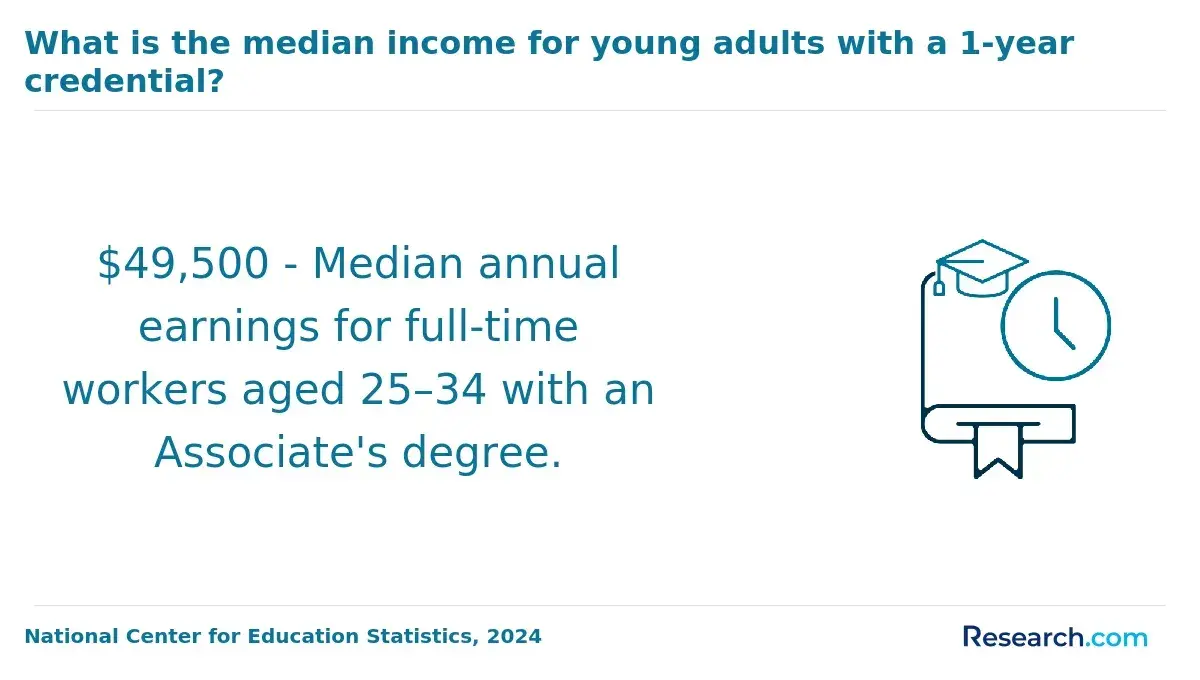
For graduate and professional students, the federal Direct Unsubsidized Loan annual limit is $20,500 for the 2024-25 award year. That amount may help cover eligible costs, but it is not a guarantee of eligibility and may not cover the entire cost of attendance. Students should review aid offers before committing to an installment amount.
Timing is the most important issue. Schools may reduce the amount placed on a payment plan by expected aid, while others require students to cover charges until aid actually disburses. If aid is revised, delayed, or lost because of enrollment changes, the student can become responsible for a larger balance.
Ask the financial-aid office these questions before enrolling in a plan:
- Will anticipated federal, state, institutional, scholarship, or veteran education benefits reduce my installment-plan balance before disbursement?
- What happens if my aid is delayed, adjusted, or canceled after I enroll in the plan?
- Does changing from full-time to part-time enrollment affect my aid, billing balance, or plan schedule?
- Can employer reimbursement be treated as pending payment, or must I pay first and seek reimbursement later?
Students considering lower-cost pathways or adjacent fields should separate financial-aid rules from program type. For example, the cheapest CSWE-accredited online MSW programs comparison may be useful for someone exploring another graduate discipline, but aid eligibility and institutional payment-plan terms must still be checked school by school.
Is there a deposit required before starting Engineering Management monthly payment plans?
A school may require an initial down payment when the student enrolls in the plan, even if it does not call that amount a deposit. The first payment can be a percentage of the term balance, a fixed installment, or the first scheduled monthly payment. Some schools instead require only an enrollment fee, while others require both.
Do not assume that an admission deposit, tuition deposit, and payment-plan down payment are the same charge. An admission deposit may reserve a place in the incoming class; a payment-plan down payment reduces the current bill; and an enrollment fee pays for access to the plan. Whether any of these amounts is refundable depends on the written policy.
Before paying, request an itemized account statement that shows the exact purpose of each initial charge. This prevents a common mistake: budgeting for the advertised monthly installment but overlooking a required initial payment due immediately after registration.
A practical cash-flow check is to add the first payment, enrollment fee, any admission deposit, and charges excluded from the plan. Compare that total with the cash you will have available before the first class date, rather than looking only at later monthly payments.
Are there fees not covered by monthly tuition payment plans for Engineering Management programs?
Payment plans frequently cover a defined account balance, not every cost connected with earning an online Engineering Management degree. Schools differ in what they permit in the installment balance, so students should inspect the billing statement rather than relying on a general description of the plan.
The table highlights charges that may require separate payment or special confirmation.
| Potential charge | May be included in installments? | What to verify |
| Tuition for registered courses | Often included | Whether all registered credits are eligible by the plan-enrollment deadline. |
| Mandatory technology or distance-learning fees | Varies | Whether online-specific charges are added before installments are calculated. |
| Payment-plan enrollment fee | Often excluded | Amount, refundability, and how often it is charged. |
| Application, admission, or graduation fees | Often excluded | Due date and whether the charge is refundable. |
| Books, software, equipment, and proctoring | Usually excluded | Expected out-of-pocket costs and whether course materials are billed through the school. |
| Late, returned-payment, or collection fees | Not applicable | Exact triggers, grace periods, and procedures for resolving an error. |
Engineering Management coursework may require specialized software, case materials, or remote-proctoring services. These costs can be modest or significant depending on the curriculum, and they may appear outside tuition. Review course syllabi or ask the program for a typical first-term materials estimate before finalizing a monthly budget.
What should you look for in payment plan terms for Engineering Management programs?
Read the payment-plan agreement as carefully as the tuition schedule. The plan should state the exact balance covered, number and dates of installments, enrollment fee, payment methods, cancellation policy, late-payment rules, and consequences of a missed payment.
The following checks help students compare plans consistently across schools and avoid focusing only on the lowest advertised monthly number:
- Confirm whether payments are fixed or can increase when you add, drop, or withdraw from a course.
- Check whether the school automatically withdraws payments and whether credit-card convenience fees apply.
- Identify the last date to enroll, cancel, or adjust the plan without additional penalties.
- Ask whether a late payment creates a hold that blocks registration, transcripts, grades, or future course access.
- Verify how refunds and withdrawals are handled after an installment has been paid.
- Request written clarification if financial aid, employer reimbursement, military benefits, or scholarships are expected after the first payment date.
A red flag is a representative who cannot provide the terms in writing or cannot explain the total of all payments and fees. Another is a schedule that depends on a future bonus, uncertain reimbursement, or credit-card balance transfer. Payment flexibility is helpful only when the due dates and consequences are clear.
Students who need a shorter, skills-focused alternative before starting graduate school may explore a bookkeeping certification online for foundational financial literacy, though it is not a substitute for the engineering and management curriculum of an Engineering Management degree.
How do you know if online Engineering Management degrees with monthly payments are right for you?
An online Engineering Management degree with monthly payments may be a strong fit if you already have an engineering or technical background, need leadership and business-oriented skills, and can reliably cover each term's installments from income, savings, employer support, or confirmed financial aid. The payment plan should support your education plan, not become the reason you select a program with weak curricular fit or unclear outcomes.
It may be wiser to pay upfront if you have sufficient savings and the plan charges recurring fees, or to use another funding strategy if the monthly schedule would strain your household budget. Students with variable income should be particularly cautious: a short-term installment plan can become expensive if a missed payment leads to penalties or forces reliance on high-interest debt.
Use these decision steps after admission and before accepting the billing plan:
- Compare program curriculum, accreditation where relevant, faculty support, course format, career alignment, required credits, and full estimated cost.
- Map every payment date against expected paychecks, aid disbursements, employer reimbursement, and essential living expenses.
- Calculate the first-term cash requirement, including deposits, excluded fees, books, software, and the first installment.
- Keep the plan only if you can pay each installment without relying on uncertain income or revolving credit.
- Get the school's terms in writing and reassess the plan each term if tuition, course load, aid, or employment changes.
The best decision is usually the program that delivers the right technical-management education at a total price you understand, paired with a payment method you can sustain. Monthly payments improve budgeting; they do not reduce the need to evaluate the degree's academic quality, professional relevance, and total financial commitment.
Other Things You Should Know About Engineering Management Programs
Often, yes, if the school permits part-time graduate students to enroll in its plan and your account balance meets any minimum requirement. Taking one course may lower the term balance, but an accelerated session may also provide fewer payment dates.
Some schools can coordinate third-party billing or apply employer payments to a student account, but policies vary. Ask whether your employer must sign an authorization form and whether you remain responsible for charges not paid by the employer on time.
No. Institutional payment plans generally divide charges billed by the school, such as eligible tuition and fees. Rent, food, transportation, and other personal expenses are normally outside the plan.
Many schools allow cancellation before a stated deadline, but the enrollment fee may be nonrefundable. If you add or drop courses, the payment amount may be recalculated, so contact student accounts promptly and save confirmation of any change.
References
- Online Colleges with Tuition Payment Plans https://mycollegeguide.org/online-colleges-with-monthly-payment-plans/
- Average Cost of a Master's Degree: 2025 Analysis https://educationdata.org/average-cost-of-a-masters-degree
- Online Master of Science in Engineering Management | LSU New Orleans https://www.lsuneworleans.edu/academics/coe/engineering-management
- How to Take Advantage of College Tuition Payment Plans Today https://www.edumed.org/financial-aid/tuition-payment-plans/
- Best Online Master's In Engineering Management Programs https://www.bestcollegereviews.org/top/online-masters-engineering-management/
- Monthly Payment Plan https://www.umgc.edu/current-students/finances/payments/monthly-payment-plan
- Computer Science & Engineering Student Loans - Ascent Funding https://www.ascentfunding.com/college-loans/computer-science-engineering/
- Best Online Master's Programs in Engineering Management https://www.onlinemastersdegrees.org/best-programs/engineering/engineering-management/