2027 Fastest Accredited Online Engineering Management Programs: Accelerated Degrees and Completion Times

Co-Founder and Chief Data Scientist
The hardest question is not whether an online engineering management degree is convenient; it is how fast you can finish without choosing the wrong program. The need is timely: the BLS reported a May 2024 median wage of $167,740 for architectural and engineering managers, making speed-to-credential a real ROI issue.
This guide is for working engineers, technologists, military learners, and transfer students comparing accredited accelerated options. You will learn what "fastest" really means, how transfer credits and prerequisites change timelines, and how course load, start dates, capstones, and required projects can shorten or delay completion.
Key Things You Should Know
- The fastest accredited online engineering management options are usually 30-credit master's programs advertising completion in about 12 months; bachelor's programs generally require 120 credits but may be much faster for students transferring 60 to 90 credits.
- Accelerated does not mean easier: many programs use 7-week, 7.5-week, or 8-week terms, so students may finish faster by taking more condensed courses rather than by completing less work.
- Transfer-credit limits matter most for bachelor's students: many schools commonly allow up to 75%, 90 credits, or similar caps toward a 120-credit degree, while graduate programs usually accept far fewer transfer credits.
Which Colleges Offer the Fastest Accredited Online Engineering Management Programs?
For most students, the fastest accredited online engineering management program will be either a one-year master's degree for applicants who already have a technical bachelor's degree or a bachelor's-completion pathway for students with substantial transfer credit.
The table below summarizes examples of U.S. institutions with online engineering management programs and publicly advertised timelines; always confirm the current catalog because curriculum, tuition, and delivery format can change.
| School | Online engineering management option | Common credit structure | Fastest advertised or typical online timeline | Best fit |
| Arkansas State University | Master of Engineering Management | About 30 graduate credits | As few as 12 months | Students with a technical background who can handle an intensive graduate pace |
| University of Southern Indiana | Master of Science in Engineering Management | About 30 graduate credits | As few as 12 months | Working engineers seeking a compact management-focused master's |
| Old Dominion University | Master of Engineering Management | About 30 graduate credits | Often planned around 12 to 24 months, depending on course load | Students who want a public university option with flexible pacing |
| Ohio University | Master of Engineering Management | About 30 graduate credits | Often advertised around 20 months | Professionals who want acceleration without compressing the degree into one year |
| Arizona State University Online | BSE in Engineering Management | About 120 undergraduate credits | Traditional four-year plan from the beginning; faster with accepted transfer credit | Students seeking an online bachelor's path with engineering management focus |
| University of Arizona Online | MS in Engineering Management | About 30 graduate credits | Commonly planned around 18 to 24 months | Students who want a research university option with a manageable part-time pace |
The table shows why "fastest" depends on the starting point. A 12-month master's may be fastest for an engineer who already has the right bachelor's degree, while a bachelor's student with no prior college credit should expect a much longer path even if the online format uses short terms.
Readers comparing undergraduate ROI may also want to review broader salary-oriented degree options, including reputable guides to the best bachelor's degrees, before deciding whether engineering management is the right first degree or a later specialization.
How Long Does It Take to Complete an Accredited Online Engineering Management Degree?
An accredited online engineering management degree can take about one year to four years or more, depending on degree level and how many credits you bring in. "Completion time" usually means the shortest schedule advertised by the school, but your actual timeline depends on course availability, prerequisites, transfer evaluation, enrollment intensity, and whether the program requires a capstone, project, or practicum-style experience.
The table below compares realistic timeline ranges by student profile. Use it to separate marketing language from the schedule you can actually sustain.
| Student starting point | Likely degree path | Fast completion scenario | More realistic working-adult timeline | Main factor that changes speed |
| Engineering or STEM bachelor's already completed | Online master's in engineering management | About 12 months | 18 to 24 months | Number of courses taken per term |
| Technical bachelor's with missing prerequisites | Online master's plus prerequisite coursework | 12 to 18 months after prerequisites | 18 to 30 months | Math, statistics, programming, or engineering foundation gaps |
| Associate degree or 60 transfer credits | Online bachelor's completion | About 18 to 24 months | 24 to 36 months | Transfer applicability to major and general education requirements |
| No prior college credit | Full online bachelor's degree | About 3 years with heavy year-round enrollment | 4 years or longer | Total 120-credit requirement and course sequencing |
The fastest master's timeline generally requires full-time graduate study, frequent start dates, and no missing prerequisites. For bachelor's students, transfer credit is usually more powerful than short terms because it can remove entire semesters from the degree plan.
Math readiness is especially important because engineering management programs often rely on calculus, statistics, operations research, analytics, or quantitative decision-making. Students who need to rebuild quantitative skills may benefit from comparing expectations in a math degree online before assuming that an accelerated engineering management plan will be comfortable.
How Do Accelerated and Competency-Based Online Engineering Management Programs Work?
Accelerated online engineering management programs work by changing the calendar, the pacing model, or both. The degree still has to meet institutional and academic requirements; the acceleration usually comes from shorter terms, year-round enrollment, stacked course sequences, transfer credit, or self-paced competency demonstrations.
These formats can reduce time to graduation, but each one creates a different workload pattern. Before enrolling, match the format to your work schedule, learning style, and tolerance for overlapping deadlines.
- Short-term courses: Seven-week, 7.5-week, and 8-week courses compress the same subject matter into fewer weeks, which can help students complete more courses per year.
- Year-round enrollment: Programs with fall, spring, and summer terms let students keep moving instead of waiting through long academic breaks.
- Multiple start dates: Some online programs offer several entry points per year, reducing the time between admission and the first course.
- Stacked course plans: Schools may pre-plan a sequence so students can take one course at a time continuously or two courses per term without schedule conflicts.
- Competency-based learning: Students advance by demonstrating mastery, which can be faster for experienced professionals but slower for learners who need more faculty support or structured deadlines.
The main trade-off is intensity. A shorter term may reduce calendar time, but it usually increases weekly reading, problem-solving, group work, and project deadlines.
What Accreditation Should an Online Engineering Management Program Have?
Accreditation is the quality-control step that protects the value of an online engineering management degree. At minimum, the college or university should hold institutional accreditation from an agency recognized by the U.S. Department of Education or the Council for Higher Education Accreditation.
Programmatic accreditation is more nuanced. ABET accreditation is especially relevant for undergraduate engineering and engineering technology programs, and it may matter if you plan to pursue professional engineering licensure or work in roles where employers screen for ABET-aligned preparation.
Many master's in engineering management programs are housed in accredited universities but do not separately hold ABET accreditation, so the key is to verify how the degree is treated by your target employers, licensing board, or graduate school.
Use this checklist before you treat any online program as safe, fast, and credible:
- Confirm institutional accreditation in an official federal or accreditor database, not only on a marketing page.
- Check whether programmatic accreditation applies to the specific degree level, campus, and online delivery mode.
- Ask whether the transcript or diploma differs for online students; in many reputable programs it does not, but you should verify.
- Review licensure language carefully if your career goal involves professional engineering credentials, because state boards set their own rules.
- Confirm that transfer credits, prerequisites, and residency requirements are evaluated before you commit to an accelerated timeline.
A common red flag is a school promoting extreme speed without clearly identifying recognized accreditation. Another is a program that advertises "engineering management" but is actually a general business, supervision, or technology management degree with limited engineering coursework.
How Can Transfer Credits and Prior Learning Shorten an Online Engineering Management Degree?
Transfer credit is often the biggest time-saver in an online bachelor's engineering management program. Prior learning can also help, but policies vary widely and are usually stricter at the graduate level.
The table below shows how different forms of prior learning may affect completion time. It is not a guarantee; it is a planning framework for questions to ask the registrar or admissions advisor.
| Credit source | Where it usually helps most | Possible time impact | What to verify |
| Community college transfer credits | General education, math, science, and lower-division electives | Can remove one to two years from a bachelor's plan if credits apply cleanly | Course equivalencies and minimum grade requirements |
| Prior bachelor's degree | Second bachelor's or master's admission | May satisfy general education or entry requirements | Whether technical prerequisites are still required |
| Military credit | Electives, leadership, technical training, or applied experience | Can shorten undergraduate plans when evaluated through approved transcripts | Residency rules and maximum nontraditional credit limits |
| Professional certifications | Electives or prior learning portfolios | Usually modest, but useful when formally recognized by the school | Whether the certification maps to degree credit |
| Graduate transfer credit | Master's programs | Often limited to a small number of credits | Recency limits, grade minimums, and course match |
To move quickly, request an unofficial transfer review before applying and an official degree audit before enrolling. The audit should show exactly which requirements are complete, which credits count only as electives, and which courses must still be taken in sequence.
Do not assume every credential speeds up an engineering management degree. For example, a practical business credential such as a bookkeeping certification online may be useful for management literacy, but it may not count toward engineering, analytics, or technical core requirements unless the school has a specific credit policy.
What Are the Admission Requirements and Start Dates for Accelerated Online Engineering Management Programs?
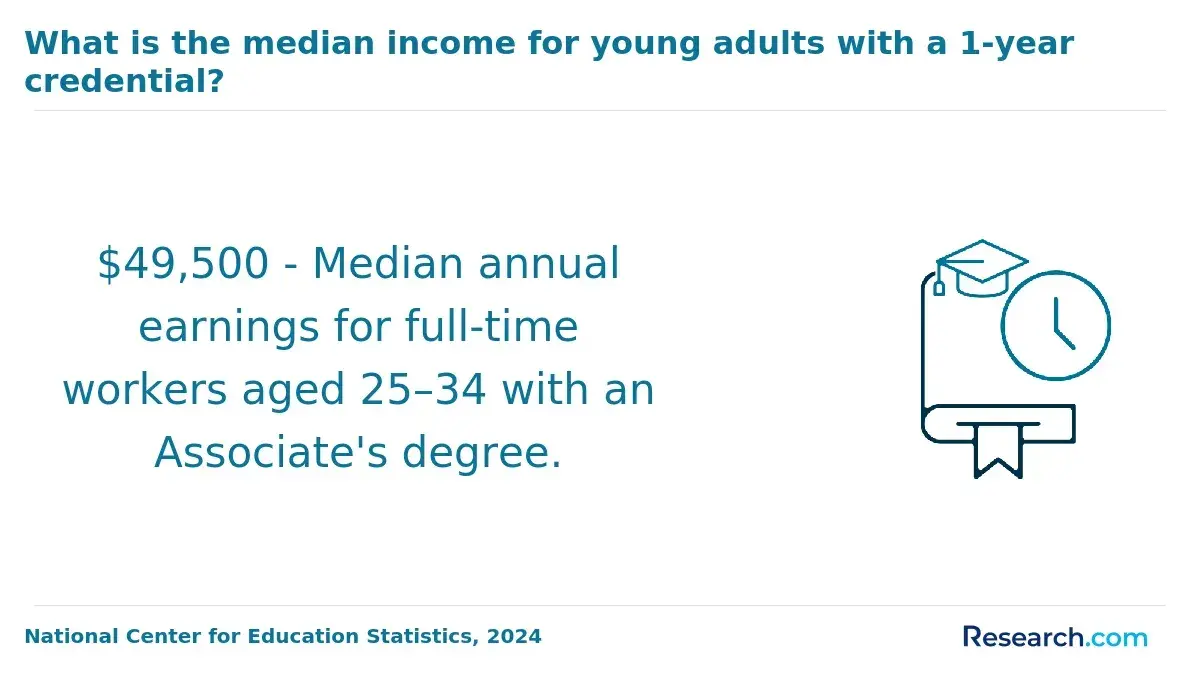
Admission requirements for accelerated online engineering management programs depend on degree level. Master's programs typically want a bachelor's degree, transcripts, a technical or quantitative background, and sometimes professional experience. Bachelor's programs usually require high school completion or transfer transcripts, plus placement or prerequisite evidence for math and science courses.
Start dates can affect speed almost as much as course length. A program with six start dates per year may let an admitted student begin quickly, while a program with one annual cohort may delay graduation even if the curriculum itself is short.
Before choosing the fastest advertised option, ask admissions and academic advising these questions:
- How many start dates are available each year, and is the engineering management major available at every start date?
- How many credits can I transfer, and will they apply to the major, general education, or only electives?
- Are any prerequisite courses required before I can begin graduate or upper-division engineering management courses?
- What is the maximum number of courses I can take per term without special approval?
- Are capstone, project, internship, or proctored exam requirements offered every term?
- If I stop out for one term, when is the next chance to rejoin the course sequence?
These questions matter because the fastest students are usually not just motivated; they are administratively cleared to move quickly. A missing prerequisite, late transcript, or unavailable capstone section can add months to an otherwise accelerated plan.
How Much Does a Fast Online Engineering Management Degree Cost, and Is Financial Aid Available?
The cost of a fast online engineering management degree depends on tuition per credit, total credits needed after transfer, technology fees, books, exam fees, and how many terms you remain enrolled. Faster graduation can reduce some term-based costs, but it does not automatically lower tuition if the program charges by the credit.
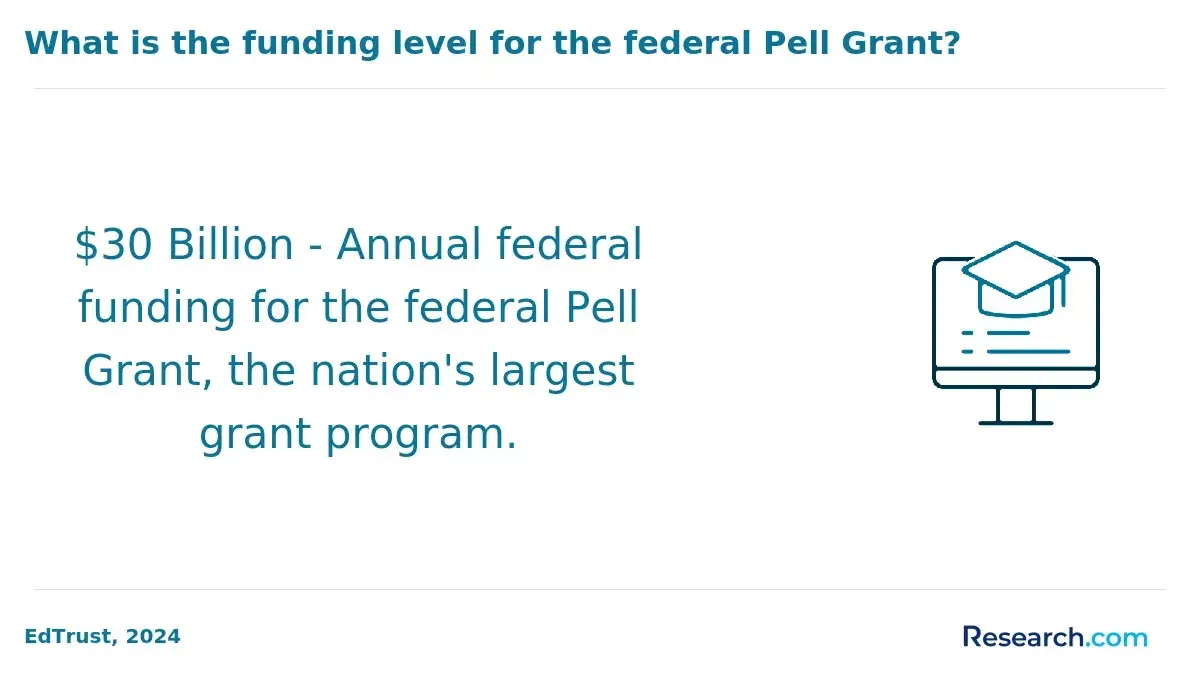
For graduate students, federal borrowing capacity is also a planning issue. Federal Student Aid lists the annual Direct Unsubsidized Loan limit for many graduate and professional students at $20,500, which means students in higher-cost programs may need savings, employer tuition assistance, payment plans, scholarships, or Graduate PLUS Loans to cover the full cost.
The table below explains the main cost variables that affect accelerated online students. Use it to compare total price rather than only per-credit tuition.
| Cost factor | Why it matters for fast programs | How to compare schools |
| Per-credit tuition | Most engineering management programs charge by credit, so total required credits drive the base price | Multiply tuition by remaining credits after transfer evaluation |
| Fees | Online, technology, graduation, and proctoring fees can add to the advertised tuition | Ask for a full program cost sheet |
| Transfer credit | Accepted credits can reduce both time and tuition for bachelor's students | Compare official degree audits, not estimates |
| Employer tuition assistance | Many working engineers may have partial tuition benefits | Check annual caps and reimbursement timing |
| Course repeats or withdrawals | Accelerated pacing can increase risk if the workload is unrealistic | Ask about repeat costs, withdrawal deadlines, and academic support |
Financial aid may be available if the institution is accredited and the student meets eligibility requirements. Complete the FAFSA, ask about employer partnerships, and compare scholarships for online learners, veterans, transfer students, and STEM professionals.
If affordability is your main comparison point across online graduate fields, online guides to the cheapest CSWE-accredited online MSW programs offer a useful example of how accreditation and cost should be evaluated together, even though social work and engineering management lead to very different careers.
Can You Work Full Time While Completing an Accelerated Online Engineering Management Degree?
You can work full time while completing an accelerated online engineering management degree, but the safest pace depends on job demands, family responsibilities, and your quantitative readiness. Many working adults succeed by taking one intensive course at a time year-round rather than two or three compressed courses in the same term.
The table below compares common enrollment patterns for students who are balancing work and school. It helps you estimate speed against workload risk.
| Enrollment pace | Typical experience | Potential benefit | Main risk |
| One accelerated course at a time | Steady weekly workload with fewer overlapping deadlines | Good balance for full-time workers | May not achieve the shortest advertised timeline |
| Two accelerated courses per term | Heavy reading, project, and exam load | Can shorten time to graduation | Higher risk of burnout or lower performance |
| Full-time graduate load | Fastest master's path, often close to one year | Best for students with flexible work schedules | Difficult during travel-heavy, shift-based, or high-pressure jobs |
| Part-time traditional pace | Longer timeline with more breathing room | Often more sustainable | Opportunity cost of delayed graduation |
A practical strategy is to start with one accelerated course, measure the weekly time commitment, then increase course load only if your grades, sleep, and work performance remain stable. The fastest plan is not the best plan if it leads to withdrawals, repeat courses, or missed promotion opportunities.
Are Accelerated Online Engineering Management Degrees Respected by Employers and Graduate Schools?
Employers and graduate schools generally focus more on accreditation, institutional reputation, curriculum relevance, and demonstrated skills than on whether the degree was completed online. An accelerated online engineering management degree is most respected when it comes from a recognized institution, includes rigorous technical and management coursework, and aligns with the student's career goals.
Engineering management sits at the intersection of technical decision-making and organizational leadership. Common career directions include project engineering, operations management, systems management, quality leadership, product development coordination, and engineering team supervision. The BLS May 2024 median wage for architectural and engineering managers was $167,740, but that figure represents an occupational category, not a guaranteed outcome for degree holders.
To strengthen employer perception, look for programs that develop evidence you can show beyond the transcript:
- Capstone projects tied to process improvement, systems design, product development, or technical operations.
- Coursework in engineering economics, statistics, quality, risk, supply chain, project management, and leadership.
- Faculty with engineering, operations, or technology management experience.
- Opportunities to apply coursework to your current workplace when appropriate and ethically permitted.
- Career services, alumni networks, or employer partnerships relevant to technical management roles.
Some students later move from engineering management into executive, consulting, academic, or organizational strategy roles. If that is your long-term direction, comparing options such as the cheapest online doctorate in organizational leadership can help you understand how master's-level technical management training may connect to broader leadership education.
How Should You Compare the Fastest Accredited Online Engineering Management Programs?
The best fast accredited online engineering management program is the one that lets you graduate quickly while preserving credibility, affordability, and career fit. Do not rank programs only by the shortest advertised timeline; rank them by the shortest verified timeline for your transcripts, schedule, and goals.
Use the following process to compare programs in a way that protects both speed and value:
- Define your target credential first: bachelor's, master's, certificate-to-degree pathway, or second degree.
- Verify institutional accreditation and any relevant programmatic accreditation before discussing speed.
- Request a transcript evaluation or prerequisite review before relying on an advertised timeline.
- Compare term length, start dates, and course availability for the exact engineering management program.
- Ask for a sample degree plan showing the fastest approved schedule and a sustainable working-adult schedule.
- Calculate total cost based on remaining credits, fees, books, and likely time enrolled.
- Check whether the curriculum matches your intended role, such as project management, operations, systems, quality, product, or technical leadership.
- Look for red flags, including unclear accreditation, vague transfer policies, extreme speed claims, and pressure to enroll before receiving a degree audit.
A good final question is: "If I enroll with my exact transcript and work schedule, what is the earliest term in which I can realistically graduate?" The answer is more useful than a generic "as few as" timeline.
Other Things You Should Know About Engineering Management
The fastest options are usually accredited online master's programs in engineering management that advertise completion in about 12 months. They are typically designed for students who already have a bachelor's degree in engineering, technology, science, math, or a closely related field.
A one-year bachelor's completion timeline is uncommon and usually possible only for students who already have a large number of accepted credits and few remaining major requirements. Students starting with little or no college credit should expect a multi-year plan.
ABET accreditation is most important for undergraduate engineering or engineering technology programs and may matter for licensure-oriented engineering paths. Many graduate engineering management programs rely on strong institutional accreditation rather than separate ABET accreditation, so students should verify employer and licensing expectations.
Common delays include missing prerequisites, limited transfer-credit acceptance, unavailable required courses, heavy work schedules, capstone timing, incomplete transcripts, and taking on more accelerated courses than the student can realistically manage.
References
- Online Master's In Engineering Management: A Complete Guide https://unifi.atlaspackaging.co.uk/atlaspackaging-news/online-masters-in-engineering-management-a-complete-guide-1767648345
- How a Part-Time Master’s in Engineering Management Can Boost Your Career https://engineeringmanagement.org/part-time-mem-programs/
- Engineering Management Degrees Online (MSEM, MEM) https://www.onlineengineeringprograms.com/management
- 2025 Most Popular Online Master's Degrees in Engineering Management https://www.onlineu.com/degrees/engineering-management
- Online Master of Science in Engineering Management | LSU New Orleans https://www.lsuneworleans.edu/academics/coe/engineering-management
- Best Online Master’s Programs in Engineering Management https://www.onlinemastersdegrees.org/best-programs/engineering/engineering-management/
- Fastest Online Engineering Degree Programs - Educating Engineers https://educatingengineers.com/degrees/fastest-online-engineering-degree-programs/
- How long does it take to earn a Master’s in Engineering Management? https://www.topmanagementdegrees.com/how-long-masters-engineering-management/