2027 Best Accredited Online Engineering Management Degree Programs: Compare Tuition, Admissions, and Career Outcomes

Co-Founder and Chief Data Scientist
Choosing an online engineering management degree is a high-stakes cost, time, and career decision. The field matters because employers need leaders who can manage technical teams, budgets, systems, and product delivery; the U.S. Bureau of Labor Statistics reports a median pay of $165,370 for architectural and engineering managers, with projected employment growth of 6% through 2033.
This guide is for working engineers, STEM graduates, transfer students, and career changers comparing accredited online options. You will learn how to evaluate value, tuition, admissions, flexibility, accreditation, aid, and outcomes before enrolling.
Key Things You Should Know
- The strongest overall value usually comes from accredited public universities or employer-aligned private programs that combine reasonable total cost, flexible scheduling, strong engineering faculty, and transparent career services.
- For undergraduate engineering management, ABET accreditation can be important; for graduate engineering management, institutional accreditation is essential, while program fit, technical depth, and employer relevance often carry more weight.
- Career ROI should be judged against realistic outcomes: BLS data places architectural and engineering managers at a $165,370 median annual wage, but advancement depends on experience, technical background, leadership ability, industry, and location.
Which Accredited Online Engineering Management Degree Programs Offer the Best Overall Value?
The best accredited online engineering management degree program is not automatically the cheapest or the most selective. The best value is the program that gives you the strongest match among accreditation, total cost, schedule flexibility, technical credibility, employer recognition, and career support.
Students comparing engineering management with broader undergraduate ROI options may also want to review best bachelor's degrees, especially if they are still deciding whether to enter engineering, computer science, business analytics, or another high-return field before moving into management.
The table below summarizes common types of accredited online engineering management programs and the students they tend to serve best. Always verify current online availability, tuition, accreditation status, and state authorization directly with the institution before applying.
| Program type or example | Typical level | Best value for | What to verify before applying |
| ABET-accredited online engineering management bachelor's programs, such as those offered by major public engineering schools | Bachelor's | First-time students, transfer students, and technical workers who need an engineering-oriented management credential | ABET status, transfer-credit limits, lab or project requirements, and whether the degree title matches employer expectations |
| Public university online Master of Engineering Management programs | Master's | Working engineers seeking promotion into project, operations, systems, product, or engineering leadership roles | Total tuition, employer tuition reimbursement compatibility, asynchronous options, and capstone requirements |
| Private university online engineering management programs with strong national engineering brands | Master's | Students who value alumni networks, brand recognition, specialized electives, or access to high-profile faculty | Whether the higher price produces benefits you will actually use, such as recruiting access, executive coaching, or industry partnerships |
| Engineering management concentrations inside systems engineering, industrial engineering, or engineering leadership programs | Master's or certificate-to-master's pathway | Students who want technical depth plus management training without leaving a specialized engineering discipline | Whether the curriculum includes finance, people leadership, decision analysis, and project execution, not only technical electives |
| Stackable graduate certificates in engineering management | Certificate or pathway to master's | Students testing the field before committing to a full degree or professionals using employer funding in stages | Whether credits transfer fully into a later master's program and whether certificate-only outcomes meet your goal |
As a practical rule, a lower-cost public program often offers the best overall value for students who already have engineering experience and need the credential mainly for promotion. A higher-cost private program may be worth considering when it adds a specific advantage, such as a powerful alumni network, a concentration aligned with your industry, or access to employers you could not reach otherwise.
A common mistake is relying on rankings alone. A highly ranked program can be a poor fit if it requires synchronous classes you cannot attend, limits transfer credits, lacks your preferred specialization, or costs far more than your likely employer reimbursement will cover.
What Accreditation Should Students Look for in an Online Engineering Management Degree Program?
Accreditation is the quality-control signal that helps students avoid unrecognized or low-value programs. In the U.S., the first requirement is institutional accreditation from an agency recognized by the U.S. Department of Education or the Council for Higher Education Accreditation.
The table below explains the accreditation signals that matter most for online engineering management students. It separates what is essential from what is useful but not always required.
| Accreditation or recognition | Why it matters | How to use it in your decision |
| Institutional accreditation | Supports federal financial aid eligibility, credit transfer, graduate admission, and employer acceptance | Treat this as non-negotiable for any degree program |
| ABET accreditation | Signals that an undergraduate engineering or engineering technology program meets recognized technical education standards | Prioritize it for bachelor's-level engineering management programs when technical engineering credibility is important |
| Programmatic recognition in engineering management or systems fields | Can indicate alignment with professional expectations, but availability varies widely | Use it as a plus factor, not a replacement for institutional accreditation |
| State authorization for online learning | Determines whether a school can enroll students in certain states | Confirm eligibility if you live outside the school's home state |
| Professional licensure alignment | Some engineering careers require or benefit from Professional Engineer licensure, depending on discipline and state | Ask whether the program supports your licensure path if PE eligibility is part of your goal |
Graduate engineering management programs are not always ABET-accredited because ABET is most commonly associated with undergraduate engineering programs. That does not automatically make a graduate program weak. For master's programs, you should weigh institutional accreditation, faculty expertise, curriculum rigor, employer alignment, project work, and graduate outcomes.
To verify accreditation, search the school's official accreditation page, confirm the institution in the U.S. Department of Education accreditation database, and check ABET directly when a program claims ABET status. Be cautious if a school uses vague phrases such as "recognized," "approved," or "industry validated" without naming a legitimate accreditor.
How Do Tuition Costs Compare Across Accredited Online Engineering Management Degree Programs?
Tuition can vary widely because engineering management degrees may be offered as bachelor's programs, master's programs, graduate certificates, or concentration tracks. The most useful comparison is total net cost, not the advertised per-credit tuition rate.
Published national data provides a baseline for comparison. The National Center for Education Statistics Digest released in 2024 reported average graduate tuition and required fees of about $12,596 at public institutions and $29,931 at private nonprofit institutions for full-time students; online engineering management programs may cost more or less depending on credit count, residency rules, and program fees.
- Public graduate tuition baseline: about $12,596 in average graduate tuition and required fees at public institutions, based on NCES Digest data released in 2024.
- Private nonprofit graduate tuition baseline: about $29,931 in average graduate tuition and required fees at private nonprofit institutions, based on NCES Digest data released in 2024.
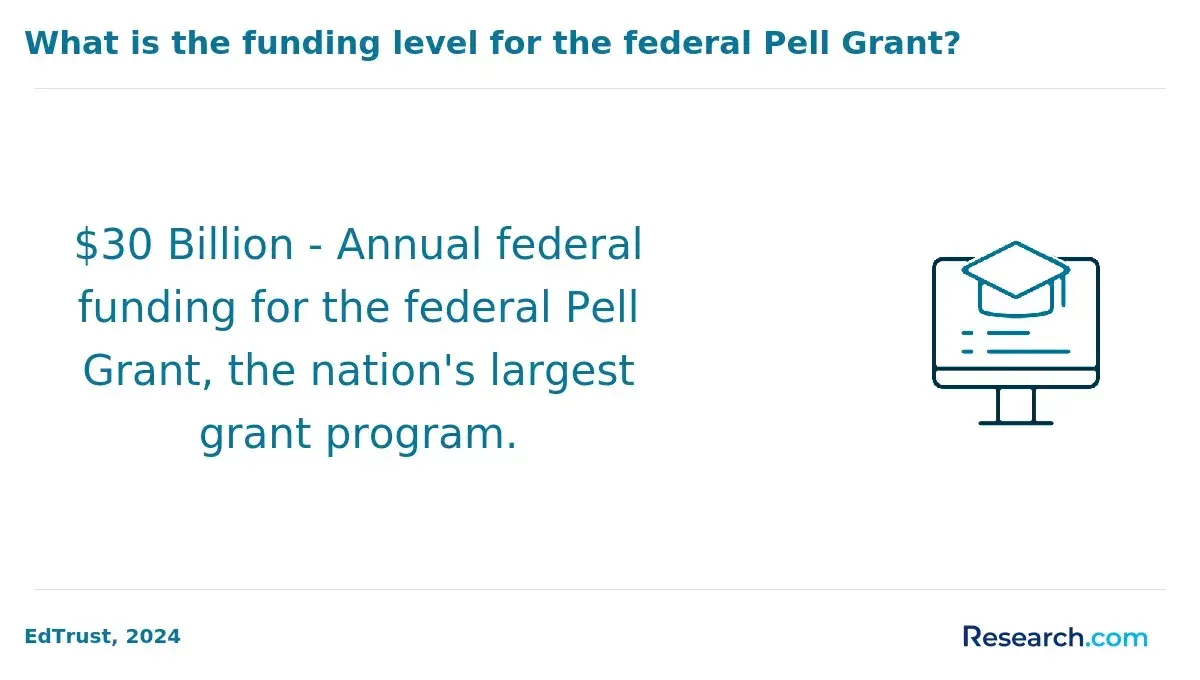
- Graduate federal borrowing benchmark: up to $20,500 per academic year in Direct Unsubsidized Loans for eligible graduate or professional students under current federal student aid rules.
Affordability comparisons in other professional fields, such as the methodology students use to compare the cheapest CSWE-accredited online MSW programs, can be useful here too: focus on accreditation, total cost, aid, program length, and outcomes rather than sticker price alone.
The table below shows the cost factors that most often change the real price of an accredited online engineering management degree.
| Cost factor | Why it changes total cost | Question to ask the school |
| Credit count | A 30-credit program can cost substantially less than a longer program at the same per-credit rate | How many credits are required for my exact degree plan? |
| Residency pricing | Some public universities charge different rates for in-state, out-of-state, and online students | Is the online rate flat, residency-based, or program-specific? |
| Technology and distance-learning fees | Online programs may add per-credit or per-term fees beyond tuition | What fees are mandatory for online students? |
| Transfer credits | Accepted credits can reduce both tuition and time to completion | What is the maximum number of credits I can transfer? |
| Employer reimbursement timing | Some employers reimburse only after course completion, requiring upfront payment | Does the program offer payment plans that align with employer reimbursement? |
| Required residencies or travel | Hybrid intensives can add transportation, lodging, and time-off costs | Are any campus visits required, and how often? |
The lowest-tuition program is not always the lowest-cost program. A school with a higher per-credit rate may be cheaper overall if it accepts more transfer credits, has fewer added fees, or lets you finish faster without reducing work hours.
How Competitive Is Admission to Accredited Online Engineering Management Degree Programs?
Admission to accredited online engineering management programs ranges from accessible to highly selective. Bachelor's programs often emphasize transfer credits, math readiness, and prior coursework, while master's programs usually look for an engineering, technology, science, mathematics, or closely related background.
The table below compares common admissions expectations. Requirements vary by school, so use this as a screening tool before you spend time and money on applications.
| Requirement | How common it is | Why it matters |
| Accredited prior degree or college credits | Required for graduate admission and transfer pathways | Confirms academic readiness and eligibility for advanced coursework |
| Engineering, STEM, or technical background | Common for master's programs | Engineering management assumes you can understand technical systems, not only business concepts |
| Calculus, statistics, or quantitative prerequisites | Common, especially for students without engineering degrees | Supports decision analysis, operations, modeling, finance, and systems coursework |
| Professional experience | Often preferred, sometimes required | Improves the relevance of leadership, project, and operations courses |
| GRE or GMAT | Less common than in the past, but still used by some programs | May strengthen an application if your GPA or background is not ideal |
| Statement of purpose and recommendations | Very common | Helps the committee judge career fit and readiness for online graduate study |
Admissions flexibility does not necessarily mean low quality. Many strong online programs serve working adults and evaluate applicants holistically, especially when applicants have significant technical experience, military training, professional certifications, or strong project portfolios.
Before applying, contact admissions with a brief summary of your degree, GPA, technical coursework, work experience, and goals. Ask whether you need prerequisite courses, whether conditional admission is possible, and whether certificate credits can later roll into the master's degree.
Which Learning Formats Offer the Greatest Flexibility in Online Engineering Management Degree Programs?
The most flexible online engineering management programs are designed around working adults. However, "online" can mean asynchronous, synchronous, hybrid, cohort-based, self-paced, or accelerated, and those differences can determine whether you finish smoothly or struggle to keep up.
Students who need to strengthen quantitative preparation before entering an engineering management pathway may find a math degree online or targeted math coursework useful, especially if their background lacks calculus, statistics, optimization, or modeling.
The table below compares common online learning formats and the type of student each format tends to fit best.
| Online format | Flexibility level | Best fit | Potential drawback |
| Asynchronous courses | High | Working adults, military students, frequent travelers, and students across time zones | Requires strong self-discipline and proactive communication |
| Synchronous evening courses | Moderate | Students who want live discussion and a predictable weekly schedule | May conflict with shift work, family obligations, or travel |
| Hybrid or low-residency programs | Moderate | Students who value in-person networking, labs, or intensive project sessions | Adds travel costs and may require time away from work |
| Cohort-based programs | Moderate | Students who want peer relationships and structured progression | Less room to slow down or accelerate independently |
| Self-paced or competency-based elements | High when available | Experienced professionals who can move quickly through familiar material | May offer fewer live networking opportunities |
Choose asynchronous study if schedule control is your top need. Choose synchronous or cohort-based study if you learn best through live accountability, discussion, and structured deadlines. Choose hybrid only if the in-person component provides a real advantage you can use, such as executive networking, lab access, or employer-facing capstone work.
What Student Support Services Improve Success in Online Engineering Management Degree Programs?
Student support services can have a major effect on whether online learners persist, graduate, and convert the degree into career progress. Engineering management students often balance work, family, technical coursework, and leadership development, so support should be evaluated before enrollment.
Some students also build targeted business skills alongside engineering management; for example, a bookkeeping certification online can help professionals who need stronger budgeting, cost-control, or small-business financial literacy before managing technical operations.
When comparing programs, look for support services that solve real online-student problems rather than generic campus benefits. The most useful services typically include the following:
- Dedicated online academic advising that helps you sequence technical, management, and elective courses without delaying graduation.
- Career coaching for engineering leadership roles, including resume framing for project management, product management, operations, and systems leadership.
- Faculty access through virtual office hours, discussion boards, recorded feedback, and timely responses to technical questions.
- Online tutoring or quantitative support for statistics, finance, decision analysis, operations research, and engineering economics.
- Capstone or project support that connects coursework to real engineering, manufacturing, infrastructure, software, or technology problems.
- Library, writing, and research support for students returning to graduate-level academic work after years in industry.
- Veteran, military, and employer-sponsored student services for learners using benefits, tuition assistance, or reimbursement plans.
A red flag is a program that markets flexibility but offers limited advising, unclear graduation planning, or slow faculty communication. In an online technical-management degree, lack of support can extend your timeline and increase cost even when tuition appears affordable.
Which Financial Aid Options Are Available for Accredited Online Engineering Management Degree Students?
Accredited online engineering management students may qualify for several types of financial aid, but eligibility depends on degree level, enrollment status, citizenship or eligible noncitizen status, school participation, and satisfactory academic progress. Graduate certificates may have different aid rules than full degree programs.
Students considering long-term leadership or executive education after a master's may also compare advanced options such as the cheapest online doctorate in organizational leadership, especially if they are weighing technical management against broader organizational leadership pathways.
Use the following aid options as a checklist when comparing offers from accredited schools. The best package is the one that reduces out-of-pocket cost without creating unnecessary debt.
- Federal Direct Unsubsidized Loans for eligible graduate or professional students, with an annual limit of up to $20,500 under current federal student aid rules.
- Graduate PLUS Loans, which may cover remaining eligible costs but usually require a credit check and should be compared carefully against expected ROI.
- Employer tuition reimbursement, which is especially relevant for engineers, project managers, operations analysts, and technical leads whose employers benefit from management training.
- Military tuition assistance, GI Bill benefits, Yellow Ribbon participation, and veteran-specific scholarships when applicable.
- Institutional scholarships, engineering school awards, alumni grants, and need-based aid that may require separate applications.
- Payment plans that spread tuition across a term and can help students avoid higher-interest private borrowing.
- Professional association scholarships from engineering, systems, manufacturing, project management, or industry groups.
Before accepting aid, compare net price, not just the award amount. A larger aid package can still be less favorable if it relies heavily on loans, while a smaller scholarship at a lower-cost school may produce a better long-term outcome.
Which Career Outcomes Are Associated With Accredited Online Engineering Management Degree Programs?
Engineering management degrees are designed for professionals who want to lead technical people, projects, systems, budgets, and operations. The degree is most valuable when paired with engineering knowledge, industry experience, communication skills, and the ability to translate technical decisions into business outcomes.
BLS data published in its current Occupational Outlook Handbook places the median annual wage for architectural and engineering managers at $165,370 and projects 6% employment growth through 2033. This does not mean every graduate will enter that occupation immediately; many students use the degree to move gradually from engineering contributor roles into team lead, project, product, operations, or program-management responsibilities.
The table below connects common engineering management outcomes with the type of preparation students should look for in an online program.
| Career path | Typical responsibilities | Program features that help |
| Engineering manager | Supervising engineering teams, allocating resources, setting technical priorities, and coordinating with business leaders | Leadership, engineering economics, people management, systems thinking, and capstone experience |
| Technical project manager | Managing scope, timelines, risk, budgets, vendors, and cross-functional delivery | Project management, risk analysis, communication, scheduling, and stakeholder management |
| Product or technical program manager | Connecting customer needs, technical feasibility, product roadmaps, and engineering execution | Product strategy, systems design, data analysis, agile methods, and market-aware decision-making |
| Operations or manufacturing manager | Improving process flow, quality, cost, safety, and production efficiency | Lean systems, quality management, supply chain, analytics, and operations research |
| Systems engineering leader | Coordinating complex technical systems across hardware, software, people, and processes | Systems engineering, requirements analysis, modeling, lifecycle management, and decision analysis |
| Engineering consultant or entrepreneur | Advising clients, launching technical ventures, managing budgets, and translating engineering value into business strategy | Finance, contracts, innovation, leadership, communication, and applied project work |
The degree tends to be worth it for students who already have technical credibility and want to manage larger projects or teams. It may be less useful for students who want a purely technical research role, a broad general-management credential, or a career path that does not require engineering context.
How Do Online and Campus-Based Engineering Management Degree Programs Compare?
Online and campus-based engineering management programs can cover similar academic material, but the experience is different. The right choice depends on schedule, networking needs, employer support, learning style, and whether your program requires hands-on facilities or in-person collaboration.
The table below compares online and campus-based formats across the factors that usually affect student success and ROI.
| Factor | Online engineering management program | Campus-based engineering management program |
| Schedule | Often better for full-time workers, parents, military students, and students outside the school's region | Better for students who can attend daytime classes and want a traditional academic routine |
| Networking | Can be strong when programs include live sessions, group projects, alumni events, and employer-connected capstones | Often easier for spontaneous networking, campus recruiting, and in-person faculty interaction |
| Cost control | May reduce relocation, commuting, and lost-income costs | May provide assistantships, campus employment, or local employer access that offsets cost |
| Learning style | Works best for self-directed students who communicate proactively and manage deadlines well | Works best for students who benefit from face-to-face structure and immediate classroom interaction |
| Employer compatibility | Often easier to combine with current employment and tuition reimbursement | May require reduced work hours or relocation unless the campus is local |
| Perception | Usually respected when the institution is accredited and the diploma does not separate online from campus quality | May appeal to students who want the full campus identity and in-person community |
Online is usually the better fit for working adults who want to keep earning while studying. Campus-based study may be better for students who want intensive in-person networking, assistantship opportunities, access to physical labs, or a full-time graduate experience.
How Should Students Choose the Best Accredited Online Engineering Management Degree Program?
Choosing the best accredited online engineering management degree program requires a structured comparison. Start with accreditation, then evaluate cost, curriculum, flexibility, admissions fit, support, and career outcomes together.
Use the following step-by-step process to narrow your list and avoid expensive mistakes:
- Confirm institutional accreditation and, for undergraduate engineering management programs, verify whether ABET accreditation applies to the exact program and delivery format.
- Define your career target, such as engineering manager, technical project manager, product manager, operations leader, systems leader, or entrepreneur.
- Compare curriculum depth by checking whether the program balances leadership, finance, project delivery, analytics, systems thinking, and technical electives.
- Calculate total cost, including tuition, fees, required software, travel, transfer-credit limits, and the effect of any time away from work.
- Ask whether the online format is asynchronous, synchronous, cohort-based, hybrid, accelerated, or self-paced, then match it to your actual schedule.
- Review admissions requirements before applying so you know whether you need prerequisites, test scores, work experience, or a stronger quantitative background.
- Compare support services, including advising, career coaching, faculty access, tutoring, and capstone support for online students.
- Request career outcome information from the school, but interpret it carefully because outcomes may vary by prior experience, location, industry, and job market conditions.
- Contact at least two admissions counselors with the same questions so you can compare responsiveness, transparency, and policy clarity.
- Choose the program with the strongest fit for your goals, not the one with the flashiest ranking, lowest sticker price, or easiest admission process.
The most common red flags are unclear accreditation claims, vague tuition pages, limited online advising, poor transfer-credit transparency, required campus visits that are not disclosed early, and career claims that sound guaranteed. A strong program should make its requirements, costs, learning format, and student supports easy to understand before you apply.
Other Things You Should Know About Engineering Management
Engineering management focuses on leading technical teams, systems, projects, operations, and engineering-driven decisions. An MBA is broader and usually emphasizes general business areas such as marketing, strategy, accounting, finance, and organizational leadership.
Many accredited universities issue the same diploma for online and campus students, but policies vary. Ask the registrar whether the diploma or transcript identifies the delivery format before enrolling.
Many do, especially in smaller organizations or highly technical industries. As responsibility increases, the role often shifts toward decision-making, team leadership, budgets, schedules, risk, and communication with nontechnical stakeholders.
Many professional engineering management programs use a capstone, applied project, portfolio, or coursework-only format instead of a thesis. A thesis track may be useful if you plan to pursue research or doctoral study.
References
- Engineering Management Degrees Online (MSEM, MEM) https://www.onlineengineeringprograms.com/management
- Is Engineering Management a Good Degree? Comprehensive Guide https://engineeringmanagement.org/is-engineering-management-a-good-degree/
- 2025 Best Online Engineering Degrees https://www.onlineu.com/degrees/engineering
- Find Programs - ABET https://www.abet.org/accreditation/find-programs/
- Online Master of Science in Engineering Management | LSU New Orleans https://www.lsuneworleans.edu/academics/coe/engineering-management
- Best Online Master’s Programs in Engineering Management https://www.onlinemastersdegrees.org/best-programs/engineering/engineering-management/
- Masters in Engineering Management Requirements: Everything You Need to Know https://authory.com/ErinCates/a/Masters-in-Engineering-Management-Requirements-Everything-You-Need-to-Know-a042e88d7bca1448f933a87eb4d386d43
- Master of Engineering Management (online) | Faculty of Engineering https://www.uottawa.ca/faculty-engineering/online-programs/master-engineering-management