2027 Are There Any One-Year Online Pediatric Care Nurse Practitioner Degree Programs Worth Considering?

Co-Founder and Chief Data Scientist
If you are a registered nurse looking for a faster route into pediatric advanced practice, “one-year online Pediatric Care Nurse Practitioner programs” can sound ideal. The reality is more complicated: pediatric nurse practitioner preparation includes graduate-level coursework, supervised clinical training, certification readiness, and state licensure requirements that usually cannot be compressed into a true one-year degree.
This guide explains what is realistic, what is not, and how to evaluate accelerated online Pediatric Care Nurse Practitioner options without risking your time, money, or eligibility for certification. You will learn whether a one-year path is feasible, which flexible programs come closest, what requirements to expect, how costs are structured, and what questions to ask before applying.
The goal is to help working nurses make a practical decision: whether to pursue an accelerated pediatric NP pathway now, choose a longer but stronger program, or consider another graduate nursing route that better fits their timeline and career plans.
Key Points About One-Year Online Pediatric Care Nurse Practitioner Degree Programs
- One-year online Pediatric Care Nurse Practitioner programs are rare, often designed as accelerated post-master's certificates rather than full degrees.
- These programs emphasize pediatric-specific clinical training but require prior nursing experience and may have limited clinical placement options compared to traditional 2-3 year degrees.
- Students can expect flexible schedules supporting working professionals, though industry data shows most pediatric NP students still prefer longer, in-person programs for comprehensive training.
Is It Feasible to Finish a Pediatric Care Nurse Practitioner Degree in One Year?
Finishing a full online Pediatric Care Nurse Practitioner degree in one year is generally not feasible for most students. Reputable PNP programs must cover advanced nursing theory, pediatric assessment, pharmacology, pathophysiology, health promotion, diagnostic reasoning, and supervised pediatric clinical practice. Those requirements take time because graduates are being prepared to care for infants, children, adolescents, and families in real clinical settings.
Most programs require between 26 to 38 months to finish. That timeline is not just an academic preference; it reflects the need for clinical training and practicum experiences that help students build safe, supervised judgment before entering advanced practice roles.
The main exception is not a true one-year degree but a shorter pathway for nurses who already hold advanced credentials, previous graduate nursing credits, or a closely related master’s degree. Even then, the school must still verify that the student has completed the required pediatric content and clinical preparation for certification eligibility.
Prospective students should be especially cautious with programs that advertise unusually short timelines without clearly explaining accreditation, clinical placement expectations, certification outcomes, and state authorization. Schools like Baylor University include significant leadership and practical training, which extend the program's duration beyond a single year. In pediatric advanced practice, a faster program is only valuable if it still prepares graduates for safe care, certification, and licensure.
Are There Available One-year Online Pediatric Care Nurse Practitioner Degree Programs?
No accredited one-year online Pediatric Care Nurse Practitioner degree programs currently exist in the United States. The reason is straightforward: pediatric NP programs include graduate nursing coursework and supervised clinical requirements that cannot usually be completed in a single year while still meeting certification-board and employer expectations.
Students searching for one year online pediatric np programs will find flexible, online, and accelerated options, but the fastest reputable online programs typically take at least 26 months to four years to complete. A program that claims to be a complete one-year PNP degree should be reviewed carefully for accreditation, certification eligibility, state authorization, and clinical hour requirements.
If you are still exploring the broader academic path that fits your long-term plans, it may also help to compare different types of college majors and how they connect to healthcare careers.
| Program | Format and timeline | Important details |
| Regis College Online MSN - Pediatric Nurse Practitioner | 100% online program that can be completed in about 26 months | Offers multiple entry points based on prior education. Includes 19 courses (39-63 credits) plus local clinical hours, and prepares graduates for the Pediatric Nursing Certification Board (PNCB) exam. |
| Spring Arbor University RN to MSN - Pediatric Nurse Practitioner Primary Care | Bridge program for working nurses completed in roughly four years | Awards both BSN and MSN degrees using a "7-1-7" accelerated course model. Requires 82 credits, 500 clinical hours, and includes a brief on-campus residency. Graduates are eligible for the CPNP-PC certification exam. |
| Old Dominion University (ODU) Online MSN - Pediatric Nurse Practitioner | Online coursework combined with in-person training in Virginia Beach | CCNE-accredited program offering a continuous BSN-to-MSN path, with DNP options available and possible traineeship grants to help with costs. |
The practical takeaway: one-year completion is not a realistic benchmark for a full PNP degree. Instead, compare programs by accreditation, clinical support, certification preparation, total cost, and whether the timeline fits your work and family responsibilities.
Why Consider Taking Up One-year Online Pediatric Care Nurse Practitioner Programs?
Because true one-year online Pediatric Care Nurse Practitioner degree programs are not currently available, students should think of this category as accelerated or shorter online PNP pathways rather than guaranteed one-year degrees. For experienced nurses, these programs can still be attractive because they may reduce time on campus, provide flexible coursework, and create a more direct route toward pediatric advanced practice than traditional on-campus formats.
The strongest reason to consider an accelerated online PNP pathway is fit. If you already have a nursing background, strong clinical experience, and the discipline to manage graduate coursework while working, an online program can help you keep your job while preparing for a pediatric NP role.
- Flexibility for working nurses: Online coursework, especially asynchronous classes, can make graduate study more manageable for nurses with shifts, family obligations, or limited access to a nearby campus.
- Local clinical training: Many online programs allow students to complete approved clinical experiences near their residence, reducing relocation needs. Students should still confirm whether the school helps secure placements or expects students to find their own preceptors.
- Focused pediatric preparation: PNP programs emphasize child development, pediatric assessment, family education, health promotion, and management of common and complex childhood conditions.
- Potentially faster advancement: Accelerated curricula can shorten the time to advanced nursing preparation compared with some traditional formats, but only when the student can handle the pace and meet clinical requirements on schedule.
- Career alignment: Nurses who already know they want pediatric primary care or another pediatric-focused role may prefer a specialized pathway over a more general graduate nursing program.
The trade-off is intensity. A faster format leaves less room for schedule disruptions, delayed clinical placements, or reduced work hours. Nurses comparing quick graduate options may also find it useful to review the easiest doctorate degrees to get, not because a PNP program is easy, but because comparing formats can clarify how different advanced degrees structure workload, timelines, and outcomes.
What Are the Drawbacks of Pursuing One-year Online Pediatric Care Nurse Practitioner Programs?
The biggest drawback is that the promise of a one-year online Pediatric Care Nurse Practitioner degree does not match how accredited PNP education is typically structured. If a program appears too short, students must verify whether it is a full degree, a post-master’s certificate, a non-licensure program, or a marketing label for an accelerated track.
Even legitimate accelerated online PNP pathways can be difficult. They require advanced academic work, pediatric clinical hours, and certification preparation in a compressed schedule. For many nurses, the challenge is not intelligence or motivation; it is time, clinical access, and sustained workload.
- Heavy academic pace: Condensed coursework may require students to master pediatric pathophysiology, pharmacology, assessment, and clinical decision-making with little downtime between terms.
- Clinical placement pressure: Pediatric preceptors and clinical sites can be limited. If the school does not provide strong placement support, students may spend significant time finding approved settings.
- Less scheduling flexibility than expected: Online classes may be flexible, but clinical hours are in person and must fit site, preceptor, and program requirements.
- Reduced margin for life disruptions: Illness, job changes, family responsibilities, or delayed paperwork can have a larger effect in an accelerated format.
- Possible gaps in mentorship: Online students need deliberate faculty access, peer interaction, and clinical feedback. Weak advising can make an accelerated program harder to complete successfully.
- Risk of choosing an unsuitable program: A short timeline is not useful if the program does not support certification eligibility, state licensure requirements, or employer expectations.
To reduce these risks, ask each school direct questions before applying: Who secures clinical placements? What happens if a placement falls through? What certification exam does the curriculum prepare students for? Are there on-campus requirements? Is the program authorized in your state? Clear answers matter more than the advertised speed of completion.
What Are the Eligibility Requirements for One-year Online Pediatric Care Nurse Practitioner Programs?
Eligibility requirements for accelerated online Pediatric Care Nurse Practitioner pathways are usually strict because students are entering advanced clinical training. While most Pediatric Nurse Practitioner Program Requirements extend beyond one year, the same admissions standards apply to shorter, flexible, or specialized tracks.
Requirements vary by school and degree level, but applicants should be prepared to document academic readiness, nursing licensure, clinical experience, and the ability to complete pediatric clinical training in an approved setting.
| Requirement | What it usually means |
| Prior Education | Applicants usually need a Bachelor of Science in Nursing (BSN) or higher from a regionally accredited institution. Some programs may accept candidates with non-nursing degrees but require completion of additional coursework. |
| Professional Experience | At least one year of full-time registered nurse (RN) experience is often required, particularly for Doctor of Nursing Practice (DNP) level programs. |
| Prerequisite Coursework | A college-level statistics course is commonly required to support evidence-based practice and graduate-level analysis. |
| Licensure | An active, unencumbered RN license is essential for enrollment and clinical participation. |
| GPA | A minimum cumulative GPA of 3.0 is typically preferred to demonstrate readiness for graduate nursing work. |
| Recommendations and Interviews | Letters of recommendation and sometimes interviews help programs assess professional maturity, clinical judgment, and fit for pediatric advanced practice. |
| Certifications | Some programs require BLS (Basic Life Support) or PALS (Pediatric Advanced Life Support) certifications before clinical placements. |
Students should also expect background checks, immunization documentation, drug screening, state authorization review, and clinical site onboarding requirements. These steps can take time, so they should be factored into any accelerated timeline.
Because requirements differ by institution, confirm details directly with admissions and the nursing department before applying. If you are comparing graduate-level alternatives outside advanced nursing practice, you may also want to review online PhD programs without dissertation to understand how other advanced programs structure completion requirements.
What Should I Look for in One-year Online Pediatric Care Nurse Practitioner Degree Programs?
When evaluating programs advertised as one-year, accelerated, or flexible online Pediatric Care Nurse Practitioner options, start with one question: Will this program make you eligible for the certification and licensure pathway you need? If the answer is unclear, the program is not ready for serious consideration.
The best online pediatric nurse practitioner programs are transparent about accreditation, curriculum, clinical hours, faculty qualifications, certification preparation, state authorization, and student support. A shorter timeline should never replace those fundamentals.
- Accreditation: Confirm that the nursing program is accredited by a recognized body such as the Commission on Collegiate Nursing Education (CCNE) or the Accreditation Commission for Education in Nursing (ACEN). Accreditation can affect certification eligibility, financial aid access, and employer confidence.
- Certification alignment: Review whether the curriculum prepares graduates for national certification exams such as the Pediatric Nursing Certification Board (PNCB) or CPNP-PC.
- Clinical placement support: Ask whether the school finds placements, approves student-selected sites, maintains preceptor networks, or offers backup support if a placement is delayed.
- Curriculum depth: Look beyond course titles. A strong program should build advanced pediatric assessment, diagnostic reasoning, pharmacology, family-centered care, child development, and evidence-based practice skills.
- Faculty expertise: Prioritize programs with experienced pediatric nurse practitioners and faculty who understand current pediatric practice, certification expectations, and online graduate teaching.
- Course delivery format: Determine whether courses are asynchronous, synchronous, hybrid, or tied to required campus visits. Online does not always mean fully self-paced.
- State authorization: Verify that the program accepts students from your state and that clinical placements can be completed where you live.
- Credit transfer policies: If you have prior graduate coursework, ask whether credits transfer and whether they reduce time or cost.
- Total cost: Compare tuition, fees, books, travel, residency expenses, clinical onboarding costs, and certification-related expenses.
- Student support: Strong advising, exam preparation, technology support, library access, and clinical coordination are especially important in accelerated online formats.
Red flags include vague accreditation language, no clear clinical hour explanation, no named certification pathway, pressure to enroll quickly, or promises that sound inconsistent with normal PNP preparation. If you are beginning a broader search for flexible colleges, accredited colleges online offering free applications can be a useful starting point for comparing access and admissions policies.
How Much Do One-year Online Pediatric Care Nurse Practitioner Degree Programs Typically Cost?
Programs in this accelerated online PNP category generally range in total tuition from about $17,700 to $40,500, depending on whether the option is a post-master's certificate, an accelerated master's pathway, and the student’s previous nursing qualifications. Post-master's certificates typically cost between $17,700 and $37,000. Accelerated master's options aimed at those with a BSN degree may fall between $35,000 and $40,500.
Cost comparisons should be made carefully because a shorter program is not always cheaper for every student. Total price depends on the number of credits required, whether prior coursework is accepted, whether the institution is public or private, and whether the student must pay extra charges such as clinical placement fees or campus-related expenses.
Compared to traditional, multi-year Pediatric Care Nurse Practitioner programs-where full MSN or DNP pathways often exceed $60,000 in tuition-one-year online programs offer a notably more affordable option for advancing nursing expertise. However, affordability should be weighed against accreditation, clinical quality, certification readiness, and whether the program actually leads to the credential you need.
Before enrolling, request a full cost breakdown from the school. Ask for tuition, mandatory fees, technology fees, residency or travel expenses, books, clinical compliance costs, background checks, certification exam costs, and any graduation or transcript fees. The best financial decision is based on total program cost, not just per-credit tuition.
What Can I Expect From One-year Online Pediatric Care Nurse Practitioner Degree Programs?
Students should expect an intensive experience. Fully accredited programs completed in this duration are uncommon, with most reputable options lasting 24 to 26 months. Some institutions may offer condensed pathways for students with advanced standing or prior relevant coursework, but even those students must meet academic and clinical standards.
The online pediatric nurse practitioner program curriculum is rigorous and pediatric-specific. Coursework may include specialized topics such as Childhood Common Behaviors & Developmental Issues, Pediatric Cardiac Anatomy, and Pediatric Pulmonary Pathophysiology. Students typically complete online lectures, readings, case-based assignments, exams, discussion activities, and capstone or practice-focused projects tied to pediatric care.
The most demanding part is often the clinical hours requirements for pediatric nurse practitioner training, which often exceed 600 hours. These experiences take place in approved pediatric care settings near the student’s residence and are essential for developing hands-on competence in assessment, care planning, patient education, and family-centered communication.
A strong program should prepare graduates to evaluate child development, recognize pediatric illness patterns, manage common pediatric concerns, communicate with caregivers, and understand when referral or collaboration is needed. It should also prepare students for the certification pathway connected to their role and population focus.
For working nurses, the main challenge is balancing three schedules at once: graduate coursework, employment, and clinical hours. Students seeking flexible and affordable education options may also want to compare low cost online colleges for job holders when planning how to manage school alongside work.
Are There Financial Aid Options for One-year Online Pediatric Care Nurse Practitioner Degree Programs?
Financial aid options for accelerated online Pediatric Care Nurse Practitioner programs are generally similar to those for traditional graduate nursing programs. Availability depends on the school’s accreditation, Title IV participation, the student’s enrollment status, and the specific program type.
Most accredited institutions offering eligible programs participate in federal Title IV aid, which may allow students to access loans and occasional grants through FAFSA. Students should confirm eligibility with the financial aid office before enrolling, especially if the program is a certificate rather than a full degree.
- Federal Financial Aid: Students attending accredited, Title IV-participating schools may qualify for federal loans and grants. Applicants must complete FAFSA and meet citizenship and enrollment criteria.
- State Grants and Loan Forgiveness: Some states provide financial support or debt relief for nurses who serve in underserved pediatric care settings. Requirements vary by state, so students should check local nursing boards or education agencies.
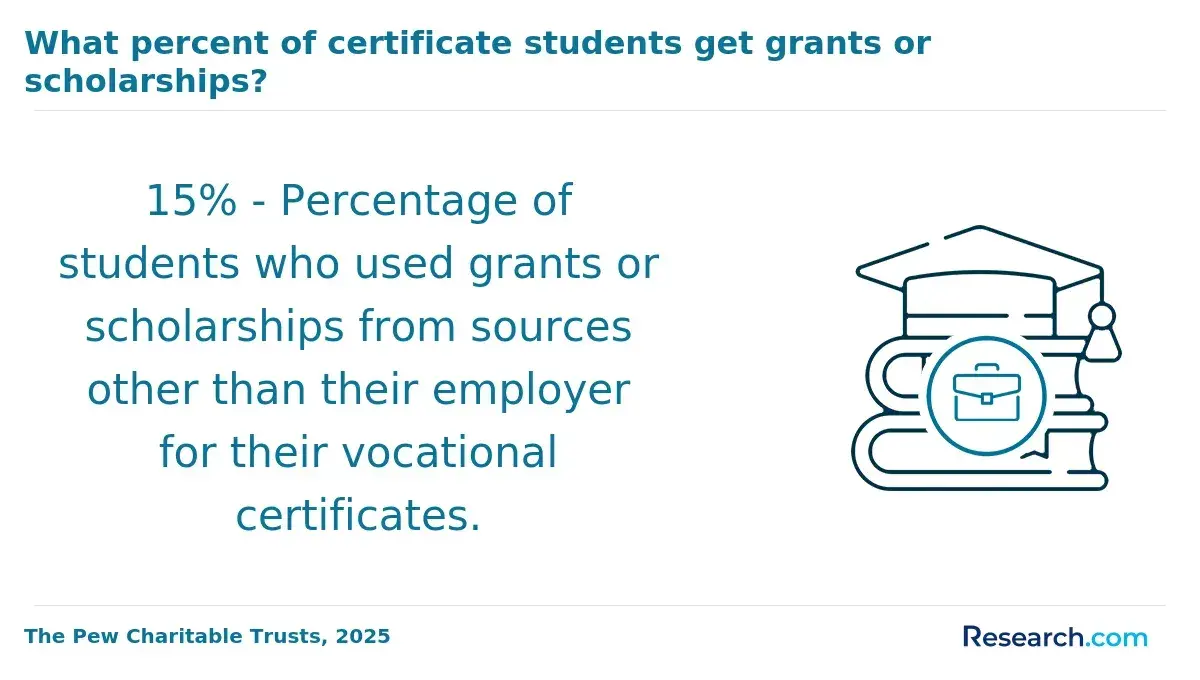
- Scholarships and Employer Tuition Assistance: Professional groups like NAPNAP and AANP offer scholarships based on merit or commitment to pediatrics. Employers may also provide partial or full tuition reimbursement for RNs advancing into NP roles, but terms differ widely.
Students should also ask schools about institutional scholarships, nursing-specific grants, payment plans, and traineeship opportunities. Because accelerated pediatric NP options are limited, funding can vary significantly from one institution to another. Apply early, keep documentation organized, and confirm whether aid applies to every term of the program.
What Pediatric Care Nurse Practitioner Graduates Say About Their Online Degree
Graduate experiences vary by program format, clinical placement support, workload, and prior nursing background. The comments below reflect individual perspectives and should be read alongside objective factors such as accreditation, certification eligibility, tuition, and clinical training quality.
- : "Completing the one-year online Pediatric Care Nurse Practitioner program completely transformed my career trajectory. The accelerated pace was challenging but allowed me to enter the workforce faster while mastering essential pediatric care competencies. The curriculum was well-structured, blending theoretical knowledge with practical applications, all at an average cost far more affordable than traditional programs. I couldn't be happier with this investment in my future. — Joey"
- : "The Pediatric Care Nurse Practitioner degree provided me with a reflective and in-depth learning experience despite its online format. I appreciated how the program emphasized competency-based progression, enabling me to focus on mastering key skills without unnecessary delays. This structure boosted my confidence as a nurse practitioner and prepared me thoroughly for real-world pediatric challenges. Completing it within a year was a perfect balance of rigor and flexibility. — Morgan"
- : "As a busy professional, the one-year online Pediatric Care Nurse Practitioner degree was the ideal pathway for advancing my qualifications efficiently. The program's emphasis on rapid yet comprehensive learning meant I gained the clinical knowledge and credentials I needed far sooner than traditional routes. It was a smart, cost-effective choice that enhanced both my expertise and career prospects in pediatric healthcare. — Hudson"
Other Things You Should Know About Pursuing One-Yeas Pediatric Care Nurse Practitioner Degrees
A one-year online Pediatric Care Nurse Practitioner program typically includes mandatory clinical training components. In 2027, students must complete a specific number of supervised clinical hours, ranging from 500 to 700, to ensure practical experience in pediatric care settings.
In 2027, a one-year online Pediatric Care Nurse Practitioner program typically requires around 30-45 credit hours. These programs condense coursework into a shorter timeframe, allowing students to complete both clinical and theoretical components more intensively compared to traditional programs.
References
- Inside Pediatric Nurse Practitioner Online Programs https://www.edumed.org/online-schools/nurse-practitioner-programs/pediatric-nursing/
- Top Online Pediatric Nurse Practitioner Programs https://nurse.org/education/online-pediatric-np-programs/
- MSN in Pediatric Care Nurse Practitioner https://www.online.drexel.edu/online-degrees/nursing-degrees/msn-ppacnp/index.aspx
- Best Pediatric Nurse Practitioner Programs Online - 2025 https://www.registerednursing.org/nurse-practitioner/pediatric/programs/
- Pediatric Nurse Practitioner-Primary Care Tuition and fees https://online.missouri.edu/degrees-programs/mu/nursing/pediatric-nurse-practitioner-primary-care/ms/financial
- Why Choose a Pediatric Nurse Practitioner (PNP) Specialty? | NursePractitionerOnline.com https://www.nursepractitioneronline.com/specialties/pediatric-nurse-practitioner/
- The Best Accredited Online NP Programs | NurseJournal.org https://nursejournal.org/nurse-practitioner/best-accredited-online-np-programs-from-non-profits/
- Most Affordable Online NP Programs (2026): Comprehensive https://www.npschools.com/rankings/all-affordable-online-np-programs
- Online Pediatric Nurse Practitioner (PNP) Programs | Maryville University https://nursing.maryville.edu/concentrations/pediatric-nurse-practitioner-online-program
- The Pros and Cons of Online Graduate Nursing Programs https://www.onlinefnpprograms.com/features/pros-and-cons-of-online-graduate-nursing-programs/