2027 Sustainability Tuition Inflation Report: How Fast Are Program Costs Rising?

Co-Founder and Chief Data Scientist
The rising costs of sustainability programs reflect unique structural pressures that differentiate them from other academic fields. Increased demand for specialized faculty with expertise in emerging environmental technologies and regulatory policies drives salary and labor expenses upward. Additionally, intensive investments in field-based training, simulation labs, and data analytics infrastructure contribute to operational costs. According to the National Center for Education Statistics, sustainability-related undergraduate enrollment grew by 12% between 2022 and 2024, intensifying resource allocation needs.
The age profile of students, increasingly diverse in career stages, suggests evolving educational models and workforce integration, underscoring how tuition inflation mirrors shifts in professional expectations and program delivery within sustainability education.
Key Things to Know About Sustainability Tuition Inflation
- Tuition for sustainability programs rose by over 7% annually from 2022 to 2024, outpacing general inflation; this rapid cost increase compels students to carefully weigh debt against potential sector-specific advancement.
- Employers increasingly expect specialized technical skills within sustainability roles, making higher tuition a tradeoff where advanced credentials may be essential but not sufficient alone for competitive hiring.
- Rising tuition often delays enrollment timing or limits program choices, disproportionately impacting access for lower-income candidates and reinforcing inequality in sustainability workforce entry over time.
- Key Things to Know About Sustainability Tuition Inflation Key Things to Know About Sustainability Tuition Inflation
- How Much Has Sustainability Tuition Increased Over the Past Decade? How Much Has Sustainability Tuition Increased Over the Past Decade?
- How Does Sustainability Tuition Inflation Compare to Overall Inflation? How Does Sustainability Tuition Inflation Compare to Overall Inflation?
- Which Types of Schools Have Experienced the Fastest Sustainability Tuition Growth? Tuition Growth by School Type
- What Factors Are Driving Rising Costs in Sustainability Degree Programs? Tuition Cost Drivers
- How Does Sustainability Tuition Growth Vary by State and Region? Tuition Growth by State
- Are Online Sustainability Programs Becoming More Affordable Than Campus-Based Programs? Online Program Affordability
- How Have Financial Aid and Scholarships Changed as Sustainability Tuition Has Increased? Impact on Financial Aid and Scholarships
- How Does Rising Sustainability Tuition Affect Student Debt After Graduation? Impact on Student Debt
- Do Higher-Cost Sustainability Programs Deliver Better Career Outcomes or Earnings? Impact on Career Outcomes
- What Do Current Tuition Trends Suggest About the Future Cost of a Sustainability Degree? What Do Current Tuition Trends Suggest About the Future Cost of a Sustainability Degree?
How Much Has Sustainability Tuition Increased Over the Past Decade?
Tuition for sustainability degree programs in U.S. colleges has risen between 30% and 45% in nominal terms over the past decade, according to recent data from the National Center for Education Statistics and the U.S. Department of Education College Scorecard. When adjusting for inflation, the real increase remains significant at approximately 15% to 25%, outpacing general consumer price trends. This rise reflects broader decade-long trends in sustainability degree program costs in North America, particularly at institutions balancing growth in program demand with constrained state funding. These changes pose critical considerations for students evaluating the evolving cost structure of sustainability education in relation to comparable fields.
Several factors drive these tuition increases beyond inflation. The interdisciplinary nature of sustainability programs demands specialized laboratories, extensive fieldwork, and partnerships with external agencies, all of which elevate operational expenses. Additionally, as environmental issues gain economic and social priority, colleges face increased pressure to invest in technology and faculty expertise to stay competitive. Shifts in enrollment patterns and reduced public funding have forced many universities to transfer rising costs directly to students, contributing to affordability challenges. Prospective learners should weigh these dynamics carefully against expected program outcomes.
Rising tuition costs have substantial implications for student borrowing and the return on investment in sustainability degrees. Unlike fields with predictable salary trajectories, employment markets for sustainability graduates remain variable, often emphasizing practical experience and employer networks-factors not directly captured by tuition alone. Students might consider alternative pathways that balance cost and time, such as 2 year accelerated bachelor degrees, to mitigate debt and optimize experiential learning opportunities. Ultimately, understanding how tuition has increased helps inform decisions about educational affordability and long-term career value in sustainability studies.
How Does Sustainability Tuition Inflation Compare to Overall Inflation?
Tuition inflation for sustainability degree programs consistently exceeds general consumer inflation as represented by the U.S. Consumer Price Index, which has remained near 2% to 3%. Data from the National Center for Education Statistics and the College Board highlight that sustainability-related program costs have risen by approximately 3.5% to 4% annually over recent years, outpacing broader economic inflation. This persistent divergence indicates that students pursuing sustainability education face cost pressures beyond those typical of everyday expenses, reflecting unique market demands within higher education. These trends are especially relevant when comparing how sustainability program cost increases versus general higher education inflation have steadily diverged from overall inflation, underscoring challenges in maintaining affordability.
The structural dynamics behind this gap include shifts in institutional funding models, such as declining state support for public universities and increasing reliance on tuition revenue to cover operational costs. Growth in administrative expenses, investments in technology, laboratory facilities, and compliance with evolving regulatory standards disproportionately affect sustainability programs due to their interdisciplinary and resource-intensive nature. Additionally, expanding student services and faculty specialization in emerging sustainability fields contribute to upward tuition pressure, reflecting a broader realignment of priorities within colleges and universities. These factors combine to create a cost trajectory that exceeds general inflation, signaling deeper financial recalibrations rather than transient economic fluctuations.
For students and families, rising tuition in sustainability programs imposes tangible affordability constraints, often necessitating higher borrowing levels or longer time horizons to recoup educational investments. The inflation gap also influences how prospective learners weigh program selection, balancing increasing costs against job market expectations and potential returns on investment in sustainability careers. Those concerned with managing education expenses may consult resources like the best affordable online colleges to identify cost-effective pathways that align with their academic and financial goals. Understanding this inflation dynamic is thus critical to navigating long-term educational and workforce planning in sustainability fields.
Which Types of Schools Have Experienced the Fastest Sustainability Tuition Growth?
Tuition increases for sustainability degree programs do not follow a uniform pattern and vary notably by institutional type, funding mechanism, and program structure. Public institutions generally balance state support with affordability goals, while private and specialized universities often face different financial pressures that drive tuition higher. These disparities highlight the financial realities influencing program costs and the economic calculus prospective students must consider when assessing sustainability education options.
- Public Universities: Relying heavily on state appropriations and public funding constraints, public universities typically experience more moderate tuition hikes for sustainability programs. These institutions prioritize broader access, which limits aggressive tuition growth, although occasional funding cuts can prompt sharper increases in specific programs.
- Private Nonprofit Universities: Often positioned as leaders in specialized sustainability education, these institutions justify faster tuition growth by investing in cutting-edge curricula, faculty expertise, and facility upgrades. The emphasis on targeted skill development and industry partnerships permits steeper tuition increases, as students and employers increasingly value specialized sustainability competencies.
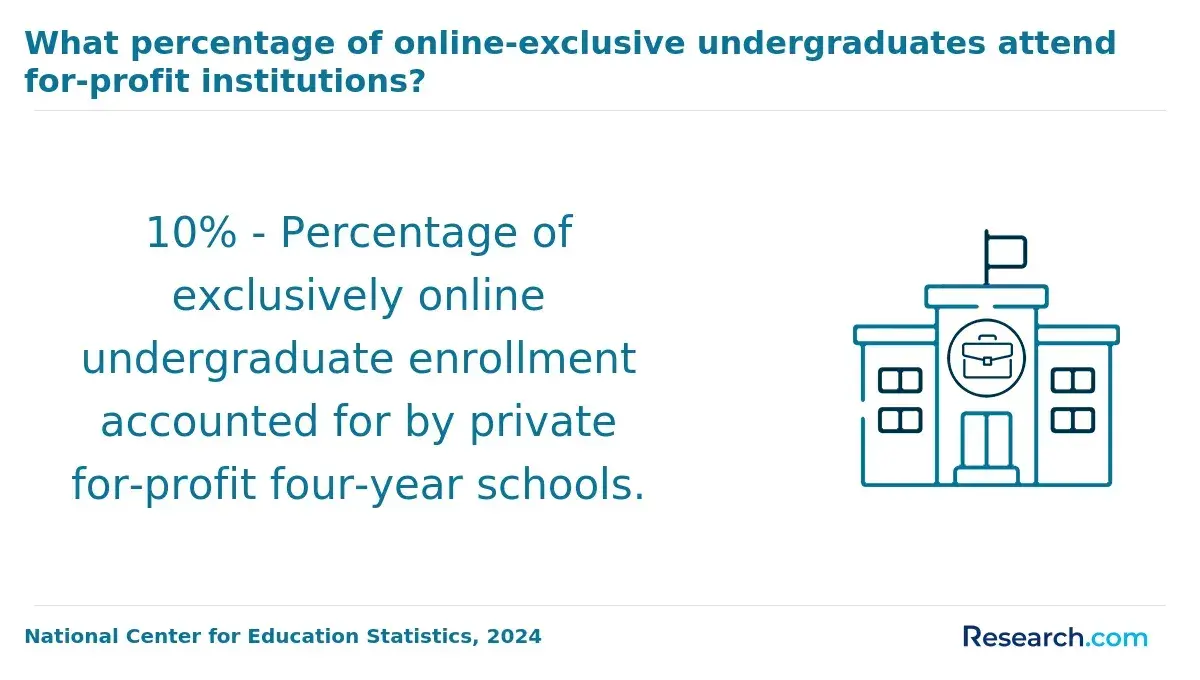
- For-Profit Institutions: Exhibiting more variable pricing trends, for-profit schools sometimes raise tuition aggressively to capitalize on market demand but may lack the prestige or employer recognition seen in traditional schools. Their dependence on tuition revenue introduces volatility, and inconsistent program quality can affect long-term affordability and return on investment.
- Research-Intensive Universities: With significant resource demands for innovative sustainability research and technology integration, these universities see tuition growth linked to sustaining high faculty-to-student ratios and advanced laboratories. Their funding models include grants and endowments but often shift costs to students, resulting in above-average tuition inflation in sustainability disciplines.
- Regional Colleges: Facing competitive pressures to expand program offerings, many regional colleges maintain relatively stable sustainability tuition rates by focusing on cost-effective delivery and local employment alignment. Their smaller scale and limited research obligations tend to restrain tuition inflation, though quality and specialization may vary.
Data from the National Center for Education Statistics in 2024 reveals private nonprofit schools with established sustainability programs experienced annual tuition increases of up to 7%, noticeably higher than the roughly 4% growth at public universities. This divergence underscores how financial models and institutional priorities distinctly shape tuition trajectories within sustainability education.
What Factors Are Driving Rising Costs in Sustainability Degree Programs?
Rising tuition costs in sustainability degree programs stem from a nexus of institutional, economic, and operational dynamics rather than any isolated factor. These programs increasingly reflect broader shifts in university funding models and academic labor markets, where the demand for specialized expertise and comprehensive curricular offerings drives costs upward. The complexity of sustainability as an interdisciplinary field requires not only higher faculty compensation for specialists in areas like climate science, renewable energy, and policy but also investment in advanced infrastructure and experiential learning components that go beyond traditional classroom settings.
Public institutions, in particular, face declining state appropriations, amplifying their dependency on tuition revenue to sustain program quality, a trend documented in recent National Center for Education Statistics data showing a 4.7% average annual tuition increase over three years in environmental fields. Concurrently, growing administrative responsibilities related to compliance, accreditation, and diversity initiatives expand institutional overhead. Investment in digital learning platforms and hybrid course delivery further adds to fixed and variable costs. Together, these institutional pressures impose structural upward pricing momentum in sustainability education across a spectrum of colleges, influencing affordability and shaping career pathway accessibility.
One graduate recalled navigating an extended admissions cycle for a sustainability master's program where rolling decisions created hesitancy. The candidate waited months after the initial application submission before receiving an offer, during which time shifting tuition rates and scholarship availability complicated financial planning. This delay sparked a strategic reassessment about whether to accept immediately or continue searching for alternative programs with clearer timelines and cost structures. Ultimately, the graduate viewed the experience as indicative of how institutional resource constraints and demand fluctuations can tangibly impact applicants' timing and financial decisions in sustainability education.
How Does Sustainability Tuition Growth Vary by State and Region?
Tuition growth for sustainability degree programs varies substantially across U.S. states and regions, driven by differences in state funding mechanisms, institutional types, and local economic conditions rather than simple geographic location. States with robust public university systems and stable state appropriations often experience slower tuition inflation, as these funding models mitigate cost pressures. Conversely, regions with a higher concentration of private universities or research-intensive public institutions tend to have steeper tuition increases due to less reliance on government support and greater institutional autonomy in pricing. This dynamic is a critical factor behind regional trends in sustainability program cost increases, reflecting broader structural distinctions in higher education finance rather than uniform market forces.
Key drivers of sustainability tuition growth differentials include fluctuations in state appropriations, funding shortfalls for public universities, and regional labor market demand for sustainability expertise. For example, states in the Northeast, which have many private universities and research-focused schools, show annual tuition growth rates around 5%, influenced by higher living costs and employer investments in sustainability leadership. The West sees slightly lower but still significant growth near 4.5%, partly shaped by funding cuts in public universities and strong demand from industries like renewable energy. In contrast, the Midwest and South-with a heavier reliance on public institutions and relatively stable state funding-often report growth below 3%. These funding and demand factors intersect with the concentration of programs to create clear affordability disparities, impacting student choices and program accessibility.
Such variations complicate decisions on program selection and present practical considerations for sustainability students weighing educational affordability against career prospects. Tuition inflation disparities contribute to uneven student mobility and influence long-term return on investment in sustainability education. Programs in regions with moderate tuition growth but strong local industry ties may offer more balanced outcomes, while steep cost rises in economically dynamic areas call for careful assessment of employment outcomes relative to upfront expenses. Prospective students should consider these regional sustainability tuition inflation patterns alongside other pathways like ABA approved paralegal programs when evaluating interdisciplinary or supplemental credentials to enhance employability.
Are Online Sustainability Programs Becoming More Affordable Than Campus-Based Programs?
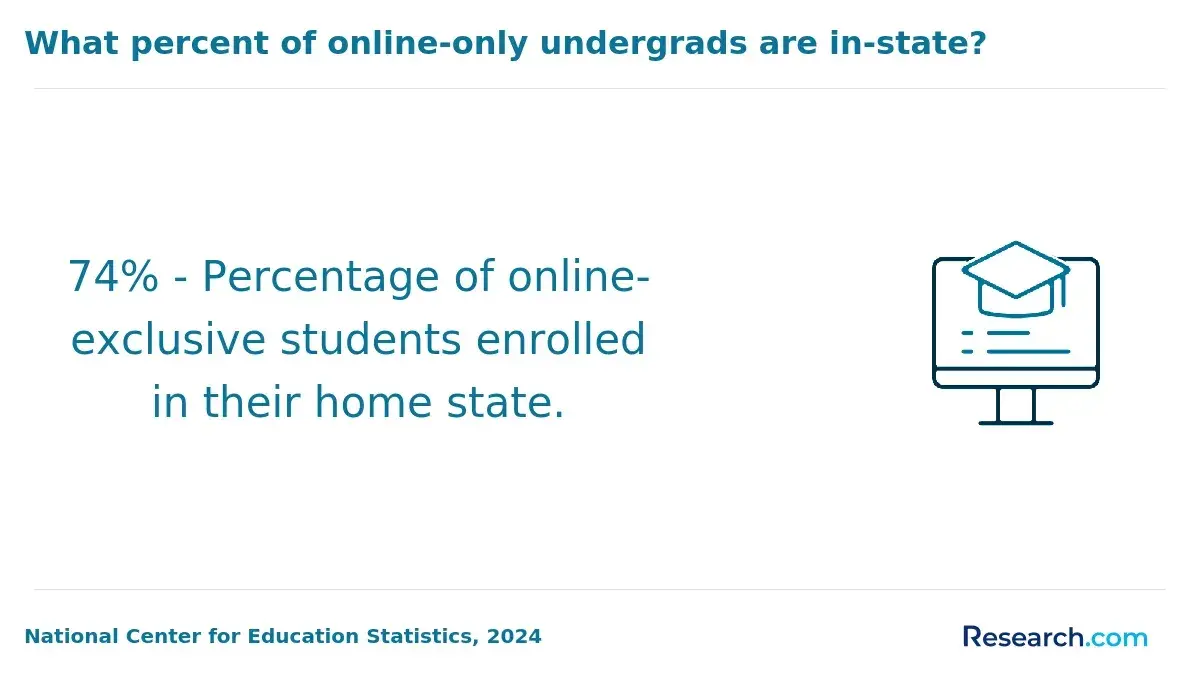
Online sustainability programs are increasingly positioned as more affordable alternatives to traditional campus-based degrees, but this trend reflects complex institutional pricing and delivery frameworks rather than straightforward cost-cutting. Recent data from the National Center for Education Statistics in 2024 shows that tuition for online bachelor's degrees related to sustainability fields tends to be about 20% lower than comparable on-campus programs. This difference arises partly because online programs deploy distinct pricing models that factor in digital scalability and different student engagement patterns. Unlike campus programs, which often embed costs associated with maintaining physical infrastructure and extensive on-site faculty presence, online formats price their offerings based on technology platforms, asynchronous and synchronous instructional methodologies, and varied student support mechanisms.
Cost disparities stem largely from reduced expenditures on physical facilities, utilities, and campus maintenance required for traditional programs. However, online programs also incur significant upfront and ongoing investments in digital learning technologies, instructional design tailored for virtual delivery, and comprehensive remote student services. Faculty roles may shift toward more flexible, modular course delivery models, but these do not entirely offset costs related to multimedia content production and technical support. Institutional strategy around balancing these elements influences whether online tuition remains sustainably lower or converges with campus rates over time. For many schools, the flexibility and potential scale of online delivery partly mitigate the higher per-student costs observed in physically constrained settings, yet tradeoffs emerge in experiential learning opportunities and hands-on engagement valued by certain employers.
One online sustainability graduate recounted navigating the admissions cycle with some hesitation due to the program's rolling admissions timeline. The candidate delayed submitting their application while weighing the financial implications against job prospects, uncertain how long the acceptance process would take and if additional fees would offset savings seen in tuition. When acceptance finally arrived later than expected, it prompted quick logistical adjustments but also relief, as the lower cost online option allowed them to remain employed while continuing education. This experience underscored how affordability is affected not only by sticker price but also by timing, workflow, and the balancing act prospective students must manage in aligning education with career and financial realities.
How Have Financial Aid and Scholarships Changed as Sustainability Tuition Has Increased?
As tuition at sustainability programs has steadily increased by roughly 5% annually according to 2024 data, financial aid structures have shifted but rarely in ways that fully offset rising costs. Institutional funding models have become more reliant on merit-based scholarships aimed at attracting academically strong or underrepresented students, while need-based aid faces tighter budgets and stricter eligibility. Although federal programs like Pell Grants remain important, their modest increases have not matched tuition inflation, leading many students to cover growing gaps through external sources or loans.
These aid trends reflect complex drivers including heightened competition among institutions for sustainability talent and evolving federal and state funding priorities. Universities increasingly use targeted merit awards as a form of tuition discounting to maintain enrollments, but these often cover a smaller fraction of total costs as sticker prices rise. At the same time, rising tuition pressures have encouraged greater integration of work-study and employer partnerships, especially in sectors like renewable energy, where tuition assistance programs can supplement traditional aid but are unevenly accessible and often contingent on employment commitments.
Consequently, net price stability for sustainability students remains tenuous, with many facing difficult tradeoffs between accruing debt and limiting educational choices. While expanded aid options may mitigate some cost increases, the uneven scaling of support means affordability and access vary widely depending on individual circumstances and institutional policies. For prospective students, careful evaluation of aid packages in relation to program expenses, potential debt, and career pathways is essential to navigate the increasingly complex financial landscape surrounding sustainability education.
How Does Rising Sustainability Tuition Affect Student Debt After Graduation?
Rising tuition in sustainability programs increasingly drives students toward higher borrowing, as escalating costs often outpace available financial aid. This trend significantly heightens reliance on student loans, amplifying debt burdens upon graduation. According to recent data from 2024, the gap between tuition expenses and aid packages has widened, leading many students to accept larger loan amounts just to complete their degrees. This dynamic directly influences cumulative debt levels and consequently impacts long-term financial stability, as students face compounded interest and repayment demands.
Key factors influencing this debt growth include disparities between public and private institution pricing and the accrual of interest during extended study periods. Variations in income across sustainability-related careers further complicate repayment capabilities; entry-level salaries in environmental consulting or policy sectors often lag behind the debt loads incurred, which can extend the time needed for financial recovery. These intersecting challenges reflect broader trends observed in rising sustainability tuition, emphasizing the necessity for careful analysis of return on investment within these programs. Trends in student loan debt from sustainability degree programs reveal that without matching earnings growth, graduates may confront prolonged financial strain.
Long-term repayment stress from these rising debt levels often influences decisions around program selection and perceived degree value. While income-driven repayment plans and loan forgiveness programs offer some relief, they do not fully offset the pressures caused by increased borrowing. Additionally, employers now frequently seek candidates who demonstrate fiscal responsibility alongside technical expertise, underscoring the practical consequences of heavy debt burdens. Students considering sustainability education might also explore alternative pathways, such as the speech pathology bridge programs, which exemplify how cost-effective program options can provide strategic value.
Do Higher-Cost Sustainability Programs Deliver Better Career Outcomes or Earnings?
Higher-cost sustainability programs do not inherently lead to better career outcomes or higher earnings, a nuanced reality backed by data from the U.S. Bureau of Labor Statistics and the National Center for Education Statistics in 2024. Tuition cost alone is a poor predictor of graduate success, as the wage premium associated with more expensive programs tends to be modest. Instead, factors such as institutional reputation, geographic location, and employer network strength often exert stronger influences on employment rates and salary trajectories in sustainability fields. The impact of tuition inflation on sustainability degree earnings reveals that higher starting pay for graduates of costly programs narrows over time, typically equalizing within five years.
Career outcomes in sustainability hinge significantly on program-specific advantages beyond price. For example, programs with robust employer partnerships or established internship pipelines can offer meaningful pathways into specialized roles, yet these benefits vary widely between institutions. Specialization depth-such as environmental policy versus corporate sustainability management-also plays a critical role in earnings and placement, often overshadowing raw tuition expense. Regional industry demand and alumni networks further shape long-term success, underscoring that evaluating advanced sustainability education requires attention to multiple dimensions of institutional quality and labor market alignment.
Prospective students must weigh the financial burden of tuition inflation against these nuanced outcomes and assess how well program offerings align with their targeted career paths. Rigid cost-versus-return assumptions risk oversimplifying complex tradeoffs, especially when alternatives like an accelerated architecture degree illustrate that accelerated or lower-cost paths can sometimes yield competitive employment trajectories. Detailed examination of employment data, practical skill emphasis, certification opportunities, and experiential learning prospects should guide decision-making more than sticker price alone in sustainability education.
What Do Current Tuition Trends Suggest About the Future Cost of a Sustainability Degree?
Current tuition trends indicate sustainability degree costs are likely to rise substantially faster than general higher education inflation. Data from the National Center for Education Statistics in 2024 shows a 4.7% average annual increase over the past five years for sustainability-related programs, outpacing the roughly 3.5% annual rise seen across all undergraduate fields. This historic inflation-adjusted growth suggests that without major systemic changes, sustainability programs will continue becoming more expensive relative to many other disciplines, reflecting both market demand and cost pressures intrinsic to these fields.
Key drivers behind this upward trajectory include constrained public funding for higher education coupled with growing demand for specialized environmental and sustainability expertise. Institutions are responding by investing in new interdisciplinary curricula, hiring faculty skilled in emerging green economy sectors, and expanding technology-enhanced learning platforms. While more online program offerings could moderate some cost pressures, investments in advanced instructional technology and expanded student support services may offset these savings, maintaining a general trend of tuition escalation.
These dynamics raise important affordability concerns for prospective students, especially younger traditional enrollments facing loan constraints. Adult learners frequently offset costs through employer tuition assistance, but rising tuition could still influence program selection and enrollment timing. Similarly, students comparing an online social work masters degree often weigh long-term tuition trends alongside career outcomes when making enrollment decisions. Evaluating future tuition projections requires understanding that while past trends offer a reasonable baseline, institutional pricing strategies will also reflect shifting labor market demands and state budget realities, underscoring the need for careful financial planning when pursuing sustainability education.
References
- The Effects of Rising Student Costs in Higher Education - Ithaka S+R https://sr.ithaka.org/publications/the-effects-of-rising-student-costs-in-higher-education/
- Tuition-Free College? Promise Program Sustainability https://www.upjohn.org/tuition-free-college-promise-program-sustainability
- Sustainability and greening in European higher education https://www.eua.eu/publications/reports/sustainability-and-greening-in-european-higher-education.html
- College Tuition Inflation [2025]: Rate Increase Statistics https://educationdata.org/college-tuition-inflation-rate
- Discover our global guide to sustainability recruitment https://enable.green/news/a-global-guide-to-sustainability-recruitment-top-jobs-skills-and-salaries/
- Toward Sustainably Affordable Higher Education https://scholarshipamerica.org/blog/working-toward-sustainably-affordable-higher-education/
- The fiscal impact of student loans reforms - Office for Budget Responsibility https://obr.uk/box/the-fiscal-impact-of-student-loans-reforms/
- Client Challenge https://www.ifo.de/en/cesifo/publications/2023/working-paper/fiscal-sustainability-and-role-inflation
- Sustainability based careers and graduate prospects https://uwlpress.uwl.ac.uk/newvistas/article/id/193/
- Yes, Aid Fuels Tuition Inflation | Cato at Liberty Blog https://www.cato.org/blog/yes-aid-fuels-tuition-inflation
Other Things You Should Know About Sustainability
As sustainability programs grow more expensive, students need to carefully evaluate the workload and curriculum rigor relative to tuition increases. Programs with heavier project demands or comprehensive field components may justify higher costs by offering deeper, hands-on experience valued by employers. However, if tuition rises faster than the learning intensity or practical exposure, students face diminishing returns. Prioritizing programs that maintain or improve experiential learning without disproportionate tuition hikes helps protect educational value and crucial workforce readiness.
Higher tuition can pressure institutions to shorten programs or reduce elective options to contain costs, potentially limiting specialization and student customization. Conversely, longer program durations increase overall expenses, affecting affordability despite offering broader expertise. Prospective students must balance the desire for flexible, in-depth study against cost escalation, recognizing that compressed programs may restrict skills development, while extended programs risk unsustainable personal financial commitment.
Employers increasingly demand candidates with practical sustainability skills and interdisciplinary knowledge, pushing programs to invest in advanced labs, new technology, and industry partnerships, which contribute to tuition growth. Students should assess whether tuition surges align with these enhanced offerings that meet real workforce needs or if costs are inflated without meaningful improvements. Choosing programs explicitly connected to employer networks and applied projects better ensures tuition is an investment in marketable capabilities rather than institutional overhead.
When deciding between stable tuition programs and those with accelerating fees linked to strong sustainability outcomes, students must consider their financial resilience and career goals. If budget constraints are tight, opting for programs with predictable costs reduces risk, even if outcomes are somewhat less prestigious. However, if emerging career sectors or specialized roles demand advanced credentials reflected in higher-cost programs, the long-term payoff might justify short-term increased borrowing. This tradeoff calls for a strategic assessment of personal circumstances versus the likelihood of enhanced employability.