2027 Sustainability Degree Popularity by Gender, Region, and Degree Level

Co-Founder and Chief Data Scientist
When a student investigates sustainability degree programs, they often encounter striking contrasts in enrollment patterns across regions and degree levels. For example, 2024 data reveals that women comprise nearly 65% of sustainability bachelor's enrollees nationwide, yet this gender distribution shifts toward greater male participation in graduate programs, particularly in the Western states. Such variations complicate interpretations of program quality and workforce readiness, as local demand and peer networks influence not only access but also the potential for meaningful career connections. Understanding these enrollment dynamics is critical for assessing which institutions and degree levels align best with evolving industry needs.
This article will analyze sustainability degree popularity by gender, region, and degree level to help readers make informed educational and career choices grounded in real enrollment and labor market patterns.
Key Things to Know About Sustainability Degree Popularity by Gender, Region, and Degree Level
- Women represent over 60% of sustainability degree enrollees nationwide in 2024, highlighting persistent gendered interest patterns that may limit male representation in sustainability-related roles upon graduation.
- Regions with strong green economies, such as the Pacific Northwest, show higher graduate-level sustainability enrollment, reflecting employer demand for advanced expertise but potentially raising tuition and time-to-degree barriers.
- Undergraduate sustainability programs grow faster than graduate ones by 12% annually, suggesting earlier workforce entry but possibly constraining career growth due to fewer advanced specialization opportunities.
- Key Things to Know About Sustainability Degree Popularity by Gender, Region, and Degree Level Key Things to Know About Sustainability Degree Popularity by Gender, Region, and Degree Level
- How Does Job Market Demand Influence Sustainability Degree Popularity? Market Demand and Degree Popularity
- How Does Online Sustainability Degree Enrollment Compare to Traditional Campus Programs? Online vs. Campus Enrollment
- What Degree Level Is Most Common Among Sustainability Students? Most Common Degree Levels
- How Do Enrollment Trends Differ Between Associate, Bachelor's, Master's, and Doctoral Sustainability Degrees? Enrollment Trends by Degree Level
- How Popular Is the Sustainability Degree Compared to Other College Majors? Degree Popularity vs. Other Majors
- Why Is the Sustainability Degree More Popular in Certain States and Regions? Regional Popularity Drivers
- What Demographic Groups Are Driving Growth in Sustainability Degree Programs? Growth by Demographic Groups
- What Is the Future Outlook for Sustainability Degree Enrollment by Gender, Region, and Degree Level? What Is the Future Outlook for Sustainability Degree Enrollment by Gender, Region, and Degree Level?
- How Have Sustainability Degree Enrollment Trends Changed Over the Past Decade? How Have Sustainability Degree Enrollment Trends Changed Over the Past Decade?
- Where Is the Sustainability Degree Most Popular Across the United States? Geographic Popularity Analysis
How Does Job Market Demand Influence Sustainability Degree Popularity?
Employer demand for sustainability professionals often concentrates in specific regions with mature green economies, directly influencing enrollment patterns in sustainability degree programs. For example, states like California and Massachusetts, with strong clean energy policies and a robust environmental sector, report notably higher student participation than areas lacking similar industry presence. This regional job market trend affecting sustainability degree enrollment reflects practical considerations for students, who may weigh geographic labor market conditions alongside program availability when choosing degrees. Labor market segmentation and the interdisciplinary nature of sustainability roles also means students often pursue additional credentials to meet employer expectations, complicating enrollment responses to hiring signals.
Gender dynamics within sustainability degree attainment illustrate another layer of complexity in interpreting job market demand. While women remain underrepresented in many STEM fields, they have increasingly gained ground in sustainability-related programs, partially driven by employers' growing focus on diversity and inclusion. Nonetheless, bachelor's sustainability programs consistently attract higher enrollment than graduate degrees due to accessibility and cost, even though advanced degrees may be necessary for specialized roles in environmental law or project management. For those assessing educational pathways amid these trends, it is vital to consider how enrollment shifts may hinge less on straightforward hiring needs and more on nuanced workforce requirements and the diverse qualifications sought by employers.
Prospective students and current sustainability majors should also be cautious about assuming a direct correlation between program popularity and immediate job availability, since enrollment growth may reflect heightened environmental awareness rather than labor market demand alone. To navigate these complexities, exploring varied credentials, including certifications and alternative degree options such as some of the easiest online degrees, can provide flexible routes attuned to evolving workforce landscapes. Recognizing how job market demand for sustainability degrees interacts with regional economies, gender participation, and degree-level factors enables more informed decisions about a field marked by both opportunity and operational challenges.
How Does Online Sustainability Degree Enrollment Compare to Traditional Campus Programs?
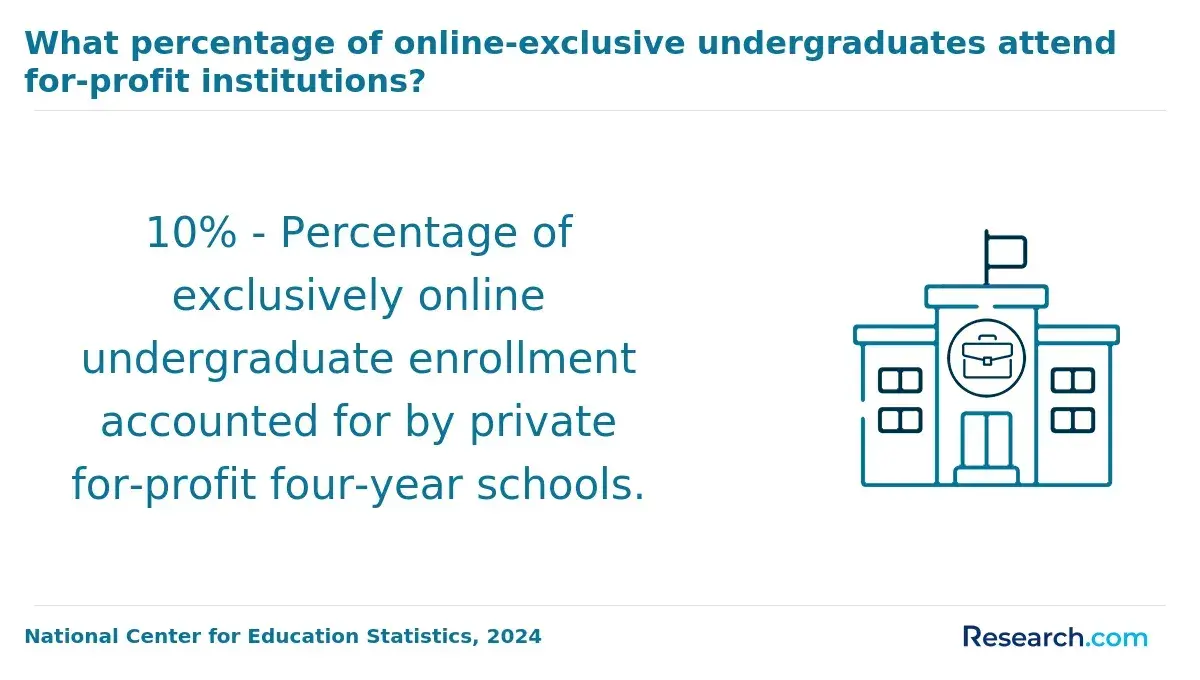
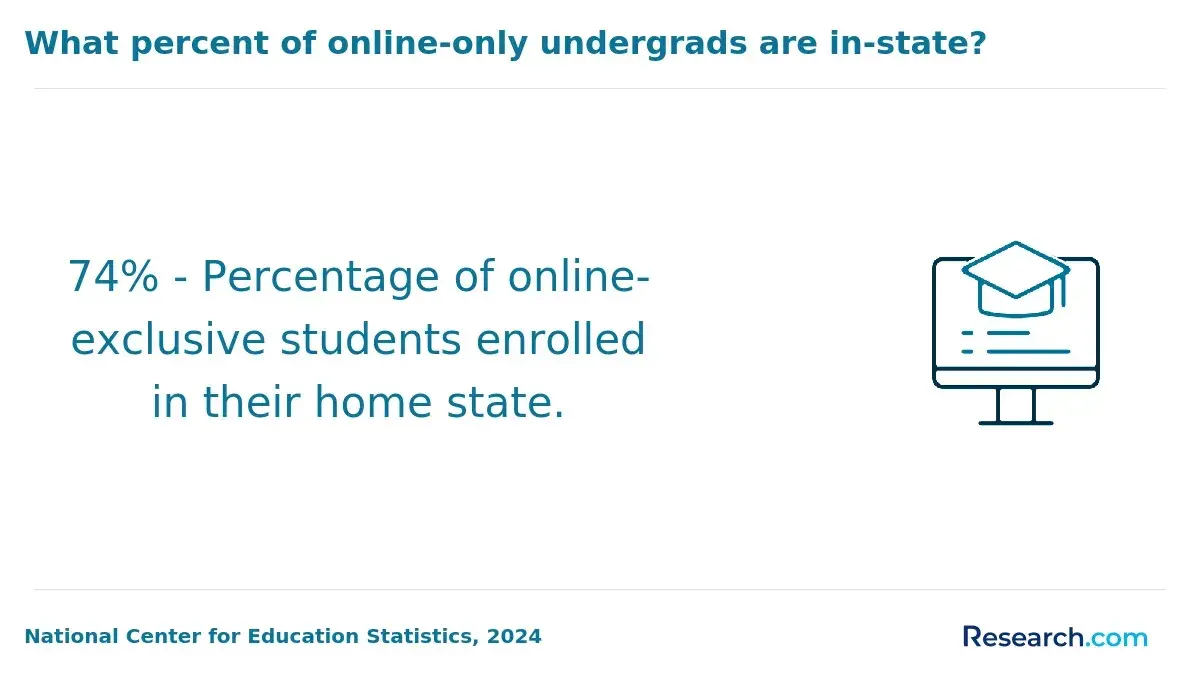
Enrollment trends reveal that online sustainability degree programs outpace traditional campus formats, reflecting distinct demographic and geographic differences that influence student choice. Data from the National Center for Education Statistics in 2024 shows fully online sustainability program enrollment rising by about 15% from 2021 to 2023, compared to just a 3% increase for on-campus programs. This disparity highlights how online offerings expand access for non-traditional learners, including older adults and working professionals, especially those in rural or underserved regions where campus options are scarce. Conversely, traditional programs still mainly attract younger, recent high school graduates who may prioritize in-person networking opportunities despite geographic constraints.
The modality of delivery not only shapes who enrolls but also factors into persistence and degree completion dynamics. While online students may contend with reduced face-to-face interaction and campus resources, improvements in digital platforms have narrowed retention gaps, making degree attainment rates comparable across settings by 2024. Employers increasingly acknowledge the value of online credentials, particularly when supplemented by relevant internships, though some sectors remain wary of the potentially limited networking and experiential elements associated with fully remote study. Prospective students must calibrate their decision against these tradeoffs, gauging how flexibility and location align with career goals and learning preferences within sustainability fields.
One recent sustainability graduate illustrates this balance: living in a remote area without nearby universities, she initially hesitated to pursue an online degree fearing it might be less recognized. However, her full-time job and family commitments made campus attendance impractical. She found that the online program's flexibility allowed her to maintain steady progress without sacrificing professional responsibilities, while occasional virtual cohort interactions helped mitigate feelings of isolation. Though she missed some on-campus experiences, the convenience and accessibility ultimately outweighed her initial skepticism about online sustainability education's popularity and effectiveness.
What Degree Level Is Most Common Among Sustainability Students?
Bachelor's degrees dominate sustainability education largely because they align closely with the qualifications many employers seek for entry-level roles, such as environmental analysts and policy coordinators. According to the National Center for Education Statistics and Integrated Postsecondary Education Data System in 2024, bachelor's programs capture the majority share of enrollment, around 55-65%, reflecting their position as the primary gateway into the sustainability workforce. This prominence is further supported by the expansion of accessible bachelor's programs in both traditional and online formats, making them a practical choice for diverse student populations aiming for broad interdisciplinary skills without the extended time and cost commitment of graduate study.
Associate degrees, while more limited in enrollment, often serve as practical stepping stones offering foundational knowledge or transfer pathways to bachelor's programs, appealing to students prioritizing affordability and shorter completion timelines. In contrast, master's and doctoral degrees cater to a smaller cohort-about 25-30% for master's and less than 5% for doctorates-where students pursue specialized expertise, research roles, or advanced leadership positions requiring deeper technical proficiency. The relatively low enrollment in doctoral sustainability programs is shaped by longer completion times and fewer available programs, factors prospective students must weigh against career goals that demand research or academic credentials.
These enrollment patterns illustrate the tradeoffs students face between gaining broad-based access to sustainability fields quickly via bachelor's degrees and investing additional time and resources for advanced specialization through graduate study. As employer preferences continue to emphasize practical experience combined with interdisciplinary knowledge common at the undergraduate level, bachelor's degrees remain the dominant path. However, evolving sustainability challenges may increase future demand for higher-level degrees, influencing how students plan educational trajectories aligned with their long-term professional aspirations.
How Do Enrollment Trends Differ Between Associate, Bachelor's, Master's, and Doctoral Sustainability Degrees?
Enrollment patterns for sustainability programs reveal strategic decisions tied to career timelines and specialization needs. Associate degree enrollment trends in sustainability programs often reflect students prioritizing swift workforce entry with a technical, applied focus, appealing particularly to part-time or non-traditional learners. In contrast, bachelor's sustainability degrees remain the dominant pathway for younger students aiming to balance foundational theory with practical roles in environmental consulting or policy; IPEDS data highlights a 12% increase in completions between 2022 and 2024, underscoring sustained demand for this credential. Choice here often hinges on balancing educational investment against early career possibilities without immediate need for deeper specialization.
On the graduate level, rapid growth in master's sustainability programs signals rising employer demand for advanced expertise and leadership in strategic sustainability roles, with enrollment surging 20% nationally, reflecting a shift toward career changers and more female professionals enhancing their qualifications. Doctoral degrees attract a narrower, experienced cohort focused on high-level research and policy development, constrained by limited funding and geographic concentration in research-intensive institutions. For those weighing these options, understanding these distinctions clarifies how educational commitment aligns with workforce readiness across the sustainability field and why prospective students should consider both program accessibility and long-term trajectory. Evaluating these dynamics alongside practical considerations like program affordability-visible in rankings of the cheapest online college options-can guide more informed decisions about which sustainability pathway best fits diverse professional goals.
How Popular Is the Sustainability Degree Compared to Other College Majors?
The relative popularity of a sustainability degree reveals more about shifting institutional priorities and niche market demand than broad-based enrollment strength. While it accounts for less than 1% of bachelor's degrees awarded as of 2023, this figure has notably doubled in the last decade, signaling growing but still limited academic penetration compared to established majors like business or engineering. This modest size impacts program availability, peer networks, and specialization options, requiring students to weigh enthusiasm for sustainability against fewer institutional resources and regionally concentrated opportunities, especially along the West Coast and Northeast, where environmental industries are more developed.
Demographically, sustainability tends to attract a predominantly female student body-around 60%-which contrasts with many STEM fields and may influence classroom dynamics and career pathways. Graduate program enrollments are expanding at roughly 8% annually, reflecting increased professional demand for specialized expertise, though overall numbers remain small relative to conventional graduate domains. Prospective students should consider how these enrollment trends intersect with workforce realities, as steady job growth in environmental sectors is projected but varies widely by geography and specialization, affecting long-term employability for degree holders.
One sustainability graduate recalled initially noticing the small class sizes and fewer peers compared to business majors, which led to conversations with advisors about whether the niche focus might limit career options. While the growing enrollment encouraged some confidence in the field's prospects, the student expressed ambivalence about investing in a less traditional major, especially given the regional variability in job markets. This experience underscores the importance of balancing personal commitment with pragmatic considerations around program scale and labor market alignment when choosing sustainability.
Why Is the Sustainability Degree More Popular in Certain States and Regions?
States leading in sustainability degree enrollment typically reflect the geographic clustering of industries demanding environmental expertise, rather than just student preference. On the West Coast, for example, California, Oregon, and Washington benefit from dense networks of renewable energy firms and environmental consultancies, which create palpable employment pipelines for graduates. These localized industry hubs shape not only enrollment but also the practical value and perceived return on investment of sustainability programs, as students weigh proximity to internships and job opportunities against program attributes and cost. In regions lacking comparable green industry concentration, even well-established programs may encounter lower demand, limiting networking and career-building advantages for students.
Regional demand for sustainability education programs is also influenced by state policies prioritizing carbon reduction and clean energy, which translate into heightened incentives for local governments and universities to support sustainability curricula. Educational access further intersects with demographic factors-states with younger, urban populations often show elevated interest in these degree pathways, linked to broader activism and regional policy climates. However, the rise of online models expands reach but cannot fully replicate the benefits of direct industry engagement or robust campus networks. Students must navigate these tradeoffs carefully, as institutional availability remains a critical determinant of both enrollment trends and the substantive breadth of sustainability education.
For prospective students balancing these factors, consideration of alternative pathways like an AACSB online MBA with sustainability-related focus areas might provide complementary skills valued by employers. Understanding how states leading in sustainability degree enrollment align with job market realities helps current and future graduates appraise the diverse regional implications on career trajectories and educational investment decisions.
What Demographic Groups Are Driving Growth in Sustainability Degree Programs?
The substantial increase in sustainability degree enrollment among women highlights a shift that extends beyond mere representation, reflecting a convergence of career values centered on social equity, environmental health, and policy influence. This demographic dominance shapes classroom dynamics and networking opportunities, often fostering environments where interdisciplinary, community-focused approaches are emphasized. Prospective students should consider how these peer groups might influence curriculum priorities and professional pathways in sustainability fields, potentially favoring careers in social impact alongside traditional environmental roles.
Regional disparities in enrollment growth also carry practical implications, with Western and Northeastern states leading due to stronger green economies and localized climate policy demands. These geographic concentrations affect program accessibility and relevancy, offering students closer ties to regional employers and applied projects but potentially limiting exposure to other market conditions. Moreover, the rise in older, mid-career learners-especially in online master's programs-signals a shift toward flexible learning models that accommodate professional transitions, yet this profile may introduce tradeoffs around peer diversity and on-campus engagement, influencing cohort cohesion and networking effectiveness.
The expanding presence of first-generation and underrepresented minority students underscores sustainability education's evolving role in addressing environmental justice and inclusive resource management. This diversification enhances program relevance by integrating varied lived experiences into applied learning, but also presents challenges in tailoring support services and maintaining equitable access. Employers increasingly value graduates who combine technical knowledge with community engagement skills, reinforcing the importance for candidates and institutions alike to navigate the balance between broadening access and maintaining rigorous interdisciplinary training.
What Is the Future Outlook for Sustainability Degree Enrollment by Gender, Region, and Degree Level?
Sustainability degree enrollment patterns are poised to reflect shifting demographics alongside regional economic realities, with female students maintaining a dominant presence yet with gradual male participation growth aligned to expanded STEM integration. According to a 2024 report by the National Center for Education Statistics, women currently account for about 60% of enrollees, suggesting sustained interest but room for broader gender diversification as interdisciplinary curricula attract a wider applicant pool. This evolving gender balance will influence how programs tailor recruitment and retention efforts, particularly as employers seek candidates with hybrid skill sets that combine environmental knowledge with technical proficiency.
Geographically, enrollment gains will concentrate in states with active climate policies and robust green job markets, notably the U.S. West Coast and Northeast, where growth of 7-10% is forecast through 2030. This regional disparity highlights a direct connection between local employment demand and student decisions, meaning programs in the Midwest and South may face challenges in attracting students without clear pathways to sustainable economic opportunities. At the degree level, the rise in master's enrollment-12% growth between 2022 and 2024-reflects employers' preference for advanced specialization in areas such as environmental policy and renewable technologies, with online platforms playing a critical role in enabling working professionals to upgrade skills without relocation constraints.
These trends imply practical consequences for future academic planning and career strategy. Institutions must balance expanding graduate-level offerings with maintaining accessible bachelor's programs attuned to entry-level job requirements. For students, understanding these demographic and geographic nuances is vital to assessing program relevancy and employability prospects in a labor market that increasingly values specialized expertise and region-specific sustainability competencies. This analysis underscores the importance of aligning educational pathways with evolving workforce expectations documented by authoritative sources like NCES.
How Have Sustainability Degree Enrollment Trends Changed Over the Past Decade?
Over the last decade, sustainability degree enrollment trends in North America reflect more than just rising numbers; they reveal shifting workforce demands and evolving social priorities shaping educational choices. While the overall surge in sustainability-related bachelor's degrees-rising by nearly 150%-indicates heightened student interest, the persistence of gender disparities is notable. Women constitute a majority of graduates, about 62% in 2023, which suggests the field's appeal across interdisciplinary and socially responsible disciplines. However, slowly increasing male participation points to ongoing changes in recruitment and program design that could influence future workforce diversity in sustainability sectors.
Regional enrollment variations further complicate this landscape, as local economies and environmental policy environments distinctly affect demand for sustainability education. Coastal states and regions like California and the Northeast, where green industry jobs and regulatory frameworks are stronger, report markedly higher enrollment compared to fossil fuel-dependent or economically divergent areas. Consequently, students considering sustainability degrees must weigh these regional disparities against career prospects post-graduation, since location remains a significant determinant of job availability and practical utility. Graduate education in sustainability has also doubled since 2014, driven partly by online programs catering to working professionals who seek specialized expertise, highlighting a strategic tradeoff between immediate workforce entry and advanced qualifications.
Given these nuances, prospective students should consider how shifts in sustainability degree popularity by gender and region intersect with degree level decisions, balancing interest with tangible workforce outcomes. For those exploring interdisciplinary options or transitioning careers, comparing pathways-including the potential benefits of a ms in applied artificial intelligence-may provide broader opportunities in emergent green and tech sectors. Such informed decision-making enhances alignment between educational investments and realistic employment landscapes.
Where Is the Sustainability Degree Most Popular Across the United States?
Sustainability degree popularity is concentrated in specific states and regions primarily because of varied industry demands, educational infrastructure, and workforce opportunities, rather than an even nationwide distribution. States with strong green economies, like those on the West Coast, provide abundant employment prospects in renewable energy and environmental consultancy, attracting higher enrollment. These regional clusters offer students enhanced access to specialized programs and professional networks, which significantly impact program selection and perceptions of degree value. The regional popularity of sustainability degree programs nationwide illustrates how local economic ecosystems and academic offerings shape educational trends more than general market demand.
For example, Northeast states with dense academic and policy networks produce high numbers of sustainability graduates due to proximity to government agencies and research institutions focusing on urban sustainability initiatives. Conversely, the Midwest and South show emerging interest but face challenges from limited institutional infrastructure and long-standing demand. Such geographic concentration matters for prospective students weighing where to study or work since local industry ties often drive career pathways and practical experience availability. This uneven distribution also influences how employers and professionals gauge a degree's relevance in different labor markets.
Top states for sustainability degree enrollment in the US reflect these patterns, underscoring the importance of program location relative to market needs. Those evaluating advanced degrees should consider how geography affects educational quality and post-graduation outcomes. For students exploring adjacent fields, best online masters in public administration programs offer complementary pathways that also benefit from regional specialization in public policy and management sectors.
References
- Types of Sustainability Degrees https://www.sustainabilitydegrees.com/degrees/
- 4 Quality education | Higher Education and research for Sustainable Development https://www.iau-hesd.net/sustainable-development-goals/4-quality-education
- The sustainability job market is booming. What does that mean for hiring? | Trellis https://trellis.net/article/sustainability-job-market-booming-what-does-mean-hiring/
- 10 Best Environmental Sustainability Degrees To Consider https://www.affordablecollegesonline.org/college-resource-center/green-degrees/
- Do graduate outcomes reflect universities’ work on sustainability? https://eua.eu/our-work/expert-voices/do-graduate-outcomes-reflect-universities-work-on-sustainability.html
- Diversifying Graduate Student Enrollment: What We Know and What We’re Learning https://www.aaaspolicyfellowships.org/blog/diversifying-graduate-student-enrollment-what-we-know-and-what-were-learning
- Rising Popularity of Environmental Programs https://www.keg.com/news/rising-popularity-of-environmental-programs
- Labour market in sustainability transitions: a systematic literature review https://www.ekonomiaisrodowisko.pl/journal/article/view/681
- Scaling Online Education for State University Systems https://changinghighered.com/scaling-online-education-for-state-university-systems/
- Green Degrees: The State of Environmentally-Focused Education in 2022 https://www.promoleaf.com/blog/green-degrees
Other Things You Should Know About Sustainability
Gender disparities, often featuring higher female enrollment in sustainability degrees, can shape the collaborative learning environment and influence access to informal networks. Women-dominant cohorts may foster supportive spaces for certain leadership styles but might also limit exposure to diverse viewpoints that mixed-gender groups provide. Prospective students should consider how program culture, often reflecting enrollment gender ratios, aligns with their preferred interaction and networking styles, as these factors impact mentorship availability and career connections.
Choosing a sustainability program regionally tied to strong environmental regulations and green industry presence can enhance hands-on learning and internship opportunities. However, some regions with fewer sustainability-driven employers may offer programs focused on broader global challenges, potentially better for students aiming for international careers. Candidates must weigh the immediate networking and experiential learning advantages of local programs against the breadth and transferability of skills found in less industry-saturated areas.
Bachelor's degrees in sustainability provide foundational knowledge and quicker entry into roles such as sustainability coordinators or technicians, but may limit advancement in policy or research-intensive positions. Master's degrees, while requiring more time and financial investment, tend to open doors to strategic and managerial jobs with higher pay and responsibilities. Students should assess their career timelines and financial constraints carefully, prioritizing a master's when targeting leadership roles or specialized expertise.
High demand in certain regions can elevate admission standards and intensify competition for limited spots, potentially increasing the quality of peer cohorts and faculty resources. Conversely, less popular areas may offer easier entry but fewer specialized course offerings and weaker industry connections. Applicants should balance the appeal of selectivity and concentrated academic resources against practical considerations like program fit, cost, and post-graduation employment networks when choosing where to apply.