2027 Sustainability Affordability by State: Where Students Pay the Most and Least

Co-Founder and Chief Data Scientist
Choosing between an in-state Sustainability program charging $8,500 annually and a well-ranked out-of-state option exceeding $25,000 can define a student's debt trajectory. Beyond tuition, living costs-often 30% higher in states with "affordable" tuition-can erase perceived savings. A 2024 National Postsecondary Education Study found students enrolled in state-funded Sustainability degrees borrowed 18% less on average, highlighting state policy's role in limiting financial burden.
These disparities influence not only immediate affordability but long-term financial freedom and career flexibility. This article analyzes state-level tuition and cost trends to pinpoint where students face the steepest or gentlest financial challenges pursuing a Sustainability degree.
Key Things to Know About Sustainability Affordability by State
- State tuition gaps exceed 50% on average, yet low in-state fees often coincide with higher living costs, complicating affordability comparisons for sustainability students weighing holistic expenses versus sticker price.
- Employers increasingly value applied experience from regionally accredited programs, so paying premium out-of-state tuition may yield better workforce alignment despite upfront cost, especially in states with robust green job markets.
- Rising student borrowing tied to uneven state funding amplifies opportunity costs; sustainability students prioritizing debt minimization must consider online options cautiously, as savings are offset by limited access to local internships and networking.
- Key Things to Know About Sustainability Affordability by State Key Things to Know About Sustainability Affordability by State
- Which States Have the Most Affordable Sustainability Degree Programs? Most Affordable State Programs
- Which States Have the Highest Sustainability Degree Costs? Highest State Tuition Costs
- How Much Does a Sustainability Degree Cost by State? Degree Costs by State
- Why Does Sustainability Affordability Vary So Much Between States? State Affordability Variations
- How Do In-State and Out-of-State Tuition Rates Affect Sustainability Affordability? In-State vs. Out-of-State Rates
- How Does the Cost of Living Impact Overall Sustainability Affordability by State? Living Costs and Affordability
- Which States Offer the Best Value for a Sustainability Degree? Best Value State Degrees
- What Financial Aid and Scholarship Opportunities Can Reduce Sustainability Costs? What Financial Aid and Scholarship Opportunities Can Reduce Sustainability Costs?
- Are Online Sustainability Degree Programs More Affordable Than On-Campus Options? Are Online Sustainability Degree Programs More Affordable Than On-Campus Options?
- Is a Sustainability Degree Worth the Cost Based on Career Outcomes and ROI? Degree ROI and Outcomes
Which States Have the Most Affordable Sustainability Degree Programs?
State-level funding priorities and residency-based tuition policies fundamentally shape the landscape of affordable sustainability degree programs by state, influencing where students can strategically minimize educational debt and optimize net costs. For example, in states like North Dakota and Wyoming, public universities have capped tuition increases and offer substantial state grants, resulting in significantly lower tuition burdens for residents compared to those in more urbanized or less publicly funded states.
This dynamic means students from higher-cost states may consider out-of-state options where in-state tuition advantages and lower living expenses could offset relocation costs, illustrating how states with the lowest cost sustainability degrees create distinct practical tradeoffs tied to residency and regional economic factors. Moreover, the distribution of financial aid and public investment in higher education reflects broader policy decisions that impact the real affordability of sustainability degrees beyond sticker price.
States with sustained commitments to funding public universities and expanding accessible online sustainability coursework often reduce total attendance costs, particularly for rural or part-time students balancing work and study. The Mountain West and Plains states exemplify how a lower regional cost of living complements institutional affordability, shaping degree completion feasibility and long-term value for diverse learner profiles.
Students comparing programs should weigh these operational realities alongside academic offerings and career outcomes, as cost differences can materially influence enrollment decisions and debt burdens within a field experiencing growing demand, which is why referencing the top 10 best majors for the future can help guide informed choices.
Which States Have the Highest Sustainability Degree Costs?
High sustainability degree costs often reflect complex interactions between tuition models, state budget priorities, and local living expenses rather than simple geographic coincidence. States housing large urban centers with expensive housing markets tend to push the total cost of attendance well beyond tuition; for instance, in 2024, out-of-state public university students in California face tuition plus living costs that can reach $45,000 annually.
Public funding cuts also compel universities in states like Massachusetts and California to compensate with increased fees, disproportionately affecting students who require extended enrollment for internships and applied fieldwork essential to sustainability programs. Additionally, the presence of private universities charging triple the fees of public institutions, common in states like New York, amplifies cost disparities and complicates financially prudent enrollment decisions.
These factors force prospective sustainability students to weigh residency status, housing affordability, and the mix of in-person versus online offerings when selecting programs. Many learners balance the allure of broader specialized curricula in high-cost states against their price premium, often facing tradeoffs between immediate financial strain and potential long-term career advantages in green sectors.
Awareness of policy dynamics shaping tuition progression and aid availability is critical; students must also consider whether premium costs correspond with tangible benefits, such as research resources or employer networks, as opposed to just geographic prestige. This nuanced cost landscape means budget-conscious individuals are increasingly strategic, sometimes opting for lower-cost states or digital programs to avoid excessive debt burdens that may not yield proportionate professional returns.
A sustainability student from the Midwest shared how their initial attraction to a university in California dimmed after carefully evaluating tuition, out-of-state residency fees, and housing estimates. With limited access to aid for nonresidents and uncertainty about remote internship placements, they hesitated over the high expense versus anticipated opportunities.
Ultimately, they selected a more affordable in-state online program whose curriculum closely matched their goals, acknowledging the cautious compromise between direct campus experience and financial sustainability. Their experience underscores how cost considerations often extend beyond sticker price, encompassing hidden living expenses and pragmatic assessment of program value amidst varying institutional price structures.
How Much Does a Sustainability Degree Cost by State?
State-level tuition differences for sustainability degrees often translate into critical financial tradeoffs that shape a student's educational trajectory. For instance, public in-state tuition fees can vary from under $6,000 annually in states like Wyoming to upwards of $15,000 in places such as Massachusetts, a gap that fundamentally affects budgeting and borrowing decisions. This divide is further complicated by private institutions, which generally charge two to three times more than public universities, creating distinct cost landscapes depending on institutional mix and state funding policies.
Out-of-state tuition premiums frequently double expenses, making relocation less feasible unless offset by scholarships or online program options. Beyond sticker price, cost of living plays a substantial role in the total expense of pursuing a sustainability degree, particularly in urban centers where housing and daily expenses add layers of financial pressure. Students weighing programs in high-cost states must consider whether elevated tuition correlates with stronger internship pipelines or local employment markets, as lower tuition regions might present fewer practical opportunities despite affordability.
Financial aid availability varies widely, so assessing grant and scholarship frameworks relative to these costs is essential for accurate net price estimation. Pragmatic enrollment decisions hinge on balancing tuition costs with accessibility and long-term career goals, especially since sustainability fields require both academic knowledge and relevant experience.
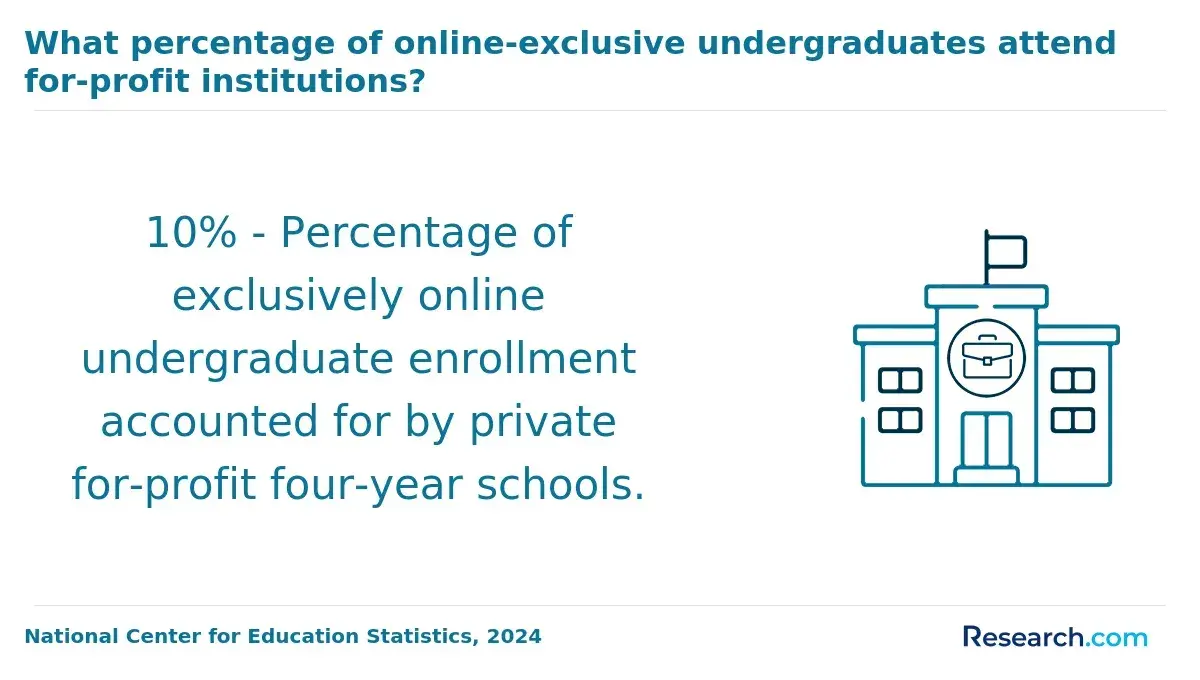
In-state programs with lower tuition may offer better financial predictability, while some students accept higher upfront costs from private or out-of-state institutions for perceived program quality or geographic advantages. According to the National Center for Education Statistics 2024 data, these nuanced cost patterns necessitate a strategic approach to financing, including careful consideration of place-based economic factors and the potential benefits of remote learning to mitigate relocation and living expenses.
Why Does Sustainability Affordability Vary So Much Between States?
The disparity in sustainability degree tuition differences by state largely stems from how states allocate funding to public higher education. States like New Mexico and Wyoming, which provide more substantial subsidies to public universities, typically offer lower in-state tuition rates, easing access for resident students. In contrast, states such as California and New York shift greater costs onto tuition due to limited state funding, despite hosting many sought-after sustainability programs.
This dynamic compels budget-conscious students to weigh the tradeoff between prestigious programs in high-cost states and more affordable options elsewhere, influencing transfer decisions and long-term financial planning. Cost-of-living variations and the mix of public versus private institutions further complicate affordability. Urban centers with elevated housing and operational costs drive tuition higher, affecting total expenses beyond just tuition.
Moreover, states with a higher concentration of private colleges tend to have steeper tuition rates, impacting overall affordability metrics. Differences in student aid availability-especially the presence or absence of state-level need-based grants or sustainability-specific scholarships-shape net costs significantly, making it essential for students to assess local financial aid landscapes when comparing options.
Given these factors, enrollment behavior and program accessibility are heavily influenced by residency policies and institutional strategies. For some, pursuing programs online or out-of-state may be a response to prohibitively expensive local tuition. To navigate these complexities, prospective students should examine how state factors affecting sustainability education costs align with their capacity to finance both education and living expenses.
For a practical perspective on balancing cost and program choice, some also consider an online construction management degree as a comparative example of affordability tradeoffs in related academic fields.
How Do In-State and Out-of-State Tuition Rates Affect Sustainability Affordability?
In-state tuition rates significantly ease the financial burden for students pursuing sustainability degrees, largely due to state subsidies that reduce costs for residents. Public four-year institutions charge around $10,800 annually for in-state students compared to approximately $27,300 for out-of-state attendees, as reported by the National Center for Education Statistics in 2024. This steep increase forces many out-of-state students to reconsider whether the benefits of attending a specific program justify nearly triple the tuition, especially given that those costs can approach or exceed private institution fees.
The existence of regional reciprocity agreements, which sometimes cut out-of-state charges by up to half, can moderate these expenses but are geographically limited and often insufficient to close the affordability gap fully. Residency-based tuition policies influence not only upfront costs but also shape strategic decisions about enrollment and long-term financial planning. For sustainability students, who often need interdisciplinary coursework and hands-on experiences, the prospect of in-state pricing can determine whether attending a program is feasible without accruing excessive debt.
Out-of-state learners must also navigate the complexities of financial aid; state-funded grants typically favor residents, whereas non-residents depend more on federal loans or private scholarships. Meanwhile, online sustainability degrees with flat tuition rates offer an alternative that can bypass these residency distinctions, creating a vital option for students facing geographic or fiscal constraints.
A sustainability student who relocated to attend an out-of-state public university shared how the disparity in tuition complicated her decision-making. Despite qualifying for a partial reduction through a regional exchange agreement, she still paid significantly more than local peers, prompting her to delay enrollment while exploring residency reclassification options to gain in-state status.
She described the process as "time-consuming and uncertain," and the unexpected extra costs introduced stress that affected her academic focus. Ultimately, the tradeoff between program quality and affordability remained a persistent tension throughout her journey.
How Does the Cost of Living Impact Overall Sustainability Affordability by State?
Variations in cost of living significantly reshape the financial reality of pursuing a sustainability degree across states, extending far beyond nominal tuition differences. For instance, housing expenses alone can double or triple depending on location, forcing students in high-demand markets like California or New York to allocate disproportionate portions of their budgets to rent, which in turn impacts choices such as on-campus versus off-campus residency or the feasibility of part-time versus full-time study.
Transportation costs further complicate this picture; while urban students might benefit from extensive public transit, those in suburban or rural areas often face higher vehicle-related expenses, inflating overall educational costs and influencing whether a student might opt for online options or local programs better aligned with their commuting constraints.
The impact of regional living expenses on sustainability education costs extends into food, healthcare, and utilities, all of which fluctuate by state and affect monthly budgets. These factors intertwine with local wage levels and employment prospects in sustainability fields, meaning that even if tuition appears affordable, the combined burden of living costs plus limited earnings potential may increase reliance on financial aid or student debt.
Students who fail to integrate these realities risk underestimating the total investment and duration required to complete their degrees sustainably. Families weighing prospects might also reference resources addressing related affordability issues, including ABA paralegal programs, as comparative financial case studies within professional education sectors.
Effectively assessing the cost of living and the sustainability and affordability by state requires evaluating how housing, healthcare, transportation, and local economic conditions jointly influence viable educational pathways. This multidimensional analysis can guide decisions about enrollment location, living arrangements, or program delivery modes, highlighting tradeoffs between upfront expenses and long-term career value.
By acknowledging these layered expenses and economic conditions, students can better align their financial strategies with academic goals, minimizing unexpected debt and maximizing the practical sustainability of their education investment.
Which States Offer the Best Value for a Sustainability Degree?
Determining the best value for a sustainability degree requires balancing tuition costs with graduation success and local employment opportunities, rather than simply choosing the cheapest state. For example, Oregon offers in-state tuition near $9,500 annually combined with a graduation rate and employment outcomes that justify the investment, while states like New York, despite higher tuition often over $20,000, may provide better salary prospects that offset upfront expenses.
Students must consider how residency status, public versus private institution options, and available financial aid programs influence total cost, as well as how local green job markets affect the likelihood of timely degree completion and sustainable employment. States such as North Carolina illustrate how moderately priced tuition around $8,000, coupled with a 72% graduation rate, creates a practical balance that minimizes student debt risk and supports credential attainment in sustainability fields.
However, expansion of affordable options is uneven; high living expenses in Northeastern states can counterbalance higher salaries, and lower graduation rates there can lengthen time to degree and increase costs. Prospective students should weigh relocation and residency qualification policies carefully, including the feasibility of studying online or transferring credits, to optimize both affordability and access to quality sustainability programs that align with regional economic demand.
What Financial Aid and Scholarship Opportunities Can Reduce Sustainability Costs?
Federal financial aid, particularly the Pell Grant, substantially lowers the net cost of pursuing a sustainability degree for many students, with nearly 70% of undergraduates qualifying for some form of federal assistance according to U.S. Department of Education 2024 data. However, relying solely on federal aid can be insufficient when state residency rules restrict access to additional grants and scholarships, which are often more generous in states prioritizing environmental sectors like California and New York.
These geographic limitations mean students must weigh potential savings against in-state enrollment requirements, as out-of-state or part-time students frequently encounter higher effective tuition despite available aid. Institutional funding adds another complex layer: larger universities tend to favor merit-based scholarships tied to academic performance, which may advantage students with strong GPAs and test scores, while smaller colleges often emphasize need-based awards.
Combining multiple aid sources, including employer-sponsored tuition benefits now increasingly common in sustainability-related fields, can produce meaningful financial relief but demands proactive navigation of eligibility, renewal conditions, and aid stacking rules. For budget-conscious students comparing state and institutional options, understanding these tradeoffs is essential to effectively lower the real-world cost of earning a sustainability degree.
Are Online Sustainability Degree Programs More Affordable Than On-Campus Options?
Online sustainability degree affordability comparison reveals nuanced cost dynamics shaped by tuition policies and living expenses. While online programs often offer lower base tuition, particularly in public institutions that waive higher nonresident fees for out-of-state learners, this advantage can be offset by factors such as technology costs and limited access to certain state or institutional financial aid.
For example, a working professional studying online may avoid the substantial room and board fees-often exceeding $11,000 annually at public universities-but must still consider expenses for reliable internet and updated devices, which, although generally lower, are ongoing requirements. This variability means that the direct cost savings of online study depend heavily on individual circumstances, residency, and program design.
Evaluating the sustainability degree online versus on-campus costs also requires attention to opportunity costs and support structures. On-campus attendance often implies reduced working hours or lost income, which some online learners can avoid by balancing employment with coursework, thus improving affordability beyond tuition calculations. However, uneven financial aid availability-where certain grants prioritize traditional enrollment-complicates the comparison and can disproportionately affect affordability for fully online students.
Geographic and institutional price differences further influence this calculus, making it essential for prospective students to analyze all cost components, including employment status and living arrangements. For those seeking a practical cost-efficiency benchmark within engineering-related fields, programs such as the cheapest online master's mechanical engineering highlight how modality and residency rules impact affordability decisions.
Is a Sustainability Degree Worth the Cost Based on Career Outcomes and ROI?
The financial value of a sustainability degree varies considerably across regions, influenced heavily by tuition costs, career outcomes for sustainability graduates by state, and institutional factors like graduation rates. For example, while states such as California and Massachusetts offer median early-career salaries above $60,000 linked to robust environmental sectors, these gains can be offset by higher tuition and living expenses.
Conversely, more affordable education in states like Wyoming or New Mexico can lower upfront costs but potentially limit local job opportunities, requiring graduates to weigh geographic mobility and opportunity costs carefully before committing. Return on investment for sustainability degree programs in US states depends not only on sticker price but also on the likelihood of timely degree completion and debt levels. Institutions with graduation rates over 70% support stronger net financial outcomes by minimizing prolonged enrollment and excess borrowing.
Employment demand in environmental science continues to grow at a rate surpassing many fields, yet many roles prefer candidates skilled in data analytics or policy, highlighting the importance of aligning academic focus with evolving labor market expectations. Prospective students evaluating sustainability degrees should factor in these multifaceted variables rather than relying solely on tuition or salary averages.
Beyond conventional metrics, personal fulfillment and job satisfaction remain meaningful but subjective benefits. Those seeking practical guidance may also consider exploring related fields, such as through online geology degrees, which may offer complementary skills enhancing employability. Balancing institutional quality, state-specific labor markets, and individual career goals will ultimately determine the realistic worth of a sustainability degree in a competitive employment landscape.
References
- A Comparative Analysis of Affordable and Sustainable Housing Policies in Europe https://www.re-dwell.eu/publications/a-comparative-analysis-of-affordable-and-sustainable-housing-policies-in-europe
- Smart Growth and Housing | US EPA https://www.epa.gov/smartgrowth/smart-growth-and-housing
- Importance of Cost of Living | Goldwater Institute https://www.goldwaterinstitute.org/cost-of-living/
- Top 30 Most Affordable Online Master's in Sustainability Programs https://www.bestcollegesonline.org/most-affordable/online-masters-sustainability/
- The College Affordability Gap: Insights and Impact on Families https://encoura.org/resources/wake-up-call/the-college-affordability-gap-insights-and-impact-on-families
- The CARE Scholarship https://www.care-climate.com/care-scholarship/
- The ROI of Sustainability Training: Business & Professional Benefit https://cse-net.org/sustainability-training-roi-benefits/
- 2025 Most Affordable Online Environmental Science Master's Degrees https://www.onlineu.com/most-affordable-colleges/environmental-science-masters-degrees
- Is College Worth it? | Return on Investment Analysis of College Degree https://educationdata.org/college-degree-roi
- Cost to Study in USA – Living Cost & Tuition Fees https://www.studies-overseas.com/blogs/cost-to-study-in-usa
Other Things You Should Know About Sustainability
Lower tuition in some states often reflects reduced public funding, which can limit access to cutting-edge research opportunities, lab facilities, or specialized faculty expertise in sustainability. Students opting for the least expensive states may face tradeoffs in experiential learning or industry connections that are critical for employment in competitive sustainability roles. Prioritizing a program's integration with local environmental initiatives and employer networks is crucial, even if the upfront cost is slightly higher, as it can enhance skill acquisition and job placement.
More affordable programs in certain states sometimes offer less comprehensive or outdated curricula that may not meet evolving employer demands for sustainability professionals with interdisciplinary expertise. Students must weigh lower tuition against the potential need for supplementary certifications or graduate studies to remain competitive. For those focused on direct workforce entry, selecting a program that invests in current, practical skills-even at a higher cost-may yield better long-term career returns.
States with robust green technology sectors, renewable energy companies, or environmental policy hubs typically deliver stronger career pathways for sustainability graduates, independent of program affordability. Attending a program in these regions can justify higher tuition by offering internships, networking, and job pipelines aligned with labor market demands. Conversely, students in states with fewer sustainability-related employers should critically assess whether lower tuition is offset by limited local job prospects, which might require relocation or increased job search effort post-graduation.
Programs with shorter timelines or lighter course loads might appear more affordable due to lower tuition or fewer semesters; however, they may sacrifice depth or critical hands-on experience necessary for sustainability roles. Conversely, rigorous programs requiring more credits and practical projects can increase direct and indirect costs but better prepare students for complex environmental challenges. Students should prioritize programs that balance time-to-degree with substantive skill development, as this often translates to stronger employability despite variations in upfront tuition.