2027 Sustainability Admissions Trends Report: Acceptance Rates, GPA Expectations, and Test Policy Changes

Co-Founder and Chief Data Scientist
The rise in sustainability-focused programs reflects growing alignment between higher education and evolving workforce demands in environmental management, renewable energy, and social equity sectors. Admissions metrics such as acceptance rates and GPA expectations often respond to the balancing act institutions face between expanding enrollment access and maintaining specialized skill standards tied to accreditation and licensing requirements.
Recent shifts in standardized testing policies reveal efforts to widen applicant pools while addressing preparatory coursework gaps. The varied age distribution among sustainability students signals its dual role in reskilling professionals and training new graduates, shaping the field's capacity to meet complex, interdisciplinary challenges ahead.
Key Things to Know About Sustainability Admissions Trends
- Acceptance rates for sustainability programs are tightening, averaging around 28% in 2024; this selective trend reflects growing employer demand, making early application preparation critical for competitive advantage.
- Average GPA expectations have risen to 3.5+, emphasizing interdisciplinary proficiency over isolated science skills, underscoring the need for applicants to demonstrate breadth valued by sustainability-focused employers.
- Test-optional policies persist, reducing barriers but increasing reliance on holistic evaluations; this tradeoff may heighten the importance of relevant experience, impacting applicants' timing and financial planning.
- Key Things to Know About Sustainability Admissions Trends Key Things to Know About Sustainability Admissions Trends
- What Are the Current Acceptance Rates for Sustainability Degree Programs? Current Acceptance Rates
- What Is the Average GPA of Accepted Sustainability Students? GPA Requirement
- Are SAT or ACT Scores Still Required for Sustainability Degree Programs? SAT/ACT Requirement
- How Many Sustainability Programs Have Adopted Test-Optional Admissions Policies? Test-Optional Programs
- What Non-Academic Factors Do Sustainability Admissions Committees Consider? Non-Academic Factors
- Which Types of Schools Are the Most Selective for Sustainability Applicants? Most Selective Schools
- How Do Admissions Standards Differ Across States and Regions? Admission Standards by State
- How Do Admissions Requirements Compare Between Online and Campus Programs? Online vs On-Campus Admissions
- Is There a Relationship Between Admissions Standards and Student Success? Admission Standards & Student Success
- How Can Students Strengthen a Sustainability Program Application? Program Application Preparation
What Are the Current Acceptance Rates for Sustainability Degree Programs?
Acceptance rates for sustainability degree programs typically range from 30% to 60%, according to 2024 data from sources like the U.S. Department of Education's College Scorecard and recent institutional admissions reports. This moderate range reflects growing interest in sustainability education alongside the varying capacities of universities to accommodate applicants. At highly selective institutions, especially those with well-established sustainability institutes, acceptance frequently falls below 30%, driven by competitive applicant pools with strong academic records and relevant experience.
Conversely, undergraduate sustainability degrees, which often integrate environmental science or policy content, tend to have more accessible acceptance rates near the higher end of this spectrum, evidencing broader enrollment demand and development of program offerings across regions - a dynamic seen in regional sustainability degree acceptance statistics. Differences in acceptance rates stem from a combination of institutional prestige, program focus, and resource availability.
Private research universities with interdisciplinary sustainability initiatives typically maintain stricter selection standards, while public and newer programs may adopt more holistic reviews valuing professional background and motivation alongside GPA benchmarks. This variation also intersects with geography and delivery method; online programs, for instance, sometimes offer less selective admissions but require applicants to demonstrate practical skill relevance. These enrollment patterns highlight how acceptance rates do not simply measure competitiveness but also reflect how institutions balance demand, mission, and capacity.
Trends toward test-optional policies and evolving admissions criteria reveal a landscape increasingly geared to accommodate diverse applicant strengths, yet strong academic credentials remain crucial, particularly in competitive contexts. Understanding these factors can inform applicant strategies, focusing on how acceptance statistics correlate with program rigor, real-world applicability, and long-term career benefits. For those evaluating sustainability education options, grasping the nuances behind acceptance rates is key, much like assessing related fields such as the cheapest online SLP programs, where selectivity often masks deeper tradeoffs between accessibility and program outcomes.
What Is the Average GPA of Accepted Sustainability Students?
Recent admissions data from university fact books and national education reports reveal that the average GPA requirements for sustainability programs typically fall between 3.3 and 3.7 on a 4.0 scale. This range signals a moderate level of competitiveness where programs value both academic proficiency and interdisciplinary versatility. Many sustainability students entering these programs maintain GPAs aligned with broader interdisciplinary majors rather than narrowly specialized STEM or business tracks, indicating the field's diverse academic foundation.
Such benchmarking underscores that admitted students must demonstrate solid academic readiness while balancing coursework across environmental science, policy, and social sciences to meet evolving program standards. Factors shaping typical GPA benchmarks include institutional selectivity, program demand, and grading variations across public, private, and online schools. Research-intensive universities or those with integrated science-policy approaches often expect GPAs on the higher end of the spectrum, around 3.5 or above, reflecting stronger academic preparation and competitive admission pools.
In contrast, other institutions may view GPA thresholds as flexible guidelines, especially when candidates supplement lower GPAs with relevant experience or compelling application materials. The variability also indicates the necessity for prospective students and academic advisors to consider specific institutional profiles and the practical realities of each program's admissions environment. Understanding these GPA expectations influences applicant strategies by highlighting the importance of academic performance relative to program competitiveness.
While maintaining a strong GPA remains a pivotal admissions signal, many programs increasingly weigh experiential and qualitative factors to accommodate the interdisciplinary nature of sustainability education. For prospective students evaluating options alongside disciplines like game design degrees, this nuanced perspective aids in calibrating preparation efforts and clarifies how GPA functions within broader admissions and employability frameworks.
Are SAT or ACT Scores Still Required for Sustainability Degree Programs?
As of 2024, many Sustainability degree programs have adopted test-optional or test-blind admissions approaches, reflecting a broad shift across higher education away from reliance on SAT and ACT scores. Institutions increasingly prioritize GPA, relevant coursework, and holistic assessments over standardized test results, especially in interdisciplinary fields like sustainability that value experiential learning and applied skills. However, a portion of schools-often those with more selective admissions-still require test scores as part of a comprehensive academic profile, viewing them as a standardized comparator among diverse applicants.
Data from the National Center for Education Statistics highlight an ongoing national trend toward de-emphasizing such exams, though requirements vary substantially by institution and program emphasis. Changes in testing policies are largely driven by equity concerns, institutional branding strategies, and regional variations in admissions culture. Public universities and highly selective private colleges manage these shifts differently: public institutions increasingly focus on access and inclusivity, often waiving tests due to COVID-related disruptions, while select private schools retain testing to sustain ranking metrics and applicant assessment consistency.
The move to test-optional policies also responds to critiques regarding standardized tests' limitations in predicting long-term success and their disproportionate impact on underrepresented groups. Consequently, transfer students and applicants to sustainability fields are advised to concentrate on demonstrable academic performance and relevant experiences rather than standardized scores alone, given evolving admissions landscapes.
One sustainability student recalled hesitating to send her ACT scores after initial delays in testing availability during her senior year. The uncertainty around whether programs required scores complicated her application timeline, leading her to prepare statements emphasizing her academic record and extracurricular involvement instead. Ultimately, when a program waived the testing requirement, she felt relief but recognized how last-minute policy updates had forced her to navigate admissions unpredictability, underscoring the importance of flexibility and staying informed throughout the process.
How Many Sustainability Programs Have Adopted Test-Optional Admissions Policies?
Recent data indicate that roughly two-thirds of undergraduate Sustainability degree programs at accredited U.S. institutions have transitioned to test-optional admissions as of 2024, according to FairTest and National Center for Education Statistics reports. This represents a clear upward trajectory from just over half of such programs holding test-optional policies in 2022. The shift is particularly pronounced among public universities and liberal arts colleges with Sustainability offerings, approaching a majority acceptance of applications without SAT or ACT scores. While some programs maintain testing requirements, these are often tied to merit scholarship eligibility rather than baseline admissions criteria.
The move toward test-optional admissions reflects several interrelated factors. Equity considerations play a central role, as programs seek to broaden access and reduce barriers linked to standardized testing performance, which can disproportionately impact underrepresented and lower-income applicants. The pandemic accelerated institutional willingness to reconsider the traditional weight of standardized tests given widespread testing disruptions. At the same time, growing competition among colleges to attract diverse and qualified candidates incentivizes holistic review processes emphasizing GPA, personal statements, and extracurricular involvement. This recalibration acknowledges that Sustainability education values interdisciplinary skills and varied experiences that standardized tests may inadequately capture.
This trend carries implications for how applicants navigate the admissions landscape. Test-optional policies often lead to increased application volumes, potentially heightening selectivity and prompting more nuanced evaluation frameworks. Prospective students should carefully assess individual program requirements since variations persist, particularly around scholarships or specialized tracks. Ultimately, this evolving admissions paradigm signals a redefinition of conventional measures of preparedness in Sustainability education, emphasizing a more comprehensive appraisal of academic potential and real-world problem-solving aptitude over standardized metrics alone.
What Non-Academic Factors Do Sustainability Admissions Committees Consider?
Admissions committees for sustainability degree programs increasingly employ holistic review processes that integrate academic achievement with non-academic factors to gauge an applicant's broader potential. This approach reflects an understanding that academic metrics alone-such as GPA and test scores-rarely capture the complex skill sets and motivations needed for success in interdisciplinary sustainability fields.
Holistic evaluation frameworks prioritize personal qualities, practical experience, and contextual factors to identify candidates capable of meaningful contributions to both academic environments and real-world sustainability challenges.
- Demonstrated Passion and Initiative: Admissions officers seek evidence of authentic commitment to sustainability causes beyond coursework, such as activism or volunteer work. This factor helps assess intrinsic motivation and readiness to engage with complex environmental and social problems, qualities that academic metrics cannot reliably measure.
- Leadership and Teamwork Capabilities: Evaluators value experience managing projects or leading groups, recognizing that sustainability careers demand cross-disciplinary collaboration. Leadership roles in extracurriculars often signal the applicant's ability to drive progress and navigate diverse teams-critical indicators of future success in the field.
- Communication Skills: Proven competence in public speaking, writing, or event organization suggests the capacity to influence policy, advocate for sustainability initiatives, and engage stakeholders effectively. These non-academic skills complement academic learning by enhancing a student's practical impact within sustainability contexts.
- Work Experience and Internships: Relevant internships bridge theoretical knowledge and applied innovation, offering insights into sector realities and increasing employability post-graduation. Data from the National Center for Education Statistics show that graduates with such experiences have a 15% higher job placement rate within six months, underscoring their value in admissions decisions.
- Diversity and Inclusion Perspectives: Admissions committees increasingly prioritize applicants who bring diverse backgrounds and cultural competencies, recognizing that sustainability challenges require multifaceted viewpoints. Incorporating this criterion reflects a strategic effort to build cohorts capable of addressing equity and social dimensions within environmental solutions.
These non-academic evaluation criteria interplay with academic indicators to create a comprehensive profile of each applicant, aligning with evolving employer expectations for adaptable, engaged sustainability practitioners. Prospective students should thoughtfully consider how personal statements and extracurriculars for sustainability programs reflect these nuanced admissions priorities, positioning themselves effectively within competitive applicant pools.
Transfer applicants and advisors might also examine comparative admissions processes in related fields, such as the analysis of selectivity and GPA expectations in other interdisciplinary programs. For those balancing sustainability ambitions with operational management interests, options like an MBA operations management online can provide complementary skill sets in organizational efficiency and leadership, further expanding career pathways post-degree.
Which Types of Schools Are the Most Selective for Sustainability Applicants?
Admissions competitiveness for sustainability programs varies significantly across different types of higher education institutions, shaped by factors such as institutional mission, program scale, funding availability, and applicant demand. Highly selective programs often reflect limited capacity combined with targeted recruitment of candidates demonstrating specialized skill sets or leadership potential.
In contrast, other institutions balance accessibility and workforce development priorities, contributing to a broader spectrum of admissions selectivity. This dynamic illustrates how sustainability program applicants face distinct challenges depending on the institutional sector they pursue.
- Research Universities: These institutions typically have the most competitive sustainability admissions, with acceptance rates frequently below 15%. Their reputation for rigorous academics and pioneering research attracts a large applicant pool, but limited program slots tighten admissions. Funding from research grants and partnerships also drives selective enrollment of students with strong academic records and demonstrated engagement in sustainability projects. This exclusivity often correlates with higher employer recognition but creates a steep entry barrier for many applicants.
- Public Flagship Universities: Flagships maintain moderate selectivity, usually admitting 20-30% of applicants to sustainability programs. They aim to balance academic quality with broader access, leveraging interdisciplinary curricula and connections to regional industries. Their sustainability departments benefit from more extensive resources than smaller schools, but program capacity and state funding constraints still moderate acceptance rates. These institutions often serve as practical options for students seeking reputable degrees without the intense competition of top-tier research schools.
- Community Colleges and Regional Institutions: These schools often have acceptance rates exceeding 50%, reflecting an emphasis on open access and preparation for green jobs or transfer pathways. Their sustainability programs focus on foundational knowledge and applied skills, supporting workforce development rather than research specialization. As a result, they face less applicant volume pressure and prioritize inclusivity over selectivity. However, students aiming for highly specialized or advanced sustainability roles usually need to transfer to more selective universities.
- Specialized Environmental Institutes: Institutions solely dedicated to environmental and sustainability education tend to have variable selectivity influenced by their niche appeal and program sizes. While some attract highly motivated applicants and maintain competitive admissions, others operate with smaller cohorts and flexible entry standards to meet sector-specific workforce needs. Their focus on applied expertise in sustainability fields sometimes leads to different admissions priorities compared to broader research universities.
How Do Admissions Standards Differ Across States and Regions?
Admissions standards for sustainability degree programs show considerable variation across U.S. states and regions, shaped by data from recent institutional reports and NCES in 2024. Programs in higher-density, economically robust states like those along the West Coast and Northeast often enforce more stringent GPA cutoffs, typically around 3.5 or higher, reflecting heightened selectivity and emphasis on academic rigor.
In contrast, states in the Midwest and South present more flexible admissions thresholds closer to a 3.0 GPA, prioritizing broader access and practical skills development over purely academic metrics. These differences reflect institutional strategies adapting to local applicant pools, workforce needs, and overarching educational missions rather than uniform regional generalizations.
Key factors driving these admissions disparities include the allocation of state-level funding for sustainability workforce initiatives, institutional capacity constraints, and the varying maturity of sustainability programs within state university systems. Regions with strong labor market demand for green technology and environmental policy graduates tend to implement more selective admissions to align with employer expectations, while others emphasize partnerships with local industries that value hands-on experience over test scores.
Urban centers and states with higher population growth place pressure on admissions competitiveness, reinforcing traditional academic criteria, whereas rural and less densely populated areas often focus on accessibility and practical readiness to meet local sustainability challenges. These intersecting economic, demographic, and policy variables collectively determine the admissions frameworks seen across U.S. sustainability programs today.
How Do Admissions Requirements Compare Between Online and Campus Programs?
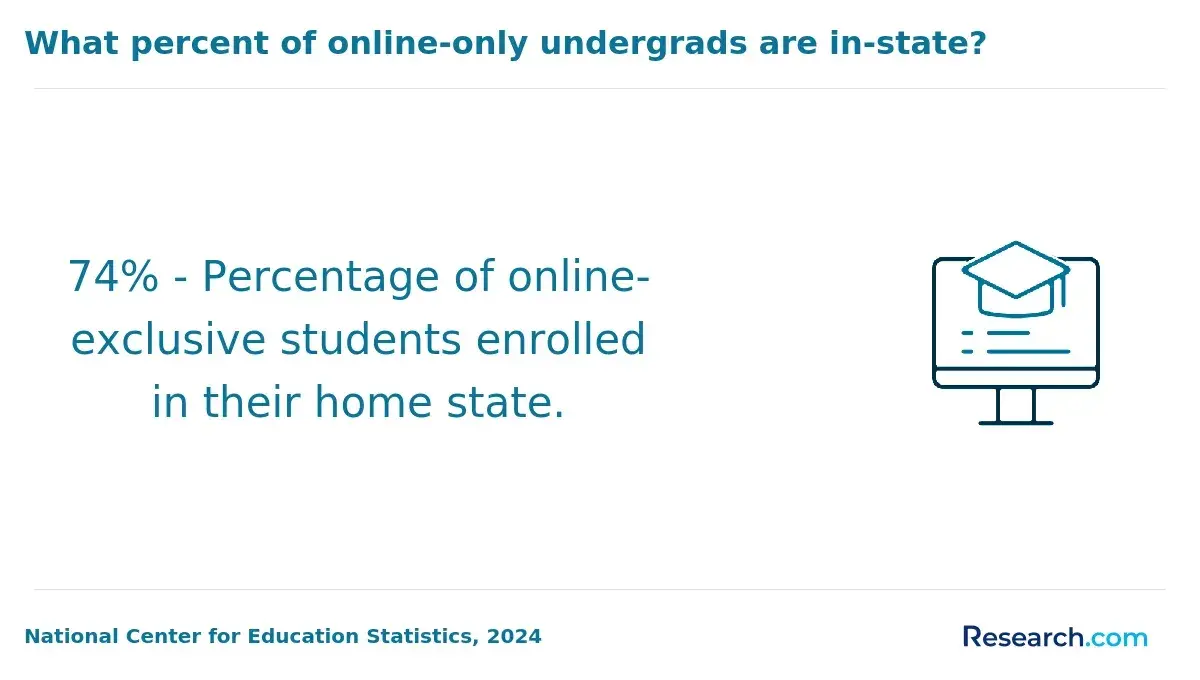
Admissions requirements for sustainability programs show clear distinctions between online and campus formats, reflecting shifting educational paradigms and workforce priorities. Campus-based programs typically enforce higher GPA thresholds, commonly in the 3.0 to 3.5 range, and often maintain acceptance rates below 40%, according to recent institutional admissions data. Meanwhile, online sustainability programs demonstrate more flexibility, sometimes accepting GPAs as low as 2.5 and offering acceptance rates above 60%, emphasizing accessibility for a wider demographic.
These differences align with a broader trend toward test-optional or test-blind policies, with online programs frequently reducing or waiving standardized testing requirements altogether. Such patterns illustrate how admissions standards vary not only by delivery mode but also by institutional mission and intended student profiles, an important factor when comparing online versus campus admissions standards for sustainability programs. The divergence in admissions policies is largely driven by accessibility goals and the distinct profiles of prospective students.
Online programs often serve working professionals balancing employment and family responsibilities, which prompts more lenient academic thresholds and flexible enrollment models that accommodate non-traditional students. Campus programs, conversely, tend to prioritize selectivity to preserve resource-intensive, research-oriented environments and to maintain perceived program prestige. These structural differences influence scalability and academic support frameworks, while market demand for sustainable skills diversifies student intake. Consequently, regional differences in sustainability program acceptance rates reflect both institutional strategy and resource availability rather than purely academic criteria.
Understanding these disparities is essential for prospective students weighing program rigor against flexibility and career outcomes. More rigorous campus admissions may signal stronger research opportunities or specialized consulting networks, whereas online alternatives optimize accessibility and practical learning for broader pools of applicants. For those exploring specialized pathways like licensed professional counseling, comprehensive options such as LPC masters programs online demonstrate how targeted admissions strategies align with sector-specific workforce demands.
Is There a Relationship Between Admissions Standards and Student Success?
Recent data from the National Center for Education Statistics highlights a nuanced relationship between admissions standards and student success in Sustainability degree programs. Programs enforcing higher GPA thresholds, like those admitting students with averages above 3.5, have demonstrated up to a 12% increase in four-year graduation rates since 2024. However, this correlation primarily reflects academic persistence rather than broader measures of success.
Many employers in the sustainability field prioritize applied skills and experiential learning, which often extend beyond what traditional admissions criteria capture, challenging the assumption that stricter admissions automatically produce better career outcomes. The impact of test-optional policies further complicates these trends, showing mixed effects on student retention and achievement. Several factors complicate the straightforward relationship often assumed between selectivity and outcomes.
Differences in student demographics, such as transfer applicants or those from underrepresented backgrounds, mean more rigid admissions may inadvertently reduce diversity and exclude candidates with valuable practical perspectives. Institutional resources and academic support systems also play a critical role, as well-funded programs with robust advisement services often outperform less selective peers lacking comprehensive support. Program design, including interdisciplinary approaches and graduation requirements, influences whether admitted students can translate academic success into meaningful career readiness.
This complexity underscores that the impact of sustainability admissions standards on student success is context-dependent and multifaceted. For prospective students weighing admissions criteria, selectivity alone is an insufficient indicator of educational quality or long-term career potential. A program's ability to integrate applied learning and develop interdisciplinary skills often matters more than initial GPA cutoffs or test requirements.
Transfer applicants and those seeking non-traditional entry routes should consider how admissions policies affect access and support structures. For those interested in advanced interdisciplinary study, exploring related fields, such as a PhD in data science online, might complement sustainability expertise by enhancing analytical and technical skills essential for emerging workforce demands. Overall, admissions standards should be understood as one factor among many shaping success in Sustainability programs.
How Can Students Strengthen a Sustainability Program Application?
Competitive sustainability program applications reflect more than meeting baseline criteria; they signal clear readiness and alignment with evolving academic and workforce expectations. Admissions committees increasingly assess applicants through a holistic lens, weighing academic rigor, relevant experiences, and demonstrated fit with program goals.
A 2024 admissions report highlights rising GPA expectations, with many programs favoring candidates maintaining at least a 3.5 cumulative GPA to reflect consistent academic performance and preparedness for rigorous study.
- Academic Consistency: Maintaining a strong, steady GPA signals to admissions reviewers an applicant's ability to handle challenging coursework and sustain intellectual engagement, a critical predictor of success in interdisciplinary sustainability curricula.
- Relevant Practical Experience: Engagement in internships, research, or volunteer work around environmental issues offers tangible evidence of commitment and skill application, allowing committees to verify claims made in personal statements and better understand an applicant's potential contributions.
- Strategic Use of Test Scores: While many programs are test-optional, submitting competitive GRE or SAT scores can enhance an application by providing standardized indicators of readiness, especially in highly selective environments where quantitative measures complement qualitative elements.
- Articulated Alignment and Goals: Effective personal statements and recommendation letters that clearly connect applicants' past experiences with sustainability objectives demonstrate deliberate intent and self-awareness, differentiating candidates in holistic reviews.
- Interdisciplinary and Technological Skills: Demonstrating proficiency with sustainability-related tools, data analysis, or policy knowledge supports admissions committees' interest in well-rounded applicants capable of addressing complex, real-world challenges from multiple perspectives.
References:
- The rise of sustainability-linked loans https://www.nortonrosefulbright.com/en/knowledge/publications/3ff84c08/the-rise-of-sustainability-linked-loans
- Everybody needs good NABERS: sustainability at the GPA - The Government Property Agency https://gpa.gov.uk/everybody-needs-good-nabers-sustainability-at-the-gpa/
- Advice for Environmental Science amongst selective schools https://talk.collegeconfidential.com/t/advice-for-environmental-science-amongst-selective-schools/3658567
- Five Questions To Help Guide Your Sustainability Program https://aquent.com.au/blog/five-questions-to-help-guide-your-sustainability-program/
- SUNY College of Environmental Science and Forestry SAT Scores and GPA https://www.prepscholar.com/sat/s/colleges/SUNY-College-of-Environmental-Science-and-Forestry-sat-scores-GPA
- The Return of Standardized Testing: Which Top Colleges Require SAT/ACT https://orieladmissions.com/colleges-require-sat-act/
- Test Blind vs. Test Optional: What’s the Difference? https://www.ivywise.com/blog/test-blind-vs-test-optional/
- Strong Programs in Environmental Studies https://toptieradmissions.com/strong-programs-in-environmental-studies/
- Test-Optional Colleges in 2026: Should Your Student Take the SAT https://www.growingstars.com/blog-test-optional-colleges/
- Sustainability (MDPI) Acceptance Rate: What 35-45% Means https://manusights.com/blog/sustainability-acceptance-rate
Other Things You Should Know About Sustainability
While a strong GPA can indicate academic discipline, it is not a definitive predictor of employment success in the sustainability field. Employers often prioritize practical experience, interdisciplinary skills, and the ability to apply sustainability principles in real-world contexts over academic scores alone. Applicants should balance GPA focus with internships, project work, and soft skill development to improve job prospects meaningfully.
Test-optional admissions tend to shift the focus toward holistic review components such as essays, recommendations, and extracurricular activities, which can benefit applicants with strong engagement in sustainability-related initiatives. However, programs vary widely in how they weigh these elements, making it crucial for students to demonstrate clear commitment and relevant experience rather than rely on test scores. For applicants uncertain about their standardized test results, emphasizing measurable impact in sustainability projects is often a more effective strategy.
Transfer applicants frequently face nuanced GPA expectations that include both cumulative and specific prerequisite course performance. Since sustainability programs emphasize interdisciplinary foundations, a transfer applicant's GPA in related fields like environmental science, economics, or policy may weigh more heavily than overall GPA. Advising transfers to focus on strong grades in relevant courses can improve admission chances and better prepare them for the program's integrative curriculum.
As admissions policies adapt-especially with test-optional frameworks-program cohorts may become more diverse in academic backgrounds, potentially increasing the initial variation in preparedness. This heterogeneity can lead to adjustments in curriculum design, with some programs incorporating more foundational skill-building, potentially intensifying workload for certain students. Prospective students should assess whether a program's support mechanisms align with their academic profile to ensure manageable learning demands and favorable outcomes.