2027 Sustainability Degree Oversupply or Undersupply? Student Volume vs Employer Demand

Co-Founder and Chief Data Scientist
A recent report shows U. S. universities produced approximately 8,200 sustainability graduates in 2023, while job postings requiring sustainability expertise increased by only 4% year-over-year, signaling potential graduate oversupply. Prospective students must weigh this imbalance, as regional hiring disparities and evolving employer demands for advanced technical skills could intensify competition and underemployment risks.
For current degree holders, this dynamic complicates career advancement and necessitates ongoing skill development. Educators face pressure to align curricula with market needs. This article analyzes sustainability student volume versus employer demand, regional factors, job growth, and skill gaps to clarify if the field presents sustainable opportunities or rising competition.
Key Things to Know About Sustainability Graduate Supply and Employer Demand
- Rapid growth in sustainability program completions outpaces entry-level job openings by approximately 25% in key urban hubs, increasing competition and requiring graduates to differentiate via specialized skills or cross-disciplinary experience.
- Employer surveys reveal a mismatch between graduate capabilities and industry needs, particularly a deficit in advanced data analytics and regulatory expertise, forcing employers to prioritize experienced hires over recent graduates.
- Regional disparities concentrate sustainability jobs in a few states, limiting access for graduates elsewhere and imposing relocation costs that may delay career entry or deter diverse candidate engagement.
- Key Things to Know About Sustainability Graduate Supply and Employer Demand Key Things to Know About Sustainability Graduate Supply and Employer Demand
- Is There an Oversupply or Undersupply of Sustainability Graduates? Graduate Oversupply or Shortage
- How is Sustainability Degree Enrollment Changing? Degree Enrollment Trends
- How Many Sustainability Graduates Enter the Workforce Each Year? Annual Graduate Workforce Entry
- Does Job Growth Support the Rising Supply of Sustainability Graduates? Job Growth Versus Supply
- How Competitive is the Entry-Level Market for Sustainability Graduates? Entry-Level Market Competition
- Which Industries Have the Greatest Demand for Sustainability Graduates? Top Hiring Industries
- Where are Sustainability Graduates Most in Demand? Top Geographic Demand
- Which Sustainability Specializations and Degree Levels Face the Strongest Demand? Which Sustainability Specializations and Degree Levels Face the Strongest Demand?
- Are Employer Skill Gaps Affecting Demand for Sustainability Graduates? Are Employer Skill Gaps Affecting Demand for Sustainability Graduates?
- What is the Future Supply-and-Demand Outlook for Sustainability Graduates? Future Supply-Demand Outlook
Is There an Oversupply or Undersupply of Sustainability Graduates?
Labor market data reveals that the current supply of sustainability graduates does not uniformly meet employer demand, creating a nuanced employment demand gap. While total job postings for sustainability-related roles have risen by about 8% year-over-year, the influx of graduates in populous states like California and New York often outpaces available positions, especially in entry-level corporate and non-profit segments. This regional oversupply heightens competition and may require graduates to pursue further specialization or relocation to less saturated markets. Conversely, specialized roles requiring advanced technical skills, such as sustainability data analysis and lifecycle assessment, frequently remain undersupplied, reflecting employers' increasing demand for candidates who bring deep quantitative and project management expertise.
Geographic and credential-based disparities further complicate employment prospects in sustainability fields, cautioning against simplistic interpretations of supply-demand balances. Midwestern states developing renewable energy infrastructure tend to have tighter labor markets where master's-level graduates are particularly favored, while other regions lag in creating new roles relative to graduate output. This disparity highlights the importance of aligning educational paths with targeted industry needs and regional economic activity. Prospective students and current degree holders can benefit from examining trends toward highest paying jobs that increasingly value specialized skills and relevant work experience, rather than general sustainability credentials alone, to navigate the complexities of regional oversupply and undersupply of sustainability graduates.
How is Sustainability Degree Enrollment Changing?
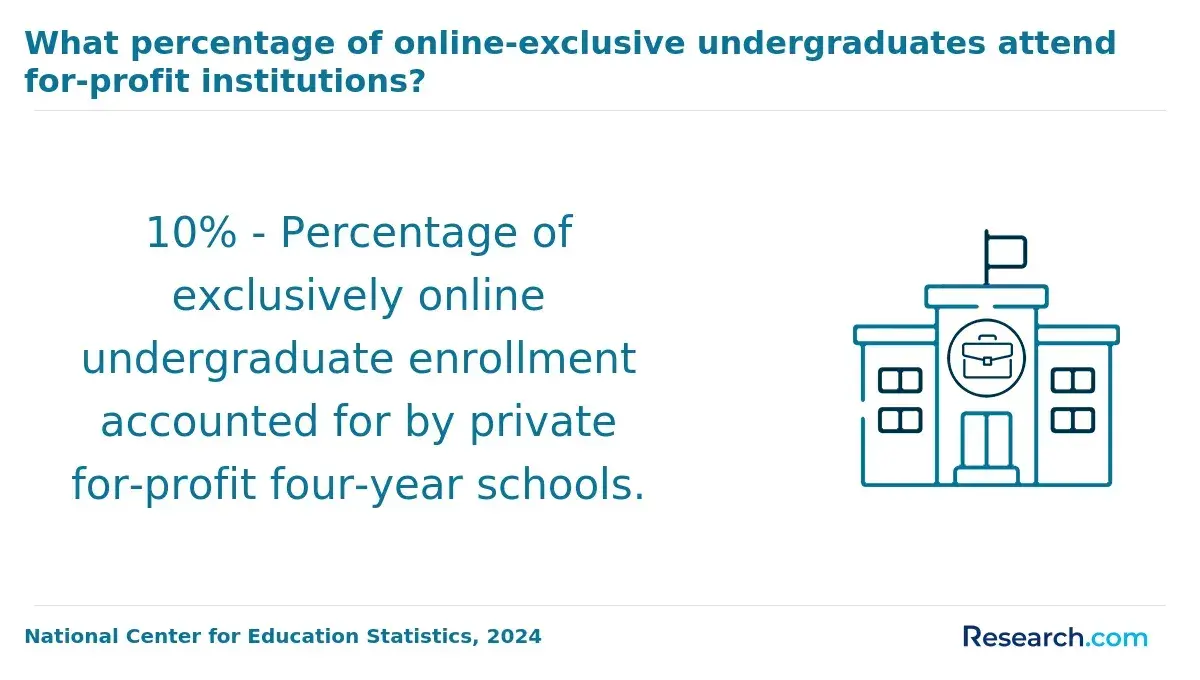
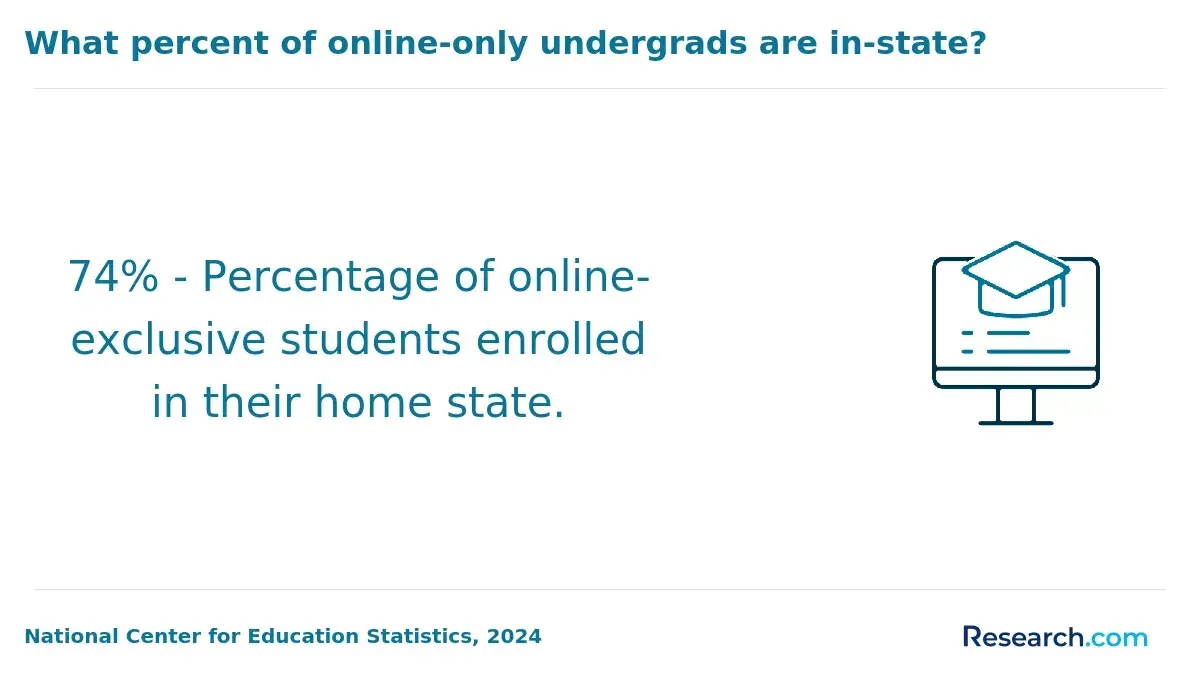
Enrollment in sustainability degree programs is rising moderately, but this growth is uneven across degree levels and delivery modes, influencing graduate competition and workforce alignment. A notable 15% increase in online undergraduate sustainability program participation expands access, especially for working adults, yet master's enrollments have only inched upward by about 3%, reflecting tempered graduate interest amid uncertain job prospects. This divergence suggests that entry-level roles may see increased candidate pools, while advanced positions could remain more limited, particularly as employers prioritize interdisciplinary skills beyond traditional sustainability knowledge. Overestimating national enrollment growth as a sign of saturated markets might obscure local or specialized labor shortages, emphasizing the need for nuanced evaluation of regional demand and program focus.
Demographic shifts also shape supply dynamics, with women now representing 60% of students and underrepresented minorities consistently around 25%, potentially intensifying competition within these groups but also gradually diversifying the field. Employers increasingly seek candidates who combine sustainability expertise with data analytics, engineering, or business acumen, pressuring programs to adjust curricula accordingly to avoid producing graduates with narrow skill sets vulnerable to oversupply. These realities complicate workforce planning, underscoring the importance of aligning educational offerings with evolving employer expectations rather than relying on enrollment trends alone to gauge market health.
One current sustainability master's student notices a clear growth in cohort size compared to a few years ago, especially among online learners, which has led to some concern about future job competition. She appreciates the broader representation of backgrounds but worries that the expanded enrollment might not translate into sufficient local opportunities, as some faculty have commented on the cautious tone from employers regarding graduate roles. While the program's curriculum is adapting to emphasize practical skills, she remains unsure if the enrollment increases signal real market demand or simply reflect wider interest that could dilute individual career prospects.
How Many Sustainability Graduates Enter the Workforce Each Year?
Annual graduate numbers alone do not provide a definitive picture of labor market balance for sustainability-related roles, as multiple factors complicate direct supply-and-demand comparisons. Data from sources like the National Center for Education Statistics and IPEDS show roughly 5,000 to 6,000 bachelor's degrees awarded annually with explicit sustainability focus, yet this figure encompasses interdisciplinary fields blending environmental science, policy, and management, not exclusively pure sustainability tracks. Moreover, roughly 30-40% of these graduates may pivot to adjacent industries such as corporate social responsibility or urban planning, diluting the immediate pool seeking traditional sustainability positions and highlighting how static degree counts mask dynamic career pathways and timing mismatches in employment entry.
Employers often report shortages of candidates with hands-on experience and applied skills rather than an outright surplus of degree holders, indicating a nuanced gap between academic preparation and workforce readiness. Regional hiring patterns and specialization within sustainability further fragment the market, as some areas or sectors absorb graduates more readily while others remain constrained by limited role availability or evolving skill demands. Considering replacement hiring, growth projections, and the hybrid nature of green occupations, sustainability graduates compete for roles that also attract candidates with different academic backgrounds, intensifying competition and complicating easy classification of oversupply or undersupply based purely on annual graduate volume.
Does Job Growth Support the Rising Supply of Sustainability Graduates?
Job growth trends for sustainability graduates reveal a complex imbalance between expanding employment opportunities and the rapidly increasing supply of qualified candidates. Although sectors like environmental science and renewable energy are projected to grow moderately faster than the overall labor market, the influx of graduates-often exceeding 10% annual increases in some regions-means new openings may not keep pace with the volume of entry-level applicants. Many sustainability roles demand specialized expertise or cross-disciplinary skills, so graduates with only a general sustainability degree without practical experience or focused capabilities may face underemployment or intense competition, particularly in urban markets where supply clusters.
Replacement demand driven by retiring professionals provides steady vacancies in fields like environmental consulting, but this varies widely by geography and industry focus, favoring those willing to relocate to states with aggressive green policies. For example, a graduate concentrating in emerging climate risk management technologies may find better alignment with employer needs than one lacking that niche skillset. Sustained demand in slower-growing subfields can exist due to turnover and local shortages, even as overall job growth does not absorb the full graduate output. This dynamic highlights the importance of aligning educational choices with demonstrated labor market signals to avoid the mismatch pitfalls common in sustainability job market demand analysis.
Prospective students should carefully evaluate their preparedness to meet evolving employer expectations beyond obtaining degrees, considering options like specialized certifications or cross-training. For those contemplating options, comparing fields such as masters of library science online illustrates the value of assessing both graduate supply and labor demand specifics to inform smarter career decisions.
How Competitive is the Entry-Level Market for Sustainability Graduates?
The entry-level job market for sustainability graduates in 2024 reveals a moderately competitive environment shaped by uneven employer demand, varying regional opportunities, and evolving skill expectations. The balance between supply and demand does not suggest a uniform oversaturation but highlights differentiated challenges such as geographic disparities and experience requirements. For instance, a recent graduate focusing solely on academic credentials may face difficulty standing out without internships or cross-functional skills. Below are the primary factors shaping this competitive landscape:
- Applicant-to-Opening Ratios: Recent data from Indeed Hiring Lab shows about six to eight candidates per sustainability job, indicating moderate competition that exceeds some STEM fields but remains below oversaturated sectors like the humanities.
- Experience Expectations: Employers commonly require internships or practical exposure, increasing barriers for fresh graduates lacking relevant experience, which can significantly lengthen job search duration.
- Sector and Industry Demand: Growth in sustainability roles is uneven; established green industries in urban centers tend to have stronger hiring needs, whereas rural or economically challenged regions present fewer entry points.
- Cross-Disciplinary Skills: Candidates with data analysis, project management, and regulatory knowledge are favored, pressuring those with narrowly theoretical backgrounds to broaden their competencies.
- Underemployment Rates: About 15 percent of recent sustainability graduates experience underemployment within the first year, reflecting difficulty securing roles aligned precisely with their field of study.
- Regional Labor Market Variability: Metropolitan areas with active environmental sectors offer more job opportunities, but also invite competition from a geographically diverse applicant pool including remote candidates.
- Certification and Experiential Learning: Graduates augmenting degrees with targeted certifications or hands-on projects tend to improve employability, as noted by the National Association of Colleges and Employers' data showing only 40 percent find related jobs within six months.
A graduate from a mid-sized university shared that despite applying widely, they frequently encountered listings demanding internships and multi-skilled backgrounds. After multiple interviews ended without offers, they pivoted to specialize in regulatory compliance within a mid-tier city, facing fewer applicants per role but balancing this against limited salary growth. This strategy, while less glamorous, offered a foothold in the sustainability sector and reduced competition intensity compared to larger urban markets.
Which Industries Have the Greatest Demand for Sustainability Graduates?
Demand for sustainability graduates concentrates in sectors where regulatory pressure, technological shifts, and consumer expectations converge to drive urgent organizational change. Understanding which industries offer the strongest hiring potential requires evaluating job volume alongside competition, required skill sets, and long-term role evolution. For example, a graduate comparing renewable energy with consulting might find more openings in energy but stiffer competition and broader skill requirements in consulting, which also demands excellence in communication and strategy development. Regional sustainability job market trends further shape these prospects, with public agencies offering stability albeit at lower vacancy levels than the private sector. Below are key industries exhibiting the greatest demand for sustainability graduates.
- Renewable Energy: The fastest-growing sector due to global decarbonization efforts and government incentives. Entry roles focus on project management and compliance, advancing to specialist or managerial positions. Employers value technical acumen in lifecycle assessment and familiarity with evolving environmental regulations.
- Manufacturing: Firms seek graduates able to implement circular economy initiatives and optimize supply chains for reduced emissions. The overlap with operations strategy and data analytics is common, reflecting the complexity of global production systems and regulatory compliance.
- Environmental Consulting: Requires advisory capabilities on ESG reporting, sustainability auditing, and regulatory standards enforcement. Competition is higher due to cushy salaries and career mobility, with emphasis on strong communication and interdisciplinary expertise.
- Public Sector Agencies: Though opening numbers are more limited, these roles enable direct policy impact and management of community resilience programs. Stability is a key draw, alongside the need for knowledge of governmental frameworks and grant management.
- Emerging Sectors: Agriculture, real estate development, and finance integrate sustainability principles more variably. Roles often blend green finance knowledge, sustainable land use, and investment vetting, representing niche but growing opportunities.
Students and professionals evaluating supply and demand should weigh volume against skill demands and career trajectories. Developing a broad yet specialized skill set tailored to these industries will improve employability. Those interested in interdisciplinary roles may also consider alternative but related fields, for instance exploring marriage and family therapy online programs accredited, where transferable skills and distinct market dynamics apply.
Where are Sustainability Graduates Most in Demand?
National demand statistics for sustainability graduates mask significant regional disparities shaped by local industry presence, regulatory environments, and workforce supply conditions. For example, states like California and Massachusetts sustain high employer demand due to densely clustered clean energy firms, advanced environmental policy initiatives, and extensive sustainability programs, but these locations often come with higher living costs and intense competition from a large pool of qualified candidates. A graduate targeting these markets must weigh the benefits of abundant opportunities against the challenge of standing out amid high applicant volumes and specialized skill expectations, especially since employers increasingly favor candidates with cross-disciplinary abilities such as data analytics and regulatory expertise.
Conversely, emerging markets in states like Texas and Florida reveal an undersupply of sustainability-qualified professionals despite growing employer interest, presenting opportunities for graduates willing to relocate and engage with developing regional industries. However, these areas may still lack the mature infrastructure and concentrated employer networks found in coastal metropolitan hubs, which can affect the availability of high-level roles and the speed of career progression. Remote work options are improving access to some of these markets but often depend on employer flexibility and sector-specific demands, meaning graduates must consider how their specialization aligns with both local and virtual job landscapes. Understanding these nuanced tradeoffs is critical for aligning one's educational investments with places offering realistic employment prospects and manageable competitive pressures.
Which Sustainability Specializations and Degree Levels Face the Strongest Demand?
Labor market data reveals that employer demand within sustainability is unevenly concentrated across certain specializations and degree levels rather than evenly spread throughout the field. Graduate degrees significantly improve job prospects, especially for positions requiring advanced technical and regulatory expertise. For example, a master's graduate specializing in renewable energy technology generally faces stronger hiring prospects compared to a bachelor's degree holder in a general environmental science program, where competition can be more intense due to oversupply. According to the U.S. Bureau of Labor Statistics and LinkedIn Workforce Insights, roles blending STEM skills with applied experience attract the most consistent employer interest. The following list highlights key specialization and degree combinations exhibiting the strongest demand.
- Energy Sustainability Specialists: Demand is driven by growth in renewable energy sectors and infrastructure projects, requiring expertise in energy management systems and emerging technologies. Employers prioritize candidates with graduate-level credentials who can navigate technical complexities and regulatory compliance.
- Environmental Compliance Experts: These professionals ensure organizational adherence to evolving environmental laws and standards. A master's degree coupled with experience in policy implementation enhances employability in government agencies and corporate regulatory affairs.
- Corporate Sustainability Strategists: With ESG obligations rising, companies seek analysts skilled in integrating sustainability into business strategy. Graduate credentials that incorporate financial analysis, reporting standards, and stakeholder engagement are highly valued.
- Renewable Energy Technology Analysts: Practical expertise in solar, wind, and related technologies aligns with employer needs in project planning and system optimization. Advanced degrees improve access to leadership and consultancy roles.
- Policy Development Consultants: Professionals who design and evaluate sustainability policies require strong interdisciplinary knowledge reinforced by graduate education, reflecting a shortage in candidates who combine technical skills with strategic insight.
- STEM-Integrated Sustainability Graduates: Programs blending science, technology, engineering, and math with sustainability frameworks tend to yield graduates with competitive advantages. Employers prioritize candidates demonstrating applied skills over purely theoretical backgrounds.
- Advanced Environmental Management Graduates: Leadership roles in managing large-scale environmental initiatives demand advanced credentials and proven project management abilities, often mandating graduate-level training.
These findings underscore that graduate-level sustainability education closely aligned with technical and strategic employer needs is more likely to overcome workforce shortages and reduce competition. However, oversaturation persists in broad, less applied sustainability programs, leading to varied outcomes for graduates entering the labor market.
Are Employer Skill Gaps Affecting Demand for Sustainability Graduates?
The perception of a shortage in sustainability graduates often masks a more precise employer skill gap rather than a pure volume deficit. Many employers struggle to fill roles not because of an insufficient number of degree holders but due to a lack of candidates who demonstrate applied competencies in areas such as environmental data analytics, regulatory compliance, and corporate sustainability strategy. For example, job openings for sustainability analysts or ESG reporting experts remain open longer when candidates lack proficiency in digital tools or sector-specific certifications, creating a misalignment between graduate supply and actual demand. This dynamic can cause some job seekers to incorrectly assume an oversupply of talent when the real challenge lies in matching advanced, cross-disciplinary skills that integrate theory with practical workplace expectations.
In the context of employer skill gaps in sustainability jobs, hiring managers increasingly prioritize graduates who combine environmental knowledge with business acumen and stakeholder engagement experience. Mismatches in these areas distort hiring competition, often intensifying at entry-level but easing for specialized roles demanding hands-on regulatory and technical expertise. Prospective students and current degree holders should weigh the value of programs offering industry internships, interdisciplinary projects, or targeted training in carbon accounting and life cycle assessment to better align with employer expectations. This focus enhances employability by addressing the gap between academic credentials and the hands-on skills employers seek. Without such calibrations, demand for sustainability graduates may remain suppressed despite substantial graduate output.
For those evaluating educational pathways, including the best associate degrees for felons, it is critical to consider how program design intersects with real-world skill requirements and labor-market conditions. Understanding these factors helps clarify how sustainability graduate demand and skill mismatches affect career opportunities across different regions and industries, informing decisions based on practical alignment rather than volume alone.
What is the Future Supply-and-Demand Outlook for Sustainability Graduates?
Targeted job searches consistently outperform mass, unfocused applications because employers in sustainability-related fields prioritize candidates whose skills and experiences closely align with specific role requirements. For example, a graduate concentrating on environmental data analytics who targets positions labeled "Sustainability Analyst" or "Climate Resilience Coordinator" in urban or industrial hubs is more likely to secure interviews than one applying widely to generic sustainability jobs. Many employers emphasize interdisciplinary skills such as GIS technology or policy familiarity alongside sustainability knowledge, making tailored resumes and evidence-based project experience critical. Allocating job search effort toward industries and locations with documented demand, such as renewable energy or corporate social responsibility sectors highlighted in recent market analyses, reduces competition and improves candidate visibility.
A common scenario involves graduates who flood the market with generic applications, often overlooking that some regional labor markets exhibit supply surplus while others suffer skill shortages in emerging fields like circular economy management. Understanding regional supply and demand for sustainability degrees helps focus efforts on growth areas. Additionally, research from labor sources like Lightcast's 2024 reports shows that application timing and market research enhance hiring outcomes, but candidates must still demonstrate job readiness through relevant internships or project work. Prospective applicants can gain insight into structuring their approach by consulting resources such as easiest online MPA programs, which provide comparative analysis on practical upskilling paths that complement sustainability credentials.
References
- The Future of Sustainability Jobs https://www.verdantsearch.com/blog/2026/06/the-future-of-sustainability-jobs
- Why Sustainability Jobs Are Growing in Europe https://cse-net.org/why-sustainability-jobs-are-growing-in-europe/
- Green Jobs in High Demand and Where They Are https://vault.com/blogs/job-search/where-the-green-jobs-are-and-which-green-jobs-are-needed
- Careers in Sustainability: A 2026 Guide to Sectors, Roles, Salaries and How to Start https://sumas.ch/blog/careers-in-sustainability/
- Navigating the Green Job Market: A Guide for Newcomers - Green Career Centre https://www.greencareer.ca/whats-new/navigating-the-green-job-market-a-guide-for-newcomers/
- Green skills demand soars but supply falls behind https://instituteofsustainabilitystudies.com/insights/news-analysis/green-skills-demand-soars-while-supply-falls-behind/
- Top Degrees in Demand for the Future: 2026 & Beyond https://skillifysolutions.com/blogs/career-growth/top-degrees-in-demand-for-the-future/
- Calling all parties: Oversupply of graduates might hinder economic growth - AIESEC | Blog https://blog.aiesec.org/oversupply-graduates-might-hinder-economic-growth/
- Green jobs are booming, but too few employees have sustainability skills to fill them – here are 4 ways to close the gap https://theconversation.com/green-jobs-are-booming-but-too-few-employees-have-sustainability-skills-to-fill-them-here-are-4-ways-to-close-the-gap-193953
- Climate change ‘is the new liberal arts’: Colleges build environmental lessons into degrees https://hechingerreport.org/climate-change-is-the-new-liberal-arts-colleges-build-environmental-lessons-into-degrees/
Other Things You Should Know About Sustainability
The structure of sustainability programs varies widely, affecting graduates' readiness for real-world roles. Programs that emphasize interdisciplinary skills, practical projects, and direct industry engagement typically produce candidates better aligned with employer needs. Conversely, overly theoretical curricula may leave graduates lacking applied experience, reducing immediate employability. Prospective students should prioritize programs with clear pathways to hands-on learning and cross-sector collaboration to enhance job prospects.
Graduates with broad sustainability knowledge often face a dilemma: their versatile skill set can fit diverse job types, but may struggle to stand out when compared to specialists in fields like renewable energy or environmental policy. Employers frequently seek candidates with targeted expertise combined with sustainability principles. Therefore, students should weigh whether depth in a niche specialization or breadth across multiple sustainability areas better suits their career goals and the specific employer landscape they aim to enter.
Employers in sustainability roles often expect employees to manage complex, evolving issues requiring adaptability beyond rigid job descriptions. Graduates must be prepared for workload variability, including project management, stakeholder coordination, and rapid shifts in regulatory or market conditions. Students should seek programs that simulate these dynamic work environments rather than static, predictable coursework. Recognizing this expectation can inform their choice of educational experiences that develop problem-solving agility and resilience.
Long-term adaptability in the sustainability job market hinges on a program's ability to equip students with transferable skills such as data analysis, communication, and systems thinking. Programs narrowly focused on current industry trends might limit graduates' future pivot options as market demands evolve. It is advisable for students to select programs that balance current relevance with foundational competencies, ensuring their employability and career mobility beyond immediate entry-level roles.