2027 Sustainability Degree Completion Time Report: How Long Students Actually Take to Graduate

Co-Founder and Chief Data Scientist
Students pursuing a sustainability degree often encounter varied timelines shaped by factors beyond curriculum design. Work obligations, co-op experiences, and evolving environmental policies frequently extend academic progress. A 2024 National Student Clearinghouse report highlights that only 45% of undergraduates finish within four years, reflecting broader trends of extended enrollment in applied fields. Transfer credits and course availability further complicate progression, especially in interdisciplinary sustainability studies where course sequencing matters. Balancing practical skill acquisition with academic requirements also influences duration. This article examines these real-world influences to clarify how long students actually take to complete a sustainability degree and what shapes these completion patterns.
Key Things To Know About Sustainability Degree Completion Time
- Pinpointing the precise timeline for graduation allows you to map out an exact path to diverse professional tracks, such as environmental consultancy, corporate sustainability management, urban planning, or renewable energy analysis. Knowing this duration helps you sync your entry into the green economy with shifting corporate climate mandates and seasonal environmental project cycles.
- Tracking your completion time lets you project exactly when you will unlock the field's strong earning potential, which features a robust median annual salary of $80,060 for specialized environmental and sustainability classifications. Understanding this framework also allows you to calculate the precise opportunity cost of your education against general corporate roles or immediate field research opportunities.
- Evaluating these program timelines reveals the advantage of online learning, which often accelerates graduation through flexible, asynchronous courses that bypass rigid residential term structures. This approach enables you to maintain your active role in conservation initiatives or corporate compliance while simultaneously building a practical portfolio before your formal graduation date.
- What Is the Average Graduation Time for Sustainability Students? Average Graduation Timeline
- What Factors Have the Biggest Impact on Graduation Speed? Graduation Timeline Factors
- How Does Full-Time Versus Part-Time Enrollment Affect Graduation Timelines? Full-Time vs. Part-Time Graduation Timeline
- Do Online Sustainability Students Graduate Faster Than Campus-Based Students? Do Online Sustainability Students Graduate Faster Than Campus-Based Students?
- How Many Months or Years Can Transfer Credits Save? How Many Months or Years Can Transfer Credits Save?
- Do Accelerated Sustainability Programs Significantly Reduce Completion Time? Accelerated Program Timeline
- Which Sustainability Program Requirements Most Often Extend Graduation Timelines? Factors Extending Graduation Timeline
- Does Taking Longer to Graduate Increase the Cost of a Sustainability Degree? Impact on Program Cost
- Does Graduating Faster Improve Career Prospects? Impact on Career Prospects
- Which Scheduling Mistakes Commonly Delay Graduation? Mistakes to Avoid
What Is the Average Graduation Time for Sustainability Students?
The average time to graduate from sustainability degree programs commonly falls between four and six years, depending largely on enrollment status and program demands. Full-time students in traditional bachelor's curricula typically complete requirements around the four-year mark, reflecting standard course loads and institutional pacing. However, many students extending into part-time study-often balancing work or family commitments-experience elongated timelines, sometimes exceeding six years. This variation points to a practical reality rather than an academic deficiency, as balancing external responsibilities impacts progression speed and degree completion expectations.
Key factors influencing the typical graduation timeline for sustainability students include program format, credit transfer policies, and experiential components such as internships or research practicums. Online or hybrid programs offer flexibility, sometimes enabling motivated students to accelerate completion, while on-campus programs may face scheduling bottlenecks that slow progress. Transfer students often confront challenges in credit articulation, which can necessitate retaking courses and thereby lengthening their path. Moreover, employers increasingly prioritize demonstrated skills and field experience alongside degree timing, encouraging some students to integrate internships even if it extends duration. For those considering alternatives, 2 year accelerated bachelor degrees provide a noteworthy contrast in pacing, though they demand intensive commitment and focused planning.
What Factors Have the Biggest Impact on Graduation Speed?
Graduation speed in sustainability degree programs results from a complex interplay of academic planning, institutional structures, and individual circumstances. It is not shaped by one isolated factor but by how elements like enrollment intensity, program flexibility, and external obligations combine to influence course completion. Understanding these influences enables students to make strategic decisions about their course load, enrollment status, and program format, which can significantly affect the time needed to graduate.
- Enrollment Status and Course Load: Full-time enrollment typically compresses graduation timelines, as students take heavier course loads each semester. Part-time students, often balancing work or family responsibilities, face extended timelines with many requiring more than six years to finish, illustrating how enrollment intensity directly influences degree pace in sustainability master's programs.
- Program Flexibility and Credit Transfer Policies: Institutions that facilitate credit transfer or offer accelerated paths enable students-especially transfer and working adults-to reduce redundant coursework and finish sooner. Rigid curricula or limited elective options create bottlenecks, slowing progression and often forcing students to extend their studies beyond the standard duration.
- Academic Advising and Curriculum Planning: Structured advising that helps students select appropriate sequences and avoids excess credits correlates with more efficient degree completion. Programs lacking robust support systems often see students accumulate unnecessary credits and face delays, which underscores the critical role of institutional guidance in optimizing graduation speed.
- External Responsibilities and Demographics: Many sustainability degree seekers juggle employment and family commitments, factors that frequently elongate completion times. According to a 2024 survey by the Education Advisory Board, 62% of working adults in sustainability programs take longer than four years due to outside obligations, a reminder that non-academic factors profoundly impact graduation pace.
- Program Structure and Course Availability: The timing and frequency of course offerings can either facilitate steady progress or cause unintended gaps in students' timelines. Programs with inflexible schedules or limited summer/winter sessions often force students to delay key courses, which interacts with workload and advising practices to influence overall time to degree.
For students weighing options within sustainability fields, these dynamics emphasize the importance of evaluating program design alongside personal circumstances. This practical understanding improves decision-making around enrolled status and course sequencing. Those balancing outside responsibilities may also benefit from exploring related fields with more flexible formats, such as online cybersecurity degree programs, which often accommodate working adults more efficiently than traditional classroom models.
How Does Full-Time Versus Part-Time Enrollment Affect Graduation Timelines?
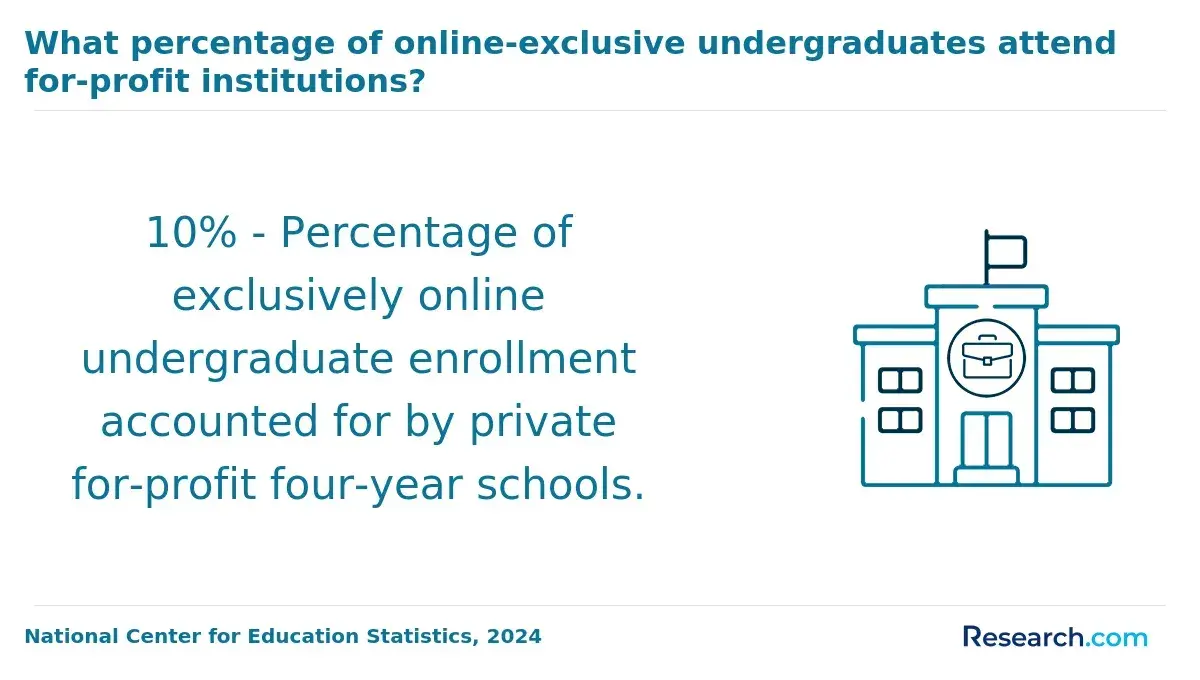
Students pursuing a Sustainability degree often experience markedly different graduation timelines depending on whether they enroll full-time or part-time. Full-time attendance, typically involving 12 to 15 credit hours per semester, aligns with the designed pace of most undergraduate programs, enabling completion within approximately four years. In contrast, part-time students, who usually take fewer than 12 credits each term, often face extended degree timelines, sometimes adding two to three years or more due to reduced course loads and interrupted academic progression. This disparity is supported by data from the National Center for Education Statistics in 2024, which shows full-time students consistently graduating faster, although these aggregate numbers mask significant variation linked to program structure and individual circumstances.
Several factors intertwine to shape how enrollment status affects completion time in Sustainability programs. The interdisciplinary nature and sequencing of required courses mean that students must carefully navigate prerequisites and core classes to avoid delays; part-time enrollment can complicate this by spacing out course-taking and limiting scheduling flexibility. Delivery format also plays a role, as some programs offer hybrid or evening classes that better accommodate students balancing employment or family duties, albeit often at the cost of slower academic momentum. Additionally, part-time students frequently juggle external responsibilities that restrict their capacity to engage fully with demanding science-heavy curricula, contributing to longer degree paths and potential disruptions in progression.
Enrollment choices reverberate beyond academic timelines, impacting financial planning and workforce entry. While full-time students may incur higher immediate tuition and living expenses, their faster graduation can reduce overall costs and allow earlier participation in Sustainability-related employment sectors where timely credentialing is valued. Part-time pathways, although offering greater flexibility to maintain income and manage burnout, may delay professional advancement and complicate access to internships or networking opportunities that favor traditional full-time cohorts. Understanding these trade-offs is essential for prospective and current students aiming to align educational pace with personal and career goals within the evolving Sustainability job market.
Do Online Sustainability Students Graduate Faster Than Campus-Based Students?
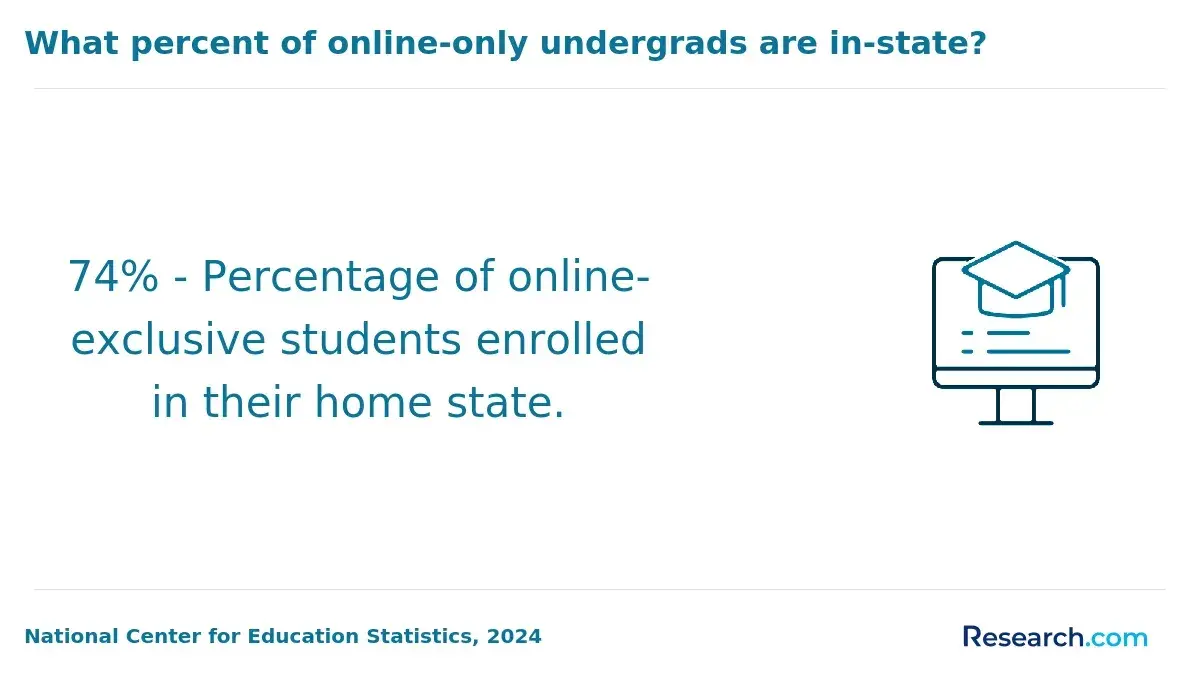
Data from the National Center for Education Statistics in 2024 indicates that students enrolled in online sustainability programs often finish their degrees about 15% faster than those in traditional campus settings, averaging 3.8 years compared to 4.5 years. While this trend suggests increased efficiency for online learners, it's important to recognize that completion timelines are influenced by many variables beyond modality. Outcomes vary widely based on individual circumstances, program structure, and institutional policies, meaning some on-campus students may graduate faster depending on course availability and personal schedule alignment. The common perception that online study inherently speeds up graduation overlooks the nuanced realities of academic pacing and student engagement in both formats.
Graduation speed in sustainability degree programs hinges significantly on how course schedules, pacing options, and student commitments interact. Many online programs offer asynchronous coursework and self-paced learning, enabling students to accelerate progress if they can dedicate time consistently. Conversely, campus-based programs might impose semester-based schedules and require in-person attendance, potentially limiting flexibility. Additional factors like part-time enrollment, mandatory internships, and availability of credit for prior learning also shape timelines. For working adults balancing employment and family, the ability to tailor coursework in online programs reduces downtime between terms, but demands strong time management skills to avoid delays commonly seen in less flexible settings.
The choice between online and campus modalities influences not only degree completion timing but also how students juggle academic rigor and professional preparation. On-campus environments can provide structured timelines and direct faculty interaction, aiding those who benefit from external accountability. Online learners often manage greater autonomy, which may accelerate or hinder progress depending on their discipline and self-motivation. Since long-term career entry depends on timely graduation without compromising skill mastery, prospective sustainability students should weigh how each format's academic demands align with their personal and professional rhythms to realistically estimate degree duration.
One sustainability graduate recalls applying during a rolling admissions cycle where delays in application processing created uncertainty about start dates. They hesitated to commit to an on-campus program because gap semesters would prolong completion, while the online option offered immediate enrollment but required swift preparation to meet orientation deadlines. Ultimately, the decision boiled down to balancing the urgency of finishing quickly with confidence in managing self-directed study. This experience highlighted how admissions timing and program structure interplay with a student's readiness and external obligations, shaping the realistic pace of degree completion beyond simple modality advantages.
How Many Months or Years Can Transfer Credits Save?
Transfer credits can significantly shorten the time required to complete a sustainability degree, with potential savings ranging from a few months up to over a year. This variability hinges on the number of credits accepted and their alignment with core program requirements. For sustainability students, the average time reduction from transfer credits can be substantial because many foundational or general education courses are often bypassed, expediting progression into specialized coursework. However, the practical impact depends heavily on how well the incoming credits map onto the new institution's curriculum, since program structures and sequencing frequently require completion of specific interdisciplinary or experiential components that transfer credits may not fulfill.
Key factors that influence how many months or years transfer credits save include the accreditation compatibility of prior coursework, course equivalency evaluations, and institutional residency requirements. Some universities cap the maximum number of transferable credits or restrict how many can apply directly to major requirements, especially in fields like sustainability where specialized lab work, field experiences, or capstone projects are mandated. These policies create wide disparities in time saved between students, even when entering with similar credit loads. Additionally, transfer credits recognized only as electives may reduce total course count but have limited effect on progressing through essential sustainability curriculum stages.
Understanding transfer credit outcomes is crucial for academic planning and managing both the financial and timeline expectations of completing a sustainability degree. Because transfer credits influence the sequencing of remaining coursework, students should collaborate closely with academic advisors to optimize course load distribution and ensure that accelerated progression does not compromise mastery of critical competencies. According to 2024 accredited higher education research, students entering with 30 to 60 accepted transfer credits typically shorten their degree time by approximately 25% to 50%. For those evaluating options, examining how transfer policies intersect with program design is more important than relying on generic time-saving claims. For a wider context on cost-effective program choices applicable to related fields, consider reviewing online MBA programs ranked.
Do Accelerated Sustainability Programs Significantly Reduce Completion Time?
Accelerated sustainability programs aim to shorten the conventional timeframe typically required for graduate degrees by increasing course intensity and condensing the curriculum. These programs often compress a standard two-year master's timeline into 12 to 18 months through denser credit loads each term and streamlined course sequences. Their design assumes that students can maintain a faster academic pace without sacrificing graduation requirements, often by eliminating breaks or offering year-round enrollment. The intended outcome is a measurable reduction in time-to-degree for students capable of managing a rigorous and continuous study schedule.
Whether accelerated formats truly reduce completion time depends on several structural and curricular factors. High course intensity demands extensive time management and can limit flexibility, especially for working adults balancing external responsibilities. Programs that maintain mandatory internships, capstone projects, or comprehensive research components may see diminished time savings if these elements are not adjusted proportionally. Additionally, prerequisites and credit transfer policies can constrain acceleration, as students must satisfy foundational requirements before advancing. Without adjustments to these program elements, compressed timelines may simply redistribute workload rather than shorten total duration significantly.
Beyond duration, accelerated paths can impact the overall student experience by limiting exposure to electives, networking opportunities, and in-depth exploration of sustainability topics. The trade-off involves balancing faster completion against possible reductions in curriculum breadth, practical engagement, and reflective learning-factors critical to graduate readiness in sustainability careers. Institutions and students must therefore weigh how pacing and intensity affect both academic outcomes and professional preparedness, rather than focusing solely on shortened calendars.
One accelerated sustainability graduate recounted hesitating during the rolling admissions cycle because the program's fast start left little margin for late preparations. After submitting preliminary materials, they waited anxiously through a protracted review period, uncertain if acceptance would come soon enough to begin on the compressed schedule. Eventually admitted weeks before the first term, last-minute course planning and financial arrangements added pressure. This experience underscored that while accelerated programs can reduce official completion time, coordinating admission timing and entry preparation is critical to realizing those benefits without disruption.
Which Sustainability Program Requirements Most Often Extend Graduation Timelines?
Graduation timelines in sustainability degree programs are frequently extended not simply by total credit requirements but by specific embedded curricular components designed to ensure professional readiness and interdisciplinary competence. These mandatory elements often introduce structural pacing constraints that affect how quickly students can progress. While essential for deep skill development, such requirements may necessitate additional semesters or flexible scheduling, impacting overall time to degree.
- Interdisciplinary Prerequisite Coursework: Sustainability programs commonly require foundational courses across multiple departments like environmental science, economics, and social policy. This cross-departmental integration means students-especially transfers or those from unrelated majors-often take extra semesters to fulfill these broad prerequisites, delaying core major progression due to sequencing and credit transfer limitations.
- Fieldwork and Internship Commitments: Many programs mandate or strongly encourage hands-on practical experience to align academic learning with workplace realities. Scheduling substantial field placements alongside coursework can extend degree timelines, particularly when internships occur part-time during semesters or require coordination with external employers, creating competing demands that slow academic progression.
- Capstone Projects or Research Theses: Independent, intensive projects designed to synthesize learning and demonstrate applied expertise can take up to a year due to involved data collection and stakeholder collaboration. These requirements introduce significant time investments beyond typical coursework, often elongating completion by several months, though they improve employability prospects by evidencing research capability.
- Administrative and Institutional Sequencing: Course availability and program policies regarding semester scheduling can force students to wait for certain required classes or project supervision. Limited offerings or cohort-based tracks may restrict accelerated progress, particularly affecting part-time or working students who must balance external commitments.
- Credit Transfer and Articulation Complexities: Transfer students often face extended timelines due to inconsistent credit recognition across institutions. Misaligned course equivalencies require retaking prerequisite content or additional bridging classes, which delays entrance into upper-level specialty courses foundational to timely graduation.
A 2024 Lightcast study found that roughly 40% of sustainability students extend their studies by at least one semester due to these multifaceted curricular demands. Recognizing and planning for these structural delays enables students and advisors to make informed decisions balancing depth of training with time efficiency.
Does Taking Longer to Graduate Increase the Cost of a Sustainability Degree?
Taking longer to complete a sustainability degree often increases total tuition and related expenses, particularly when students face term-based charging or lose eligibility for specific financial aid packages after a standard timeframe. Many programs require payment for each enrolled semester, so extended timelines mean more tuition installments and institutional fees, including repeated course charges if classes must be retaken. Additionally, students who switch enrollment status from full-time to part-time may see altered tuition rates and reduced access to scholarships or grants, thereby elevating cumulative costs. This effect is compounded by accruing interest on student loans during prolonged enrollment, reflecting the financial impact of delayed degree completion in sustainability programs and the cost implications of extended sustainability degree completion reported by the National Center for Education Statistics.
However, extended completion does not uniformly translate to higher costs under all conditions. Flat-rate tuition models or programs designed with flexible pacing can allow students to spread coursework without significant financial penalties. Employer tuition assistance or part-time pricing structures may also mitigate additional expenses for working students. Enrollment decisions and course load adjustments indirectly shape total cost accumulation by influencing financial aid eligibility and the timing of workforce entry, which impacts salary deferral losses. For students weighing these dynamics, understanding such tradeoffs is crucial. Those seeking cost-efficiency should consider careful academic pacing and financial planning, comparing alternatives such as accelerated formats or staggered schedules found in fields with increasing demand across healthcare systems, environmental management, or energy sectors. Prospective learners interested in cost-effective executive education might also explore the cheapest DBA online offerings as a reference point for program affordability approaches in professional education.
Does Graduating Faster Improve Career Prospects?
Graduating faster from a sustainability degree program can offer an earlier start in the job market, potentially giving students an advantage in timing their entry into the workforce. However, the impact of this accelerated completion on hiring competitiveness is not straightforward, as employers rarely assess graduation speed in isolation. Instead, hiring decisions hinge on a combination of relevant experience and demonstrated competencies, meaning faster graduation must be paired with substantial proof of practical skills to influence early career positioning effectively. This dynamic is particularly important when considering graduation speed impact on sustainability careers, where hands-on abilities often outweigh mere academic timelines.
Whether finishing a sustainability degree quicker translates to better job opportunities depends largely on factors such as internship experience, depth of skill mastery, portfolio strength, and professional networking. Practical exposure gained through internships or research projects is a critical signal to employers that a candidate possesses industry-relevant capabilities. Sustainability fields often favor breadth and interdisciplinary problem-solving, making the quality of experience more significant than merely how fast one completes their coursework. For prospective students or working adults balancing time and experiential needs, the choice to accelerate should consider how it supports building a robust resume aligned with current labor market demands. Those interested in related educational pathways might also explore options like a degree in library science to understand cross-disciplinary credentials.
Trade-offs between completing a sustainability program quickly and investing extra time in experiential learning and networking can have long-term career implications. Statistics from the U.S. Bureau of Labor Statistics highlight that graduates who follow a typical or slightly extended timeline are 15% more likely to secure relevant environmental or energy sector employment within six months of graduation. Thus, while faster completion benefits students with clear goals and prior credits, many find that an extended program duration supports acquisition of practical skills and professional connections essential for sustained success. Balancing graduation speed with such realities is crucial for students planning their academic pathway and aligning it with their career aspirations.
Which Scheduling Mistakes Commonly Delay Graduation?
Graduation delays in sustainability programs are frequently driven not by academic complexity but by enrollment and scheduling missteps that disrupt steady progress. These planning errors occur across various degree levels and educational formats, causing students to lose time navigating prerequisite sequencing and credit requirements. Recognizing these common pitfalls is essential for maintaining an effective course trajectory aligned with institutional policies and program structures.
Misaligned Prerequisite Planning: Attempting upper-level sustainability courses without completing required prerequisites blocks enrollment options, forcing repeated semesters or deferred classes. This issue is prevalent as sustainability curricula often enforce strict sequencing but offer key courses only annually, creating bottlenecks if planning is overlooked.
Inconsistent Credit Load Management: Balancing personal obligations with academic demands leads some students to underload credits, extending degree length, while others overload and risk burnout or academic probation. These fluctuations hinder continuous momentum, especially in programs with fixed rotation schedules.
Transfer Credit Misapplication: Transfer students frequently encounter credit recognition gaps, requiring additional coursework that lengthens time to degree. Lack of early verification of credit applicability to core sustainability requirements exacerbates these delays.
Convenience-Driven Course Selection: Prioritizing easily accessible or preferred courses over those integral to program sequence delays progress through essential sustainability topics. This can result in missed enrollment windows for critical classes offered infrequently.
Data from the National Center for Education Statistics in 2024 shows that almost 40% of students in environmental and sustainability programs exceed six years to graduate, underscoring how scheduling and planning deficiencies prolong completion and risk employability readiness.
- Failing to Map Out Prerequisite Chains Correctly: Neglecting to plan course order blocks timely advancement in tightly sequenced sustainability programs.
- Inconsistent Credit Loads That Conflict with Obligations: Uneven semester credit hours disrupt academic rhythm necessary for timely graduation.
- Ignoring Transfer Credit Applicability Early: Late discoveries that credits don't fulfill requirements add unplanned coursework.
- Choosing Convenience Over Program Alignment: Skipping critical sustainability courses delays progression in structured curricula.
Other Things You Should Know About Sustainability
The emphasis on internships, fieldwork, and project-based learning in sustainability programs often extends graduation timelines because these experiences can be time-intensive and are critical for employability. Employers expect graduates to have hands-on skills applicable to real environmental and social challenges, so rushing through coursework without gaining this practical exposure may weaken job readiness. Students should prioritize strategic scheduling to balance required experiential components without significantly delaying graduation.
Choosing a broad interdisciplinary approach can lengthen time to degree as students navigate diverse subjects across environmental science, policy, and economics. Conversely, focusing on a specialized sustainability niche may streamline course selection and reduce time spent fulfilling wide electives but could limit flexibility if career goals evolve. For faster completion, students should weigh their career clarity and employability in specialized roles against the value of a wider knowledge base.
Many sustainability students juggle work or caregiving, which often necessitates part-time enrollment or course stretches across multiple terms, extending graduation time. While slower progress can reduce immediate stress and financial strain, it may delay access to sustainability-related career opportunities that employers increasingly value. Proactively aligning course loads with personal responsibilities while maintaining momentum is key to avoiding unnecessary delays.