2027 Cheapest Accredited Online Health Psychology Degree Programs: Tuition, Fees, and Financial Aid

Co-Founder and Chief Data Scientist
Choosing the cheapest online health psychology degree is harder than comparing tuition rates. College Board's 2024 Trends in College Pricing reported average published tuition and fees of $11,610 for in-state public four-year students and $43,350 at private nonprofit colleges for 2024-25, making net price more important than sticker price.
This guide is for students comparing accredited online health psychology options, including bachelor's and master's pathways. You will learn how to compare tuition, mandatory fees, total cost, accreditation, FAFSA eligibility, transfer savings, and aid so you can identify genuinely affordable programs and avoid hidden costs.
Key Things You Should Know
- Among online programs that publicly identify health psychology as a concentration, specialization, or pathway, Fort Hays State University's online psychology bachelor's option is one of the lowest published undergraduate rates at about $257.33 per credit before books, course fees, and aid.
- The cheapest advertised tuition is not always the cheapest net price; grants, institutional scholarships, transfer credits, employer tuition benefits, and required fees can change the amount a student actually pays.
- FAFSA eligibility depends on the school's Title IV participation and the student's enrollment status, not simply on whether the program is online; the federal Pell Grant maximum has been $7,395 for recent award years for eligible undergraduates.
What Are the Cheapest Accredited Online Health Psychology Degree Programs?
The cheapest accredited online health psychology degree programs are usually offered as psychology degrees with a health psychology concentration, health psychology specialization, or health-focused psychology coursework. Fully online stand-alone "health psychology" degrees are less common than general psychology programs, so students should confirm that the curriculum actually includes behavior change, stress and coping, health behavior, chronic illness, research methods, and biopsychosocial models of care.
The table below compares affordable online programs that publicly align with health psychology and are offered by institutionally accredited U.S. schools. Published tuition changes frequently, and transfer credits can substantially alter total cost, so use these figures as a pricing starting point rather than a final bill.
| School | Online health psychology-related degree option | Institutional accreditation | Published tuition basis | Estimated tuition before aid | Cost note |
| Fort Hays State University | Online BA or BS in Psychology with health psychology-related coursework or concentration options depending on catalog availability | Higher Learning Commission | About $257.33 per undergraduate credit for online students | About $30,880 for 120 credits before transfer credit | Often one of the lowest published online undergraduate psychology rates; confirm current concentration availability and course-specific fees. |
| National University | Online MA in Psychology with Health Psychology specialization | WASC Senior College and University Commission | About $442 per quarter unit | About $29,835 for 67.5 quarter units before fees and aid | Graduate program cost is not directly comparable to a bachelor's degree because the credit load is smaller and admissions requirements differ. |
| Touro University Worldwide | Online BA in Psychology with Health Psychology concentration | WASC Senior College and University Commission | About $400 per undergraduate credit | About $48,000 for 120 credits before transfer credit | Flat online pricing can be helpful for out-of-state students; verify graduation, technology, and transcript fees. |
| Bay Path University | Online psychology bachelor's pathway with health psychology emphasis or related coursework depending on catalog track | New England Commission of Higher Education | Published online undergraduate tuition is commonly in the private nonprofit range and should be confirmed by program | Varies by transfer credits and cohort pricing | May become more affordable for adult learners with transfer credits, institutional aid, or employer benefits. |
| University of Arizona Global Campus | Online BA in Psychology with health and wellness-oriented psychology electives | WASC Senior College and University Commission | Published per-credit online undergraduate tuition should be confirmed for the current catalog | Varies by transfer credits and fees | Best evaluated by net price, transfer policy, and whether the elective plan matches health psychology goals. |
For many students, the best-value option may not be the lowest sticker price. A low-tuition school with limited transfer acceptance, higher course fees, or fewer scholarships can cost more than a program with a higher per-credit rate but stronger aid and a shorter path to graduation.
How Were the Cheapest Online Health Psychology Degree Programs Ranked?
The ranking approach should favor affordability, accreditation, and cost transparency rather than marketing claims. Because "health psychology" may appear as a full degree, concentration, specialization, or elective pathway, programs should be compared only after confirming that the curriculum fits the student's goal.
A practical ranking method gives the most weight to costs students are most likely to pay and to quality safeguards that protect aid eligibility and credit value. Use the following criteria when reviewing any online health psychology program:
- Confirm institutional accreditation from a U.S. Department of Education-recognized accreditor, because this affects credit transfer, graduate admissions, and federal financial aid access.
- Compare published tuition by credit, quarter unit, term, or subscription period, then convert each program to an estimated full-degree tuition amount.
- Add mandatory online, technology, graduation, assessment, student service, proctoring, and course fees when the school publishes them.
- Estimate net price after grants, scholarships, employer benefits, military benefits, and transfer credits instead of relying on advertised tuition.
- Review curriculum fit, including health behavior, biological bases of behavior, research methods, statistics, abnormal psychology, stress, public health, and ethics.
- Check student support, online course format, graduation requirements, credit-transfer limits, and whether the degree prepares for graduate study or a non-licensed health-related role.
This method avoids a common mistake: ranking a program as "cheapest" because its tuition rate is low while ignoring how many credits the student must complete at that school. For transfer students, the lowest-cost program is often the one that accepts the most prior credits and applies them to major requirements.
How Can You Verify the Accreditation of an Online Health Psychology Degree Program?
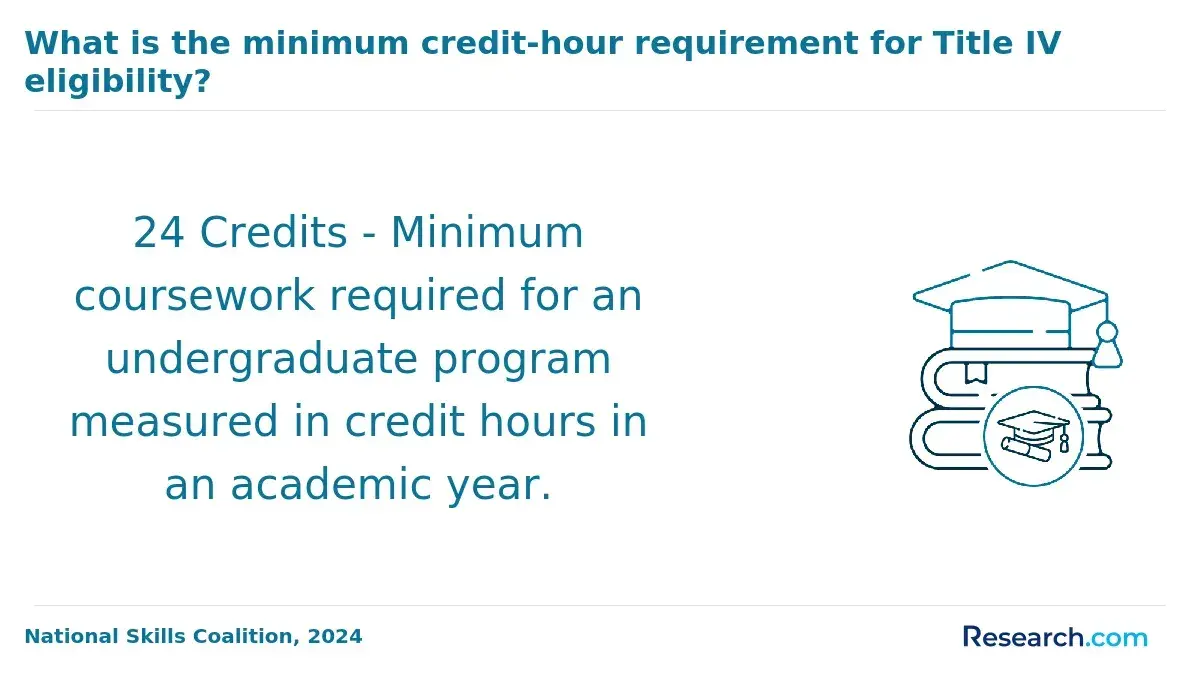
Accreditation is the first affordability filter because an unrecognized program can make credits difficult to transfer and may block federal financial aid. For health psychology, students should understand the difference between institutional accreditation and programmatic accreditation.
Institutional accreditation applies to the college or university as a whole. Programmatic accreditation is specialized approval for certain professional fields; for example, the American Psychological Association accredits doctoral-level health service psychology programs, internships, and postdoctoral residencies, not typical online bachelor's degrees in health psychology. That means a bachelor's or non-licensure master's program can be legitimate without APA programmatic accreditation, but the school itself should still be institutionally accredited.
Use this accreditation check before applying or paying a deposit:
- Search the school in the U.S. Department of Education's Database of Accredited Postsecondary Institutions and Programs or the Council for Higher Education Accreditation directory.
- Confirm that the accreditor listed in the database matches the accreditor named on the school's website.
- Check the Federal Student Aid school search tool to see whether the institution participates in Title IV aid programs.
- Ask whether the online health psychology option appears on the official catalog, not just on a marketing page.
- If you plan to become a licensed psychologist, ask whether the degree is designed for graduate preparation and what additional doctoral, internship, and state licensing requirements apply.
A red flag is any school that claims a short online bachelor's or master's degree will make you a licensed psychologist. In most U.S. states, psychologist licensure requires a doctoral degree, supervised experience, exams, and state board approval.
How Much Does an Accredited Online Health Psychology Degree Really Cost?
The real cost of an accredited online health psychology degree includes more than tuition. Tuition is the price charged for instruction, mandatory fees are required charges added by the institution, total program cost is the estimated cost to complete all required credits and fees, financial aid is funding that may reduce or finance that cost, and net price is what remains after grants and scholarships are applied.
The table below shows how the same advertised tuition can lead to different student costs depending on degree level, transfer credits, and fees. This is the kind of calculation students should request from each school before enrolling.
| Cost item | What it means | Why it matters for online health psychology students |
| Published tuition | The per-credit, per-quarter-unit, per-term, or flat-rate instructional charge | Useful for first comparison, but it does not show the full price of the degree. |
| Mandatory fees | Required technology, online learning, student service, assessment, graduation, or course fees | Can make a lower-tuition program more expensive than it first appears. |
| Books and learning materials | Textbooks, digital access codes, statistics software, lab simulations, or assessment tools | Psychology courses often require current research materials or testing resources. |
| Transfer-credit adjustment | Reduction in required credits because of accepted prior college work, exams, military training, or prior learning | Often the biggest cost saver for adult learners and community college transfers. |
| Net price | Total cost after grants and scholarships, before optional loans | The best affordability measure because it reflects aid the student does not have to repay. |
A simple example shows the difference. A 120-credit online bachelor's program at $300 per credit has $36,000 in tuition before fees. If a student transfers 60 credits, tuition charged by the new school may fall to $18,000 before fees and aid, which can matter more than a small difference in per-credit pricing.
Which Tuition Models Make Online Health Psychology Degree Programs More Affordable?
Tuition model matters because online students often study part time, transfer credits, or balance school with work. The most affordable model depends on how quickly you can complete courses and whether the school charges different rates by residency, term, or enrollment load.
These are the tuition models most likely to affect the final cost of an online health psychology degree:
- Per-credit tuition: Best for part-time students who want predictable billing, but total cost rises if few transfer credits are accepted.
- Flat-rate term tuition: Can lower the cost per course for students who take a heavy full-time load, but it may cost more for students who need to slow down.
- Subscription or competency-based tuition: Can be affordable for highly prepared students who complete many competencies in one term, but it requires strong self-direction and careful pacing.
- In-state online tuition: Public universities may charge lower rates to residents, although some online programs use one rate for all students.
- Military, employer, or partner tuition rates: These can reduce the sticker price, but students should confirm eligibility, renewal rules, and whether the discount applies to all terms.
Students comparing health-related online pathways may notice similar cost patterns in nursing and allied health programs. For example, guides on what is the fastest way to become an LPN show why program length, clinical requirements, and tuition structure can matter as much as the advertised rate.
What Fees and Hidden Costs Should Online Health Psychology Degree Students Expect?
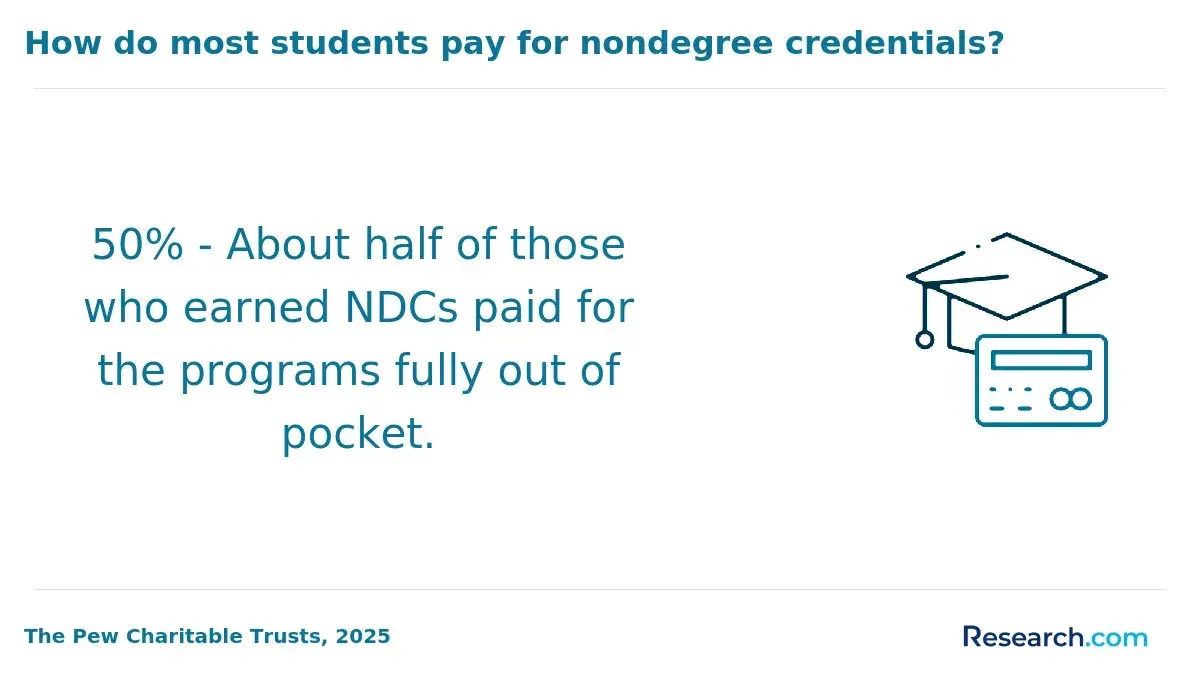
Online students can still pay fees even when they never visit campus. Some fees are mandatory for all students, while others depend on courses, exams, graduation timing, or payment choices.
Before choosing the lowest-tuition program, ask the school for a written cost breakdown that includes these possible charges:
- Online learning or technology fees charged per course, credit, or term.
- Student service, registration, transcript, graduation, and diploma fees.
- Proctoring fees for online exams, especially in statistics, research methods, or science-related courses.
- Textbooks, e-books, digital access codes, library materials, and statistics software.
- Prior learning assessment, portfolio review, challenge exam, or transfer evaluation fees.
- Payment plan setup fees, late fees, returned payment fees, or finance charges.
- Residency, capstone, internship, or practicum expenses if the program includes applied experiences.
A common red flag is a program that publishes a low per-credit tuition rate but does not clearly disclose required fees until after admission. If the school cannot provide an estimated total cost of attendance and program-specific tuition plan, compare it cautiously.
How Does FAFSA and Federal Financial Aid Work for Online Health Psychology Degree Programs?
FAFSA is the Free Application for Federal Student Aid. Online students can use FAFSA for eligible degree programs if the institution participates in federal Title IV aid and the student meets federal requirements, such as being admitted to an eligible program and maintaining satisfactory academic progress.
Federal aid can include grants, work-study, and loans. The Pell Grant is especially important for eligible undergraduates because it does not have to be repaid; the maximum scheduled award has been $7,395 in recent federal award years, although a student's actual amount depends on financial need, enrollment intensity, and remaining eligibility.
Follow these steps to evaluate FAFSA affordability:
- Confirm that the school has a federal school code and participates in Title IV programs.
- Submit the FAFSA as early as possible and list every school you are seriously considering.
- Compare financial aid offers by separating grants and scholarships from loans.
- Ask whether aid changes if you enroll part time, accelerate courses, stop out, or take summer classes.
- Use the school's cost of attendance and aid offer to calculate net price before borrowing.
Students who are comparing shorter healthcare credentials alongside a psychology degree should also check whether the program itself is aid eligible. For example, this matters when reviewing online medical assistant programs FAFSA approved, because not every online credential qualifies for federal aid.
Which Scholarships, Grants, and Tuition Benefits Can Help Pay for an Online Health Psychology Degree?
Scholarships and grants reduce cost because they generally do not need to be repaid when students meet the terms. Scholarships are often based on merit, field of study, identity, service, employer partnership, or essay criteria, while grants are commonly based on financial need, state residency, or institutional funding priorities.
Online health psychology students should look beyond psychology department awards. Funding may also come from public health, behavioral health, first-generation student programs, adult learner funds, military benefits, employer education assistance, and community foundations.
Use this funding checklist before accepting loans:
- Ask the school whether institutional scholarships apply to fully online students and whether awards renew automatically each year.
- Check state grant rules, especially if the school is located outside your state or charges a national online rate.
- Search for psychology, public health, behavioral health, addiction studies, and mental health workforce scholarships.
- Ask your employer about tuition reimbursement, direct billing, or education benefits tied to healthcare, wellness, human services, or employee assistance roles.
- Confirm whether scholarships require full-time enrollment, a minimum GPA, major declaration, or continued financial need.
Healthcare students often compare funding across related degrees. If you are weighing psychology against advanced nursing pathways, reviewing affordable online FNP programs can help you see how graduate-level aid, employer benefits, and clinical requirements change the cost equation.
Can Transfer Credits, Prior Learning, and Competency-Based Study Lower the Cost of an Online Health Psychology Degree?
Transfer credits can reduce the cost of an online health psychology degree more than almost any scholarship because they reduce the number of credits you must buy from the new school. Prior learning assessment and competency-based study may also help, but only when accepted credits apply to the degree plan instead of becoming unused electives.
Before enrolling, ask for an official or preliminary degree audit that shows exactly how prior credits apply. The most important questions are practical:
- How many total transfer credits can the program accept?
- How many credits must be completed at the institution because of residency rules?
- Will prior psychology, biology, statistics, public health, or social science courses satisfy major requirements?
- Does the school award credit for CLEP, DSST, AP, IB, military training, workplace learning, or professional certifications?
- Are prior learning assessment fees lower than the tuition you would otherwise pay for the same credits?
- Will transfer credits affect scholarship eligibility, financial aid timing, or graduation honors?
Adult learners in healthcare fields should pay special attention to clinical and residency requirements across programs. For instance, students comparing psychology with nursing completion paths may find useful cost parallels in RN to BSN without clinicals programs, where accepted prior coursework and reduced in-person requirements can significantly affect total cost.
How Should Students Compare the Net Price, Quality, and Return on Investment of Online Health Psychology Degree Programs?
The best-value online health psychology degree is the one that combines verified accreditation, manageable net price, relevant coursework, transfer efficiency, and credible outcomes for the student's goal. A program with slightly higher tuition may be worth considering if it accepts more transfer credits, offers stronger advising, has clearer graduate-school preparation, or provides better access to research and applied learning.
Health psychology can support careers in wellness coordination, behavioral health support, health education, research assistance, case management, human services, and preparation for graduate study. It is not usually a direct path to independent clinical psychology practice. The U.S. Bureau of Labor Statistics reported a May 2024 median annual wage of $94,310 for psychologists, but that figure generally reflects roles requiring advanced graduate education and, for many positions, licensure. Use salary data as career context, not as a promise for bachelor's-level outcomes.
Use the comparison framework below to avoid overpaying for a program that looks affordable at first glance:
- Best net price: Compare grants and scholarships first, then decide whether any remaining loans are reasonable for your career plan.
- Best completion path: Favor programs that apply transfer credits directly to general education, electives, and major requirements.
- Best academic fit: Look for health psychology, public health, research methods, statistics, biological psychology, health behavior, and ethics courses.
- Best career fit: Ask whether graduates pursue graduate school, wellness roles, behavioral health support, research, or human services positions.
- Best risk control: Avoid schools with unclear accreditation, vague fee disclosures, pressure-based admissions, or claims that a non-doctoral online degree leads directly to psychologist licensure.
Students comparing health psychology with other online healthcare degrees should also consider time to completion and licensing outcomes. For example, online accelerated nursing programs for non nurses may cost more upfront but lead to a different regulated career pathway, so ROI should be evaluated by credential requirements, not tuition alone.
Other Things You Should Know About Health Psychology
No. An online bachelor's degree in health psychology or psychology can prepare you for entry-level roles or graduate study, but licensed psychologist status typically requires a doctoral degree, supervised experience, exams, and state board approval.
No. Health psychology focuses on how behavior, stress, lifestyle, illness, and social factors affect health. Clinical psychology is broader and often involves assessment, diagnosis, and treatment of mental health conditions, usually requiring advanced licensure for independent practice.
They can be, especially when the school is institutionally accredited and the curriculum matches the role. Employers are more likely to care about accreditation, skills, experience, internships, research ability, and whether the degree level fits the job.
A general online psychology degree with electives in health psychology, public health, behavioral health, biology, statistics, and research methods can be a practical alternative. Just confirm that the courses support your intended career or graduate-school requirements.
References
- Best Online Health Psychology Degree Programs https://www.psychology.org/online-degrees/health-psychology/
- Most Affordable Online Psychology Degree Programs: School Reviews https://www.degreesforgood.org/online-degrees/psychology-programs/most-affordable/
- Online Ph.D. & PsyD in Health Psychology: 2026 Guide https://www.counselingpsychology.org/psychology/degrees/health-psychology/doctorate/
- 2025 Most Affordable Online Colleges for Psychology Degrees https://www.onlineu.com/most-affordable-colleges/psychology-degrees
- Health Psychology Degree and Career Guide https://www.psychologydegree411.com/degrees/health-psychology/
- Health Psychology Master’s Programs Online: Find a School https://www.onlinemastersdegrees.org/best-programs/psychology/health-psychology/
- Financial Aid for Psychology Students https://www.onlinepsychologydegrees.com/financial-aid/
- 50 Most Affordable Clinical Psychology Master's Programs https://www.bestpsychologydegrees.com/top/affordable-graduate-degrees-in-clinical-psychology/