2027 Cheapest Accredited Online Health Psychology Degree Programs That Accept FAFSA

Co-Founder and Chief Data Scientist
Choosing an online health psychology degree is really a cost-and-credibility decision: the program must be affordable, accredited, and eligible for federal aid. College Board data for 2024-25 shows average published tuition and fees of $11,610 at public four-year in-state institutions versus $43,350 at private nonprofit colleges, so school choice can change total cost dramatically. This guide is for students comparing FAFSA-eligible online psychology programs with health-focused coursework, transfer options, and career value so they can estimate real out-of-pocket cost before enrolling.
Key Things You Should Know
- The cheapest FAFSA-eligible online health psychology paths are usually accredited online psychology bachelor's programs with health psychology coursework, not standalone "health psychology" majors.
- For 2025-26, the maximum Federal Pell Grant is $7,395, but FAFSA submission does not guarantee a grant or full program funding.
- Low tuition is not the same as low total cost; transfer credits, fees, residency pricing, grant eligibility, and borrowing limits can change the real price by thousands of $.
Which Are the Cheapest Accredited Online Health Psychology Degree Programs That Accept FAFSA?
The most affordable online health psychology route is usually a regionally accredited online bachelor's degree in psychology that lets students take health psychology, behavioral health, wellness, neuroscience, abnormal psychology, or counseling-related electives. Standalone online bachelor's degrees titled specifically "health psychology" are uncommon in the U.S., so the practical comparison is between FAFSA-eligible psychology programs that support health-focused career or graduate-school goals.
The table below compares lower-cost online programs at accredited U.S. institutions that participate in federal student aid. Tuition changes often, and aid eligibility depends on the student, so use these figures as a starting point and confirm the latest tuition, fees, and online program eligibility with each school.
| School | Online degree fit | Published online tuition indicator | Accreditation status | FAFSA participation | Best fit |
| Fort Hays State University | Online BA or BS in Psychology with health-related psychology coursework available | About $257 per undergraduate credit for online students | Regionally accredited | Yes, for eligible degree-seeking students | Students wanting a low flat online tuition rate |
| Eastern Oregon University | Online BA or BS in Psychology with behavioral health and human development relevance | About $286 per online undergraduate credit | Regionally accredited | Yes, for eligible degree-seeking students | Transfer students who want public-university pricing |
| Southern New Hampshire University | Online BA in Psychology with mental health and applied psychology pathways | About $330 per undergraduate credit | Regionally accredited | Yes, for eligible degree-seeking students | Students who value frequent starts and generous transfer evaluation |
| Oregon State University Ecampus | Online BA or BS in Psychology with health psychology-related electives | About $366 per undergraduate credit | Regionally accredited | Yes, for eligible degree-seeking students | Students prioritizing a large public research university online option |
| University of Louisiana Monroe | Online BA in Psychology with behavioral science and health-adjacent coursework | About $400 per undergraduate credit for many online undergraduate courses | Regionally accredited | Yes, for eligible degree-seeking students | Students seeking a public university with fully online psychology study |
| University of Florida Online | Online BA in Psychology with strong preparation for health, research, and graduate study | Lower in-state online tuition; higher nonresident pricing | Regionally accredited | Yes, for eligible degree-seeking students | Florida residents and strong applicants seeking a selective public option |
The cheapest option for one student may not be the cheapest for another. A Florida resident may find an in-state public online program less expensive, while a nonresident or adult learner with transfer credits may save more through a flat-rate online program with flexible credit acceptance.
Students comparing healthcare-related online degrees may also want to look at adjacent fields with direct workforce pathways. For example, those more interested in nursing than psychology can compare RN to BSN without clinicals programs, which may have different licensure, clinical, and employer-reimbursement considerations.
How Does FAFSA Eligibility Work for Online Health Psychology Degree Programs?
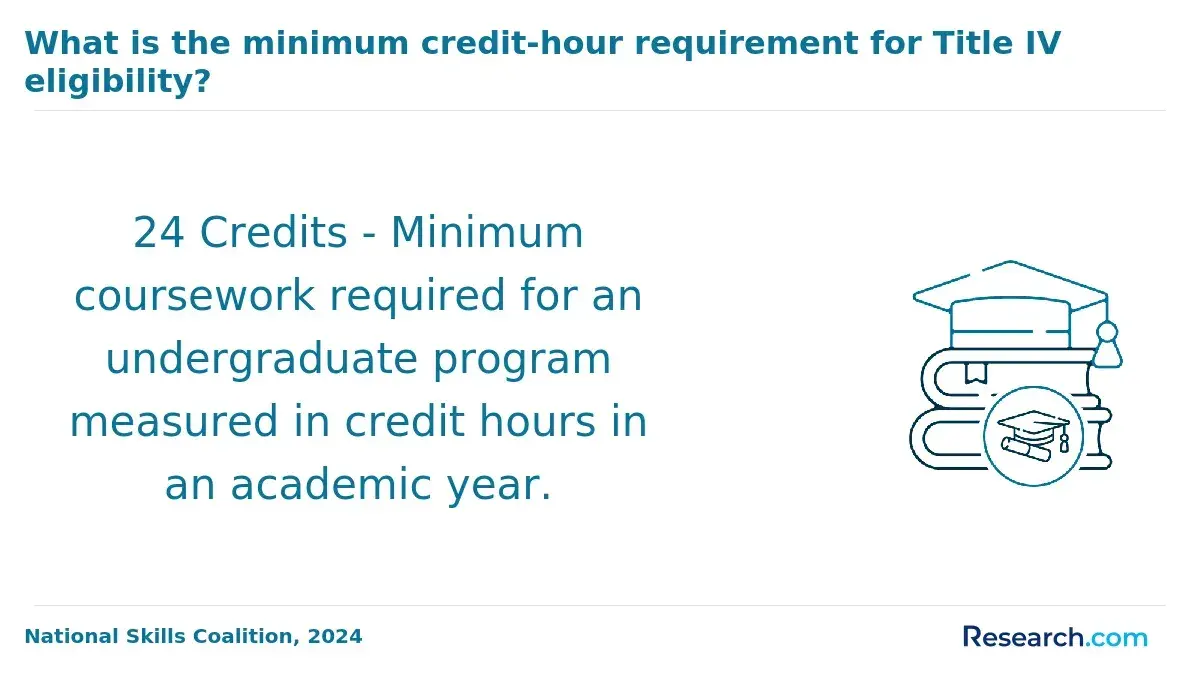
FAFSA eligibility means the institution participates in federal student aid programs and the student's program is approved for Title IV aid. It does not mean every online course, certificate, concentration, or nondegree enrollment option qualifies.
For an online health psychology-focused program, federal aid usually works the same way it does for campus programs if the student is admitted into an eligible degree program and meets federal requirements. The key is to verify both the school and the exact online program before assuming aid applies.
Use this sequence before committing to a program because it separates real eligibility from marketing language:
- Confirm the school is institutionally accredited by an agency recognized by the U.S. Department of Education.
- Ask whether the specific online psychology degree is Title IV-eligible for federal grants and loans.
- Submit the FAFSA using the school's federal school code and review the official aid offer, not just the published tuition page.
- Check whether your enrollment level, such as half-time or full-time, changes grant eligibility or loan amounts.
- Ask whether any required summer terms, accelerated sessions, internships, or capstone fees are covered by the aid package.
A common mistake is assuming "accepts FAFSA" means "fully funded by FAFSA." FAFSA is an application, not a funding source by itself. It determines eligibility for federal grants, federal loans, work-study, and sometimes state or institutional aid.
How Much Does an Online Health Psychology Degree Cost After Financial Aid?
The cost after financial aid depends on tuition, mandatory fees, transfer credits, dependency status, income, enrollment intensity, state residency, and whether the student receives grants or relies mostly on loans. For 2025-26, the maximum Federal Pell Grant is $7,395, which can significantly reduce annual cost for high-need undergraduates but may not cover the full cost of attendance.
The table below shows how different tuition levels can affect the estimated sticker price before grants, scholarships, or loans. It assumes 120 credits for a bachelor's degree and does not include fees, textbooks, technology charges, or transfer credit reductions.
| Tuition level | Estimated tuition for 120 credits | What it means for affordability |
| $250 per credit | $30,000 | Usually among the lowest online bachelor's tuition levels before aid |
| $330 per credit | $39,600 | Still relatively affordable if transfer credits and grants reduce the balance |
| $400 per credit | $48,000 | May be reasonable if the program has strong transfer acceptance or better fit |
| $550 per credit | $66,000 | Can become expensive unless the student qualifies for substantial aid or in-state value |
After aid, the better metric is net price: tuition and required costs minus grants and scholarships. Loans reduce the amount due now, but they do not reduce the cost of the degree because they must be repaid with interest.
Students who want a shorter, more job-focused healthcare credential may find that psychology is not the fastest path into patient-facing work. If your goal is rapid entry into healthcare employment, compare psychology degrees with options such as online medical assistant programs FAFSA approved, which may have different timelines and lower total credit requirements.
Which Affordable Online Health Psychology Degree Programs Offer the Best Value?
The best value is not always the lowest listed tuition. A slightly more expensive program may be a better investment if it accepts more transfer credits, offers better advising, has stronger research preparation, or aligns better with graduate study in psychology, counseling, public health, or behavioral medicine.
Use the following value factors when comparing affordable online programs because they directly affect cost, completion, and career usefulness:
- Net price after grants: Compare the final aid offer from each school, not only the tuition page.
- Transfer credit acceptance: A $330-per-credit program that accepts 75 credits may cost less than a $250-per-credit program that accepts only 45.
- Health psychology course access: Look for courses in health psychology, biopsychology, stress and coping, behavior change, research methods, statistics, and abnormal psychology.
- Graduate-school preparation: If you plan to become a licensed psychologist, counselor, or clinical professional, undergraduate research and statistics preparation matter.
- Student support: Online tutoring, advising, career services, and disability services can improve completion odds.
- Schedule flexibility: Asynchronous courses and multiple start dates can help working adults avoid stop-outs that increase total cost.
Public universities often have lower tuition, especially for in-state students, but some private nonprofit online programs may offer strong transfer policies or institutional grants. Institution type alone does not determine value; the student's aid package and completion plan matter more.
Students comparing long-term healthcare career tracks should also consider whether they want psychology, nursing, or advanced practice. Those who already have nursing credentials may find stronger clinical earnings alignment through affordable online FNP programs, while psychology-focused students may need graduate study for licensed clinical roles.
Are the Cheapest Online Health Psychology Degree Programs Properly Accredited?
The cheapest online program is only worth considering if it is properly accredited. For a bachelor's degree in psychology, the most important baseline is institutional accreditation from a U.S. Department of Education-recognized accreditor. This is what generally supports federal aid eligibility, credit transfer, graduate admissions, and employer recognition.
At the undergraduate level, psychology programs are not typically required to hold separate programmatic accreditation in the way nursing, counseling, social work, or clinical psychology doctoral programs may. For health psychology careers, the bigger issue is whether the bachelor's degree prepares you for the next step, because licensed psychologist roles normally require graduate education and state licensure.
Before enrolling in a low-cost online program, check these accreditation and recognition points:
- Search the school in the U.S. Department of Education-recognized accreditation database or ask the registrar for the current accreditor.
- Confirm the online degree appears in the official academic catalog, not only on a promotional landing page.
- Ask whether online students receive the same transcript and degree title as campus students, if the school has both formats.
- Verify whether credits are semester credits, quarter credits, or competency-based units because this affects transfer.
- If you plan graduate school, ask target graduate programs whether the degree meets prerequisite expectations.
Red flags include unclear accreditation language, pressure to enroll before reviewing the aid offer, vague transfer-credit promises, and programs that advertise licensure outcomes without explaining state requirements. Accreditation does not guarantee job placement, but lack of recognized accreditation can create serious financial and academic risk.
What FAFSA Grants and Federal Aid Can Pay for an Online Health Psychology Degree?
FAFSA can connect eligible online students with federal, state, and institutional aid. The exact mix depends on financial need, dependency status, school cost of attendance, enrollment level, and the school's aid policies.
These are the main federal aid categories students should understand before comparing online health psychology programs:
- Federal Pell Grant: Need-based aid for eligible undergraduates that does not usually need to be repaid; the maximum award is $7,395 for 2025-26.
- Federal Supplemental Educational Opportunity Grant: Campus-based need aid for some Pell-eligible students, but funds are limited and not every school participates.
- Federal Direct Subsidized Loan: Need-based undergraduate loan where the government pays interest during eligible in-school periods.
- Federal Direct Unsubsidized Loan: Loan available to many undergraduate students regardless of need, with interest accruing after disbursement.
- Federal Work-Study: Part-time employment aid that may be available, though online students should ask whether remote or local placements exist.
- Parent PLUS Loan: A federal loan option for parents of dependent undergraduate students, subject to credit review and borrowing limits.
The biggest mistake is treating loans like discounts. Grants and scholarships reduce cost; loans shift payment into the future. Before accepting loans, estimate monthly repayment and compare it with realistic early-career income in roles available with a bachelor's degree.
How Do Transfer Credits Lower the Cost of an Online Health Psychology Degree?
Transfer credits can be the largest cost reducer for adult learners. If a bachelor's degree requires 120 credits, entering with an associate degree or substantial prior college credit can cut both tuition and time to completion.
The table below shows how transfer credits can change tuition exposure at two common online tuition levels. It does not include fees or aid, but it shows why transfer policy can matter as much as per-credit cost.
| Credits transferred in | Credits remaining | Remaining tuition at $250 per credit | Remaining tuition at $330 per credit |
| 0 | 120 | $30,000 | $39,600 |
| 30 | 90 | $22,500 | $29,700 |
| 60 | 60 | $15,000 | $19,800 |
| 75 | 45 | $11,250 | $14,850 |
| 90 | 30 | $7,500 | $9,900 |
Ask for an official or preliminary transfer evaluation before choosing based on tuition alone. Some schools advertise low tuition but apply many credits only as electives, which can leave students paying for more major or general education courses than expected.
Students who are comparing licensed healthcare entry routes should also consider timeline. If the goal is to enter nursing quickly rather than pursue psychology graduate study, researching what is the fastest way to become an LPN may provide a more direct comparison of cost, clinical requirements, and time to employment.
Which Students Benefit Most From a Low-Cost Online Health Psychology Degree With FAFSA?
A low-cost FAFSA-eligible online health psychology degree is most useful for students who want an affordable foundation in behavior, health, research, and human development. It can support entry-level roles in case management support, wellness programs, health education support, research assistance, community services, human services, and preparation for graduate study.
This degree path often fits these students best:
- Transfer students: Learners with community college credits can reduce the remaining cost of a bachelor's degree.
- Working adults: Online asynchronous formats can make it easier to keep earning while studying.
- Students planning graduate school: A lower-cost bachelor's degree can reduce undergraduate debt before a master's or doctoral program.
- Healthcare workers moving into behavioral health: The degree can add psychology and behavior-change knowledge without requiring a full campus schedule.
- Students exploring public health or wellness careers: Health psychology coursework can connect mental, behavioral, and physical health concepts.
It may not be the best fit for students who want immediate eligibility for licensed clinical practice. A bachelor's degree in psychology alone generally does not qualify someone to become a licensed psychologist, and counseling or therapy roles usually require graduate education and state-specific credentials.
Students who already hold a non-nursing bachelor's degree and want a more clinical healthcare route may want to compare psychology with online accelerated nursing programs for non nurses, since the timelines, prerequisites, clinical placements, and ROI assumptions are very different.
How Does the Cost of an Online Health Psychology Degree Affect Career ROI?
Career ROI depends on total debt, completion time, job target, and whether the degree is a stepping stone to graduate education. Health psychology is interdisciplinary, but many higher-paying or licensed psychology roles require more than a bachelor's degree.
BLS data published for 2024 shows a median pay of $94,310 for psychologists, but that occupation generally requires advanced education and licensure. By contrast, many bachelor's-level behavioral health, community service, and wellness roles pay less, so borrowing heavily for an undergraduate psychology degree can weaken ROI if the student does not plan carefully.
Use this ROI framework before enrolling:
- Estimate total tuition and fees after transfer credits.
- Subtract grants and scholarships, but keep loans separate because they are future debt.
- Identify the job you can realistically pursue with the degree level you are earning.
- Check whether your target role requires a master's, doctorate, supervised hours, certification, or state license.
- Compare expected monthly loan payments with conservative early-career earnings, not best-case salaries.
A more expensive program may be worth choosing if it shortens time to completion, improves graduate-school preparation, or offers stronger advising for research and internships. However, paying more for a similar curriculum without better fit, support, or outcomes can reduce value.
How Should Students Choose the Cheapest FAFSA-Eligible Online Health Psychology Degree?
The smartest approach is to compare programs by total net cost and academic fit, not by tuition alone. A good online health psychology degree should be accredited, FAFSA-eligible, transferable into future goals, and affordable enough that debt does not limit your options after graduation.
Before applying, create a side-by-side decision file for each school. Include these questions because they reveal costs and risks that tuition pages often miss:
- Accreditation: Is the institution currently accredited by a recognized accreditor?
- Program eligibility: Is the exact online psychology degree approved for federal student aid?
- Net price: What will I owe after grants and scholarships, excluding loans?
- Total credits: How many credits will I need after the school evaluates my transcript?
- Fees: Are there technology, online course, graduation, proctoring, or assessment fees?
- Course availability: Are health psychology-related electives offered online often enough to graduate on time?
- Graduate alignment: Will the program prepare me for counseling, psychology, social work, public health, or another intended graduate path?
- Support: What advising, tutoring, career, and internship support is available to online students?
- Borrowing: How much federal loan debt would I need if grants are lower than expected next year?
The cheapest program makes sense when it is accredited, accepts your credits, offers the courses you need, and keeps debt manageable. If the lowest-cost option delays graduation, rejects key transfer credits, or lacks the coursework needed for your next step, a moderately higher-cost program may offer better real value.
Other Things You Should Know About Health Psychology
Many psychology bachelor's programs can be completed fully online, but requirements vary. Some may include a capstone, research project, internship option, or proctored exams, so confirm whether any in-person or synchronous components apply.
No. Health psychology studies how behavior, stress, cognition, and social factors affect physical health. Clinical psychology focuses more directly on assessment, diagnosis, and treatment of mental health conditions and usually requires doctoral-level training for licensure as a psychologist.
Employers usually care most that the school is properly accredited and that the degree matches the role. For online programs, the transcript often does not distinguish online from campus study, but policies vary by institution.
Either can work, but a BS may include more science, statistics, or research coursework, while a BA may include more liberal arts flexibility. Choose the option that best matches your graduate-school prerequisites and career plan.
References
- Financial Aid For Online Colleges https://www.affordablecollegesonline.org/financial-aid/financial-aid-for-online-colleges/
- Best Online Bachelor's Degrees In Psychology Of 2025 https://www.psychology.org/rankings/best-online-bachelor-degree-programs/
- A comprehensive guide to types of financial aid for college students https://www.citizensbank.com/learning/types-of-federal-financial-aid.aspx
- 2025 Most Affordable Online Colleges for a PhD in Psychology https://www.onlineu.com/most-affordable-colleges/psychology-doctoral-degrees
- Health Psychology Master’s Programs Online: Find a School https://www.onlinemastersdegrees.org/best-programs/psychology/health-psychology/
- Financial Aid for Psychology Students https://www.onlinepsychologydegrees.com/financial-aid/
- Bachelor’s in Psychology Programs Online https://www.onlinemswprograms.com/careers/social-work-vs-counseling-vs-psychology/ba-psychology/
- Estimated Cost of Attendance | Palo Alto University https://paloaltou.edu/financial-aid/tuition-and-costs/estimated-cost-attendance
- M.S. in Clinical Mental Health Counseling | LVC https://www.lvc.edu/programs/master-clinical-mental-health-counseling/