2027 Sustainability Degree Program Availability Report: Which States and Schools Offer the Most Options

Co-Founder and Chief Data Scientist
The concentration of sustainability degree programs reflects more than academic interest-it signals where educational investment aligns with evolving labor market demands. States with diverse program offerings often correspond to regional economies prioritizing environmental innovation and green technology, responding to the U. S. Bureau of Labor Statistics' projection of 8% job growth in related fields through 2032. Variations in program availability also reveal disparities in access to specialized curricula that connect to local industry needs, shaping workforce readiness. This report examines which states and schools offer the most sustainability degree options, interpreting these patterns to understand their implications for educational equity, institutional focus, and career pathways.
Key Benefits of States and Schools That Offer the Most Sustainability Degree Program Options
- States and schools with diverse sustainability programs often require more credits due to specialization breadth, which can extend time-to-degree but allows deeper expertise aligning with complex environmental challenges.
- Employers increasingly seek candidates with interdisciplinary knowledge; programs offering varied sustainability options better prepare students for multifaceted roles demanded in evolving green job markets.
- Greater program availability correlates with improved local access, reducing relocation costs and enabling students from underserved regions to engage in sustainability education without geographic barriers.
- Key Benefits of States and Schools That Offer the Most Sustainability Degree Program Options Key Benefits
- Which States Offer the Most Sustainability Degree Programs? Top States
- Why Do Some States Have More Sustainability Programs Than Others? Program Availability
- Which Colleges Offer the Largest Number of Sustainability Degree Options? Top Schools
- How Do Online Programs Improve Access in States With Limited Options? Online Program Access
- How Much Does Sustainability Program Tuition Vary by State? Tuition Across States
- How Does Sustainability Program Demand Affect Admissions Decisions? Program Demand
- How Do Sustainability Specialization Options Vary by Region? Specialization Options
- How Does Regional Employer Demand Affect Career Outcomes? Employer Demand
- What Factors Matter Most When Comparing Sustainability Programs Across States? Key Comparison Factors
- Which Regions May See the Fastest Growth in Sustainability Education? Fastest Growing Region
Which States Offer the Most Sustainability Degree Programs?
States with the most sustainability degree options typically combine robust higher education infrastructures, significant industry demand, and supportive policy environments. Program availability aligns closely with regional economic priorities where institutions respond to workforce needs in renewable energy, environmental management, and sustainability policy. The density of universities also plays a pivotal role, as areas with concentrated metropolitan hubs tend to offer a wider array of specialized programs. However, volume alone doesn't guarantee program quality or direct employability, making it essential for students to assess curriculum relevance and industry networks alongside geographic convenience.
- California: Hosting multiple prominent public university systems, including the sprawling University of California network, California offers diverse sustainability curricula from environmental science to sustainable urban planning. The state's leadership in clean energy industries and progressive environmental regulations drive high employer demand, encouraging institutions to broaden their programmatic offerings. This environment benefits students by providing access to varied specialization options and strong connections to green industry job markets.
- New York: As a dense urban nexus, New York supports a wide variety of sustainability programs through its concentration of universities in New York City and surrounding areas. The emphasis on interdisciplinary approaches in these institutions equips students to engage in sustainability roles across corporate, governmental, and nonprofit sectors. Program availability here reflects the regional focus on policy innovation and sustainability-related business, offering graduates distinct pathways in applied sustainability fields.
- Massachusetts: Home to a compact but research-intensive higher education landscape, Massachusetts leverages its historic academic institutions and proximity to innovation clusters. Sustainability education aligns with the state's evolving technology and clean energy sectors, resulting in programs that blend theoretical foundations with applied, career-oriented training. Students gain from this intersection of academia and industry through enhanced experiential learning and employment prospects.
Other states like Colorado, Washington, and Oregon also increase their sustainability education footprint by tailoring programs to local environmental and economic priorities, though their overall options remain fewer due to smaller urban centers. Potential students should balance program breadth against factors like specialization relevance and workforce pipeline integration when choosing where to pursue sustainability studies.
For those researching educational pathways, considering factors like employer partnerships and graduate placement outcomes alongside geographic availability remains critical. Informed decision-making can be supported by consulting data sources such as the 2024 National Center for Education Statistics and regional labor market analyses. Prospective students seeking accessible programs with broader specialization opportunities may also explore institutions recognized as among the easiest masters degree to get for entry into sustainability-related fields, evaluating these in combination with regional ecosystem strengths.
Why Do Some States Have More Sustainability Programs Than Others?
The distribution of sustainability degree programs across states reflects underlying differences in higher education infrastructure and regional labor market demand for sustainability graduates. States with large, well-funded public university systems or flagship research institutions typically offer more diverse program options, as these entities possess the capacity to develop specialized curricula and attract research grants. Population density and urbanization also influence program availability, as regions with concentrated demand for sustainability expertise tend to support a broader academic ecosystem. This combination of institutional scale and localized employer needs creates significant variation in where sustainability programs flourish.
Key drivers behind these geographic disparities include state-level funding priorities that often align with regional economic strategies and environmental policies. States hosting industry clusters centered on renewable energy, environmental consulting, or green technology exert stronger employer demand for sustainability skills, encouraging universities to tailor offerings accordingly. University research capacity further differentiates program availability; institutions with robust interdisciplinary funding in environmental sciences secure federal and private grants that sustain and expand sustainability studies. According to a 2024 report by the U.S. Department of Energy, states generating over 20% of their electricity from renewable sources are 30% more likely to offer multiple sustainability programs, underscoring how economic specialization directly shapes academic supply. These structural forces combine to explain why some states have more sustainability degree programs than others and highlight the interplay between institutional development and regional market signals.
Such disparities have broad implications for student equity and workforce development. Limited program availability in certain states restricts in-person access to sustainability education, prompting a rise in online options that attempt to bridge geographic gaps; however, online formats may vary in quality and practical engagement. These distribution patterns also affect regional workforce readiness, as areas lacking educational capacity may struggle to meet evolving employer needs in sustainability-focused sectors. Prospective students and researchers evaluating online psychology degree alternatives or other fields should consider how these systemic education factors influence career prospects and program relevance within the sustainability domain.
Which Colleges Offer the Largest Number of Sustainability Degree Options?
Variation in the number of sustainability degree options at a college usually hinges on institutional scale, academic resources, and structural capacity rather than simple geographic factors. Larger universities with substantial research activity and interdisciplinary frameworks generally offer a broader range of specialized programs and delivery formats, such as minors, certificates, dual degrees, and graduate-level pathways. These institutions leverage their funding, faculty expertise, and external partnerships to build diverse curricular portfolios aligned with evolving sustainability fields and employer needs.
- Large Public Research Universities: These institutions, including major state flagship universities, frequently provide extensive sustainability options because of their multi-departmental capacity and robust funding streams. Their size supports interdisciplinary initiatives that span engineering, policy, business, and environmental sciences, enabling nuanced concentration areas like renewable energy or urban sustainability. Their research centers and government collaborations further drive curriculum innovation and experiential learning.
- Specialized Technical and Environmental Colleges: Schools focused on applied technical skills or environmental science often develop a wide array of sustainability programs designed to meet industry demands directly. For example, institutions with strong ties to consulting firms and nonprofits prioritize practical training and internships, positioning graduates for immediate workforce entry. Their programs emphasize hands-on experience and sector-specific expertise over broad theoretical approaches.
- Private Research Universities with Interdisciplinary Models: Some private institutions integrate sustainability education through cross-disciplinary departments combining social sciences, business, and natural sciences. These schools tend to offer diverse degree pathways with opportunities for research collaboration and specialized tracks in sustainability analytics or policy. Ivy League or nationally prominent private universities exemplify this model, leveraging significant endowments to expand program flexibility.
- Multi-Campus University Systems: Large university systems that administer several campuses often capitalize on resource sharing to diversify sustainability offerings across locations and modalities. They enable program scalability by combining specialty faculties and online platforms, increasing access to varied sustainability curricula tailored to regional and technological trends.
According to a 2024 report from the National Center for Education Statistics, approximately 75% of U.S. institutions offering sustainability-related degrees fall into these categories, underscoring that institutional capacity and structural complexity heavily influence program variety. While smaller colleges may offer focused or niche sustainability degrees, their limited resources and faculty breadth often restrict program expansion and specialization.
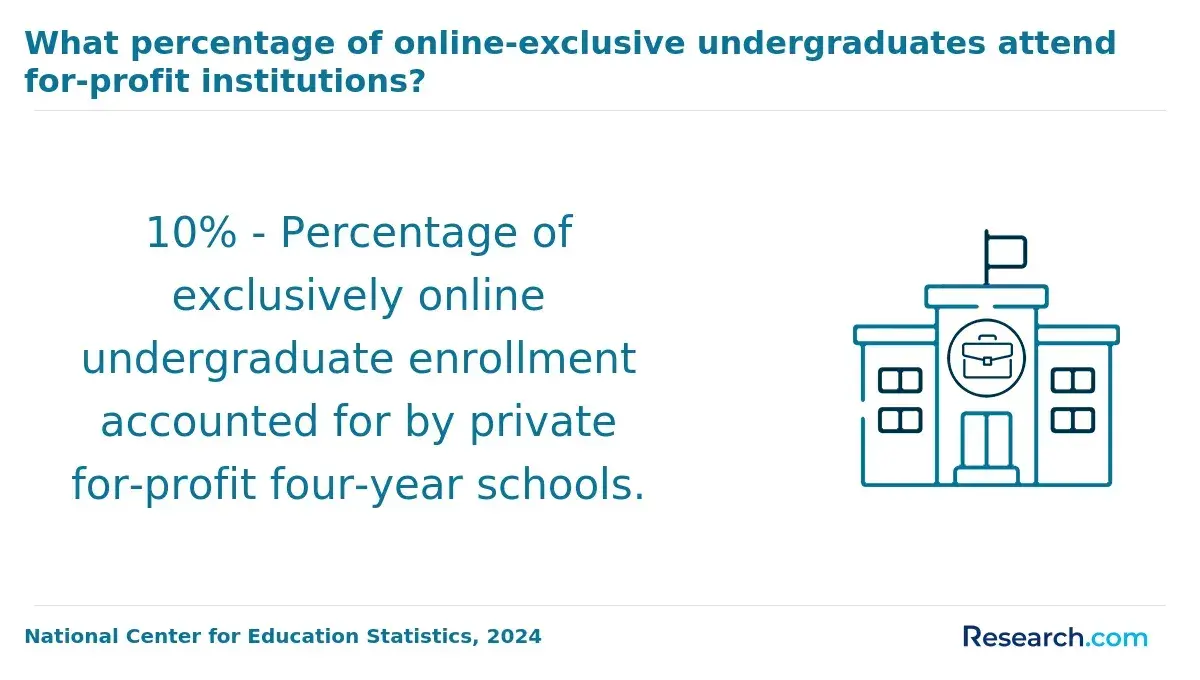
How Do Online Programs Improve Access in States With Limited Options?
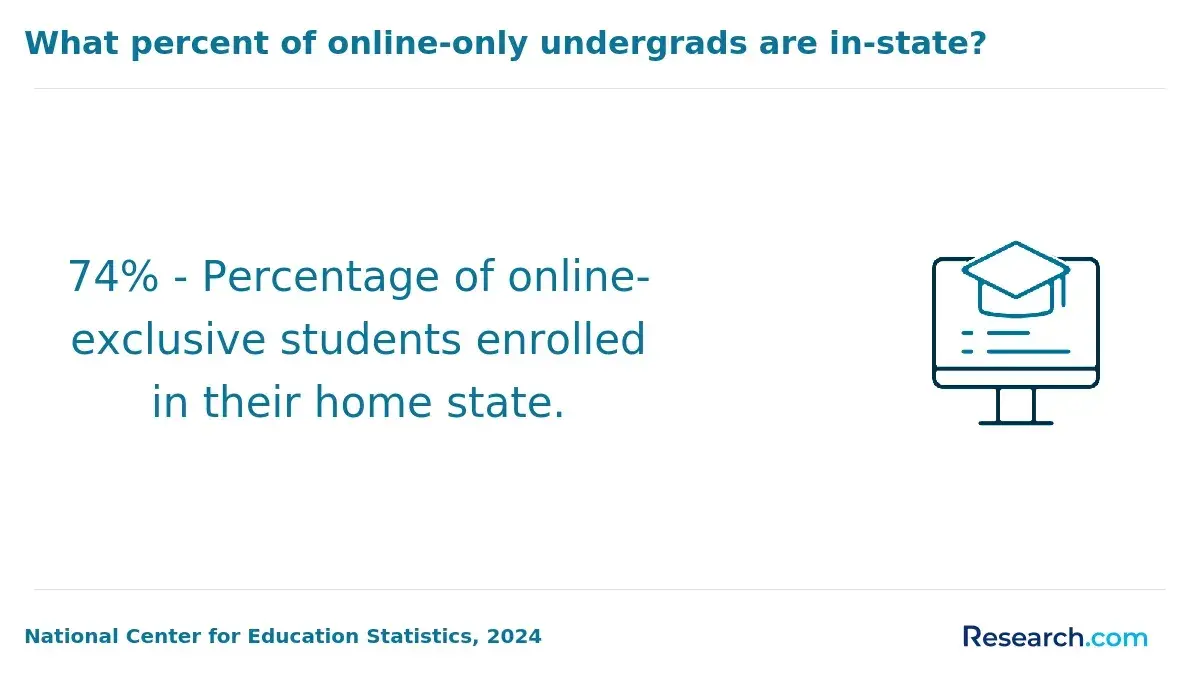
Online sustainability programs significantly broaden access for students in states where in-person degree options are scarce or nonexistent. In such regions, physical program limitations often stem from insufficient institutional resources or low local demand, constraining educational pathways in sustainability fields. According to a 2024 National Center for Education Statistics report, about 35% of students pursuing sustainability-related disciplines are enrolled in at least one fully online course, illustrating the extent to which virtual learning functions as a vital conduit for bridging geographic disparities. By allowing students to bypass relocation or long commutes, these programs open doors for learners who would otherwise face prohibitive logistical or financial barriers.
The structural advantages of online delivery extend beyond convenience, reshaping enrollment patterns and institutional reach. Asynchronous course formats enable participation across time zones and conflicting schedules, facilitating access for working adults or caregivers who may not fit traditional student profiles. Cross-state enrollment without the constraints of residency significantly expands institutional catchment areas, permitting universities to scale their sustainability offerings nationally rather than regionally. This decouples access from local university capacity, providing equitable opportunities irrespective of state-level program scarcity. Collectively, these dynamics disrupt entrenched geographic bottlenecks in sustainability education by embedding digital infrastructure and curricular flexibility into the academic ecosystem.
These shifts have broader implications for regional workforce development and interinstitutional competition. By enabling students from underserved states to engage with diverse faculty and curricula, online programs can diversify the sustainability talent pipeline and better align training with national environmental priorities. Additionally, increased enrollment mobility challenges traditional recruitment boundaries, prompting institutions to differentiate their online sustainability curricula and support services strategically. As online sustainability education becomes a leeway for overcoming state-imposed limitations, it also fosters more adaptive and interconnected educational systems relevant to evolving labor market demands.
One sustainability graduate shared that applying to online programs during the rolling admission period was a calculated risk. Initially unsure whether to wait for a local school's decision, they ultimately prioritized submission deadlines aligned with online offerings to avoid losing a semester. The delayed response from in-person programs created a tension between holding out for preferred institutions and securing a spot in an accessible online program. This experience underscored the practical advantage of online formats in providing timely, flexible options that accommodate uncertain admissions timelines and enable swift enrollment decisions without geographic constraints.
How Much Does Sustainability Program Tuition Vary by State?
Tuition costs for sustainability degree programs vary significantly across U.S. states due to structural differences in how higher education is financed and delivered. Public universities rely heavily on state appropriations, which directly influence in-state tuition rates, while out-of-state and private institutions operate under different funding models that typically result in higher prices. Residency status often creates a steep tuition divide, with in-state students benefiting from subsidized rates intended to serve local populations, whereas out-of-state students face full-cost pricing reflecting the absence of direct state support. These variations in pricing structures reflect broader state-level policy decisions about public funding priorities, institutional missions, and regional economic factors rather than arbitrary school pricing.
Annual tuition for sustainability programs at public institutions usually falls between $5,000 and $15,000 for residents, but out-of-state students often see costs rise beyond $20,000 to $30,000. Private colleges and universities frequently charge above $30,000 annually, reflecting their independent funding models and less reliance on state appropriations. States with large, well-funded public university systems such as California, New York, and Texas consistently provide more competitive tuition rates for residents, leveraging subsidies to lower barriers for students pursuing sustainability studies.
By contrast, regions with limited public investments or fewer sustainability-focused programs, especially in parts of the Midwest and South, often depend more on private institutions or out-of-state options, increasing the financial burden for many students. This spectrum of tuition costs exemplifies how tuition costs for sustainability degree programs by state are intertwined with institutional funding sources and state economic landscapes.
The range in tuition also shapes student decision-making, influencing whether prospective learners can afford to relocate or pursue programs locally. Affordability disparities contribute to uneven access to sustainability education and can limit workforce development in certain regions. Moreover, some states include additional fees for specialized sustainability-related lab work, field training, or internships, which raise overall expenses yet are crucial for employability in this field.
Understanding these nuances helps clarify why students must weigh cost against program availability and practical value, much like when comparing options such as online clinical mental health counseling programs where program structure and real-world outcomes guide choices as much as tuition. The variation in sustainability program fees across US states thus reflects deeper systemic factors shaping educational access and regional labor market alignment.
How Does Sustainability Program Demand Affect Admissions Decisions?
Rising applicant interest in sustainability programs often compels institutions to tighten admissions standards, reflecting a shift from straightforward enrollment toward selective intake strategies. As demand climbs, programs increasingly weigh candidates' practical experience, alignment with interdisciplinary learning goals, and demonstrated commitment to environmental and social challenges. This more stringent evaluation moves beyond traditional academic metrics, requiring prospective students to present supplementary materials such as portfolios or interviews. The intensified scrutiny mirrors competitive pressures tied to maintaining program quality amid constrained resources and a growing pool of qualified applicants.
Several institutional factors drive this dynamic, including limited faculty bandwidth, internship availability, and accreditation constraints that cap cohort sizes. Programs with robust employer connections may expand seats but typically maintain rigorous academic thresholds to manage quality and outcomes. Labor market trends emphasizing applied sustainability skills further elevate expectations during admissions, as programs seek candidates poised to succeed in complex, multidisciplinary roles. These enrollment pressures force schools to calibrate acceptance rates carefully to balance access with educational effectiveness and post-graduation employability.
The increasing selectivity also influences prospective students' approach to applications, pushing many to invest more in preparation and targeted experience to stand out. While heightened competition can enhance a program's reputation, it may simultaneously restrict access for some candidates, especially where resource limits are acute. Such conditions highlight a broader tension between demand-driven expansion and maintaining program integrity, underscoring the importance for applicants to understand how admissions strategies respond to these systemic constraints.
One sustainability graduate recalled the anxiety of waiting during a rolling admissions cycle, where delayed notifications reflected fluctuations in application volume and internal capacity assessments. They hesitated to submit a second application elsewhere, concerned that premature moves might forgo a chance at a highly selective program balancing seats with shifting applicant quality. This experience underscored how admissions decisions are often influenced by timing, institutional resource pressures, and strategic applicant positioning, rather than solely by static credentials.
How Do Sustainability Specialization Options Vary by Region?
Regional economic structures and industry concentrations heavily influence the focus and availability of sustainability specialization options in U.S. higher education. Coastal regions such as the West Coast and Northeast show a broad range of offerings driven by diverse economies and dense research institutions that emphasize policy development, renewable energy, and environmental justice. Conversely, the Midwest's sustainability programs tend to cater to its agricultural and manufacturing base, prioritizing applied skills in food systems and resource management. The South often aligns its sustainability education with natural resource conservation and energy sectors relevant to forestry and fossil fuel industries, reflecting localized labor demands and ecological contexts.
These regional disparities stem from entrenched partnerships between universities and employers, as well as targeted state workforce initiatives that shape curriculum emphasis. Research universities in metropolitan hubs leverage policy networks and innovation ecosystems, fostering specializations connected to consulting and government roles. Meanwhile, institutions in less urbanized areas maintain a practical orientation toward on-the-ground environmental management and technical training to meet regional labor market needs. Data from the National Center for Education Statistics indicates that over 60% of sustainability degrees with focused tracks are concentrated within ten states, underscoring the uneven geographic distribution and the role of institutional capacity in offering specialized pathways.
Such regional variation affects students' program selection strategies and career trajectories, particularly when considering mobility and employer access. Students aiming for roles in climate policy or sustainable supply chains may benefit from programs in coastal regions with expansive networks, while those seeking hands-on experience in ecosystem management might prioritize institutions embedded in rural or resource-rich states. Understanding these dynamics helps prospective students align their educational choices with labor market signals and field-specific skills demanded within their target regions, emphasizing the importance of place-based specialization in sustainability education.
How Does Regional Employer Demand Affect Career Outcomes?
Regional employer demand directly shapes the availability of jobs and early career opportunities for sustainability graduates. Areas with dense clusters of green industries, renewable energy developers, and environmental policy organizations provide more openings and often stronger entry points for new professionals. States like California, New York, and Texas, which report employment rates for sustainability-related roles approximately 15% higher than national averages according to the U.S. Bureau of Labor Statistics, exemplify how localized employer concentration influences both the quantity and quality of potential positions. This regional demand for sustainability graduates often translates into a 10-20% salary premium, making geographic location a significant factor in initial earnings and employability outcomes.
The underlying dynamics linking regional demand to career outcomes involve industry specialization, employer-university partnerships, and regional wage competition. Locations with active sustainability sectors frequently foster collaborations between academic programs and nearby employers, facilitating internships and job placements that enhance early-career advancement. Furthermore, wage levels tend to reflect the density and competition among employers, encouraging higher pay in regions with robust demand. Different regions also prioritize distinct sustainability functions-urban centers may emphasize policy and management roles, while resource-rich or rural areas focus on conservation and renewable project development-shaping graduates' skill alignment and job trajectories. For students comparing program availability, these practical labor market nuances are critical in understanding career pathways shaped by regional employer demand for sustainability graduates.
These geographic variations have broader implications for mobility and long-term career planning. While remote work options are increasing, many sustainability positions still rely on proximity to regional industry ecosystems and professional networks. Therefore, choices about where to study or seek employment should weigh how local market structures affect both immediate job access and longer-term career progression. Prospective students and researchers assessing the most valuable masters degrees in sustainability will find regional employer demand a key factor in determining program relevance and graduate success.
What Factors Matter Most When Comparing Sustainability Programs Across States?
Comparing sustainability programs across states requires evaluating factors beyond merely counting available degrees. Differences in statewide availability of sustainability program specializations, tuition costs, and alignment with local industry significantly shape both educational access and career prospects. State-level diversity in program offerings and related regional employment opportunities impacts not only affordability but also the relevance and depth of academic preparation. Understanding these nuances is critical for identifying programs that balance quality, practical experience, and long-term workforce integration.
- Specialization Breadth and Interdisciplinary Options: States vary widely in how many and what types of sustainability specializations they offer. Programs providing multiple tracks-ranging from environmental policy to sustainable business-better equip students with interdisciplinary skills. This diversity matters because employer demand often favors candidates with specialized but flexible expertise, which correlates with broader curriculum design.
- Connection to Regional Sustainability Industries: Proximity to active clean energy sectors or environmental agencies enhances opportunities for internships and applied learning. States with well-developed sustainability industries tend to produce graduates with practical experience, a key factor in early labor market success. Partnerships between programs and local employers also provide insights into evolving skill requirements, strengthening workforce alignment.
- Program Tuition and Financial Accessibility: Regional variation in sustainability degree tuition costs plays a crucial role in access and student debt outcomes. States with higher tuition may offer more specialized options but can limit affordability. Conversely, lower-cost states may have fewer specializations but improve economic access, influencing where students decide to enroll.
- Institutional Accreditation and Faculty Expertise: Programs integrated within established environmental science or public policy departments benefit from stronger research ties and faculty with applied expertise. These quality indicators often translate into better networking and professional development opportunities that affect career trajectories beyond graduation.
- Educational Infrastructure and Curriculum Integration: State education systems that prioritize interdisciplinary collaboration and experiential learning generally support more cohesive sustainability education experiences. This structural investment shapes not only academic rigor but also prepares students to navigate complex real-world environmental challenges.
Students comparing programs should also consider innovative alternatives like a cyber security fast track program, where accelerated timelines and targeted skills acquisition demonstrate how responsiveness to industry needs varies by state and institution.
Which Regions May See the Fastest Growth in Sustainability Education?
Growth in sustainability education tends to concentrate in U.S. regions where employer demand, population increases, and higher education investment converge. Expansion of industry sectors linked to renewable energy, environmental management, and climate resilience often drives sustained program growth. Moreover, university systems that strategically align curricula with regional workforce needs are better positioned to expand offerings and attract diverse student cohorts. These dynamics reflect broader economic and labor market trends rather than isolated institutional initiatives.
- The South: This region leads projected growth due to rapid demographic shifts and strong state-level policies promoting green industries, particularly solar power in Texas and Florida. The 2024 National Center for Education Statistics reports an 18% increase in sustainability programs here since 2021. Expanding urban sustainability initiatives and workforce shortages in environmental sectors suggest further development of specialized programs and applied learning opportunities.
- The West: California's mature environmental commitments underpin growing enrollment and new degree programs in sustainability and environmental sciences. Expansion is bolstered by innovations in clean technology and statewide climate targets. The integration of academic programs with industry partnerships may widen specialization areas and enhance job placement rates.
- The Midwest: Although growth is steadier here, it is driven by agricultural sustainability and resource management needs aligned with regional economies. Universities' engagement with local industries supports practical training, ensuring that program expansion corresponds to labor market demands rather than speculative growth.
- The Northeast: Characterized by established, mature sustainability education offerings, this region faces space and funding limits that constrain rapid program growth. Its strength lies more in depth, employer networks, and specialization refinement than in broad expansion.
References:
- How sustainability priorities vary across regions https://www.grantthornton.pr/insights/international-business-report2/2026/4-16-2026-How-sustainability-priorities-vary-across-regions/
- 7 Colleges with an Immersive Sustainable Education https://www.sustainabilitydegrees.com/blog/colleges-with-an-immersive-sustainable-education/
- Sustainability and ESG Courses and Degrees | US, UK, Europe, Free UN Options https://enable.green/news/top-10-sustainability-esg-courses-degrees-us-uk-europe/
- The Relevance Of Sustainability Programs To Achieving Student Enrollment https://vivreauwater.com/water-dispensers/blog/the-relevance-of-sustainability-programs-to-achieving-student-enrollment/
- Strategies for sustainable development at Polish universities https://ekonomiaisrodowisko.pl/journal/article/view/937
- The Juxtaposition Between Environmental Policy of States and The Federal Government in the Trump Era | Bruin Political Review https://bruinpoliticalreview.org/articles
- Online Education and the Sustainable Development Goals: A Digital Path to a Better Future https://www.eucdl.com/post/online-education-and-the-sustainable-development-goals-a-digital-path-to-a-better-future
- Urban and Regional Sustainability Transitions: Unlocking the Potentials for Change - RSA Main https://www.regionalstudies.org/rsa-blog/urban-and-regional-sustainability-transitions-unlocking-the-potentials-for-change/
- Comparing Sustainability Practices of Large US Corporations: Domestic vs. International Operations https://articlegateway.com/index.php/JABE/article/view/7294
- How US sustainability regulations compare to EU standards in 2025 https://instituteofsustainabilitystudies.com/insights/lexicon/how-us-sustainability-regulations-compare-to-eu-standards-in-2025/
Other Things You Should Know About Sustainability
Program diversity within states enriches sustainability education by offering varied perspectives and specializations. States with diverse programs enable students to access interdisciplinary courses that cover broader aspects of sustainability, thus enhancing the depth of their education and preparing them for diverse challenges in the field.
Choosing a school with many sustainability options can signify a robust academic environment and a strong institutional focus, which employers may recognize. Yet, employer expectations often favor demonstrated skills and relevant experience over program count. Students should prioritize how well a program incorporates hands-on projects, internships, and industry connections rather than only the quantity of programs available at a school.
Schools with extensive sustainability programs may offer interdisciplinary coursework requiring students to navigate multiple departments and coordinate diverse schedules, increasing complexity and workload. This can be demanding but also builds adaptability and project management skills crucial in sustainability careers. Prospective students should weigh their capacity for workload coordination against the academic advantages of interdisciplinary exposure.
State policies that fund sustainability initiatives and promote green industries can enhance program resources and internship opportunities, directly benefiting students' practical training and job prospects. However, strong state support does not guarantee uniform program quality or employer engagement across all schools. Students should consider both state-level support and individual institutional ties to local industries when evaluating the real-world utility of sustainability programs.