2027 Sustainability Degree Completion Rates by Format: Online, Hybrid, and Campus Programs Compared

Co-Founder and Chief Data Scientist
Key Things to Know About Sustainability Degree Completion Rates by Format
- Online sustainability programs show a 15% lower completion rate than campus formats, reflecting challenges with self-regulation that can hinder progress without structured peer and faculty engagement.
- Hybrid formats often outperform pure online in completion rates due to integrated on-site interaction, suggesting that practical fieldwork and direct mentorship materially improve persistence.
- A 2024 study found campus sustainability students have the highest completion likelihood, linked to immersive resource access and community networks vital for managing program rigor and career alignment.
- Key Things to Know About Sustainability Degree Completion Rates by Format Key Things to Know About Sustainability Degree Completion Rates by Format
- How Do Completion Rates Compare Across Online, Hybrid, and Campus Sustainability Programs? Completion Rate Comparison
- What Factors Have the Greatest Impact on Sustainability Degree Completion? Degree Completion Factors
- Which Sustainability Degree Format Is Hardest to Complete? Completion Difficulty
- How Does Each Sustainability Learning Format Affect Student Success? How Does Each Sustainability Learning Format Affect Student Success?
- How Does Enrollment Status Affect Sustainability Completion Rates? How Does Enrollment Status Affect Sustainability Completion Rates?
- Can Transfer Credits Improve Sustainability Degree Completion? Transfer Credits
- What Student Support Services Improve Sustainability Completion Rates? Student Support Services
- How Do Sustainability Completion Rates Affect Career Outcomes? Impact on Career Outcomes
- How Should Students Choose the Best Sustainability Learning Format? Choosing the Best Format
- What Are the Long-Term Pros and Cons of Each Sustainability Learning Format? Learning Format Pros & Cons
How Do Completion Rates Compare Across Online, Hybrid, and Campus Sustainability Programs?
Completion rates in sustainability degree programs serve more as indicators of the student populations enrolled rather than direct reflections of program quality. Differences often mirror the unique challenges and circumstances of learners choosing online, hybrid, or campus formats. For instance, students balancing full-time jobs might opt for online formats, which can impact persistence differently than the structured environment of campus settings. Interpreting completion rates within this context reveals how student characteristics shape overall outcomes across learning modes.
Variations in sustainability program graduation success online, hybrid, and campus settings stem from factors like scheduling flexibility, enrollment intensity, and access to support systems. Online learners commonly face hurdles such as limited real-time interaction and greater demands for self-discipline, while campus students benefit from more consistent engagement and resource availability. Hybrid formats attempt to blend these elements, offering face-to-face contact with remote convenience. Ultimately, success depends equally on personal responsibility and the suitability of the format to an individual's external commitments.
Prospective sustainability students should weigh completion rate comparisons alongside their personal learning style, available study time, and career objectives to select the most effective format. For example, someone aiming for most lucrative college degrees might prioritize a campus or hybrid option to maximize support and on-campus networking, whereas others juggling family duties might find online study more feasible despite lower average completion rates. Aligning choice with real-world demands enhances the likelihood of finishing the degree and transitioning successfully into the workforce.
What Factors Have the Greatest Impact on Sustainability Degree Completion?
Degree completion in sustainability programs depends on a complex mix of personal circumstances, academic support systems, and the structural features of each program format rather than on motivation alone. Success is not guaranteed by desire; it requires navigating ongoing challenges related to time management, financial pressures, and engagement with the learning community. Recognizing which factors most strongly influence persistence can help students choose the right environment and prepare accordingly. Below are key factors that commonly affect sustainability degree completion.
- Consistent Academic Advising: Regular, personalized academic advising helps students clarify degree requirements, plan manageable course loads, and identify resources early. Students balancing work or family are particularly reliant on this guidance, which reduces administrative confusion and fosters timely progression toward graduation.
- Financial Stability and Support: Economic pressures are a leading cause of dropout, especially for non-traditional students often found in online sustainability programs. Securing stable funding or scholarships alleviates stress, allowing students to focus on coursework rather than part-time jobs or loans that can prolong degree timelines.
- Flexible Scheduling Options: Programs that accommodate shift work, caregiving responsibilities, or other time constraints improve completion rates by reducing scheduling conflicts. Hybrid formats that combine online flexibility with some on-campus engagement tend to better support these needs than rigid campus-only schedules.
- Engagement Through Interactive Learning: Participation in synchronous classes, group projects, or peer collaboration raises completion likelihood by fostering a sense of community and accountability. Purely asynchronous online programs challenge this dynamic, often resulting in lower persistence without intentional engagement opportunities.
- Access to Campus and Support Services: Physical access to libraries, tutoring, career counseling, and study groups benefits students in hybrid and campus programs by enhancing learning quality and student well-being. These resources create immersion that motivates students to stay the course despite competing demands.
- Clear Entry and Exit Pathways: Programs that offer transparent milestones and easily navigable pathways to transfer credits or apply previous learning reduce delays and dropout risk. Students juggling external obligations gain confidence when milestones are predictable and achievable.
- Alignment of Program Format with Life Circumstances: Choosing a format suited to one's work, family, and learning preferences prevents unnecessary obstacles. For example, a working parent might benefit most from hybrid programs that balance flexibility and community, rather than exclusively online formats that often lack sufficient interaction.
According to data from the National Center for Education Statistics, the strongest predictors of degree completion include consistent academic advising, financial stability, and flexible scheduling options. These findings reflect the real-world demands faced by many students pursuing sustainability studies. Students exploring options may also find it useful to compare formats against their personal responsibilities and engagement needs to boost their chance of completing a sustainability program successfully.
Prospective learners simultaneously weighing the benefits of various delivery modes might find additional insights on online programs at online colleges for game design, where flexible scheduling and support mechanisms have been similarly pivotal in completion outcomes.
Which Sustainability Degree Format Is Hardest to Complete?
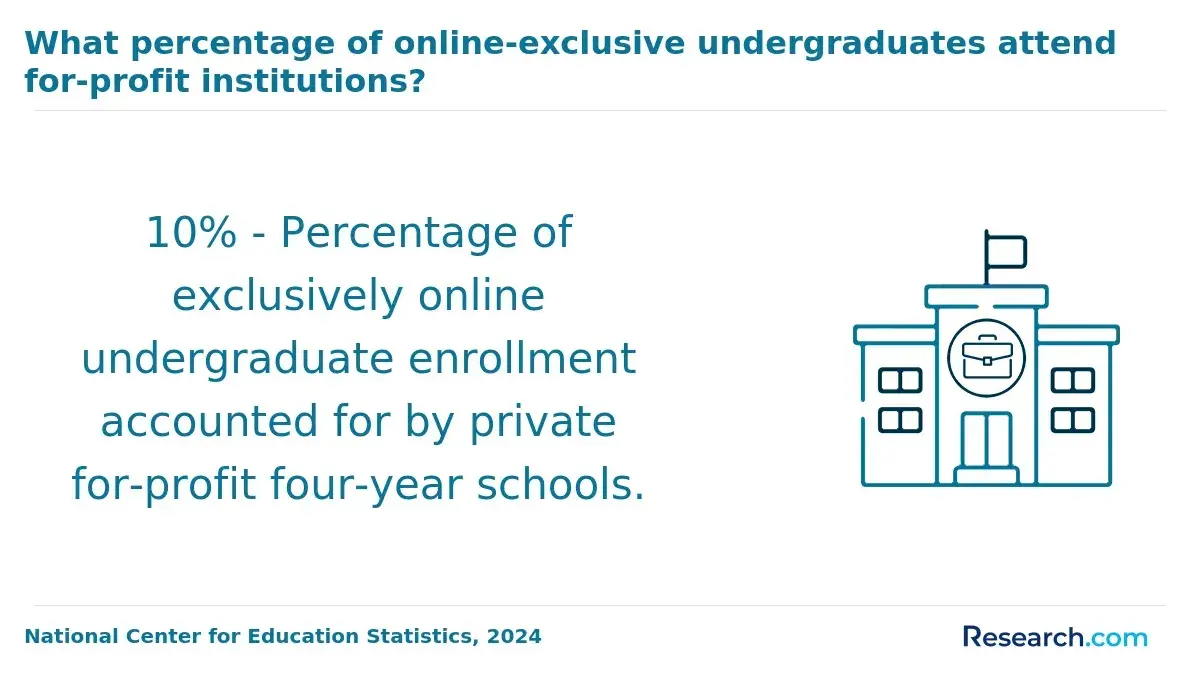
Data from 2024 by the National Center for Education Statistics reveals that online sustainability degrees have notably lower completion rates-often near 40%-compared to hybrid programs at roughly 55%, and campus-based formats exceeding 65%. This disparity reflects more than just delivery mode; online learners frequently face challenges like limited peer interaction and greater self-discipline demands, which complicate steady progression. Conversely, campus programs offer structured schedules and direct access to resources that foster persistence, while hybrid formats strike a middle ground by blending flexibility with in-person engagement, aiding comprehension and retention.
These differences translate into real-world implications for students balancing personal commitments and academic rigor. For example, a student juggling a full-time job at an environmental firm may find hybrid programs' blend of remote and face-to-face options helps maintain motivation through intermittent campus contact without sacrificing flexibility. Meanwhile, those relying solely on online offerings risk prolonged completion timelines if lacking strong self-management, impacting their timely entry into sustainability careers where experiential skills matter. Therefore, persistence rates should inform choices, but each format's fit with individual circumstances ultimately shapes success more decisively.
One recent graduate who completed a sustainability degree in a hybrid format reflected on the decision process as initially fraught with uncertainty. Working full-time and located far from campus, they hesitated between fully online and hybrid options. While the online route promised convenience, the lack of scheduled interaction and real-time feedback seemed daunting. Their hybrid program's combination of weekend in-person sessions and online coursework provided essential accountability and networking, which proved crucial during complex project phases. This balance helped them stay engaged and finish within four years despite a demanding work schedule, highlighting how format choice intersects with personal context in determining difficulty.
How Does Each Sustainability Learning Format Affect Student Success?
Student success in Sustainability programs hinges more on how well the chosen learning format matches an individual's learning style, time availability, and personal commitments than on the format itself. For example, a working parent may find the flexibility of online courses critical, while someone seeking immersive peer interaction might thrive on campus. Recent data from the National Student Clearinghouse Research Center (2024) shows that fully online degree completion rates lag behind campus programs, with hybrid approaches falling in between. Below are key factors influencing how each format affects completion and long-term academic success.
- Self-discipline and time management: Online learning demands strong self-motivation and effective scheduling since students must navigate asynchronous content largely independently. Those who struggle to stay organized may fall behind, whereas disciplined learners can leverage the flexibility to balance studies with work or family.
- Access to academic support: Campus settings provide immediate access to instructors and tutoring, improving understanding and retention. Hybrid formats combine some of this direct support with online convenience, while purely online learners often face delayed or limited interactions, potentially reducing persistence.
- Peer interaction and community engagement: Face-to-face contact on campus fosters peer networks that enhance accountability and motivation, factors shown to correlate with higher completion rates. Hybrid models offer moderate opportunities, but fully online programs generally lack the social reinforcement that benefits student success.
- Program flexibility versus structure: Online and hybrid courses often allow for adaptable learning paces appealing to those with external obligations. Campus formats, though less flexible, provide structured schedules that help students who perform better with set routines and clear timelines.
- Immersive experiential learning: Sustainability programs benefit from hands-on activities integral to park, lab, or fieldwork components more accessible on campus, which deepen understanding and employability skills. Online formats may limit these opportunities, impacting practical competencies.
- Impact of external responsibilities: Students juggling jobs or caregiving need formats that accommodate fluctuating schedules. Fully online programs provide maximum convenience but may risk isolation, whereas hybrid programs offer some interactive benefits without sacrificing too much flexibility.
- Retention and completion statistics: According to National Center for Education Statistics (2024), campus-based learners show the highest sustainability degree completion rates. Hybrid learners perform better than exclusively online students, reflecting the advantages of blending in-person support with flexible access.
How Does Enrollment Status Affect Sustainability Completion Rates?
Enrollment status is one of the most critical factors influencing completion rates in sustainability degree programs, yet its impact varies significantly based on individual circumstances rather than just the number of courses a student takes. Full-time study generally aligns with faster and higher completion rates, but this isn't a universal advantage. For students balancing work, family, or other commitments, part-time enrollment can provide necessary flexibility, though often with tradeoffs in time to degree and motivation. Below are key ways enrollment status shapes degree outcomes for those considering sustainability education.
- Time Commitment and Program Momentum: Full-time students usually maintain consistent engagement with coursework, which supports progress and retention. Part-time students often face interruptions leading to longer completion times. Those who can sustain steady study habits benefit from a full-time pace, while part-time learners need strong time management to avoid attrition.
- Financial Pressures and Work-Life Balance: Part-time enrollment often suits students who must work or manage family obligations alongside studying, reducing financial strain but extending program duration. Full-time students may face higher upfront costs but often complete sooner, enabling earlier workforce entry and career gains in sustainability fields.
- Self-Discipline in Online and Hybrid Formats: Online and hybrid sustainability programs demand significant self-motivation, especially for part-time learners. Extended durations increase the risk of burnout or dropout. Conversely, full-time students can better leverage structured pacing and faculty interaction to maintain momentum.
- Access to Campus Resources and Peer Networks: Campus-based students benefit from immersive environments which support both full- and part-time completion. However, part-time campus enrollees frequently encounter scheduling conflicts, limiting access to courses and prolonging degree timelines.
- Impact on Career Timing and Opportunities: Full-time completion often leads to earlier entry into sustainability careers, offering a competitive advantage in employment and advancement. Part-time students may delay these benefits but can gain relevant work experience concurrently, which also supports employability.
- Completion Rate Disparity: Data from the National Center for Education Statistics (2024) shows full-time sustainability students are approximately 20% more likely to finish their degrees within six years than part-time students, across all learning formats, emphasizing enrollment status as a leading factor in graduation success.
- Need for Institutional Support Systems: Part-time students especially benefit from tailored advising and flexible scheduling. Understanding how enrollment status affects sustainability program graduation success helps prospective students select pathways that align with their commitment capacity and life circumstances.
Students weighing enrollment options should carefully assess personal obligations against these factors. Those seeking a flexible schedule without sacrificing completion likelihood might explore structured hybrids or programs like the lMFT online program, which exemplify balancing flexibility with pace. Ultimately, enrollment decisions significantly shape both educational outcomes and future sustainability workforce readiness.
Can Transfer Credits Improve Sustainability Degree Completion?
Transfer credits can meaningfully shorten the time needed to complete a sustainability degree, but their impact varies based on how applicable those credits are to the chosen program. Students who have previously completed college coursework, military training, or professional certifications might avoid repeating foundational classes, thereby accelerating their progress. For example, an adult learner entering a hybrid sustainability program with an associate degree in environmental science may be able to apply many credits toward their bachelor's degree, reducing the total credits left to complete.
Recent data from the National Student Clearinghouse Research Center (2024) highlights that students transferring credits have a 23% higher chance of finishing a bachelor's degree within six years than those who do not transfer any. This advantage is often more pronounced in online and hybrid formats which cater to working adults and non-traditional students. These formats tend to have more flexible credit transfer policies, helping learners focus quickly on upper-level sustainability topics without reteaching basics. In contrast, campus-based programs frequently enforce stricter rules around transfer credits, sometimes limiting how many can count toward degree requirements due to cohort sequencing or accreditation constraints. This can extend degree timelines for transfer students despite their prior learning.
It's important to recognize that transfer credits are not a guaranteed fast track for every student. Their practical benefit hinges on an institution's credit evaluation policies, which determine how many and which credits fit into the sustainability curriculum. Students must examine detailed program requirements and seek an official transcript evaluation before enrollment to understand what will actually transfer. Comparing the remaining credits needed to the student's planned course load offers insight into whether transfer credits will realistically shorten their degree timeline.
Ultimately, transfer credits offer a strategic way to reduce redundant coursework and potentially lower both time and cost in earning a sustainability degree. However, they represent just one element affecting completion rates, alongside factors like personal circumstances, program difficulty, and institutional flexibility. Thoughtful analysis before committing to a program ensures that transfer credits contribute meaningfully to a student's academic and professional goals in the sustainability field.
What Student Support Services Improve Sustainability Completion Rates?
Student support services play a decisive role in sustaining student progress and degree completion in Sustainability programs, particularly when tailored to the delivery format. National Center for Education Statistics data from 2024 shows targeted advising and integrated support can increase persistence by up to 15% in some online and hybrid cohorts. Each program format presents unique hurdles, so understanding which services mitigate these barriers is essential for prospective students aiming to finish their degrees efficiently.
Key student support services linked to improved sustainability completion rates include:
- Customized academic advising for online learners: Flexible, one-on-one virtual advising helps students navigate course selections and career pathways, addressing the isolation often felt in fully online programs. This personalized approach enhances motivation and clarifies academic goals essential for persistence.
- Robust technical support systems: Immediate assistance with learning management platforms or specialized software reduces frustration and prevents withdrawals caused by technology-related challenges.
- Peer mentoring and community-building initiatives: Establishing asynchronous discussion groups and mentorship networks fosters engagement and combats the disconnect frequently reported by students in remote learning environments.
- Integrated academic and career counseling for hybrid students: The combination of on-campus and online support creates accountability and real-time motivation, reinforcing commitment and improving completion rates compared to relying solely on one mode of delivery.
- Access to faculty and research opportunities on campus: Direct interaction with instructors and participating in experiential learning through campus resources enhances academic preparedness and reinforces the tangible value of the degree.
- Institutional resource centers focused on essential skills: Support in study strategies, time management, and financial literacy has shown to correlate strongly with higher graduation rates, particularly in face-to-face settings where students can directly engage with support staff.
A former online sustainability student recounted struggling early in their program with balancing work and studies, compounded by difficulty accessing technical help during evenings. The availability of an on-demand tech support line combined with consistent virtual advising sessions allowed them to adjust their course load strategically and stay on track. They emphasized that peer mentoring groups provided the community feeling missing from remote learning and helped reduce their hesitation about continuing when personal motivation lagged. This blend of supports reflects how multifaceted assistance tailored to the online format's realities was crucial to completing their degree.
How Do Sustainability Completion Rates Affect Career Outcomes?
Completion of a sustainability degree significantly shapes employment prospects, earnings potential, and long-term career mobility. Research from 2024 confirms that students who finish their bachelor's degrees in sustainability are more likely to secure jobs and advance within their fields than those who leave programs unfinished. However, the impact of completion varies by study format, with online, hybrid, and campus options each offering distinct advantages and challenges that affect persistence and ultimate success. Below are key ways completing a sustainability program influences career outcomes for graduates navigating today's competitive labor market.
- Higher employment rates and earnings among graduates: Completing a bachelor's degree in sustainability boosts the likelihood of full-time employment and commands higher salaries. According to data from 2024, graduates who finish their sustainability programs on average earn 15% more annually than those who do not complete their studies. Students who persist gain the credential employers recognize as validation of essential skills and knowledge.
- Greater access to specialized sustainability roles and leadership opportunities: Degree completion signals specialized expertise that opens doors to focused positions and promotion tracks. While experience and skills remain crucial, completing the program often correlates with faster entry into niche fields like environmental policy or green technology, as well as internal advancement within organizations prioritizing sustainability initiatives.
- Increased eligibility for competitive graduate programs and professional credentials: Finishing a sustainability bachelor's improves prospects for admission to advanced studies. Graduates are more frequently accepted into selective master's programs, which further enhance career prospects. Those weighing online and hybrid options should consider not only completion rates but also how each format supports preparation for such next steps.
- Stronger professional networking and experiential learning opportunities in hybrid and campus programs: Persistence through graduation benefits from engagement and support structures. Online programs offer flexibility but often report lower completion rates due to reduced interaction; hybrid and campus formats tend to foster connections leading to better long-term career outcomes.
- Balanced decision-making regarding study format is crucial: Prioritizing completion improves employment stability and career growth but must align with personal circumstances and learning preferences. Working adults might choose online pathways despite modestly lower persistence because of flexibility, whereas students with access to campus resources may benefit from immersive experiences. Evaluating these tradeoffs can optimize outcomes.
Prospective students interested in exploring comparative program durations and costs can consult resources like the quickest cheapest masters degree listings to better align educational goals with practical considerations. Factoring in sustainability degree completion rates and career advancement helps clarify how foundational finishing the program is to achieving meaningful professional progress.
How Should Students Choose the Best Sustainability Learning Format?
Choosing the best sustainability degree format for success hinges on more than convenience; it requires aligning personal circumstances with the realities of degree completion and long-term employability. Data from the National Center for Education Statistics in 2024 show that flexibility, engagement, and available support deeply influence student retention and graduation rates. For instance, a working parent balancing schedules might thrive in a hybrid program, which blends online flexibility with some face-to-face connection. Below are crucial factors to weigh when deciding between online, hybrid, or campus sustainability programs.
- Work-Life Balance and Scheduling: Online programs often attract those needing flexible hours due to work or family obligations, allowing study anytime but demanding disciplined time management. Hybrid and campus options require more structured attendance, so students must honestly assess their daily commitments and energy levels for in-person participation.
- Engagement and Peer Interaction: Campus environments foster immersive networking and immediate feedback, supporting deeper connections essential in sustainability fields. Hybrid formats offer some of these benefits with less travel, while purely online learners risk isolation, which may affect motivation and retention.
- Self-Motivation and Learning Style: High self-discipline is crucial for online success; students who struggle with procrastination or need real-time guidance often do better in campus or hybrid settings where accountability and instructor access are higher.
- Support Services Access: Campus programs typically offer direct access to advising, tutoring, and career services, which correlate with improved completion rates. Hybrid students may access some support remotely, whereas purely online learners must proactively seek virtual help, requiring initiative.
- Career-Building Networks: Those prioritizing workforce connections might prefer campus or hybrid formats since face-to-face networking can translate into internships and job placements. Institutions increasingly tailor hybrid and campus sustainability curricula to meet employer demands in this sector.
- Technological Comfort and Resources: Online and hybrid learners must have reliable technology and digital literacy. Without this, program completion becomes more difficult, making campus options a safer choice for some students.
- Financial and Logistical Considerations: While online programs may reduce costs related to commuting and housing, campus attendance involves additional expenses and time commitments that can impact persistence, especially for non-traditional students.
For prospective students evaluating the best sustainability program online hybrid or campus option, these factors intersect with individual priorities and constraints. Understanding the tradeoffs helps select a format sustaining motivation and ensuring progress. Those interested in further exploring flexible graduate opportunities may review the best online masters in public administration for additional perspectives on effective online learning strategies.
What Are the Long-Term Pros and Cons of Each Sustainability Learning Format?
Completion rates for sustainability degrees vary widely by learning format, influenced by engagement levels, support networks, and hands-on opportunities. Campus programs often yield higher graduation rates due to immersive environments and immediate access to faculty and peers. In contrast, online formats provide unparalleled flexibility but face challenges like higher dropout rates tied to isolation. Hybrid models attempt to balance these factors, offering flexibility alongside vital face-to-face interaction. Below are critical long-term considerations for choosing the best learning format.
- Completion Rates and Immersive Support: Campus programs typically boast higher completion rates, benefiting students who thrive in structured, social settings with direct access to mentors and labs. Online learners may struggle without this support, though self-motivated individuals often succeed.
- Flexibility Versus Scheduling Conflicts: Fully online and hybrid formats offer flexibility essential for working students or those with family responsibilities, but hybrids can face challenges coordinating on-campus sessions.
- Career Readiness and Employer Preferences: Employers in sustainability sectors frequently favor candidates with hands-on experience from campus or hybrid programs, highlighting teamwork and practical skills often less developed in online-only paths.
- Networking Opportunities: Campus and hybrid students benefit from organic peer and faculty networking, which aids long-term career advancement, while online students must leverage virtual platforms strategically.
- Access and Inclusivity: Online programs break geographical and time barriers, making sustainability education accessible to a diverse population, especially those unable to relocate.
- Program Cost and Time Investment: Campus degrees often require greater financial and time commitments, potentially deterring non-traditional students. Online options can reduce costs but may impact experiential learning quality.
- Persistence and Motivation Factors: Data from the National Student Clearinghouse in 2024 reveal persistence rates are highest in hybrid programs, likely due to their blend of flexibility and engagement, benefiting students needing both independence and structure.
References
- Do graduate outcomes reflect universities’ work on sustainability? https://eua.eu/our-work/expert-voices/do-graduate-outcomes-reflect-universities-work-on-sustainability.html
- Course: Introduction to Sustainable Development in Practice | One UN Climate Change Learning Partnership https://unccelearn.org/course/view.php
- 6 Ways to Deliver Personalized Student Support at Scale https://www.civitaslearning.com/blog/6-ways-to-deliver-proactive-personalized-student-success-services-at-scale/
- Online MBA in Sustainability - Distance Learning Master's Degree https://sumas.ch/programs/online-mba/
- [PDF] Lessons Learnt from Curriculum Design and Learning Outcomes https://ecsdev.org/ojs/index.php/ejsd/article/download/1376/1358/2680
- The Importance of Sustainability in Education and How We Integrate It into Our Programs https://www.wildchinaeducation.com/blog/the-importance-of-sustainability-in-education/
- Educational outcomes of Learning for Sustainability: literature review https://www.gov.scot/publications/educational-outcomes-learning-sustainability-brief-review-literature/pages/5/
- Success factors for a successful sustainability program management https://blog.mobius.eu/en/insights/4-key-success-factors-of-a-well-managed-sustainability-program
- Sustainability at Scale: A System-Level Approach to Understanding Advising Redesign - Advising Success Network https://www.advisingsuccessnetwork.org/sustainability-at-scale-a-system-level-approach-to-understanding-advising-redesign/
- Earn Your Online MBA in Sustainability: Find the Right Program https://www.onlinemastersdegrees.org/best-programs/mba-programs/sustainability/
Other Things You Should Know About Sustainability
The pacing and scheduling of sustainability coursework differ notably across formats, affecting completion rates. Online programs often offer greater flexibility but may compress critical capstone projects or fieldwork into shorter timelines, creating challenges in applying sustainability concepts practically. In contrast, campus programs tend to structure experiential components more sequentially, supporting steady skill development. Students prioritizing consistent, integrated learning of complex sustainability topics should weigh how format-driven workload spikes might disrupt their progress.
Employers in sustainability fields increasingly value tangible project experience and teamwork, which campus and hybrid formats facilitate more directly through labs and group work. Online students may face gaps in these practical opportunities, potentially impacting their motivation to complete if they perceive weaker alignment with employer needs. Those aiming at employment in applied sustainability roles should consider formats that embed collaborative, experiential elements to sustain engagement and reinforce degree value during completion.
For students juggling full-time work or caregiving, online sustainability programs typically offer the best flexibility, which correlates with higher completion likelihood in these populations. However, the absence of in-person accountability can lead to procrastination, making hybrid formats a viable compromise-they enable regular check-ins and some face-to-face interaction, enhancing persistence. Prioritizing format fit with daily routines is crucial; without it, even the most flexible online option may lead to attrition.
Faculty interaction quality often declines in purely online settings, which can weaken academic guidance critical for navigating sustainability's interdisciplinary challenges. Hybrid programs generally provide a better balance by blending virtual and in-person mentorship, supporting clearer academic pathways and timely intervention when students struggle. Students who benefit from direct, personalized support should prioritize hybrid or campus options to reduce risks of delay or dropout during the degree journey.