2027 Sustainability Student Debt Report: Borrowing, Monthly Payments, and Repayment Risk

Co-Founder and Chief Data Scientist
Programs in sustainability often require extended study periods, combining interdisciplinary coursework with fieldwork and certifications that shape borrowing behaviors uniquely. Licensing or accreditation standards, alongside expectations for unpaid internships, can extend time to degree and increase financial need, impacting monthly payments and overall debt loads.
A 2024 National Center for Education Statistics report shows that 42% of sustainability students delay labor market entry by pursuing graduate credentials, affecting repayment timelines.
These patterns differentiate sustainability borrowers from peers in more traditional fields. The age profile of sustainability students, often older or mid-career enrollees, reflects a workforce in transition, indicating evolving professional demands and educational accessibility that influence debt risk over time.
Key Things to Know About Sustainability Student Debt
- Average debt for sustainability graduates rises by 12% annually, signaling increased borrowing that heightens long-term financial strain and necessitates early repayment planning to avoid extended debt cycles.
- Employers increasingly value practical environmental project experience over credentials alone, suggesting that students should weigh program costs against opportunities for hands-on skill development to enhance job prospects.
- Lengthy repayment periods typical for sustainability debt reflect moderate starting wages, indicating a tradeoff between immediate financial burden and potential delayed career advancement within evolving green sectors.
- Key Things to Know About Sustainability Student Debt Key Things to Know About Sustainability Student Debt
- How Much Student Loan Debt Do Sustainability Graduates Typically Have at Graduation? Average Studen Loan Debt
- What Factors Have the Biggest Impact on Sustainability Student Loan Debt? Student Debt Key Factors
- What Is the Average Monthly Student Loan Payment for Sustainability Graduates? Average Monthly Payment
- How Do Repayment Rates Compare Between Public and Private Institutions? Public vs. Private Institution Repayment Rates
- Do Online Sustainability Graduates Have Different Repayment Outcomes Than Campus-Based Students? Online vs. On-Campus Student Loan Repayment
- Which Industries Provide the Best Financial Return Relative to Borrowing Costs? Industries Providing the Best ROI
- Does Student Debt Affect Which Jobs Sustainability Graduates Accept? Jobs Affected by Student Debt
- What Factors Increase Student Loan Repayment Risk for Sustainability Graduates? Loan Repayment Risk Factors
- How Can Sustainability Students Reduce Student Loan Debt While Earning Their Degree? Tips to Reduce Student Debt
- How Should Prospective Students Evaluate Borrowing Risk Before Enrolling? Evaluating Student Debt Risk
How Much Student Loan Debt Do Sustainability Graduates Typically Have at Graduation?
Graduates holding sustainability degrees generally accumulate student loan debt in a range that mirrors broader interdisciplinary and natural science fields, with median borrowing frequently falling between $25,000 and $35,000 at graduation. These figures come from recent data compiled by authoritative bodies like the National Center for Education Statistics and reflect borrowing trends typical for environmental studies and resource management rather than specialized professional pathways.
This average student loan debt for sustainability degree holders highlights a moderate borrowing level that is lower than high-cost professional programs yet significant when juxtaposed with typically modest starting salaries in sustainability career tracks.
Variation in debt levels among sustainability graduates largely stems from institutional and enrollment factors. Students enrolled at public universities as in-state residents benefit from lower tuition rates and often have access to more substantial state-funded financial aid, reducing their reliance on loans. In contrast, those attending private institutions or public schools as out-of-state students generally face higher tuition costs, increasing total borrowing.
Additionally, part-time or extended program enrollment can spread costs over a longer timeline but may also shape cumulative debt differently. Availability of scholarships and grants further influences borrowing behavior, adding to the diversity in debt loads among students pursuing these interdisciplinary programs.
Managing the balance between debt and income is critical due to the sustainability sector's relatively constrained wage prospects, especially in entry-level roles across government and nonprofit organizations. Graduates must consider income-driven repayment options and public service loan forgiveness programs to mitigate repayment challenges.
Recognizing the financial tradeoffs upfront supports more informed decisions, including whether to supplement education with targeted practical experience or certificates online that can enhance employability without significantly increasing debt burdens.
What Factors Have the Biggest Impact on Sustainability Student Loan Debt?
Student loan debt levels among sustainability students arise from a multifaceted interplay of institutional pricing models and individual financial circumstances rather than any single driver. The structure and length of programs, type of institution attended, local living costs, and availability of financial aid all converge to influence borrowing needs.
These factors are also shaped by enrollment decisions and the broader economic environment, which affect both the scale and terms of debt accumulated in sustainability degree programs.
- Institutional Pricing and Program Length: Tuition rates vary significantly across public, private, and specialized colleges offering sustainability degrees. Public institutions tend to have lower base tuition, but many sustainability programs are housed in private or niche colleges where higher fees push students toward greater borrowing. Longer graduate-level programs, especially master's degrees, tend to increase debt burdens by extending enrollment and accumulating additional fees, reflecting an operational cost structure that raises loan dependence.
- Financial Aid Availability: The presence or absence of scholarships, grants, and institutional aid critically shapes borrowing patterns. Newly established or specialized sustainability programs often lack dedicated financial support, leaving students reliant on loans to bridge funding gaps. According to the Congressional Budget Office in 2024, about 40% of sustainability degree seekers depend solely on federal loans, underscoring how aid scarcity directly inflates debt levels and influences borrowing behavior.
- Geographic Location and Living Expenses: Campus location plays a crucial role in total borrowing by driving non-tuition costs. Urban or high-cost-of-living areas increase housing, transportation, and daily expenses, forcing students to seek larger loan amounts. This factor interacts with financial aid and program pricing, as living expense burdens can negate savings from lower tuition and push overall debt higher across diverse regional settings.
- Enrollment Patterns and Degree Level: Students pursuing associate, bachelor's, master's, or doctoral degrees face widely varying debt outcomes stemming from enrollment duration and program intensity. Graduate students in sustainability fields average 35% more borrowing compared to undergraduates according to the 2024 National Center for Education Statistics (NCES). This reflects greater resource needs, longer time horizons, and often fewer work-study options, all of which amplify loan dependence.
- Career Expectations and Financial Behavior: The variability in employer demand and starting salaries for sustainability roles influences student decisions around borrowing limits and repayment risk. Entry-level wages can be modest, promoting cautious borrowing, even as mid-career professionals report competitive earnings. This dynamic affects how students weigh immediate financing needs against long-term debt sustainability and shapes differing financial strategies across demographic and programmatic subgroups.
What Is the Average Monthly Student Loan Payment for Sustainability Graduates?
Recent data from the U.S. Department of Education indicates that sustainability graduates typically face monthly student loan payments ranging from approximately $250 to $400. This range reflects moderate borrowing levels relative to other professional degrees but still represents a significant obligation when aligned with early-career salaries, which generally fall between $40,000 and $55,000 annually.
Variability in monthly payments arises from differences in loan balances, interest rates, and repayment terms, with graduate programs spanning public, private, and online institutions contributing to widely varying debt levels. These financial dynamics underscore the importance of realistic assessment of educational costs in relation to expected income growth within sustainability-related fields.
Key determinants of payment differences include total debt accrued, the choice between standard repayment schedules and income-driven repayment plans, and interest capitalization patterns.
Graduates with higher loan balances or those who enroll in repayment plans recalibrated to income often see extended timelines and shifting monthly payment amounts. Income disparities across employment sectors, ranging from nonprofit sustainability coordination to environmental consulting, also shape repayment capacity and cash flow stress.
Consequently, those making higher monthly payments close to $400 might confront prolonged repayment durations if wage growth is slow, while others benefit from flexible income-based options that reduce immediate financial strain but potentially increase long-term interest costs.
One sustainability graduate recalled her admissions experience: facing a rolling application process, she hesitated to commit before securing decisive financial aid information. Her decision to delay enrollment until late in the cycle created a stressful period of uncertainty, compounded by fluctuating loan offers and evolving repayment plan advice.
Ultimately, this cautious approach allowed her to more accurately forecast monthly payments and choose a program better aligned with her projected career path, though the wait amplified anxiety around financing and timing of her educational investments.
How Do Repayment Rates Compare Between Public and Private Institutions?
Recent analyses of student loan repayment trends highlight distinct differences between graduates from public and private institutions offering sustainability degrees.
Data from the 2024 U.S. Department of Education's College Scorecard shows that roughly 48% of public university sustainability graduates manage to repay or stay on track with their loans within three years after graduation, whereas this figure climbs to about 58% for private institution alumni. These repayment disparities reflect not just loan repayment behavior but also underlying economic outcomes shaped by institutional contexts and borrower profiles.
The variation in repayment performance largely stems from differences in debt burdens and post-college earnings potential. Students at public universities tend to accumulate higher loan balances, influenced by extended enrollment and less selective financial aid allocation, while graduates from private institutions often carry smaller debts and benefit from stronger professional networks that facilitate quicker placement into higher-paying sustainability roles.
Furthermore, public institution graduates more frequently engage in income-driven repayment plans, which can lower monthly payments but prolong debt timelines, adding complexity to early repayment rates. Wage disparities in sectors that sustainability graduates enter also play a critical role, with private school alumni often accessing niches with better initial salaries, improving their loan servicing capacity.
These repayment dynamics have significant ramifications beyond immediate financial obligations. Slower repayment or higher default risks tied to public institution borrowers can exacerbate long-term financial stress and hinder wealth accumulation, especially for those relying heavily on loans.
Consequently, repayment rates serve as a nuanced metric of institutional value and accountability, reflecting how well programs prepare students for sustainable economic stability post-graduation. Recognizing these factors enables sustainability students and policymakers to better assess the financial viability of educational pathways and manage debt expectations in this evolving field.
Do Online Sustainability Graduates Have Different Repayment Outcomes Than Campus-Based Students?
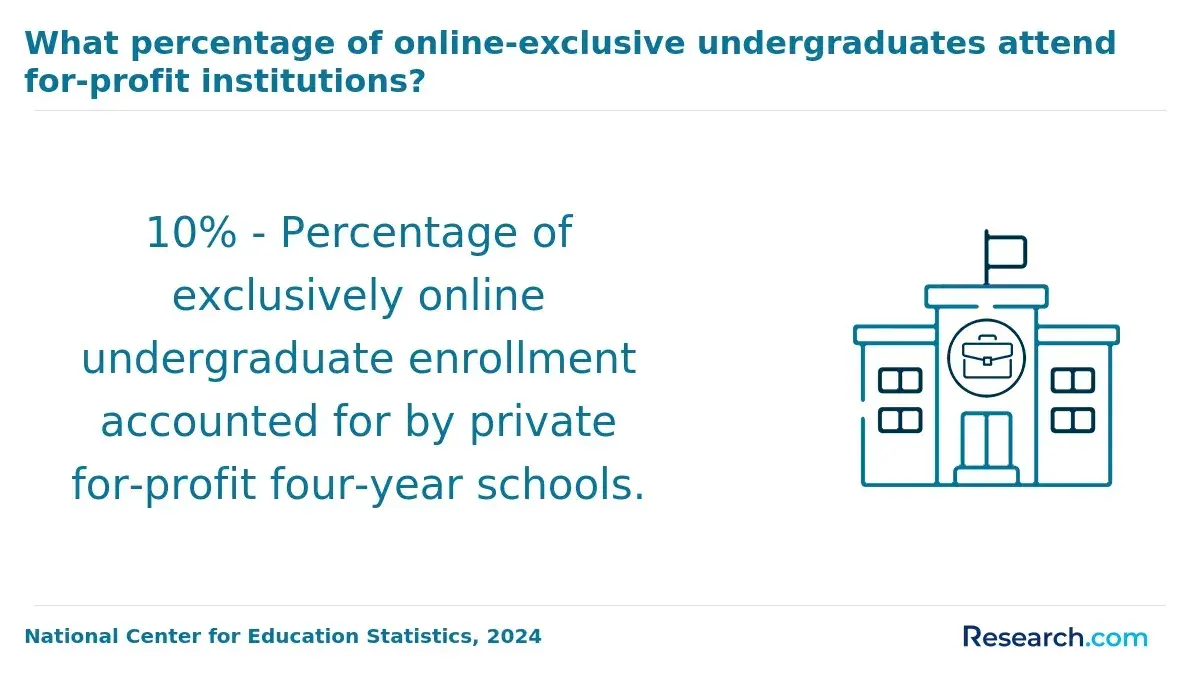
Data from the National Center for Education Statistics highlights distinct disparities in loan repayment rates between graduates of public and private sustainability degree programs. Two years into repayment, roughly 55% of public institution graduates manage to keep up with their student loan obligations, compared to about 48% from private institutions. These figures underscore persistent challenges in private sector repayment rates, reflecting broader trends in post-graduation financial resilience.
Understanding these differences requires more than noting percentages. It demands a closer look at the dynamics of borrowing patterns and earning potentials that shape repayment outcomes for sustainability graduates.
Sustainability students at public universities typically benefit from lower tuition costs, which directly translates to smaller average debt loads and thus reduces monthly repayment burdens. Conversely, private institution attendees often incur higher education costs, leading to larger loan balances that stress repayment capacity, despite comparable credential outcomes.
Income trajectories after graduation tend to correlate with these institutional tuition differences, as well as the availability of financial aid and career support infrastructure. These factors combine to shape the debt-to-income balance for graduates, with private institution borrowers facing steeper challenges despite frequently attending programs with robust branding or specialized offerings.
These repayment disparities have broader implications beyond immediate loan management. Students graduating from private sustainability programs may experience greater repayment stress, potentially limiting long-term financial mobility and delaying wealth accumulation. This dynamic influences perceptions of program value and institutional accountability, especially as employers in sustainability fields assess candidates on practical skills rather than institutional pedigree alone.
For students evaluating their options, including the consideration of affordable online MBA human resources pathways or comparing online sustainability program repayment rates, weighing institutional cost structures against expected income and employment outcomes remains critical for informed decision-making.
Which Industries Provide the Best Financial Return Relative to Borrowing Costs?
Financial returns for graduates with sustainability degrees vary significantly by industry, impacted not only by entry-level salaries but also by typical borrowing levels and income growth over time. Evaluating return on investment (ROI) requires balancing initial and mid-career earnings with the burden of student debt incurred during education.
Industries differ in hiring demand, salary trajectory, and how quickly graduates can reduce debt relative to income, making some sectors far more viable for managing loan repayment challenges than others.
- Renewable Energy: Median starting salaries often exceed $60,000, which, combined with steady industry expansion, supports stable debt repayment even with borrowing between $30,000 and $50,000. Rapid career progression bolsters long-term salary gains, reducing financial strain from student loans more effectively than most sustainability-related sectors.
- Environmental Consulting: Entry-level roles typically offer median salaries near $55,000, with demand for technical and communication skills fostering steady employment. Though fragmented, this sector presents diversified opportunities that enable graduates to negotiate incremental salary improvements, easing repayment pressure over time.
- Corporate Sustainability Management: Large companies paying in the $50,000 to $65,000 range provide promising pathways for upward mobility and increased earnings, critical for offsetting higher debt levels. This field's blend of business and technical competencies aligns with employer expectations, enhancing long-term financial resilience.
- Non-Governmental Organizations (NGOs) and Public Policy: Salaries frequently range from $40,000 to $48,000, resulting in greater repayment risks when borrowing surpasses typical thresholds. Slower salary growth and limited funding in these sectors mean graduates often face extended loan repayment periods or dependence on forgiveness programs to manage debt burden.
- Green Technology and Innovation: Emerging industries tied to sustainable tech development show growing hiring demand and competitive pay scales. Although initial salaries might vary widely, professionals with technical certifications can expect acceleration in earnings, improving their capacity to amortize student loans against evolving market needs.
Data from a 2024 U.S. Bureau of Labor Statistics and National Association of Colleges and Employers report emphasize that sectors like renewable energy and corporate sustainability offer some of the strongest alignments between salaries and typical borrowing levels, highlighting these areas as financially strategic choices for managing education-related debt.
Does Student Debt Affect Which Jobs Sustainability Graduates Accept?
Student debt burdens notably shape the initial employment choices of sustainability graduates, as repayment obligations often demand prioritization of salary over vocational alignment. With roughly 68% of graduates in sustainability-related fields carrying an average of $38,000 in student loans according to a 2024 report by the National Center for Education Statistics, the pressure to meet monthly payments frequently steers graduates toward higher-paying positions outside their chosen discipline.
Entry-level sustainability roles typically offer median salaries between $40,000 and $50,000, which may fall short of supporting loan repayment comfortably, incentivizing some graduates to accept less mission-driven but more financially stable jobs. This dynamic introduces a tangible tradeoff where immediate financial viability can outweigh early-career engagement with environmental or social missions, influencing labor market participation in sustainability sectors.
Beyond salary considerations, differences in debt levels create distinct behavioral patterns: graduates with heavier debt loads tend to limit geographic mobility and are less likely to accept delayed-gratification roles that build relevant experience but offer lower initial pay. Those with lighter debt might sustain longer-term strategies, accepting modest wages in sustainability to preserve career trajectory and employer alignment.
Structural factors such as sector-specific pay scales and the scarcity of sustainability positions with competitive compensation further complicate these decisions, often leading high-debt individuals toward corporate or government jobs outside core sustainability realms. Over time, this debt-driven divergence can hinder movement into targeted sustainability roles, as practical employer preferences emphasize prior experience and demonstrated commitment, thus compounding the initial debt-related employment tradeoffs. Students should also explore jobs for environmental science majors for related pathways.
One graduate described a slow, tense admissions cycle for a master's program that required careful financial timing. Faced with looming loan payments and uncertainty about acceptance, they hesitated to commit to internships in sustainability that paid minimally, fearing further debt accumulation without steady income.
The student ultimately chose a public agency position offering better pay but less direct environmental impact, viewing it as a pragmatic step while awaiting academic decisions. This experience highlighted how the interplay of debt repayment timelines, application rollouts, and job market realities can complicate strategic career entry for sustainability graduates balancing financial and professional goals.
What Factors Increase Student Loan Repayment Risk for Sustainability Graduates?
Student loan repayment risk among sustainability graduates stems from a combination of debt levels, income variability, job stability, and sector-specific financial dynamics rather than a single factor. The ability to manage repayment obligations depends heavily on both the amount borrowed and the consistency of earnings after graduation.
For many sustainability graduates, unique structural and labor market conditions compound repayment challenges, intensifying financial strain beyond what general student debt discussions typically address.
Key factors increasing student loan repayment risk for sustainability graduates include:
- Modest Entry-Level Salaries: Many sustainability-related roles, particularly in nonprofits and government agencies, offer wages below the national median for college graduates. This constrains regular loan repayment capacity, especially when borrowing levels align with broader higher education trends that see students financing substantial costs despite uncertain income.
- Employment Volatility and Career Progression: The project-based or funding-dependent nature of the sustainability labor market introduces frequent job transitions, contract variability, and underemployment periods. These fluctuations disrupt steady repayment patterns and exacerbate the risk of default or prolonged debt.
- High Borrowing Relative to Income: Approximately 43% of graduates in environmental and related fields carry federal student debt exceeding $30,000, a level empirically linked to repayment instability within five years. Elevated borrowing without corresponding income growth heightens vulnerability to financial stress.
- Limited Employer Repayment Assistance: Outside major corporations, loan repayment benefits are rare in sustainability sectors, removing a critical buffer against repayment hardship that many other fields provide through employer-sponsored programs.
- Geographic and Living Cost Pressures: With many sustainability jobs concentrated in urban or coastal regions, higher living expenses reduce disposable income available for loan payments, further complicating financial sustainability.
These intertwined challenges require sustainability students and graduates to weigh borrowing decisions carefully with realistic employment and income projections. Understanding these dynamics helps clarify repayment risk beyond conventional tuition and interest rate considerations, reflecting the actual repayment vulnerability factors for this field.
For comparison of affordability in related fields, prospective students might explore options such as a masters in library science online program where different repayment and income profiles may present alternative risk equations.
How Can Sustainability Students Reduce Student Loan Debt While Earning Their Degree?
Reducing student loan debt while earning a sustainability degree requires proactive planning that combines financial awareness with academic strategy and effective use of institutional resources.
Debt minimization depends on optimizing enrollment patterns, leveraging targeted financial aid, and integrating income opportunities to lower borrowing at every stage. Such approaches help students align their education with market realities and reduce long-term repayment obligations.
- Attend Cost-Effective Institutions Early Completing foundational coursework at community colleges or public universities offering transferable credits can significantly reduce tuition outlays. This academic efficiency lowers the total borrowed amount before advancing to specialized sustainability programs.
- Prioritize Scholarships and Grants Actively seeking and applying for scholarships and grants focused on sustainability and environmental disciplines is critical because these funds do not require repayment, directly decreasing reliance on loans. Targeted aid tends to consider both merit and field-specific criteria, enhancing affordability.
- Leverage Federal Work-Study Opportunities Participation in work-study programs provides an income stream aligned with academic schedules, enabling students to finance part of their education without increasing debt. This reduces borrowing needs while building relevant experience in sustainability sectors.
- Maintain Part-Time Enrollment While Working Enrolling part-time while holding paid internships or part-time jobs within sustainability-related fields not only offsets educational costs but also strengthens employability. Although this can extend time to degree, it mitigates high upfront borrowing and debt service risks.
- Borrow Strategically Monitoring loan interest rates and borrowing only essential sums is imperative because excessive borrowing increases monthly payments and financial vulnerability post-graduation. Awareness of cumulative debt growth informs smarter borrowing decisions adapted to individual capacity for repayment.
Data from the U.S. Department of Education shows sustainability students combining work and study are 25% less likely to graduate with loan balances exceeding $30,000. This highlights the tangible impact of integrated financial and academic planning in reducing student debt while studying sustainability programs.
For students considering accelerated paths, resources like research on the online architecture degree illustrate how program pacing and credit transferability also influence overall debt burdens.
How Should Prospective Students Evaluate Borrowing Risk Before Enrolling?
Assessing borrowing risk before enrolling in a sustainability degree is crucial for understanding its long-term financial impact. Prospective students need to weigh total expected debt against projected post-graduation earnings to determine if the investment is financially viable.
This involves examining institutional cost structures, debt levels, repayment terms, and realistic employment outcomes to avoid overextending financially.
- Debt-to-Earnings Ratio: Calculate the ratio of expected student debt to starting salary. With average debt near $30,000 and entry-level salaries around $50,000 in 2024, this metric helps gauge loan affordability relative to income, providing a baseline for sustainable repayment planning.
- Institutional Cost and Program Length: Consider tuition differences between public, private, and online institutions as well as program duration. Longer programs or costly institutions can increase debt burden, so assessing total cost upfront is key to avoiding excessive borrowing.
- Repayment Terms and Interest Rates: Evaluate loan interest rates, grace periods, and repayment schedules. Favorable terms reduce financial strain, while unfavorable conditions heighten risk, influencing monthly payment feasibility versus take-home pay.
- Employment Outcomes and Salary Trajectories: Research job placement rates and typical salary growth in sustainability-related roles. Understanding how quickly earnings can increase post-graduation affects debt servicing capacity and long-term financial stability.
- Program Value Beyond Salary: Assess internships, networking opportunities, and skill sets imparted. Strong career support can improve employment prospects, thereby mitigating repayment risks linked to underemployment or delayed job entry.
- Personal Career Plans and Field Variability: Recognize that sustainability encompasses diverse paths with varying income potential. Align borrowing decisions with realistic career goals to avoid debt burdens disproportionate to expected returns.
- Historical Debt Default Rates: Review default statistics for similar programs to identify high-risk borrowing environments. Programs with elevated default rates signal caution and warrant deeper scrutiny of financial commitments.
References
- Student Loan Calculator: Estimate Your Payments https://www.salliemae.com/college-planning/tools/student-loan-repayment-calculator/
- Green Loans or Sustainability Linked Loans: Which is Right for your ESG Investment? | Insights | Jersey Finance https://www.jerseyfinance.com/insights/green-loans-or-sustainability-linked-loans-which-is-right-for-your-esg-investment/
- Does Debt Affect Career Choice? | HESA https://higheredstrategy.com/does-debt-affect-career-choice/
- Understanding the student loan landscape | Brookings https://www.brookings.edu/collection/understanding-the-student-loan-landscape/
- Sustainability-linked loans: A strong ESG commitment or a vehicle for greenwashing? https://public.unpri.org/pri-blog/sustainability-linked-loans-a-strong-esg-commitment-or-a-vehicle-for-greenwashing/10243.article
- Effects of Student Loan Debt on Economy [2026]: Data Analysis https://educationdata.org/student-loan-debt-economic-impact
Other Things You Should Know About Sustainability Student Debt
Employers in sustainability-related fields often value experiential learning and relevant project work more than the prestige of the degree. Higher borrowing costs linked to certain programs may not translate to substantially better job prospects or salaries. Prospective students should weigh how the program's curriculum aligns with practical skill demands rather than assuming higher debt will yield proportional returns.
Sustainability programs can involve interdisciplinary coursework and fieldwork that demand significant time, limiting outside employment options. Students unable to work part-time might rely more heavily on borrowing, increasing monthly repayment burdens. Prioritizing programs with flexible schedules or integrated paid internships can help manage this tradeoff by reducing debt accumulation while maintaining academic progress.
Specialized tracks may increase upfront costs without guaranteeing higher income, especially if niche skills do not match broad market needs. Borrowers should critically assess if additional credentials align with employer demand or if general Sustainability education offers better flexibility. When repayment risk is a concern, focusing on comprehensive core competencies often carries less financial uncertainty than investing in expensive specializations.
Graduates often face fluctuating incomes early in their careers due to the sector's diversity and project-based roles. A rigid repayment plan might cause undue financial stress during lower-earning periods. Prioritizing income-driven repayment options and building emergency funds can mitigate risk, allowing graduates to adjust payments as their earnings stabilize rather than opting for the shortest loan terms that may not fit early career realities.