2027 Energy Engineering Degree Completion Time Report: How Long Students Actually Take to Graduate

Co-Founder and Chief Data Scientist
Completion timelines for energy engineering degrees often diverge from nominal program lengths due to complex academic and personal factors. Many students balance internships, co-op assignments, or part-time work that extend their study periods. According to the National Center for Education Statistics (2024), only about 40% of STEM undergraduates graduate within four years, reflecting challenges in course availability and progression adaptability.
Transfer credits, prerequisite chains, and evolving industry requirements add layers of uncertainty to planning. This article examines actual completion durations, highlighting how academic sequencing, workforce integration, and retention dynamics shape the pace of degree attainment in energy engineering fields.
Key Things to Know About Energy Engineering Degree Completion Time
- Most students take longer than the advertised program length. Only about 45% of first-time, full-time bachelor's students graduate within four years, while roughly 64% finish within six years, making the actual completion time longer for many learners.
- The average college graduate is often older than expected. The median age of bachelor's degree recipients is around 23 years, while master's degree recipients are typically in their early 30s, reflecting the growing number of adult and returning students.
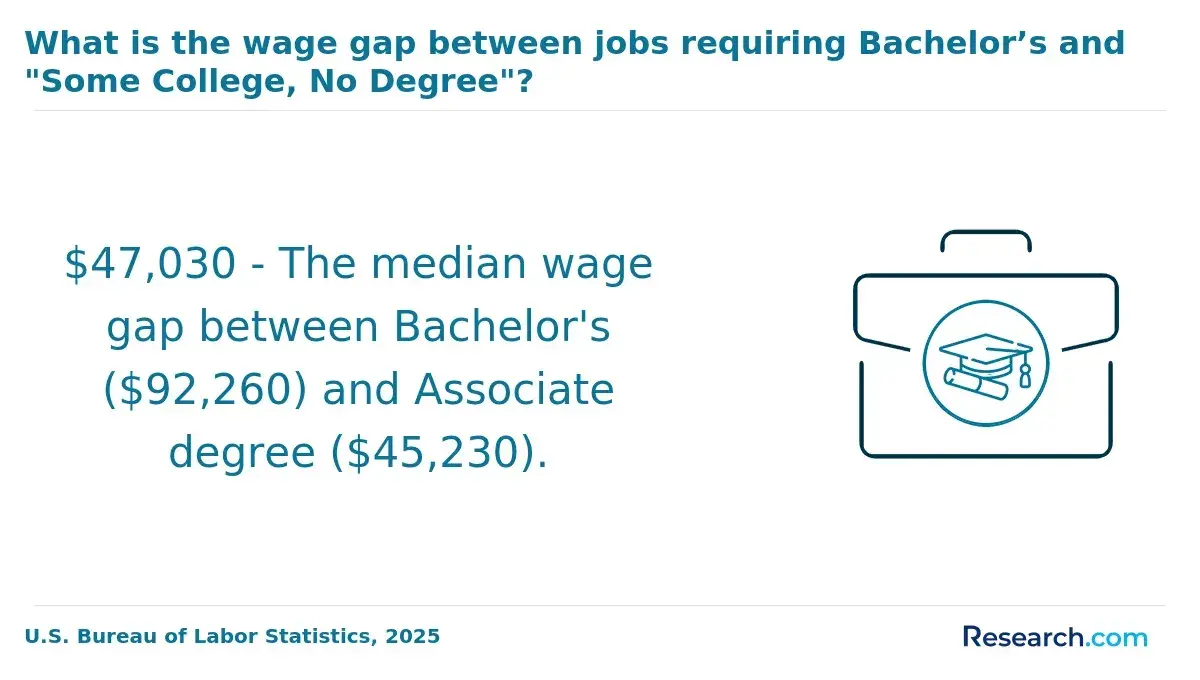
- Completing a degree can significantly increase lifetime earnings. Workers with a bachelor's degree earn roughly 65% more per week than those with only a high school diploma, and graduate degree holders typically earn even higher median wages over their careers.
- What Is the Average Graduation Time for Energy Engineering Students? Average Graduation Timeline
- What Factors Have the Biggest Impact on Graduation Speed? Graduation Timeline Factors
- How Does Full-Time Versus Part-Time Enrollment Affect Graduation Timelines? Full-Time vs. Part-Time Graduation Timeline
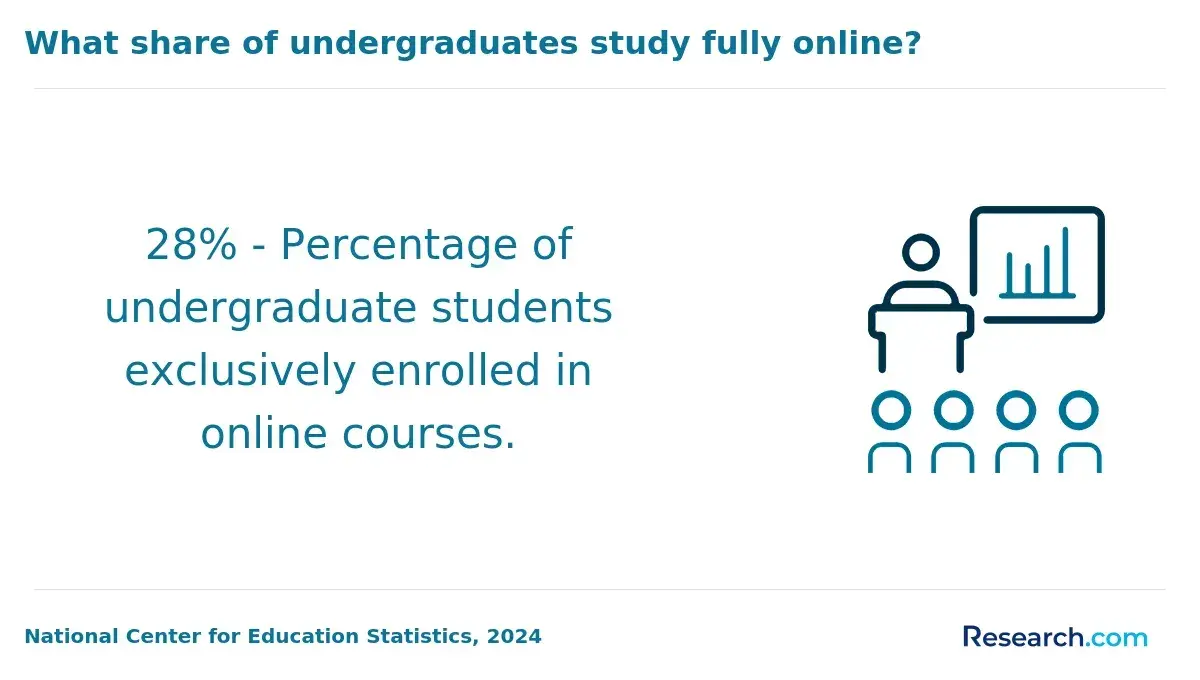
- Do Online Energy Engineering Students Graduate Faster Than Campus-Based Students? Online vs. On-Campus Graduation Timeline
- How Many Months or Years Can Transfer Credits Save? Transfer Credits
- Do Accelerated Energy Engineering Programs Significantly Reduce Completion Time? Accelerated Program Timeline
- Which Energy Engineering Program Requirements Most Often Extend Graduation Timelines? Factors Extending Graduation Timeline
- Does Taking Longer to Graduate Increase the Cost of a Energy Engineering Degree? Impact on Program Cost
- Does Graduating Faster Improve Career Prospects? Impact on Career Prospects
- Which Scheduling Mistakes Commonly Delay Graduation? Mistakes to Avoid
What Is the Average Graduation Time for Energy Engineering Students?
Completion of an energy engineering degree generally falls within a four to five-year window for full-time students, mirroring timelines typical of most STEM majors. This average energy engineering degree completion time aligns with the structured coursework and the depth of technical training required. Part-time students, frequently working professionals or those managing significant personal commitments, often extend this timeline by a year or two, reflecting the challenge of balancing study with other responsibilities. The typical graduation timeline for energy engineering students thus varies considerably based on enrollment intensity and individual circumstances.
The range in graduation timelines can largely be attributed to variations in program design and student pathways. Transfer students, who comprise roughly 20-25% of energy engineering undergraduates, may face delays if credits don't fully transfer due to course equivalency issues. Additionally, programs that incorporate internships, co-op placements, or research components often lengthen study duration but provide practical experience highly valued by employers.
Institutional factors such as prerequisite sequencing, course availability, and changes in major also significantly impact how long students take to graduate. Online, part-time, and campus-based formats each bring distinct pacing challenges, further diversifying completion patterns.
Understanding these dynamics is essential for academic planning and realistic expectation-setting, especially given the financial and career timing implications connected to degree completion. Extended graduation periods increase overall educational costs and delay entry into the workforce, which has downstream effects on early career advancement opportunities.
For students weighing program options, exploring alternatives such as the easiest masters programs to get into might offer pathways that better align with personal goals and timelines without compromising educational quality.
What Factors Have the Biggest Impact on Graduation Speed?
Graduation speed for energy engineering students is shaped by a mixture of academic planning, enrollment strategies, and external demands rather than any single element. Understanding how these factors combine to influence progression helps students and planners set realistic expectations regarding course loads, transfer credits, and program delivery formats. These dynamics explain why completion timelines can vary so widely, even within identical curricula.
Awareness of these influences also aids in making deliberate choices about full-time versus part-time status and flexible scheduling.
- Enrollment Status and Program Delivery Format: Full-time enrollment significantly accelerates degree completion compared to part-time status, as the regularity of course-taking maintains academic momentum. Programs offering synchronous, in-person classes versus asynchronous online options also vary in their pacing potential, with some working adults preferring flexible formats that, while accommodating external responsibilities, often extend time to graduation.
- Transfer Credits Impact on Degree Completion Time: Students who enter energy engineering programs with applicable transfer credits or associate degrees can bypass foundational courses and reduce overall time to degree. However, the variability of articulation agreements and course equivalencies means transfer credit application is not consistently straightforward, sometimes delaying progress if credits are not accepted or require additional validation.
- Work and Life Commitments: Balancing employment, family, or military service alongside academic responsibilities often necessitates part-time enrollment or reduced course loads, stretching graduation timelines. Although flexible scheduling options exist, the need to juggle external obligations frequently interrupts continuous study patterns essential for timely completion.
- Program Curriculum Structure and Sequence: Rigid course sequencing with prerequisites can create bottlenecks where missing a term for required classes delays subsequent courses, thereby extending degree length. Conversely, programs that incorporate flexible electives and offer summer or intersession terms provide opportunities to accelerate credit accumulation and counteract delays caused by unavoidable interruptions.
- Institutional Academic Support: Engagement with academic advising, tutoring services, and career counseling positively correlates with retention and on-time graduation. Studies show students who consistently utilize these supports are 15% more likely to graduate within four to five years, as proactive guidance helps navigate complex degree requirements and course planning.
How Does Full-Time Versus Part-Time Enrollment Affect Graduation Timelines?
Graduation timelines in energy engineering programs vary significantly between full-time and part-time students, with full-time enrollment more consistently aligning with the standard four to five-year completion window. This pattern reflects the structured nature of these programs, designed for continuous, full-course loads that facilitate steady progress through sequential prerequisites and specialized technical modules. By contrast, part-time students commonly extend their studies beyond six years, influenced by a slower accumulation of credit hours and interruptions caused by competing non-academic responsibilities.
The divergence in completion speeds stems from intertwined structural and personal factors. Energy engineering curricula often require strict sequencing of lab-intensive and cohort-based courses available only during specific semesters, limiting flexibility for part-time students. Additionally, many part-time enrollees juggle professional roles or family care, diluting their academic focus and elongating their pathways through the degree. These constraints are compounded by institutional policies that may restrict simultaneous enrollment in overlapping prerequisite courses, further slowing overall progress for those not enrolled full-time.
Enrollment decisions in energy engineering also carry longer-term implications for financial planning and workforce integration. Full-time students tend to maintain academic momentum and benefit from faster workforce entry, which can translate into earlier career earnings and advancement opportunities. Although part-time enrollment offers greater immediate affordability and accommodates working adults' schedules, it can delay professional certification and the financial returns associated with degree completion.
According to updated analyses from the National Center for Education Statistics from 2024, these differences underscore the need for prospective students to weigh educational pacing against personal and economic priorities carefully.
Do Online Energy Engineering Students Graduate Faster Than Campus-Based Students?
There is a common assumption that online energy engineering students, benefiting from flexible schedules and self-paced learning, graduate faster than those attending traditional on-campus programs. However, data from the National Center for Education Statistics in 2024 challenges this view, showing that completion times for online and campus-based students generally fall within a similar four- to six-year range.
The variation in graduation speed depends more significantly on individual circumstances and enrollment patterns than on the mode of instruction itself. A report from the American Society for Engineering Education noted that about 35% of online learners finish within four years, compared to roughly 40% of their on-campus peers, suggesting only modest differences when controlling for factors like part-time versus full-time status.
The pace of degree completion is influenced by several intertwined factors beyond delivery method. Online energy engineering programs often appeal to working adults who balance full-time employment with coursework, extending their time to graduate despite flexible scheduling. Conversely, campus-based students might leverage in-person access to academic advising and labs, potentially accelerating their progress. Institutional policies such as transfer credit acceptance and availability of accelerated courses also affect timelines equally across modalities.
Additionally, required internships or co-op placements, common in energy engineering, demand time commitments that do not vary with instructional format but influence overall duration.
Choosing between online and campus formats also involves considering the interaction of modality with discipline-specific demands and time management skills. Online learners face distinct challenges in maintaining structured study habits without the routine of physical campus engagement, which can slow progression if discipline wanes. Meanwhile, on-campus students may advance more quickly when they can immerse themselves full-time but might struggle balancing outside responsibilities.
Ultimately, the choice impacts not only the length of study but also the timing of career entry and preparedness, reflecting nuanced tradeoffs rather than straightforward modality advantages.
How Many Months or Years Can Transfer Credits Save?
Transfer credits can reduce the total time required to complete an energy engineering degree by varying amounts, typically anywhere from a few months to over a year. This range depends largely on how many credits a student can transfer and how well those credits align with the receiving institution's curriculum. For example, students entering with 30 to 60 credits often shave off roughly one academic year, but this is not guaranteed since transferred credits generally cover lower-division general education or foundational coursework rather than advanced, major-specific classes.
The impact of transfer credits on the energy engineering degree timeline also depends on how tightly the program sequences its core requirements and the extent to which courses overlap with previous study. Notably, recent data from the National Student Clearinghouse Research Center indicates that students leveraging transfer credits from accredited institutions can save between one and two full academic years compared to those starting as freshmen, reflecting the significant but uneven potential for accelerated completion.
Several factors influence the actual time saved through transferred credits, including accreditation compatibility between institutions, course equivalency evaluations, residency mandates, and institutional credit transfer policies. Most programs require transferred courses in relevant subjects to have a minimum grade of C or better, and assessing course equivalencies can add administrative delay, potentially offsetting some of the time savings. Additionally, many universities cap the number of transferable credits, limiting how much prior work can shorten the degree.
Students must also navigate program-specific sequencing rules; transferred credits often apply to prerequisites or electives but rarely satisfy advanced major requirements, making it necessary to complete key energy engineering classes in order. Consideration of these factors is critical because assuming a uniform credit transfer impact overlooks the complexity of degree pathway flexibility and institutional constraints.
Transfer credits affect more than just the timeline-they also influence academic planning, financial costs, and how remaining coursework is scheduled. For working adults balancing study with employment, reduced semesters on campus can lower educational expenses and facilitate earlier workforce entry. However, employers tend to value mastery of advanced energy engineering topics and hands-on experience, so rushing degree completion solely through transfer credits may sacrifice opportunities for internships or practical learning.
Strategic credit transfer planning, supported by articulation agreements between institutions, has been shown in government data from the Integrated Postsecondary Education Data System to reduce typical degree times from four to about 3.5 years. Students weighing how transfer credits impact energy engineering degree timelines should approach decisions with attention to program requirements, institutional policies, and longer-term career readiness rather than solely focusing on accelerating graduation.
For alternative accelerated degree options, some may also consider an accelerated business degree online program as a potential pathway with differing curricular structures and timelines.
Do Accelerated Energy Engineering Programs Significantly Reduce Completion Time?
Accelerated energy engineering programs aim to compress the traditional four to five-year degree timeline into two or three years by increasing course density and rearranging curriculum sequencing. These programs often rely on full-time enrollment, heavier credit loads per term, and streamlined prerequisite paths to expedite progression through required coursework. The intention is to reduce total semesters while maintaining a comprehensive curriculum, usually without eliminating essential experiential components like internships or capstone projects. However, this design demands consistent and focused pacing, which may limit flexibility for students balancing external responsibilities.
Whether accelerated programs deliver meaningful time savings depends heavily on several structural factors. Increasing credit load per term can speed completion only if students maintain satisfactory academic performance under intensified study conditions. Course sequencing flexibility plays a crucial role; bottlenecks in prerequisite chains or rigid scheduling of specialized classes can delay progress despite an accelerated framework.
Additionally, programs that keep internships, research projects, or comprehensive exams unchanged in duration offer less room to shorten overall completion time. Institutional policies on course availability and academic advising support further affect actual timeline reduction, sometimes offsetting projected gains from faster curricular pacing.
The trade-offs inherent in accelerated formats often surface as increased workload stress and reduced scheduling latitude, which can challenge students' ability to absorb complex material deeply. While timely graduation is an advantage, it may come at the expense of experiential immersion or opportunities to engage in supplementary learning activities.
Consequently, students must weigh the benefits of a condensed timeframe against potential impacts on mastery, networking, and long-term readiness, particularly in a technically demanding field like energy engineering.
Which Energy Engineering Program Requirements Most Often Extend Graduation Timelines?
Extended graduation timelines in energy engineering programs are more often driven by embedded curricular components than by overall credit loads. These elements reflect rigorous preparation standards aligned with employer expectations but introduce structural constraints on pacing and course sequencing. Understanding how these requirements function within academic and industry contexts clarifies why completion often takes longer than the nominal four years.
- Laboratory and Internship Requirements: These hands-on experiences are essential for applied technical skill development, yet they demand significant scheduling flexibility across academic terms. Internships and lab rotations often cannot be compressed into a single semester, leading many students to spread these commitments over multiple periods, which lengthens time to degree. Workforce data from 2024 indicates up to 40% of students report these practical requirements as a major factor in delayed graduation.
- Sequential Core Courses and Prerequisite Bottlenecks: Advanced topics such as thermodynamics and systems modeling often require strict prerequisite completion. Programs typically enforce rigid sequencing, which can halt student progression if a course is available only once per academic year. This disproportionately affects transfer and part-time students, whose access to required classes can be constrained by institutional scheduling policies.
- Capstone Projects and Thesis Work: These integrative components represent intensive time investments requiring coordination with faculty and, frequently, external partners. The need for multi-semester collaboration and deliverables adds complexity that delays graduation, especially for students pursuing research-heavy or industry-aligned projects. Employment studies in 2024 observe a 15-20% increase in time to completion for students undertaking these demanding projects compared to those on traditional course-only tracks.
- General Education and Elective Credits: Non-major coursework remains a significant time factor, particularly for students without extensive transfer credits. Universities mandate these credits to ensure broad academic foundation, but they can extend total program length when balanced against dense major requirements. Labor Department research highlights that roughly one-third of energy engineering students face delays partly due to these additional obligations.
Does Taking Longer to Graduate Increase the Cost of a Energy Engineering Degree?
Taking longer to graduate from an energy engineering degree program typically raises total tuition and related expenses due to the cumulative nature of per-term charges and the possible expiration of financial aid eligibility tied to standard completion timelines. Many institutions charge tuition based on enrollment status each semester, so additional semesters increase direct costs. Furthermore, extended enrollment often triggers extra fees, such as those for retaking courses or staying enrolled beyond a certain credit threshold, adding to the overall financial burden.
The financial effects of extended energy engineering graduation timelines are compounded by lost earning potential, as delayed entry into the workforce postpones salary accumulation within a field where starting wages can vary significantly. According to industry data, early career energy engineers can expect salaries ranging widely; missing multiple years of workforce experience due to prolonged degree completion can materially impact lifetime income prospects and career progression.
However, the financial impact of extended timelines may not be uniform across all programs or student circumstances. Some schools offer flat-rate tuition models or lower per-credit costs for part-time students, which can mitigate the incremental costs of spreading coursework over a longer period. Employer tuition assistance and flexible enrollment policies also influence how enrollment pacing affects total expenses.
Enrollment behavior, such as part-time status or using summer terms, allows students to balance coursework and work commitments, potentially reducing opportunity costs even if calendar time increases. While taking longer to graduate tends to increase energy engineering degree completion cost impact, there are cases where strategic academic planning and financial aid structures soften this effect.
Students should evaluate how institutional pricing models and enrollment options interact based on their unique situation to understand their true cost trajectory, and for those exploring nontraditional pathways, comparing options like an online human services degree can provide insight into program pacing and cost tradeoffs in related fields.
Does Graduating Faster Improve Career Prospects?
Graduating faster from an energy engineering degree program can accelerate entry into the workforce, offering an earlier start to professional experience and a quicker reduction of educational debt. However, employers rarely prioritize the speed of degree completion as an isolated factor during hiring. Instead, the timing advantage is often balanced against the perceived depth of a candidate's expertise, the quality of practical experience gained, and evidence of problem-solving abilities, all of which matter significantly to hiring managers evaluating energy engineering degree career advancement.
The impact of faster graduation on job opportunities largely depends on whether students secure internships or co-op placements that provide relevant, hands-on experience alongside academic achievement. Employers in technical engineering sectors often favor graduates who present strong portfolios, higher GPAs, and professional certifications over those who simply finish early. Networking opportunities and exposure to complex concepts encountered late in the curriculum also shape long-term employability, highlighting that an accelerated timeline without comprehensive skill mastery may limit competitiveness for more advanced roles in the energy sector.
Balancing speed with experiential depth is crucial since faster completion can restrict time available for internships or professional development critical in energy engineering fields. Students should weigh the trade-offs between reducing program length and cultivating the competencies demanded by employers. Practical career readiness, professional networking, and mastery of industry standards frequently outweigh the benefits of merely graduating early.
For those exploring compressed academic routes, options like an accelerated architecture degree program may offer insights into how timing intersects with skill acquisition, even if the disciplines differ.
Which Scheduling Mistakes Commonly Delay Graduation?
Delays in graduation for energy engineering students frequently stem from avoidable scheduling and enrollment errors rather than academic difficulty alone. These issues affect learners across degree levels and program formats by interrupting steady academic progress. Understanding the interplay of course sequencing, credit policies, and enrollment decisions is essential to navigating the structured curriculum efficiently and preventing extended time to degree completion.
Common scheduling mistakes include:
- Poor Prerequisite Sequencing: Energy engineering programs have tightly linked prerequisite chains that require careful term-by-term planning. Missing or misaligning one key course delays subsequent core classes, effectively adding whole semesters to the timeline
- .Inconsistent Enrollment Patterns: Taking fluctuating credit loads or part-time semesters, often due to work or personal obligations, disrupts the steady pace needed for on-time graduation. Nearly 60% of extended engineering students attribute their delays to part-time enrollment.
- Mismatched Transfer Credits: Transfer students often face delays when previous coursework doesn't fully apply, requiring retakes or additional courses. This mismatch complicates adherence to sequential degree pathways common in energy engineering curricula.
- Misplaced Elective Priorities: Choosing electives without strategic alignment to technical requirements can crowd schedules and delay crucial core courses. Poor academic advising often exacerbates this challenge.
- Underestimating External Time Demands: Overcommitting to jobs or responsibilities while enrolled strains students' capacity to maintain full credit loads and timely course completion.
These factors interact within institutional progression logic to create bottlenecks, underscoring the need for proactive, informed enrollment strategies to uphold consistent academic momentum and meet workforce entry expectations.
Other Things You Should Know About Energy Engineering
Internship and co-op components often add several months to the overall time needed to complete an energy engineering degree, but they provide practical experience that employers highly value. While these work experiences can delay graduation, they typically increase job readiness and can shorten the time it takes to secure relevant employment afterward. Students should weigh the short-term extension against potential long-term career benefits, prioritizing programs that integrate paid or credit-earning work placements without excessive disruption to academic progress.
Completing technical electives early can help maintain a steady course load and minimize scheduling conflicts with required core courses later. However, spacing electives out allows students to better balance workload with co-curricular activities or employment obligations. For energy engineering students aiming to graduate on time, prioritizing early completion of electives tends to reduce last-semester bottlenecks and prevents unexpected delays caused by limited course availability in later terms.
Balancing part-time work with energy engineering studies often extends the time to degree completion. The 2027 report suggests that students carefully plan their coursework and ensure effective time management to mitigate this effect. Building a structured schedule that prioritizes academic obligations can help strike a successful balance.
While part-time work provides vital income and industry connections, it often slows progress due to reduced course loads and increased time needed to complete projects. Energy engineering students balancing jobs must realistically assess their capacity to handle complex coursework alongside employment. If timely graduation is a priority, limiting work hours during semesters with heavy technical demands is advisable to avoid prolonged degree timelines and potential burnout.