2027 Sociology Degree Growth by State: Where Interest Is Rising the Fastest

Co-Founder and Chief Data Scientist
States experiencing rapid growth in sociology degree enrollment often face unique economic shifts, workforce demands, or policy changes that reshape higher education trends. For instance, regions expanding online learning options and flexible admissions saw a 15% increase in sociology program entrants in 2023, according to the National Center for Education Statistics. This reflects a larger trend of adult learners and career changers seeking adaptable pathways that accommodate evolving job markets and life circumstances.
Understanding which states lead this growth—and why—offers critical insight into local labor needs, regulatory environments, and institutional priorities that shape graduate opportunities and program accessibility.
Key Things to Know About the State Where Sociology Degree Interest Is Rising the Fastest
- States like Texas show rising sociology enrollments tied to expanding workforce demands in urban planning, but slower credentialing processes create delays between education and employment, complicating timely career entry.
- Florida's regulatory environment favors flexible online programs, responding to adult learners balancing work, yet this accessibility introduces tradeoffs with reduced in-person networking crucial for some sociology career pathways.
- California's demographic shifts and surging college-age populations drive demand, but higher living costs compel students to weigh longer program durations against immediate financial viability within saturated local job markets.
- Which States Are Seeing the Fastest Growth in Sociology Degree Enrollment? States Seeing the Fastest Growth in Enrollment
- What Does Enrollment Growth in Sociology Programs Actually Tell Prospective Students? Interpreting Enrollment Growth
- How Do Regional Job Market Conditions Drive Sociology Degree Demand by State? Role of Regional Job Market Conditions
- Which States Have Added the Most New Sociology Degree Programs in the Last Five Years? States That Have Added the Most Programs
- How Has the Rise of Online Education Changed Which States Lead in Sociology Program Interest? Role of Online Education in Increased Program Interest
- What Demographic Trends Are Fueling Sociology Degree Growth in Specific States? Demographic Trends Fueling Growth
- How Do State Funding Levels for Sociology Services Influence Degree Program Growth? Role of State Funding Levels
- Which States Are Emerging as Unexpected Leaders in Sociology Degree Interest? States Emerging as Unexpected Leaders in Growth
- How Does State Population Size Affect the Interpretation of Sociology Degree Growth Data? Role of State Population Size
- What Role Do State Licensing Requirements Play in Driving or Suppressing Sociology Enrollment? Role of State Licensing Requirements
Which States Are Seeing the Fastest Growth in Sociology Degree Enrollment?
The fastest-growing sociology degree enrollment states reflect deeper shifts in regional economies and institutional priorities that influence both graduate and undergraduate pipelines. Nationally, the uptick in sociology education aligns with broader trends favoring social sciences programs capable of addressing complex social issues such as inequality, policy evaluation, and community development.
However, this growth is neither evenly spread nor purely demand-driven; it often indicates strategic alignment between academic offerings and local labor market needs, affecting graduate employability and return on educational investment.
- California: California's demographic diversity and investment in interdisciplinary research create an environment where sociology graduates gain skills applicable in urban planning, public health, and social policy roles. The rapid enrollment growth here signals institutional responsiveness to multifaceted workforce demands, although competition among graduates may require strategic specialization.
- Texas: As Texas experiences population booms and urban expansion, sociology programs adapt by emphasizing applied research connected to community development and regional economic initiatives. For students, this means program choice in Texas often entails practical engagement opportunities but also navigating programs that vary widely in resources and professional networks.
- Colorado: The surge in sociology enrollment correlates with a young, tech-oriented population increasingly interested in data-driven social science applications. Colorado's universities reflect this through curricula blending sociology with analytics, offering pathways into sectors reliant on social data interpretation—yet students must weigh the tradeoff between traditional theory and applied skillsets for diverse career trajectories.
- North Carolina: Growth in graduate sociology enrollments relates closely to healthcare and social services expansion statewide, with educational programs tailored to these sectors. This regional focus affords graduates distinct employability advantages in public and nonprofit domains but may limit broader labor market flexibility without supplementary skills.
- Washington: Enrollment growth here mirrors rising interest in social justice and policy-related programs supported by a mix of public and private institutions. Prospective students should consider how the strong advocacy ethos impacts academic culture and graduate positioning, especially within nonprofits and government agencies where mission alignment often informs hiring.
These rapidly growing states show a geographically diverse pattern rather than clustering in a single region, highlighting how local economic conditions, demographic trends, and policy priorities jointly drive sociology enrollment rates. Evaluating these fastest-growing sociology degree enrollment states is critical for prospective students who must balance program reputation, curricular focus, and regional labor market dynamics.
Given the increasing demand for specialized skills, those considering the field may also benefit from exploring expedited doctoral options available online, such as the easiest doctorate to get, enabling a more nimble response to evolving job market requirements.
What Does Enrollment Growth in Sociology Programs Actually Tell Prospective Students?
Relying solely on enrollment growth to gauge sociology program quality can mislead prospective students, as increased numbers do not inherently signal academic rigor or successful career outcomes. For example, a program recruiting heavily without adequate student support may inflate its figures, leaving graduates underprepared for real-world job markets.
Raw enrollment data offers an initial sense of interest but must be contextualized with outcomes and workforce alignment. Evaluating growth through multiple lenses reveals whether expansion reflects genuine demand for sociological expertise or simply marketing-driven enrollment spikes.
- Retention Rates: Sustained student retention indicates strong academic support and program stability beyond mere recruitment.
- Graduation Rates: High enrollment means little if a program struggles to graduate students, which affects timely entry into the workforce.
- Job Placement Outcomes: Evaluating whether alumni secure relevant positions within sociology-related or interdisciplinary fields highlights practical employability.
- Licensure Pass Rates: For regions where sociology graduates pursue regulated careers, licensure success measures program effectiveness in professional preparation.
- Recruitment Practices: Enrollment driven by relaxed admissions or aggressive marketing may dilute educational quality and limit credential value.
- Labor Market Demand: Growth grounded in authentic regional needs for sociology professionals is preferable to expansion motivated solely by institutional targets.
- Direct Outreach: Conversations with current students and alumni can reveal nuances about educational experience and career relevance missed by statistics alone.
Students should combine enrollment growth data with outcome metrics and firsthand accounts to judge whether a program's trajectory aligns with their career goals in diverse economic and regulatory environments.
How Do Regional Job Market Conditions Drive Sociology Degree Demand by State?
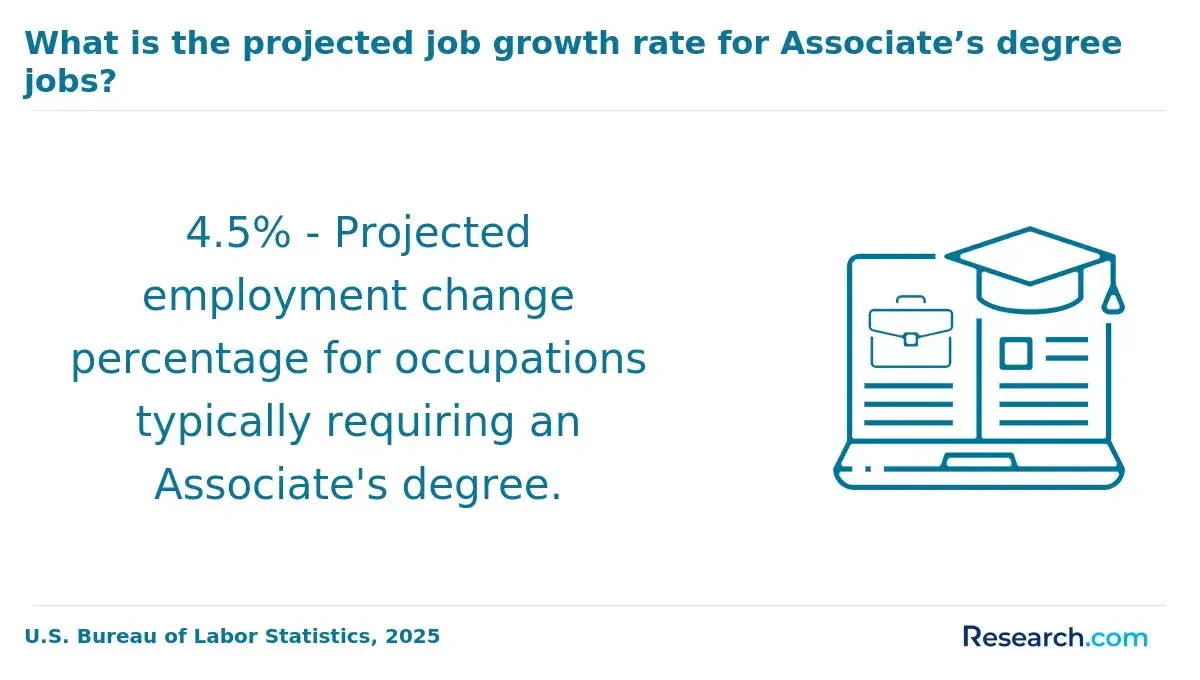
State-level labor market dynamics directly shape the demand for sociology degree holders, influencing where graduate enrollment growth is most pronounced. Regions with expanding healthcare sectors, growing public service roles, aggressive school district recruitment, and employer-driven hiring incentives typically see a surge in demand for professionals with sociology expertise.
These factors not only affect job availability but also impact practicum accessibility and negotiation power for starting salaries. Taking a data-driven approach based on Bureau of Labor Statistics projections and state workforce reports helps clarify why some states attract more prospective sociology graduate students.
- California: The state's ongoing expansion in healthcare services alongside strong public sector growth generates a steady need for sociology professionals. Large-scale hiring in K-12 education and robust social service funding further underpin rising enrollment in graduate sociology programs.
- Texas: Rapid demographic growth pressures social infrastructures, pushing state investments into community outreach and social work roles. Employer incentive initiatives in metro areas advance diversity efforts, directly boosting hiring of sociology graduates.
- New York: The extensive healthcare network combined with governmental community service expansions creates an evolving environment where graduate sociology candidates find valuable practicum placements and solid job prospects through state and city agency collaborations.
- Florida: Escalating eldercare demands and public health strategies drive growth in sociology-related positions, particularly in healthcare support and urban planning sectors. Partnerships between educational institutions and employers help accelerate graduate transitions into regional job markets.
- Washington: The technology sector's urban social impact, along with expanding public roles, increases the demand for sociologists specialized in social policy and community research. Employer-backed incentive programs enhance hiring opportunities for advanced degree holders.
Those exploring sociology graduate programs must evaluate how state-specific workforce trends intersect with educational resources and job market conditions. A vibrant labor market often means stronger internship and practicum networks, which crucially shape graduate readiness and marketability. Conversely, applying to programs in regions with limited employer demand can reduce access to paid placements and weigh against competitive starting salaries.
Prospective students and career changers should integrate this regional economic intelligence with curricular fit and career objectives. For more insight into educational choices and cost considerations, especially when balancing workforce outcomes, exploring online accounting classes can provide a parallel framework for assessing program affordability linked to practical employment returns.
Which States Have Added the Most New Sociology Degree Programs in the Last Five Years?
Growth in sociology degree programs across several states reflects strategic responses to shifting workforce demands and demographic changes rather than simple academic expansion. States differ in whether they emphasize new program launches, online track additions, or scaling existing offerings—each approach impacting student options and labor market alignment differently.
- California: The surge in new accredited sociology programs here is intertwined with substantial state grants supporting social sciences. This funding targets applied sociology and urban studies, mirroring California's diverse demographics and policy focus on social equity, which attracts institutions eager to tap into these areas.
- Texas: The state's largest growth stems from adding online sociology degree options to accommodate its geographically dispersed population. Universities and community colleges respond to competitive pressures by innovating curricula toward social services and public policy, reflecting employer demand for graduates skilled in these sectors.
- Florida: Expansion tends to come from existing programs increasing enrollment capacity to meet needs linked to an aging population. Workforce shortage designations in social welfare drive this, prompting universities to develop concentrations in gerontology and community health, areas increasingly critical to regional labor markets.
- Pennsylvania: This state leverages accreditation incentives that encourage rigorous curriculum development, fueling both new program launches and expansions. The blend of strong research institutions helps support specialized fields like criminology and environmental sociology, addressing specific workforce niches.
- Washington: Growth arises primarily through online track introductions aligned with education policies favoring accessibility and interdisciplinarity. Programs emphasize connections between sociology, technology, and social innovation—fields attracting employers focused on emerging labor trends.
Institutional motivations in these states often include competition for enrollment, state-driven financial incentives, and responses to workforce shortages highlighting sociology graduates' market value. For students, more programs in a state mean a wider variety of specializations but also create a more complex financial aid environment with variable tuition and scholarship offerings. This scenario underscores the importance of evaluating curricula, costs, and support structures across multiple programs before making enrollment decisions.
One sociology graduate recalls applying during a period of rapid program growth: "She hesitated to commit early because some programs were still finalizing admissions criteria related to new online tracks. Waiting felt risky, but it allowed her to compare financial aid packages more thoroughly. The delay wasn't ideal, yet it ended up giving her leverage to negotiate and select a program better aligned with her career goals."
This experience illustrates the practical tradeoffs applicants face amid expanding program landscapes, where timing, program maturity, and financial considerations intersect unpredictably.
How Has the Rise of Online Education Changed Which States Lead in Sociology Program Interest?
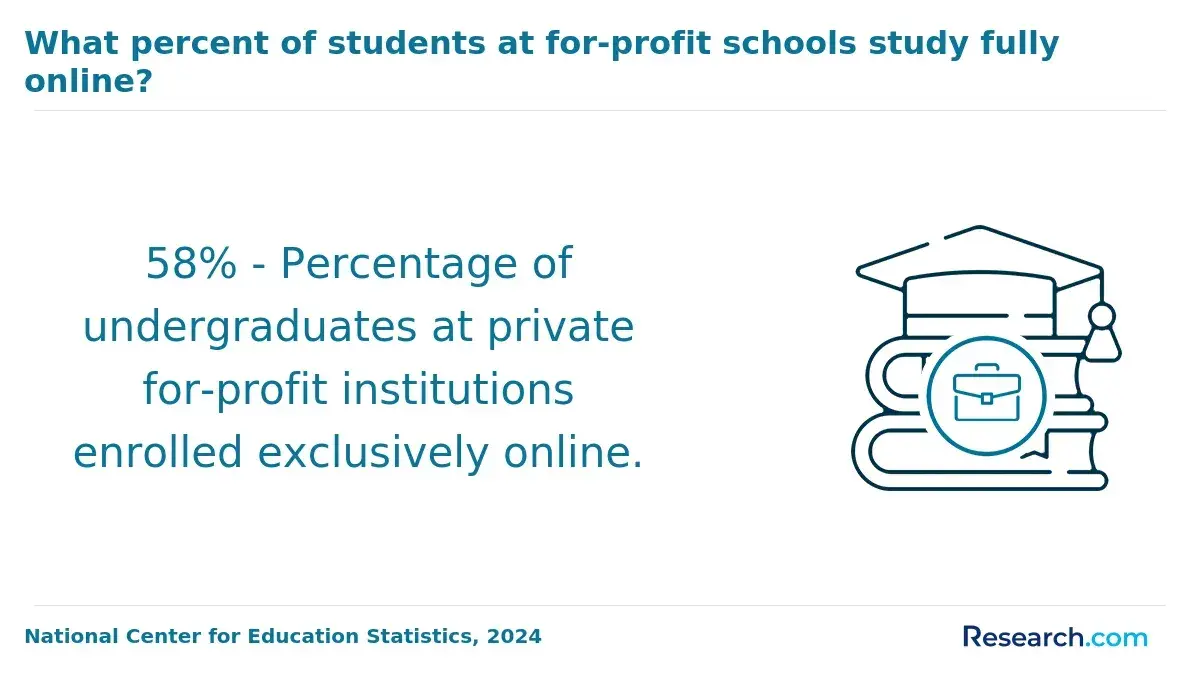
The expansion of fully online sociology graduate programs has fundamentally shifted the state-level patterns of enrollment growth by removing the need for students to attend institutions near their residence. States that have developed strong online offerings with credible accreditation, respected faculty, and competitive tuition are now attracting significant numbers of out-of-state students, effectively becoming national education hubs rather than serving primarily local or regional populations.
This geographical uncoupling has real consequences: students benefit from unprecedented program choice but must navigate the complexities of state-specific licensure and employment regulations, which have not evolved at the same pace as educational delivery models.
- Accessibility: Online formats eliminate traditional barriers tied to location, enabling learners from remote or underserved areas to access reputable sociology programs they would otherwise be unable to attend.
- Attraction: States hosting well-established online sociology programs with demonstrable quality and academic prestige see disproportionate enrollment growth from a national pool of applicants.
- Cost Considerations: Tuition differences across states influence student decisions, with more affordable options drawing out-of-state candidates despite potential geographic inconvenience for practical components.
- Regulatory Complexity: Despite flexible access, state-specific licensure and credentialing rules remain a critical barrier affecting graduates' eligibility to work in certain jurisdictions, demanding thorough student due diligence.
- Institutional Strategy: Universities increasingly position online programs as national offerings, shifting recruiting focus and resources to capture a wider, geographically dispersed applicant base.
- Student Implications: Expanded access comes with increased responsibility to verify how program credentials translate within one's target labor market and meet professional standards locally.
- Market Impact: States without competitive online sociology programs risk lagging behind in workforce development as educational and employment opportunities concentrate in leading states.
What Demographic Trends Are Fueling Sociology Degree Growth in Specific States?
Enrollment growth in sociology degree programs is disproportionately concentrated in states experiencing specific demographic pressures that directly affect social service needs and policy demands. Candidates who ignore these population-driven realities risk selecting pathways that may face stagnant or oversupplied local labor markets.
For example, Florida's expanding elderly population generates persistent demand for sociologists versed in aging and healthcare systems, a dynamic not mirrored nationwide but critical within the state's social infrastructure.
- Population Aging: In states like Florida and Arizona, rapid aging increases calls for expertise in gerontology and social services, aligning local program offerings with workforce demands addressing elderly care challenges.
- Immigration Patterns: California, Texas, and New York see rising enrollment connected to needs for specialists in multicultural integration and equity, reflecting demographic shifts that require sociological insight into diverse communities.
- Urbanization: Nevada and Colorado's swift urban growth fosters demand for professionals skilled in urban dynamics, housing policy, and inequality, indicating specialized sociology tracks linked to these urban challenges.
- K-12 Enrollment Growth: Southern and Southwestern states with expanding youth populations drive demand for social science educators and child development specialists, guiding program emphases toward education and youth services.
- Mental Health Diagnosis Rates: Rising mental health diagnoses, particularly in Midwestern states like Minnesota and Ohio, fuel the need for sociologists collaborating in public health settings, influencing sociology program growth in health-related subfields.
These population shifts underscore the importance of choosing graduate programs in states where sociology degree enrollment growth reflects durable labor market needs rather than transient spikes. Geography-linked workforce data and demographic trends provide a lens to anticipate demand longevity and practical employability post-graduation. Those evaluating graduate study may also consider interdisciplinary options to broaden their skill sets—in fields such as social work or public health—augmenting adaptability in varied employer contexts.
Prospective students focused on mental health and clinical specializations can explore associated pathways beyond traditional sociology degrees, including PsyD programs, which can complement sociological insight with clinical credentials.
Sociology degree enrollment growth by state demographics and population shifts impacting sociology degree demand in US states highlight the critical role demographic context plays in shaping educational and occupational trajectories within this field.
How Do State Funding Levels for Sociology Services Influence Degree Program Growth?
The level of state funding allocated to sociology-related public services critically shapes where sociology degree programs expand or contract. States that maintain strong Medicaid reimbursement rates, dedicate block grants to mental health, and support school and community health services create clearer paths from academic study to employment. This reliable demand reassures universities that investing in or enlarging sociology programs aligns with workforce needs, fueling enrollment.
In contrast, states with chronic underinvestment often witness graduates relocating to better-funded markets, resulting in a brain drain that undermines local program viability and discourages further academic development. Prospective students and career changers must weigh these funding realities since they influence long-term job prospects and local labor market stability after graduation.
- Funding Stability: Continual state investment in publicly funded sociology and social services fosters consistent graduate demand, enabling institutions to plan and evolve curricula responsive to workforce shortages.
- Employment Pipelines: Well-supported states provide more transparent transitions from degree completion to relevant social service roles, which encourages program enrollment through demonstrated career pathways.
- Graduate Retention: Limited funding contributes to graduate outmigration to states with stronger sociology-related employment markets, weakening local institutions and reducing program growth incentives.
- Program Development: Universities calibrate their resource commitments and faculty recruitment based on the likelihood that state support will sustain viable career outcomes for sociology graduates.
- Legislative Influence: Analyzing recent state legislation regarding sociology funding offers vital insight for applicants about shifting labor market conditions affecting their post-degree options.
- Employment Outcomes: Students should inquire about the proportion of graduates remaining employed in-state five years post-graduation as a proxy for local job market health.
A sociology graduate recalled applying to programs during a period of evident funding uncertainty in their state. Despite having competitive credentials, they hesitated to finalize applications without clear data on program stability and local job prospects.
The rolling admissions process meant decisions unfolded amid shifting policy discussions, creating anxiety around timing and commitment. They delayed acceptance offers until learning about pending state budget allocations that could either bolster or undermine sociology services, highlighting how funding timelines directly influenced their educational pathway and career planning.
Which States Are Emerging as Unexpected Leaders in Sociology Degree Interest?
States not traditionally known for strong sociology graduate programs are emerging as noteworthy players due to a combination of strategic policy shifts, new academic offerings, and economic priorities tied to workforce development. For students evaluating programs, these states offer a mix of less saturated admission environments and sometimes lower tuition costs, but the sustainability of growth varies.
Such emerging state markets for sociology degree programs present clear tradeoffs: while some offer flexible pathways, many expansions rely on temporary funding streams, meaning candidate decisions should weigh the likelihood of ongoing program support alongside potential employability benefits.
- Arkansas: Targeted investments in workforce development and new accredited sociology graduate programs at regional universities have increased enrollment. Arkansas's role in interstate compacts enables easier credit transfers and expands online study options, appealing to students seeking adaptable schedules. Yet, growth is heavily tied to temporary state grants and pandemic-era funds, which could limit long-term viability.
- Nebraska: While historically overshadowed by research-heavy neighboring states, Nebraska's growth links sociology closely with community health and rural development efforts. This applied focus aligns with many employers' priorities in social service and public health sectors, supported by consistent legislative backing. However, future budget reallocations could impose constraints on this expansion.
- West Virginia: The recent introduction of accredited master's programs combined with partnerships involving social service agencies has sparked student interest, though much of this surge was pandemic-driven. Without continued federal and state assistance, the stability of these programs and associated job pipelines remains uncertain.
- Idaho: The state benefits from membership in interstate compacts and growing online program options, which reduce traditional access barriers. Competitive tuition and less restrictive admissions attract nontraditional students and workforce returners. Demographic shifts and workforce initiatives suggest potential program durability, but fluctuations tied to budget changes warrant student caution.
Deciding to enroll in these emerging sociology markets requires balancing advantages like reduced competition and cost against risks tied to funding volatility and evolving hiring trends. Many employers increasingly value candidates with practical, applied sociology skills relevant to community and health settings, which some of these states emphasize. Students considering relocating or choosing programs should also explore whether the state's workforce context offers versatile employment opportunities or primarily niche roles with limited geographic mobility.
For working adults, options like online study and flexible credit transfer mechanisms—common in the states mentioned—can be significant enablers, aligning with the patterns observed in the military friendly online colleges that cater to similar demographics seeking flexible graduate education pathways.
How Does State Population Size Affect the Interpretation of Sociology Degree Growth Data?
Raw growth numbers in sociology degree enrollment can significantly misrepresent true market expansion if state population size and the density of existing professionals are not accounted for. A large state adding 2,000 new sociology graduates each year might only experience modest per-capita growth when its population exceeds 20 million.
In contrast, a smaller state with 500,000 residents adding 300 graduates annually shows a much steeper proportional increase, indicating a more dynamic shift in demand relative to its population. Professionals evaluating regional enrollment trends in sociology programs must look beyond absolute figures to assess where real opportunity lies.
The most reliable indicators of labor market health combine per capita growth—new graduates per 100,000 residents—with current workforce saturation levels. States where the ratio of licensed sociology professionals remains below the national average suggest underserved markets with stronger hiring potential, particularly for early-career candidates facing less competition. These conditions often correlate with regional economic factors and regulatory environments, shaping how increased enrollment translates into real employment prospects.
Practical decision-making in graduate program selection should incorporate the varying degree of complexity in state licensing requirements and workforce density because these variables influence long-term career trajectories in sociology. Additionally, those interested in cross-disciplinary or emerging analytic fields should consider programs listed among the best masters in data analytics programs as complementary pathways.
- Population Scale: Larger states have more baseline sociology professionals, so raw increases may indicate slower proportional growth.
- Per-Capita Metrics: These rates normalize growth, revealing true demand shifts independent of state size.
- Workforce Saturation: Lower existing professional density suggests market openings for degree holders.
- Regulatory Complexity: States with more restrictive licensure or certification requirements limit entry, impacting local growth despite enrollment figures.
- Economic Conditions: Regional job markets and institutional support affect whether increased enrollment translates to employment.
What Role Do State Licensing Requirements Play in Driving or Suppressing Sociology Enrollment?
State licensing requirements play a decisive role in influencing sociology graduate enrollment by shaping the perceived feasibility and value of professional credentialing. Candidates often weigh the clarity and rigidity of licensure criteria as factors that directly affect their time-to-practice and employability after graduation.
For example, a prospective student in a state with clear guidelines and moderate supervision hours may prioritize enrolling locally, anticipating a smoother transition into licensed roles that commonly command salaries 10-20% above non-licensed positions, according to recent labor market analyses.
Conversely, states with opaque, frequently revised mandates can discourage enrollment by injecting uncertainty and potential delays in career progression.
- Transparency: Clear, accessible licensure information reduces applicant anxiety and aligns expectations about post-degree steps, strengthening enrollment in programs tailored toward those pathways.
- Stringency: Excessive examinations, high supervision hours, and steep fees inflate the cost and complexity of licensure, deterring candidates who may seek programs in states with less burdensome requirements.
- Employer Influence: Licensing boards indirectly mold hiring preferences; employers tend to favor candidates holding licenses aligned with state standards, reinforcing demand for compliant programs and increasing graduate marketability.
- Feedback Loop: Robust licensure frameworks sustain program growth by producing credentialed professionals who advocate for regulatory refinement, thus enhancing the licensure system's stability and appeal.
- Geographic Flexibility: Mobile students evaluate how licensure reciprocity and transferability intersect with local requirements to choose locations offering optimal post-graduate certification conditions.
Evaluating the entire licensure trajectory—beyond coursework—enables prospective students to strategically select states where the licensure process supports timely employment and upward career mobility within sociology fields.
References
- College Enrollment Statistics [2026]: Total + by Demographic https://educationdata.org/college-enrollment-statistics
- Shifting Demographic and Education Trends and Their Impact on the U.S. Workforce — The Burning Glass Institute https://www.burningglassinstitute.org/bginsights/shifting-demographic-and-education-trends-and-their-impact-on-the-us-workforce
- Login https://www.britsoc.co.uk/what-is-sociology/studying-sociology/
- New Analysis Finds That You Get What You Pay For: State Higher Education Funding Directly Impacts Student Success | SHEEO https://sheeo.org/new-analysis-finds-that-you-get-what-you-pay-for-state-higher-education-funding-directly-impacts-student-success/
- 20 Surprising Sociology Jobs Beyond Social Work https://sociology.org/sociology-jobs-arent-just-social-work/
- Because We Need Good Data to Predict the Future — Why Social Science? https://www.whysocialscience.com/blog/2025/4/30/because-we-need-good-data-to-predict-the-future
- WVJC | The Rise Of Online Education | June 2026 https://www.wvjc.edu/the-rise-of-online-education/
- The Growth of Online Education Increases Opportunities https://changinghighered.com/growth-of-online-education/
- Two Decades of Change in Federal and State Higher Education Funding https://www.pew.org/en/research-and-analysis/issue-briefs/2019/10/two-decades-of-change-in-federal-and-state-higher-education-funding
- Contemporary and Future Status of Social Demography An Analytical Review https://www.scirp.org/journal/paperinformation
Other Things You Should Know About Sociology
Employers in states with rising interest in sociology degrees typically emphasize applied research skills and community engagement over purely theoretical knowledge. This reflects a shift toward interdisciplinary roles in public health, social services, and policy development. Graduates from these states often face expectations to demonstrate practical experience in data analysis and program evaluation, which can limit opportunities for those focused primarily on academic studies. Prospective students should prioritize programs that incorporate internships or partnerships with local organizations to align with employer demands within these evolving labor markets.
Higher tuition combined with expensive living costs can deter enrollment despite strong job prospects in some states with fast-growing sociology interest. Conversely, states with moderate living expenses and more affordable tuition attract a broader demographic, including career changers and part-time students. This dynamic means that prospective students seeking good value should weigh overall expenses against potential employability in different states. Prioritizing programs that balance affordability and practical career support may enhance long-term returns on graduate investment.
State enrollment growth signals increasing demand but does not guarantee improved job placement or salary outcomes in sociology fields. Students should interpret these trends alongside local economic conditions and employer variety to assess whether expanded programs translate into meaningful opportunities. Enrollment growth could also indicate heightened competition for internships and local roles, possibly requiring relocation or broader networking efforts. Therefore, it's advisable to prioritize programs with strong employer connections and proven graduate placement metrics rather than relying solely on growth statistics.
Rural states experiencing sociology degree interest increases often focus on expanding access through online programs or satellite campuses to serve dispersed populations. However, these expansions sometimes face challenges in maintaining curriculum quality and student engagement, which can impact workforce readiness. Practically, students aiming to work in rural or underserved areas should validate program accreditation, faculty expertise, and hands-on learning opportunities to ensure adequate preparation. Additionally, workforce shortages may provide niche career pathways but may also come with limited upward mobility or resource constraints.