2027 How Employers Are Changing Hiring Criteria for Sociology Graduates in the AI Era

Co-Founder and Chief Data Scientist
Imagine a recent sociology graduate scanning job postings and realizing that a degree alone no longer guarantees a competitive edge. As AI technologies reshape industries, employers increasingly value skills that complement automation, such as data interpretation, digital literacy, and adaptive problem-solving. According to the U. S. Bureau of Labor Statistics in 2024, nearly 35% of employers have adjusted their hiring criteria to prioritize candidates with interdisciplinary and technical capabilities alongside their core academic background.
This shift reflects a broader labor market transformation where automation changes job functions and skill demands rapidly. For sociology graduates, the growing emphasis on AI literacy and transferable skills means navigating a more complex employment landscape. This article examines how hiring criteria are evolving for sociology graduates, the rising importance of AI-related competencies, and strategies students can adopt to sustain their employability in the AI era.
Key Things to Know About the Changing Hiring Criteria for Sociology Graduates in the AI Era
- AI integration shifts employer focus toward candidates who analyze social data with algorithmic tools, signaling sociology graduates must develop quantitative and computational fluency to align with interdisciplinary research demands.
- Growing AI literacy, combined with transferable skills like critical thinking and ethics, increasingly distinguishes sociology graduates, as 67% of 2024 employers prioritize hybrid skill sets over narrow specialization.
- Graduates excelling in contextualizing AI-driven social trends and demonstrating adaptability gain a competitive edge in a dynamic labor market valuing nuanced understanding over purely technical expertise.
- Key Things to Know About the Changing Hiring Criteria for Sociology Graduates in the AI Era Key Things to Know About the Changing Hiring Criteria for Sociology Graduates in the AI Era
- How Is AI Changing What Employers Look for in Sociology Graduates? How Is AI Changing What Employers Look for in Sociology Graduates?
- Which AI Skills Are Employers Expecting Sociology Graduates to Have? AI Skills
- Which Human Skills Are Employers Looking for in Sociology Graduates? Human Skills
- How Are AI Tools Changing Daily Work in Sociology Careers? AI Workplace Tools
- How Are Employers Evaluating Sociology Candidates Beyond Academic Credentials? Hiring Criteria
- How Are Sociology Degree Programs Adapting to AI? AI Curriculum
- Which Industries Are Changing Hiring Expectations Most for Sociology Graduates? AI and Industry Expectations
- How Is AI Changing Career Growth for Sociology Professionals? AI and Career Growth
- How Should Sociology Students Prepare for AI-Driven Hiring? Career Preparation
- How Should Students Choose a Sociology Program for the AI Era? How Should Students Choose a Sociology Program for the AI Era?
How Is AI Changing What Employers Look for in Sociology Graduates?
As artificial intelligence becomes increasingly embedded in social research, employers seeking sociology graduates are prioritizing candidates who can collaborate with AI-driven systems rather than simply execute routine analytical tasks. According to a 2024 report by the World Economic Forum, over 60% of firms adopting AI expect enhanced digital literacy alongside traditional sociological skills.
This shift reflects greater demand for professionals able to interpret complex datasets through AI tools, such as machine learning algorithms that detect social trends, rather than relying solely on classical qualitative methods. For example, a sociology graduate working with a data science team to assess algorithmic bias in social policies demonstrates the kind of hybrid expertise now favored in hiring.
AI's impact on sociology hiring criteria has also broadened employer expectations to include ethical awareness and critical thinking about how AI influences societal structures. The U.S. Bureau of Labor Statistics highlights that roles combining sociological theory with computational skills are outpacing purely qualitative positions in growth. Employers want graduates who not only manage data but also understand privacy implications, social stratification, and bias embedded in AI systems.
These professionals help organizations create equitable solutions, requiring a mindset attuned to both technology and social impact. Yet, the ability to clearly communicate AI-generated insights to diverse stakeholders remains indispensable, underscoring that human judgment continues to powerfully complement AI capabilities. Developing these multidisciplinary skills is vital for graduates navigating the evolving job market. Students interested in advancing their technical capabilities might explore resources such as 2-year accelerated bachelor degrees online that integrate computing with social science training.
This practical approach helps prospective sociologists adapt to the new workforce landscape, where employers increasingly value flexibility and technological fluency alongside foundational sociological knowledge. Ultimately, the most competitive candidates embrace a continuous learning mindset that merges sociological insight with proficiency in AI applications, meeting the nuanced demands of modern social research roles.
Which AI Skills Are Employers Expecting Sociology Graduates to Have?
The integration of artificial intelligence into social science research and practice is reshaping employer expectations for sociology graduates. Beyond traditional theoretical knowledge, employers increasingly demand practical AI competencies that enable graduates to analyze complex social phenomena through data-driven methods. This shift reflects the growing reliance on AI tools for social network analysis, predictive modeling, and automated qualitative coding, placing a premium on fluency in both sociological frameworks and technological applications.
Graduates equipped with these hybrid skills are better prepared to contribute meaningfully in environments where digital literacy is inseparable from social inquiry. Below are key AI skills employers now expect from sociology graduates.
- Data Analytics Proficiency: Employers seek graduates skilled in processing and interpreting large social datasets using AI-augmented tools. This competency enables professionals to extract relevant insights from patterns that traditional methods might overlook. Building familiarity with statistical software and programming languages like Python or R is essential for translating raw data into actionable organizational knowledge.
- Machine Learning Fundamentals: A practical understanding of supervised and unsupervised learning models is increasingly necessary, especially for social network and sentiment analysis tasks common in sociology-related roles. Employers value graduates who can design, interpret, and apply these models to real-world social data, enhancing predictive capabilities. Coursework or certifications focusing on machine learning applied to social sciences can strengthen this skill.
- Algorithmic Bias Awareness: As AI systems can perpetuate or amplify social inequities, employers expect sociology graduates to critically evaluate AI deployments for fairness and ethical implications. Awareness of bias in datasets and algorithms equips graduates to advocate for socially responsible AI practices within organizations, aligning technology with broader sociological values.
- Data Visualization Expertise: Translating complex AI-driven data analyses into clear, accessible visual formats is crucial for informing decision-makers and stakeholders. Employers look for graduates who can use visualization tools to communicate nuanced social trends effectively. Developing this skill through practical projects and software training enhances impact and employability.
- Computational Social Science Methods: Integrating AI with sociological theory, such as automated qualitative data coding or human-centered AI design, offers a competitive edge. This hybrid approach combines deep sociological insight with computational rigor, enabling graduates to contribute to cutting-edge research and policy analysis. Engaging with interdisciplinary programs or participating in applied research can cultivate this expertise.
For sociology students considering ways to strengthen their AI competencies, exploring online MSW programs no GRE required that incorporate data analytics and AI-focused coursework can be a practical step forward. Labor market analyses from government and research agencies underscore that sociology graduates who acquire these essential AI competencies for sociology careers markedly improve their job prospects and wage potential in a digitally transformed workforce.
Which Human Skills Are Employers Looking for in Sociology Graduates?
As AI automates more routine analysis and data-processing tasks, the skills that differentiate human professionals grow increasingly centered on nuanced judgment and interpersonal insight. In fields like sociology, where interpreting social dynamics and ethical considerations is key, employers now prize human abilities that AI cannot replicate.
These competencies serve as a bridge between raw technological capability and meaningful social application, making graduates who develop them more valuable as collaborators and problem-solvers. Below are five human skills that have grown in importance as AI reshapes work environments.
- Advanced Critical Thinking: Employers emphasize the need for graduates to rigorously assess AI-generated data rather than accept it uncritically. This involves identifying biases in algorithms and contextualizing findings within complex social systems. Students can hone this skill through coursework focused on data interpretation and by engaging in projects that require evaluating multiple perspectives.
- Emotional Intelligence: The ability to gauge and respond to human emotions is crucial in roles like community engagement and policy advocacy, where AI tools lack empathy and cultural awareness. Sociology graduates strengthen this skill by practicing active listening, participating in diverse group settings, and learning intercultural communication.
- Ethical Adaptability: As AI introduces new dilemmas, sociologists must apply ethical reasoning to adapt policies and practices responsively. This involves understanding evolving social norms and potential unintended consequences of technology. Developing this skill often entails interdisciplinary study and real-world case analyses reflecting emerging societal challenges.
- Complex Problem-Solving: Beyond technical logic, this skill requires synthesizing ambiguous social information and balancing competing interests. It is enhanced through experiential learning such as internships or community-based research that confront unpredictable scenarios and demand iterative solutions.
- Collaborative Interdisciplinarity: Employers expect sociology graduates to work effectively with technical teams, translating social insights into actionable AI design considerations. Building this skill involves teamwork on cross-disciplinary projects and mastering communication across technical and social science vocabularies.
One sociology graduate recalled navigating a workplace tension that illustrated these shifting skill demands. Tasked with evaluating an AI-driven program targeting homelessness, they initially struggled to question the system's assumptions without offending the tech team.
Drawing on their emotional intelligence, they chose a collaborative approach, framing ethical concerns in terms of shared goals. This reflective, adaptive communication ultimately led to adjustments in the AI's parameters, improving client outcomes and underscoring the indispensability of human-centered skills alongside technology.
How Are AI Tools Changing Daily Work in Sociology Careers?
The integration of AI tools has transformed many routine tasks in sociology careers, streamlining workflows that once required extensive manual effort. Tasks such as coding qualitative interviews or processing large survey datasets now often rely on AI-powered software that swiftly identifies trends and patterns. This shift enables sociologists to move beyond data management toward more interpretive and theoretical work, which demands deeper analysis and contextual understanding.
For example, a researcher may use natural language processing software to summarize thousands of social media posts, but must then apply critical judgment to interpret the social implications behind the machine's findings. According to 2024 data from the Bureau of Labor Statistics and the American Sociological Association, over 65% of employers in sociology-related fields expect candidates to demonstrate proficiency with AI-driven analytics platforms and data visualization tools.
This technological evolution requires professionals to develop competencies not only in sociological theory but also in technical skills that facilitate interaction with AI outputs. Importantly, responsibility has expanded to include ethical oversight-ensuring AI models avoid biases and uphold data privacy standards, a task that demands both vigilance and nuanced ethical reasoning.
As AI accelerates data analysis and automates repetitive functions, sociologists increasingly focus on interpreting results within broader social contexts and advising policy development or organizational decision-making. This transition means collaboration with data scientists and technologists is more common, requiring communication skills that bridge disciplines. Ultimately, the role entails managing AI-generated insights while applying human creativity and ethical judgment to discern meaningful patterns.
How Are Employers Evaluating Sociology Candidates Beyond Academic Credentials?
Employers today weigh practical experience and demonstrated skills far more heavily than traditional academic credentials when evaluating sociology candidates. A 2024 report from the National Association of Colleges and Employers shows that recruiters prioritize adaptability, data literacy, and emotional intelligence over grades alone. For example, a candidate who can showcase a portfolio involving AI-driven social research projects or who has completed internships tackling algorithmic bias presents a stronger case than one relying solely on coursework.
This shift reflects the growing demand for professionals who combine sociological insight with technical proficiency in an AI-enabled workforce. The ongoing emphasis on practical experience and interdisciplinary skills is especially evident in how employers seek evidence of collaboration, communication prowess, and problem-solving ability. According to a recent Pew Research Center survey, 68% of employers now value experience with AI-enabled software and digital communication tools, even for positions traditionally centered on social sciences.
This demonstrates a broader hiring trend: employers want sociology graduates who not only understand social theories but can also apply them using technology to address real-world problems like misinformation or social equity. Developing these competencies through internships, projects, or teamwork can markedly improve career prospects in a competitive market. Beyond technical skills, communication remains pivotal. Employers expect candidates who can translate complex sociological concepts into accessible messaging tailored via AI analytics to diverse audiences.
The 2024 LinkedIn Workforce Report underscores that interpersonal skills such as empathy and teamwork are as critical as technical abilities for sociology graduates. For those interested in broadening their skill set, obtaining certifications or pursuing an online degree in finance can also enhance adaptability and analytical skills sought in interdisciplinary roles. Ultimately, employers increasingly adopt holistic hiring practices to identify candidates who prove both intellectual rigor and real-world readiness in navigating the evolving challenges shaped by AI.
How Are Sociology Degree Programs Adapting to AI?
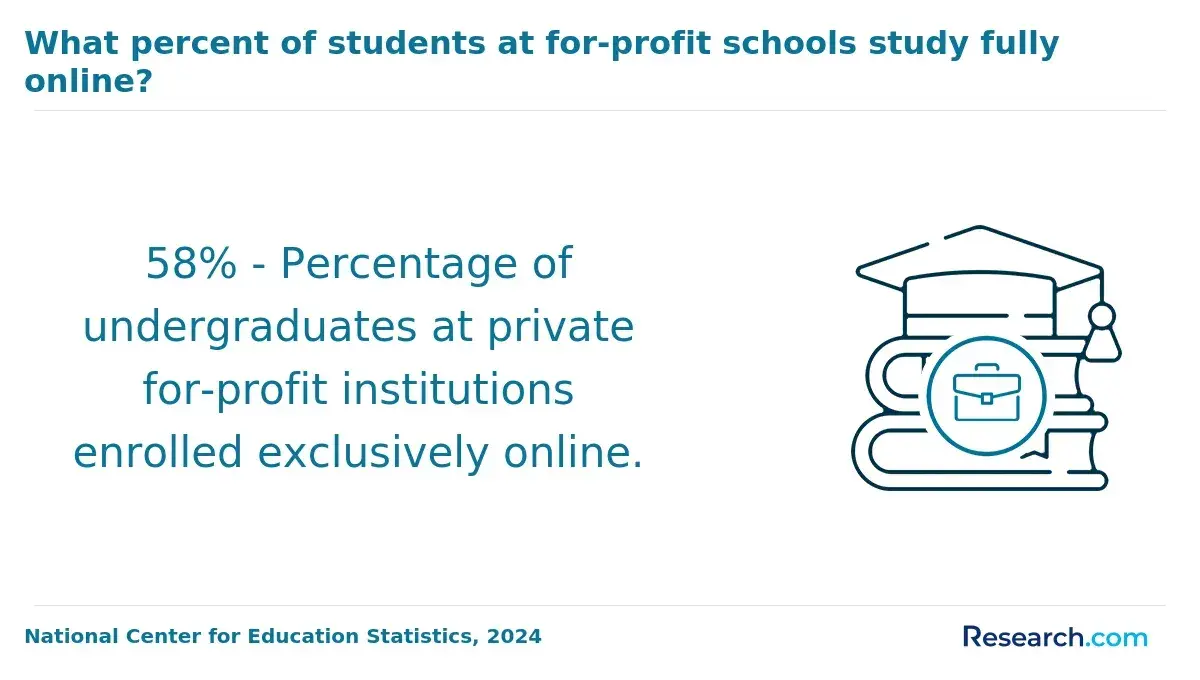
Sociology degree programs are becoming more dynamic by integrating AI-related skills directly into their curricula, responding to evolving employer demands. As reported by the National Center for Education Statistics in 2024, over 60% of sociology departments at research universities now include data analytics and computational social science, signaling a shift from purely qualitative approaches. This change equips students to handle large, complex datasets and collaborate with AI tools, merging traditional sociological insight with technical proficiency.
Programs are adopting interdisciplinary frameworks that combine sociological theory with applied skills such as machine learning, Python programming, and ethical considerations of AI use. For instance, students may engage in projects analyzing social networks or evaluating algorithmic bias, preparing them to assess AI systems' societal impact critically. Simultaneously, many institutions are fostering partnerships with industry and offering experiential learning to ensure relevant, hands-on experience that bridges theory and practice.
However, there remains a tension between advancing quantitative capacities and preserving the discipline's critical, qualitative foundation. While technical skills enhance opportunities in sectors like healthcare analytics and tech consulting, excessive focus on data science risks sidelining important interpretive methods central to understanding social dynamics. Successful graduates are thus those who balance rigorous methodological flexibility with deep critical thinking about AI's societal role, positioning themselves as versatile professionals who can navigate and shape a workforce increasingly influenced by AI technologies.
Which Industries Are Changing Hiring Expectations Most for Sociology Graduates?
The speed at which industries adopt AI varies significantly, impacting the hiring expectations for sociology graduates in distinct ways. Sectors integrating AI more aggressively often require candidates to supplement traditional sociological insight with technical capabilities such as data analytics, AI literacy, and ethical evaluation of algorithms. This discrepancy means that graduates must carefully assess where their skill sets align with industry needs.
For instance, a recent graduate comparing opportunities in healthcare versus government roles discovered that while both value social data interpretation, healthcare recruiters increasingly expect fluency with AI-driven research tools. Below are the industries where hiring criteria for sociology graduates are shifting most due to AI.
- Healthcare: AI applications in patient data analysis, personalized care, and epidemiological forecasting reshaped expectations. Employers prioritize candidates who can navigate AI tools to interpret social determinants of health and integrate behavioral insights with medical data, demanding competencies beyond traditional qualitative methods.
- Marketing and Advertising: This sector leverages AI to decode consumer trends and optimize engagement strategies. Sociology graduates must blend their understanding of social dynamics with skills in machine learning platforms and predictive analytics to remain competitive.
- Finance and Insurance: AI is extensively used for fraud detection, risk modeling, and profiling customers. Here, an understanding of algorithmic bias and ethical implications is crucial, enabling graduates to critique and refine AI use from a social impact perspective.
- Government and Public Sector: AI-driven data supports policy-making, resource distribution, and community programs. Sociology graduates need to manage large datasets and apply nuanced social analysis to inform public policies influenced by AI insights.
- Technology Development Firms: Increasingly tech-oriented organizations developing AI tools seek sociology graduates who can advise on social context, user behavior, and ethical concerns, contributing to more socially responsible AI design.
A sociology graduate recalling their job search reflected on feeling overwhelmed by the divergent skill demands across industries. Initially drawn to finance for its stability, the graduate hesitated due to limited experience with coding and AI ethics that the sector emphasized.
Pivoting to healthcare, they found recruiters valued social research expertise coupled with openness to learning AI tools, which suited their background better. This experience underscored the importance of evaluating not just job titles but the evolving technical and ethical expectations shaping each field-a critical consideration for sociology graduates navigating an AI-driven labor market.
How Is AI Changing Career Growth for Sociology Professionals?
The pace of artificial intelligence adoption varies widely across industries, shaping how employers alter their hiring criteria for sociology graduates. Industries with rapidly expanding access to AI-driven analytics and digital tools demand more technical proficiency, while sectors slower to integrate these innovations emphasize traditional qualitative strengths.
This disparity affects how sociology professionals must tailor their skills to remain relevant. Understanding these shifting landscapes is essential for navigating career growth opportunities for sociology professionals in the AI era. Below are five industries leading this transformation.
- Technology and Data Science: Employers in tech sectors require sociology graduates to master data analytics, machine learning basics, and AI-powered research platforms. This industry prioritizes candidates who can blend sociological insight with computational skills to interpret complex social data and contribute to product design and user experience.
- Government and Public Policy: AI integration enables more sophisticated modeling of social phenomena to guide policy decisions. Sociologists here must enhance their technical competencies while maintaining expertise in ethical considerations and data privacy, reflecting evolving workforce demands highlighted by recent government labor statistics.
- Healthcare and Behavioral Economics: The automation of routine data tasks allows professionals to focus on interpreting patient behaviors and social determinants of health. Employers seek sociology graduates familiar with interdisciplinary methods and AI tools that inform public health initiatives and economic models.
- Market Research and Consumer Insights: Rapid advances in AI-driven survey tools and digital data collection are redefining hiring expectations, favoring candidates with coding skills and experience in AI-based social analysis platforms. Market research firms increasingly require sociologists who can deliver actionable insights through integrated technological approaches.
- Education and Academic Research: As curricula adapt to incorporate AI ethics alongside traditional theory, sociology professionals in academia must balance deep theoretical knowledge with emerging digital literacy. This dual expertise is critical for research institutions prioritizing innovative social analysis methods and workforce transformation data from leading academic sources.
For prospective and current sociology students or early-career professionals, the key to thriving is developing technical skills such as coding with Python and familiarity with AI-powered tools alongside foundational sociological knowledge. Combining these competencies aligns with the most valuable master's degrees trajectory, enabling graduates to meet the evolving expectations shaped by AI and secure roles in diverse sectors where innovative social analysis is essential.
How Should Sociology Students Prepare for AI-Driven Hiring?
Preparing sociology graduates for AI hiring requires more than earning a traditional degree; it involves cultivating a hybrid skill set that bridges social insight with technical proficiency. As over 60% of employers now incorporate AI-driven tools to screen resumes and evaluate digital competencies, sociology students must adapt to this AI-influenced job market. Integrating AI literacy with strong communication and ethical reasoning enhances a graduate's employability.
Below are five practical strategies to navigate these shifts effectively.
- Develop AI Literacy: Understanding basic AI concepts and how algorithms influence social data allows sociology students to engage critically with AI tools employers use. Early exposure through coursework or workshops can demystify AI and improve analytical capabilities.
- Enhance Data Analytics Skills: Employers value candidates who can interpret complex social data using AI-driven methods. Learning statistical software, data visualization, and computational social science techniques prepares students to translate raw data into actionable insights.
- Build Interdisciplinary Expertise: Combining sociology with certifications or minor studies in fields like machine learning or data science provides a competitive edge. This interdisciplinary approach supports responsible AI implementation and decision-making.
- Strengthen Communication and Emotional Intelligence: Since AI struggles to replicate nuanced human interactions, sociology students must refine interpersonal skills and ethical judgment. These qualities are crucial in roles involving AI oversight, policy, and community engagement.
- Gain Hands-On AI Experience: Practical work with AI platforms or internships involving technology-driven projects solidifies technical understanding and exposes students to real-world challenges, including addressing algorithmic bias.
Given these demands, sociology students increasingly benefit from pursuing programs like an online PhD data science to deepen their command of both social theory and AI methodologies. This combination equips them to meet evolving hiring criteria effectively in a landscape where AI's role continues to expand.
How Should Students Choose a Sociology Program for the AI Era?
Choosing a sociology program today demands more than evaluating reputation or cost; it requires assessing how well the curriculum equips students for an AI-driven workforce. Employers now expect graduates to blend sociological insight with technical skills such as data literacy and ethical AI use. For example, a student entering a program emphasizing computational social science may access advanced labs and partnerships, preparing them directly for roles in AI-enhanced social research.
Evaluating specific program features ensures students develop versatile skills relevant to future job markets. Key factors to consider when selecting a sociology program for the AI era include:
- Interdisciplinary Curriculum: Programs integrating sociology with computer science, statistics, and information systems foster analytical skills required to interpret big data and AI outputs relevant to social contexts.
- Hands-On AI Experience: Access to AI-driven research projects and adaptive learning platforms enhances practical understanding and increases employability in tech-influenced social fields.
- Ethics and Social Justice Focus: Courses addressing AI ethics and cultural competence are crucial for responsibly handling AI-generated social data and mitigating biases.
- Industry Partnerships and Internships: Collaborations with organizations using AI in social research provide valuable real-world exposure and networking opportunities.
- Up-to-Date Curriculum Informed by Research: Programs reflecting 2024 insights from bodies like the National Center for Education Statistics ensure training aligns with evolving educational standards and labor market demands.
References
- Artificial intelligence and society https://psl.eu/en/education/master-s-degree-artificial-intelligence-and-society
- Sociology of Ai | Università degli Studi di Milano Statale https://www.unimi.it/en/education/degree-programme-courses/2026/sociology-ai
- «Telescope: journal of sociological and marketing research» https://telescope-science.ru/en/node/4181
- Sociology AI Training Careers | OpenTrain AI https://www.opentrain.ai/ai-training-careers/sociology/
- Will AI Replace Sociologists? AI Risk Score: 39/100 | ReplacedByAI https://www.replacedbai.com/jobs/sociologists
- Top human skills to succeed in the age of AI | edX https://www.edx.org/resources/human-skills-for-ai
- Yes, AI Is Really Impacting The Job Market. Here's What To Do. JOSH BERSIN https://joshbersin.com/2025/12/yes-ai-is-really-impacting-the-job-market-heres-what-to-do/
- AI Recruiting in 2026: The Definitive Guide https://www.phenom.com/blog/recruiting-ai-guide
- AI Recruitment Tool: A Step-by-Step Guide to Transform Your Hiring Process in 2026 - EDLIGO https://www.edligo.net/job-search-tips/ai-recruitment-tool-a-step-by-step-guide-to-transform-your-hiring-process-in-2026/
- Sociology Careers in AI Policy https://sociologyatwork.org/2025/09/06/sociology-careers-in-ai-policy/
Other Things You Should Know About Sociology
Employers increasingly expect sociology graduates to balance both quantitative and qualitative competencies, but resource constraints often force tradeoffs. Graduates who invest more heavily in quantitative data analysis, especially using AI-augmented tools, tend to have an edge in roles emphasizing measurable outcomes. However, qualitative skills remain crucial for interpreting nuanced social behaviors, so prioritizing programs or experiences that integrate both is usually more strategic for long-term employability.
Many employers now value interdisciplinary skills that combine sociology with fields like data science, public policy, or digital humanities because these profiles are more adaptable to AI-influenced environments. However, depth in sociology theory and methods is still necessary to provide context that AI alone cannot supply. Graduates should weigh this tradeoff carefully: gaining interdisciplinary exposure enhances job prospects but neglecting core sociological understanding risks undervaluing their unique perspective.
Integrating AI technical skills into a sociology curriculum can substantially increase academic and extracurricular demands, requiring attention to programming, machine learning basics, or data visualization tools. This added workload can detract from time developing critical sociological critique and field research experience. Yet, given employer trends, selectively targeting AI tools most relevant to sociology practice-rather than broad technical mastery-typically provides the best balance between workload and market relevance.
Choosing entry-level roles that include structured AI skill development often accelerates career advancement by aligning foundational sociology expertise with emerging technology demands. However, committing too early to AI-intensive roles can limit opportunities to deepen sociological theory and qualitative research proficiency. Early-career professionals should prioritize hybrid roles offering mentorship and exposure in both dimensions, ensuring they remain flexible as employer expectations evolve over time.