2027 Sociology Career Outcomes by Degree Level Report: Pay, Employment, and Advancement Patterns

Co-Founder and Chief Data Scientist
Adult learners and working professionals pursuing a sociology degree often confront conflicting data about career outcomes across degree levels. For example, recent 2024 research highlights that employment rates for bachelor's degree holders in sociology have plateaued, while those with graduate degrees show modest but steady advancement in leadership roles.
This trend challenges assumptions about the automatic payoff of higher degrees within sociology, raising practical concerns over time, cost, and career mobility. Understanding how pay, employment stability, and promotion opportunities differ by degree level is crucial for making informed educational investments. This article evaluates these patterns to directly support career and degree-level decisions in sociology programs.
Key Things to Know About Sociology Career Outcomes by Degree Level
- Associate degrees in sociology often lead to entry-level roles with limited advancement, reflecting a tradeoff between lower educational costs and slower career progression compared to bachelor's or higher degrees.
- Employers increasingly prefer candidates with master's or doctoral credentials for research and policy positions, signaling a workforce trend toward credential specialization that narrows access for lower-degree holders.
- The time and financial investment required for graduate sociology degrees can delay workforce entry, highlighting a critical cost-benefit consideration for students balancing immediate employment versus advanced credentialing.
- Key Things to Know About Sociology Career Outcomes by Degree Level Key Things to Know About Sociology Career Outcomes by Degree Level
- What Career Outcomes Can Students Expect From Each Sociology Degree Level? Career Outcomes by Degree
- How Much Do Sociology Graduates Earn by Degree Level? Salary by Degree Level
- Which Sociology Degree Level Offers the Strongest Employment Prospects? Best Degrees for Employment
- What Entry-Level Jobs Can You Get With a Sociology Degree? Entry-Level Career Opportunities
- How Do Sociology Degree Levels Affect Career Advancement and Promotion Opportunities? Career Growth by Degree
- Is a Sociology Degree Worth It Based on Salary, Employment, and ROI? Salary, ROI, and Value
- How Do Associate, Bachelor's, Master's, and Doctoral Sociology Degrees Compare? Comparing Degree Levels
- Which Industries and Employers Hire Sociology Graduates by Degree Level? Which Industries and Employers Hire Sociology Graduates by Degree Level?
- What Skills, Credentials, and Experience Improve Sociology Career Outcomes? What Skills, Credentials, and Experience Improve Sociology Career Outcomes?
- Which Sociology Degree Level Is Best for Your Career Goals? Choosing the Right Degree
What Career Outcomes Can Students Expect From Each Sociology Degree Level?
Deciding among sociology degree levels requires weighing the practical realities of employment access and advancement potential rather than viewing credentials as interchangeable steps. Associate degrees and certificates often serve adults seeking accelerated entry into roles like community outreach or administrative support, where practical skills are prioritized. However, these credentials demand acceptance of limited long-term mobility unless supplemented by additional training, creating a tradeoff between faster workforce entry and career ceiling risks. For transfer students or working professionals, leveraging prior credits toward a bachelor's degree can open broader roles-such as case management or policy analysis-that align better with employer expectations for analytical and research skills, though advancement beyond mid-level positions generally hinges on graduate education or extensive experience.
Master's and doctoral degrees in sociology significantly reshape employment and advancement patterns for graduates willing to invest more time and resources into specialized expertise. Master's programs, often featuring internships or field placements, prepare students for supervisory, policy development, or specialized research roles that many entry-level bachelor's graduates cannot access. Meanwhile, doctoral graduates concentrate on academic or senior policy advisory positions that require stringent methodological capabilities and often involve navigating competitive tenure processes and niche job markets.
According to the U.S. Bureau of Labor Statistics, higher degree attainment in sociology correlates with lower unemployment and stronger earning trajectories, underscoring the importance of graduate education for overcoming advancement ceilings and employment vulnerabilities prevalent in many sociology-related occupations. For those assessing the best degree combination to meet their career goals while managing time, employer credential preferences, and transfer planning, consulting resources listing the best degrees to make money can offer valuable comparative insights.
How Much Do Sociology Graduates Earn by Degree Level?
Wages for sociology graduates vary widely depending on degree level and career context, with median earnings around $60,000 for bachelor's holders according to the U.S. Bureau of Labor Statistics (2024). Bachelor's degrees typically open access to entry-level roles in human services or research, but advancement beyond these often requires graduate credentials. Master's degree holders generally see a boost to about $75,000 median salary, reflecting expanded eligibility for roles demanding specialized skills in data analysis, program management, or policy work, though these positions may require additional certifications or licensure. Doctoral graduates command even higher salaries, approximately $90,000 or more, especially in academia or advanced research, but face longer and more competitive career trajectories with limited tenure-track options, underscoring tradeoffs between earnings potential and job market stability.
Earnings at the associate or certificate levels tend to be significantly lower-usually under $45,000-and these credentials prioritize quick workforce entry over long-term progression, often funneling graduates into support or administrative roles with limited leadership pathways. Geographic and sectoral factors strongly influence pay and job security, as urban centers generally offer better compensation but stipulate higher qualifications and experience. For adult learners and transfer students, the choice to pursue advanced degrees hinges on balancing the cost, time required, and transfer credit acceptance against realistic career and earning growth expectations. Finally, evaluating pay figures alongside unemployment risk, promotion likelihood, and degree completion timelines can better inform whether pursuing additional sociology education aligns with individual professional goals.
One sociology student initially planned to complete only an associate degree but reconsidered after researching local job postings, which showed bachelor's degree requirements for most program coordinator roles that interested them. Weighing the extra two years and tuition costs against a roughly $15,000 median pay increase, they also factored in transfer credits from prior coursework and part-time job flexibility. Conversations with employers confirmed the bachelor's credential was often a minimum for career advancement, steering the student to pursue the full degree rather than settle prematurely. This decision reflected a cautious but pragmatic interpretation of how degree levels influenced real wages and progression opportunities in their community's labor market.
Which Sociology Degree Level Offers the Strongest Employment Prospects?
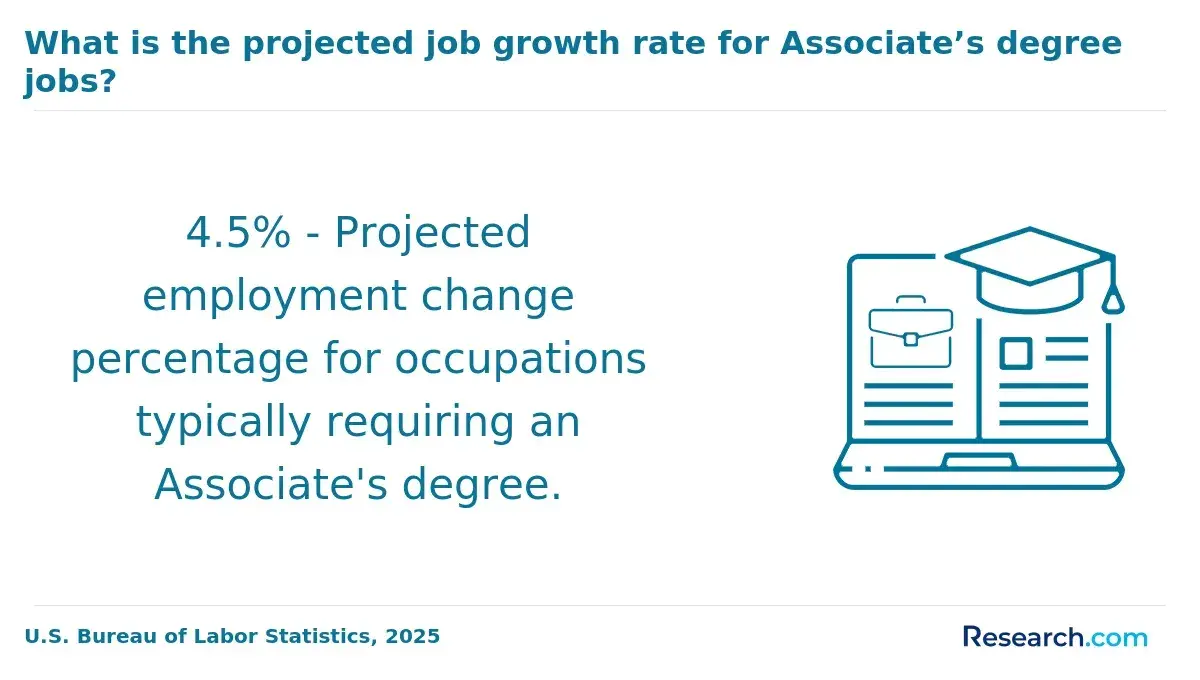
Employment outcomes in sociology depend heavily on degree level, with bachelor's degrees offering the most substantial initial access to jobs and greater job stability than certificates or associate degrees. For example, bachelor's graduates in social sciences typically see employment rates exceeding 70% within six months of finishing their studies, according to 2024 BLS data, reflecting strong employer demand for comprehensive academic preparation. In contrast, associate and certificate holders often enter the workforce sooner but are more likely to encounter entry-level roles marked by higher turnover and lower wages, which can restrict upward mobility without further education or experience.
Advanced degrees such as master's and doctorates broaden prospects beyond entry-level positions, positioning graduates for specialized and higher-earning roles like policy analysis and academic research. However, these require significant time investment in fieldwork and internships, which delays immediate workforce entry but tends to yield a wage premium of 15% to 20% over bachelor's holders, as noted by the U.S. Department of Education in 2024. The increasing prevalence of credential inflation means a master's is often becoming the baseline for leadership and consulting roles, especially in regions with demand for applied skills demonstrated through internships or practicum experiences. Students must weigh the trade-offs between quicker labor force access with lower credentials versus the longer-term advantages of advanced study aligned with licensure expectations and specialized career trajectories.
What Entry-Level Jobs Can You Get With a Sociology Degree?
Entry-level sociology degree jobs in the United States tend to diverge substantially depending on the credential level, with bachelor's holders often accessing broader opportunities than those with associate degrees. For many employers, experience through internships or practical applications weighs heavily, sometimes more than the degree itself, shaping access to roles like research assistants or social service aides. In contrast, associate degree graduates generally find positions confined to administrative support or assistant roles, which might limit skill development and long-term mobility unless supplemented by further education. The decision between starting work immediately or pursuing advanced degrees hinges on realistic assessments of job stability and growth potential within these early-career roles.
Those aiming for advanced research or policy-related positions typically require at least a master's degree, which brings higher responsibility but also expectations for analytical and evaluative expertise. Licensure rarely factors into pure sociology roles but becomes critical for related social work careers that demand specific credentials, underscoring the importance of aligning educational choices with professional goals. According to 2024 data from the U.S. Bureau of Labor Statistics, sectors employing sociology graduates show increased demand for strong interpersonal and data skills, though regional and employer-specific factors strongly influence hiring preferences. Students considering the easiest associate degree to get might consult options that provide foundational skills while leaving pathways open for bachelor's completion, balancing immediate employment with future advancement.
How Do Sociology Degree Levels Affect Career Advancement and Promotion Opportunities?
Advanced sociology degrees notably accelerate access to supervisory and management roles compared to bachelor's credentials, as employers often seek master's or doctoral-level expertise for leadership readiness and specialized analysis. Entry-level positions generally require a bachelor's degree, but promotion frequently hinges on additional qualifications, especially in social research or public administration, where graduate training enhances strategic skills and professional credibility. For many working professionals and adult learners, pursuing a master's degree can shorten advancement timelines, while those holding only a bachelor's degree may face extended periods before moving into higher-responsibility roles, reflecting a workforce trend highlighted by the 2024 Integrated Postsecondary Education Data System showing faster leadership placement for postgraduate graduates.
Licensing and certification demands in specialized sociology fields such as clinical social work or community program coordination further tie career mobility to advanced credentials, limiting promotion potential for holders of lower-level degrees. Practical considerations for transfer students or military-affiliated learners include weighing immediate job entry against the long-term value of graduate education, which combines leadership training with grant writing and data management skills employers expect at mid-career stages. However, a higher degree does not universally guarantee promotion, underscoring the importance of contextualizing educational investments within specific employer practices and sector demands.
A sociology graduate who had been working in community outreach hesitated to pursue a master's until a supervisor outlined promotion eligibility changes requiring it for program management roles. Initially cautious about returning to school, the learner ultimately recognized that advancing beyond entry-level duties in their nonprofit demanded formal credentials aligned with new licensure standards, as well as the specialized skills developed through graduate study. This decision reflected a balance of professional ambition and operational realities, emphasizing how degree level can critically impact internal mobility and leadership opportunities within sociology-related careers.
Is a Sociology Degree Worth It Based on Salary, Employment, and ROI?
Sociology degree salary worth the investment depends heavily on degree level and career goals, as entry-level bachelor's graduates often encounter modest wages paired with competitive job markets, requiring proactive networking or internships to improve employability. For working adults or transfer students weighing further education, the opportunity cost of two or more additional years for a master's can be offset by improved employment stability and higher earnings typically found in research, policy, or academic roles. This dynamic means accurate assessment of local labor demand and the ability to complete the program without excessive disruption are critical factors, especially since a bachelor's alone may leave graduates vulnerable to higher repayment challenges and uncertain job advancement.
Employment and roi outcomes for sociology graduates illustrate that advanced degrees generally provide more reliable career mobility, with government and academic positions offering loan deferment and longer-term financial viability despite greater initial debt. Adult learners, military-affiliated students, and working professionals often benefit from part-time or transfer credit options available in some programs, which can mitigate opportunity costs but remain unevenly accessible. Incorporating analytical skills and applied training is increasingly preferred by employers over degree titles alone, underscoring the practical advantage of supplementing a sociology education with certifications or specialized training such as 6 week online courses with certificates for those seeking tangible skill-building in a competitive job market.
How Do Associate, Bachelor's, Master's, and Doctoral Sociology Degrees Compare?
Associate degrees in sociology can facilitate entry into frontline or support roles such as social services assistance, but these credentials rarely provide strong upward mobility without additional education. Many employers prefer bachelor's degrees for roles requiring independent judgment or client interaction, making the associate degree a limited credential for long-term career growth. For working adults aiming to minimize time and cost, the associate offers a quick pathway to employment, yet its value plateaus quickly compared to more advanced degrees, especially since credit transferability can vary and often requires a bachelor's for meaningful career transitions.
Bachelor's degrees remain the most prevalent qualification in sociology-related fields, blending broad analytical skills with access to about 85% employment within two years post-graduation according to the National Center for Education Statistics (2024). This degree level opens professional roles in research and community outreach but often falls short of securing leadership positions without supplementary experience or graduate study. Master's degrees enhance eligibility for specialized roles involving program evaluation or advanced research, often meeting licensure standards in adjacent fields like counseling, a critical consideration for those seeking leadership or certifications. The extended time and expenses of postgraduate study must be weighed against these expanded professional opportunities and clearer career mobility.
Pursuing a doctoral degree represents a commitment to deep expertise and leadership in academia or policy domains, but carries significant financial and completion risks alongside limited program throughput. Doctoral graduates access tenured faculty or senior advisory positions that involve research leadership, yet employment stability depends heavily on funding availability and specialized demand. For students balancing constraints, stopping at a master's or bachelor's may offer greater flexibility and quicker workforce reintegration, whereas doctoral paths are best suited for those targeting sustained academic careers or high-level consultancy roles where investment in time produces distinct job market advantages.
Which Industries and Employers Hire Sociology Graduates by Degree Level?
Employers differentiate hiring and advancement expectations sharply by sociology degree level, which fundamentally shapes the roles graduates can expect to access. For example, associate degree holders typically secure entry-level support positions within nonprofit social assistance or community outreach agencies, where the focus is on organizational and interpersonal skills rather than specialized research ability. In contrast, bachelor's degree graduates often find roles in public administration, market research, or human resources that require solid data interpretation and policy analysis skills, although leadership opportunities tend to remain limited without additional experience or education.
Master's-level sociology graduates move into more specialized or managerial roles across public policy, clinical, and higher education settings, often meeting licensure or grant-administration criteria that many public sector employers require. Doctoral candidates, meanwhile, are primarily sought for senior academic, governmental research, or high-level policy roles demanding extensive publication records and advanced quantitative expertise. Certificates may enhance specific technical competencies such as data analytics but rarely substitute for the broader professional mobility afforded by degree completion. According to the Bureau of Labor Statistics (2024), sociologists with graduate degrees consistently access positions with greater responsibility and remuneration, underscoring the opportunity cost faced by those who choose earlier labor market entry over extended education.
This stratification reflects real employer screening and role design: public agencies and research institutes often require master's or doctoral credentials for policy or analytical leadership, while many private and nonprofit organizations prioritize applied skills and experience gained at the bachelor's level. Students weighing their options should consider how degree level aligns with target industries, licensing requirements, and the strategic value of graduate training in enhancing project management or research capacity, rather than assuming uniform returns across sociology credentials.
What Skills, Credentials, and Experience Improve Sociology Career Outcomes?
Candidates with sociology degrees improve employment access and advancement by strategically aligning their skills and credentials with role expectations. Analytical proficiency with software such as SPSS, R, or Python is notably valued by employers in social research and policy analysis sectors, particularly for bachelor's and master's degree holders. Supplemental certifications in research methods or project management can raise leadership prospects by about 20% within five years, reflecting a practical tradeoff: investing time in credential stacking often yields measurable promotion advantages compared to relying solely on academic credits. For adult learners or working professionals, recognizing these credential-value differentials is critical to navigating experience requirements for sociology professionals, especially when balancing transfer credits and new skill acquisition.
Experiential learning-including internships and apprenticeships-provides portfolio evidence that many employers prioritize when evaluating promotion readiness and career mobility. Verified field placements demonstrate applied competency that smooths transitions into mid-level roles, a decisive factor for both recent graduates and military-affiliated students considering career pivots. Leadership roles in academic or community projects further distinguish doctoral candidates seeking tenure-track or research agency appointments, underscoring how leadership exposure complements technical mastery. Licensure pathways, though less common outside clinical or counseling roles, deserve attention within degree planning for those targeting such specializations. Prospective students evaluating school options would benefit from institutions recognized for practical experience integration, such as those identified as best online college for military.
Finally, soft skills like communication and adaptability remain non-negotiable across all sociology degree levels, influencing early hiring and promotion decisions. The technical skills alone are insufficient unless combined with demonstrated interpersonal capacities, reinforcing the need for applied experience and certification selection tailored to specific career pathways. This practical focus helps sociology candidates, working adults, and transfer students make informed decisions that optimize pay, advancement opportunities, and long-term employability in an increasingly competitive social science job market.
Which Sociology Degree Level Is Best for Your Career Goals?
Associate degrees in sociology typically open doors to entry-level employment in social services or administrative roles, but they often limit long-term advancement and generally come with lower pay. For working adults or military-affiliated students balancing time and cost, an associate degree may offer a manageable commitment but usually requires further education to move into leadership or specialized fields. In contrast, bachelor's degrees provide a more robust pathway, with 2024 data from the National Center for Education Statistics showing that about 85% of graduates find work within a year, reflecting strong employer demand for this credential level in roles like case managers or community outreach coordinators. This level enhances career mobility through elective specialization and facilitates credit transfer options that benefit transfer students and adult learners.
Master's and doctoral sociology degrees, while demanding greater investment and potentially increasing student debt, unlock opportunities in research, academic positions, and advanced analytic roles, with approximately 70% of master's graduates transitioning into these specialized areas within five years, according to the U.S. Department of Education. These advanced degrees also support eligibility for licensure or certification required in certain sectors but require careful consideration of opportunity cost and program format to fit working professionals' schedules.
Choosing the right sociology degree level involves weighing immediate employability against long-term professional growth and financial impact, especially when some may need additional training beyond the degree to qualify for leadership roles. Prospective students also benefit from exploring diverse pathways, such as accelerated or part-time programs, and even cross-referencing options like a forensic degree online to broaden interdisciplinary skills relevant to sociological work.
References
- Sociology Career Outcomes | Drew University https://drew.edu/academics/sociology/sociology-department/career-outcomes/
- What Jobs Can You Get With Sociology? | Oxford Learning College https://www.oxfordcollege.ac/news/what-jobs-can-you-get-with-sociology/
- Login https://www.britsoc.co.uk/what-is-sociology/sociologist-careers/
- Best Jobs for Sociology Graduates https://www.gradsiren.com/career-advice/best-sociology-careers-for-sociology-grads/
- 10 Job Opportunities for Sociology Majors (and How to Land One) | The Muse https://www.themuse.com/advice/sociology-degree-major-jobs-careers
Other Things You Should Know About Sociology
Degree levels in sociology often vary significantly in program structure and practical exposure, which directly affects workforce readiness. Bachelor's programs tend to emphasize broad theoretical foundations with limited hands-on experience, while master's programs frequently integrate applied research and internships that mirror employer expectations. Doctoral programs, by contrast, focus deeply on original research but offer limited direct workforce preparation outside academia. Prospective students should weigh whether they need practical skills for immediate employment or research expertise for long-term academic or specialized roles when choosing their degree path.
Advanced sociology degrees like master's and doctorates involve considerably heavier workloads, including extensive research, comprehensive exams, and often teaching or assistantship duties. This demanding academic burden can delay earnings and limit part-time employment during study. While these degrees open doors to specialized and higher-level roles, students must weigh if the expected career payoffs justify the time and effort invested, particularly if they seek faster entry into the workforce or prioritize work-life balance.
In non-academic job markets, employers often view a master's degree in sociology as the more practical and applicable credential due to its focus on applied skills, such as data analysis and program evaluation. Doctoral degrees, while prestigious, can sometimes be seen as overly specialized or theoretical, making graduates less flexible for typical industry roles. Students targeting government, nonprofit, or corporate research positions may prioritize a master's degree for its balance of theory and applied practice, which aligns more closely with employer needs.
Directly pursuing a doctoral sociology degree without completing a master's can save time for those committed to academic careers or elite research positions. However, this approach risks insufficient exposure to applied skills valued in many job markets, and fewer opportunities for incremental credential milestones that support employment stability. Students should only consider this path if they have clear academic ambitions and the capacity to manage intensive self-directed research without the structured applied experience a master's program typically provides.