2027 Sociology Degree Popularity by Gender, Region, and Degree Level

Co-Founder and Chief Data Scientist
A prospective sociology student reviewing 2024 enrollment data may notice stark differences in gender representation: women earn approximately 68% of sociology degrees nationwide, yet this share varies from under 55% in certain Western states to over 80% in parts of the South. These regional and gender imbalances complicate straightforward conclusions about program appeal or market demand. For example, high enrollment in a predominantly female cohort might indicate robust peer networks but also signal limited industry diversity. Similarly, differing degree-level completion rates reflect local workforce needs and educational access disparities, which affect career trajectories. Understanding these nuanced enrollment patterns is crucial for interpreting sociology's real-world value.
This article will examine sociology degree popularity by gender, region, and degree level to clarify their implications for education choices and professional outcomes.
Key Things to Know About Sociology Degree Popularity by Gender, Region, and Degree Level
- Women earn nearly 75% of sociology degrees in 2024, reflecting gendered academic interest that may challenge male enrollment and signal employer perceptions of sociology graduates as predominantly female, potentially affecting hiring biases.
- Regional enrollment spikes in the Midwest align with social service sector demands, suggesting job market saturation risks that graduates must weigh when planning careers in public policy or community development fields.
- Master's degree enrollment grows faster than bachelor's, indicating rising cost and time tradeoffs for advanced specialization, with implications for students balancing debt concerns against competitive advantage in research and academic roles.
- Key Things to Know About Sociology Degree Popularity by Gender, Region, and Degree Level Key Things to Know About Sociology Degree Popularity by Gender, Region, and Degree Level
- How Does Job Market Demand Influence Sociology Degree Popularity? Market Demand and Degree Popularity
- How Does Online Sociology Degree Enrollment Compare to Traditional Campus Programs? Online vs. Campus Enrollment
- What Degree Level Is Most Common Among Sociology Students? Most Common Degree Levels
- How Do Enrollment Trends Differ Between Associate, Bachelor's, Master's, and Doctoral Sociology Degrees? Enrollment Trends by Degree Level
- How Popular Is the Sociology Degree Compared to Other College Majors? Degree Popularity vs. Other Majors
- Why Is the Sociology Degree More Popular in Certain States and Regions? Regional Popularity Drivers
- What Demographic Groups Are Driving Growth in Sociology Degree Programs? Growth by Demographic Groups
- What Is the Future Outlook for Sociology Degree Enrollment by Gender, Region, and Degree Level? What Is the Future Outlook for Sociology Degree Enrollment by Gender, Region, and Degree Level?
- How Have Sociology Degree Enrollment Trends Changed Over the Past Decade? How Have Sociology Degree Enrollment Trends Changed Over the Past Decade?
- Where Is the Sociology Degree Most Popular Across the United States? Geographic Popularity Analysis
How Does Job Market Demand Influence Sociology Degree Popularity?
Job market demand for sociology graduates does not uniformly drive enrollment patterns across degree levels, gender, or regions, as practical hiring needs and academic pathways diversify the landscape. For instance, government and healthcare sectors in states with robust public service infrastructures often seek sociologists with advanced research skills, contributing to steady master's and doctoral program enrollments in those areas. Meanwhile, bachelor's programs show greater sensitivity to immediate employment concerns, especially among men who traditionally enroll at lower rates than women. This dynamic is evident in regional labor markets where evolving social policy initiatives and nonprofit expansions fuel varied demand, affecting sociological degree popularity and creating localized enrollment spikes that do not always mirror national trends.
Employment trends shaping sociology degree enrollment across regions underscore how complex workforce signals influence candidate decisions beyond simple job availability. Rising institutional focus on diversity and inclusion has increased demand for sociology graduates skilled in social analysis, but employers often prioritize interdisciplinary expertise or practical experience, which can dissuade some prospective students. The notable gender imbalance-with women exhibiting higher participation-also reflects differing cultural expectations and perceived career trajectories by region and degree level, complicating direct correlations between job market growth and program popularity. Prospective students weighing their options should consider these regional and sector-specific nuances, along with emerging roles, rather than rely solely on generalized projections, especially when assessing the value of pursuing more specialized graduate paths.
These labor market realities have practical implications for those seeking a sustainable career in sociology-related fields. While sociologist employment is projected to grow faster than average according to the U.S. Bureau of Labor Statistics, the actual translation of this demand into academic participation is moderated by factors such as cost, program duration, and alternative credentials. Students interested in expedited educational choices might explore options like an accelerated associate degree online, which could provide quicker entry into related social service roles. Ultimately, evaluating sociology degree popularity by gender, region, and degree level requires attentive consideration of both labor market signals and the diverse professional landscapes that shape long-term employability outcomes.
How Does Online Sociology Degree Enrollment Compare to Traditional Campus Programs?
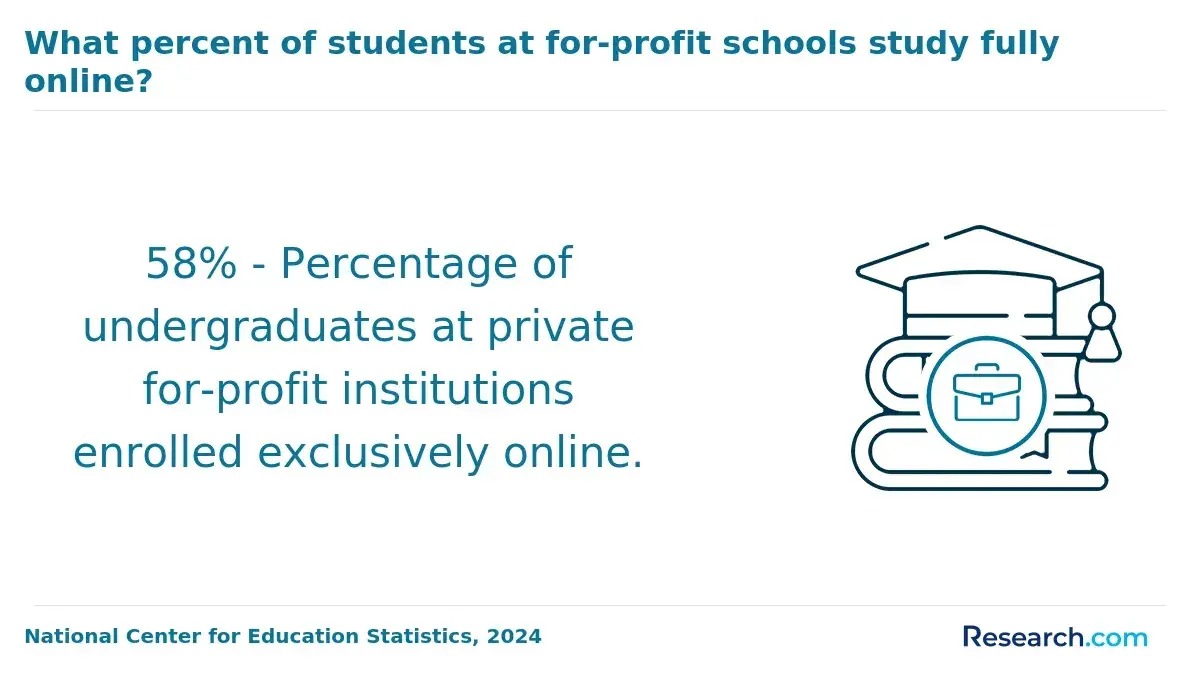
Online sociology degree programs have significantly expanded enrollment by appealing largely to adult learners and those in rural or underserved areas who lack easy campus access. This shift has contributed to nearly half of sociology bachelor's degrees now awarded by fully or partially online programs, a trend identified in 2024 National Center for Education Statistics data. Unlike traditional campus programs that mainly attract recent high school graduates seeking immersive social environments, online formats often serve students balancing work and family with education, favoring asynchronous learning. These demographic distinctions influence not only enrollment patterns but also retention challenges, as online programs typically see graduation rates about 10 percentage points lower than campus counterparts, reflecting differences in engagement and self-directed study demands.
The growing online presence also mirrors broader institutional adaptations to sustain flexibility amid digital transformation pressures, blending hybrid models that offer some campus interaction while catering to remote learners. Students must weigh these trade-offs carefully, considering how modality affects access and fit for their personal circumstances. Regional limitations, such as distance from metropolitan campuses or local institutions offering sociology, frequently direct students toward online tracks, while younger cohorts driven by on-campus networking or employer preferences may still favor traditional programs. This dynamic shapes sociology degree popularity across geographic and age-based divides, reinforcing the need for prospective students to align format choice with learning style, life obligations, and career aims.
Reflecting on these considerations, one sociology student from a small town without a local university initially hesitated about enrolling online, worried about the lack of in-person peer support and reputational perception. Yet, after balancing a full-time job and family responsibilities, the student found the online program's flexibility vital to persistence, noting that asynchronous classes allowed managing unpredictable schedules while accessing faculty and resources digitally. Although missing traditional campus social opportunities, the student recognized the enrollment trends mirrored their own situation, illustrating how online sociology education expands access yet requires self-motivation and realistic expectations about the experience and outcomes.
What Degree Level Is Most Common Among Sociology Students?
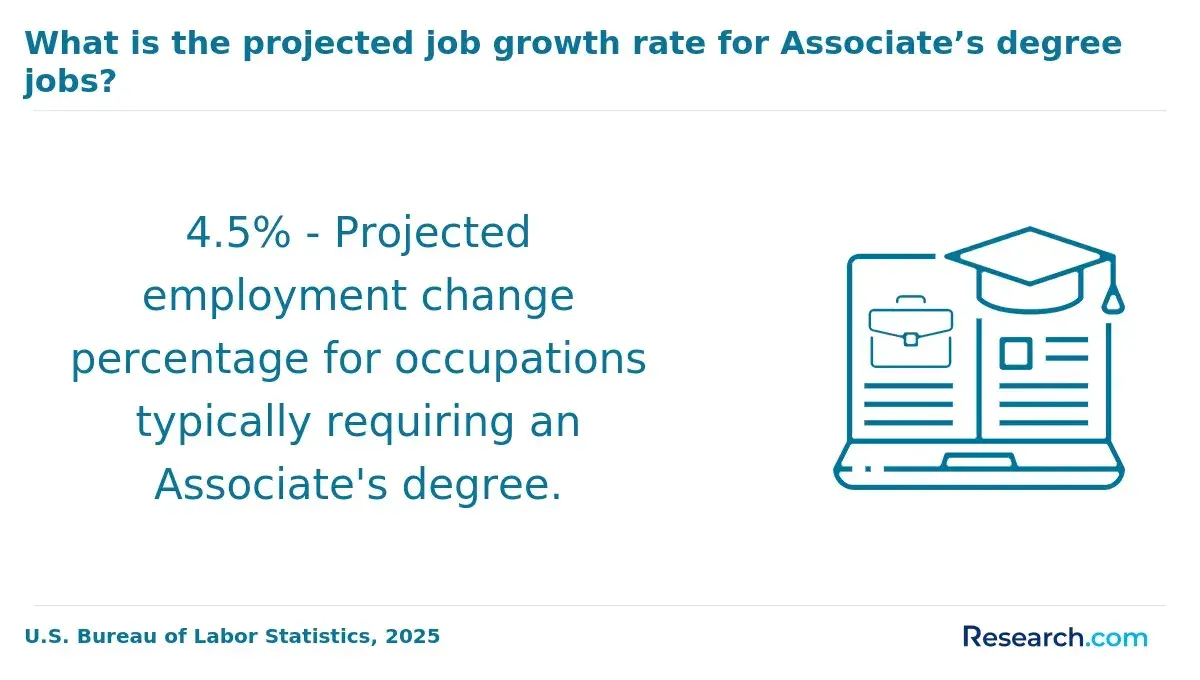
The dominant credential among sociology students is the bachelor's degree, accounting for about 85% of completions according to the National Center for Education Statistics for 2023-2024. This dominance reflects workforce realities where many sociology-related roles require a bachelor's as a baseline qualification, balancing comprehensive social sciences training with broad career applicability. Associate programs tend to serve as stepping stones rather than endpoints, frequently functioning as transfer pathways rather than standalone degrees, which limits their direct impact on employment in specialist sociology roles.
Graduate degrees-master's and doctoral-represent a smaller but strategically important segment, often pursued by students targeting research, academic, or highly specialized careers. Their growth in recent years corresponds to heightened employer expectations for advanced analytical skills and specialization in subfields of sociology. However, these credentials demand greater time and financial investment, creating a clear tradeoff: advanced degrees suit those with targeted professional ambitions, while bachelor's degrees remain the pragmatic choice for wide-ranging entry into the field. Institutional factors and regional educational offerings also influence these patterns, as access to graduate-level study is more concentrated in research-intensive universities compared to the broader availability of bachelor's and associate programs at community colleges and teaching institutions.
How Do Enrollment Trends Differ Between Associate, Bachelor's, Master's, and Doctoral Sociology Degrees?
Enrollment patterns by sociology degree level reveal critical contrasts tied to student goals and labor market realities. Associate degrees typically serve individuals seeking foundational knowledge or career shifts, but these programs attract a smaller pool of enrollees and have limited direct workforce impact. In contrast, bachelor's sociology programs, which saw about a 3% annual increase in completions according to the National Center for Education Statistics (2024), dominate enrollment largely due to their role as the primary credential for a wide range of social research and policy jobs. This level also reflects notable gender disparities, with roughly 70% of enrollees being women, highlighting demographic influences on program demand across regions.
Master's degree enrollment exhibits steady growth aligned with urban expansions and the demand for advanced research skills, especially in quantitative and qualitative methodologies. These degrees often act as a bridge toward doctoral study or as standalone qualifications valued in social services and public policy sectors. Doctoral programs, however, show a modest decline in enrollment, impacted by the competitive academic job market and extended time to degree completion, suggesting potential barriers for aspirants aiming for research-intensive careers. Prospective students must weigh these complexities and regional differences in sociology degree enrollment when planning their educational paths, especially considering how emerging program availability can affect access and specialization. For those balancing affordability and flexibility, exploring options like an engineering degree online can provide a useful comparison in structuring educational investments.
How Popular Is the Sociology Degree Compared to Other College Majors?
The relative prominence of a sociology degree among college majors does not straightforwardly translate to widespread institutional or labor market influence. While sociology consistently ranks within the top 20 bachelor's degrees awarded, it remains considerably less popular than business, health professions, and STEM fields, which reflects a distinct market-driven preference for disciplines offering more direct employment pathways. According to 2024 data from the National Center for Education Statistics, sociology awarded around 30,000 bachelor's degrees nationally, roughly half the number conferred by business programs, highlighting differences in perceived immediate economic returns. This modest scale can affect program resources, specialization breadth, and peer networks, factors prospective students should weigh against the degree's interdisciplinary strengths and critical research skills.
Enrollment trends also suggest a gradual decline in sociology bachelor's degree completions, a pattern identified in Integrated Postsecondary Education Data System statistics over the past decade. These shifts may be partially attributed to students orienting towards majors with clearer vocational outcomes, especially amid increasing scrutiny of college ROI. Graduate sociology degrees maintain steadier numbers, though they compete with applied social science disciplines such as social work, signaling subtler competitive dynamics within social sciences. Regional and demographic differences further affect program demand, reinforcing that popularity alone is an insufficient marker of educational or career alignment for those considering sociology.
One sociology graduate recalled initially feeling uncertain about choosing a less crowded major after visiting introductory classes with notably smaller enrollments compared to business courses on campus. Conversations with academic advisors highlighted limited regional job placement data, which prompted hesitancy; however, the student ultimately valued the degree's analytical focus despite recognizing the tradeoff of fewer immediate career pathways. This nuanced awareness of sociology's relative standing shaped a more deliberate academic and career strategy rather than reliance on popularity metrics alone.
Why Is the Sociology Degree More Popular in Certain States and Regions?
Sociology degree popularity in southern states tends to lag behind regions with stronger urban economies and institutional density, largely reflecting employer demand and program availability rather than sheer student interest. States in the Northeast and West Coast benefit from extensive public university systems like the University of California and the State University of New York, which offer broad sociology course selections and research opportunities that attract diverse student bodies. This concentration translates into stronger local networks, internship pipelines, and workforce connections, enhancing social science graduates' employability compared to many Southern states, where fewer large-scale programs limit such advantages.
Regional demand for sociology majors in the Midwest varies with workforce needs and demographic shifts, where links between local industry sectors and degree utility become critical factors. Metropolitan hubs like Chicago and Minneapolis support sociology graduates through nonprofit, public administration, and community planning sectors, but more rural Midwestern areas show slower growth, making program selection highly consequential for students prioritizing career outcomes. Online learning expansions have partially offset these geographic limitations by increasing access in less populous regions, enabling working adults and nontraditional students to pursue relevant credentials, including condensed options such as a 6-month master's degree online programs tailored to flexible timelines.
What Demographic Groups Are Driving Growth in Sociology Degree Programs?
The rising predominance of female students in sociology degree programs, comprising nearly 70% of bachelor's recipients as of 2024, underscores a gendered alignment between the discipline and social service-oriented career paths. This skew reflects broader workforce dynamics where analytical and interpersonal skills fostered by sociology are in demand within education, community work, and health sectors-fields that continue to attract women in disproportionate numbers. For prospective students, this dynamic may shape classroom diversity and peer engagement, with program development increasingly tailored to support career trajectories common among female graduates.
Geographic enrollment growth concentrated in the Southern and Western United States highlights how regional population shifts and economic diversification are influencing demand for sociology education. Institutions in these areas often serve larger shares of first-generation and nontraditional students, who leverage sociology's applicability to public policy, social justice, and health services-sectors expanding in response to local workforce needs. The expanding adult learner segment, especially through online programs growing by over 15% recently according to IPEDS data, illustrates the discipline's adaptation to lifelong learning trends and workforce pivots, though such flexibility may come with tradeoffs in terms of in-person networking and traditional campus experience.
Increasing enrollment among historically underrepresented groups such as Hispanic and Native American students brings critical perspectives into sociology curricula, encouraging inclusivity and enriching academic inquiry into community-based issues. Meanwhile, master's degree growth concentrated in applied sociology and data analytics reflects employer demand for research and data-driven policy skills with tangible workplace outcomes. Doctoral completions, stable yet shifting toward interdisciplinary methods, indicate a sustained emphasis on combining theoretical rigor with applied research, a trend that will shape how future social scientists contribute to multifaceted societal challenges.
What Is the Future Outlook for Sociology Degree Enrollment by Gender, Region, and Degree Level?
Future enrollment in sociology degrees will increasingly reflect shifting demographic patterns and regional disparities rather than uniform growth. Women will continue to dominate the field, representing nearly 70% of enrollments, but there is a noticeable uptick in male participation driven by expanding interest in social justice and public policy careers. This gender shift, though gradual, suggests programs may need to reconsider curricular emphases and support systems to accommodate a more diverse student body without compromising interdisciplinary depth.
Regionally, the strongest enrollment gains are expected in the U.S. South and West, where rising college-age populations and expanded higher education infrastructure support a projected 5% to 7% increase over five years. Conversely, institutions in the Northeast and Midwest face enrollment challenges tied to slower or declining regional populations, which may affect campus offerings and resource allocation for sociology programs. At the same time, growth in graduate-level sociology degrees, particularly master's programs, reflects employer demand for advanced skills in data analysis and policy research, creating practical incentives for students to pursue advanced study as foundational undergraduate programs saturate.
Wider adoption of online and hybrid formats is lowering traditional geographic barriers and attracting nontraditional learners, which could shift program delivery models and necessitate new approaches to student engagement. These evolving enrollment trends imply that colleges and students should strategically weigh the tradeoffs between undergraduate breadth and graduate specialization, regional labor markets, and changing workforce needs to ensure sociology degrees remain relevant and aligned with realistic career outcomes. The National Center for Education Statistics emphasizes these nuanced patterns as critical for long-term academic planning and workforce alignment within the sociology discipline.
How Have Sociology Degree Enrollment Trends Changed Over the Past Decade?
The modest decline in undergraduate sociology degree completions over the past decade reflects broader shifts in student priorities, as many opt for majors perceived to offer clearer career trajectories, particularly in STEM and business fields. Yet, graduate sociology programs have seen stable or slightly increased enrollment, driven partly by growing interdisciplinary applications in social justice, public policy, and data analytics. These nuances in sociology degree enrollment trends reveal how labor market realities and program delivery formats, including online platforms, influence who pursues sociology and at which level, shaping perceptions of the degree's practical value.
Changes in sociology degree completion rates by gender and region underscore persistent demographic patterns and evolving geographic dynamics. Women continue to dominate sociology enrollment, often constituting over 70% of recipients, aligning with professional pathways in education and community advocacy. Regionally, the Northeast and West Coast remain strongholds for sociology graduates, though some Midwestern institutions report incremental gains, reflecting local economic shifts and institutional adaptations. These patterns suggest that the appeal and availability of sociology programs are uneven, affecting where students can access education aligned with their career goals.
For prospective students evaluating sociology degree enrollment trends, understanding these complexities is crucial to navigating institutional offerings and workforce connections. The availability of flexible learning options, such as online degrees, expands access particularly for graduate students balancing work and education. Additionally, those interested in practical interdisciplinary applications may find targeted graduate programs more relevant. Students should critically assess how evolving demand influences program sustainability and outcomes, bearing in mind that alternatives like a cheap masters in finance may offer more direct alignment with certain labor markets and financial returns.
Where Is the Sociology Degree Most Popular Across the United States?
Sociology degree popularity in the United States is concentrated in regions where educational infrastructure intersects with metropolitan diversity and workforce demands, rather than being evenly distributed. States with extensive academic programs and urban centers-like New York, California, and Massachusetts-offer students access to a wide network of research institutions and social service organizations, which enhances practical learning and employment opportunities. This clustering influences not only enrollment but also students' ability to engage in internships and professional networks that reinforce the degree's value beyond the classroom, impacting long-term career trajectories and regional labor markets.
Comparing regions, the Midwest and South show lower sociology enrollment due to fewer institutions with robust social science offerings and economic structures less reliant on sectors demanding social research expertise. Such geographic variations reflect regional economic priorities and demographic factors, key pieces when interpreting regional sociology degree enrollment trends in the US. For prospective students, these differences affect program selection, availability of specialized courses, and local job market alignment, emphasizing the importance of geographic context in educational and career planning.
As a growing share of professionals seek interdisciplinary and data-driven expertise, understanding options such as an online doctorate data science can complement traditional Sociology studies, particularly in regions with emerging demand across healthcare systems and policy organizations. Geography thus plays a pivotal role in shaping the practical outcomes and perceived value of Sociology degrees, underscoring the need for students and workforce planners to weigh both regional educational resources and employment landscapes strategically.
References:
- 5 Graduate and Online Enrollment Trends to Watch in 2024 https://www.ruffalonl.com/blog/graduate-online-enrollment/5-graduate-and-online-enrollment-trends-to-watch-in-2024/
- 10 Job Opportunities for Sociology Majors (and How to Land One) | The Muse https://www.themuse.com/advice/sociology-degree-major-jobs-careers
- Online Degree vs. Traditional | University of Arkansas Grantham https://www.uagrantham.edu/blog/pros-cons-online-degree-vs-traditional-university/
- Learn How the World Works With a Sociology Degree - UNCF https://uncf.org/the-latest/sociology-learning-from-the-group-teaches-us-for-an-advantage
- Study Sociology in USA https://www.collabinternational.com/study-sociology-in-usa
- The Deepening Gender Divide in Credentials, 2000–2020: Continuity, Change, and Implications https://www.rsfjournal.org/content/11/1/154
- Do you want to study Sociology at University? | DLD College London https://www.dldcollege.co.uk/2012/10/29/https-www-dldcollege-co-uk-study-sociology-at-university/
- Exploring the Future of Sociology Jobs: Opportunities, Skills, and Career Paths https://sociology.org/exploring-the-future-of-sociology-jobs/
- Higher Education Enrollment Trends by Gender, 1970 to 2025 https://educationalpolicy.org/hello-world/
Other Things You Should Know About Sociology
Gender imbalances in sociology enrollment often reflect broader social dynamics that can shape classroom perspectives and peer interactions. Male students may find smaller cohorts but potentially more visibility or mentorship opportunities, while female students might join larger groups yet face more competition for leadership roles. When selecting a program, consider whether the gender composition affects the curriculum focus or network opportunities relevant to your career goals. Prioritizing programs with a balanced or supportive environment tailored to your professional aspirations can mitigate challenges linked to gender-based representation.
Regional differences in enrollment often translate into specialization in program content and research priorities, with some areas emphasizing urban issues, others focusing on rural communities or specific populations. These variations impact the practical applicability of your education depending on where you intend to work after graduation. If you plan to stay local, choose a program aligned with regional sociological challenges; if your goal is mobility, seek programs with broader or nationally recognized curricula. Understanding this tradeoff helps ensure your sociology degree remains relevant and valuable in your intended job market.
Undergraduate sociology degrees provide foundational knowledge but often lead to roles requiring further specialization or complementary skills, while graduate degrees typically open doors to research, policy analysis, and academic positions. The increased workload and financial cost of graduate studies must be balanced against these higher-level outcomes. Candidates should assess whether advanced study aligns with their long-term career plans or if gaining work experience after a bachelor's degree offers better practical advantages. Prioritize graduate programs with strong placement records if advanced qualifications are necessary for your target field.
Employers increasingly expect sociology graduates to demonstrate cultural competence and adaptiveness to diverse environments, which intersecting factors of gender, region, and degree level influence. For example, female graduates from regions with strong sociology enrollments may face implicit expectations to contribute to gender-focused initiatives, while male graduates in underrepresented regions might need to prove expertise beyond demographics. Understanding these nuanced employer expectations allows you to tailor your resume and experiences strategically, turning perceived challenges into unique qualifications that enhance employability in competitive labor markets.