2027 Sociology Tuition Inflation Report: How Fast Are Program Costs Rising?

Co-Founder and Chief Data Scientist
Rising tuition costs in sociology programs reflect distinct dynamics tied to the discipline's growing emphasis on research methods, data analytics, and fieldwork integration. Between 2023 and 2024, enrollment in sociology shifted toward older, mid-career students seeking specialized skills in social data interpretation and policy analysis, necessitating advanced faculty expertise and upgraded technology resources.
The expansion of experiential learning requirements and partnerships with community organizations increases operational expenses uniquely for sociology departments compared to other fields. These factors drive differential tuition inflation, underscoring how institutional priorities and workforce demands reshape sociology education financing. Student age distribution trends hint at evolving professional pathways and sustained demand for these capabilities.
Key Things to Know About Sociology Tuition Inflation
- Tuition for sociology programs increased by over 6% annually since 2022, outpacing general inflation; this rapid cost growth strains budgets, often forcing students to delay enrollment or extend study periods.
- Employers increasingly expect practical skills alongside sociology credentials, but rising costs limit access to experiential learning components, potentially reducing graduates' workforce readiness.
- Rising tuition amplifies opportunity costs, especially for students balancing work and study, making timing of degree completion critical for optimizing educational investment and career progression.
- Key Things to Know About Sociology Tuition Inflation Key Things to Know About Sociology Tuition Inflation
- How Much Has Sociology Tuition Increased Over the Past Decade? How Much Has Sociology Tuition Increased Over the Past Decade?
- How Does Sociology Tuition Inflation Compare to Overall Inflation? How Does Sociology Tuition Inflation Compare to Overall Inflation?
- Which Types of Schools Have Experienced the Fastest Sociology Tuition Growth? Tuition Growth by School Type
- What Factors Are Driving Rising Costs in Sociology Degree Programs? Tuition Cost Drivers
- How Does Sociology Tuition Growth Vary by State and Region? Tuition Growth by State
- Are Online Sociology Programs Becoming More Affordable Than Campus-Based Programs? Online Program Affordability
- How Have Financial Aid and Scholarships Changed as Sociology Tuition Has Increased? Impact on Financial Aid and Scholarships
- How Does Rising Sociology Tuition Affect Student Debt After Graduation? Impact on Student Debt
- Do Higher-Cost Sociology Programs Deliver Better Career Outcomes or Earnings? Impact on Career Outcomes
- What Do Current Tuition Trends Suggest About the Future Cost of a Sociology Degree? What Do Current Tuition Trends Suggest About the Future Cost of a Sociology Degree?
How Much Has Sociology Tuition Increased Over the Past Decade?
Tuition costs for sociology degree programs in the United States have risen significantly over the last decade, with data from the National Center for Education Statistics and the College Board showing an increase of around 40% at public four-year institutions when adjusted for inflation. Private nonprofit colleges have seen comparable or greater increases, often exceeding 30% in real terms. These trends in sociology tuition reflect broader shifts in higher education pricing rather than discipline-specific factors, mirroring institutional cost structures and campus-wide budgeting decisions. Understanding these changes is essential for students navigating how much has sociology tuition increased in the United States over the past decade and the evolving financial commitments required for this field of study.
Several intertwined factors drive these tuition increases, including reduced state funding for public universities that shifts more financial burden onto students. Institutions have also expanded spending on technology infrastructure and specialized program components, such as experiential learning opportunities or niche sociology tracks that carry premium fees. Enrollment fluctuations and the rising cost of faculty and administrative support further contribute to upward pricing pressure. These changes highlight how sociology program cost growth across US colleges and universities is shaped by complex institutional priorities as much as by pure economic inflation.
The increasing cost of sociology degrees exacerbates challenges around affordability and the return on investment for students. Escalating tuition often translates to higher student debt and longer degree completion times, complicating access to the field for those without generous financial aid. Since sociology-related careers can vary significantly in salary potential, prospective students must weigh the rising educational costs against realistic labor market outcomes and consider alternative pathways or complementary credentials, such as an AI degree, to enhance workforce competitiveness.
How Does Sociology Tuition Inflation Compare to Overall Inflation?
Tuition inflation for sociology degree programs has consistently outpaced general economic inflation, creating a widening gap that affects educational affordability. U.S. Bureau of Labor Statistics data shows that the Consumer Price Index, a broad measure of inflation, rose by about 3.5% in the past year, whereas tuition and fees reported by the National Center for Education Statistics and the College Board have increased by roughly 5% annually for undergraduate programs, including sociology. This differential reflects specific cost pressures in higher education that are not captured by overall consumer price trends. Observing trends in sociology degree program costs versus general economic inflation reveals how institutional pricing strategies respond to factors unique to the academic sector rather than typical market inflation.
The structural reasons for this divergence stem largely from shifts in funding models and operational demands within colleges and universities. Declining state and federal subsidies per student push institutions to raise tuition to fill budget gaps, while administrative overhead, faculty compensation geared toward research expectations, and expanded student services further drive costs upward. Investments in technological infrastructure and compliance-related expenses also add layers of financial strain that general inflation measures do not reflect. These dynamics underscore why tuition inflation for sociology programs grows faster than broad economic inflation and illustrate the complex financial ecosystem universities navigate beyond simple consumer price changes.
For students and families, the persistent inflation gap means increasing difficulty in managing the true cost of a sociology education, especially when financial aid and savings fail to keep pace with rising tuition. This contributes to higher borrowing needs and influences choices about program delivery and institutional selection. Evaluating options like hybrid or online formats, including the easiest MSW online program alternatives, becomes a practical consideration in securing more stable affordability while balancing quality and long-term career value. Recognizing how sociology tuition inflation compares to overall inflation rates in the United States helps clarify these tradeoffs and informs more strategic decision-making about educational investments.
Which Types of Schools Have Experienced the Fastest Sociology Tuition Growth?
Tuition increases for sociology degree programs differ notably by institutional category, shaped by distinct financial frameworks, enrollment trends, and program delivery models. Recognizing these variations is critical to assessing the affordability trajectory and value proposition of sociology education. Data from the National Center for Education Statistics (NCES) in 2024 highlights that private nonprofit colleges have experienced an annual tuition growth rate of approximately 5.8%, outpacing both public and for-profit sectors. Such disparities reflect deeper systemic and operational factors influencing cost inflation across different school types.
- Private Nonprofit Universities: These institutions often rely heavily on tuition as a revenue source due to limited state funding, driving steeper tuition hikes. Their emphasis on research, specialized faculty, and enhanced campus resources for sociology programs elevates operational expenses, which in turn contributes to tuition inflation beyond that seen in other sectors.
- Public Universities: While tuition has grown more moderately (around 3.2% annually), reductions in state appropriations have forced many public colleges to shift costs onto students. However, their broader funding streams and larger enrollment capacities help moderate annual tuition growth compared to private counterparts.
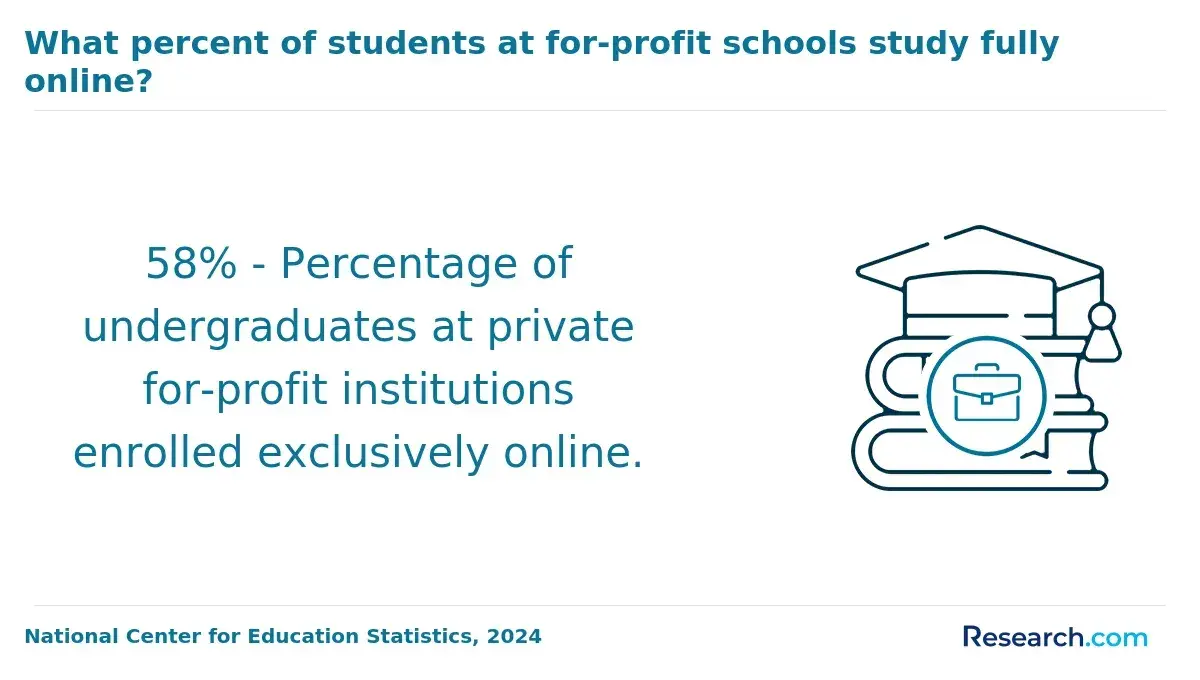
- For-Profit Institutions: With a tuition increase near 2.1%, for-profit schools typically operate under different market incentives, focusing on scalable, career-oriented offerings with streamlined program delivery. Lower overhead and aggressive enrollment-driven strategies often allow more controlled tuition growth, though this comes with tradeoffs in program prestige and long-term outcomes.
- Research-Intensive Universities: Programs within these schools may face higher tuition increases due to the resource-intensive nature of faculty-led research initiatives and specialized curriculum design. Investment in interdisciplinarity and advanced methodologies for sociology can elevate instructional costs, feeding into rising tuition rates.
- Regional Colleges and Universities: Often serving nontraditional or local populations, these institutions balance accessibility with constrained budgets, resulting in comparatively stable tuition increases. Their focus on part-time and flexible scheduling programs also influences pricing strategies, generally limiting fast tuition growth.
- Online Universities: Expanding online sociology programs benefit from lower facility costs, which can slow tuition growth. However, expenses related to technology infrastructure and digital content development may temper these savings, situating online tuition growth between public and private nonprofit rates.
What Factors Are Driving Rising Costs in Sociology Degree Programs?
Rising costs in sociology degree programs reflect a complex interplay of institutional priorities and economic pressures rather than stemming from isolated factors. Universities face increasing operational expenses driven by sustained investments in faculty compensation, facility upkeep, and enhanced student services, all of which contribute to tuition inflation. Additionally, evolving pedagogical demands emphasizing smaller class sizes and more individualized faculty engagement push institutions to allocate more resources toward hiring qualified staff. This multilayered cost structure means that affordability is influenced by a combination of academic, administrative, and infrastructural factors entwined within higher education finance models.
Public institutions, in particular, have seen a notable decline in state funding, intensifying their reliance on tuition and fees as primary revenue streams. This shift compels colleges to raise tuition to balance budgets amid stagnant or reduced external support. Concurrently, rising faculty salaries and expanding administrative roles-often focused on compliance, student support, and mental health services-drive up institutional expenditures. Investments in digital infrastructure and research technologies have also become pivotal, with nearly 70% of sociology programs upgrading their technological capacity since 2023 according to recent data from the Association of American Universities, adding to operational costs. These intertwined elements shape a structural environment where cost increases reflect both the need to maintain academic quality and adapt to evolving educational demands.
A graduate recalled grappling with the admissions timeline amid these cost pressures, noting that the rolling admissions process left her uncertain about financial aid availability well into the final application stages. She "had to delay submitting parts of her application" to gather updated information on tuition adjustments and scholarship opportunities, which week by week affected her decision-making. This experience underscored how shifting costs and administrative complexities not only shape program affordability but also influence students' strategic timing and enrollment planning, amplifying the practical challenges for those navigating sociology degree pathways today.
How Does Sociology Tuition Growth Vary by State and Region?
Sociology tuition growth varies significantly across U.S. states and regions, shaped by a complex interplay of state funding structures, institutional types, and economic conditions. Public universities with shrinking state appropriations often compensate with tuition hikes, especially in regions with limited public funding models. This phenomenon creates broad disparities not merely along geographic lines but also depending on how states prioritize higher education budgets and how institutions manage operational costs. Such complexity means that simple state-by-state comparisons of sociology program tuition growth can miss the underlying financial and policy dynamics driving these trends. Projections from the National Center for Education Statistics support that tuition inflation rates differ widely, with some states experiencing sustained annual increases above 4%, intensifying concerns about affordability in those areas.
Key drivers of these tuition growth variations include the level and stability of state appropriations to public institutions, regional cost-of-living differences, and the relative concentration of flagship research universities or private schools within each state. For instance, states like California and Massachusetts face higher operational expenses and funding challenges that fuel steeper tuition increases in their sociology programs. Meanwhile, Midwestern states with more stable funding commitments demonstrate slower tuition growth, often under 2.5% annually. In addition, labor market demands for social research skills and community-focused expertise influence institutional pricing strategies, particularly where workforce needs vary regionally. These disparities are compounded by the presence of private or out-of-state institutions, which often maintain higher tuition regardless of local public funding conditions, skewing overall regional averages.
Regional tuition growth differences affect student mobility, program accessibility, and the long-term return on investment from sociology education. Rising costs in coastal states may push students toward alternatives, including lower-cost institutions or online programs, such as the increasingly popular 1 year online MBA no GMAT, which illustrates shifting demand toward flexible, cost-contained credentials. Understanding how regional funding policies and institutional strategies impact sociology tuition increases is crucial for prospective students balancing educational costs against career outcomes, particularly since employer preferences often emphasize practical skills over costly academic pedigrees. This layered reality emphasizes the need to evaluate programs within the broader economic and policy contexts that shape their affordability and value, rather than assuming uniform tuition growth across all states and regions.
Are Online Sociology Programs Becoming More Affordable Than Campus-Based Programs?
Recent data from the National Center for Education Statistics indicate that online sociology bachelor's programs tend to be roughly 12% less expensive on average than their on-campus counterparts at public universities. This pricing disparity, however, is not consistent across all institutions or degree levels. Private colleges, for example, often narrow the cost gap between online and traditional formats, reflecting institutional choices rather than inherent delivery efficiencies. Although the headline tuition figures for online programs are generally lower, a closer examination reveals that these differences arise from the distinct financial structures each model entails rather than simple cost-cutting.
The primary driver behind reduced online tuition rates is the diminished need for physical infrastructure such as classrooms, dormitories, and on-site facilities-major cost centers in traditional campus education. Yet delivering online sociology courses requires substantial investments in digital platforms, learning management systems, multimedia content development, and specialized instructional design to maintain academic rigor and student engagement remotely. Faculty workload and course delivery methods also influence expenses; online programs sometimes condense contact hours or adopt asynchronous teaching models, affecting the overall cost base. Moreover, expanding student support services-ranging from virtual advising to tech help-adds complexity to budgeting online programs, balancing savings from physical overhead with new operational costs. These factors suggest that affordability differences are structural and intertwined with institutional strategy, digital scalability, and evolving student expectations rather than temporary pricing anomalies.
One online sociology graduate recalled wrestling with timing and uncertainty during the admissions phase. The program's rolling admissions process meant waiting weeks for an opening, while balancing the option to apply to a local campus program with earlier deadlines. This created hesitation; she worried that delaying might push costs higher or close off opportunities, yet acting too soon risked committing before fully understanding financial aid packages specific to online enrollment. Ultimately, the decision hinged not just on nominal tuition price but the interplay of application timing, resource availability, and perceived value in the program's flexible delivery format. This nuanced experience underscores how affordability in online sociology education extends beyond sticker price to encompass strategic planning and procedural realities that affect prospective students' financial and academic choices.
How Have Financial Aid and Scholarships Changed as Sociology Tuition Has Increased?
As tuition costs for sociology programs have steadily increased, financial aid and scholarship offerings have shifted in complexity rather than simply scaled in magnitude. Institutions have moved toward larger allocations of need-based aid, recognizing that rising prices disproportionately impact lower- and middle-income students. Although merit scholarships remain prevalent, their growth has not kept pace with tuition inflation, and many have become more restrictive, demanding higher academic or extracurricular standards. Meanwhile, institutional grants often target socioeconomic need more directly, reflecting a strategic shift to maintain access amidst financial pressures, but these increases have only partially offset tuition hikes, leaving many students reliant on loans to bridge funding gaps.
Several factors drive these changes in financial aid distribution. Competitive enrollment environments incentivize universities to use merit-based scholarships as recruitment tools, often creating greater competition and narrowing award eligibility. Meanwhile, federal and state funding mechanisms have maintained baseline support, but their growth frequently lags behind rising tuition, limiting their mitigating effect on net student costs. Institutions increasingly deploy tuition discounting strategies that blend grants and scholarships, aiming to manage perceptions of affordability; however, these approaches do not universally translate to lower out-of-pocket expenses. The nuanced use of aid reflects institutional strategies balancing enrollment goals, fiscal constraints, and regulatory frameworks in a landscape of persistent tuition inflation.
The financial aid and scholarship trajectories critically influence affordability and student debt outcomes in sociology education. Despite some amplification of need-based aid, net prices for many students have remained stable or risen, often necessitating additional borrowing. These funding dynamics affect enrollment decisions, with some students opting for accelerated degree pathways or part-time study to reduce cumulative costs. Additionally, significant debt burdens can steer graduates toward higher-paying employment outside traditional sociology roles, affecting workforce composition. Understanding the interplay between aid growth and tuition inflation is essential for assessing the real economic accessibility and long-term return on investment in sociology degree programs.
How Does Rising Sociology Tuition Affect Student Debt After Graduation?
Rising sociology tuition directly drives higher student borrowing levels, pushing many graduates to rely extensively on loans to finance their education. As tuition costs increase faster than many other fields, students face a growing debt burden upon graduation. Borrowers often accumulate substantial loan balances before entering repayment, which raises monthly payment obligations and extends repayment timelines, sometimes beyond a decade. This trend reflects how escalating sociology program costs impact graduate loan repayment, influencing both the amount borrowed and the financial pressure after completing a degree.
Several key factors contribute to these rising debt levels beyond tuition inflation alone. Widening gaps between available financial aid and tuition increases disproportionately affect students at private institutions, where costs tend to rise more steeply compared to public colleges. Interest often accrues during study periods, compounding the debt that graduates must manage. Post-graduation income variability across sociology-related careers further complicates repayment, as many social services and nonprofit roles offer limited salary growth. According to 2024 data from the National Center for Education Statistics, sociology graduates frequently start repayment with higher loan balances relative to peers in other humanities disciplines, complicating long-term affordability and financial planning.
The broader implications include increased repayment stress and the need for flexible repayment options such as income-driven plans or loan forgiveness programs tailored to lower-income sociology fields. Rising debt can also alter students' decision-making regarding program selection and degree pursuit, as cost-to-benefit considerations grow more critical. Balancing tuition growth with realistic earnings is essential for evaluating degree value in sociology, notably for those weighing nontraditional paths or seeking advice on good online colleges for military. Understanding how sociology tuition increases contribute to rising student debt in the United States remains vital for both prospective students and policymakers addressing higher education affordability.
Do Higher-Cost Sociology Programs Deliver Better Career Outcomes or Earnings?
The question of whether higher-cost sociology programs deliver better career outcomes or earnings is complex and cannot be answered by tuition prices alone. Recent analyses indicate that increased program expenses do not consistently translate into higher starting salaries or stronger employment prospects. Data from the 2024 College Scorecard report shows median starting salaries for sociology graduates vary between $35,000 and $45,000 annually, with limited correlation to tuition costs above average levels. This suggests that higher-cost sociology programs do not inherently offer superior financial payoffs, making it crucial to consider additional factors when evaluating program value.
Employer preferences in sociology-related fields emphasize applied skills, practical experience, and industry connections over institutional prestige or price. Programs that maintain robust internship pipelines, strong employer partnerships, and specialized tracks aligned with regional labor markets often yield better career outcomes irrespective of cost. Alumni networks and geographic location further influence access to job opportunities, demonstrating that program resources and regional industry integration play significant roles beyond mere tuition comparison. Given this, prospective students should weigh these elements carefully, especially as higher tuition frequently incurs substantial student debt and does not guarantee enhanced earnings or career advancement. These dynamics highlight ongoing challenges around the higher-cost sociology programs' career earnings comparison.
Understanding these distinctions is critical for students when assessing return on investment in sociology degrees. Appraising program affordability alongside experiential learning opportunities, career services, and the strength of local job markets offers a more nuanced framework than cost alone. Balancing these trade-offs helps maximize long-term educational and financial outcomes. In some instances, pursuing related credentials or advanced study-for example, a PhD in data science online-may provide strategic advantages that complement traditional sociology career pathways.
What Do Current Tuition Trends Suggest About the Future Cost of a Sociology Degree?
Current tuition trends indicate sociology degree costs will likely continue rising faster than general inflation, reflecting a persistent pattern of annual increases near 5%. Data from the National Center for Education Statistics in 2024 show that public four-year institutions recorded a 4.8% tuition and fees growth over the previous year, consistent with historical trajectories that often exceed consumer price inflation. This suggests that unless systemic policy shifts or augmented institutional subsidies occur, prospective sociology students should expect steadily escalating expenses rather than stability or decline.
The rising cost structure of sociology programs is shaped by multiple interrelated factors. Universities face constrained funding environments that limit their ability to absorb operational cost increases, pushing tuition upward. Meanwhile, evolving demand for specialized skills in social research and data analysis influences enrollment fluctuations and program offerings. The expansion of online education platforms and investments in technology and student services also add complexity to pricing dynamics, as institutions balance cost recovery with efforts to enhance accessibility and flexibility.
These developments have broader implications for affordability and student decision-making. Higher tuition intensifies borrowing needs and heightens the importance of evaluating return on investment based on regional job markets and sector-specific employment prospects. Prospective sociology students must therefore interpret tuition projections cautiously, recognizing that current trends signal both financial challenges and the strategic necessity of aligning educational choices with realistic career outcomes and funding options.
References
- How Much Has College Tuition Outpaced Inflation? | SoFi https://www.sofi.com/learn/content/college-tuition-inflation/
- College Tuition Inflation [2025]: Rate Increase Statistics https://educationdata.org/college-tuition-inflation-rate
- Is college becoming less affordable? An update | Brookings https://www.brookings.edu/articles/is-college-becoming-less-affordable-an-update/
- Why do economists get paid more than sociologists? https://www.noahpinion.blog/p/why-do-economists-get-paid-more-than
- Is a Sociology Degree Worth It in 2026? https://www.collegehelpguide.com/degrees/sociology/is-it-worth-it/
- Tracking College Tuition Growth https://www.richmondfed.org/publications/research/economic_brief/2024/eb_24-23
- Alma Career – A better world of work for everyone https://www.almacareer.com/blog/how-does-a-university-degree-influence-pay
- Recent Trends in the Cost of College Show the Continued Importance of Federal and State Investment - Center for American Progress https://www.americanprogress.org/article/recent-trends-in-the-cost-of-college-show-the-continued-importance-of-federal-and-state-investment/
- What are the Current Trends in Sociology https://online.mountsaintvincent.edu/degrees/undergraduate/bachelor-sociology/current-social-issues/
- Yes, Aid Fuels Tuition Inflation | Cato at Liberty Blog https://www.cato.org/blog/yes-aid-fuels-tuition-inflation
Other Things You Should Know About Sociology
With tuition inflation increasing costs annually, longer sociology programs with heavier workloads can significantly amplify total expenses beyond just per-credit rates. Students should consider whether accelerated or part-time tracks reduce cumulative costs by shortening time to degree or spreading out tuition payments. Prioritizing programs that balance rigorous coursework with efficient completion may be more cost-effective over time, especially if slower programs incur additional living and opportunity costs alongside tuition.
Rising sociology tuition in 2027 may constrain universities' budgets, potentially limiting the variety of course offerings and experiential learning opportunities. Institutions might prioritize core courses over niche offerings, affecting students' ability to explore diverse topics and engage in hands-on learning critical for comprehensive education.
Students must balance tuition costs with the program's capacity to equip them marketably, not just afford the cheapest option. Investing in programs with strong career services, internships, or faculty connections may justify higher upfront tuition by improving job placement rates. Conversely, excessively cutting costs by selecting minimalistic programs risks weaker skill development and longer-term employability challenges. Careful evaluation of outcomes relative to costs is essential to avoid underfunding critical educational components.
Employers increasingly expect sociology graduates to demonstrate practical analysis, communication, and data skills alongside theoretical knowledge gained in rigorous programs. Rising tuition may reflect investments in these areas, but costlier programs are not guaranteed to meet employer standards. Students should prioritize programs that align tuition costs with clear skills development and real-world project work, as paying more without targeted training risks both higher debt and weak labor market positioning.