
2027 How to Become a Substance Abuse Counselor in California

Co-Founder and Chief Data Scientist
If you want to become a substance abuse counselor in California, the main decision is not simply “which degree should I get?” You also need to understand registration, state-recognized certification organizations, supervised clinical experience, exam requirements, ethics rules, salary realities, and whether this career path fits your financial and emotional capacity. California needs trained addiction professionals, but the path can feel confusing because certification, counseling licensure, and employer expectations are not always the same thing.
This guide explains how the process works in practical terms: the education you may need, how certification works through organizations recognized by the California Department of Health Care Services, what counselors actually do, how much you may earn, what the job market looks like, and how to avoid costly mistakes when choosing a program. It is written for students, career changers, behavioral health workers, and anyone considering addiction counseling as a long-term profession in California.
Quick answer: how do you become a substance abuse counselor in California?
To work as a substance abuse counselor in California, you generally need addiction counseling education, registration with a state-recognized certifying organization, supervised clinical experience, completion of required training such as ethics and confidentiality orientation, and a passing score on the required certification exam. Entry-level preparation may begin with an approved alcohol and drug studies certificate, while higher-level roles often favor or require an associate, bachelor’s, or master’s degree in addiction studies, counseling, psychology, social work, or a related field.
- California faces strong demand for substance abuse, behavioral disorder, and mental health counselors, with the Bureau of Labor Statistics projecting a 22.3% increase in employment opportunities from 2022 to 2032.
- The average annual salary for substance abuse counselors in California is approximately $66,970, while the median salary is around $54,000.
- The national average salary is about $53,710, making California compensation comparatively higher, though the state’s cost of living can reduce the practical value of that income.
- As of 2023, the median hourly wage for substance abuse counselors in California is around $29.00.
- Major metropolitan areas such as San Francisco and Los Angeles may offer higher wages, with some counselors earning upwards of $70,000 annually, but housing and transportation costs should be part of your ROI calculation.
- Certification can take several years because candidates must complete education, supervised experience, orientation, background checks, and an exam.
- Steps to become a substance abuse counselor in California
- Minimum education required for California substance abuse counselors
- What substance abuse counselors do each day
- Certification and licensing process in California
- Legal and ethical responsibilities in California
- Salary expectations for California substance abuse counselors
- Why mental health counseling skills matter in addiction treatment
- How counselors can reduce burnout and protect their well-being
- How marital counseling skills can support addiction recovery work
- Training ROI for substance abuse counseling in California
- California job market outlook
- Career paths and advancement options
- Continuing education and professional development
- Fastest route to a sustainable California counseling career
- Challenges to consider before entering the field
- How technology is changing addiction counseling
- How networking and mentorship strengthen your practice
- Combining substance abuse counseling with marriage and family therapy
- Using criminal psychology insights in addiction counseling
- Using school psychology insights with younger clients
How can you become a substance abuse counselor in California?
The California pathway combines classroom preparation, supervised practice, professional registration, and certification. The exact route depends on the credential you pursue and the type of setting where you want to work, but most candidates follow a sequence like this.
| Step | What to do | Why it matters |
| Choose an education path | Study addiction counseling, psychology, social work, counseling, or another related field. | Your coursework builds the foundation for assessment, treatment planning, ethics, and counseling skills. |
| Confirm program approval and accreditation | Check whether the program aligns with the requirements of the certifying organization you plan to use. | A low-cost or convenient program can become expensive if its credits do not count toward certification. |
| Register with a recognized organization | Apply through an organization recognized by the California Department of Health Care Services, such as CAADE, CCAPP, or CADTP. | Registration allows you to move through the formal certification process. |
| Complete required orientation and training | Finish required training in areas such as ethics, confidentiality, and professional responsibilities. | California addiction counseling work involves sensitive health information and strict client protections. |
| Gain supervised clinical experience | Complete documented hours in an approved or appropriate treatment setting under supervision. | Employers and certifying bodies need evidence that you can apply counseling skills safely with clients. |
| Pass the certification exam | Prepare for and complete the required competency exam. | The exam verifies your knowledge of screening, assessment, treatment planning, counseling, referrals, and ethics. |
| Apply for jobs and keep learning | Build a targeted resume, apply to treatment programs, and complete continuing education. | Certification is not the endpoint; long-term success depends on supervision, skill development, and ethical practice. |
A strong academic starting point is a program that covers addiction theory, counseling techniques, ethics, documentation, co-occurring disorders, crisis response, and culturally responsive care. Some students look at well-known California institutions such as the University of Southern California, California State University campuses, community colleges, and specialized addiction studies programs. Reputation can help, but program fit matters more: verify that the curriculum supports the certification route you intend to follow.
If you are comparing California with other states, remember that counselor rules are state-specific. For example, the process to become a licensed counselor in Connecticut follows different state requirements and should not be used as a substitute for California guidance.
What is the minimum educational requirement to become a substance abuse counselor in California?
The minimum education depends on the credential level and employer expectations. Many entry-level pathways begin with an approved Alcohol and Drug Studies certificate, while higher-level or more competitive roles often require a degree. Clinical mental health licenses, supervisory positions, and roles involving broader diagnosis or psychotherapy may require graduate-level education and separate licensure.
| Education level | Typical purpose | Best fit | Cost range stated |
| Certificate of Completion | Often includes 30 semester units in alcohol and drug studies. | Students seeking entry-level preparation for substance use disorder counseling. | Varies by school. |
| Associate Degree in Addiction Studies or related field | Usually takes two years and includes counseling methods, ethics, and addiction psychology. | Students who want stronger preparation than a certificate and may plan to transfer later. | $5,000 and $15,000. |
| Bachelor’s Degree in Addiction Studies or related field | Typically takes four years and provides broader study of treatment approaches, addiction impact, and counseling strategy. | Candidates seeking stronger job prospects or advancement options. | $15,000 to $40,000. |
| Master’s Degree in Addiction Studies or related field | Generally adds two years of graduate study in advanced therapeutic practice and research methods. | Professionals aiming for higher-level clinical, leadership, or related licensed counseling roles. | $15,000 to $40,000. |
When comparing programs, look beyond tuition. Ask whether fieldwork is included, whether faculty have addiction treatment experience, whether the school helps students locate supervised placements, and whether coursework maps clearly to the certifying body’s requirements. InterCoast Colleges, for example, offers approved programs in substance use disorder counseling, but students should still confirm current requirements directly before enrolling.
Accreditation and approval are especially important in this field. A program may sound relevant but still fail to satisfy certification requirements. If you are researching comparable counseling pathways outside California, reviewing Michigan LPC training programs can help you see how much requirements can vary by state.
What does a substance abuse counselor do?
Substance abuse counselors help people address problematic alcohol or drug use, build recovery plans, and connect with support systems. Their work is practical, relational, and documentation-heavy. A counselor may spend part of the day in direct client sessions and another part coordinating care, writing notes, updating treatment plans, or consulting with supervisors and referral partners.
- Screen clients and complete assessments to understand substance use patterns, risk factors, readiness for change, and treatment needs.
- Create individualized treatment plans that connect client goals with measurable steps.
- Lead individual counseling sessions focused on motivation, coping skills, relapse prevention, and accountability.
- Facilitate group counseling sessions where clients can practice communication, learn recovery tools, and receive peer support.
- Educate clients and families about addiction, recovery expectations, relapse triggers, and support resources.
- Track progress and revise treatment plans when a client’s needs, risks, or goals change.
- Coordinate with physicians, mental health clinicians, social workers, case managers, courts, schools, or community agencies when appropriate.
- Maintain accurate records while following confidentiality and privacy rules.
Skills that matter most
- Empathy with boundaries: Clients need compassion, but counselors also need clear professional limits.
- Active listening: Strong counselors hear what clients say, what they avoid, and what may be driving resistance.
- Clear communication: Treatment goals, referrals, crisis plans, and expectations must be understandable.
- Problem-solving: Recovery barriers can include housing, family conflict, legal stress, transportation, finances, and mental health symptoms.
- Cultural competence: California counselors work with clients from many backgrounds, belief systems, languages, and community contexts.
- Organization: Case notes, treatment updates, consent forms, and supervision records must be accurate and timely.
One California counselor who graduated from a local program at the University of California, Los Angeles described the work this way: “The most meaningful part of the job is watching people move from survival mode into a place where they can imagine a future again. Progress is not always fast, but when a client recognizes their own strength, it reminds me why this work matters.”
What is the certification and licensing process for a substance abuse counselor in California ?
California substance abuse counselor certification is handled through organizations recognized by the California Department of Health Care Services. Common certifying organizations include the California Association of DUI Treatment Programs, the California Consortium of Addiction Programs and Professionals, and the California Association for Alcohol and Drug Educators. Before committing to a school or job, decide which organization’s requirements you plan to follow and verify the current rules directly with that organization.
- Register with a certifying organization: Candidates submit an application and pay a non-refundable fee. CADTP charges $75.
- Complete orientation: Candidates must complete a nine-hour orientation course covering topics such as ethics and confidentiality.
- Document supervised experience: Candidates must complete at least 2,240 hours of supervised clinical experience in a facility licensed or certified by the California Department of Health Care Services.
- Use acceptable work settings: Supervised experience may come from paid or volunteer work, but it must be verified by a supervisor.
- Meet the certification timeline: Candidates are expected to become certified within five years of initial registration. Those who do not meet the timeline become ineligible to provide counseling services.
- Complete background checks: Fingerprinting and background review help determine whether applicants meet professional and ethical standards.
- Pass the certification exam: The exam includes 125 multiple-choice questions across Screening, Assessment, and Engagement; Treatment Planning, Collaboration, and Referral; Counseling; and Professional and Ethical Responsibilities.
- Earn the passing score: A minimum score of 500 is required.
- Bring required documents to the exam: Candidates must present a Candidate Admission Letter from their local member board of the International Certification & Reciprocity Consortium and a valid photo ID.
Common certification mistakes to avoid
| Mistake | Why it causes problems | Better approach |
| Choosing a program before checking certification rules | Credits or training hours may not satisfy the credential you want. | Confirm program alignment with the certifying organization before enrolling. |
| Keeping poor records of supervised hours | Unverified hours may be rejected. | Track dates, duties, supervisor information, and setting details from the beginning. |
| Waiting too long to complete orientation | The orientation is required before later certification steps. | Complete the nine-hour orientation early in your process. |
| Underestimating the exam | The exam covers multiple practice areas, not only addiction theory. | Study screening, treatment planning, referral coordination, counseling practice, and ethics. |
| Assuming certification is the same as clinical licensure | Addiction counselor certification and licenses such as LPCC or LMFT are different pathways. | Clarify your long-term scope of practice before selecting a degree route. |
State requirements differ substantially. If you are comparing another counseling path, you can review how to become a licensed counselor in Pennsylvania, but use California-specific sources for California certification decisions.
What legal and ethical considerations must a substance abuse counselor consider in California?
Addiction counseling involves confidential health information, vulnerable clients, family systems, criminal justice involvement, relapse risk, and crisis situations. California counselors must understand both the ethical standards of their credentialing body and the state and federal laws that govern client care.
Legal responsibilities
- Mandatory reporting: California counselors must report suspected child abuse or elder abuse as required by law.
- Credential and scope limits: Counselors should work only within the duties allowed by their certification, education, training, and supervision.
- Licensure distinctions: Credentials such as Licensed Professional Clinical Counselor or Licensed Marriage and Family Therapist require separate education and supervised experience standards.
Confidentiality and privacy
Client confidentiality is central to substance abuse treatment. Counselors must follow applicable protections, including the California Confidentiality of Medical Information Act and the Health Insurance Portability and Accountability Act. In practice, this means client information should be stored securely, shared only with proper consent or legal authority, and discussed carefully in group or team settings where privacy risks are higher.
Ethical issues that commonly arise
- Dual relationships: Personal, financial, social, or romantic relationships with clients can compromise judgment and harm the client.
- Informed consent: Clients should understand the purpose of treatment, limits of confidentiality, expected participation, documentation practices, and their rights.
- Cultural humility: Counselors should avoid assumptions about substance use, family roles, recovery, spirituality, or treatment preferences.
- Referral responsibility: When a client needs care outside the counselor’s competence or setting, the counselor should help connect the client with appropriate services.
Compliance expectations
California substance abuse counselors may also need to follow federal guidance and regulations connected to the Substance Abuse and Mental Health Services Administration. Ethical practice is not only about avoiding discipline; it helps build trust with clients who may already be hesitant to seek treatment.
How much can you earn as a substance abuse counselor in California?
Substance abuse counselors in California earn an average salary of approximately $66,970 per year, with a median salary of around $54,000. The national average is about $53,710. California wages can be attractive, but they should be weighed against housing, transportation, taxes, and local cost of living, especially in high-cost regions.
| Role or location | Salary information stated | What to consider |
| California substance abuse counselor average | Approximately $66,970 per year. | Actual pay varies by setting, experience, credential, and region. |
| California median salary | Around $54,000. | The median may better reflect what many workers earn than a high-end salary example. |
| Median hourly wage | Around $29.00 as of 2023. | Hourly roles may differ from salaried roles in benefits, overtime, and schedule stability. |
| Clinical Director | Can earn upwards of $90,000 annually. | Usually requires significant experience, leadership skill, and program oversight ability. |
| Substance Abuse Program Manager | Salaries reaching around $80,000. | Often involves compliance, staffing, budgeting, reporting, and program quality responsibilities. |
| Licensed Marriage and Family Therapist specializing in substance abuse | Can earn between $70,000 and $85,000. | This path requires LMFT preparation and licensure, not only addiction counselor certification. |
| San Francisco | Average of $70,000. | Higher pay may be offset by one of the state’s highest living costs. |
| Los Angeles | Approximately $65,000. | The large treatment market creates opportunities across many types of organizations. |
| San Diego | Around $60,000. | Demand exists, but cost of living should still be part of salary evaluation. |
Your earning potential typically improves with stronger credentials, specialized experience, supervisory capability, bilingual skills, crisis or dual-diagnosis experience, and a track record of reliable documentation and ethical care. However, no degree or certification guarantees a specific salary.
How does integrating mental health counseling enhance substance abuse treatment in California?
Many clients seeking addiction treatment also need support with anxiety, depression, trauma, grief, family conflict, or other behavioral health concerns. Counselors who understand mental health counseling concepts can recognize when a client may need additional assessment, coordinate care more effectively, and support treatment plans that address more than substance use alone.
This does not mean every substance abuse counselor can diagnose or treat every mental health condition independently. Scope of practice matters. The value of mental health training is that it helps counselors collaborate intelligently with licensed clinicians, identify risk, and avoid treating substance use as an isolated issue. If you are considering broader behavioral health practice, review how to become a mental health counselor in California.
How can substance abuse counselors maintain personal well-being and mitigate burnout in California?
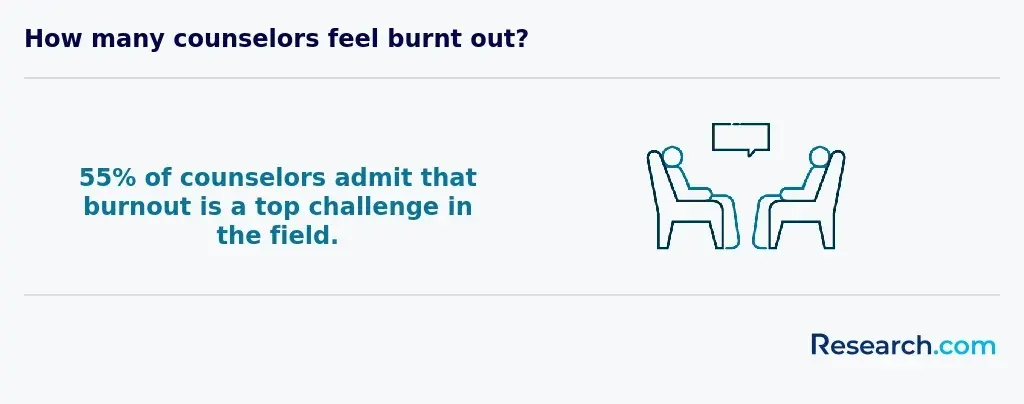
Addiction counseling can be emotionally demanding. Counselors may work with relapse, overdose risk, trauma histories, family breakdown, housing instability, and client loss. Burnout prevention is not optional; it is part of ethical and sustainable practice.
- Use supervision consistently, not only when a crisis occurs.
- Set realistic limits on availability, caseload, and emotional labor.
- Build peer consultation relationships with professionals who understand the work.
- Develop a regular routine for sleep, movement, nutrition, and recovery from stress.
- Watch for compassion fatigue, cynicism, irritability, avoidance, or reduced empathy.
- Seek your own support when client trauma begins to affect your personal functioning.
Training in related areas can also help counselors respond to loss, relapse, and family grief. One useful adjacent pathway is learning how to become a grief counselor.
Can integrating marital counseling skills enhance your substance abuse practice in California?
Substance use often affects partners, children, parents, and household routines. Marital and relationship counseling skills can help addiction counselors better understand conflict patterns, communication breakdowns, enabling behavior, trust repair, and the role of family support in recovery.
These skills are especially useful when counselors work in family-inclusive treatment settings. Still, relationship therapy has its own competencies and ethical boundaries. Counselors who want a deeper family systems role should examine marriage counselor education requirements in California before expanding their services.
What is the return on investment for my training as a substance abuse counselor in California?
ROI depends on the price of your education, how quickly you can complete certification, whether your supervised hours are paid, where you plan to live, and whether you intend to advance into supervisory or licensed clinical roles. A lower-cost certificate may be enough for some entry-level goals, while a bachelor’s or master’s degree may make sense if you want broader mobility, leadership options, or related licensure later.
| ROI factor | Question to ask before enrolling | Why it matters |
| Tuition and fees | What is the total program cost, not only the per-course price? | Books, fees, commuting, and unpaid practicum time can change affordability. |
| Credential alignment | Does this program meet the requirements of the certifying organization I plan to use? | Misaligned coursework can delay certification and add cost. |
| Supervised experience | Will the school help me find placements, and can those hours be paid? | Paid experience can reduce the financial strain of training. |
| Location | Can I afford to live where jobs are concentrated? | California salaries vary, and major cities may have high living costs. |
| Long-term plan | Do I want to remain in addiction counseling, move into management, or pursue clinical licensure? | Your education choice should match the career you actually want. |
Time is also part of ROI. If you are comparing training paths, How long does it take to become a licensed counselor? can help you think through the commitment required for broader counseling careers.
What is the job market like for a substance abuse counselor in California?
The California labor market is favorable for substance abuse counselors. The U.S. Bureau of Labor Statistics projects a 22.3% employment increase for substance abuse, behavioral disorder, and mental health counselors in California from 2022 to 2032. Demand is connected to greater recognition of substance use disorders, expanded behavioral health services, community treatment needs, and ongoing efforts to improve access to care.
- Urban demand: Large metropolitan areas often have more treatment centers, hospital systems, nonprofit agencies, and public health programs.
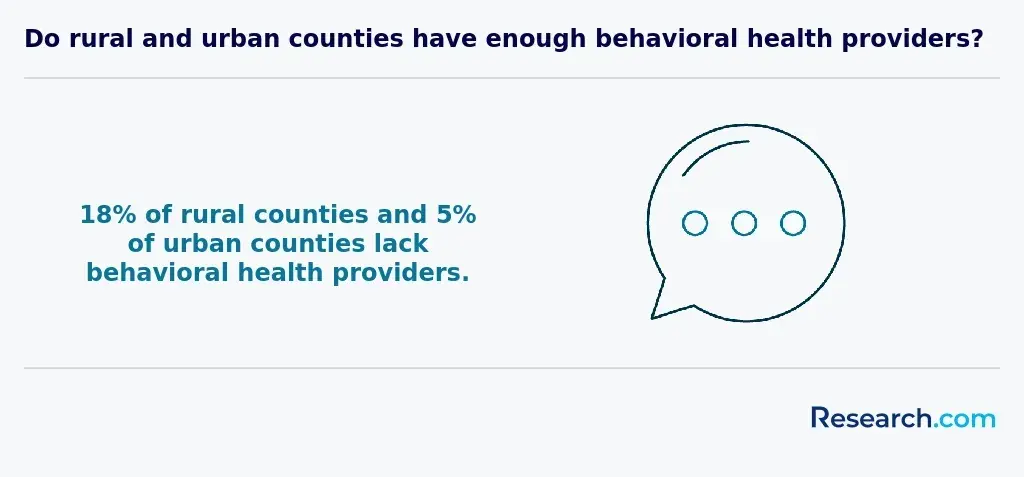
- Community-based need: Counties and local providers continue to need counselors who can work with diverse populations and complex client needs.
- Credential competition: Jobs may be easier to enter at the support or entry level, while better-paid roles often require stronger credentials and experience.
- Cost-of-living pressure: A salary that looks strong statewide may feel limited in expensive regions such as San Francisco or Los Angeles.
One counselor who graduated from a local program at San Diego State University described the trade-off plainly: “I found that opportunities were available, but I had to be honest about rent, commuting, and the difference between an entry-level wage and long-term earning potential. Demand is real, but financial planning still matters.”
What career and advancement opportunities are available for a substance abuse counselor in California?
Substance abuse counseling can lead to direct service, case management, program leadership, clinical supervision, community education, and related behavioral health careers. Your advancement options depend on education, certification, supervised experience, employer type, and whether you pursue additional licensure.
| Career stage | Possible roles | What the work involves |
| Entry level | Addiction Counselor, Case Manager | Direct client support, group facilitation, care coordination, recovery planning, referrals, and documentation. |
| Mid level | Addiction Counselor Manager, Program Coordinator | Program operations, staff coordination, compliance support, service evaluation, and treatment workflow management. |
| Senior level | Director of Substance Abuse Services, Clinical Supervisor | Strategic oversight, quality improvement, staff supervision, policy implementation, and program accountability. |
| Related career paths | Mental Health Counselor, Health Educator | Broader behavioral health support, prevention education, community outreach, or specialized client education. |
Some management positions require a bachelor’s degree and a minimum of five years of relevant experience, including supervisory duties. Senior roles may also expect familiarity with evidence-based practices, accreditation standards, staff development, and regulatory compliance.
If you are deciding between helping professions, comparing social work vs. counseling job growth can clarify how addiction counseling fits into the wider behavioral health workforce.
What professional development and continuing education opportunities are available for substance abuse counselors in California?
Continuing education helps counselors maintain certification, improve clinical judgment, and keep pace with changing treatment practices. California substance abuse counselors are required to complete 40 hours of continuing education every two years to maintain certification.
- The California Association of Alcohol and Drug Educators offers workshops and seminars on current practices, evidence-based approaches, and emerging treatment techniques.
- The California Consortium of Addiction Programs and Professionals lists approved continuing education options, including online courses.
- Community colleges and universities may offer specialized addiction counseling courses, guest lectures, and continuing education events.
- The Substance Abuse and Mental Health Services Administration provides free online training resources and webinars on topics such as trauma-informed care and motivational interviewing.
- Local chapters of national organizations such as the National Association of Alcoholism and Drug Abuse Counselors may provide conferences, regional trainings, and certification-related resources.
- Peer supervision groups and professional associations can support practical learning, ethical decision-making, and resilience.
- Online learning platforms such as Coursera and Udemy may offer flexible courses relevant to addiction counseling skills.
Choose continuing education strategically. Prioritize training that supports the clients you actually serve, such as co-occurring disorders, trauma, cultural responsiveness, crisis response, documentation, ethics, telehealth, or family systems.
What is the fastest route to launching a sustainable counseling career in California?
The fastest route is not always the shortest program. A sustainable path is one that gets you qualified without creating avoidable delays, rejected coursework, weak supervision, or unmanageable debt. The best route usually combines an approved education program, early registration with the appropriate certifying organization, a clear supervised-experience plan, exam preparation, and realistic job targeting.
- Choose a program only after confirming how it fits your desired credential.
- Ask whether the school has relationships with treatment providers for practicum or employment opportunities.
- Start documenting supervised hours as soon as you are eligible.
- Complete required orientation early so it does not delay your certification timeline.
- Build a resume around counseling skills, crisis response, documentation, group facilitation, and client engagement.
- Apply first to settings that match your credential level, then use experience to move into more specialized roles.
If speed is a major concern, compare program structures carefully and review the quickest way to become a counselor in California for broader planning ideas.
What challenges should you consider as a substance abuse counselor in California?
Substance abuse counseling can be meaningful, but it is not easy work. The field requires patience, emotional steadiness, ethical judgment, and the ability to support clients through setbacks without taking those setbacks personally.
- Client resistance: Some clients are not ready to acknowledge substance use problems or may enter treatment because of court, family, employer, or medical pressure.
- Co-occurring conditions: The 2023 National Survey on Drug Use and Health reports that 35% of U.S. adults aged 18 and older with a mental health disorder also have a substance use disorder.
- Relapse risk: Recovery is often nonlinear, and over 40% to 60% of individuals relapse.
- Stigma: Shame and public misunderstanding may keep clients from seeking care or being open in treatment.
- Resource constraints: Some programs operate with high caseloads, limited funding, and fewer referral options than clients need.
- Emotional strain: Counselors may experience grief, frustration, compassion fatigue, or burnout without adequate support.
- Documentation pressure: Treatment plans, case notes, consent forms, progress reports, and compliance records require careful attention.
Before entering the field, ask yourself whether you can handle ambiguity, slow progress, crisis situations, and emotionally intense work. If you are exploring broader uses for counseling education, review job opportunities with a counseling degree.
How is technology transforming substance abuse counseling in California?
Technology is changing how counselors communicate with clients, document care, coordinate referrals, and deliver services. Telehealth can make treatment more accessible for clients who face transportation, mobility, work schedule, or geographic barriers. Digital case management tools can also improve coordination when counselors work with multidisciplinary teams.
Technology also brings responsibilities. Counselors must understand privacy rules, secure communication, informed consent for virtual care, emergency planning for remote sessions, and the limits of digital monitoring. Tools can support counseling, but they do not replace clinical judgment, relationship-building, or ethical documentation.
Some clients may also have justice-system involvement or forensic considerations, so counselors who work in specialized settings may benefit from understanding adjacent public safety and behavioral science careers, including how to become a forensic scientist in California.
How can interdisciplinary networking and mentorship enhance your practice?
Addiction recovery often requires more than one professional. Counselors may coordinate with physicians, psychiatrists, social workers, behavior analysts, probation officers, housing providers, family therapists, school staff, and peer support specialists. Strong networks help counselors make better referrals and learn from professionals with complementary expertise.
- Join professional associations and attend state or regional training events.
- Seek mentorship from experienced addiction counselors and clinical supervisors.
- Build referral relationships with mental health, medical, housing, and community agencies.
- Participate in peer consultation groups to discuss ethical and practical challenges.
- Learn from adjacent behavioral fields, including professionals exploring how to become a behavior analyst in California.
Good mentorship can shorten the learning curve, reduce isolation, and help new counselors make better decisions under pressure.
Can combining substance abuse counseling with marriage and family therapy boost treatment outcomes?
Combining addiction counseling knowledge with marriage and family therapy concepts can improve how counselors understand family roles, communication patterns, trust repair, relapse triggers, and support systems. This can be especially valuable when substance use affects couples, parenting, household stability, or intergenerational family dynamics.
However, counselors should not present themselves as marriage and family therapists unless they have the proper training and licensure. If you want to practice more formally in family systems therapy, learn how to become an MFT in California.
How can insights from criminal psychology enhance substance abuse counseling outcomes in California?
Some clients enter addiction treatment with legal issues, court mandates, probation requirements, domestic conflict, or justice-system history. Criminal psychology concepts can help counselors think more carefully about risk factors, behavior patterns, accountability, and motivation for change.
This knowledge is most useful when combined with ethical boundaries and proper collaboration. Addiction counselors are not criminal psychologists unless they complete the appropriate training. For a deeper look at that field, see how to become a criminal psychologist in California.
How can insights from school psychology enhance substance abuse counseling in California?
When counselors work with adolescents, young adults, or families, school psychology concepts can help identify academic stress, behavioral warning signs, learning challenges, family-school dynamics, and early intervention opportunities. Collaboration with educational professionals can support more complete care for younger clients.
Substance abuse counselors should remain within their scope, but understanding how schools assess and support students can improve referral decisions and family communication. To explore this adjacent field, review California school psychologist certification requirements.
What do substance abuse counselors say about their careers in California?
- Working in California addiction counseling has been deeply meaningful because every client brings a different story, culture, and recovery path. The work is demanding, but helping someone rebuild stability and hope makes the difficult days worth it. Lucia
- One of the strongest parts of practicing in California is the opportunity to collaborate with physicians, social workers, treatment teams, and community organizations. Those partnerships have helped me grow professionally and provide more complete support to clients. Claire
- I value California’s emphasis on treating substance use as part of a person’s overall well-being. When care considers mental health, family, housing, and community support, clients have a better chance of building recovery that lasts. Patrick
Related Articles for Nearby States
- 2027 How to Become a Substance Abuse Counselor in Nevada
- 2027 How to Become a Substance Abuse Counselor in Oregon
- 2027 How to Become a Substance Abuse Counselor in Arizona
- 2027 How to Become a Substance Abuse Counselor in Idaho
- 2027 How to Become a Substance Abuse Counselor in Utah
- 2027 How to Become a Substance Abuse Counselor in Washington
- 2027 How to Become a Substance Abuse Counselor in New Mexico
- 2027 How to Become a Substance Abuse Counselor in Colorado
- 2027 How to Become a Substance Abuse Counselor in Montana
- 2027 How to Become a Substance Abuse Counselor in Wyoming
References:
- ACCBC. (n.d.). Simple steps to becoming a Certified Addiction Treatment Counselor (CATC). Addiction Counselor Certification Board of California. Retrieved November 24, 2024.
- ADC. (2023, July 7). Alcohol and drug abuse statistics (Facts about addiction). American Addiction Centers. Retrieved November 24, 2024.
- CHCF. (2022, January). Substance use in California: Prevalence and treatment. California Health Care Foundation. Retrieved November 24, 2024.
- NIDA. (2023, September 25). Drugs, brains, and behavior: The science of addiction—Treatment and recovery. National Institute on Drug Abuse. Retrieved November 24, 2024.
- NIDA. (2024, October 3). Co-occurring disorders and health conditions. National Institute on Drug Abuse. Retrieved November 24, 2024.
- U.S. BLS. (2024, April 3). Occupational employment and wages, May 2023: 21-1018 Substance abuse, behavioral disorder, and mental health counselors. U.S. Bureau of Labor Statistics. Retrieved November 24, 2024.
- U.S. BLS. (2024, August 29). Occupational outlook handbook: Substance abuse, behavioral disorder, and mental health counselors. U.S. Bureau of Labor of Statistics. Retrieved November 24, 2024.
- U.S. BLS. (2024, August 29). Substance abuse, behavioral disorder, and mental health counselors: Work environment. U.S. Bureau of Labor Statistics. Retrieved November 24, 2024.
Key Insights
- California’s substance abuse counseling path requires more than a degree: you need education, registration, supervised experience, required orientation, background checks, and a certification exam.
- Entry-level preparation may begin with an approved certificate, but associate, bachelor’s, and master’s degrees can improve mobility depending on your career goals.
- Do not enroll in a program until you confirm that its coursework supports the certifying organization you plan to use.
- The average California salary is approximately $66,970, but cost of living in places such as San Francisco and Los Angeles can affect real earning power.
- The job outlook is strong, with a 22.3% projected employment increase from 2022 to 2032 for substance abuse, behavioral disorder, and mental health counselors in California.
- Long-term success depends on ethical practice, careful documentation, supervision, continuing education, and burnout prevention.
- The best route is the one that matches your intended scope of practice: direct addiction counseling, program management, mental health counseling, marriage and family therapy, or another related behavioral health career.
Other Things You Should Know About Becoming a Substance Abuse Counselor in California
The California Department of Health Care Services (DHCS) oversees most alcohol and drug counselor certification rules, while county and program employers often add their own hiring standards. DHCS-approved certifying organizations handle credentialing, renewal, and ethics requirements for counselors working in substance use disorder treatment.
In 2027, becoming a substance abuse counselor in California requires either a degree in a related field or certification. Certification is dependent on completing required education, supervised practice hours, and passing relevant examinations. This path ensures that counselors are well-prepared to support individuals battling substance abuse issues.
In 2027, the California Code of Regulations Title 9 requires substance abuse counselors to complete 315 hours of approved education, including alcohol and drug studies, and pass a written exam. Counselors must also register with an approved California certifying organization.


