
2027 Fastest Way To Become a Counselor in California

Co-Founder and Chief Data Scientist
Becoming a counselor in California is not just a question of earning a degree. You also need to choose the right license path, confirm that your program meets California Board of Behavioral Sciences requirements, complete supervised experience, pass required exams, and decide whether an accelerated or online route is realistic for your schedule and budget.
This guide is for prospective counseling students, career changers, bachelor’s degree holders, and working adults who want the fastest practical route into counseling in California without choosing a shortcut that creates licensure problems later. You will learn which roles require a master’s degree, which jobs are possible with only a bachelor’s degree, how accelerated and online counseling programs compare, what employers may think of fast-track graduates, and how to evaluate cost, salary, demand, and long-term career fit.
Quick Answer: What Is the Fastest Way to Become a Counselor in California?
The fastest route to becoming a licensed counselor in California is to earn a qualifying master’s or doctoral degree that satisfies California requirements, register promptly as an Associate Professional Clinical Counselor, complete 3,000 supervised clinical hours, pass the required examinations, and avoid administrative delays by submitting complete documentation to the California Board of Behavioral Sciences. Accelerated and online programs may shorten the classroom portion, but they do not remove the supervised experience, exam, or licensure requirements.
Key Benefits of Becoming a Counselor in California
- Strong employment outlook: California’s counseling job outlook is strong, with a projected growth rate exceeding the national average due to increasing demand for mental health services.
- Competitive pay potential: The average salary for counselors in California ranges from $55,000 to $75,000 annually, reflecting the state's higher living costs and demand.
- Multiple career settings: Counselors in California work in schools, hospitals, private practices, community agencies, rehabilitation centers, correctional settings, and telehealth environments.
- Clear licensure pathways: California’s licensure process is rigorous, but it gives students a defined sequence to follow and helps protect public trust in the profession.
- What is the fastest way to become a licensed counselor in California?
- What counseling careers can you pursue in California with only a bachelor’s degree?
- Are there accelerated counseling degree programs in California?
- Are online counseling programs in California faster than traditional ones?
- What challenges do fast-track counseling students face?
- How do employers in California view fast-track counselors?
- Are fast-track and online counseling programs in California more affordable?
- How can I specialize in substance abuse counseling in California?
- Is there a demand for counselors in California?
- What are the continuing education and licensure renewal requirements for counselors in California?
- How can a combined counseling and social work education benefit my career in California?
- How much do counselors get paid in California?
- Is taking the fast route to become a counselor in California worth it?
- How can I become a school counselor in California? Is the accelerated path a good fit?
What is the fastest way to become a licensed counselor in California?
The fastest legitimate route is not the shortest degree advertised online. It is the path that gets you through education, associate registration, supervised experience, exams, and final licensure with the fewest avoidable delays. In California, that usually means selecting a qualifying counseling or psychotherapy graduate program before you enroll, planning clinical placements early, and tracking every requirement from the beginning.
| Step | What you need to do | How to avoid delays |
| 1. Complete the required graduate education | Earn a qualifying master’s or doctoral degree in counseling or psychotherapy. The program should include at least 60 semester credits. | Before enrolling, ask the school to confirm in writing that the curriculum is designed to meet California LPCC educational requirements. |
| 2. Register as an APCC | Apply to become an Associate Professional Clinical Counselor with the California Board of Behavioral Sciences. | Submit transcripts, forms, fees, and background materials as soon as you are eligible. |
| 3. Complete supervised clinical experience | Accumulate 3,000 hours of supervised clinical experience, with planning around the minimum two-year timeframe. | Choose placements with qualified supervisors, consistent client contact, and reliable documentation processes. |
| 4. Pass required exams | Prepare for the California Law and Ethics Examination and the National Clinical Mental Health Counseling Examination. | Begin exam preparation before the deadline approaches and use reputable study materials, including resources aligned with BBS expectations. |
| 5. Submit final licensure materials | Send complete documentation to the BBS for review. | Check forms carefully, keep copies of all supervised hour records, and monitor the BBS online portal for updates. |
Students who want a faster career launch should also understand how different counseling roles affect income and advancement. Reviewing counseling career salary and role options can help you compare licensure-focused careers with related human services positions.
What counseling careers can you pursue in California with only a bachelor’s degree?
A bachelor’s degree does not qualify you for independent clinical counseling licensure in California, but it can help you enter the behavioral health workforce while you decide whether graduate school is worth the investment. These roles can also strengthen future graduate applications because they build client-facing experience.
| Role | Typical work | When this path makes sense |
| Substance abuse counselor | Supports clients dealing with addiction in inpatient, outpatient, or community treatment settings. Employers often prefer a bachelor’s degree in counseling, psychology, or social work, and credentials such as those connected with the California Association for Drug/Alcohol Educators. | Best for students interested in addiction treatment who want direct helping experience before or instead of a clinical master’s program. |
| Behavioral health technician | Assists licensed clinicians by helping implement care plans, documenting client progress, and supporting behavioral interventions. | Useful for people who want entry-level exposure to mental health settings before applying to graduate school. |
| Case manager | Coordinates services, connects clients with housing, healthcare, benefits, crisis support, or community resources. | Good fit for students who enjoy advocacy, systems navigation, and practical problem-solving. |
| Youth counselor or children’s services case manager | Works with young people in group homes, youth programs, social service agencies, or children’s services departments. | Appropriate for those considering school counseling, family services, social work, or child and adolescent mental health careers. |
These jobs can be valuable stepping stones, but they are not the same as becoming a licensed counselor. If your long-term goal is therapy, diagnosis, private practice, or independent clinical work, you should plan for graduate education. If you are exploring adjacent helping roles, this guide on how to become a therapist without a psychology degree can help you understand alternative entry points and limitations.
Are there accelerated counseling degree programs in California?
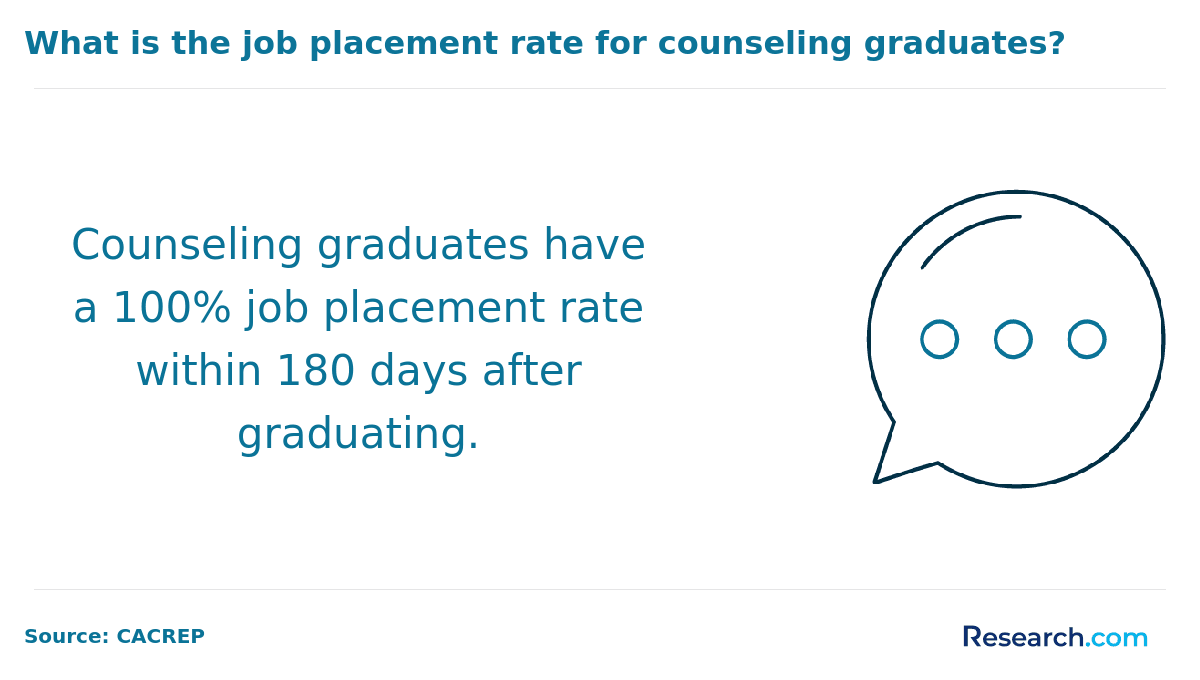
Yes, California students can find accelerated, online, and hybrid counseling programs, but “accelerated” should be evaluated carefully. A faster academic schedule can help you finish coursework sooner, yet California licensure still depends on completing required supervised experience and passing exams. The most important question is not only “How fast can I graduate?” but “Will this program keep me eligible for the license I want?”
| Program or institution | Fast-track feature mentioned | Important decision point |
| Concordia University Irvine | Offers an accelerated online master’s in counseling intended for students who want a faster completion route. | Confirm current tuition, field placement support, and California licensure alignment before enrolling. |
| Pepperdine University | Requires only 56 units for its master’s in counseling, fewer than many comparable programs. | Ask how the program maps to California requirements, especially if you are pursuing LPCC or LMFT eligibility. |
| University of Massachusetts Global | Provides an online MA in Counseling that can be completed in as little as 18 months. The 48-credit curriculum includes positive behavior supports, teletherapy, virtual counseling, practicum, and fieldwork. Tuition is approximately $12,510, with multiple start dates annually. | Verify whether the degree and credit structure match your intended California credential or license pathway. |
| National University | Charges $442 per unit, making it one of the more cost-conscious accelerated options for California students. | Compare total program cost, clinical placement assistance, graduation timeline, and licensure preparation rather than unit price alone. |
Accelerated counseling programs commonly cover counseling theory, ethics, multicultural counseling, assessment, human development, and supervised clinical practice. However, students should never assume that an online or shortened program automatically qualifies them for Licensed Professional Clinical Counselor or Marriage and Family Therapist licensure. Always ask admissions staff for a licensure disclosure and compare it with California Board of Behavioral Sciences requirements.
The chart below shows that California employs the most substance abuse, mental health, and behavioral disorder counselors in the country.
Are online counseling programs in California faster than traditional ones?
Online counseling programs can be faster for some students, mainly because they reduce scheduling friction. They are not automatically easier, and they do not shorten California’s supervised clinical experience requirements. The real advantage is flexibility: students may be able to keep working, take courses year-round, and avoid waiting for a traditional fall start date.
| Feature | Online or accelerated format | Traditional campus format |
| Schedule | May include asynchronous coursework, evening participation, or flexible assignment windows. | Often requires attendance at fixed class times and campus locations. |
| Start dates | Some programs offer rolling admissions or several start dates throughout the year. | Many programs follow standard academic terms. |
| Commute and relocation | Can reduce or eliminate regular campus travel. | May require commuting, moving, parking, or campus-based attendance. |
| Pacing | May allow continuous enrollment, heavier course loads, or summer study. | May include longer breaks or more fixed sequencing. |
| Clinical requirements | Still requires practicum, fieldwork, and supervised experience that meet applicable rules. | Also requires practicum, fieldwork, and supervised experience. |
Online study is often a strong fit for working adults, parents, and career changers who can manage deadlines independently. It may be a poor fit for students who need frequent in-person support, structured weekly routines, or immediate access to campus-based faculty and peers. Before choosing a format, review different counseling degree requirements and degree types so you understand how your program choice connects to your intended career.
What challenges do fast-track counseling students face?
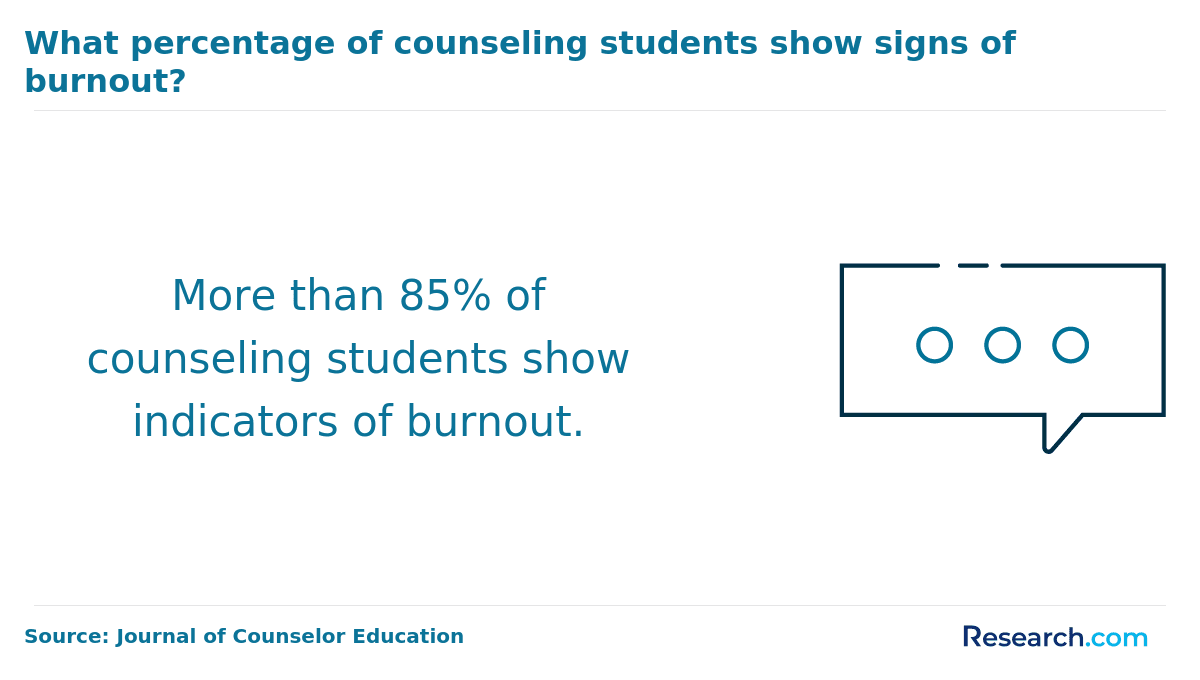
Accelerated counseling students often save time, but they trade a longer timeline for a more compressed workload. Counseling education is emotionally demanding because students are learning theory, ethics, diagnosis, self-awareness, crisis response, documentation, and client communication at the same time. Moving quickly can be productive, but it can also increase burnout risk if the student has limited support or unrealistic expectations.
- Heavier academic load: Condensed courses often require more reading, writing, case analysis, and skills practice per week.
- Less recovery time: Year-round enrollment can reduce breaks between terms, which may affect stress management and retention.
- Clinical hour pressure: Fast coursework does not remove supervised clinical hour requirements, so students still need time for placements, supervision, and documentation.
- Reduced networking time: Shorter programs may leave fewer opportunities to build relationships with faculty, supervisors, classmates, and local employers.
- Risk of surface-level learning: Students may pass courses quickly but still need deliberate practice to become effective, ethical counselors.
Before enrolling in a fast-track program, ask yourself whether you can realistically manage school, work, family responsibilities, practicum expectations, and self-care. The fastest program is not the best option if it causes you to delay clinical placement, retake courses, or pause because of overload.
The image below shows just how common burnout is among counseling students.
How do employers in California view fast-track counselors?
California employers generally care less about the label “fast-track” and more about whether the graduate is license-eligible, clinically prepared, ethical, supervised well, and able to work with the state’s diverse client populations. A graduate from an accelerated program can be competitive if the program is reputable, the clinical training is strong, and the candidate can clearly explain their experience.
| Employer concern | Why it matters | How fast-track graduates can respond |
| Depth of clinical preparation | Employers want counselors who can manage risk, document accurately, build rapport, and work within legal and ethical boundaries. | Highlight practicum quality, supervision, client populations served, and specific counseling skills practiced. |
| Program credibility | Hiring managers may question programs that appear too short or unclear about licensure preparation. | Choose a program that clearly supports California requirements and keep documentation of curriculum, fieldwork, and supervision. |
| Readiness for diverse communities | California counselors often serve clients across cultures, languages, identities, income levels, and immigration experiences. | Emphasize multicultural counseling coursework, bilingual skills when applicable, and experience in community-based settings. |
| Telehealth comfort | Many counseling environments now use hybrid or remote service models. | Point to training or experience with teletherapy, virtual counseling, digital documentation, and privacy expectations. |
Fast-track graduates may also bring strengths employers value: discipline, time management, prior work experience, adaptability, and comfort with technology. The key is to avoid presenting speed as the main qualification. Present readiness, supervision, ethics, and client care experience instead.
Are fast-track and online counseling programs in California more affordable?
Fast-track and online counseling programs can reduce some costs, but affordability depends on total tuition, fees, field placement expenses, technology costs, living costs, financial aid, and whether the program keeps you eligible for your intended license. A cheaper program that does not meet California requirements can become expensive if you need extra coursework later.
- Tuition: Accredited online programs often charge annual tuition ranging from $8,435 to $13,263, which is at or below the average tuition for traditional master's counseling programs in California.
- Time to completion: A condensed schedule may reduce the number of months you pay for school-related expenses, but only if you can complete courses without stopping out.
- Ability to keep working: Flexible online formats may help students maintain income while enrolled.
- Lower commuting or relocation costs: Online study can reduce transportation, parking, housing, or moving expenses, especially in high-cost California regions.
- Financial aid access: Many eligible students can still pursue scholarships, grants, federal aid, state aid, or in-state tuition options, depending on institution policies.
| Cost question to ask | Why it matters |
| What is the total cost of the degree, not just per-unit tuition? | Fees, textbooks, technology, travel for residencies, and placement costs can change the real price. |
| Does the school help students secure practicum or fieldwork placements? | Finding a site late can delay graduation and licensure progress. |
| Will I need to reduce my work hours? | Lost income can be a major hidden cost of accelerated study. |
| Does the program meet my California licensure goal? | Extra post-graduate coursework can erase upfront savings. |
How can I specialize in substance abuse counseling in California?
Substance abuse counseling is one of the most direct ways to enter behavioral health work in California, especially for students interested in addiction treatment, recovery support, co-occurring disorders, and community-based services. Some roles may be available before full clinical licensure, while advanced clinical practice usually requires additional education, supervised experience, or licensure depending on the job.
Students interested in this specialty should compare certification options, supervised experience requirements, employer expectations, and whether they eventually want to pursue LPCC, LMFT, LCSW, or another clinical credential. For a focused breakdown of this pathway, review how to become a substance abuse counselor in California.
Is there a demand for counselors in California?
Yes. California has substantial demand for counseling professionals across mental health, substance abuse, behavioral disorder, school, career, and community service settings. Demand is shaped by mental health awareness, provider shortages, substance use concerns, school-based needs, telehealth expansion, and public programs that support access to care.
- Mental health counseling: Anxiety, depression, trauma, family stress, and crisis needs continue to create demand for trained clinicians.
- Substance abuse and behavioral disorder counseling: Addiction treatment and recovery services remain important employment areas.
- School and career counseling: Employment is expected to grow around 4% through 2033, with schools responding to academic, college, career, and student well-being needs.
- Rural and underserved areas: Communities with fewer providers may offer meaningful opportunities for bilingual, culturally responsive, and community-focused counselors.
- Public funding and policy support: School-based wellness programs, expanded Medi-Cal mental health services, and broader workforce initiatives can support hiring in certain settings.
Students choosing between counseling and social work should compare scope of practice, licensure requirements, client populations, and career settings. This overview of the differences between LCSW and LPC degree programs can help clarify which credential better fits your goals.
Substance abuse, behavioral disorder, and mental health counselors held about 449,800 jobs in 2023. These counselors work in a variety of settings with the chart below showing the largest employers.
What are the continuing education and licensure renewal requirements for counselors in California?
California counselors must maintain their license after they earn it. Renewal typically requires completing required continuing education, meeting deadlines, keeping documentation, and staying current with state rules. Continuing education is not just a compliance task; it helps counselors stay competent in ethics, law, trauma-informed care, cultural responsiveness, telehealth, supervision, and emerging treatment practices.
Because renewal rules and required topics can change, counselors should rely on current state guidance rather than old program handbooks or informal advice. For detailed requirements, review California LPC licensure requirements and maintain organized records of completed continuing education.
How can a combined counseling and social work education benefit my career in California?
Counseling and social work overlap in their focus on client well-being, but they approach problems from different angles. Counseling programs often emphasize clinical assessment, therapeutic techniques, diagnosis, ethics, and counseling relationships. Social work education often adds systems-level training in case management, advocacy, public benefits, community resources, policy, and social services.
A professional with exposure to both areas may be better prepared for roles involving complex client needs, such as housing instability, family systems, trauma, addiction, school support, healthcare navigation, or community mental health coordination. If you are comparing clinical counseling with social work licensure, review California social worker educational requirements before choosing a graduate program.
How much do counselors get paid in California?
Counselor pay in California varies widely by license, specialty, location, employer, caseload, experience, and whether the counselor works in private practice, healthcare, education, government, nonprofit, or community mental health. Salary figures should be treated as planning benchmarks, not guarantees.
- Average annual salary: Most counselors earn between $57,700 and $79,000, with an overall state average around $70,974. Top professionals can earn up to $99,677 annually.
- Licensed Professional Clinical Counselors: LPCCs in California report average earnings of approximately $100,295—among the highest in the nation for this credential.
- Specialty and setting: Mental health, school, and substance abuse counselors may see different pay ranges depending on whether they work in urban centers, rural areas, private practice, schools, hospitals, or nonprofit agencies.
- Experience and credentials: Entry-level counselors usually earn less than licensed, experienced, bilingual, supervisory, or specialized clinicians.
- Cost of living: Higher California salaries should be compared with housing, transportation, taxes, and regional living expenses.
If you are considering marriage and family therapy as a related clinical route, you can compare faster graduate options through this ranking of shortest online MFT programs.
Is taking the fast route to become a counselor in California worth it?
A fast route can be worth it if the program is legitimate, licensure-aligned, affordable for your situation, and realistic with your work and family responsibilities. It is most valuable for disciplined students who already understand the career path, can handle a demanding schedule, and want to begin supervised experience as soon as possible.
| Fast route may be worth it if... | Consider a slower route if... |
| You can study consistently without sacrificing clinical preparation. | You need more time to absorb complex material or build confidence with counseling skills. |
| The program clearly supports California licensure requirements. | The school cannot explain how its curriculum maps to your intended license. |
| You have reliable time for practicum, fieldwork, and supervision. | Your work or family schedule makes clinical placement difficult. |
| You can manage tuition without excessive financial strain. | The accelerated pace forces you to stop working in a way that makes the degree unaffordable. |
| You already have related experience in education, social services, healthcare, or behavioral health. | You are new to the field and would benefit from more mentoring, networking, and gradual skill development. |
The safest way to choose is to evaluate the entire pathway, not only the advertised graduation date. A fast degree that leads smoothly into supervised practice can be a smart investment. A fast degree with unclear licensure alignment, weak field placement support, or unsustainable pacing can slow you down in the long run.
How can I become a school counselor in California?
School counseling has a different pathway from general clinical counseling. Professionals who want to work in K-12 schools must focus on state-recognized preparation for school counseling, field experience in educational settings, and the credentialing expectations connected to California schools. A clinical counseling degree alone may not satisfy school counselor requirements.
Before enrolling, ask whether the program prepares graduates for California school counseling credentials, whether field placements occur in school environments, and how graduates are supported through the credential process. For a step-by-step pathway, read how to become a school counselor in California.
Questions to Ask Before Choosing a California Counseling Path
- Licensure fit: Does this program prepare students for the specific California license or credential I want?
- Clinical placement support: Will the school help me find practicum and fieldwork sites, or am I responsible for locating them myself?
- Time reality: Can I handle the weekly workload, supervision expectations, and emotional demands of accelerated counseling study?
- Employer perception: Will local employers recognize the program, and do graduates work in settings similar to the ones I want?
- Total cost: What will I pay after tuition, fees, books, travel, lost work hours, and licensing costs?
- Career direction: Do I want clinical counseling, school counseling, substance abuse counseling, social work, marriage and family therapy, or another helping profession?
Related Articles for Nearby States
- 2027 Fastest Way To Become a Counselor in Nevada
- 2027 Fastest Way to Become a Counselor in Oregon
- 2027 Fastest Way To Become a Counselor in Arizona
- 2027 Fastest Way To Become a Counselor in Idaho
- 2027 Fastest Way To Become a Counselor in Utah
- 2027 Fastest Way To Become a Counselor in Washington
- 2027 Fastest Way To Become a Counselor in New Mexico
- 2027 Fastest Way To Become a Counselor in Colorado
- 2027 Fastest Way To Become a Counselor in Montana
- 2027 Fastest Way To Become a Counselor in Wyoming
References
- Berardi, A. (n.d.). Can I Become a Counselor With a Bachelor's Degree? George Fox University.
- BetterHelp. (2025, February 25). What Careers In Psychology Or Counseling Are Ideal For A Candidate With A Bachelor's Degree? BetterHelp.
- California Board of Behavioral Sciences. (n.d.). Licensed Professional Clinical Counselor. California Board of Behavioral Sciences.
- College Transitions. (2025, March 14). A Detailed Guide to Fast-Track Degrees: What You Need to Know. College Transitions.
- My College Guide. (n.d.). What Can You Do with a Degree in Counseling? My College Guide.
- Online Counseling Programs. (n.d.). How to Become a Counselor in California. Online Counseling Programs.
- Phillips, L. (2023, May). A close look at the mental health provider shortage. American Counseling Association.
- United States Bureau of Labor Statistics. (2024, April 3). Occupational Employment and Wage Statistics: 21-1018 Substance Abuse, Behavioral Disorder, and Mental Health Counselors. Bureau of Labor Statistics.
- United States Bureau of Labor Statistics. (2025, April 18). Occupational Outlook Handbook: Substance Abuse, Behavioral Disorder, and Mental Health Counselors. Bureau of Labor Statistics.
Key Insights
- The fastest legitimate path to becoming a licensed counselor in California still requires qualifying graduate education, APCC registration, 3,000 supervised clinical hours, required exams, and complete BBS documentation.
- A bachelor’s degree can lead to related roles such as substance abuse counselor, behavioral health technician, case manager, or youth counselor, but it does not qualify you for independent clinical counseling licensure.
- Accelerated and online programs can shorten coursework timelines, but students must verify licensure alignment before enrolling.
- California counseling salaries can be competitive, but earnings vary by license, specialty, employer, region, and experience.
- The fast route is best for students who are organized, financially prepared, clinically focused, and able to manage an intensive schedule without weakening their training.
- The biggest mistakes are choosing a program based only on speed, ignoring accreditation or licensure fit, underestimating supervised hour requirements, and comparing tuition without calculating total cost.
Other Things You Need to Know About the Fastest Way to Become a Counselor in California
California requires a criminal background check using Live Scan fingerprinting before a counseling license is issued by the Board of Behavioral Sciences. Applicants must submit fingerprints for state and federal review, and any relevant convictions may be evaluated under licensing rules before approval.
In 2027, prospective counselors in California must pass the National Clinical Mental Health Counseling Examination (NCMHCE) to obtain licensure. Additionally, they may need to meet specific state-administered exam criteria relevant to their counseling specialty and scope of practice.


