2027 Energy Engineering Job Market Report: Open Roles, Salary Bands, and Hiring Momentum

Co-Founder and Chief Data Scientist
The energy engineering labor market reflects a complex interplay of evolving regulatory frameworks, rapid technological adoption, and shifting investment cycles. Open roles, salary bands, and hiring momentum serve less as isolated indicators and more as signals of how employer priorities realign in response to emerging energy sources, decarbonization targets, and automation trends.
Workforce demographics and geographic clustering further shape demand, highlighting pockets where specialized expertise outpaces supply. Credential expectations are rising as employers seek candidates proficient not only in traditional systems but also in digital and sustainable technologies.
This article examines these factors' influence on hiring patterns and compensation, revealing the undercurrents redefining energy engineering work.
Key Things to Know About Energy Engineering Job Market
- Open roles in energy engineering often demand interdisciplinary expertise, prioritizing candidates with renewable energy and digital systems skills, which narrows entry points for those lacking specialized training.
- Salary bands reflect growing industry stratification, with advanced certifications correlating to significant earning potential, emphasizing the value of targeted credentials for workforce mobility.
- Recent 2024 hiring momentum shows geographic concentration in emerging markets, creating access and timing challenges for applicants outside key regions, requiring strategic relocation or remote engagement plans.
- Key Things to Know About Energy Engineering Job Market Key Things to Know About Energy Engineering Job Market
- How Strong Is Demand for Energy Engineering Graduates in Today's Job Market? Demand for Graduates
- Which Energy Engineering Careers Have the Most Open Job Opportunities? In-Demand Careers
- What Salary Bands Are Employers Offering Across Energy Engineering Careers? Offered Salary Bands
- Which Industries Are Hiring the Most Energy Engineering Graduates? Top-Hiring Industries
- How Does Hiring Demand Vary by State, Region, and City? Hiring Demand by Location
- What Skills Are Employers Prioritizing in Energy Engineering Job Postings? In-Demand Skills
- Which Certifications Increase Employability and Salary Potential? High-Value Certifications
- How Do Remote and Hybrid Opportunities Affect the Energy Engineering Job Market? Remote and Hybrid Opportunities
- Which Energy Engineering Careers Show the Strongest Long-Term Hiring Momentum? Strongest Careers
- How Can Students Use Job Market Data to Make Better Career Decisions? Utilizing Job Market Data
How Strong Is Demand for Energy Engineering Graduates in Today's Job Market?
Current labor market data from the U.S. Bureau of Labor Statistics and LinkedIn Workforce Insights indicate that demand for energy engineering graduates remains solid but exhibits regional variability. Employment opportunities are forecasted to grow by about 7% over the next decade, driven mainly by sectors investing in sustainable energy infrastructure.
However, this growth is concentrated in states and metropolitan areas prioritizing clean energy policies, while traditional fossil fuel regions show slower job creation. Understanding the localized nature of the energy engineering graduate job market trends in the US is essential for candidates evaluating relocation or role specialization.
The rising demand is propelled by technological progress in renewable energy, integration of smart grid systems, and increased regulatory emphasis on environmental compliance. Employers increasingly favor graduates with interdisciplinary skills, not just core engineering competencies, but expertise in emerging technologies like battery storage and carbon capture.
This evolution reflects broader shifts in energy sector priorities and spotlights skill gaps that graduates must address to remain competitive. Navigating these changes requires deliberate upskilling aligned with industry developments to meet complex employer needs effectively.
Long-term prospects for energy engineering graduates hinge on adapting to these market dynamics and cultivating both technical depth and broad system-level understanding. Stable employment and salary growth favor those who can operate across evolving energy ecosystems rather than narrow specializations.
Early-career professionals should interpret demand signals carefully, balancing foundational education with ongoing practical experiences such as internships. Exploring targeted educational pathways, including specialized programs such as EdD programs that emphasize current workforce demands, can also support sustained employability in this shifting landscape.
Which Energy Engineering Careers Have the Most Open Job Opportunities?
Job opportunities in energy engineering are currently concentrated in areas driven by structural shifts in energy production, infrastructure modernization, and regulatory demands. The distribution of open positions reflects rapid growth in renewable energy sectors and a simultaneous emphasis on energy efficiency, rather than traditional fossil-fuel-based roles alone.
Employers are increasingly seeking professionals who bring specialized technical expertise combined with skills in navigating evolving environmental policies and complex project management.
- Solar Photovoltaic Installers: The surge in solar infrastructure projects, especially in North America, fuels high demand for installers versed in the latest photovoltaic technologies and electrical systems. The U.S. Department of Energy forecasts over a 60% increase in solar installer jobs within five years, indicating that technical proficiency in system setup and troubleshooting is critical for employers expanding their renewable energy portfolios.
- Energy Auditors: Organizations focused on building efficiency are hiring auditors to identify energy-saving opportunities that comply with tightening environmental regulations. Demand for this role has risen by approximately 20% since 2022, driven by corporate sustainability goals and government incentives aimed at reducing energy consumption.
- Renewable Energy Project Engineers: Managing wind, hydro, and bioenergy projects requires engineers who can coordinate multidisciplinary teams, adhere to regulatory frameworks, and optimize budgets. These roles are pivotal due to substantial investments targeting clean energy infrastructure, making project management coupled with domain-specific knowledge a sought-after skill set.
- Energy Systems Analysts: With the integration of smart grids and advanced data systems, analysts capable of interpreting energy data and forecasting demand patterns are increasingly necessary. Their insights support operational efficiencies and strategic decision-making in utilities and energy providers transitioning toward decarbonization.
- Battery and Energy Storage Engineers: As renewable energy adoption grows, so does the need for expertise in energy storage technologies that address intermittency issues. Engineers who specialize in battery design, testing, and integration help ensure grid reliability and stability, reflecting expanding investment in this sector.
- Grid Modernization Specialists: Modernizing aging electrical grids to accommodate distributed energy resources calls for specialists skilled in grid design, cybersecurity, and system resilience. These roles embody a blend of traditional electrical engineering and new technology aptitude, aligning with broader energy transition objectives.
- Energy Efficiency Consultants: They help industries and municipalities implement strategies that optimize energy use while aligning with compliance standards. Consultants proficient in regulatory environments and cost-benefit analysis are in demand as public and private sectors intensify energy-saving efforts.
These roles illustrate a workforce landscape shaped by accelerating renewables deployment, regulatory complexity, and technological innovation rather than static job categories. Job seekers focused on energy engineering careers with the most open job opportunities in North America should consider how acquiring interdisciplinary technical competencies and regulatory literacy directly positions them amid these growth trends.
For individuals exploring complementary fields or considering cross-sector transitions, understanding such demand nuances is essential for making informed career decisions.
For those considering adjacent or online pathways that build relevant skills, evaluating factors like cyber security online degree cost can prove useful as grid modernization increasingly incorporates digital security elements.
What Salary Bands Are Employers Offering Across Energy Engineering Careers?
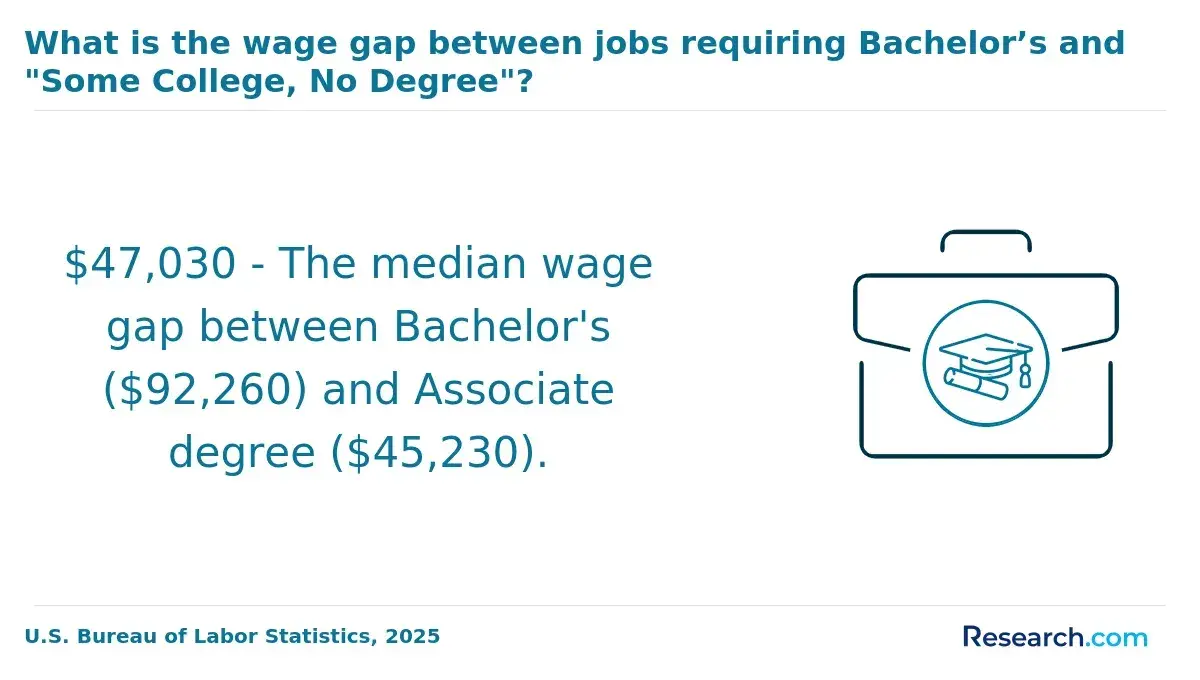
Compensation in energy engineering roles reflects a clear progression aligned with experience and complexity of responsibility, with entry-level salaries generally ranging from $60,000 to $75,000 annually according to recent data from sources like the U.S. Bureau of Labor Statistics and industry salary reports.
Professionals with three to seven years of experience typically see their pay increase to between $85,000 and $110,000, as they take on more technical and managerial duties including project design and system integration. At the senior level, where expertise combines advanced technical skills and leadership, salaries often start around $120,000 and can exceed $160,000, especially in specialized segments like smart grids or decarbonization initiatives.
These figures not only represent compensation but also signal how the field values scalability of experience and the strategic importance of emerging technologies in energy systems for 2024.
Salary differentiation in energy engineering is strongly influenced by factors such as specialization intensity, regional labor market conditions, and organizational scale. Geographic hotspots where energy firms or government programs are concentrated generally offer higher wages, reflecting elevated demand and competition for skilled talent.
Moreover, engineers with certifications in niche renewable technologies or regulatory compliance command a premium due to limited availability and critical market relevance. Company size and project scope also weigh heavily; larger firms with complex infrastructure projects tend to offer more lucrative packages, valuing technical versatility combined with strategic sustainability awareness. These dynamics collectively illustrate how compensation is shaped more by labor scarcity and operational priorities than by base qualifications alone.
One recent graduate shared that during their program application process, the rolling admissions timeline created uncertainty that affected their decision timing. They hesitated to commit early without clarity on financial aid and internship placements, which are crucial for early career salary prospects in energy engineering.
Only after several months and direct outreach to admissions offices did they feel confident to enroll, reflecting how admissions strategies and timing can indirectly influence career entry points and, by extension, initial salary negotiations in this competitive field.
Which Industries Are Hiring the Most Energy Engineering Graduates?
Demand for energy engineering graduates is heavily concentrated in industries experiencing rapid technological shifts, workforce scaling, or notable skill shortages. These sectors reflect broader economic transitions such as decarbonization, grid modernization, and evolving fuel mixes, which drive complex engineering challenges and heightened recruitment of specialized talent.
The distribution of hiring is therefore closely linked to the capacity of employers to integrate new technologies and meet regulatory requirements while managing legacy infrastructure.
- Renewable Energy Sector: This sector's expansion, especially in solar, wind, and battery storage technologies, is the primary growth engine for energy engineering employment in 2024. Employers prioritize skills in system design, energy storage integration, and performance optimization to support fast-paced project deployment amid shifting policy incentives and market competition.
- Oil and Gas Industry: Despite the rise of renewables, oil and gas companies continue to seek energy engineers for roles focused on improving operational efficiency, carbon capture technologies, and environmental impact mitigation. The demand here hinges on expertise in traditional energy systems and emerging transition technologies that aim to extend asset life while aligning with tightening emission standards.
- Electric Utilities and Grid Modernization: Utility companies are rapidly adopting smart grid and digital infrastructure advancements to enhance grid stability, resilience, and renewable integration. Energy engineers with competencies in grid analytics, automation, and control systems are increasingly vital as these firms balance aging assets with future-facing digital upgrades.
- Manufacturing: Manufacturers engaged in developing energy-efficient materials and components are another key employer group, leveraging engineering talent to innovate product design that meets stricter efficiency standards while reducing environmental footprints.
- Consulting and Engineering Services: Firms supporting energy policy implementation and infrastructure development hire energy engineers versed in regulatory frameworks, project management, and multidisciplinary technical integration to deliver complex, customized solutions across the energy value chain.
According to 2024 data from the U.S. Department of Energy, graduates entering renewable energy roles can expect starting salaries roughly 15-20% above the national average for engineering positions, reflecting specialized technical demands and competitive hiring amid industry growth.
For job seekers, developing expertise in renewables and grid digitization technologies offers notable advantages in employability and salary potential within this dynamic labor market.
How Does Hiring Demand Vary by State, Region, and City?
Hiring demand for energy engineering roles varies significantly across states and regions, shaped largely by the concentration of energy industries and regional economic structures. States like Texas, California, and Louisiana maintain strong openings due to their extensive oil and gas industries, renewable energy projects, and grid modernization efforts, reflecting established industry clusters that attract sustained employer investment.
In contrast, northeastern regions such as New York and Massachusetts show growing interest in sustainable energy technologies and smart grid innovations, indicating a shift toward higher-tech specialties within the energy sector.
According to labor market data from sources including the U.S. Bureau of Labor Statistics, these geographic differences reflect broader economic priorities and workforce development strategies, requiring prospective candidates to weigh the tradeoff between volume of entry-level roles in traditional hubs versus specialized opportunities in emerging markets. This nuanced understanding is crucial for those considering how hiring demand for energy engineering roles varies by state and region.
At the city level, metropolitan areas with dense energy company headquarters or major infrastructure projects exhibit more intense hiring activity, higher salary bands, and heightened competition for qualified talent. Urban centers like Houston benefit from a critical mass of energy firms across engineering and project management, while tech hubs such as San Francisco and Boston lean toward renewables and cleantech startups, often requiring niche skills or advanced degrees.
Local factors including infrastructure investment, the availability of talent pipelines from nearby universities, and high cost of living further influence demand dynamics, creating complex hiring ecosystems. For graduates and professionals assessing job availability and salary trends, understanding these city-specific dynamics alongside broader regional patterns is key.
Job seekers may also consider supplementing their qualifications with short certificate programs that pay well to enhance competitiveness in selective urban markets.

What Skills Are Employers Prioritizing in Energy Engineering Job Postings?
Employer demand in energy engineering reflects rapid shifts driven by technological innovation, automation, and the sector's increasing interdisciplinary complexity. Job postings highlight the necessity for candidates who not only possess core engineering fundamentals but also adapt to evolving industry needs such as decarbonization and digitalization.
As energy systems grow more integrated and data-centric, skill expectations are both deepening and widening, emphasizing hybrid capabilities that bridge traditional engineering with software and regulatory fluency.
- Renewable Energy System Design and Integration: This remains central because the industry's pivot to sustainable sources requires engineers who understand how to architect, troubleshoot, and optimize solar, wind, and other renewable installations. Mastery here signals a candidate's ability to contribute directly to decarbonization efforts, making them more attractive in a market increasingly focused on clean energy solutions.
- Energy Modeling and Simulation Software Expertise: Proficiency with tools like MATLAB, HOMER, and RETScreen is vital since modeling helps forecast performance, costs, and environmental impact. Employers prioritize this skill as it supports scenario planning and system optimization, which are essential to innovation and risk management in energy project development.
- Data Analytics and Programming (Python, R): With growing reliance on big data and digital twins, analytical programming capabilities enable engineers to extract actionable insights, improve predictive maintenance, and enhance operational efficiency. Familiarity with these languages aligns candidates with the digital transformation sweeping the sector, often unlocking better job prospects and advancement.
- Power Systems and Thermodynamics Fundamentals: Despite emerging technologies, a solid grasp of core engineering principles remains non-negotiable as these underpin energy generation, transmission, and conversion. Employers expect this foundational knowledge to ensure practical problem-solving and regulatory compliance in complex systems.
- Environmental Regulations and Compliance Knowledge: Navigating an increasingly stringent regulatory landscape is essential. Candidates versed in environmental policy help employers minimize legal risks and align project goals with sustainability mandates, a skill that underscores the real-world operational context of engineering work.
- Project Management and Communication Skills: The interdisciplinary nature of energy engineering projects requires engineers who can manage timelines, coordinate stakeholders, and communicate technical concepts effectively. These competencies are crucial for translating technical designs into actionable solutions within dynamic regulatory and market environments.
A 2024 survey by the Energy Workforce & Technology Council highlights that over 60% of employers now seek expertise in data-driven decision-making and digital simulation, underscoring the premium placed on technologically integrated skill sets.
This evolution in demand signals that prospective energy engineers must cultivate both technical depth and adaptability to thrive amid shifting industry priorities and complex project ecosystems.
Which Certifications Increase Employability and Salary Potential?
Certifications in the energy engineering field function as critical indicators of specialized expertise, technical proficiency, and practical readiness for complex industry challenges. These credentials serve as strategic assets that complement academic qualifications by addressing specific skill shortages and signaling validated competencies to employers.
Holding well-regarded certifications often improves candidates' chances of securing roles with enhanced responsibilities and better compensation.
- Certified Energy Manager (CEM): Widely respected across sustainability-focused sectors, the CEM credential demonstrates a professional's ability to optimize energy use and implement efficiency measures. This certification aligns with growing employer demand for expertise in reducing operational costs and carbon footprints, resulting in reported salary premiums averaging around 15% for holders compared to their uncertified peers.
- Project Management Professional (PMP): Valued for its emphasis on project delivery skills, PMP certification signals an ability to lead complex energy initiatives within budget and deadline constraints. Employers view PMP holders as reliable project leaders, which translates into hiring preferences and salary increases typically ranging from 10% to 20% above median levels for early to mid-career engineers.
- North American Board of Certified Energy Practitioners (NABCEP): This certification targets technical competence in renewable energy installations, emphasizing practical skills in solar and other green technologies. As the energy sector shifts toward renewables, NABCEP validates hands-on expertise that many employers consider essential, strengthening employability in specialized roles involving grid infrastructure and power systems.
- Occupational Safety and Health Administration (OSHA) Certification: Careers involving industrial or field operations rely heavily on safety knowledge to reduce risks and comply with regulatory requirements. OSHA credentials improve eligibility for positions with stringent safety standards and signal a candidate's preparedness to manage operational hazards, thus enhancing job prospects and organizational trust.
A graduate with an energy engineering degree shared that navigating certification choices during the intensive job search was challenging. After prioritizing the CEM for its strong market recognition, they hesitated due to the cost and preparation time.
Meanwhile, rolling admissions for certain certifications meant waiting uncertainly for available slots, causing delays in job applications where employers specifically required credential proof. Eventually, securing the PMP certification first provided an immediate boost in interview callbacks, reflecting how timing and strategic sequencing of certifications can influence early-career hiring success as much as the credentials themselves.
How Do Remote and Hybrid Opportunities Affect the Energy Engineering Job Market?
Remote and hybrid opportunities are actively reshaping hiring trends in the energy engineering job market by broadening the scope of roles accessible beyond traditional geographic limits. Recent workforce analytics indicate a 15-20% increase in remote-friendly energy engineering job postings compared to previous years, particularly in renewable energy sectors where digital integration is prominent.
These shifts allow employers to source talent from a wider, more diverse pool without relocation expenses, although positions requiring hands-on fieldwork remain largely on-site. Such data highlight that hybrid work models are redefining recruitment patterns, especially for roles involving design, simulation, and project management, which align with evolving candidates' preferences and employer practices in remote work trends in the energy engineering job market.
The rise of hybrid and remote work models also influences long-term labor market dynamics by equalizing salary structures across regions while intensifying competition among candidates nationally and internationally. Employers now emphasize skills in digital communication, self-management, and collaborative tools as critical, reflecting a strategic shift in workforce expectations.
This evolution challenges early-career professionals to pursue education and training that integrate remote work simulations or digital competencies to remain competitive. Over time, these trends signal a more distributed and flexible job market within energy engineering careers, where geographic mobility is less crucial but adaptability to hybrid workflows and digital collaboration becomes indispensable.
For individuals assessing educational pathways, considering programs that balance technical expertise with remote work readiness-comparable to features found in some of the best library schools-can improve long-term employability and fit within this transforming labor market structure.
Which Energy Engineering Careers Show the Strongest Long-Term Hiring Momentum?
Long-term hiring momentum in energy engineering careers reflects deeper structural shifts in global energy industries rather than transient job market fluctuations. This momentum is a direct response to enduring technological transformation, evolving regulatory frameworks, and the urgent economic imperative to transition toward sustainable energy sources.
Workforce demand sustainability in these roles hinges on the integration of renewable systems, advancements in energy storage, and modernization of grid infrastructure, all requiring specialized hybrid technical proficiencies.
- Renewable Energy Systems Engineers (Solar, Wind) - These roles show strong hiring momentum driven by policy incentives and global decarbonization efforts, which have created a sustained industry emphasis on expanding solar and wind capacity. The demand is structurally reinforced by both capital investment trends and innovation in renewable technology deployment, ensuring long-term workforce stability.
- Energy Storage and Battery Technology Engineers - As intermittent renewable sources become more prevalent, energy storage systems play a critical role in grid reliability. The complexity of battery technologies and their integration challenges continue to create specialized demand. This role's momentum reflects structural needs for improved energy density, lifecycle management, and systems integration in evolving energy markets.
- Smart Grid and Energy Systems Integration Specialists - The modernization of grid infrastructure to accommodate distributed energy resources requires professionals adept in software-driven controls and data analytics. Hiring growth in this area stems from evolving employer expectations for hybrid skill sets that combine traditional engineering with software and systems expertise.
While traditional fossil fuel engineering roles persist, they face longer-term risk due to shifting investment priorities, illustrating the importance of aligning education with the areas demonstrating the highest hiring growth and sustainability. For those exploring educational pathways that align with these trends or seeking to balance career decisions, evaluating programs for cross-disciplinary skill development is essential.
For context on related educational options that balance cost and practicality, prospective students may consider researching the cheapest online spanish degree to understand how educational investment choices impact career outcomes in evolving fields.
How Can Students Use Job Market Data to Make Better Career Decisions?
Students examining job market data from recent labor reports, specialized hiring platforms, and salary databases can better evaluate demand, compensation, and growth potential within Energy Engineering sectors. This data highlights which geographic areas and industries demonstrate expanding opportunities, helps quantify realistic salary expectations by role and experience level, and reveals employer preferences for specific technical skills.
Access to hiring momentum indicators further identifies roles with faster placement rates, enabling students to prioritize in-demand competencies over less relevant or outdated credentials. These actionable insights support more focused decisions on educational pathways and internships aligned with workforce realities in 2024 and beyond.
Interpreting this data requires balancing immediate labor market trends with long-term career stability and personal alignment. Geographic flexibility can open doors where demand and salaries are strongest, but students must weigh this against lifestyle considerations and industry sector dynamics, such as conventional power generation versus renewable energy.
Overreliance on short-term hiring spikes risks misaligned expectations; integrating labor data with individual career goals ensures better fit and adaptability. Ultimately, discerning how skill sets, regional factors, and evolving industry priorities intersect empowers prospective Energy Engineering professionals to navigate the complex tradeoffs involved in education and employment decisions.
References
- What Employers Are Looking For – Career Connections Center | Milwaukee School of Engineering https://www.msoecareerconnections.com/channels/what-employers-are-looking-for/
- Jobs of the Future: The Growing Demand for Green Energy - The Renewable Energy Institute https://www.renewableinstitute.org/jobs-of-the-future-the-growing-demand-for-green-energy/
- Energy Engineer - Salary, Qualifications & Demand https://www.rssinc.com/blog/energy-engineering-staffing/
- Top Engineering Certifications for Career Growth & Higher Salaries - Blue Signal Search https://bluesignal.com/2025/02/20/top-engineering-certifications-for-career-growth-higher-salaries/
- Working at Siemens Energy: Careers & Job Opportunities https://www.siemens-energy.com/global/en/home/careers/working-with-us.html
- Top Engineering Certifications to Boost Your Career Prospects https://www.advance-trs.com/2025/03/17/top-engineering-certifications-to-boost-your-career-prospects/
- Engineering Salary Guide | Acara Solutions https://acarasolutions.com/guides/engineering-technology-salary-guide/
Other Things You Should Know About Energy Engineering Job Market
Salary bands vary significantly among energy engineering subfields due to differing technical demands and industry profitability. For example, roles in renewable energy project development often pay less initially but may offer stronger long-term growth and stability compared to fossil fuel-related engineering positions, which can have higher entry salaries but face demand volatility. Candidates should assess their tolerance for market risk and align their specialization choice with their financial priorities-prioritizing stable, diversified sectors if consistent income is critical, or emerging niches if they value growth potential despite short-term pay tradeoffs.
Multidisciplinary roles that blend mechanical, electrical, and environmental expertise frequently offer broader hiring opportunities, but they can also dilute depth in any one skill, potentially resulting in lower starting salaries or slower promotions. Focused specialists, such as those concentrated in energy storage or grid modernization, typically meet more specific employer expectations and command higher pay but face narrower market openings. Early-career professionals should prioritize gaining depth in areas where they can demonstrate measurable impact, supplementing with cross-domain knowledge only to the extent it enhances their core value proposition.
Hiring momentum in certain sectors of energy engineering can be cyclical, influenced by regulatory changes, infrastructure investment waves, or geopolitical factors. Entering the job market during peaks can facilitate faster job placement and higher salary offers, but it also increases competition among candidates. Pragmatically, job seekers should monitor sectors with sustained or even slow but stable hiring patterns-these offer a better balance between opportunity and competition, enabling more strategic career entry and progression planning rather than reacting solely to short-term market booms.
Accepting roles with somewhat lower compensation in exchange for hands-on experience and exposure to complex projects can accelerate career growth, especially within large organizations or cutting-edge energy sectors. However, this tradeoff should be limited by clear milestones in skill acquisition and career advancement to avoid prolonged underemployment. Prioritize opportunities where tangible learning outcomes align with employer expectations and lead to rapid upskilling; otherwise, lower pay roles risk stagnating professional development and could delay reaching salary benchmarks typical for skilled energy engineers.