2027 How Employers Are Changing Hiring Criteria for Energy Engineering Graduates in the AI Era

Co-Founder and Chief Data Scientist
A prospective energy engineering graduate enters the job market equipped with technical knowledge but soon realizes a degree alone no longer guarantees a competitive edge. Employers increasingly seek candidates who integrate AI understanding with traditional engineering skills. According to the World Economic Forum's 2024 Future of Jobs report, 50% of all employees will require significant reskilling by 2027 due to AI-driven automation and shifting workplace demands, signaling a profound change in hiring priorities.
This shift compels energy engineering students and recent graduates to adapt their skill sets beyond core discipline expertise. Hiring criteria now emphasize AI literacy, data analysis capabilities, and diverse transferable skills that foster innovation and problem-solving in complex environments. The following article explores how employers are redefining these criteria, highlights the rising importance of AI competencies, and outlines strategies students can adopt to remain viable in the AI-era workforce.
Key Things to Know About the Changing Hiring Criteria for Energy Engineering Graduates in the AI Era
- Employers now prioritize candidates who integrate AI tools with energy engineering design, reflecting a 2024 survey where 67% expect graduates to apply machine learning for system optimization, raising hiring standards.
- AI literacy and data analysis proficiency are increasingly decisive, implying graduates must enhance these skills to manage AI-augmented workflows and maintain cross-disciplinary relevance amid evolving technology demands.
- Strong transferable skills like complex problem-solving and adaptive reasoning significantly boost competitiveness, as employers weigh these over traditional credentials to navigate AI-driven shifts in energy sector challenges.
- Key Things to Know About the Changing Hiring Criteria for Energy Engineering Graduates in the AI Era Key Things to Know About the Changing Hiring Criteria for Energy Engineering Graduates in the AI Era
- How Is AI Changing What Employers Look for in Energy Engineering Graduates? How Is AI Changing What Employers Look for in Energy Engineering Graduates?
- Which AI Skills Are Employers Expecting Energy Engineering Graduates to Have? AI Skills
- Which Human Skills Are Employers Looking for in Energy Engineering Graduates? Human Skills
- How Are AI Tools Changing Daily Work in Energy Engineering Careers? AI Workplace Tools
- How Are Employers Evaluating Energy Engineering Candidates Beyond Academic Credentials? Hiring Criteria
- How Are Energy Engineering Degree Programs Adapting to AI? AI Curriculum
- Which Industries Are Changing Hiring Expectations Most for Energy Engineering Graduates? AI and Industry Expectations
- How Is AI Changing Career Growth for Energy Engineering Professionals? AI and Career Growth
- How Should Energy Engineering Students Prepare for AI-Driven Hiring? Career Preparation
- How Should Students Choose a Energy Engineering Program for the AI Era? How Should Students Choose a Energy Engineering Program for the AI Era?
How Is AI Changing What Employers Look for in Energy Engineering Graduates?
The increasing adoption of AI technologies in the energy sector is reshaping employer expectations for energy engineering graduates. Rather than valuing purely traditional engineering capabilities, companies now seek candidates who can collaborate effectively with AI-driven systems that analyze and optimize energy operations. For example, an energy firm might use AI tools to predict maintenance requirements on a power grid, requiring engineers who understand both the technical infrastructure and how to interpret AI-generated insights for strategic decision-making.
This shift means those entering the workforce must develop a hybrid skill set combining domain expertise with programming proficiency and comfort using AI frameworks tailored to energy applications. Data from the U.S. Department of Energy's 2024 report shows over 70% of energy companies integrate AI analytics and automation, highlighting the critical role AI plays in daily operations. Employer hiring trends reflect a growing emphasis on adaptability, critical thinking, and interdisciplinary collaboration, as outlined by the latest National Association of Colleges and Employers findings.
Consequently, human skills such as communication and ethical awareness remain indispensable, particularly given the increased attention to sustainability and the social implications of AI in energy. Graduates who cultivate these competencies alongside their technical foundation will better meet evolving workforce demands and can explore educational pathways at the most affordable online colleges that offer integrated AI and Energy Engineering programs.
Employers are prioritizing individuals who not only operate AI tools but also critically assess AI outputs in context, a capability emphasized in a 2024 McKinsey workforce study noting over 60% of energy sector employers seek candidates with such analytical strengths. The AI impact on energy engineering graduate skills extends beyond algorithmic knowledge to include ethical judgment and sustainability considerations, reflecting industry-wide shifts. While AI enhances efficiency and insight generation, the human element in interpreting data and making strategic decisions remains central.
Which AI Skills Are Employers Expecting Energy Engineering Graduates to Have?
AI is reshaping the core competencies expected from energy engineering graduates as employers move beyond traditional technical skills to prioritize practical AI fluency. This shift reflects the increasing integration of intelligent automation and data-driven decision-making in energy systems management.
Workers who can seamlessly combine discipline-specific knowledge with robust AI capabilities gain a measurable advantage, especially as wage growth in energy engineering roles continues to outpace inflation, according to recent data from the U.S. Bureau of Labor Statistics. Employers now seek candidates who demonstrate the ability to apply AI tools in real-world project environments rather than only possessing theoretical AI knowledge.
Below are key AI skills employers expect energy engineering graduates to have.
- Machine Learning Proficiency: Mastery of machine learning algorithms enables graduates to develop predictive models crucial for forecasting energy demand and optimizing system performance. Employers expect candidates to implement these models to improve grid stability and efficiency. Students can build this skill through hands-on projects involving real energy datasets and accessible platforms like Python's scikit-learn.
- Predictive Analytics Expertise: This skill involves extracting actionable insights from complex energy data streams to anticipate system failures or maintenance needs. Professionals use predictive analytics to extend equipment lifespan and reduce downtime. Practical experience with statistical software and cloud-based analytics tools is highly valued by employers.
- Programming in Python and R: Fluency in these languages is essential for automating data processing and developing AI-driven applications tailored to energy challenges. Employers look for graduates who can write clean, efficient code that integrates with simulation software. Enhancing coding skills via internships or open-source contributions strengthens job readiness.
- AI-Driven Simulation Software: Familiarity with simulation platforms that incorporate AI accelerates the design and testing of innovative energy solutions, such as renewable integration strategies. Employers prefer candidates who can navigate these tools to model complex grid interactions. Engaging with software used in industry and academic labs helps bridge theory and practice.
- Ethical AI and Cybersecurity Awareness: Understanding the ethical implications and cybersecurity risks of deploying AI in critical energy infrastructure is crucial. Graduates must be prepared to identify vulnerabilities and ensure AI systems operate responsibly. Coursework or certifications focused on AI ethics and security protocols prepare candidates for these challenges.
Energy engineering students balancing core fundamentals with the emerging demands for AI skills can consider specialized training or cooperative education options. For those exploring broader interdisciplinary qualifications, a master's in construction management may offer complementary competencies that include project management and data analysis relevant to energy infrastructure projects.
Which Human Skills Are Employers Looking for in Energy Engineering Graduates?
As artificial intelligence automates routine analytical and modeling tasks, the premium on human skills that AI cannot replicate intensifies. Employers in energy engineering now seek graduates who bring adaptability and emotional insight to complement technical capabilities, resulting in more holistic problem-solving. These uniquely human abilities enable professionals to navigate complex social contexts and rapidly changing technological landscapes-areas where AI remains limited.
Consequently, success in this evolving field requires investing in interpersonal and cognitive attributes alongside technical mastery. Key human skills rising in importance include:
- Effective Communication: Conveying complex energy systems data to non-technical audiences is critical as projects involve diverse stakeholders from regulators to community groups. Graduates should focus on clear, persuasive explanation to bridge gaps between AI-generated insights and real-world application.
- Collaborative Teamwork: Energy solutions increasingly require interdisciplinary approaches, blending expertise in data science, policy, and economics. Ability to synthesize different perspectives and work cohesively within teams drives innovation beyond isolated calculations.
- Adaptive Learning: Rapid AI-driven changes necessitate continuous skill development and flexibility. Graduates who embrace ongoing education and pivot strategies as new tools emerge maintain a competitive advantage.
- Critical Thinking: AI provides data outputs but cannot replace nuanced judgment in ethical dilemmas or unpredictable scenarios. Energy engineers must evaluate implications thoughtfully, balancing technical data with sustainability and social impact considerations.
- Emotional Intelligence: Recognizing and managing one's own emotions and those of others fosters productive collaboration and conflict resolution. This skill enhances leadership and team dynamics, especially amidst uncertainty and change.
One recent graduate recalls facing a project where an AI model suggested an energy system design that was optimal on paper but failed to account for local community concerns. Hesitant to override the data, the graduate facilitated dialogue to understand stakeholder needs, ultimately recommending adjustments that balanced efficiency with social acceptance. This experience underscored how emotional intelligence and communication skills remain indispensable in interpreting AI insights responsibly and effectively within real-world complexities.
How Are AI Tools Changing Daily Work in Energy Engineering Careers?
AI tools are increasingly integral to the workflows of energy engineering professionals, automating routine processes such as predictive maintenance and energy consumption forecasting. This shift enables engineers to process large volumes of data rapidly, uncover inefficiencies, and model complex systems with greater precision. Data from the U.S. Bureau of Labor Statistics and the International Energy Agency in 2024 reveal that over 60% of firms within this sector now employ AI-driven software for optimizing grid management and renewable energy integration.
As a result, daily responsibilities are no longer centered solely on traditional engineering tasks but now include active collaboration with AI platforms, interpreting outputs, and adjusting system designs accordingly. For instance, an engineer might use AI simulations to evaluate power grid resilience under varying climate conditions, allowing for more responsive and adaptive infrastructure planning.
This evolution demands stronger interdisciplinary communication, particularly with data scientists and software developers, with a 2024 National Renewable Energy Laboratory report highlighting up to a 30% productivity increase when technical teams combine AI competencies with engineering expertise. The integration of AI also shifts the role toward higher-level functions that require critical assessment, creativity, and ethical oversight of machine-generated recommendations.
Employers prioritize candidates who demonstrate proficiency in programming languages like Python and experience with AI frameworks alongside core engineering knowledge. This trend underscores the need for emerging professionals to develop agile learning habits and evaluative judgment to navigate increasingly complex systems where human insight remains essential despite technological advances.
How Are Employers Evaluating Energy Engineering Candidates Beyond Academic Credentials?
Employers in the energy engineering sector are shifting their evaluation criteria well beyond traditional academic markers such as GPA and degree titles. Recent findings by the National Association of Colleges and Employers show that over 68% of employers prioritize practical experience, including internships, relevant projects, and certifications related to AI applications in energy systems. This trend reflects how companies value candidates who demonstrate applied skills in AI-enabled modeling, data analytics, and automation.
For instance, a graduate who has developed AI-driven predictive maintenance tools during an internship often stands out more than one with only strong academic records but limited hands-on exposure. This evolution in hiring practices aligns with a broader emphasis on soft skills such as problem-solving, teamwork, and communication. As AI increasingly automates technical calculations, employers expect energy engineering professionals to effectively interpret data insights and communicate findings to diverse, non-technical stakeholders.
The World Economic Forum's Future of Jobs report underscores the growing importance of emotional intelligence and cognitive flexibility, which enable engineers to thrive in interdisciplinary teams and rapidly changing environments. Moreover, adaptability and lifelong learning remain vital; candidates who actively upskill through online courses, workshops, or contributions to AI projects signal readiness to evolve with the field's demands.
Understanding how employers assess AI and human skills in energy engineering candidates helps explain why holistic hiring practices are becoming the norm. In a market influenced heavily by digital transformation, demonstrating real-world capabilities can significantly improve career prospects. Early-career professionals who integrate practical AI competencies with foundational knowledge will be better prepared to innovate and lead. For those exploring educational options, examining top-tier social media degree programs or similar resources can reveal pathways to develop these multifaceted skills effectively.
How Are Energy Engineering Degree Programs Adapting to AI?
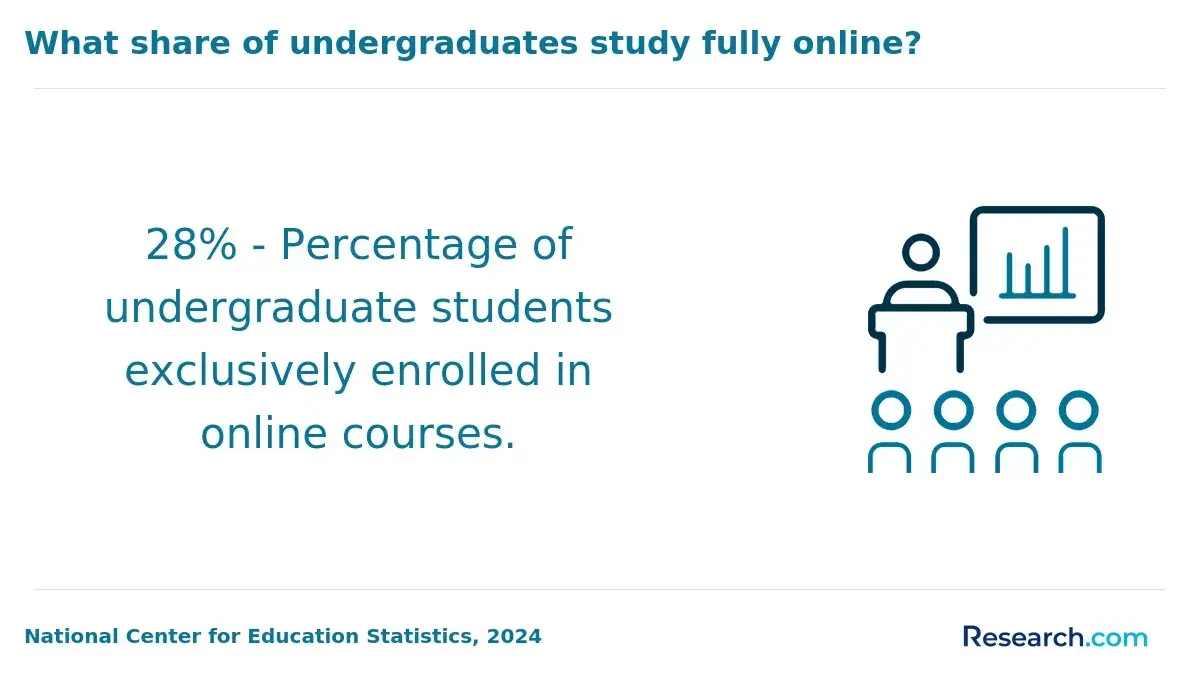
Energy engineering degree programs are increasingly integrating artificial intelligence concepts alongside core technical knowledge to meet evolving employer demands. According to 2024 data from the National Center for Education Statistics, over 65% of STEM-related programs now include AI-focused coursework either as core requirements or electives. This shift reflects the need for graduates to combine expertise in traditional energy systems with competencies in AI-driven data analysis, predictive modeling, and automation-skills critical for tasks like optimizing renewable energy outputs or managing smart grids.
For example, students might engage in cross-disciplinary projects where they apply machine learning algorithms to forecast energy consumption patterns, preparing them for collaborative environments where working effectively with data scientists is essential. Universities face the challenge of balancing foundational engineering principles such as thermodynamics and power systems with new AI demands, often reallocating credit hours to coding, AI ethics, and data science.
This realignment fosters graduates who are technically versatile and prepared to navigate increasingly AI-augmented workspaces. Moreover, institutions are enhancing experiential learning through partnerships with industry, enabling students to work on AI applications in energy contexts while emphasizing responsible use of technology. Embedding lifelong learning skills and ethical considerations in AI use further equips students to adapt as technologies evolve, ensuring their preparedness for dynamic energy sector careers.
The workforce perspective underscores the value of AI fluency. A 2024 U.S. Bureau of Labor Statistics report highlights that early-career energy engineers proficient in AI often command higher starting salaries and improved job prospects, while those without these skills risk professional stagnation. Degree programs that foster practical AI tool use and interdisciplinary collaboration not only better prepare students for hiring preferences but also enhance long-term career resilience amid shifting industry expectations.
Which Industries Are Changing Hiring Expectations Most for Energy Engineering Graduates?
The rate at which industries integrate artificial intelligence varies widely, shaping distinct hiring priorities for energy engineering graduates. While some sectors rapidly adopt AI to streamline complex operations, others apply it more selectively, resulting in diverse expectations for technical expertise. For a recent graduate weighing job opportunities, this disparity means that mastering AI skills can enhance employability in some fields but may hold different weight elsewhere.
Understanding these sector-specific demands helps graduates tailor their skill development strategically. Below are five industries notably transforming their hiring standards in response to AI advancements.
- Renewable Energy: This sector prioritizes graduates skilled in AI-driven analytics and machine learning to optimize solar and wind power output. Employers look for candidates comfortable with managing smart grids and using big data for efficient energy storage, reflecting a shift to data-centric roles.
- Oil and Gas: Hiring now favors those proficient in AI applications such as automated drilling systems and environmental risk modeling. The focus is on balancing operational efficiency with sustainability goals, with a recent Energy Information Administration report highlighting a 45% increase in AI-related job postings within the past year.
- Utilities and Grid Management: Given the rising complexity of power distribution, employers seek graduates versed in AI techniques for fault detection and load forecasting. Interdisciplinary knowledge blending electrical engineering and AI methods is increasingly essential, as detailed in a 2024 Electric Power Research Institute study.
- Energy Storage Technology: AI integration is accelerating demand for specialists who can develop adaptive algorithms to enhance battery performance and lifecycle management. This sector's growth reflects the broader energy transition's reliance on intelligent storage solutions.
- Energy Consulting and Analytics: Firms require experts capable of leveraging AI for predictive maintenance, market modeling, and policy impact analysis. This trend underscores the value of combining technical and analytical skills to inform strategic decisions amid evolving energy landscapes.
One recent energy engineering graduate recalled feeling uncertain when choosing between roles in renewable energy and utilities. Conversations with hiring managers revealed not just a difference in technical expectations but also in the pace of AI integration.
While renewable companies emphasized machine learning proficiency to optimize clean energy generation, utility employers stressed practical AI applications for managing grid stability under varying demand conditions. This insight prompted the graduate to pursue targeted coursework in AI algorithms tailored to energy systems, blending theoretical knowledge with applied skills-a choice that ultimately eased entry into a competitive job market.
How Is AI Changing Career Growth for Energy Engineering Professionals?
The pace at which artificial intelligence is integrated into different sectors influences how quickly employer expectations for energy engineering graduates evolve. Industries with heavy reliance on data analytics and digital infrastructure typically adopt AI-driven processes more rapidly than those with legacy systems or regulatory constraints. This results in varied hiring practices, where some employers demand advanced interdisciplinary skills while others maintain more traditional engineering criteria.
Recognizing these differences helps prospective students focus on sectors offering the most significant career growth opportunities in energy engineering with AI. Here are five industries where these expectations are shifting fastest.
- Renewable Energy: This sector increasingly requires energy engineers who can leverage AI for optimizing solar, wind, and battery storage systems. Proficiency in AI-powered predictive analytics and machine learning to improve output efficiency and maintenance scheduling is becoming a baseline skill, reflecting the International Energy Agency's 2024 findings on workforce transformation.
- Utilities and Grid Management: Energy companies managing smart grids prioritize candidates skilled in AI tools for real-time grid stability and demand forecasting. Integration of cybersecurity and software development knowledge is also rising to meet new system complexities, raising the bar for traditional engineering roles.
- Oil and Gas: Although slower to adopt AI than renewables, oil and gas firms are increasingly deploying AI for predictive maintenance, drilling analytics, and emissions monitoring. Energy engineers in this field must now understand data science fundamentals alongside core engineering principles.
- Energy Storage Technology: Rapid innovation in battery and hydrogen storage technologies demands engineers proficient in AI algorithms to optimize storage efficiency and lifespan. Cross-disciplinary skills involving AI and materials science are prioritized, shaping hiring standards.
- Government and Research: Public energy agencies and labs emphasize candidates fluent in AI-driven modeling and policy analysis tools. This sector encourages continuous learning and often supports certifications, echoing trends in educational programs including most affordable online DBA programs that integrate tech-focused curricula.
How Should Energy Engineering Students Prepare for AI-Driven Hiring?
Preparing for AI-driven hiring in energy engineering requires more than just completing a degree; it demands a blend of technical expertise, AI-related proficiency, and well-developed interpersonal skills. As over 70% of employers in energy-related fields now emphasize AI capabilities such as predictive analytics and machine learning algorithms tailored to energy optimization, graduates must stand out by integrating AI literacy with traditional engineering knowledge.
The evolving workforce seeks individuals who can innovate and enhance system efficiencies by applying AI thoughtfully, not just operate existing tools. Below are key strategic actions students can take to better position themselves in this competitive landscape.
- Develop AI Programming Skills: Master programming languages like Python, which are essential for AI model development. Gaining hands-on experience with coding and AI software platforms improves problem-solving abilities and prepares students to handle real-world energy challenges involving automated control systems.
- Engage in Cross-Disciplinary Collaboration: Build communication and teamwork skills by working alongside data scientists and policy experts. AI-driven energy initiatives often require multidisciplinary cooperation, making collaboration experience critical to employer expectations.
- Pursue Practical AI Applications: Seek internships or project work focused on AI tools for energy optimization. Real-world applications deepen understanding and demonstrate a candidate's capability to apply theoretical knowledge effectively.
- Stay Current with AI Trends: Continuously update technical skills and industry knowledge by following recent developments and research, ensuring adaptability to rapidly shifting AI-driven technologies and hiring criteria.
- Leverage Educational Pathways: Consider advanced or specialized programs such as EdS to EdD bridge programs online to deepen expertise. These pathways can provide competitive distinctions for energy engineering students preparing for AI-driven hiring.
These approaches reflect actionable ways to prepare energy engineering graduates for AI job market realities, balancing core engineering skills with emergent AI competencies.
How Should Students Choose a Energy Engineering Program for the AI Era?
Choosing an energy engineering program today requires looking beyond traditional factors like reputation and cost. The rapid integration of artificial intelligence into the energy sector demands that curricula prepare students for new technical competencies and interdisciplinary collaboration. Employers now emphasize skills in machine learning, predictive analytics, and automation alongside core engineering knowledge.
For example, a graduate familiar with AI-driven smart grid technologies is more likely to secure a role at energy firms adopting digital transformation. Decisions should focus on how well a program aligns with these workforce shifts. Key evaluation factors include:
- Curriculum Integration: Prioritize programs embedding AI concepts with energy fundamentals, as this fusion cultivates practical skills essential for emerging energy systems.
- Hands-On Experience: Seek programs offering internships or project-based learning with AI-enabled energy tools to build relevant, applied competencies.
- Interdisciplinary Collaboration: Programs fostering ties between energy engineering, computer science, and data science encourage creative problem-solving necessary for complex energy challenges.
- Ethical and Cybersecurity Training: Understanding AI vulnerabilities and ethical use in energy infrastructure differentiates candidates amid increasing system complexities.
- Faculty and Industry Partnerships: Access to experts and AI-driven energy companies ensures exposure to cutting-edge developments and better employment prospects.
References
- The Best Postgraduate Schools for Renewable Energy Engineering | NEWENGINEER https://newengineer.com/advice/the-best-postgraduate-schools-for-studying-renewable-energy-engineering-1033231
- Will Energy Engineers, Except Wind and Solar be replaced by AI & Robots? https://willrobotstakemyjob.com/energy-engineers-except-wind-and-solar
- Green Careers in Focus: Becoming an Energy Engineer https://www.morrisby.com/blog/green-career-focus-of-the-month-energy-engineer
- AI and Job Evolution in the Energy Industry https://clouglobal.com/the-double-edged-sword-ai-and-job-evolution-in-the-energy-industry/
- The AI Engineer Hiring Guide | DeepRec.ai | Deep Tech Recruitment Agency · DeepRec https://www.deeprec.ai/the-ai-engineer-hiring-guide/
- Skills: "energy engineering" | UNjobs https://unjobs.org/skills/energy-engineering
- Renewable Energy Engineer https://www.developingexperts.com/career-builder/724
- Renewable Energy and AI* https://www.ube.ac.uk/postgraduate/renewable-energy-and-ai/
- AI impacting energy jobs outlook, survey finds | Future Digital Twin https://futuredigitaltwin.com/ai-impacting-energy-jobs-outlook-survey-finds/
- Hiring AI Engineers in 2025: The Complete Guide — Alpha Apex Group - Consulting & Executive Search Firm https://www.alphaapexgroup.com/blog/hiring-ai-engineers-complete-guide
Other Things You Should Know About Energy Engineering
Employers increasingly expect energy engineering graduates to combine technical depth with versatility, but over-specializing in AI tools risks narrowing career flexibility. Graduates should prioritize mastering foundational engineering principles alongside adaptable digital competencies to remain relevant as employer needs shift unpredictably. Programs that embed AI fluency within broader energy system knowledge tend to produce candidates who better navigate the evolving job landscape. Pursuing opportunities that reinforce cross-disciplinary problem-solving will yield stronger outcomes than focusing solely on niche AI skills.
While AI expertise is valuable, many employers still prioritize candidates demonstrating tangible engineering project accomplishments reflecting real-world problem-solving. Overemphasizing AI tool competency without substantial practical exposure may hinder hiring prospects by signaling theoretical rather than applied readiness. Graduates should seek to integrate AI-enabled methods within hands-on projects to showcase both their technical agility and practical impact. Balancing certifications in cutting-edge AI with a robust portfolio of completed energy engineering projects often proves more influential in hiring decisions.
Employers anticipate that new hires will manage increasingly complex datasets and simulations, often under tighter deadlines due to AI-accelerated workflows. This can lead to higher initial workload intensity, requiring quick adaptability and strong time management. Prospective candidates should evaluate job roles critically, favoring positions with structured mentorship and realistic pacing to avoid burnout. Preparing for an environment where AI expands task complexity means prioritizing resilience and continuous learning alongside technical skills during early career stages.
Large firms often integrate AI into well-defined processes with extensive training but may demand conformity to legacy systems, potentially slowing innovation adoption. Smaller companies generally offer faster exposure to AI-driven experimentation but carry greater risk of role ambiguity and uneven support. Graduates prioritizing structured skill development and clear career pathways might prefer larger employers, while those seeking broad autonomy and rapid AI-centric growth should consider smaller, more agile firms. Assessing personal learning preferences against organizational AI maturity is crucial for informed job selection.