2027 Best Career Pivot Options for People With an Applied Behavior Analysis Degree

Co-Founder and Chief Data Scientist
An Applied Behavior Analysis degree can lead to more than traditional ABA practice, but the pivot is rarely automatic. The main challenge is translation: employers outside the field may not immediately understand how behavior assessment, intervention design, data collection, ethics, and client communication apply to their hiring needs.
This guide is for ABA graduates, behavior technicians, BCBA-track professionals, and mid-career practitioners who want better advancement, broader options, or a new work setting without discarding their education. Nearly 45% of ABA-certified professionals explore career pivots within five years because of limited advancement or salary growth, making career planning an important part of long-term professional sustainability.
Below, you will find practical ways to evaluate pivot options, identify industries that value ABA skills, compare accessible and higher-paying roles, choose credentials wisely, use freelance work strategically, and network in ways that make your background easier for employers to understand.
Key Things to Know About the Best Career Pivot Options for People With a Applied Behavior Analysis Degree
- Applied behavior analysis graduates possess critical analytical and interpersonal skills-ideal for roles in human resources, organizational development, and healthcare support that demand evidence-based decision making.
- Entry-level pivot positions such as behavioral technician, case manager, or training coordinator offer accessible pathways into expanding sectors like autism support services, corporate wellness, and eldercare.
- Strategic credential upgrades-like board certification and specialized workshops-combined with targeted networking and resume reframing, significantly improve long-term career trajectories and salary prospects in multidisciplinary environments.
What Career Pivot Options Are Available to People With a Applied Behavior Analysis Degree?
People with an Applied Behavior Analysis degree can pivot into several fields where behavior change, measurement, communication, and intervention planning matter. The most realistic options are usually roles that preserve part of the ABA skill set while changing the work setting, client population, or industry.
Career changes are common across the labor market. Data from the Bureau of Labor Statistics (BLS) show that modern workers often change careers several times throughout their lives, while National Association of Colleges and Employers (NACE) research and LinkedIn Workforce Insights suggest that graduates with adaptable skill sets tend to navigate transitions more successfully.
ABA graduates are well positioned because their training is practical and evidence-based. They learn how to observe behavior, define measurable goals, collect and interpret data, adjust interventions, document outcomes, and communicate with families, educators, clinicians, or supervisors. Those abilities can support both entry-level moves and mid-career shifts.
Common career pivot paths
- Health and rehabilitation services: Roles such as rehabilitation counselor, mental health technician, care coordinator, behavioral health program assistant, or support coordinator use skills in intervention planning, documentation, and client support. These paths may feel familiar because they still involve human services and measurable behavior change.
- Education and training: ABA graduates may move into special education support, instructional design, learning support, school-based behavior roles, corporate training, or staff development. The common thread is applying learning principles to help people acquire skills or change performance.
- Human resources and organizational development: Employers that focus on engagement, performance management, training, and workplace culture can benefit from professionals who understand motivation, reinforcement, feedback, and behavior measurement.
- Research and data analysis: Graduates with strong data collection, graphing, observation, and program evaluation experience can explore behavioral research, program evaluation, entry-level data analysis, or education and health research coordination.
- Social services and advocacy: Case management, community outreach, nonprofit program coordination, disability advocacy, and policy support roles align with ABA’s emphasis on functional needs, individualized supports, and measurable outcomes.
The best pivot is not always the most dramatic one. Moving from ABA therapy into behavioral health operations, education technology, or program evaluation may require less retraining than switching into an unrelated corporate function. A strong transition plan starts by identifying which parts of your current work you want to keep: direct client contact, data analysis, training, program design, leadership, or research.
For professionals comparing long-term clinical and healthcare education options, resources on DNP programs online can offer context on how additional credentials affect scope, time commitment, and career direction.
Which Industries Outside the Traditional Applied Behavior Analysis Field Hire Applied Behavior Analysis Degree Holders?
Industries outside traditional ABA hire Applied Behavior Analysis graduates when they need professionals who can understand behavior, measure outcomes, support behavior change, or improve human performance. The degree is most valuable when candidates clearly connect ABA methods to the employer’s business, clinical, educational, or operational goals.
Industries that can value an ABA background
- Healthcare and mental health services: Behavioral health clinics, addiction treatment providers, developmental disability services, hospitals, rehabilitation programs, and care coordination organizations may hire ABA graduates as behavior interventionists, program coordinators, case support staff, clinical operations assistants, or supervisory support staff. These moves often require fewer additional credentials because the setting remains close to behavioral care.
- Education and special education: Schools, tutoring organizations, special education providers, and education service agencies use ABA-informed skills in behavior support, classroom intervention, individualized education program (IEP) support, consultation, and student services.
- Corporate training and human resources: Companies may not advertise for “ABA” candidates, but they often need people who can analyze performance gaps, design training, improve feedback systems, and support behavior-based performance management. Candidates must translate ABA language into workplace terms such as employee engagement, learning outcomes, compliance, productivity, and retention.
- Technology and user experience (UX) design: UX research, human factors, product research, and customer behavior roles can value observation, user behavior analysis, hypothesis testing, and data interpretation. Most candidates will need additional exposure to research tools, product terminology, or technology workflows.
- Criminal justice and forensic services: Probation, rehabilitation, diversion programs, reentry services, and correctional education programs may use behavior-change methods to support compliance, reduce risk, and improve outcomes. Additional justice-related training or certification may be needed.
- Marketing and consumer behavior: ABA graduates can apply behavior principles to customer engagement, segmentation, messaging, product adoption, and consumer research. This path requires reframing experience around audiences, incentives, decisions, and measurable response patterns.
- Research and academia: Universities, research centers, think tanks, and applied research organizations may hire graduates for research coordination, data collection, behavioral science projects, program evaluation, or teaching support.
A useful distinction is industry-switching versus role-switching. Moving into a new industry while keeping a similar function, such as program coordination, training, data collection, or client support, is usually easier than changing both industry and job function at the same time.
Before applying widely, speak with people who already moved from ABA into the field you want. Ask what employers valued, what credentials mattered, and which ABA terms they removed from their resumes. Those conversations can prevent a common mistake: submitting applications that make sense to ABA professionals but not to hiring managers in adjacent fields.
Professionals comparing healthcare-adjacent career investments may also review the average cost of DNP program to understand how larger credential decisions can affect long-term planning.
What Transferable Skills Does a Applied Behavior Analysis Degree Provide for Career Changers?
An Applied Behavior Analysis degree provides transferable skills that are useful in roles involving people, systems, performance, learning, and measurable outcomes. The key is to describe these skills in employer language rather than relying on ABA terminology alone.
Applied behavior analysis programs build competencies reflected in occupational data from O*NET, NACE frameworks, and academic outcomes. For career changers, the most marketable skills include the following:
- Data analysis: ABA training emphasizes collecting, graphing, and interpreting behavior data. This can support work in UX research, market research, quality improvement, education assessment, and entry-level analytics.
- Research design: Experience with experimental methods, baseline measurement, intervention testing, and progress monitoring can translate to policy evaluation, educational assessment, behavioral research, and program evaluation.
- Behavioral observation: Objective observation and documentation are useful in human resources, occupational therapy support, compliance, training evaluation, customer research, and care coordination.
- Communication: ABA professionals often explain complex plans to families, teachers, clients, supervisors, and interdisciplinary teams. This skill applies to consulting, training, instructional design, communications, and client-facing roles.
- Problem solving: Functional assessment encourages professionals to look for causes, context, and environmental variables. That approach fits management consulting, operations improvement, quality assurance, and organizational development.
- Ethical decision-making: ABA programs stress client rights, consent, boundaries, documentation, and responsible intervention. These habits are valuable in healthcare administration, social work, education, and compliance-focused roles.
- Collaboration: Many ABA professionals coordinate with caregivers, teachers, clinicians, and administrators. That experience supports project management, community outreach, service coordination, and cross-functional teamwork.
How to translate ABA skills for a non-ABA resume
| ABA experience | Employer-friendly translation | Potential target roles |
| Collected and graphed client behavior data | Measured performance trends and used data to guide decisions | Data analyst, research assistant, program evaluator |
| Created intervention plans | Designed evidence-based improvement plans with measurable goals | Training specialist, program coordinator, operations associate |
| Trained caregivers or staff | Delivered stakeholder training and reinforced consistent implementation | Corporate trainer, instructional designer, HR coordinator |
| Conducted functional assessments | Identified root causes of performance or behavior patterns | Consulting analyst, UX researcher, quality improvement assistant |
Graduates should inventory coursework, practicum experiences, internships, and projects, then map each one to the needs of the target role. Do not assume a hiring manager will infer relevance. Spell out the skill, the context, the result, and the tools used.
One ABA graduate described the challenge clearly: “I realized my training in systematic data collection and ethical judgment wasn’t obvious on my resume.” After mapping fieldwork examples to business analysis scenarios, he was able to explain his value more confidently in interviews. “It took effort to reframe my experience, but once I did, doors started opening in sectors I hadn’t considered before.”
How Do Employers in Adjacent Fields Evaluate a Applied Behavior Analysis Degree During Hiring?
Employers in adjacent fields evaluate an Applied Behavior Analysis degree by asking one main question: does this candidate’s training solve the problem we are hiring for? If the hiring manager does not know ABA well, the candidate must translate the degree into relevant skills, outcomes, and examples.
This process is often called credential translation. It matters because a degree that is highly meaningful in behavioral health or education may be unfamiliar in technology, corporate training, public policy, or operations.
What employers tend to consider
- Degree type: Bachelor’s, master’s, and doctoral credentials carry different weight depending on the role. Larger organizations and specialized roles may favor advanced degrees, especially when research, supervision, or clinical decision-making is involved.
- Institution recognition: A known school may help a candidate pass an initial screen, but employers usually place more weight on evidence that the applicant can do the work.
- GPA: GPA is generally secondary to relevant experience, projects, internships, certifications, and demonstrated skills.
- Degree relevance: Employers look for a clear connection between ABA coursework or fieldwork and the responsibilities in the job description.
ABA graduates can improve how employers interpret their background by using the language of the target industry. For example, “behavior reduction plan” may be less useful in a corporate setting than “performance improvement plan based on observed patterns and measurable outcomes.” Similarly, “reinforcement strategies” may become “incentive design,” “engagement strategy,” or “training reinforcement,” depending on the role.
Ways to reduce hiring friction
- Use a targeted summary: Open the resume with a short statement that connects ABA training to the target field.
- Show measurable outcomes: Replace duty-based bullets with results, such as improved implementation, increased participation, reduced errors, or better documentation quality.
- Build a small portfolio: Include de-identified case examples, dashboards, training materials, research summaries, or project briefs when appropriate and ethical.
- Apply to flexible employers first: Look for organizations that hire interdisciplinary candidates, highlight diverse academic backgrounds, or employ alumni from nontraditional programs.
- Use networking to bypass assumptions: A referral or informational conversation can help a hiring manager understand the degree before making a quick judgment.
Implicit bias can affect cross-disciplinary hiring when managers default to candidates from traditional disciplines. ABA graduates can counter this by emphasizing proof of competence: certifications, internships, volunteer projects, freelance work, research experience, or strong examples of applied problem solving.
Career changers should also compare financial expectations across adjacent roles. For example, learning what is medical coding salary can help candidates understand how pay, training, and career stability differ across healthcare-related transitions.
What Entry-Level Pivot Roles Are Most Accessible to Applied Behavior Analysis Degree Graduates?
The most accessible entry-level pivot roles for Applied Behavior Analysis graduates are positions that use coordination, communication, documentation, data tracking, training, or client support. These roles do not always require the employer to recognize ABA as a required credential, but they reward the habits ABA graduates already practice.
Accessible entry-level roles
- Operations coordinator:
- Coordinates schedules, workflows, documentation, compliance tasks, and internal processes.
- Requires organization, attention to detail, follow-through, and basic project management.
- Often reports to an operations manager or program manager.
- ABA experience can help with process improvement, consistency checks, and outcome tracking.
- Communications specialist:
- Creates internal updates, client-facing messages, outreach materials, and educational content.
- Requires clear writing, audience awareness, emotional intelligence, and the ability to simplify complex information.
- Often reports to marketing, communications, or program leadership.
- ABA training supports audience analysis, behavior-informed messaging, and stakeholder communication.
- Data analyst (entry level):
- Collects, cleans, organizes, and summarizes data to support decisions.
- Requires analytical thinking, comfort with tools, accuracy, and interest in measurable results.
- Often reports to a senior analyst, research manager, or data manager.
- ABA graduates can point to experience with behavioral metrics, trends, and data-based decision-making.
- Policy assistant:
- Supports research, policy tracking, proposal drafting, compliance reviews, or legislative monitoring.
- Requires research ability, critical thinking, writing, and attention to rules and procedures.
- Often reports to program, policy, or advocacy managers.
- ABA knowledge can help candidates explain the likely behavioral impact of policies and interventions.
- Sales support associate:
- Supports client communication, order processing, CRM updates, and sales operations.
- Requires interpersonal skill, problem solving, persistence, and comfort with systems.
- Often reports to a sales manager, account manager, or CRM lead.
- ABA-informed communication can help with customer needs analysis and relationship management.
- Product assistant:
- Coordinates testing, gathers user feedback, tracks product issues, and supports product teams.
- Requires detail orientation, user empathy, organization, and basic comfort with product workflows.
- Often reports to product managers or product leads.
- ABA experience can strengthen user behavior analysis and usability-focused thinking.
Data indicates that ABA training, often supplemented by internships, speeds advancement, shortening the entry-to-mid-level progression by roughly 20% compared to peers without this specialized background. The advantage is strongest when graduates can show that they use evidence, feedback, and measurable outcomes to improve performance.
One professional described the first step as intimidating: “It felt like stepping into a whole new world where I questioned if my degree truly mattered.” She later found that communications and data-focused roles allowed her to demonstrate value quickly. “My unique perspective helped me navigate challenges and connect dots others missed.”
The lesson is practical: do not choose a pivot role only because it is available. Choose one that lets you prove a strength you already have, whether that is data, training, client communication, documentation, or behavior-informed problem solving.
What Are the Highest-Paying Career Pivot Options for People With a Applied Behavior Analysis Degree?
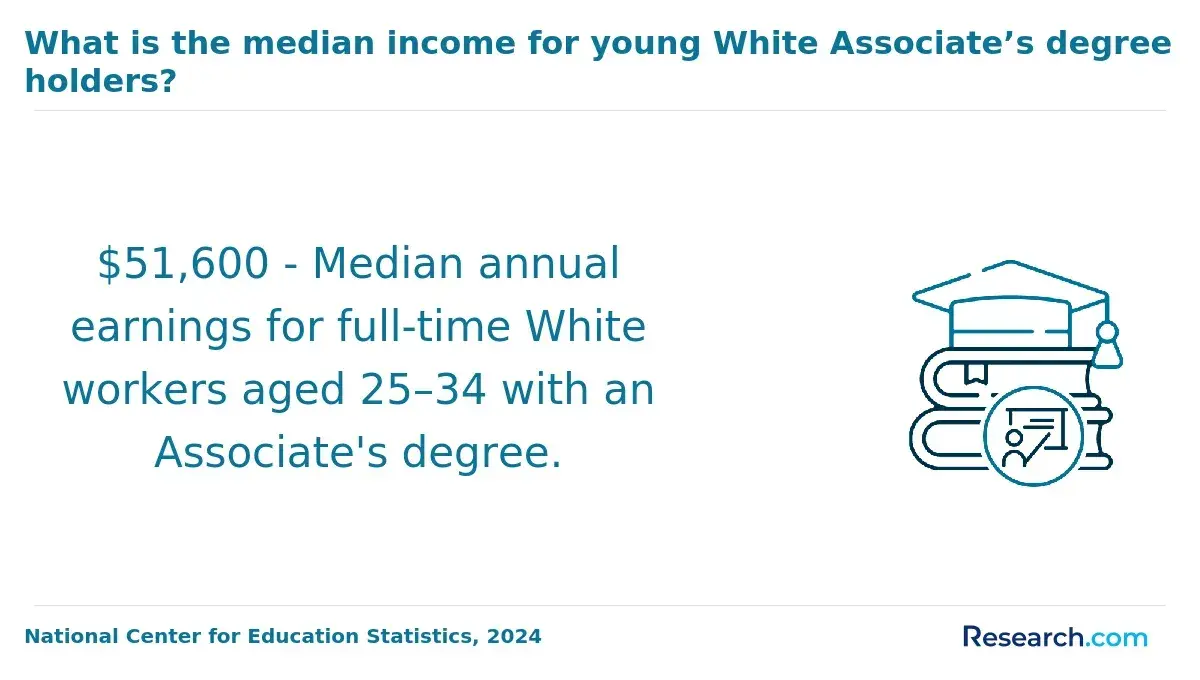
The highest-paying career pivots for people with an Applied Behavior Analysis degree tend to be in industries with stronger revenue models, larger budgets, or high demand for analytical talent. Traditional ABA roles generally start between $50,000 and $60,000 early on, rising to around $70,000 mid-career. Some alternative paths can offer higher compensation, but they usually require additional preparation.
Higher-paying pivot fields
- Financial services: Behavioral finance analyst and risk management specialist roles can use data-driven judgment, pattern recognition, and decision analysis.
- Early-career salaries range from $70,000 to $80,000, with mid-career pay exceeding $120,000.
- Bonuses, profit-sharing, and retirement contributions often increase total compensation.
- Management consulting: Consultants use problem solving, stakeholder communication, and performance analysis to improve organizations.
- Starting salaries are typically $75,000 to $90,000, with experienced consultants earning $130,000 to $160,000.
- Performance bonuses, travel stipends, and continuing education support may be part of the package.
- Enterprise technology: UX researcher, behavioral data analyst, and product research roles may combine behavior analysis with digital product development.
- Median early-career earnings range from $80,000 to $95,000, rising beyond $140,000 at mid-career and often enhanced with equity awards.
- Equity and stock options can be important parts of total compensation.
- High-growth startups: Behavioral science specialists may work on user engagement, product adoption, onboarding, retention, and experimentation.
- Base pay starts at $60,000 to $85,000 but total packages, including equity, can surpass traditional benchmarks.
- These roles may also offer remote work flexibility, healthcare benefits, and fast career growth.
The trade-off is that higher-paying pivots often require more than an ABA degree alone. Candidates may need training in data analytics, product research, finance, project management, statistics, business communication, or specific software platforms. Networking also matters because these roles can be competitive and may not explicitly list ABA as a preferred background.
How to evaluate total compensation
| Compensation factor | Why it matters |
| Base salary | Determines predictable income and affects loan, housing, and savings decisions. |
| Bonus or commission | Can increase earnings but may depend on individual, team, or company performance. |
| Equity or stock options | May be valuable in technology and startup roles, but value is not guaranteed. |
| Retirement match | Improves long-term compensation even when salary is similar. |
| Healthcare and benefits | Can significantly affect take-home value, especially for families. |
| Flexibility | Remote work, schedule control, and paid leave can change the real value of a job offer. |
Nonprofits and government employers may offer more stability but leaner pay because of budget constraints. Financial services and technology firms often have the margins to offer higher total rewards. A sustainable pivot balances income goals with training costs, risk tolerance, schedule demands, and the type of work you want to do daily.
Which High-Growth Sectors Are Actively Recruiting Professionals With a Applied Behavior Analysis Background?
High-growth sectors that recruit professionals with an Applied Behavior Analysis background are usually looking for people who understand behavior change, motivation, intervention design, measurement, and user or client outcomes. BLS projections, LinkedIn Emerging Jobs, and World Economic Forum data point to demand in fields where human behavior and data increasingly overlap.
Sectors with strong alignment
- Healthcare and behavioral health: Demand for mental health, developmental disorder treatment, care coordination, and integrated behavioral care creates opportunities for professionals who can support assessment, documentation, intervention, and outcome measurement.
- Education technology (EdTech): Adaptive learning platforms, digital tutoring tools, and student engagement products need behavior-informed thinking around motivation, reinforcement, feedback, and skill acquisition.
- Human resources and organizational development: Employers focused on employee engagement, performance improvement, change management, and retention may value ABA-informed approaches to incentives, feedback, and workplace behavior.
- Technology and artificial intelligence: User behavior data supports AI products, UX design, chatbot training, recommendation systems, and behavior prediction models. ABA graduates may contribute when they add technical or research training.
- Public health and community services: Smoking cessation, nutrition, exercise, medication adherence, and prevention campaigns rely on behavior change at the population level.
- Childcare and early intervention services: Growth in early developmental programs creates opportunities for professionals who understand skill acquisition, family collaboration, and developmental supports.
- Corporate wellness and coaching: Employers investing in burnout reduction, productivity, wellness, and habit change may seek professionals who can design sustainable behavior support systems.
Fast-growing organizations may be more open to nontraditional backgrounds because they need adaptable employees who can learn quickly. Still, candidates should not rely on growth alone. A high-growth sector can also bring volatility, shifting job descriptions, and uneven training structures.
Evaluate each sector by asking four questions: Does it value evidence-based behavior change? Does it have entry-level roles that match your current skills? Does it offer a realistic path to advancement? Does the compensation fit your financial needs?
How Does Earning a Graduate Certificate Help Applied Behavior Analysis Degree Holders Pivot Successfully?
A graduate certificate can help Applied Behavior Analysis degree holders pivot by adding a focused credential in the language of the target field. It is most useful when it fills a specific gap, such as data analytics, project management, public health, UX research, nonprofit management, financial analysis, or health information.
These post-baccalaureate programs typically require four to six courses. Data from the National Center for Education Statistics (NCES) confirms these certificates often take under a year to complete, reducing tuition costs relative to full degree programs. According to the American Council on Education, these programs cost a fraction of degree alternatives, making them appealing for mid-career professionals who want to upskill without committing to a full master’s degree.
When a graduate certificate is worth considering
- You need vocabulary for a new industry: A certificate can help you speak the language of business, technology, public health, education, or analytics.
- Job postings repeatedly ask for a skill you lack: If target roles mention SQL, project management, UX methods, public health evaluation, or HR systems, a certificate may close that gap.
- You want a lower-risk test of a new field: A certificate can help you assess fit before investing in a full graduate degree.
- You need a stronger signal for employers: While certificates do not equal advanced degrees, they show deliberate upskilling and career direction.
Career pivot choices benefit from comparing affordable credential options. For example, graduates considering health information pathways may review affordable routes such as an HIM degree. ABA professionals who want to remain close to behavior analysis while strengthening eligibility for advanced roles may also compare bcba online masters programs as part of a broader credential strategy.
Labor market data shows that certificates in data analytics and project management are linked to 10-15% higher median salaries in relevant industries. Recent trends also show a 20% increase in graduate certificate enrollments over the past five years, reflecting growing interest in shorter, career-focused credentials.
How to avoid low-value certificates
- Check accreditation and institutional reputation: Avoid programs with unclear oversight or weak employer recognition.
- Review job postings before enrolling: If employers in your target field rarely mention the certificate or its skills, the return may be limited.
- Look for alumni outcomes: Strong programs should provide evidence of where graduates work.
- Compare cost against expected benefit: A certificate should improve employability, salary potential, or confidence enough to justify tuition and time.
- Time it strategically: Complete it before applying if it is a minimum requirement, pursue it during a job search if it strengthens your story, or use employer support after being hired if the credential supports advancement.
What Role Do Professional Certifications Play in Validating a Applied Behavior Analysis Career Pivot?
Professional certifications can validate a career pivot by proving that an ABA graduate has job-ready skills in the new field. They are different from academic credentials: a degree shows formal education, while a certification usually signals competence in a specific professional function, tool, or body of knowledge.
Certifications are valuable only when they match the target role. A credential that helps in project management may not matter in UX research. A data analytics certification may be useful for analyst roles but less persuasive for direct service or policy jobs. The goal is not to collect credentials; it is to remove doubts that prevent employers from taking the pivot seriously.
Certifications that may support common ABA pivots
- Project Management Professional (PMP): Requires 35 hours of project management education plus 4,500 hours leading projects, with an exam fee near $405. It is respected across corporate and nonprofit settings for roles that manage projects, teams, timelines, and deliverables.
- Certified Analytics Professional (CAP): Supports movement into analytics roles. It requires a bachelor’s degree, relevant analytics experience, and an exam costing approximately $495. It is valued in technology, finance, and consulting industries.
- SHRM Certified Professional (SHRM-CP): Designed for HR pivots and requires combined education and work experience, with an exam fee around $300. It is recognized by organizations focused on strategic human resource management.
- Salesforce Administrator: An entry-level certification focused on CRM platform skills. Preparation may take several months, with exam fees of about $200. It can help with sales operations, customer success, marketing operations, and CRM support roles.
- Behavior Analyst Certification Board (BACB) certifications in related specialties: For professionals staying close to behavioral health, education, autism services, or supervision, BACB-related credentials can strengthen credibility within the applied behavior analysis discipline.
Before paying for a certification, review job postings for your target role and count how often the credential appears. Then check LinkedIn profiles of people already doing that work. If the certification appears repeatedly among successful professionals, it may be worth pursuing. If it appears rarely, your time may be better spent on projects, portfolio work, internships, or networking.
Timing matters. Listing an in-progress certification can help during a transition because it signals active development, but it should not be used to imply that a credential has already been earned. Be precise and honest in resumes and interviews.
Professionals considering healthcare-adjacent career paths may also examine options such as the fastest PMHNP program when comparing how different credentials affect scope, cost, and long-term career direction.
How Can Applied Behavior Analysis Degree Holders Leverage Freelance or Contract Work to Break Into a New Field?
Freelance, contract, and project-based work can help Applied Behavior Analysis degree holders build evidence of experience before landing a full-time role in a new field. This is useful when employers like your background but want proof that you can apply it outside traditional ABA settings.
The gig economy includes around 36% of the U.S. workforce, and platforms like Upwork and Fiverr show demand for services related to data analysis, writing, research support, training materials, operations, and behavioral insight. Freelancing is not the right fit for every person or industry, but it can be a practical bridge when used intentionally.
Freelance paths that fit ABA strengths
- Content development: Create educational materials, training guides, behavior-focused articles, caregiver resources, or health communication content. This builds a portfolio for publishing, education, nonprofit, or communications roles.
- Research and data analysis: Support survey coding, literature reviews, behavioral data summaries, program evaluation, or basic reporting. This is useful for research, analytics, and evaluation pivots.
- Virtual assistance and project coordination: Help clinics, education companies, nonprofits, or consultants manage schedules, documentation, workflows, and client communications.
- Communications consulting: Apply behavior change principles to training content, outreach campaigns, onboarding materials, or customer education.
Freelance work should be documented as evidence, not treated as a side note. For each project, track the client problem, your role, tools used, deliverables, and measurable result. When confidentiality applies, remove identifying details and describe the work in general terms.
How to use contract work strategically
- Choose one target field rather than accepting unrelated projects.
- Create a short service description that explains your ABA advantage in plain language.
- Set competitive early pricing based on market norms, then adjust as reviews and examples accumulate.
- Ask satisfied clients for testimonials or referrals when appropriate.
- Turn completed work into resume bullets, portfolio samples, and interview stories.
The main drawback is financial uncertainty. Freelance work may not provide stable income, benefits, supervision, or predictable hours. Regulated sectors may also limit what can be done independently. Candidates should assess savings, risk tolerance, and ethical boundaries before relying on contract work as the primary transition strategy.
What Networking Strategies Are Most Effective for Applied Behavior Analysis Graduates Pursuing a Career Change?
The most effective networking strategies for Applied Behavior Analysis graduates are targeted, low-pressure, and focused on learning how the new field actually hires. Networking is especially important because many career changers do not yet have contacts in their target industry.
Research from Harvard Business Review and sociology of labor markets emphasizes the value of weak ties, meaning acquaintances rather than close friends. Labor studies reveal that 70% of jobs result from referral networks, which is why intentional networking can matter as much as applications for career changers.
Five networking strategies that work
- Activate alumni networks: Search for graduates from your ABA program who now work in your target field. A direct message can be simple: “I noticed you moved into [target field] after applied behavior analysis. Could I ask how you handled that transition?”
- Join professional associations: Industry associations offer webinars, directories, conferences, job boards, and discussion groups. Introduce yourself clearly: “I’m an applied behavior analysis graduate exploring [industry] and trying to understand where my skills fit.”
- Run an informational interview campaign: Ask for short conversations focused on advice, not job requests. Try: “I’m considering a career shift and admire your work in [field]. Would you be open to a brief conversation about your role?”
- Use LinkedIn strategically: Send personalized connection requests based on shared education, industry interest, or professional groups. Avoid generic messages and immediately asking for a job.
- Engage in communities of practice: Participate in webinars, forums, local groups, or online communities relevant to the new field. Consistent, thoughtful contributions build visibility without aggressive self-promotion.
A weekly networking routine
- Spend 30 to 60 minutes each week on outreach.
- Identify five new contacts weekly.
- Track who you contacted, when you followed up, and what you learned.
- Ask each person one or two specific questions.
- Follow up with thanks and, when appropriate, an update on how their advice helped.
Many career changers struggle with imposter syndrome, fear of rejection, or discomfort with self-promotion. Reframe networking as research and relationship-building. You are not asking strangers to solve your career; you are learning how to make a credible transition.
What Graduates Say About the Best Career Pivot Options for People With a Applied Behavior Analysis Degree
- : "“The applied behavior analysis degree equipped me with highly transferable competencies, especially analytical thinking and data-driven decision making, that opened doors in health tech sectors rapidly embracing behavioral data. I found accessible entry-level roles as behavioral health technicians, which provided invaluable field experience. By actively networking in specialized professional groups, I positioned myself for leadership roles sooner than expected. It’s been a transformative journey.” — Shmuel"
- : "“Reflecting on my career pivot with an applied behavior analysis degree, the best strategy was credential enhancement. Adding board certification opened many doors. I reframed my resume to highlight measurable outcomes rather than duties, which recruiters appreciated. Additionally, focusing on high-growth sectors like education technology has provided stable, rewarding long-term career outcomes. It’s a steady and thoughtful progression.” — Shlomo"
- : "“What stood out most after graduating with an applied behavior analysis degree was the power of targeted networking. Connecting with mentors in nonprofit and mental health organizations accelerated my career pivot. Entry-level positions like behavioral interventionist proved crucial stepping stones, allowing me to hone essential skills. The field’s high demand across health and human services promises exciting growth and varied future opportunities.” — Santiago"
Other Things You Should Know About Applied Behavior Analysis Degrees
In 2027, Applied Behavior Analysis professionals can explore niche industries like digital health, where behavior modification through technology is emerging. They might also consider agricultural technology, focusing on human-animal interaction studies, or specialized consulting roles in corporate settings seeking behavior-based strategies.
Certifications like the Certified Autism Specialist (CAS) from the International Board of Credentialing and Continuing Education Standards (IBCCES) can enhance ABA professionals' resumes for career pivots. The CAS requires a master’s degree and two years of experience in a related field.
References
- Discover the Highest Paying Job for a BCBA | All Star ABA https://www.allstaraba.org/blog/discover-the-highest-paying-job-for-bcba
- 9 Types of People Who Should Apply for an Entry-Level ABA Job - LEARN Behavioral https://learnbehavioral.com/blog/9-types-of-people-who-should-apply-for-an-entry-level-aba-job
- How Can I Make a Positive Impact with an ABA Master’s? https://gsep.pepperdine.edu/blog/posts/how-can-i-make-a-positive-impact-with-an-aba-masters.htm
- Ways to Achieve Six Figures as BCBA | True Progress Therapy https://trueprogresstherapy.com/blog/achieving-six-figures-as-bcba/
- Professional Development for BCBAs: Tips for Career Advancement and Continuing Education Resources https://unitybehavioralservices.unityco.co/resources/articles/professional-development-for-bcbas-tips-for-career-advancement-and-continuing-education-resources
- 9 Careers in Applied Behavior Analysis | The Chicago School https://www.thechicagoschool.edu/insight/career-development/4-ways-to-use-degree-in-applied-behavior-analysis/
- ABA Therapist Job Demand in 2026: Career Outlook https://www.biermanautism.com/resources/blog/aba-therapist-job-demand-2026/
- Highest Paying BCBA Jobs Career Paths | Steady Strides https://www.steadystridesaba.com/blog/highest-paying-job-for-bcba
- Behavior Analyst Entry Level Jobs | ABA Career Guide https://www.appliedbehavioranalysisedu.org/behavior-analyst-entry-level-jobs/
- Career Types in Applied Behavior Analysis | Regency ABA https://regencyaba.com/career-types-in-applied-behavior-analysis/