2027 Online Homeland Security Degrees That Help Build Transportation Security Knowledge

Co-Founder and Chief Data Scientist
Transportation security professionals must quickly adapt to evolving threats while managing limited resources and shifting regulatory demands. The challenge intensifies as 64% of adult learners consider online degree programs primarily for their flexibility, according to the National Center for Education Statistics, revealing a critical shift toward balancing workforce commitments with education.
This pattern affects who can realistically pursue advanced transportation security knowledge without career disruption and influences program structures around asynchronous learning and practical application. Understanding these dynamics is essential for candidates targeting leadership roles where timely expertise and operational readiness directly impact national safety.
This article reviews online homeland security degree options tailored to transportation security, highlighting how each program's design supports career-focused students navigating complex professional and educational priorities.
Key Things You Should Know
- Graduates with online homeland security degrees focusing on transportation security report 12% higher placement rates in federal agencies, yet face a 9-month average training lag, increasing early-career cost and opportunity risks (DHS Workforce Report 2024).
- Employers prioritize candidates with specialized threat assessment and supply chain risk coursework, reducing onboarding times by 22%, signaling a critical mismatch if foundational programs omit applied transport security analytics.
- Programs priced above $25,000 often bundle certifications in risk management, but 38% of mid-career students perceive these as redundant, prompting a tradeoff between credential inflation and timely credential acquisition (NASFAA 2024 data).
What are online homeland security degrees with transportation security focus?
Online homeland security degrees with a transportation security specialization embed operational knowledge critical for securing aviation, rail, maritime, and logistics systems from evolving threats. Students learn to navigate the tension between maintaining public access and enforcing strict safety protocols, balancing cybersecurity with physical security demands in complex transport infrastructure.
A common real-world scenario involves airport security managers who must adhere to federal guidelines while managing daily threat evaluations and liaising with the Transportation Security Administration (TSA). This practical emphasis aligns with market realities: TSA federal screeners earned a median wage of $48,100 in 2024, demonstrating steady but modest pay growth that reflects ongoing federal investment in frontline security roles.
Programs with an online transportation security degree focus typically emphasize regulatory compliance with TSA and Department of Transportation frameworks, preparing students for positions protecting passengers and cargo under federal mandates.
Students should weigh the tradeoff between associate degrees facilitating immediate operational roles and advanced degrees opening paths in policy or security analytics. Accreditation and agency partnerships that enable field training also influence outcomes significantly.
Prospective students pursuing an accredited online criminal justice associate degree should evaluate curriculum relevance to specific transportation sectors as well as practical training opportunities to ensure alignment with their desired career trajectory.
Why does accreditation matter for online homeland security programs?
Employers in transportation security consistently favor candidates from accredited online homeland security programs because accreditation confirms compliance with rigorous standards for curriculum relevance and faculty expertise. For example, federal agencies and contractors involved in critical infrastructure protection increasingly demand verifiable credentials from accredited degrees to meet regulatory and security clearance requirements.
This real-world demand illustrates why the importance of accredited homeland security programs in the US cannot be overstated.
Unaccredited programs frequently fall short in providing the cybersecurity, risk assessment, and incident response skills needed to counter evolving threats to transportation systems. The employment outlook for information security analysts-a key role in homeland and transportation security-is projected to grow 32% from 2022 to 2032, stressing the need for training that integrates practical, industry-aligned content.
Without accreditation, students risk encountering hurdles transferring credits or qualifying for advanced certifications important for career mobility and federal financial aid.
Prospective students should also weigh articulation agreements and employer partnerships, which influence access to internships and federal cybersecurity training initiatives. Choosing accredited programs ensures alignment with employer expectations regarding competencies such as transportation threat analysis and regulatory compliance, avoiding costly credential recognition issues in a specialized labor market.
Those seeking accelerated entry into this field may consider an accelerated cyber security degree, which balances speed with the benefits of accreditation.
What admissions requirements do these programs usually have?
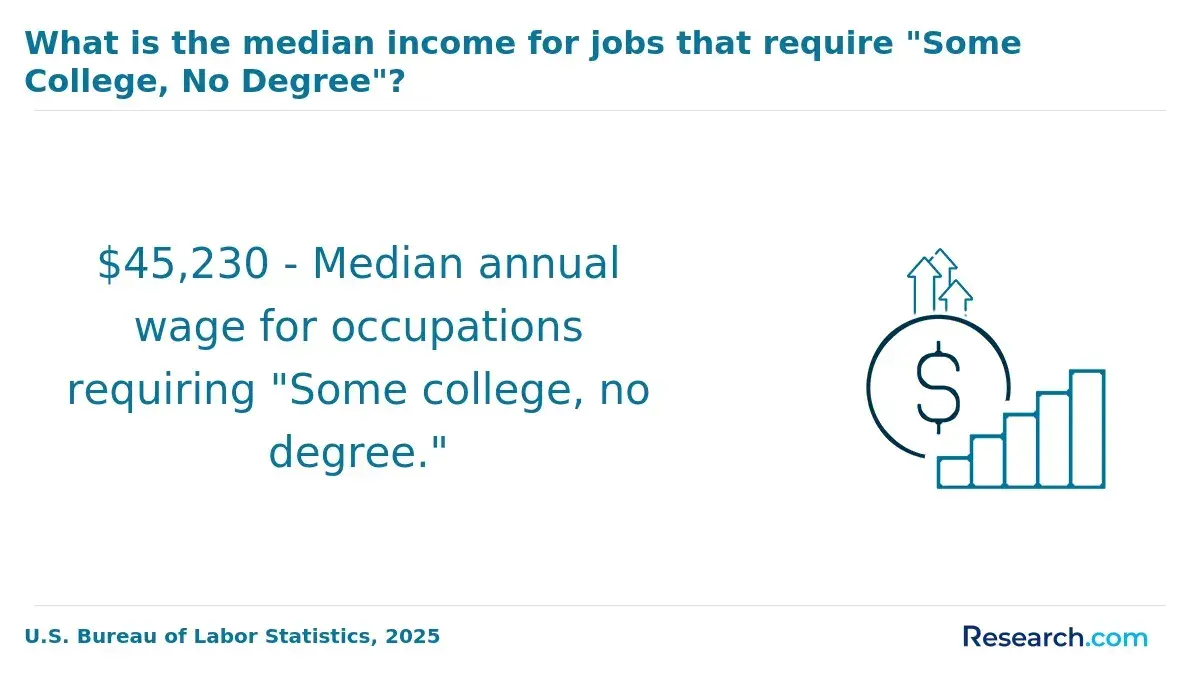
Undergraduate admissions criteria for homeland security programs focused on transportation security typically require a high school diploma or equivalent, with more competitive programs requesting official transcripts and standardized test scores unless waived for prior college credits or relevant experience.
For example, applicants with federal transportation security enforcement backgrounds spanning five years may bypass conventional testing requirements, a common conditional exception reflecting workforce readiness rather than pure academic metrics. Graduate program requirements for homeland security degrees often add layers such as personal statements that clarify career alignment with sector-specific risks and motivations.
These programs prioritize readiness for complex topics including cybersecurity, logistics, and regulatory compliance, expecting students to navigate demanding agency protocols post-graduation. Admissions panels weigh practical exposure to secure transport environments alongside academic performance to predict professional success. Letters of recommendation, while less ubiquitous, can enhance applications by substantiating capabilities in critical infrastructure or risk management.
Financial factors considerably shape access, as public four-year institutions have increased average online bachelor's tuition and fees in criminal justice and homeland security, reaching about $10,500 annually-a realistic cost increase applicants must evaluate against tangible employability upgrades and potential employer subsidies in risk-sensitive transportation roles.
Those evaluating options should also consider the impact of criminal records on admissions and career pathways; resources such as the best degrees for felons can provide tailored guidance within this context.
Which courses build transportation security knowledge?
Transportation security courses grounded in applied frameworks prioritize risk assessment, threat detection, and coordinated responses within transit systems and cargo logistics. Key subjects include transportation risk management and compliance with TSA and DOT regulations, alongside intelligence analysis tailored to mobility networks. Cybersecurity modules address vulnerabilities in automated controls and communication systems that increasingly affect public transit and freight operations.
Practical training integrates case studies based on past incidents-such as aviation hijackings or supply chain disruptions-allowing students to connect theoretical threats with operational realities.
For emergency management directors, who in 2024 earned a median wage of $82,530 with top earners exceeding $137,000, mastering cascading incident effects is vital for resource allocation and multi-jurisdictional response coordination. This aspect of education aligns directly with employer demand for professionals capable of leading complex crisis-management efforts.
Students pursuing online homeland security transportation security courses also engage with interagency collaboration training involving local law enforcement, federal bodies, and private transportation entities. Beyond foundational concepts, advanced coursework includes geospatial analysis, supply chain security, and counterterrorism, preparing candidates to negotiate trade-offs between security investment and operational costs.
This comprehensive skill set is essential to navigate the evolving threat landscape across seaports, airports, and urban rail networks.
Those considering these options should weigh program rigor and practical application, especially when looking for transportation security degree programs with practical training that fits professional timelines. For individuals balancing technical expertise with strategic decision-making, a master's in forensic psychology online may complement skill sets by enhancing behavioral threat analysis, intersecting usefully with transportation security roles.
How do online and campus programs compare?
Choosing between campus and online homeland security programs hinges on balancing practical access and scheduling flexibility against career trajectory demands. Campus programs grant students direct, hands-on training with on-site labs and face-to-face mentorship, which is indispensable for roles requiring operational control at airports or transit hubs.
They also streamline access to internships with security clearances-a critical factor given the reported 300% growth in clearance-required jobs from 2015 to 2025 by the University of Maryland Global Campus. This advantage often accelerates entry into sensitive transportation security roles.
Conversely, online studies suit professionals needing asynchronous coursework to adapt around unpredictable work schedules or deployments but shift the burden of securing internships and clearance sponsorship to the student. This can introduce delays of months or more before qualifying for clearance-dependent positions.
Pragmatic considerations include campus programs' higher financial and relocation costs versus online programs' reliance on self-discipline and technology. Both demand patience with clearance processes, often underemphasized yet pivotal for timely workforce integration.
- Campus programs facilitate quicker clearance access and immersive experiences but demand geographic and financial commitment.
- Online programs offer flexibility but require proactive networking and clearance planning.
For instance, a full-time transportation security analyst balancing shift work benefits from online coursework flexibility, while a recent high school graduate aiming for TSA roles may find campus mentorship essential to navigate security culture and clearance procedures efficiently.
How long does an online homeland security degree take?
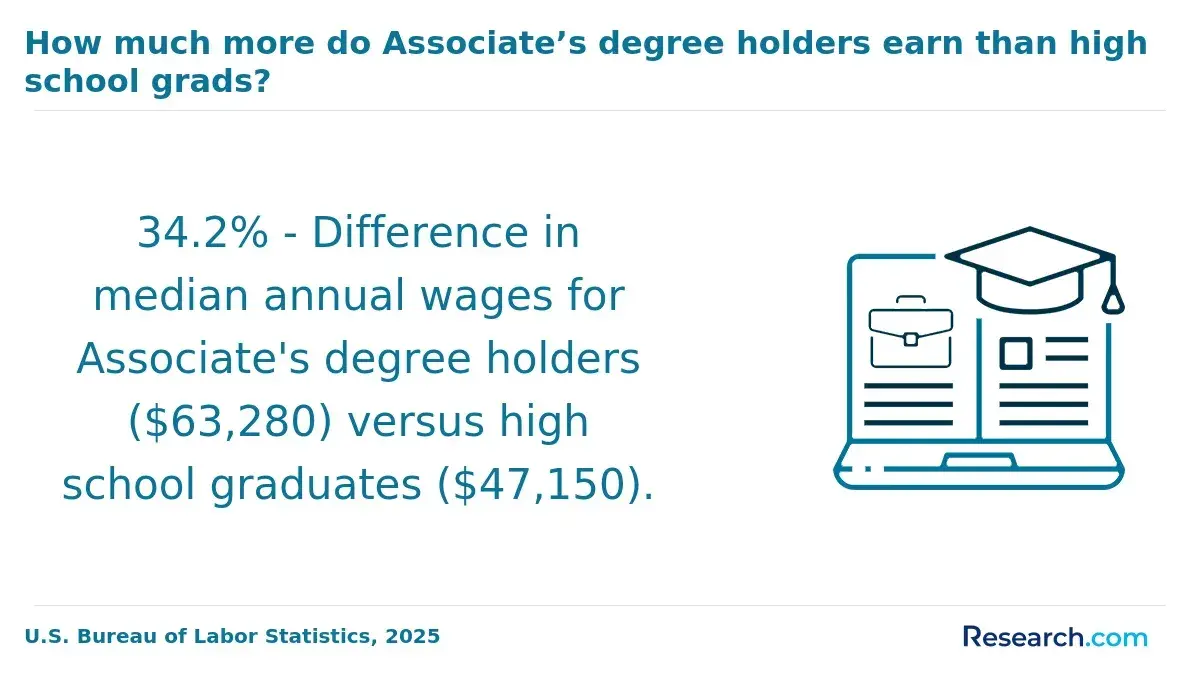
Completion timelines for online homeland security degrees vary significantly based on credential level and enrollment intensity, influencing access to job markets in operations research and transportation security roles. Associate degrees typically demand two years of full-time study focused on foundational concepts, while bachelor's degrees take four years but can be expedited to three through credit transfers or heavy course loads.
Master's programs generally require 18 to 24 months, concentrating on advanced risk analysis and emergency management.
Part-time enrollment, common among working professionals such as security analysts transitioning from logistics, may extend program duration to five years or beyond, especially when internships or security clearance requirements are involved. These practical elements, including capstone projects and certification prerequisites, add complexity and can delay degree completion.
Employers favor candidates demonstrating applied expertise and timely graduation; the median wage for operations research analysts in security and transportation was $103,930, with job growth projected at 23% through 2032 by the U.S. Bureau of Labor Statistics. This reality pressures students to balance thorough knowledge acquisition with efficient program completion to capitalize on evolving workforce demand.
Key tradeoffs include:
- Faster degrees risk superficial understanding, limiting readiness for complex transportation security challenges.
- Longer timelines accommodate working professionals but may postpone workforce entry and earnings growth.
- Programs tied to governmental agencies often require security clearances, introducing further delays.
Informed decisions require evaluating personal circumstances against these operational factors to optimize career trajectory in homeland security sectors.
How much do online homeland security degrees cost?
The cost of online homeland security degrees reflects significant variability tied to institutional type and residency, with bachelor's programs ranging roughly from $15,000 to $40,000 and master's from $20,000 to $50,000. State universities tend to offer lower per-credit rates ($300-$500 in-state), whereas private schools often exceed $700 per credit. These figures encompass tuition, mandatory fees, textbooks, and digital platform costs necessary for remote education.
Beyond sticker price, the real value proposition hinges on aligning educational investment with career trajectories in increasingly specialized security roles. For example, a specialized master's degree costing over $35,000 can prepare professionals for supervisory or technical positions commanding salaries over $75,000, potentially recouping upfront costs within several years.
In contrast, bachelor's degrees around $20,000-$25,000 may open entry-level pathways with salaries typically between $40,000 and $60,000, more suitable for career changers entering the field.
Essential additional expenses-such as certifications or security clearance fees-are often excluded from tuition and must be considered in budgeting. Prospective students need to weigh credential relevance critically, choosing accredited programs with curricula tailored to practical agency and employer requirements to avoid unsupported credentials.
What jobs can graduates pursue in transportation security?
Transportation security roles demand a combined proficiency in cyber defense and physical security risk management, a necessity underscored by a 30% rise in cybersecurity incidents targeting operational technology in rail and transit systems from 2020 to 2024. Candidates with expertise in both areas stand out, as these positions require safeguarding safety-critical control networks from cyber intrusions that could disrupt service or endanger passengers.
Typical duties for transportation security analysts include monitoring signaling and control systems such as SCADA, often involving intelligence gathering on evolving threats.
Cybersecurity specialists in transit design incident response strategies tailored to operational technology environments, which differ substantially from conventional IT setups due to higher safety stakes. Security operations managers coordinate digital and physical security efforts, manage vendor partnerships, and ensure compliance with federal TSA regulations.
Challenges within this employment sector include regulatory complexity and a shortage of professionals skilled in both cybersecurity and transportation infrastructure. Transitioning IT personnel must obtain hands-on training with specialized systems and certifications aligned with TSA and DOT standards to be competitive.
- Roles often exist in rail, aviation, and local transit agencies focused on resilience planning and post-incident recovery.
- Multidisciplinary skills encompassing rapid incident response and interagency coordination are increasingly valued.
For workers evaluating online homeland security degrees centered on transportation security, realistic training in operational technology and regulatory frameworks is essential to navigate industry-specific requirements and workforce demands.
What salaries do transportation security careers offer?
Transportation security roles vary widely in compensation, heavily influenced by job function, sector, and experience. Entry-level TSA officers generally earn between $35,000 and $40,000 annually, reflecting government pay grades and on-the-job learning curves.
Mid-level roles-such as security analysts or supervisors-command between $55,000 and $80,000, while senior positions like program managers or threat assessors often exceed $90,000. Notably, cybersecurity specialists within transportation infrastructure, especially in federal or private sectors, can surpass $100,000, evidencing market premiums for technical and strategic expertise.
For individuals pursuing online homeland security degrees, these salary ranges highlight a practical tradeoff: while remote education expands access, initial roles typically require federal certifications or security clearances that slow advancement. Employers frequently seek candidates who pair academic credentials with hands-on experience, often acquired through internships or law enforcement backgrounds.
The rise in online criminal justice and homeland security enrollment-from 37% in 2019 to 52%-indicates broader acceptance of remote learning but also reiterates employer preference for applicants with real-world exposure to dynamic operational settings. For example, aviation security professionals must rapidly assess situational threats, a skill difficult to develop without practical immersion.
Students should focus on sectors with established career ladders and critical infrastructure protections-aviation, ports, public transit-where salaries and benefits vary by geography, unionization, and funding. This strategic targeting optimizes long-term financial and professional outcomes.
Which certifications strengthen transportation security careers?
Transportation security certifications such as Certified Transportation Security Professional (CTSP), Transportation Worker Identification Credential (TWIC), and Certified Protection Professional (CPP) carry distinct operational significance but also demand critical evaluation of return on investment.
The CTSP is essential for roles involving transit system risk assessment, particularly in agency-level physical security management. TWIC is non-negotiable for federal maritime and port security positions, reflecting mandatory clearance protocols rather than optional credentials. The CPP signals command-level skill in security program management and emergency preparedness, suited for leadership trajectories in both public and private transportation sectors.
Employers in federal and metropolitan agencies tend to prioritize candidates who supplement these certifications with advanced academic credentials. Data from the National Association of Colleges and Employers and American Military University alumni identify a roughly 35-40% salary premium for holders of master's degrees in homeland security or emergency management over bachelor's-only graduates, with median starting salaries near $88,000.
This premium underscores how integrative expertise-certifications plus advanced degrees-can influence hiring and compensation.
Professionals must also weigh the ongoing time, cost, and recertification burdens these certifications carry. While CTSP training addresses current transit vulnerabilities, CPP develops scalable leadership capabilities necessary when transitioning from hands-on roles to strategic oversight. These tradeoffs mean candidates should balance immediate employability benefits with sustained professional development demands in a rapidly evolving security environment.
Other Things You Should Know About Homeland Security
Online programs can provide solid theoretical foundations and some practical skills, but they often lack the immersive, hands-on experiences found in on-site training. Students should seek programs with virtual simulations, case study analyses, and opportunities for applied projects related to transportation security. Without these elements, graduates may face gaps in practical readiness, which employers often address through additional on-the-job training.
Online homeland security programs typically require disciplined time management since coursework including research, policy analysis, and security planning can be intensive and deadline-driven. Working professionals must realistically assess their availability to handle fluctuating workloads, especially when group projects or synchronous sessions impact flexibility. Prioritizing programs with asynchronous content and flexible deadlines improves completion rates and reduces burnout risks.
Specialized transportation security degrees provide focused expertise and are more directly aligned with careers in agencies like TSA or transportation infrastructure firms, but they may limit career flexibility outside that niche. Broader homeland security programs offer wider content that supports diverse roles but can dilute mastery in transportation topics. Prospective students should prioritize based on their targeted career path and employer expectations for specific skill sets.
References
- Online Bachelor's Degree: Homeland Security https://www.umgc.edu/online-degrees/bachelors/homeland-security
- Online Homeland Security Degrees: Explore Top Programs https://www.degreesforgood.org/online-degrees/homeland-security-programs/
- Hiring Process at the TSA https://www.tsatestprep.com/tsa-hiring-process/
- Transportation Officer - Armed (CA) (San Bernardino) at G4S https://careers.g4s.com/en/job/san-bernardino/transportation-officer-armed-ca-san-bernardino/3207/33488592128
- 2025 Most Affordable Homeland Security Degrees Online https://www.onlineu.com/most-affordable-colleges/homeland-security-degrees
- How Entry-Level Certifications Can Boost Your Cybersecurity Career https://skillup.online/blog/how-entry-level-certifications-can-boost-your-cybersecurity-career/
- PSE & TSA Certification: Your Guide To Transportation Security https://purchase.andlight.dk/andlight-news/pse-and-tsa-certification-your-guide-to-transportation-security-1764797876