2027 Homeland Security Careers That Reward Strong Analytical Skills

Co-Founder and Chief Data Scientist
When an intelligence analyst spots subtle anomalies in seemingly routine data streams, the stakes involve more than flawed reports-they impact national safety decisions made under tight deadlines. Homeland Security roles demand mastery of complex information patterns and the ability to anticipate threats from fragmented evidence.
The Bureau of Labor Statistics forecasts a 15% growth in analytical positions within Homeland Security agencies over the next decade, signaling rising demand amid evolving threats.
Candidates must navigate accelerated online programs adjusting to adult learners' needs, balancing flexible enrollment with rigorous skills training. This article examines key career paths emphasizing strong analytical skills, guiding professionals through practical choices that align education with operational realities and workforce demand.
Key Things You Should Know
- Demand for homeland security intelligence analysts grew 15% nationally between 2022 and 2025, yet employers prioritize candidates with advanced quantitative training, limiting entry for those without specialized data science coursework.
- The federal workforce's shift toward predictive analytics tools means agencies increasingly expect proficiency in AI-driven decision-support systems, creating a skills gap that impacts first-responder task allocation efficiency.
- Certification costs averaging over $1,200 and required multi-year clearance processes delay career entry by 9-14 months, disproportionately affecting mid-career professionals seeking strategic pivots.
What homeland security careers rely most on strong analytical and critical thinking skills?
Roles demanding the strongest analytical skills within homeland security center on intelligence analysis, cybersecurity, and threat assessment, where critical thinking is non-negotiable. Information security analysts, whose employment is projected to grow 33% from 2023 to 2033, must parse vast cyber data streams to detect nuanced threats under tight deadlines. This pressure highlights the intense analytical demands and the real-world implications of delayed or missed indicators.
In intelligence analysis, decisions affect operational outcomes, requiring precision in distinguishing routine intelligence from emergent threats. Analysts evaluate source credibility and the likelihood of disinformation campaigns, exemplifying critical thinking and analysis in homeland security jobs.
For instance, the challenge of separating false positives from genuine alerts in border security illustrates the balance between data-driven methods and experiential intuition that these roles require.
Educational pathways targeting these careers demand a strong foundation in quantitative reasoning and statistical tools alongside scenario-based training that simulates authentic intelligence challenges. Candidates without this background face a steep learning curve, as employers expect rapid, evidence-based problem-solving combined with technical proficiency.
For those weighing the investment, understanding the criminal justice degree online cost is an important factor in managing this transition.
What degrees or majors prepare you best for analytical homeland security roles?
Analytical roles within homeland security disproportionately favor degrees in operations research, data science, computer science, and quantitative social sciences due to their direct alignment with problem-solving and optimization demands. For instance, the U.S. Department of Homeland Security's Operations Research Analyst position, with GS-11 to GS-12 pay scales between $85,447 and $133,142, expects candidates to deploy rigorous quantitative skills.
Majors focusing on cybersecurity and intelligence for homeland security provide critical insights into evolving threat landscapes but must also integrate practical programming and statistical software use to remain competitive.
Degrees in political science with a quantitative emphasis and economics enhance understanding of geopolitical risk variables-key in counterterrorism analysis, where interpreting complex data alongside qualitative factors shapes effective responses. However, without substantial applied coursework or real-world data projects, graduates risk falling short of employer expectations that prioritize both theory and practice.
Working professionals pivoting into homeland security analytics face challenges such as meeting security clearance requirements and obtaining relevant certifications that traditional academic programs may not fully address. Prospective students should also consider programs offering access to applied projects with DHS data sets to improve workforce readiness.
Choosing between degrees in criminal justice and homeland security analysis requires weighing practical skill acquisition against theoretical coverage. In parallel, exploring cyber security schools online can provide flexible pathways suited to diverse learner needs while maintaining focus on employability and specialized expertise.
How do homeland security salaries and advancement opportunities compare for analytical positions?
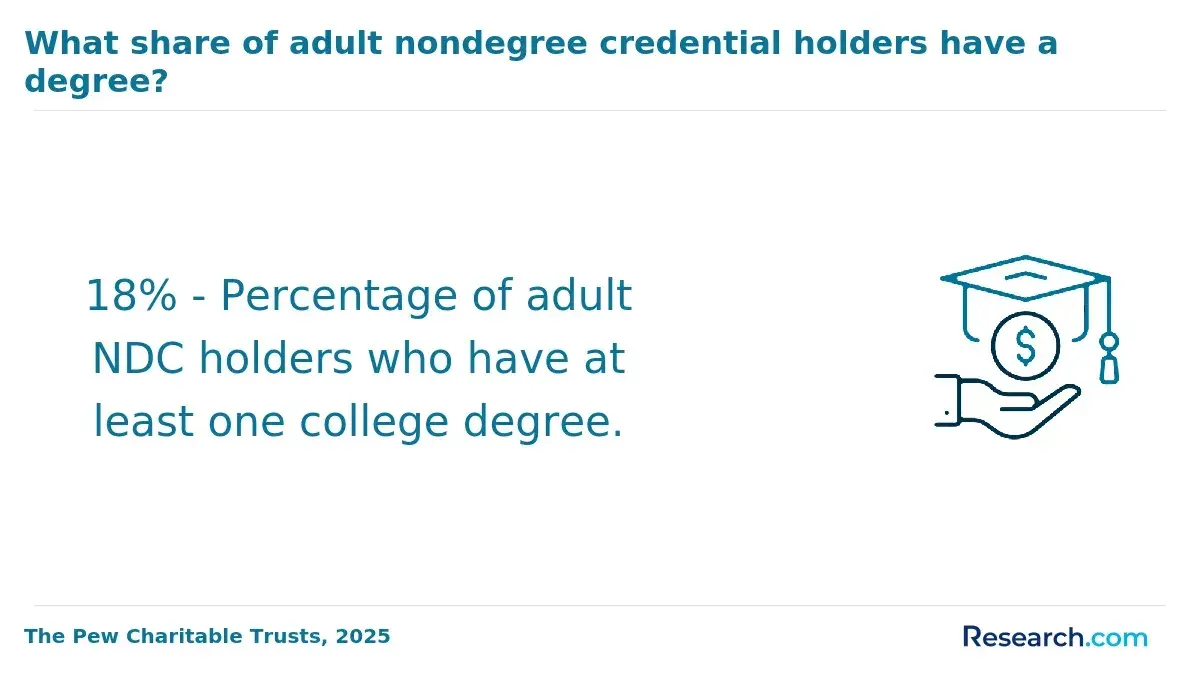
Analytical roles within homeland security typically command salaries ranging from $67,647 to $104,852 for entry- to mid-level positions such as Data Analyst I, placing them above many comparable federal analytical jobs. This salary band reflects the sector's prioritization of data-driven insights in cybersecurity and risk management.
A critical employer expectation is for analysts to acquire specialized technical skills and security clearances, accelerating advancement into senior or supervisory roles. Candidates who develop expertise in areas like emerging threat detection tools, machine learning applications, or secure cloud environments tend to move up more quickly.
Advancement opportunities in homeland security analytical roles also hinge on thorough knowledge of compliance frameworks such as FISMA and NIST, with a focus on regulatory adherence narrowing the field to professionals committed to continuous development rather than broad generalist experience.
Analysts face a tradeoff between pursuing salary growth through technical specialization and lateral moves into field operations or intelligence analysis, which often demand additional training and offer varying pay scales.
Given federal pay scales and agency budgets, upward mobility aligns closely with measurable impact on homeland security objectives such as threat mitigation and infrastructure protection. Candidates should weigh these factors alongside educational decisions, including what can a felon go to college for, which affects access and career pathways in this field. For those evaluating practical educational routes, resources like what can a felon go to college for provide targeted guidance.
What courses and skills are emphasized in homeland security programs focused on analysis?
Effective homeland security analytical skills training programs emphasize applied risk assessment, intelligence interpretation, and practical cybersecurity techniques geared toward real-world problem-solving. Key courses for homeland security data analysis include advanced statistics, GIS-based geospatial methods, and network security protocols that prepare students to navigate complex data environments.
Employers expect graduates to synthesize multi-source intelligence and physical threat data to produce actionable security recommendations-such as those needed in infrastructure protection roles where both technical expertise and context awareness are essential.
Programs typically incorporate software platforms like Palantir and Analyst's Notebook to mirror operational intelligence workflows while addressing legal constraints around classified information. Communication clarity is critical: analytical outputs directly support urgent tactical and strategic decisions during crises. Training also involves critical thinking for bias recognition and source validation, ensuring analysts anticipate adversary behavior effectively.
Tradeoffs in these programs arise between technical specialization and operational versatility. For example, a cybersecurity-intensive path may neglect on-the-ground emergency management experience, which remains vital for meeting the diverse demands of DHS's workforce.
Specialized tracks aligned with DHS core roles help align training but can prolong degree completion. Workforce data indicate emergency management specialists and intelligence analysts make up nearly 40% of critical hires, underscoring the value of targeted analytic skill sets rooted in practical coursework.
For students considering a pivot or enhancement within security analysis, comparing these programs with alternatives like forensic psychology master's programs may inform choices based on desired analytic frameworks and career trajectories.
How do online homeland security degrees compare with campus programs for analytical training?
Online homeland security degrees demand significant self-discipline to bridge the gap created by limited hands-on interaction compared to campus programs. While both formats cover rigorous analytical training essential for forensic analysts within the U.S. intelligence community, campus programs offer immediate access to live labs, simulations, and peer collaboration, replicating dynamic environments where rapid data interpretation is critical.
For instance, on-site training in digital forensics or crime scene reconstruction provides applied skills directly transferable to fieldwork, which online settings struggle to replicate fully.
Students pursuing online degrees must supplement coursework with internships or cooperative assignments to meet employer expectations of practical proficiency. Without these real-world experiences, graduates risk being viewed as academically prepared but practically underqualified. Key decision variables include a student's professional background, ability to engage in self-directed practice, and proximity to agencies offering experiential learning.
Employability in investigative and forensic roles correlates strongly with demonstrable applied capabilities beyond theoretical knowledge. DHS workforce analyses identify data analysis skills, fostered through both qualitative and quantitative methods, as indispensable. Thus, structured engagement with local agencies or virtual labs becomes critical to ensure readiness for analytic tasks fundamental to homeland security careers.
What admission requirements and prerequisites do analytical homeland security programs typically have?
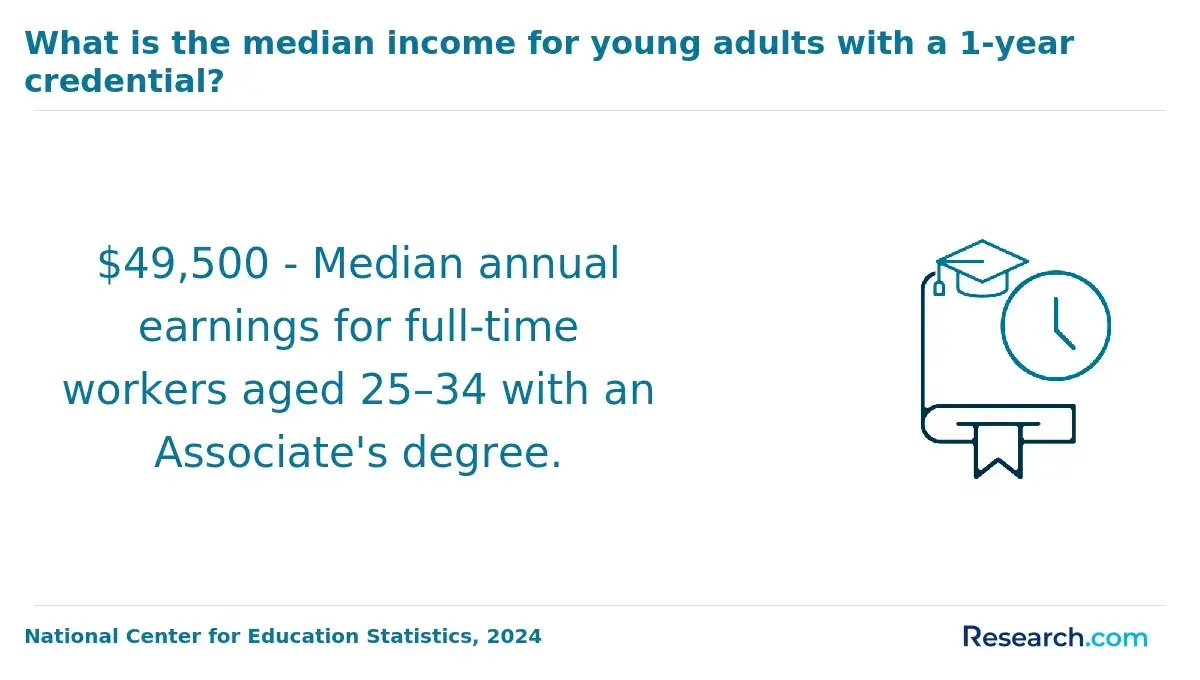
Analytical roles in homeland security demand more than a generic undergraduate credential; candidates must demonstrate quantitative expertise and domain-specific skills aligned with employer needs. A typical requirement is a bachelor's degree in fields like criminal justice, political science, cybersecurity, or intelligence studies, combined with proven ability to analyze complex datasets, often evidenced by coursework in statistics or computer science.
Background checks and security clearances are frequently prerequisites for hands-on training, reflecting the sensitive nature of the work.
Programs tend to enforce GPA minimums around 3.0, but professional readiness hinges equally on critical thinking and problem-solving skills, evaluated through interviews or tests such as the GRE.
Specialization drastically alters prerequisites: for example, cyber threat analysts must show programming and network acumen, while transportation security analysts benefit from understanding federal regulations and logistics workflows. This specificity complicates general preparation and necessitates targeted coursework or experience.
Career changers face additional barriers; prerequisite waivers or bridge courses increase both timeline and cost.
Employment outlook is tied to meeting these criteria, as failure to do so delays eligibility for roles with salaries ranging from $82,800 to $153,300 according to a USAJOBS listing for a DHS transportation security specialist. Employers prioritize candidates whose academic and benchmarking credentials reliably forecast analytical competence required for multifaceted homeland security challenges.
How long do homeland security programs usually take, and what do they cost?
Choosing between an associate and bachelor's degree in homeland security often comes down to how quickly one needs to enter the workforce versus long-term role potential. Associate degrees-typically requiring two years-are common for positions such as criminal intelligence analysts and usually demand foundational skills in criminal justice, business, or data analysis. These shorter programs allow faster entry but limit upward mobility in supervisory or policy-making roles.
Bachelor's degrees extend the timeline to about four years but provide expanded specialization and access to higher-level jobs, offsetting the increased upfront investment. Community colleges typically charge between $6,000 and $10,000 annually, whereas public universities range from $10,000 to $25,000 in-state.
Private institutions exceed $35,000 yearly, often without added career advantage proportional to cost. Online programs can reduce living expenses and offer part-time pacing but maintain similar tuition levels.
Prospective students must also account for certification and technical training fees, which employers use to validate analytical competencies beyond degree credentials. For working professionals pivoting into homeland security analysis, the choice is a tradeoff between speed and credential depth.
- Associate degrees enable quicker employment but may cap salary and role complexity.
- Bachelor's degrees require longer commitment but unlock supervisory and policy positions.
- Cost varies by institution type and format, affecting both debt load and earning timelines.
Understanding these factors helps align educational pathways with realistic workforce demands and strategic career decisions.
Which certifications and clearances strengthen your prospects in analytical homeland security careers?
Securing a position in analytical homeland security hinges not only on educational credentials but significantly on holding an active security clearance. Agencies typically require a bachelor's degree paired with at least a Secret or Top Secret clearance to access sensitive data. Candidates without clearance face extended onboarding delays, affecting immediate operational capacity, a critical disadvantage in counterterrorism or threat assessment roles where timely intelligence matters.
Certifications further differentiate applicants by signaling specialized expertise. For instance, CISSP and CHPP reflect a solid grounding in security frameworks, while advanced certifications like GIAC Cyber Threat Intelligence (GCTI) or Certified Threat Intelligence Analyst (CTIA) align with technical demands of cyber threat intelligence and risk management domains.
Employers weigh whether candidates bring a blend of clearances and certifications to reduce training time and ensure mission readiness. A Top Secret clearance holder with CISSP certification can integrate faster and assume responsibility for complex cases involving terror networks, demonstrating immediate value allied to national security priorities.
The decision to pursue advanced certifications often involves balancing delayed entry against deeper analytical rigor required for specialized roles. Candidates must consider the operational environment-whether rapid deployment with baseline clearance suffices or whether long-term career strategy warrants investment in ongoing credential maintenance and experiential learning.
What is the job outlook and hiring demand for homeland security professionals with analytical skills?
Homeland Security careers focused on analytical roles within infrastructure protection face growing demand driven by complex, evolving threats to critical systems like energy and transportation. Specialists must integrate technical expertise with regulatory and operational context to identify vulnerabilities in both physical and cyber realms.
For example, a professional analyzing cyberattacks on power utilities must understand not only intrusion patterns but also compliance measures and system constraints-a blend that is hard to outsource or automate.
Prospective candidates should anticipate tradeoffs including required geographic mobility and continuous skills upgrading to stay relevant. Increasing emphasis on AI-driven threat detection and resilience modeling compels educational programs to emphasize hands-on, applied training aligned with federal standards and current technologies. Workforce barriers such as security clearances and certifications limit the applicant pool, keeping competition moderate despite robust hiring projections.
Key considerations for those pursuing this pathway include:
- Balancing specialized domain knowledge with cross-disciplinary skills
- Navigating clearance and certification processes that extend hiring timelines
- Maintaining adaptability amid rapid technological change in threat environments
Job growth for analytical specialists in this niche is projected at approximately 8% over five years, exceeding average occupational growth. Employers explicitly seek professionals who can interpret large datasets, anticipate threat trends, and advise on mitigation strategies, often requiring advanced technical credentials and experience with analytical tools.
How can you evaluate and choose an accredited, reputable homeland security program?
Selecting a homeland security program requires discerning its alignment with actual federal workforce demands rather than relying solely on institutional prestige. Accreditation by recognized agencies such as the U.S. Department of Education or CHEA is a baseline to ensure academic rigor and eligibility for federal employment.
However, employers increasingly prioritize graduates trained in analytical competencies reflective of roles like CISA's Data Analyst, where real-time data interpretation underpins mission success.
Programs that embed intelligence analysis, risk assessment, and cybersecurity tools offer direct applicability to government priorities documented in recent federal labor studies. Graduates benefit from established pipelines into government contracting or agency internships focusing on counterterrorism or infrastructure protection. Such opportunities substantially enhance employability by providing practical experience and networking critical to federal careers.
Delivery format affects skill development: asynchronous online programs may appeal to working professionals but often lack immersive, team-based simulations necessary to sharpen decision-making under pressure. In contrast, on-campus options with live case studies and simulation labs foster the nuanced analytical skills employers demand for high-stakes environments.
Finally, faculty expertise tied to current government reports or cutting-edge research signals ongoing program relevance. Avoid programs relying on outdated frameworks, as this disconnect risks long-term career stagnation amid evolving homeland security threats and technologies.
Other Things You Should Know About Homeland Security
Analytical roles in homeland security often involve managing large volumes of complex data under tight deadlines. Employers expect consistent attention to detail and the ability to prioritize multiple intelligence inputs simultaneously. Candidates should prepare for periods of high stress, especially when responding to active threats or urgent investigations, which can extend beyond standard working hours.
Employers typically value relevant work experience or internships alongside formal education. Practical experience provides critical exposure to real-world scenarios and analytical tools, often outweighing theoretical knowledge alone. Prioritizing internships, cooperative programs, or military service that offer applied analytical roles can significantly improve job prospects in this field.
In 2027, most homeland security careers valuing analytical skills require at least a bachelor's degree in fields such as criminal justice, computer science, or international relations. Specialized certifications in cybersecurity or data analysis are advantageous, enhancing analytical capabilities and career prospects in the field.
The rapid development of AI, data mining, and cybersecurity tools requires analysts to continuously update technical skills. Professionals who fail to maintain proficiency in emerging technologies risk stagnation or obsolescence. Prioritizing ongoing training in analytic software and cyber capabilities is crucial to remain competitive and effective over a long career.
References
- DHS I&A — We keep the homeland safe https://www.intelligencecareers.gov/dhsia
- Online Bachelor's Degree: Homeland Security https://www.umgc.edu/online-degrees/bachelors/homeland-security
- Top Online Master’s Degree Programs in Homeland Security for 2025 https://www.onlinemastersdegrees.org/best-programs/homeland-security/
- Master of Science inEmergency Management and Homeland Security Online or On Campus https://www.albany.edu/cehc/programs/ms-emergency-management-homeland-security
- Homeland Security Careers: Your Guide To A Secure Future https://www.centremulti.qc.ca/qc-news/homeland-security-careers-your-guide-to-a-secure-future-1764804700
- Online Homeland Security Degrees: Explore Top Programs https://www.degreesforgood.org/online-degrees/homeland-security-programs/
- Homeland Security Requirements (Degrees, Jobs & Salary) https://www.allcriminaljusticeschools.com/federal-law-enforcement/homeland-security/
- Types of Homeland Security Degrees | Compare Schools https://www.criminaljusticeprograms.com/specialty/homeland-security-degrees/
- Your Guide to Homeland Security Certification - ARES Security https://aressecuritycorp.com/2025/01/30/homeland-security-certification/
- Choosing a bachelor's in homeland security | edX https://www.edx.org/resources/how-to-choose-a-bachelors-in-homeland-security