2027 Homeland Security Jobs With the Best Work-Life Balance

Co-Founder and Chief Data Scientist
Frontline homeland security professionals frequently confront unpredictable schedules and intense operational demands, complicating efforts to maintain personal well-being and family commitments. Recent research from the U.S. Bureau of Labor Statistics highlights that over 40% of workers in public safety sectors cite work-life conflict as a major stressor, signaling an urgent need for roles that balance mission-critical duties with sustainable lifestyles.
This tension particularly affects those pursuing advanced education while navigating full-time responsibilities, as flexible program structures increasingly dictate career mobility and retention. This article evaluates homeland security jobs known for better work-life balance, offering targeted insights to guide professionals seeking stability alongside career advancement.
Key Things You Should Know
- The DHS Workforce Data Report 2025 shows 42% of homeland security analysts telework ≥3 days weekly, reducing burnout but increasing team coordination challenges, pressuring agencies to invest in virtual collaboration tools.
- Government vacancy rates remain elevated at 18%, with hiring managers prioritizing candidates holding specialized cybersecurity clearances, creating access barriers that extend average time-to-hire from 90 to 150 days.
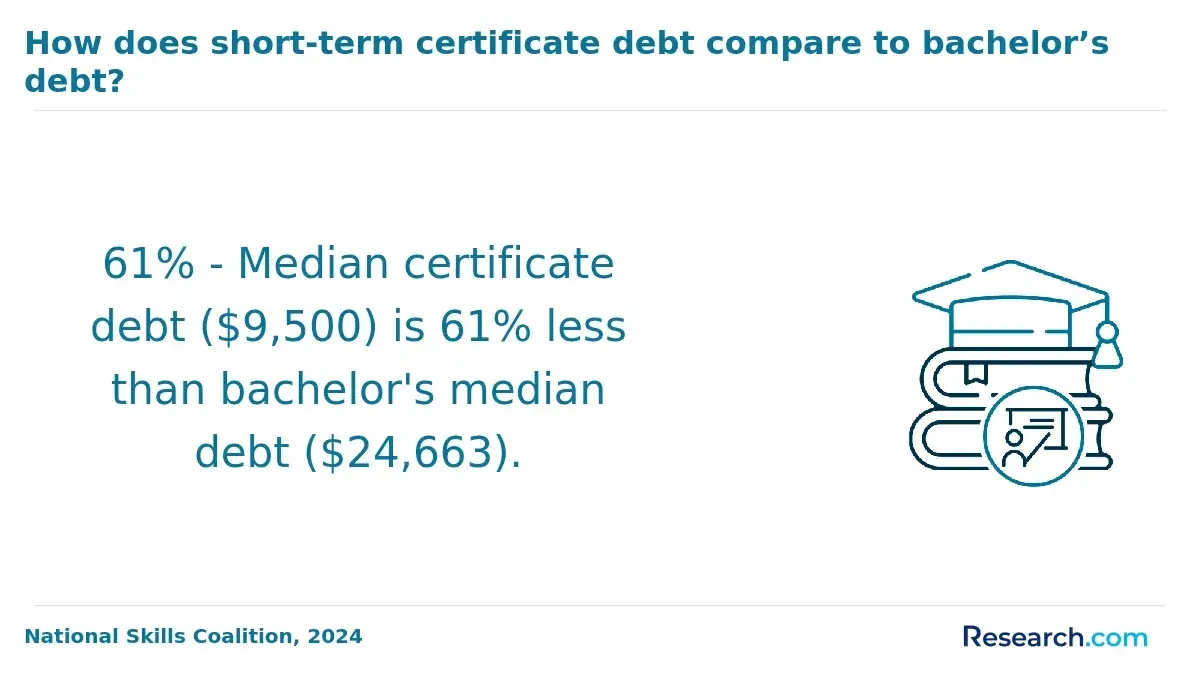
- Certificate programs averaging 9 months cost 35% less than traditional degrees but yield 25% lower median starting salaries, informing a critical cost-benefit tradeoff for career changers balancing short-term income versus credential depth.
What homeland security jobs offer the best work-life balance and predictable schedules?
Roles within Homeland Security that offer the best work-life balance and predictable schedules tend to be concentrated in administrative, intelligence analysis, and cybersecurity fields rather than field or emergency response positions. Those pursuing homeland security careers with predictable schedules often find that intelligence analysts and cybersecurity specialists typically work fixed office hours with minimal overtime. These positions involve analysis, threat detection, and systems oversight, requiring sustained mental focus rather than physical presence in the field, making them less likely to disrupt personal routines compared to frontline agents subject to erratic shifts and on-call demands.
A practical example is a cybersecurity analyst at the Department of Homeland Security, where the standard 9-to-5 schedule with little weekend work allows a clearer division between work and personal life. This stability is reflected in recent trends, including a rise from 53% to 62% in DHS's Employee Engagement Index between 2015 and 2019, driven largely by improved scheduling predictability. However, these roles demand continuous skill development to address evolving cyber threats and entail high cognitive workloads despite reduced physical risk.
Prospective candidates should prioritize agencies offering telework or hybrid models, often available in headquarters and central offices, improving work-life balance by cutting commuting time. Selecting a relevant educational background-such as cybersecurity, information technology, or a criminal justice degree-is essential, including understanding the associated obligations and demand for ongoing credential updates. For those evaluating this pathway, researching criminal justice degree price points can provide critical insight into educational investment relative to expected job stability and growth potential via criminal justice degree price.
What education and training are required for homeland security careers with good work-life balance?
Effective homeland security careers balancing work-life demands hinge on a tailored combination of education, training, and role selection. For example, cybersecurity roles, which increasingly support telework, typically require a bachelor's degree in criminal justice, cybersecurity, emergency management, or public administration plus certifications like CISSP or CompTIA Security+. Such qualifications align with employer expectations and enable hybrid or remote positions-a critical consideration for those prioritizing flexibility.
Field and operational positions, often entry-level, demand completion of specialized training programs at federal or state levels and impose physical on-site requirements, limiting scheduling flexibility. Conversely, intelligence analysts and policy planners benefit from advanced degrees and security clearances, facilitating desk-bound work that offers stronger telework options.
The evolution of workforce norms is reflected in the Department of Homeland Security's doubling of remote-work participation between 2019 and 2021. However, practical tradeoffs remain: educational investments must align with roles that truly accommodate remote work, as some mission-critical jobs require irregular shifts or physical presence.
Students should emphasize programs combining online coursework with internships, enhancing employability and access to jobs with work-life balance. Continued training in emerging technologies and compliance frameworks remains a decisive factor for hiring managers. Those examining homeland security education requirements in the United States and evaluating training programs for homeland security careers with good work-life balance may find an accelerated cyber security degree online a strategic option.
Which homeland security degree programs best prepare students for low-stress, stable roles?
Degrees that best position students for low-stress, stable government jobs in homeland security typically focus on cybersecurity, emergency management, and public administration. Cybersecurity programs emphasizing risk assessment, compliance, and policy development prepare graduates for stable roles in federal and state agencies with predictable work hours. Emergency management degrees that train students in coordination, resource planning, and community resilience support careers in local government or nonprofit sectors, where workloads are often more manageable compared to frontline or intelligence roles.
Public administration programs tailored for homeland security create pathways to administrative and policy positions featuring consistent work environments. For example, an emergency management graduate employed by a state agency usually experiences regular planning cycles with minimal overtime demands. This stability contrasts sharply with high-intensity, crisis-driven roles in law enforcement or counterterrorism, where unpredictable hours and workload spikes may impede sustainable career growth. Key factors to consider when selecting the best homeland security degrees for stable government jobs include curriculum stress focus, internship placements in low-pressure environments, and agencies known for employee retention and work-life balance.
These degree options also complement adjacent fields such as forensic science, where students might explore related programs including a forensic science degree online.
How do online homeland security programs compare to campus-based options for working adults?
Working adults pursuing online homeland security degree programs for working adults gain critical scheduling flexibility not afforded by traditional campus options. Eliminating commute time allows access to coursework beyond standard hours, aligning with the realities faced by 62% of DHS employees who report that work climate and scheduling impact retention. However, campus versus online homeland security education options illustrate a key tradeoff: campus programs offer more direct networking and hands-on training but impose rigid attendance requirements incompatible with variable shift work common in government roles.
For professionals actively engaged in security or emergency management, online programs enable immediate application of new knowledge without interrupting career progression. Yet, they often lack intensive labs and simulations essential for specialties such as counterterrorism analysis and cybersecurity operations. Many agencies, including the NSA, prioritize not only academic credentials but also demonstrated practical skills, motivating interest in hybrid models blending online coursework with scheduled in-person practicums-though these require disciplined time management.
Deciding between these formats demands evaluation of current job demands, learning preferences, and career strategies. Online formats demand self-discipline and delay network building, while campus-based routes may necessitate leave or reduced work hours. Federal recognition of accredited online degrees is strong but internships and field experience, more accessible through campus programs, remain vital for employability. Professionals should weigh these considerations carefully alongside cost and duration factors when assessing Spanish degree online options or similar credential pathways.
What accredited homeland security schools and programs should students prioritize for career stability?
Accredited programs aligned with federal standards offer the most reliable route to stable employment in homeland security, particularly when they integrate operational training with legal and regulatory knowledge. Institutions certified by the Department of Homeland Security's Center of Excellence, such as Arizona State University and the University of Maryland, design curricula that meet specific agency requirements, improving candidates' readiness for roles like customs officers and TSA agents.
The practical experience gained through state universities that maintain partnerships with federal agencies often serves as the differentiator for hiring managers. For instance, the University of Texas at El Paso's extensive border security simulations provide hands-on exposure that directly addresses the employer demand for vetted field experience. Positions such as customs officers carry an average annual salary of $32,318 according to Indeed's 2025 data, but long and irregular hours remain a key consideration influencing program selection and career sustainability.
Program flexibility also factors heavily into decision-making since many homeland security roles require shift work and geographic mobility. Online accredited options with synchronous elements, like those at Purdue University Global, accommodate professionals balancing work commitments while pursuing advancement.
Students face tradeoffs between broad interdisciplinary theory and niche certifications in cyber-defense or emergency preparedness. Choosing schools with curricula updated in line with current DHS threat assessments can prevent skill obsolescence, ensuring graduates remain competitive amid shifting agency priorities.
What typical courses and skills support work-life balance in homeland security roles?
Analytical and systems-oriented coursework directly influences work-life balance in homeland security roles by equipping professionals to reduce unpredictable deployments and overtime. For example, DHS program analysts earning approximately $80,411 annually as per Indeed's 2025 data often rely on advanced quantitative skills like statistical software, database management, and policy evaluation. These capabilities support more desk-based or remote roles, which contrast with the erratic schedules common in tactical assignments.
Technical proficiency in GIS mapping, automated threat detection, and communication protocols enhances operational efficiency by limiting off-hours incidents and improving schedule predictability. Legal and ethical coursework further reduces extended work hours by ensuring regulatory compliance, thereby minimizing audits or legal interruptions.
Interagency coordination and crisis communication skillsets mitigate burnout and prevent overlapping duties across departments, a frequent cause of emergency escalations that demand overtime. Strong project management training fosters better workload distribution, enabling negotiation of deadlines and delegation with supervisors.
Pragmatically, these skillsets typically open doors to positions with structured shifts or telework options, improving long-term career sustainability. Candidates lacking such skills often encounter unstable hours and higher stress in frontline roles. Prioritizing these educational emphases aligns with workforce data showing enhanced employability and more balanced work arrangements in homeland security disciplines.
How do salaries and benefits compare for homeland security jobs with favorable work-life balance?
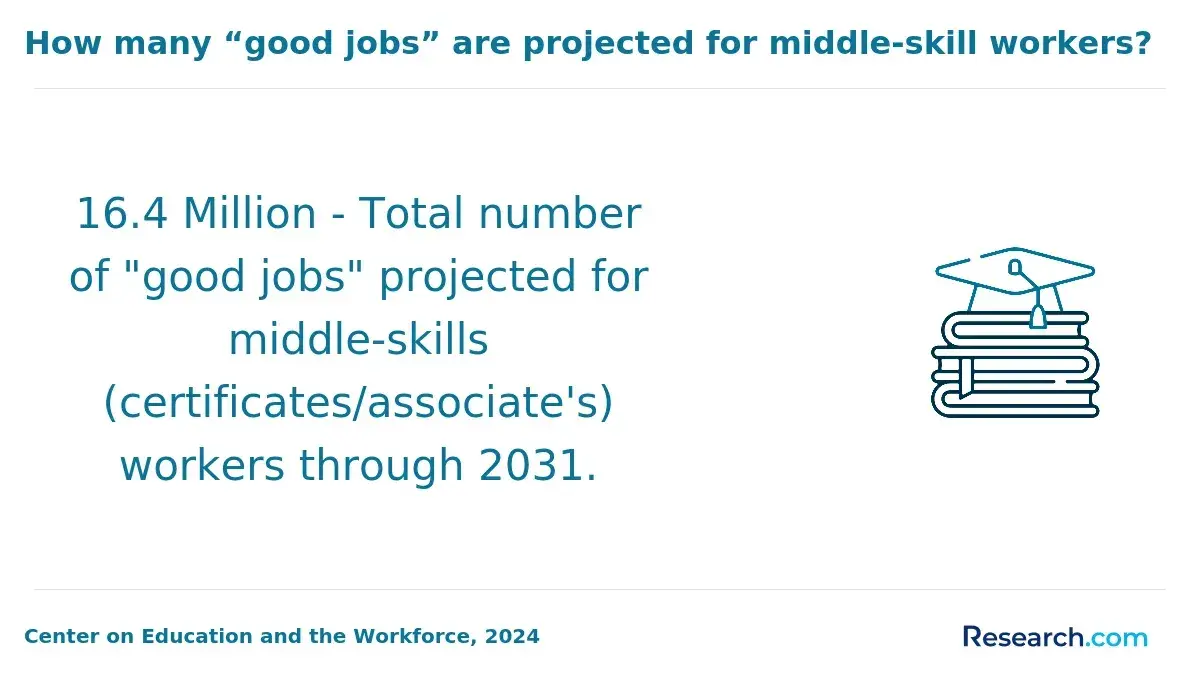
Choosing a career path within homeland security demands weighing salary against work-life rhythm, as roles differ greatly in operational demands and compensation. Intelligence analysts and administrative positions typically offer steady salaries between $65,000 and $90,000, with conventional weekday hours and standard federal benefits, supporting greater schedule predictability. In contrast, frontline roles such as border patrol or disaster response often pay $50,000 to $80,000 but require irregular shifts, on-call duties, and potential deployment, which complicate personal time management.
These variations tie directly to the agency's wide scope, spanning borders, airports, seaports, and cybersecurity. For example, a cybersecurity analyst earning around $85,000 may work a stable 40-hour week with telework options, while a border agent making $65,000 might face 60+ hours weekly amid rotating schedules. Such tradeoffs reflect broader workforce realities where better pay can mean less predictability.
Federal benefits-healthcare, retirement, paid leave-are foundational, yet operational roles may also access pay differentials like hazard or overtime premium, which boost earnings but complicate routine planning.
Aligning educational credentials with intelligence or administrative tracks often yields higher salaries combined with improved work-life balance. Prospective candidates should critically evaluate these distinctions to make informed choices that match their lifestyle priorities and career objectives within homeland security's diverse operational landscape.
What is the job outlook for homeland security positions that avoid frequent overtime and on-call work?
The stability of careers in homeland security that minimize overtime and on-call demands largely depends on the specific function and agency. Positions such as administrative support, cybersecurity policy, compliance analysis, and intelligence research within the Department of Homeland Security (DHS) usually follow standard business hours, offering more predictable schedules. Federal workers in these areas benefit from structured paid leave and 10 annual federal holidays, which support sustainable work-life balance without sacrificing leave accrual.
However, tradeoffs exist depending on operational focus. Cybersecurity analysts dedicated to policy and compliance typically maintain regular hours, whereas those involved in active incident response face unpredictable overtime. Similarly, immigration services officers working office-based shifts contrast sharply with field agents frequently subject to rotating shifts and emergency calls. Selecting the right role requires understanding such nuances across agencies, including TSA and Customs, where overtime policies and shift expectations differ from DHS headquarters.
Strategies for reducing overtime exposure and maintaining boundaries include:
- Targeting roles with fixed office hours rather than front-line operational duties.
- Researching agency-specific scheduling and overtime enforcement before committing.
- Prioritizing federal jobs for their leave structures and guaranteed holidays.
- Negotiating clear shift expectations and responsibilities during hiring to limit unexpected demands.
Which homeland security certifications improve access to flexible, family-friendly career paths?
Choosing certifications such as Certified Homeland Security Professional (CHSP) or Certified Emergency Manager (CEM) directly influences access to flexible, mid- to senior-level homeland security roles where telework and hybrid schedules are common. For instance, CHSP holders often work in emergency preparedness offices that routinely offer remote options, reducing the necessity for relocation or long commutes.
This flexibility is practical because these certifications emphasize project management and interagency coordination, building employer trust in autonomous execution. As a result, certified professionals are more frequently assigned compressed workweeks or adaptable shifts, options typically unavailable to non-certified staff.
Financially, federal incentives like DHS tuition reimbursement and student-loan repayment assistance materially decrease certification costs-reducing out-of-pocket expenses by up to 40%, according to ECPI's 2024 ROI data. However, balancing the required intensive exam preparation alongside family responsibilities remains a significant challenge. Selecting programs with modular, asynchronous coursework can mitigate this friction, allowing full-time workers to maintain employment and caregiving duties concurrently.
From a workforce perspective, agencies increasingly prefer candidates with these credentials because they demonstrate both technical proficiency and adaptability-traits essential for sustaining mission-critical outputs within flexible, remote homeland security roles. Candidates should weigh whether these certifications align with their personal scheduling needs versus the academic demands inherent in credentialing pathways.
How can students choose a homeland security program aligned with their work-life balance goals?
Choosing a homeland security program requires aligning educational offerings with the realities of sector-specific workplace demands and cultures. For instance, the 2019 DHS Employee Engagement Index shows morale and work-life balance at 76% in the Coast Guard contrasting sharply with just 38% at the Countering Weapons of Mass Destruction Office. This gap implicates program focus: a student targeting roles with predictable schedules and moderate hours should prioritize programs connected to the Coast Guard or FEMA rather than those funneling into high-stress, irregular-hour offices.
Key decision factors include internship pipelines and employer partnerships that reflect a student's work-life balance ambitions. Evaluating alumni success and workforce climate data helps identify programs where graduates maintain long-term sustainability. Moreover, programs offering flexible formats support working professionals aiming to transition without sacrificing income or stability.
Students should additionally weigh transferable skill training-like cybersecurity and emergency management-that broadens employment options without locking into demanding niches. Comparing workload expectations, practicum demands, and geographic placements is essential to avoid educational commitments that clash with personal obligations.
Tradeoffs are inevitable: specialized roles tend to impose stress and unpredictability, while broader qualifications may provide steadier environments but require proactive advancement. Consulting knowledgeable career advisors and leveraging current DHS workforce data will sharpen decision-making, aligning educational investment with realistic career trajectories in homeland security.
Other Things You Should Know About Homeland Security
Local and state homeland security roles often offer more predictable schedules compared to federal assignments, which can require frequent travel, irregular hours, and deployment during emergencies. However, local budgets may restrict staffing levels, potentially increasing workload during peak periods. Candidates valuing work-life balance should assess the tradeoff between federal career advancement and the relative schedule stability found in many state or local agencies.
Advanced degrees can open higher-level administrative or policy roles that typically have more stable hours and less fieldwork, which benefits work-life balance. However, not all supervisory or specialist positions mandate a master's or doctorate, especially in technical or operational tracks. Candidates should weigh the time and financial investment of advanced study against their career stage and seek programs with a clear link to roles that de-emphasize shift work or on-call duties.
Professionals must balance program flexibility, reputation, and employer recognition to avoid income loss during transition. Part-time or online programs are essential to maintain employment, but the curriculum must align with agency requirements and emphasize applied skills over theory. Prioritizing programs with strong connections to homeland security employers improves job placement speed and mitigates risks of extended income gaps during upskilling.
References
- DHS Homeland Security Professional Opportunities for Student Workforce to Experience Research Participant Stories https://orise.orau.gov/dhseducation/profiles-power/default.html
- Homeland Security Requirements (Degrees, Jobs & Salary) https://www.allcriminaljusticeschools.com/federal-law-enforcement/homeland-security/
- Online Bachelor's Degree: Homeland Security https://www.umgc.edu/online-degrees/bachelors/homeland-security
- Online Homeland Security Degrees: Explore Top Programs https://www.degreesforgood.org/online-degrees/homeland-security-programs/
- What Is a Homeland Security Degree? https://www.trident.edu/articles/what-is-a-homeland-security-degree/
- Differences Between a Criminal Justice and Homeland Security Degree https://www.nec.edu/news/criminal-justice-vs-homeland-security-degree
- Types of Homeland Security Degrees | Compare Schools https://www.criminaljusticeprograms.com/specialty/homeland-security-degrees/